Loading…
Loading video…

5,589 views
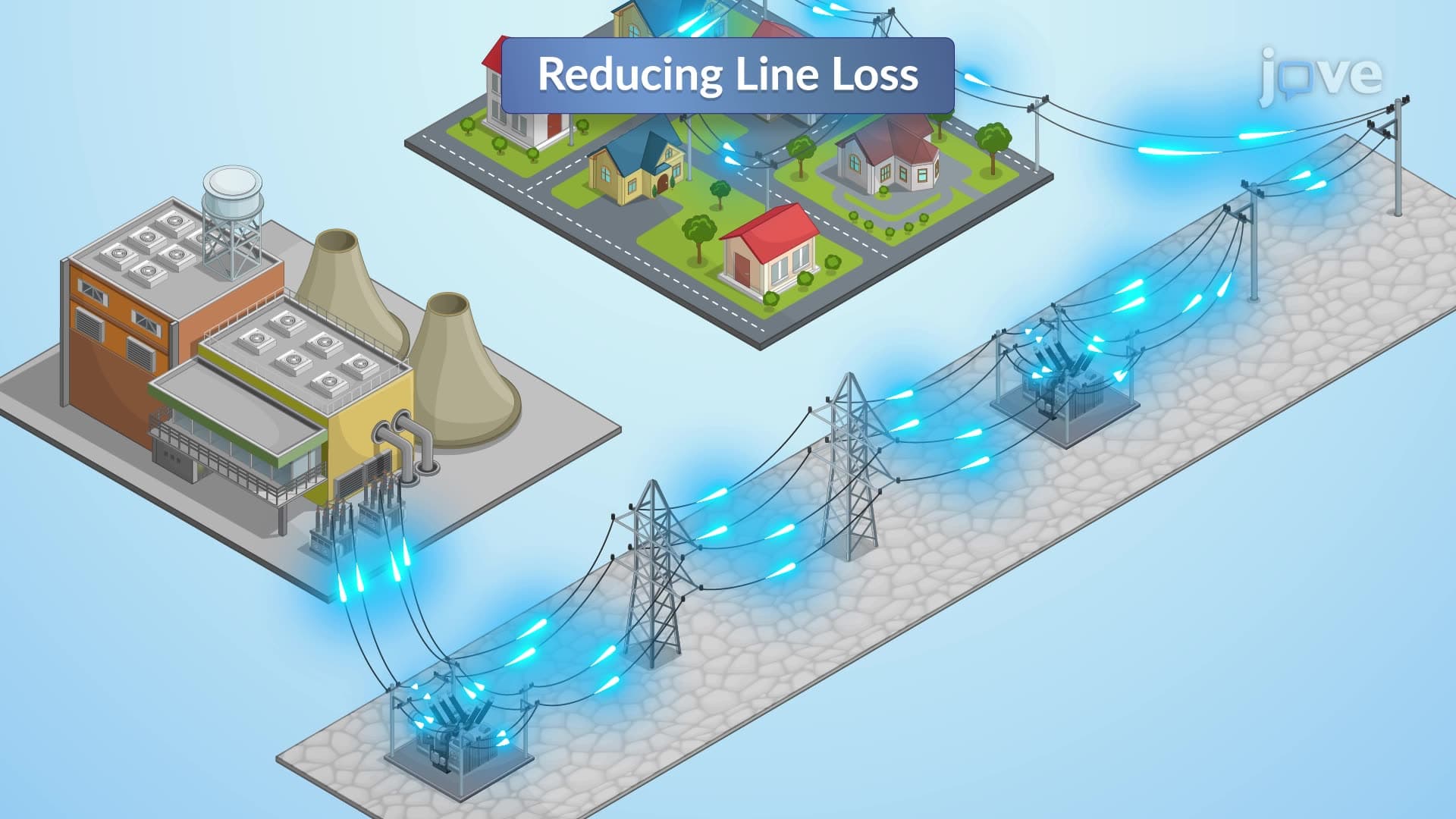
Did you know that the electricity powering major US factories and data centers isn't the same single-phase power in your home? The generation of three phase voltage creates a more efficient electrical system that reduces energy waste by up to 25% compared to single-phase systems. This advanced power distribution method, essential in industrial applications like Tesla's manufacturing plants, forms the backbone of what are three phase circuits. Watch the full video on JoVE Coach to master this concept with expert-led visuals and step-by-step explanations.
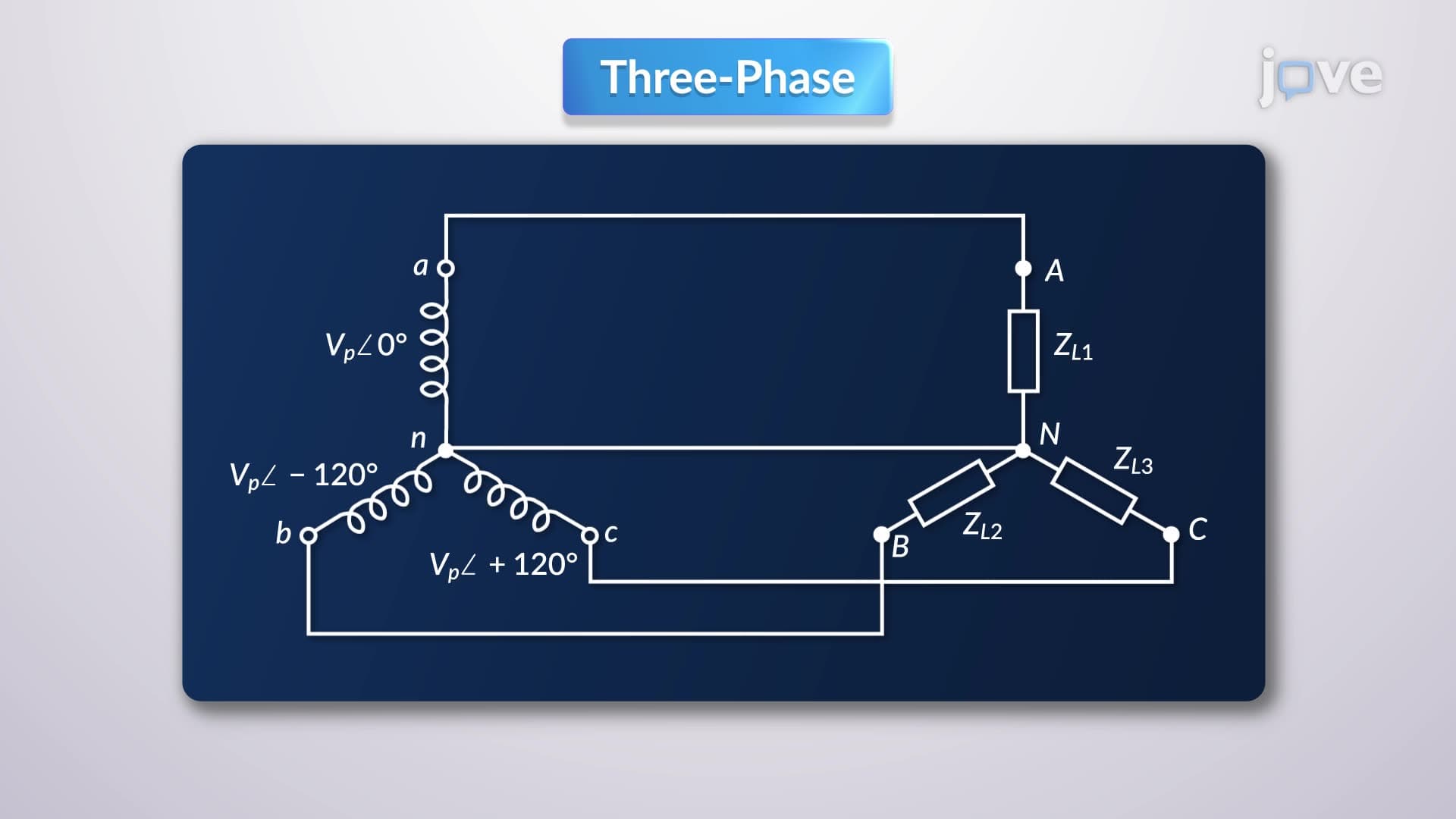
What are three phase circuits? They represent one of the most important electrical distribution systems in modern power engineering. Unlike the single-phase power that supplies residential homes across America, three-phase systems use three alternating current waveforms, each separated by 120 degrees in phase. This configuration creates a more balanced and efficient power delivery system that forms the foundation of industrial electrical infrastructure.
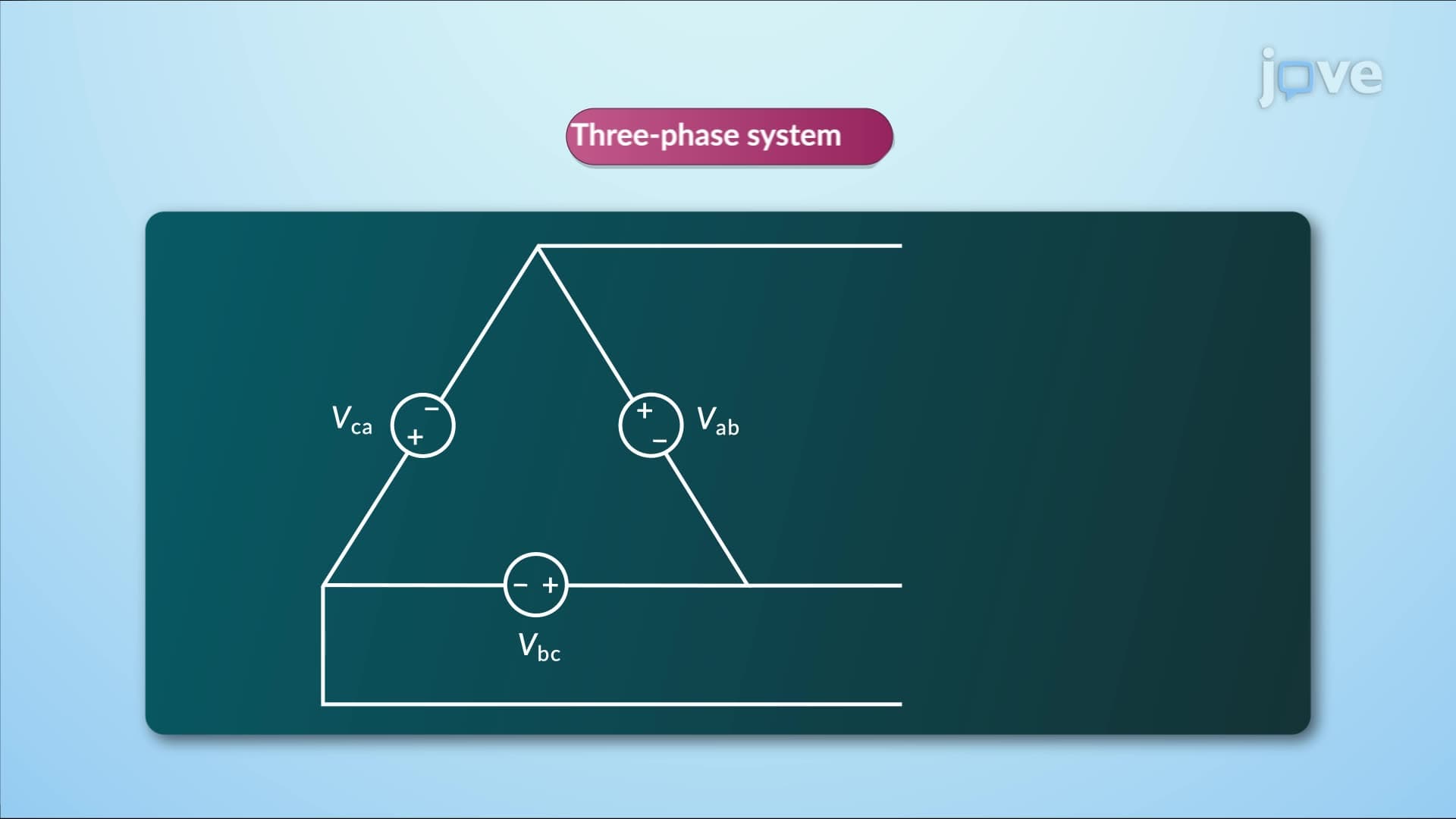
The generation of three phase voltage occurs when three identical voltage sources operate with the same frequency and amplitude but are displaced by 120 degrees in time. Picture three sine waves starting at different points: when one reaches its peak, the other two are at different phases of their cycles. This systematic offset creates a continuous, smooth power flow that's far superior to single-phase systems. Major US power plants, from coal facilities in West Virginia to solar farms in California, utilize this generation of three phase voltage principle to maximize transmission efficiency.
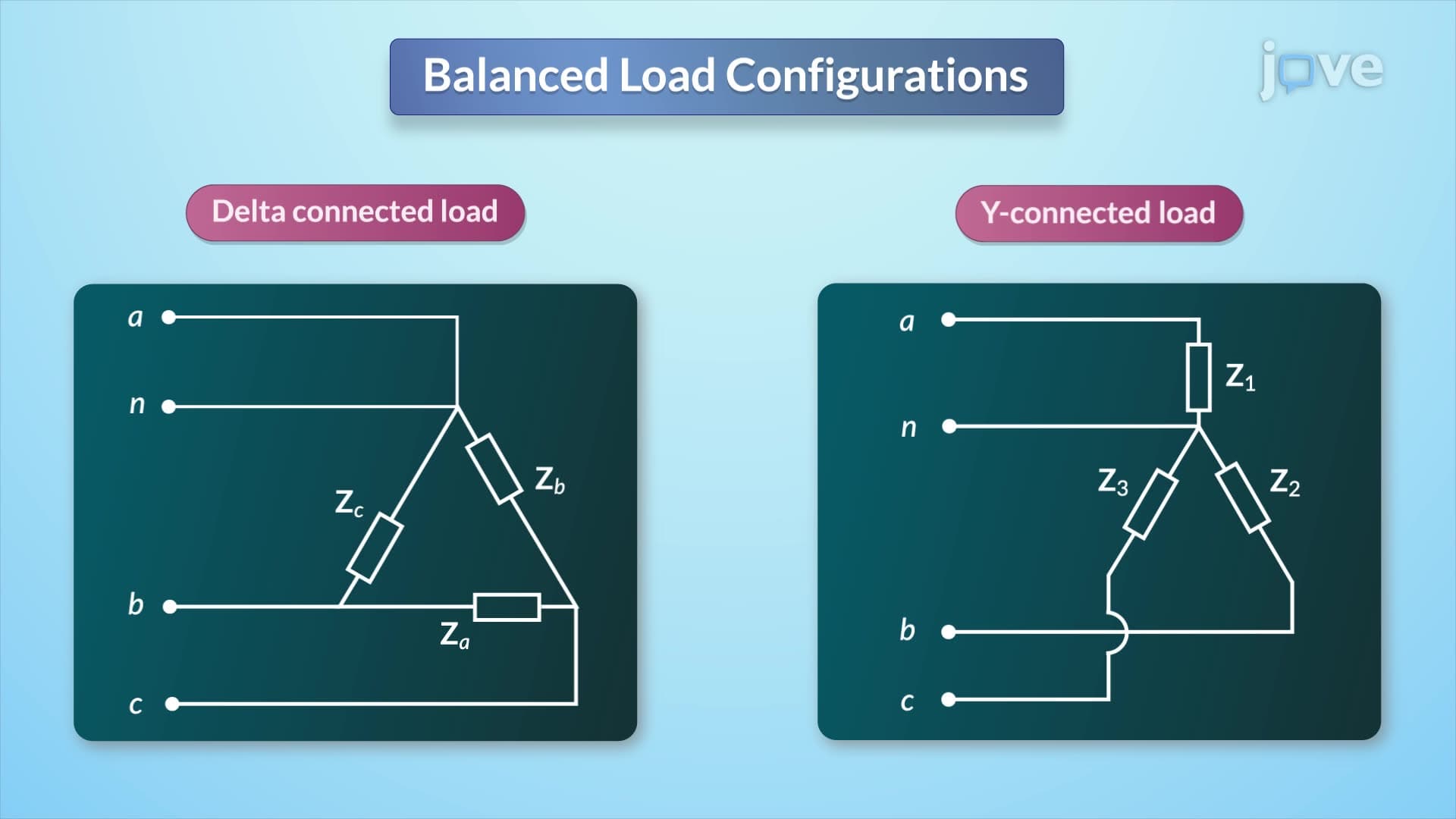
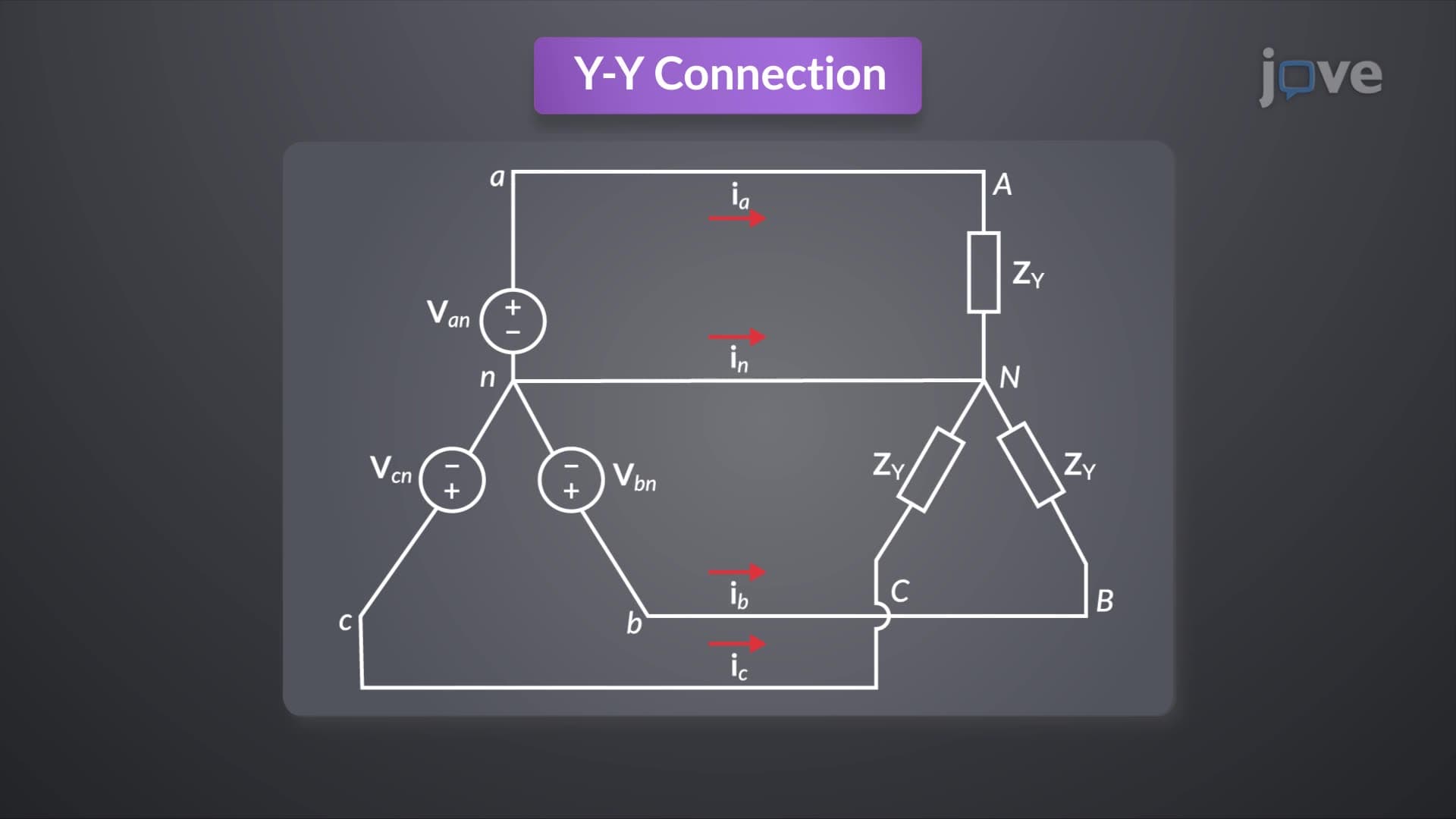
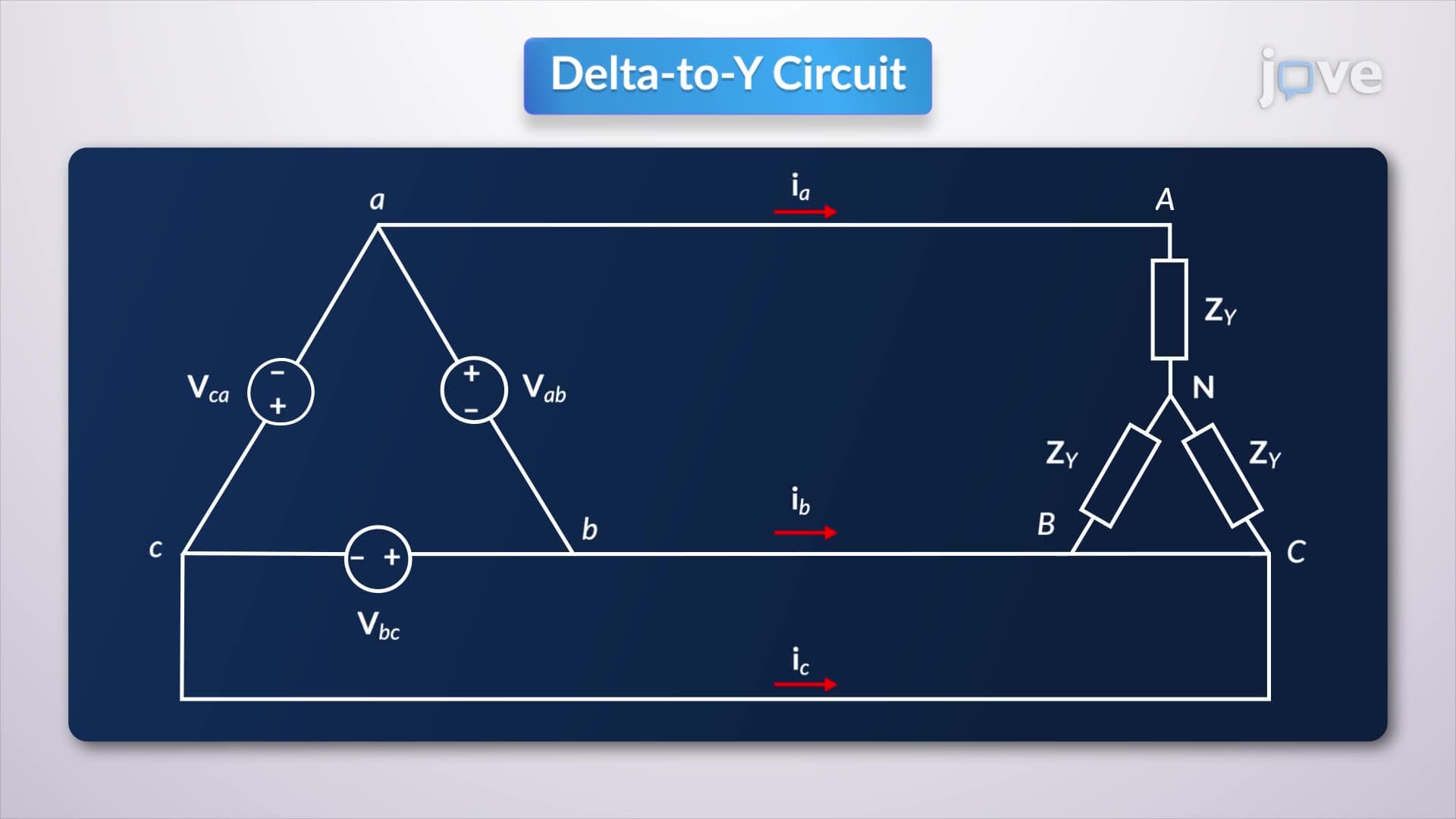
Three-phase circuits can be configured in two primary ways: Y-connected (also called star) and delta-connected. In Y-connected systems, common in US residential neighborhoods for 208V service, one end of each phase connects to a common neutral point. Delta configurations, prevalent in industrial settings like automotive manufacturing plants in Detroit, connect the phases in a triangular arrangement without a neutral wire. Understanding generation of three phase voltage tutorial concepts helps students recognize that both configurations deliver the same total power but with different voltage and current relationships.
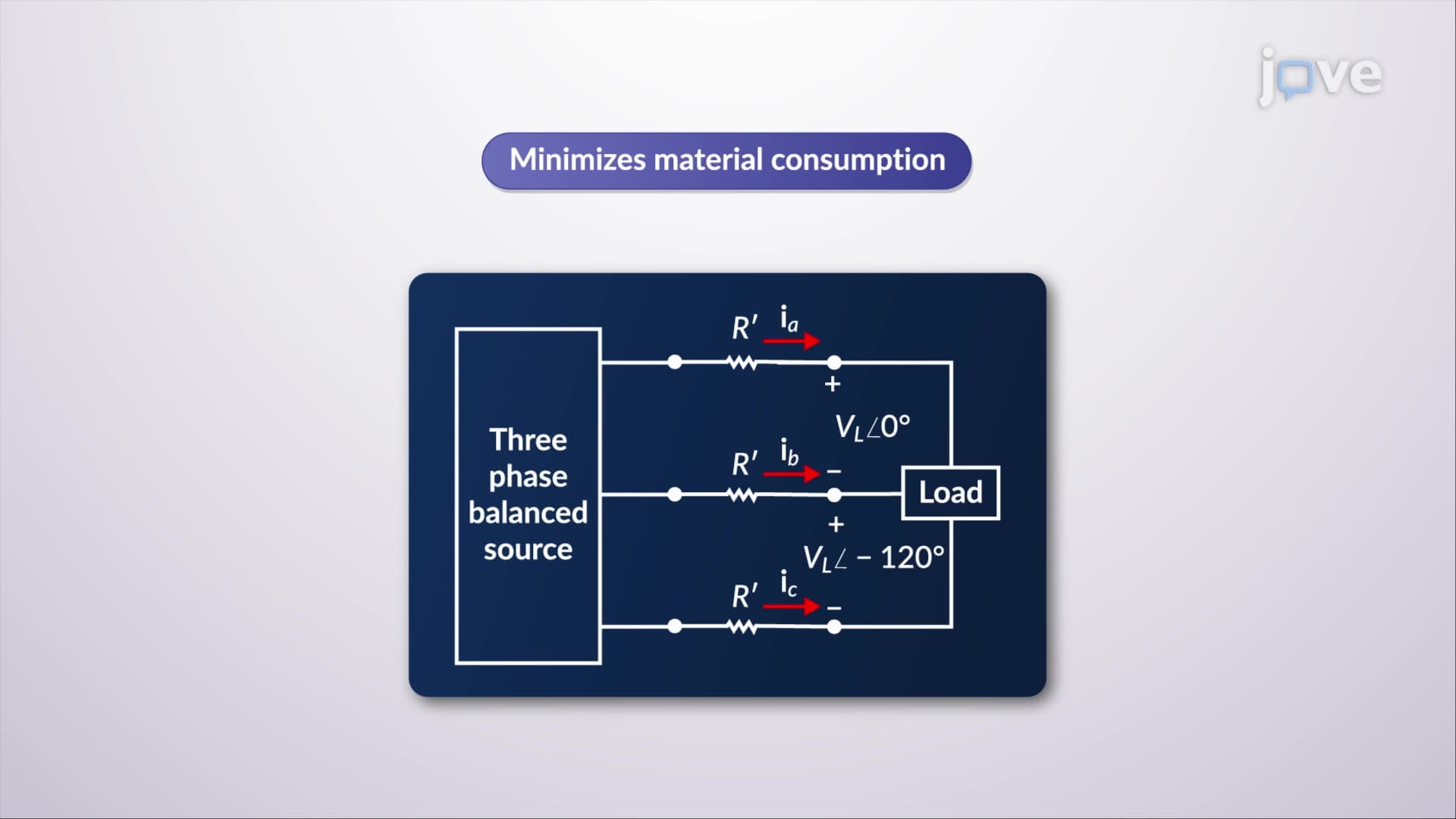
The practical benefits of three-phase systems become evident in real-world applications. US manufacturing facilities rely on three-phase power to operate large induction motors efficiently. These systems require approximately 25% less conductor material than equivalent single-phase systems, making them economically superior for high-power applications. The reduced pulsation in instantaneous power means less vibration in motors, extending equipment life in facilities from Boeing aircraft plants to pharmaceutical manufacturing operations. Students preparing for AP Physics C or college-level electrical engineering courses should understand how generation of three phase voltage works to solve complex power system problems effectively.
Frequently Asked Questions
Three-phase circuits use three voltage sources with 120-degree phase separation, creating more uniform power delivery than single-phase systems. They're primarily used in industrial applications because they provide smoother power flow, require less conductor material, and produce less vibration in motors compared to the single-phase power used in US homes.
Yes, three-phase circuit analysis frequently appears on AP Physics C: Electricity and Magnetism exams and college electrical engineering courses. Students typically encounter problems involving power calculations, phasor diagrams, and efficiency comparisons. Understanding both Y-connected and delta-connected configurations is essential for success on these assessments.
While the MCAT doesn't extensively test three-phase circuits, understanding AC power concepts and electrical systems helps with physics passages involving energy and power calculations. The analytical thinking required for three-phase problems strengthens problem-solving skills applicable to MCAT physics questions about electrical circuits and energy conservation.
You'll find three-phase systems in shopping malls, hospitals, office buildings, and manufacturing facilities across America. Large air conditioning systems in places like Houston hospitals, industrial equipment in factories, and even some electric vehicle charging stations use three-phase power for greater efficiency and reliability.
Not at all! With proper foundation in basic AC circuits and trigonometry, high school students can successfully learn three-phase concepts. Start with understanding single-phase AC circuits first, then gradually build up to three-phase systems. The mathematical concepts use familiar sine wave functions and basic algebra that most students master in pre-calculus courses.
Practice drawing phasor diagrams and memorize key relationships between line and phase quantities for both Y and delta connections. Focus on power calculations and use practice problems from college textbooks. Create summary sheets with formulas for power, voltage, and current relationships in both connection types.
Begin with the basic concept of how three voltage sources create the 120-degree phase relationship, then progress to analyzing balanced three-phase loads. Use online simulation tools to visualize waveforms and practice solving problems involving both Y-connected and delta-connected systems to build comprehensive understanding.
Consider studying unbalanced three-phase systems, power factor correction in industrial settings, and three-phase transformer connections. These topics appear in advanced electrical engineering courses and are crucial for careers in power systems engineering, particularly in the growing renewable energy sector across the United States.
Related Micro-courses
Related Subjects
 Civil Engineering 30 micro-courses›Mechanical Engineering 28 micro-courses›