Loading…
Loading video…

5,589 views
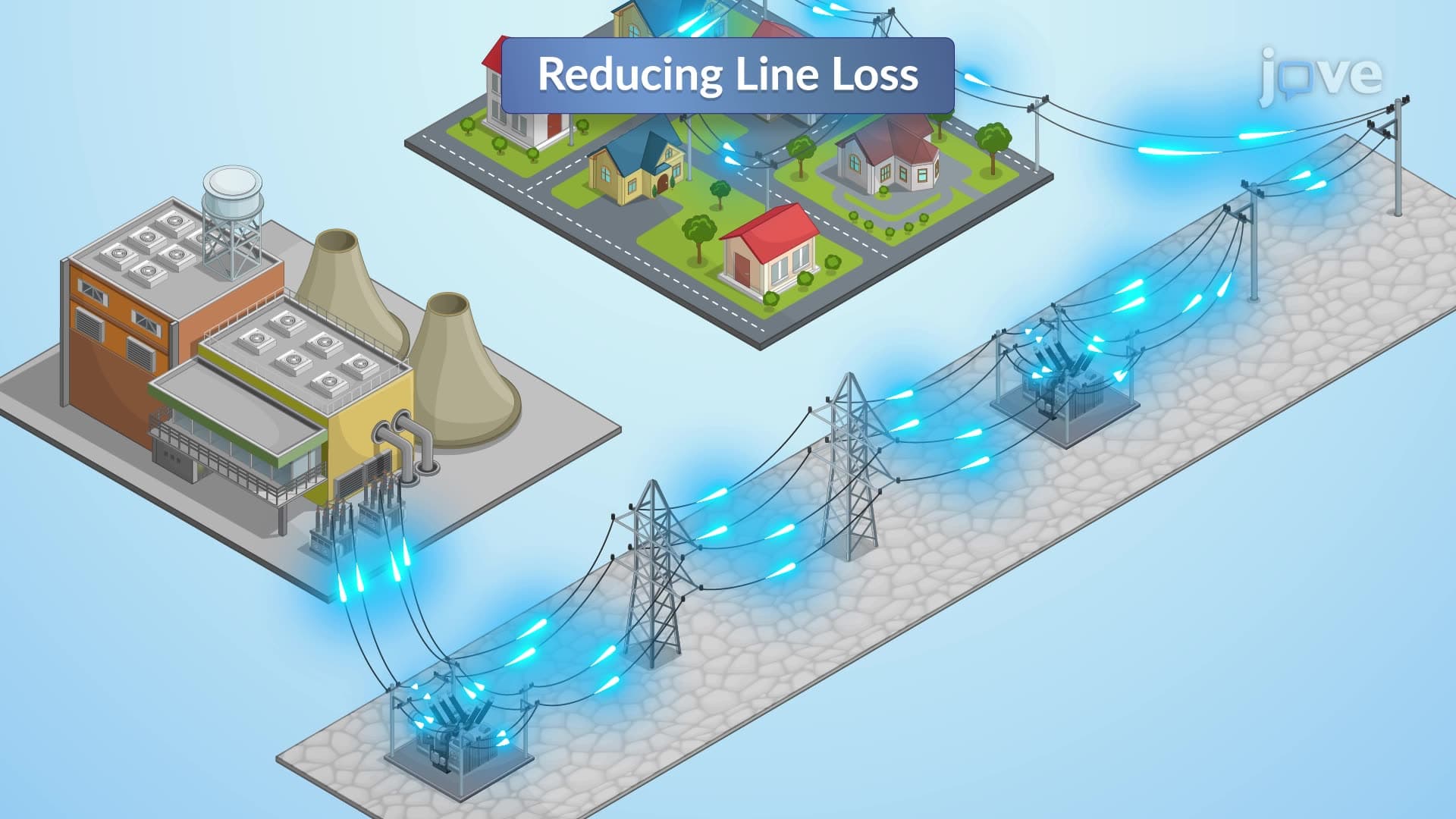
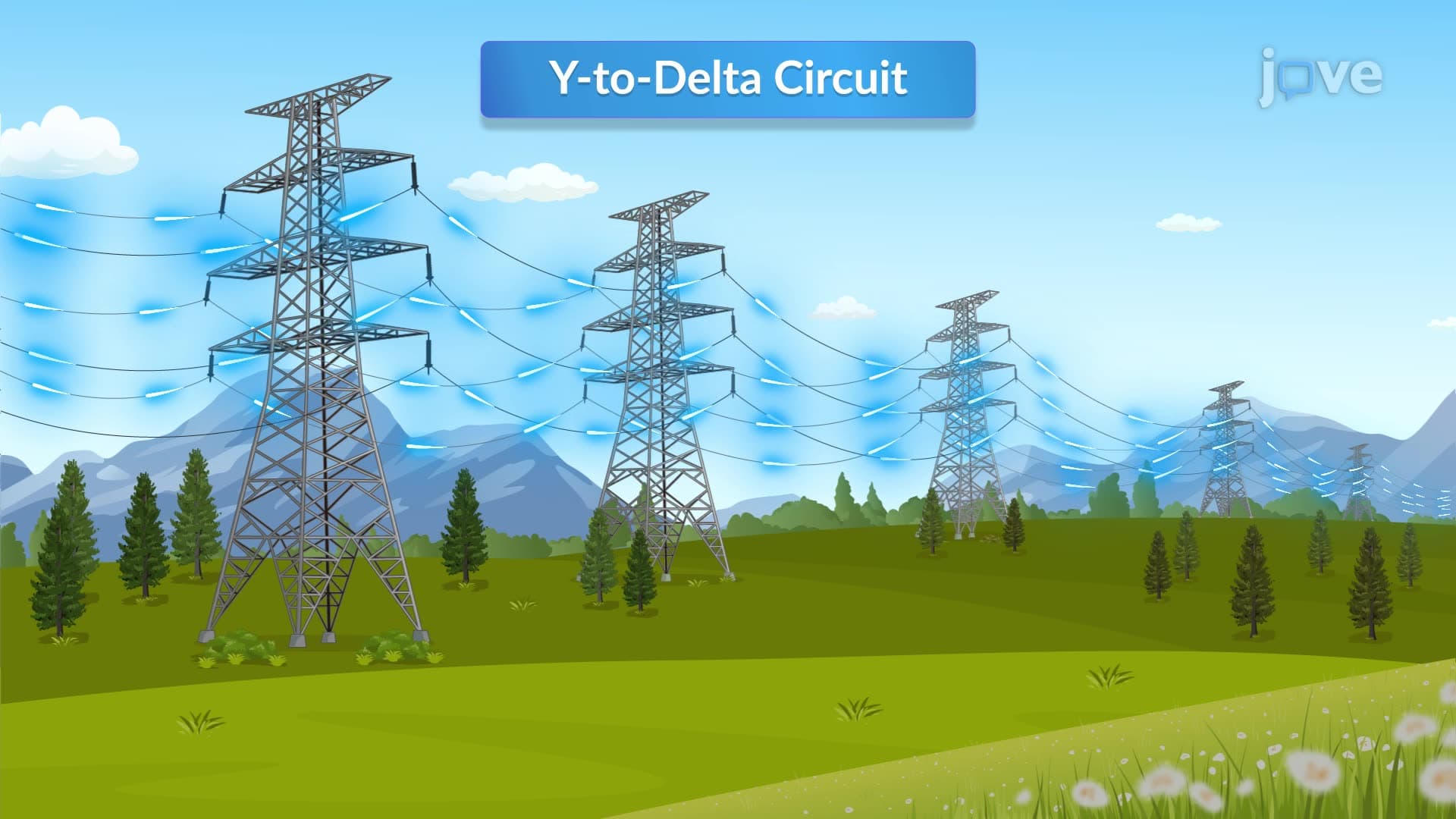
Did you know that up to 8-10% of electricity generated by US power plants never reaches your home? Reducing line loss is the critical process of minimizing electrical power dissipated as heat when electricity travels through transmission and distribution lines. Consider how Pacific Gas & Electric manages thousands of miles of power lines across California—without effective strategies for reducing line loss, your monthly electric bill would be significantly higher. What is line loss becomes especially important when understanding why transformers are strategically placed throughout electrical grids. Watch the full video on JoVE Coach to master this concept with expert-led visuals and step-by-step explanations.
Line loss represents one of the most significant challenges in electrical power distribution. When electricity travels from power plants to consumers through transmission and distribution lines, a portion of the electrical energy converts to heat due to the resistance of the conductors. This phenomenon directly impacts both utility costs and consumer electricity bills across the United States.
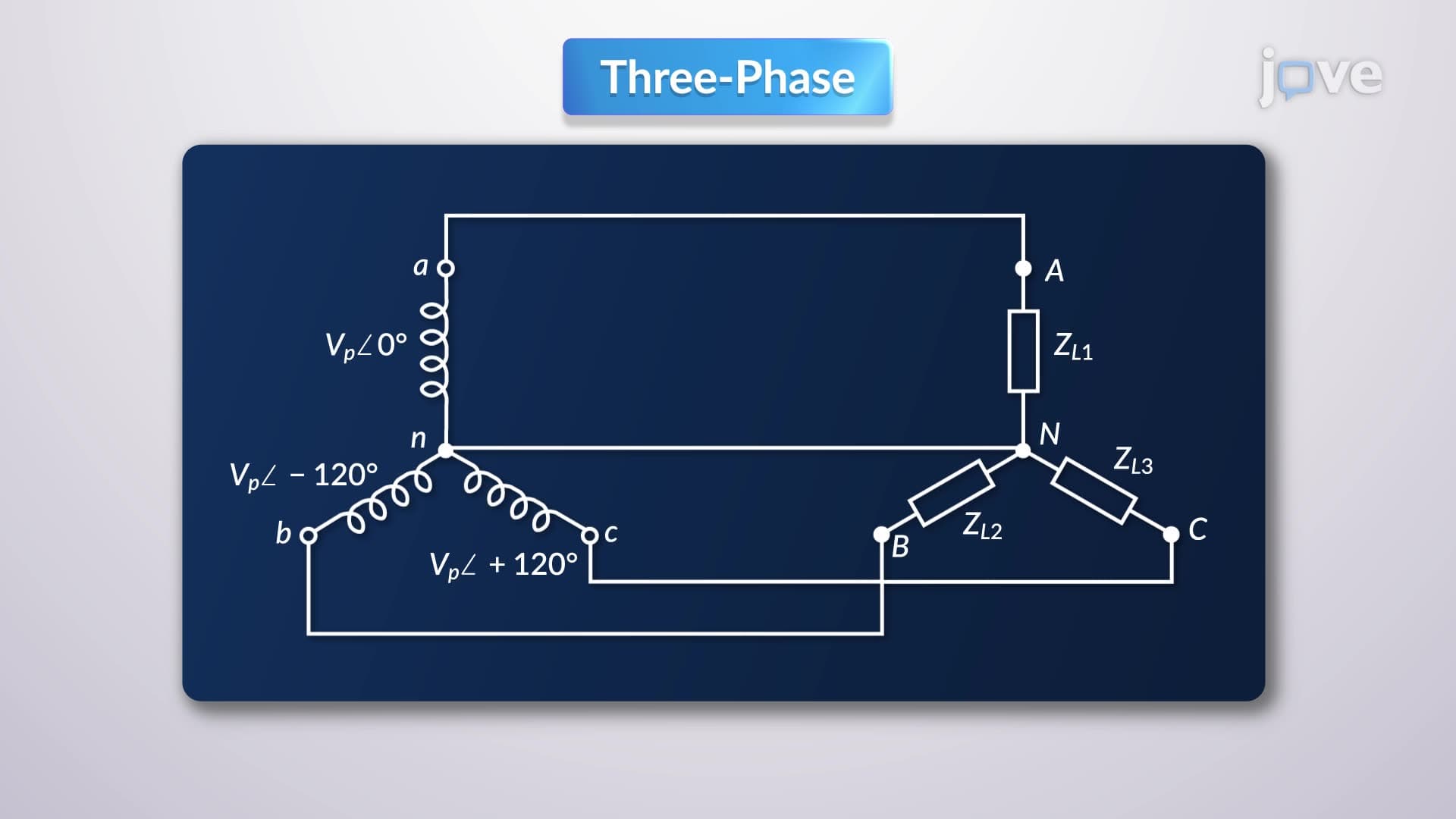
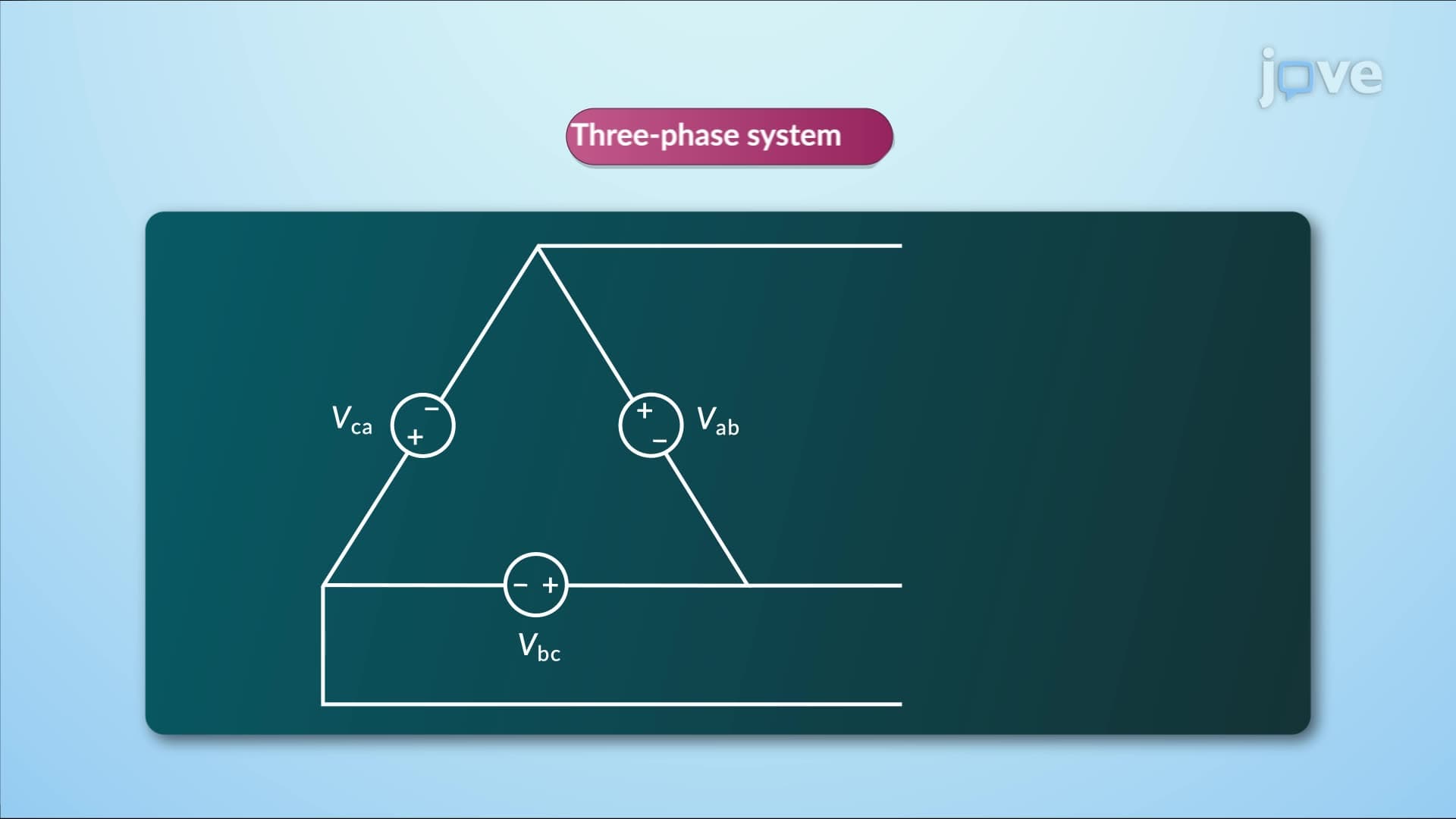
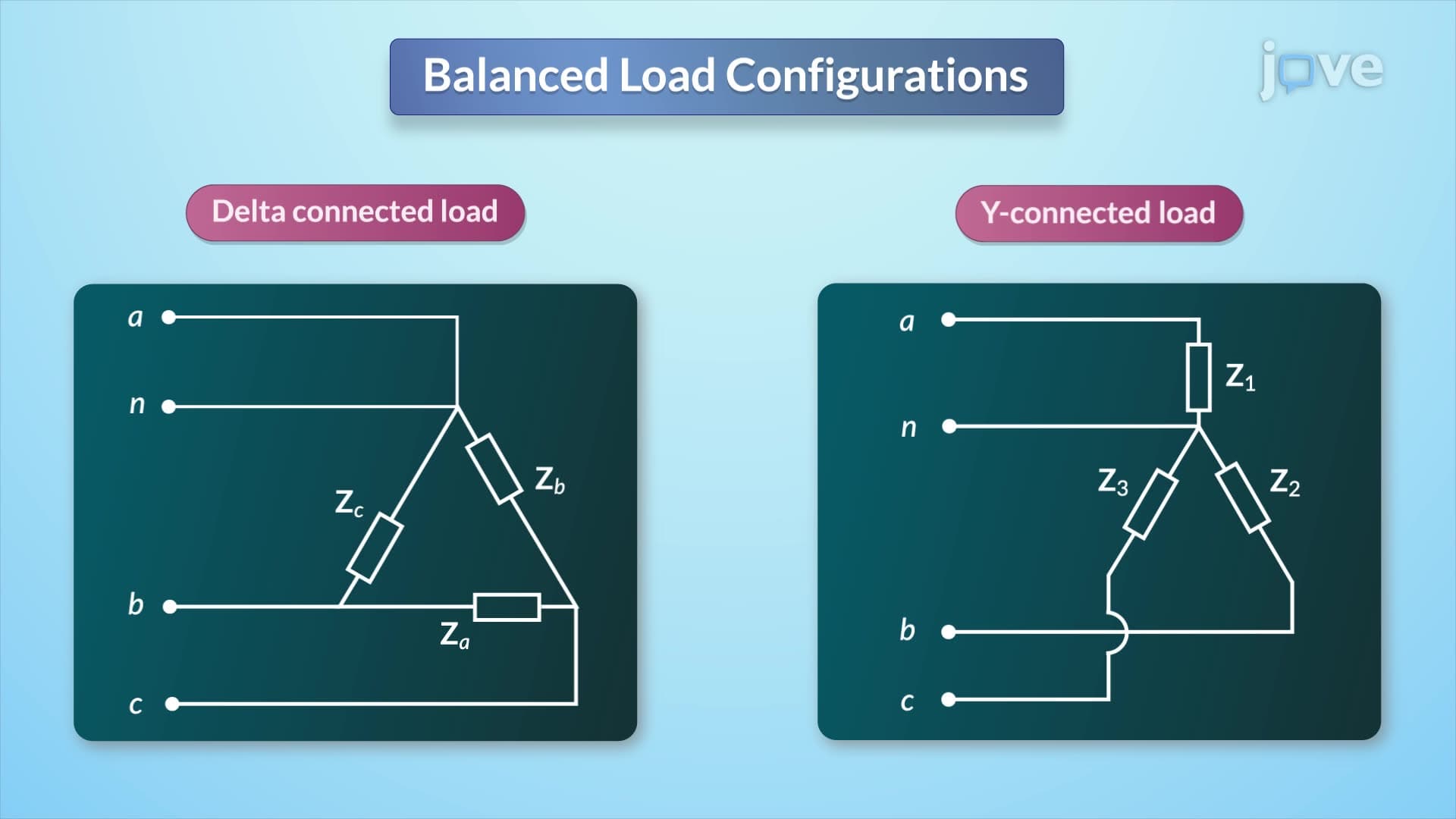
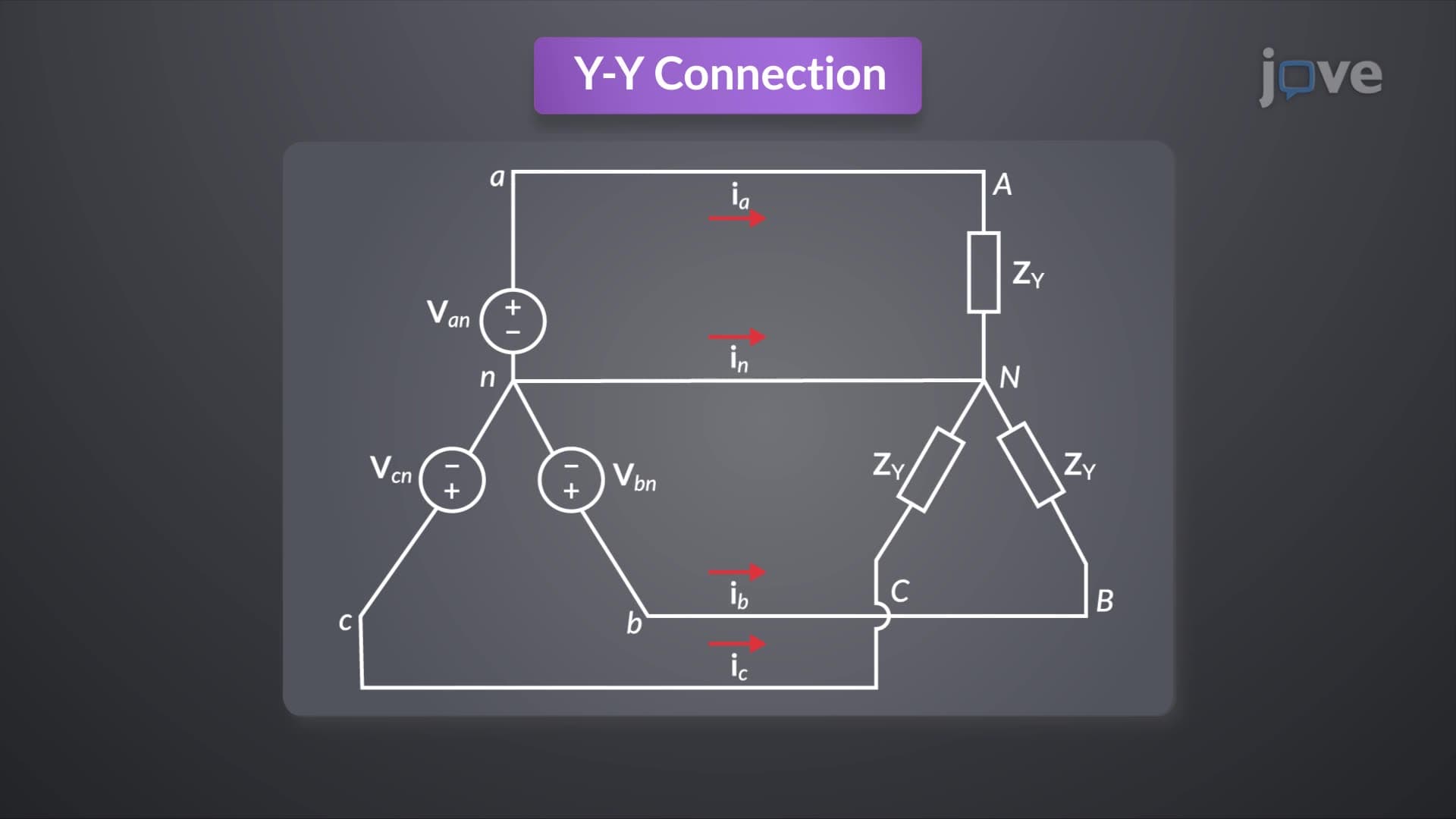
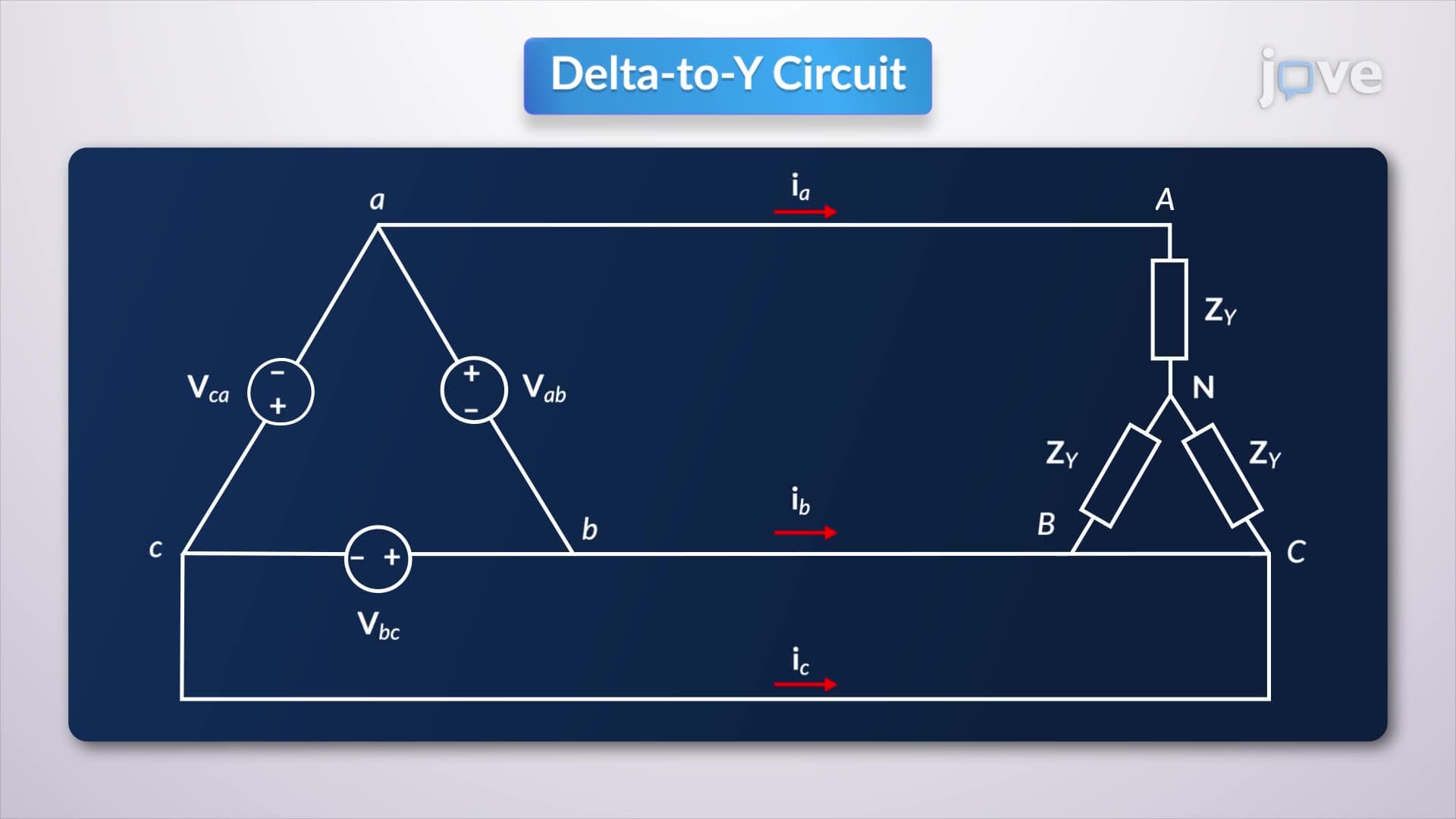
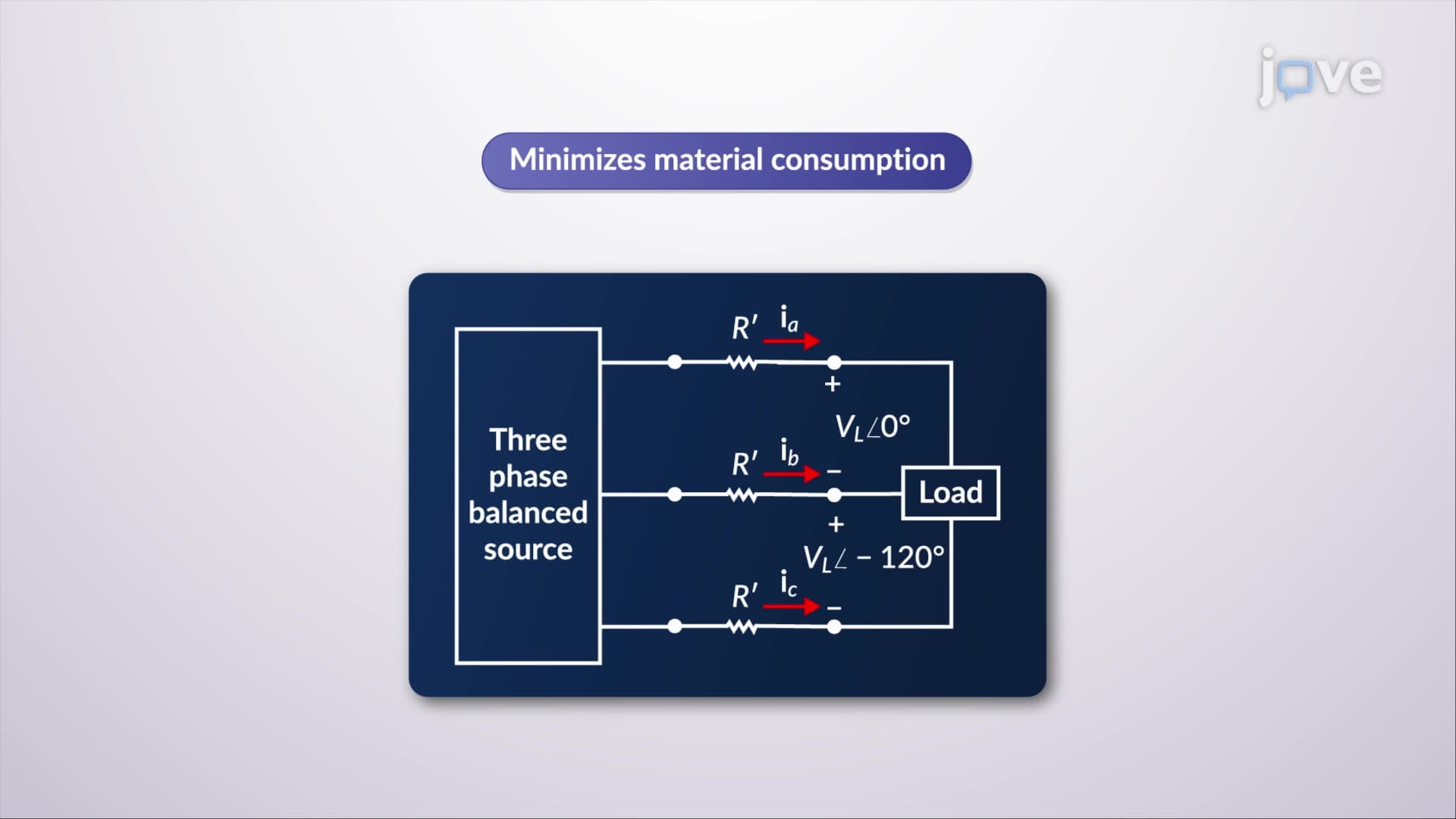
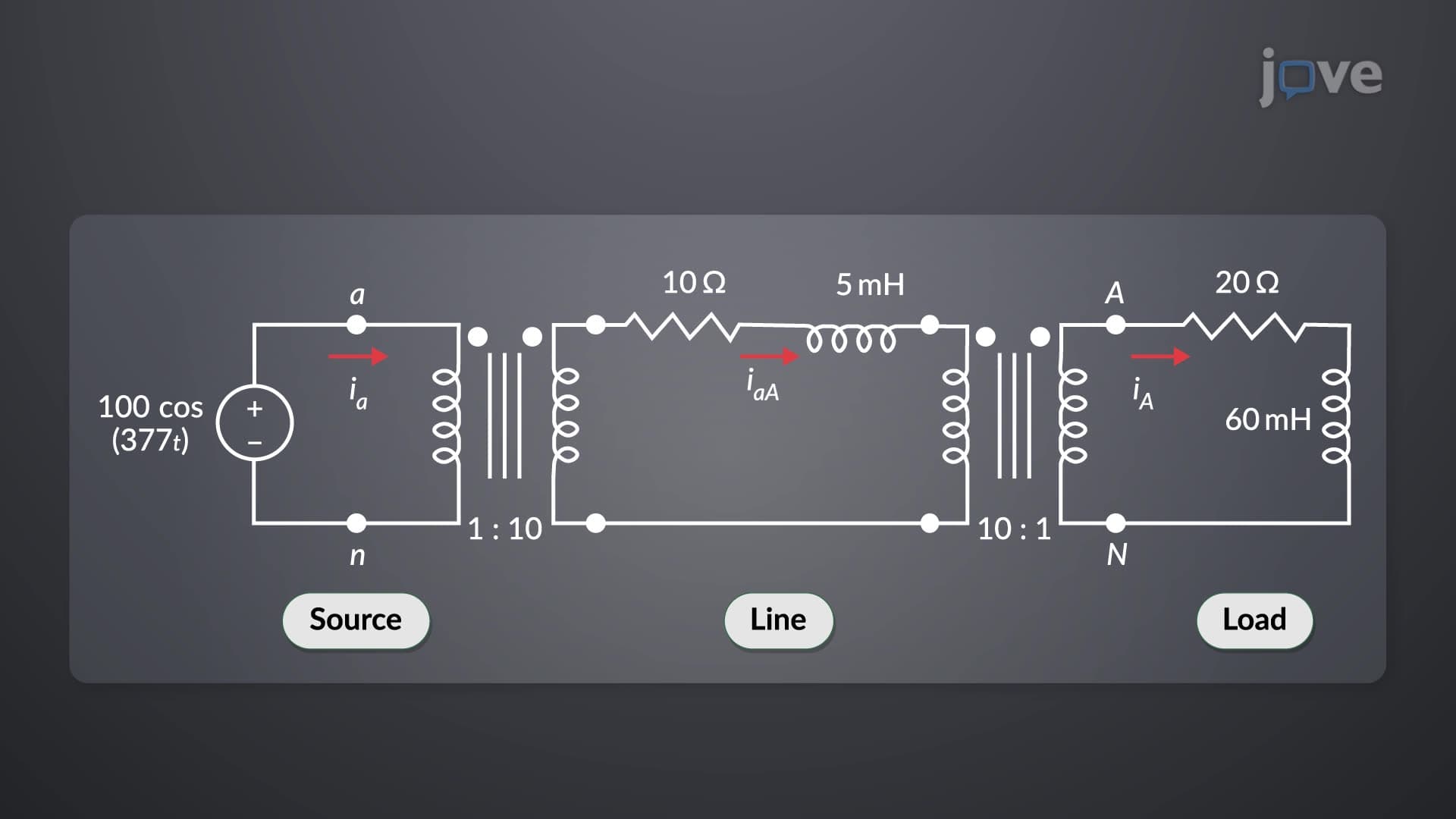
The power lost in transmission lines follows the fundamental relationship P(loss) = I²R, where I represents the line current and R represents the line resistance. In three-phase systems commonly used throughout US electrical infrastructure, engineers analyze each phase separately using per-phase equivalent circuits. This approach simplifies calculations while maintaining accuracy for balanced loads.
For a three-phase system, the total line loss equals three times the per-phase loss. If each phase carries current I and has line resistance R, then the total system loss becomes 3I²R. This relationship explains why utilities focus intensively on current reduction strategies—doubling the current quadruples the power loss.
Consider California's electrical grid during peak summer demand. When air conditioning loads surge across Los Angeles, transmission lines must carry higher currents to meet demand. Higher currents directly increase line losses, forcing utilities like Southern California Edison to operate less efficiently. This scenario demonstrates why reducing line loss becomes critical during high-demand periods.
Students preparing for AP Physics or college electrical engineering courses frequently encounter line loss problems involving efficiency calculations. A typical problem might ask: "If a transmission line delivers 95% of generated power to consumers, what percentage represents line loss?" The answer—5%—might seem small, but across the entire US electrical grid, this translates to billions of dollars annually in lost energy.
Transformers provide the most effective solution for reducing line loss without compromising load power delivery. By stepping up voltage at generation sources and stepping down voltage near loads, transformers enable power transmission at higher voltages and lower currents. Since line loss varies with current squared, this approach dramatically reduces transmission losses.
The US electrical grid exemplifies this principle through its hierarchical voltage structure: generation at 13-25 kV, long-distance transmission at 138-765 kV, distribution at 4-35 kV, and final delivery at 120-240 V. Each voltage transformation optimizes efficiency for that transmission segment's characteristics and requirements.
Frequently Asked Questions
Line loss is the electrical power dissipated as heat when current flows through the resistance of transmission and distribution lines. It occurs because all electrical conductors have some resistance, and when current passes through resistance, power converts to heat according to P = I²R. This represents unavoidable energy waste that utilities work constantly to minimize through system design optimization.
AP Physics problems usually provide source power, load power, and ask students to calculate efficiency or line loss percentage. Students apply the efficiency equation: η = (Power delivered to load / Power generated by source) × 100%. Line loss percentage equals (1 - efficiency). Practice problems often involve three-phase systems requiring per-phase analysis before scaling to total system values.
College exams typically test three-phase line loss calculations, efficiency analysis, and transformer applications for loss reduction. Students must demonstrate proficiency with per-phase equivalent circuits, complex power calculations, and economic analysis of transmission losses. Problems often integrate multiple concepts, requiring students to calculate both technical performance and cost implications of different transmission strategies.
Line losses directly increase your electricity costs because utilities must generate more power than consumers actually use, passing these inefficiency costs to customers. Typical US residential customers pay for approximately 8-10% more electricity than they actually consume due to transmission and distribution losses. During peak demand periods like summer air conditioning season, these losses can increase significantly.
Basic line loss understanding requires only algebra and simple power calculations using P = I²R and P = VI. High school students with solid algebra skills can master fundamental concepts without calculus. However, advanced applications involving complex three-phase analysis and optimization require stronger mathematical foundations typically developed in college-level engineering courses.
Focus on understanding the I²R relationship and practice converting between different power expressions (P = I²R, P = VI, P = V²/R). Create summary sheets showing three-phase system relationships and transformer principles. Work through problems systematically: identify given values, choose appropriate equations, perform per-phase calculations, then scale to total system values. Regular practice with realistic utility system examples builds both conceptual understanding and problem-solving confidence.
Build on line loss knowledge by exploring power system protection, load flow analysis, and renewable energy integration challenges. Study advanced transformer design, transmission line modeling, and smart grid technologies that utilities use to optimize efficiency. These topics connect directly to line loss principles while introducing more sophisticated engineering applications relevant to modern power system challenges.
Related Micro-courses
Related Subjects
 Civil Engineering 30 micro-courses›Mechanical Engineering 28 micro-courses›