Loading subject page…

- Finance
- Mergers and Acquisitions
- Divestitures and Restructuring
Micro-course: Mergers and Acquisitions
1,570 views
Learn key concepts and earn your certificate.






Divestitures and Restructuring


00:00
01:30
Video Summary: What Is Divestitures and Restructuring
Corporate portfolio optimization drives billions in M&A activity annually, with divestitures and restructuring serving as critical tools for strategic realignment and value creation. These strategic initiatives help companies like General Electric streamline operations, reduce complexity, and unlock shareholder value by separating non-core assets from primary business units. Understanding What is Divestitures And Restructuring empowers professionals to evaluate corporate transformation opportunities and assess competitive positioning changes. Watch the full video on JoVE Coach to master this concept with expert-led visuals and step-by-step explanations.
- Evaluate divestiture opportunities to identify underperforming business units that drain resources from core operations
- Analyze restructuring scenarios to assess potential cost savings, operational efficiencies, and competitive positioning improvements
- Apply strategic framework thinking to distinguish between external divestiture actions and internal restructuring initiatives
- Implement portfolio optimization strategies that align business units with long-term corporate objectives and market opportunities
- Assess financial implications of corporate separations, including debt allocation, tax considerations, and shareholder value creation
- Leverage case study insights from major corporate transformations to inform strategic decision-making processes
- Identify market timing factors that influence successful execution of divestitures and restructuring initiatives
- Compare spin-off versus asset sale strategies to determine optimal approaches for different business scenarios
Understanding Divestitures And Restructuring in Corporate Strategy
When Marriott International spun off its real estate assets into Host Hotels & Resorts in 1993, it exemplified how strategic divestitures can unlock value by allowing companies to focus on their core competencies. Today's volatile business environment demands that executives master these transformation tools to maintain competitive advantage and optimize capital allocation.
Strategic Divestitures: Portfolio Optimization Through Asset Separation
Divestitures represent deliberate strategic moves where companies sell, spin off, or otherwise dispose of business units, subsidiaries, or asset portfolios. Unlike fire-sale liquidations during financial distress, strategic divestitures occur when management recognizes that certain assets would create more value under different ownership or as independent entities.
Private equity firms often acquire divested assets, seeing opportunities to optimize operations without the constraints of being part of a larger conglomerate. For instance, when IBM divested its PC business to Lenovo in 2005, it enabled IBM to focus on higher-margin services and enterprise solutions while allowing Lenovo to leverage manufacturing efficiencies and global market access.
Corporate Restructuring: Internal Transformation for Enhanced Performance
Restructuring encompasses comprehensive organizational changes designed to improve operational efficiency, financial performance, and competitive positioning. This includes workforce optimization, operational streamlining, debt restructuring, and business model pivots. Unlike divestitures, restructuring focuses on internal transformation while maintaining existing business boundaries.
Delta Air Lines' successful restructuring during its 2005-2007 bankruptcy proceedings demonstrates how companies can emerge stronger through strategic cost reduction, route optimization, and operational improvements. The airline eliminated unprofitable routes, renegotiated labor contracts, and modernized its fleet to achieve sustainable profitability.
Financial and Strategic Implications for Business Leaders
Both strategies require careful consideration of stakeholder impacts, regulatory requirements, and market timing. Successful execution depends on thorough due diligence, effective communication strategies, and robust integration planning. Companies must evaluate whether separation creates distinct investment propositions that attract different investor bases or whether internal optimization can achieve similar results more efficiently.
Frequently Asked Questions
Divestitures involve external actions like selling or spinning off business units to third parties, while restructuring focuses on internal organizational changes such as cost reduction, operational improvements, and business model adjustments. Both aim to enhance corporate performance but through different mechanisms.
Assess whether the business unit has strategic fit with your core operations and whether it can achieve optimal performance within your current structure. If the unit serves different customer bases, requires distinct capabilities, or faces regulatory constraints within your organization, divestiture may create more value than internal restructuring.
Present divestiture options when business units consistently underperform relative to industry benchmarks, require significant capital investments outside your core expertise, or when market conditions favor premium valuations. Timing considerations include regulatory environments, tax implications, and availability of strategic or financial buyers.
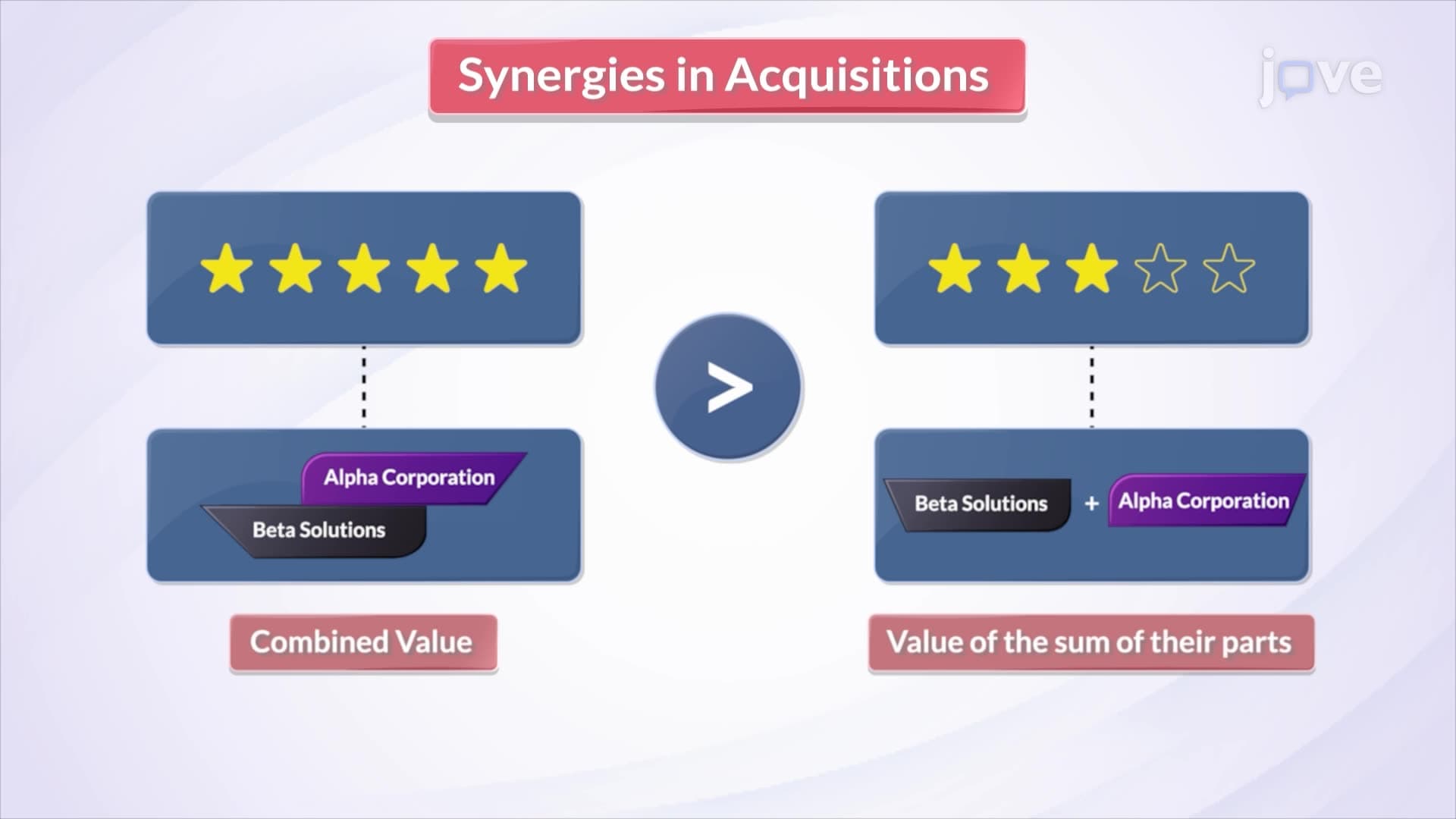
Activist investors frequently advocate for divestitures to unlock "conglomerate discount" where diversified companies trade at lower valuations than sum-of-parts analysis suggests. They argue that focused, pure-play companies achieve higher market multiples and operational efficiency than complex multi-business entities.
J&J's spin-off of Kenvue in 2023 allowed the pharmaceutical and medical device businesses to pursue distinct growth strategies and capital allocation priorities. The separation enabled each entity to optimize operations for their specific market dynamics, regulatory requirements, and innovation cycles.
While M&A knowledge helps, understanding basic financial statement analysis, strategic planning principles, and industry dynamics provides sufficient foundation. Focus on learning how these strategies align with corporate objectives and create measurable value for stakeholders.
Professionals who understand portfolio optimization and corporate transformation strategies become valuable advisors in strategic planning, business development, and executive decision-making processes. This expertise positions you for leadership roles in corporate development, strategy consulting, and senior management positions.
Study merger integration strategies, private equity value creation methodologies, and corporate governance frameworks. Understanding capital structure optimization and stakeholder management will complement your knowledge of corporate transformation strategies.
Related Micro-courses