Loading subject page…

- Marketing
- Digital Marketing
- Social Proof and Customer Reviews
Micro-course: Digital Marketing
5,168 views
Learn key concepts and earn your certificate.


Social Proof and Customer Reviews

00:00
01:21
Video Summary: Social Proof and Customer Reviews Explained
Modern consumers research extensively before purchasing, making social proof customer reviews a critical revenue driver. When Amazon displays product ratings prominently, they leverage psychological triggers that influence 93% of buying decisions. Social proof and customer reviews explained reveals how businesses systematically build trust through testimonials, user-generated content, and strategic review management. Companies integrating authentic customer feedback into their marketing see measurable conversion improvements and stronger brand credibility. Watch the full video on JoVE Coach to master this concept with expert-led visuals and step-by-step explanations.
- Leverage psychological triggers in customer behavior to increase conversion rates and reduce purchase hesitation across digital touchpoints
- Implement systematic review collection strategies that generate authentic testimonials while maintaining compliance and brand integrity
- Analyze competitor social proof tactics to identify market positioning opportunities and differentiation strategies
- Apply user-generated content frameworks that amplify brand reach and create authentic customer advocacy programs
- Evaluate local listing optimization techniques for Google My Business and review platforms to improve local market penetration
- Assess ROI metrics for social proof initiatives, measuring impact on customer acquisition costs and lifetime value
- Identify review management best practices that protect brand reputation while encouraging honest customer feedback
- Compare influencer endorsement strategies versus organic customer testimonials to optimize marketing spend allocation
Understanding Social Proof And Customer Reviews Explained
In today's competitive marketplace, consumer trust has become the ultimate currency. When Salesforce reports that 95% of customers read online reviews before making purchases, business leaders recognize that social proof customer reviews directly impact bottom-line performance. This psychological phenomenon drives customer behavior across industries, from enterprise software procurement to consumer retail decisions.
Strategic Framework for Social Proof Implementation
What is social proof and customer reviews in practice? It's the systematic leveraging of customer experiences to influence prospective buyers. Successful companies like Airbnb built entire business models around peer validation-their review system creates trust between strangers, enabling a $75 billion valuation. The platform's dual review system (hosts and guests rating each other) creates accountability while providing social validation that reduces booking friction.
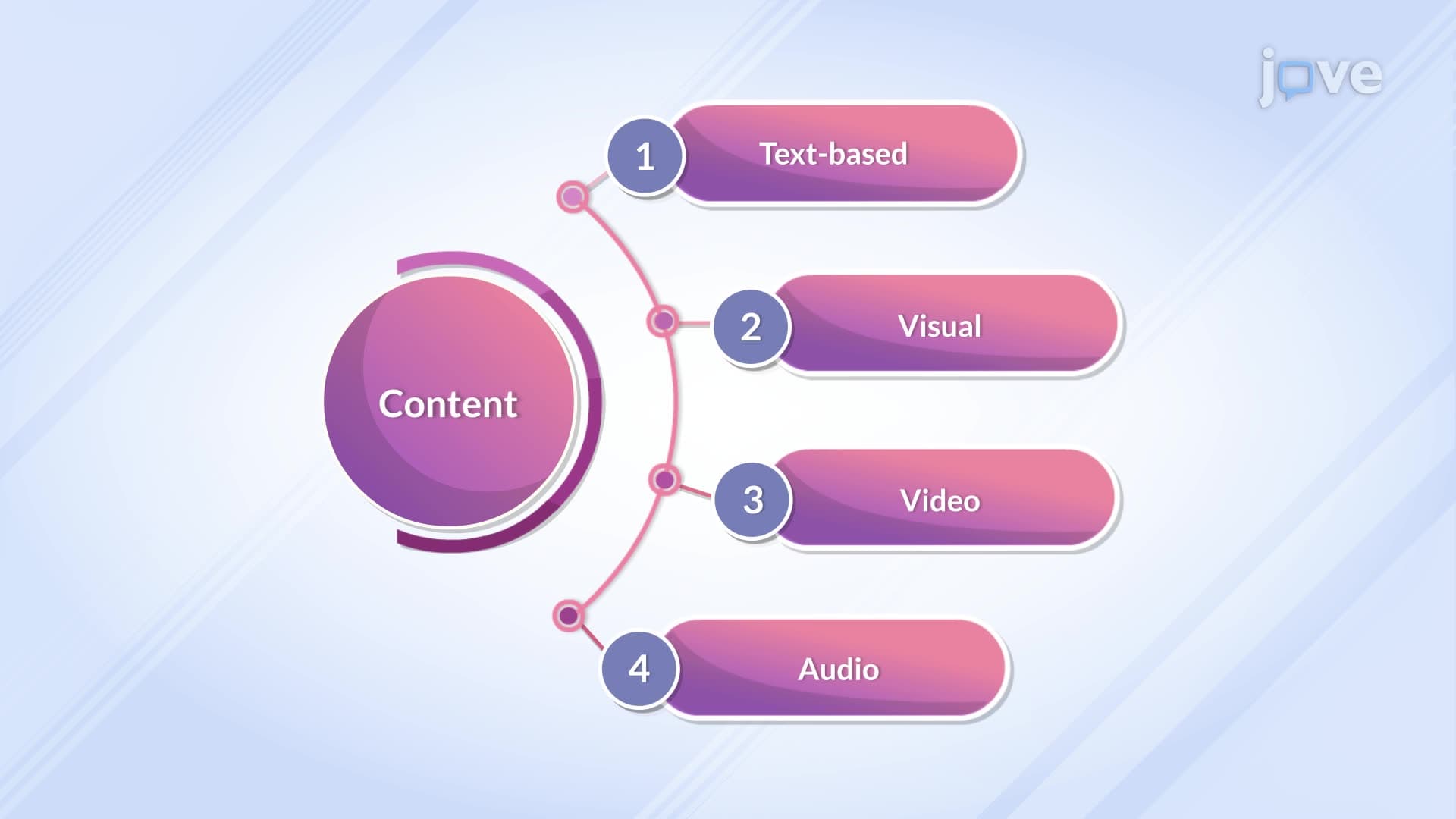
Professional marketers categorize social proof into distinct types: expert endorsements, user testimonials, wisdom of crowds, and certification displays. Each serves different stages of the customer journey. IBM leverages case studies and customer success stories in enterprise sales, while consumer brands like Glossier built communities around user-generated content that drives organic growth.
Building Systematic Review Collection Programs
Leading organizations implement structured approaches to social proof customer definition and collection. Post-purchase automation triggers review requests at optimal timing-typically 7-14 days after delivery when satisfaction peaks but before potential issues arise. Companies like Zappos integrate feedback collection into customer service interactions, turning support touchpoints into reputation-building opportunities.
Incentivization requires careful balance. While discount offers can boost review volume, they may compromise authenticity perceptions. Amazon's Vine program provides products to trusted reviewers, creating quality content while maintaining editorial independence through clear disclosure requirements.
Competitive Advantage Through Social Proof Optimization
Market leaders understand that social proof and customer reviews study guide extends beyond collection to strategic deployment. They integrate testimonials into sales presentations, feature customer logos on websites, and leverage video testimonials in board presentations. This systematic approach transforms satisfied customers into sales assets, reducing acquisition costs while improving conversion rates across all touchpoints.
Frequently Asked Questions
Social proof leverages customer experiences and endorsements to influence purchasing decisions through psychological validation. It includes testimonials, ratings, user-generated content, and expert endorsements that build trust and reduce buyer hesitation. Modern businesses integrate these elements systematically across marketing, sales, and customer experience touchpoints to drive measurable revenue growth.
Incorporate specific customer success metrics, case studies, and testimonials that mirror your prospect's industry or use case. Reference recognizable company names (with permission) and quantify outcomes achieved. Present social proof early in conversations to establish credibility and reduce skepticism about your solutions' effectiveness.
Use customer testimonials and case studies that demonstrate clear ROI to justify premium pricing positions. When customers validate your solution's value through reviews and referrals, it reduces price sensitivity and supports higher margins. Document customer success stories that quantify business impact for pricing negotiations and contract renewals.
Starbucks created the My Starbucks Rewards program that encourages customers to share experiences on social media, generating authentic user-generated content. Their mobile app displays popular items and seasonal favorites, using crowd behavior to influence individual choices. This approach builds community while driving sales through peer influence and social validation.
No extensive marketing background is required, but understanding customer psychology and basic digital platforms helps. Start with simple review collection automation and customer success documentation. Many successful social proof programs begin with systematically asking satisfied customers for testimonials and gradually expanding to more sophisticated user-generated content campaigns.
Professionals who understand social proof drive measurable business results through improved conversion rates and customer acquisition efficiency. This knowledge positions you for marketing leadership, business development, and general management roles where customer influence strategies directly impact revenue growth and competitive positioning.
Study behavioral economics and nudge theory to deepen your understanding of customer decision-making psychology. This knowledge enhances your ability to design customer experiences that systematically influence behavior while maintaining ethical business practices and regulatory compliance.
Related Micro-courses