Loading subject page…

- Marketing
- Digital Marketing
- Content Marketing
Micro-course: Digital Marketing
5,168 views
Learn key concepts and earn your certificate.





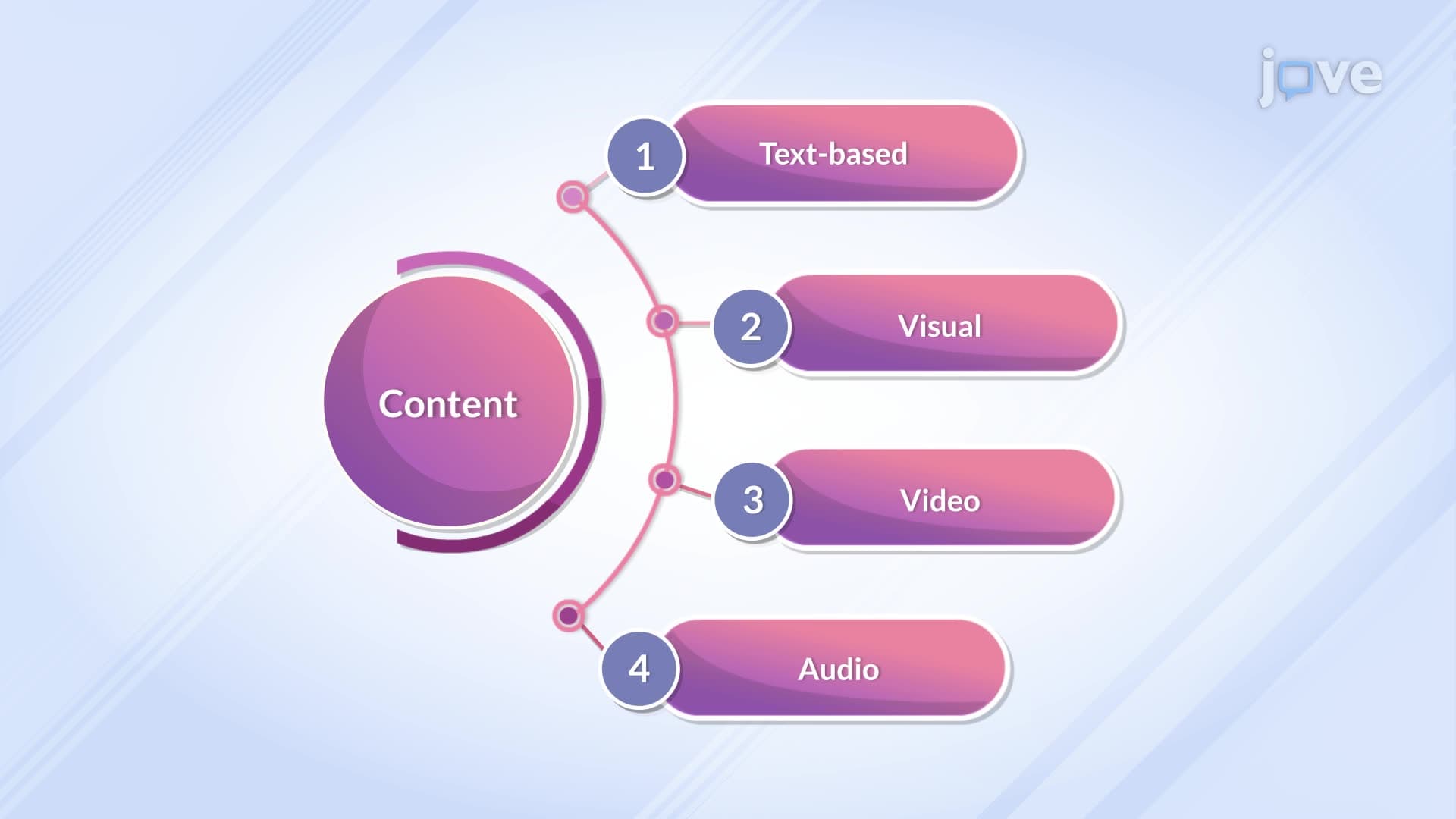



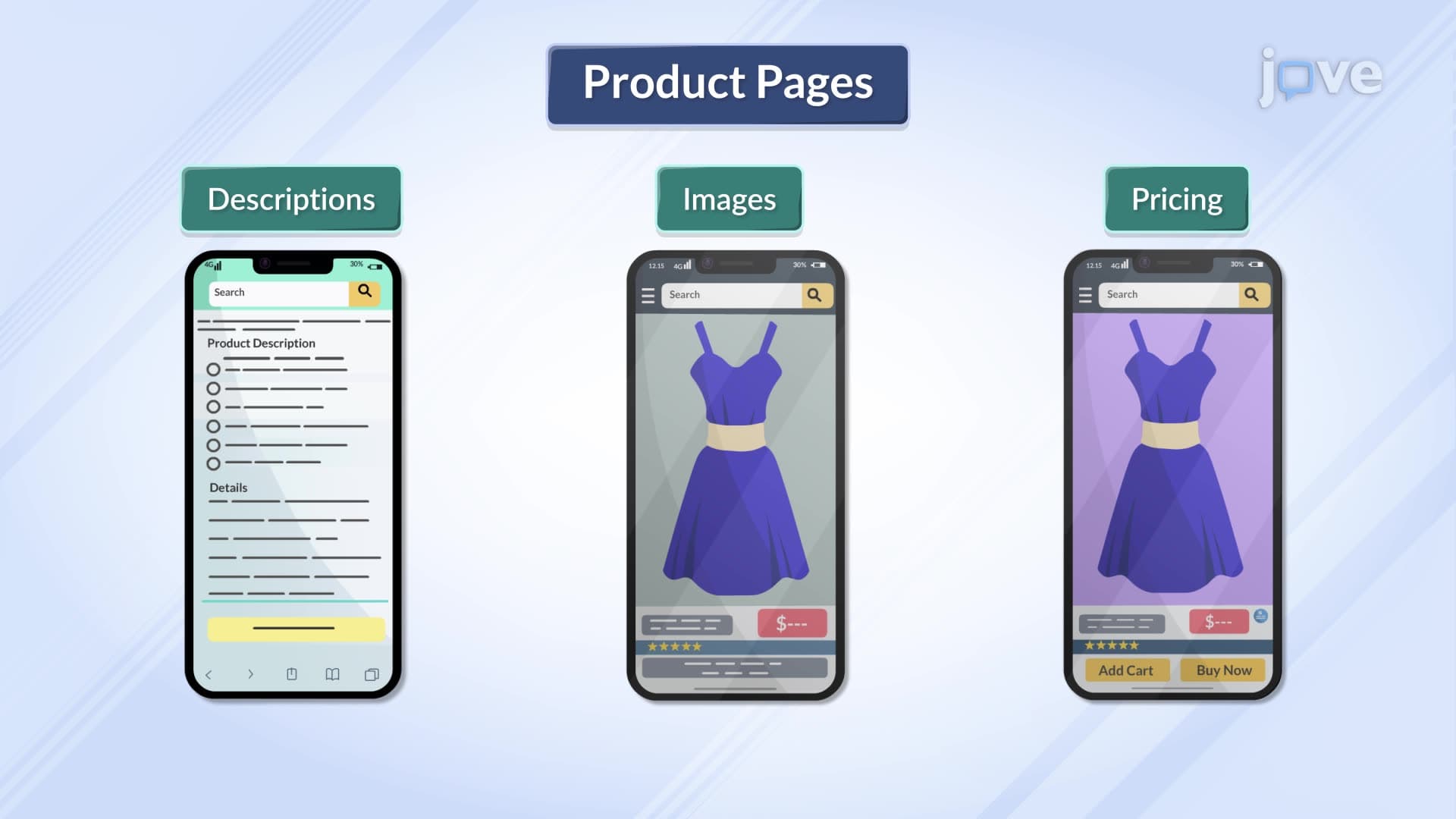


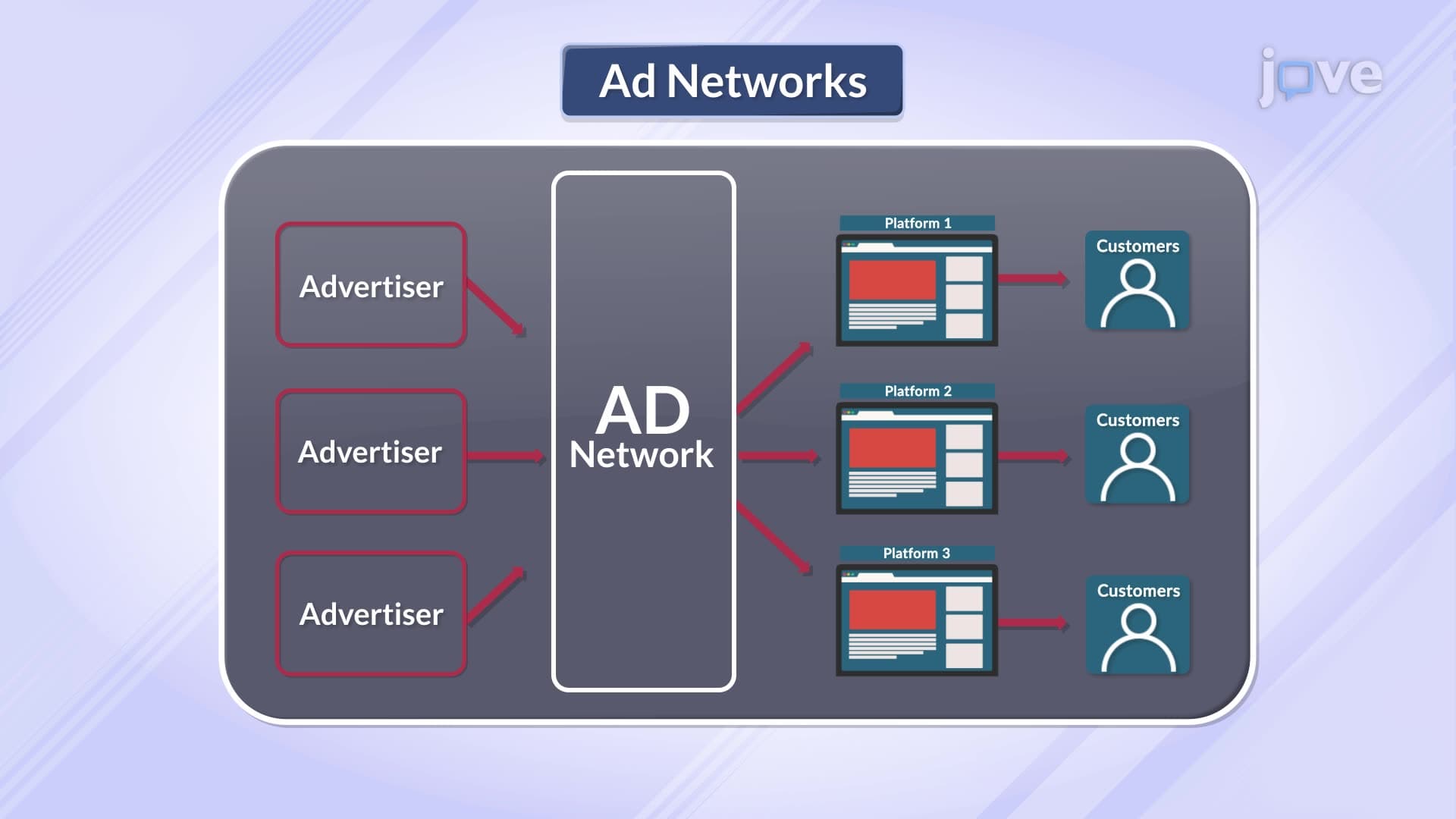
Content Marketing


00:00
01:29
Video Summary: What Is Content Marketing
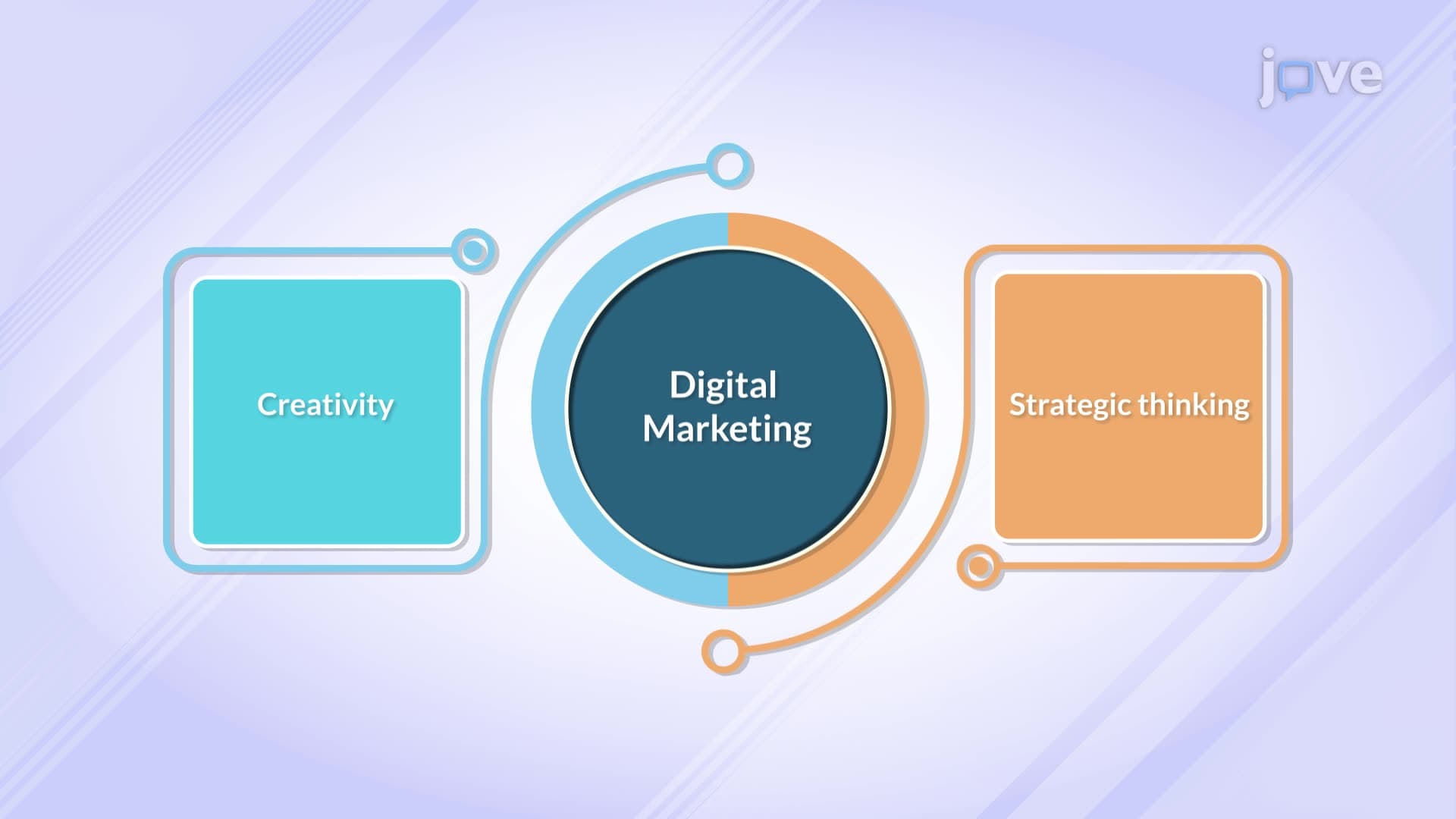
Modern businesses allocate over 40% of their digital marketing budgets to content marketing, making strategic content creation a critical competitive differentiator. Content marketing drives measurable ROI through valuable, audience-focused content that builds trust and generates leads without traditional advertising interruption. Companies like HubSpot have transformed their entire business model around content marketing, generating over $1 billion in revenue through educational resources that attract and convert prospects. Watch the full video on JoVE Coach to master this concept with expert-led visuals and step-by-step explanations.
- Apply content marketing frameworks to reduce customer acquisition costs while building long-term brand authority in your industry vertical
- Evaluate multi-platform content distribution strategies that maximize reach across LinkedIn, email marketing, and owned media channels
- Analyze competitive content gaps to identify high-value topic opportunities that position your company as a thought leader
- Implement measurement systems that track content performance from awareness metrics through revenue attribution
- Compare traditional interruption marketing ROI against content marketing's compound returns on trust and engagement
- Leverage diverse content formats-video, whitepapers, podcasts-to match executive decision-maker consumption preferences
- Identify content marketing opportunities that support sales enablement and shorten B2B sales cycles
- Assess content marketing budget allocation to optimize investment across creation, distribution, and promotion activities
What is Content Marketing: A Strategic Business Investment
When Salesforce's leadership team reviews quarterly marketing performance, they don't just examine lead generation numbers-they analyze how their Trailhead educational platform drives $4.2 billion in annual revenue through content marketing. This strategic approach represents a fundamental shift from traditional advertising toward value-first customer engagement.
Content Marketing Definition and Strategic Framework
Content marketing definition centers on creating valuable, relevant content that attracts target audiences and drives profitable customer actions. Unlike traditional advertising that interrupts potential customers, effective content marketing provides genuine value while subtly positioning your company as the preferred solution. This approach builds trust systematically, creating a competitive moat that competitors cannot easily replicate.
Fortune 500 companies increasingly recognize content marketing as essential infrastructure rather than optional marketing activity. The strategy encompasses blog content, video series, industry reports, webinars, and interactive tools that address specific customer pain points while demonstrating subject-matter expertise.
Business Impact and Competitive Advantages
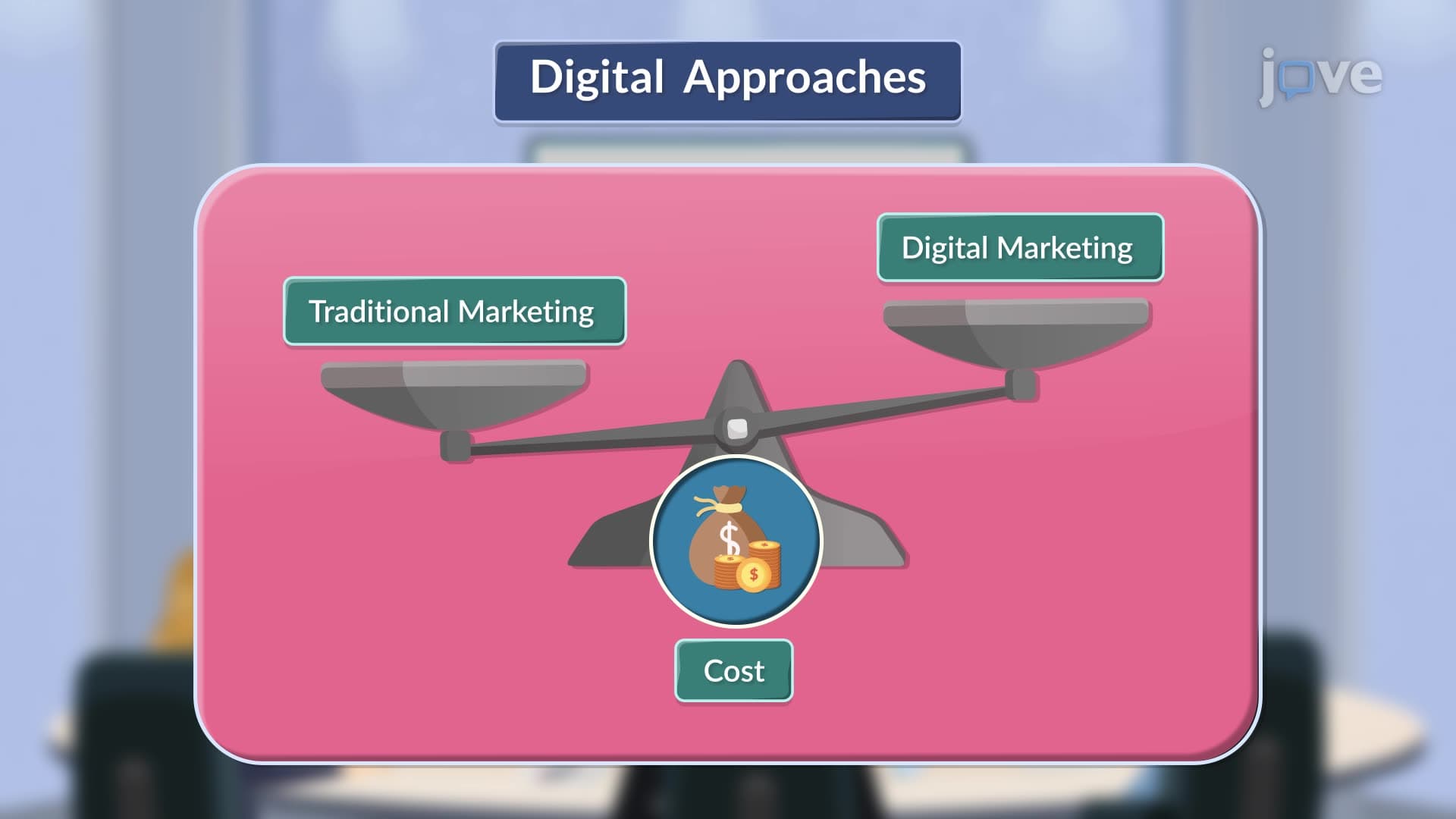
Content marketing delivers measurable business outcomes across multiple dimensions. Cost savings emerge through reduced paid advertising dependency, while sales acceleration occurs through educated prospects entering the sales funnel with higher purchase intent. Customer lifetime value increases as content builds ongoing relationships beyond initial transactions.
Microsoft exemplifies this approach through their extensive Azure documentation and case studies. Rather than relying solely on sales presentations, Microsoft's content marketing educates enterprise decision-makers about cloud migration strategies, positioning Azure as the logical implementation choice.
Implementation Strategy for Business Leaders
Successful content marketing requires strategic coordination across sales, marketing, and product teams. Content calendars should align with sales cycles, addressing prospects' informational needs at each buying stage. Distribution strategy matters equally-LinkedIn articles reach B2B executives, while video content on company websites supports SEO objectives and lead capture.
Measurement systems must track both engagement metrics and revenue attribution. Leading indicators include content consumption patterns, while lagging indicators measure influenced pipeline and customer acquisition costs.
Frequently Asked Questions
Content marketing creates valuable resources that help your target audience solve problems, while traditional advertising directly promotes products or services. This approach builds trust and positions your company as an industry expert. Unlike paid ads that stop generating results when spending ends, quality content continues attracting prospects for months or years.
Present content marketing as infrastructure investment similar to CRM or ERP systems-upfront costs generate compound returns over time. Share competitor analysis showing market leaders using content marketing successfully. Propose pilot programs with specific KPIs like qualified leads, sales cycle reduction, or customer acquisition cost improvements to demonstrate measurable business impact.
Avoid creating promotional content that focuses on your products rather than customer problems. Don't underestimate resource requirements-consistent, quality content demands significant time investment. Resist spreading efforts across too many platforms initially; focus on channels where your target audience actively consumes business content.
Adobe's Creative Cloud success stems largely from their extensive educational content ecosystem. Their tutorials, case studies, and design inspiration content on Adobe.com attracts millions of creative professionals monthly. This content marketing strategy reduced customer acquisition costs while building loyalty that supports their subscription revenue model exceeding $15 billion annually.
Content marketing success depends more on understanding your customers' business challenges than traditional marketing expertise. Subject-matter knowledge in your industry often proves more valuable than marketing credentials. Partner with experienced content creators for production while maintaining strategic oversight of topics and messaging alignment.
Content marketing skills demonstrate strategic thinking and customer-centric approach that executives value across functions. This expertise supports career advancement in marketing, sales, product management, and general management roles. Understanding content marketing also improves your ability to communicate complex ideas clearly-a critical leadership competency.
Marketing automation represents the logical next step, as it amplifies content marketing effectiveness through systematic lead nurturing and personalization. Understanding how content marketing integrates with CRM systems and sales enablement tools creates comprehensive demand generation expertise that drives measurable business results.
Related Micro-courses