Loading subject page…

- Marketing
- Digital Marketing
- Digital Media Planning
Micro-course: Digital Marketing
5,168 views
Learn key concepts and earn your certificate.


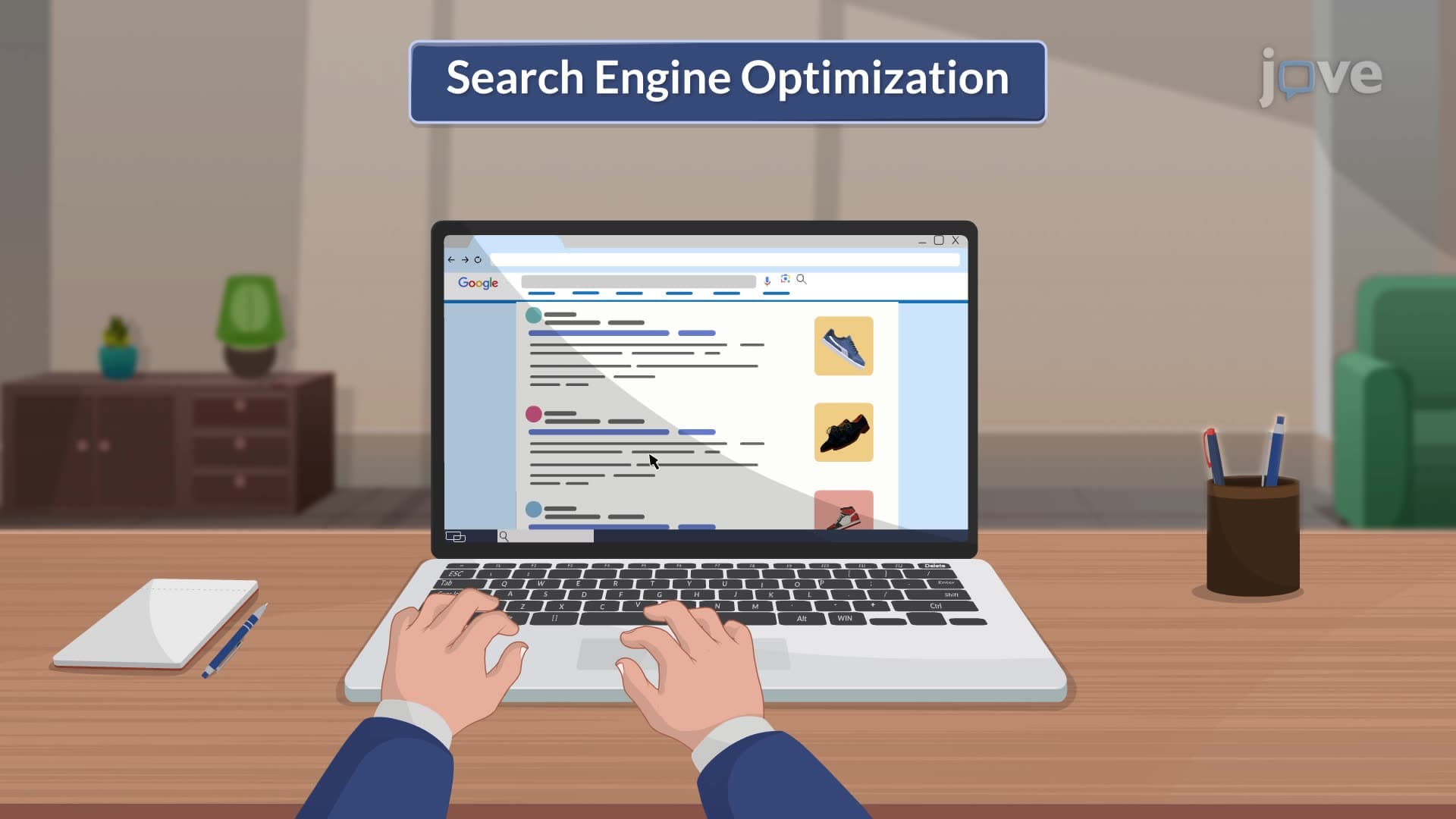
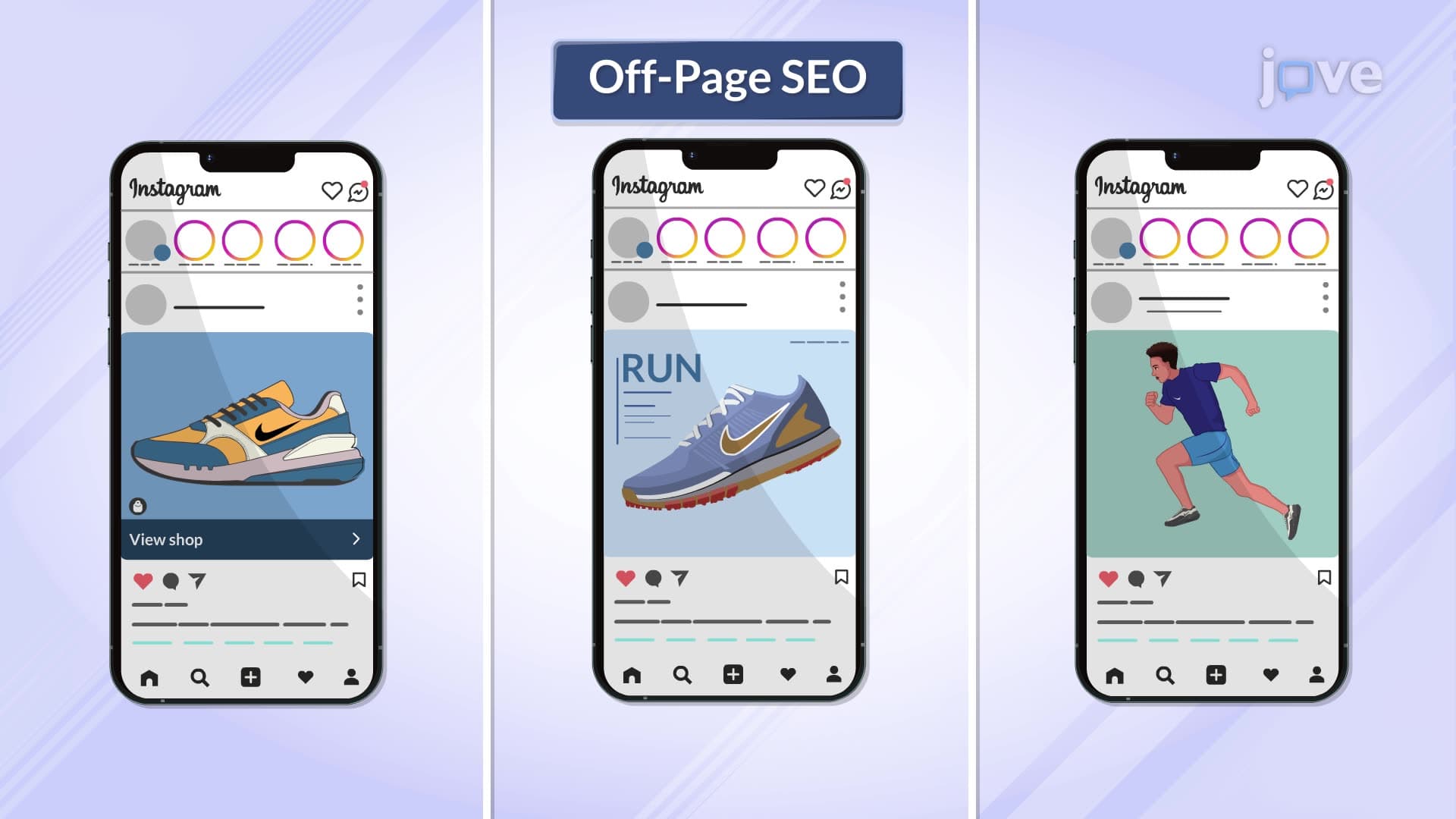

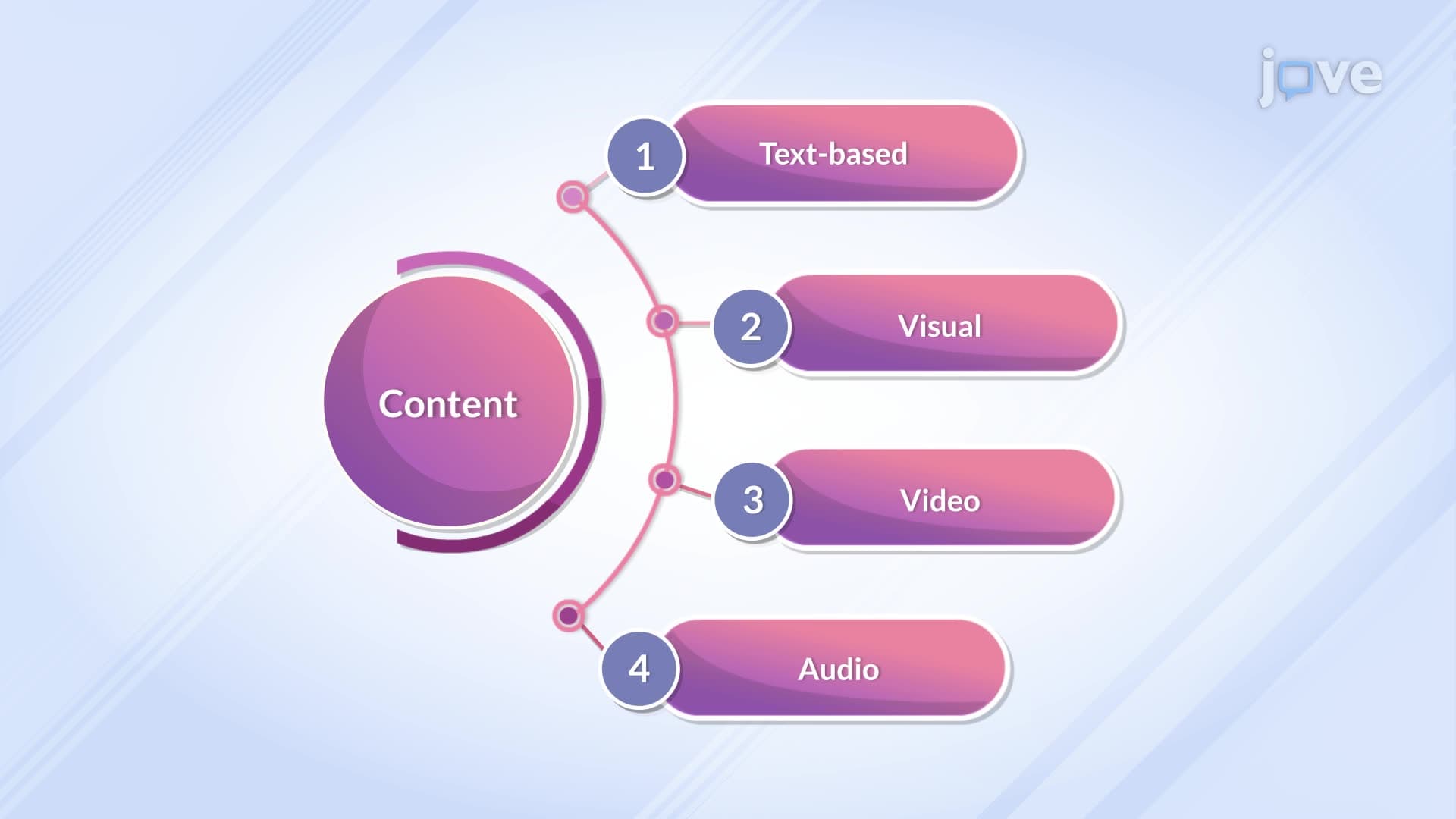




Digital Media Planning

00:00
01:29
Video Summary: What Is Digital Media Planning
US companies are increasingly allocating larger portions of their $200+ billion digital advertising spend to multi-channel campaigns, making digital media planning a critical competency for marketing professionals. Digital media planning involves the strategic selection and coordination of digital channels-from Google Ads to Facebook campaigns-to achieve specific business objectives and maximize ROI. Companies like Coca-Cola leverage sophisticated digital media planning to orchestrate campaigns across platforms, ensuring their brand messages reach target audiences at optimal touchpoints throughout the customer journey. Watch the full video on JoVE Coach to master this concept with expert-led visuals and step-by-step explanations.
- Apply strategic channel selection principles to allocate marketing budgets across digital platforms for maximum business impact
- Evaluate audience segmentation data to create personalized content strategies that drive measurable conversion rates
- Implement programmatic advertising workflows to automate ad placements and optimize campaign performance in real-time
- Analyze cross-platform customer journey mapping to identify high-value touchpoints and improve campaign coordination
- Leverage data-driven decision-making frameworks to refine targeting parameters and improve key performance indicators
- Assess multi-channel campaign timing strategies to maximize audience engagement during peak activity periods
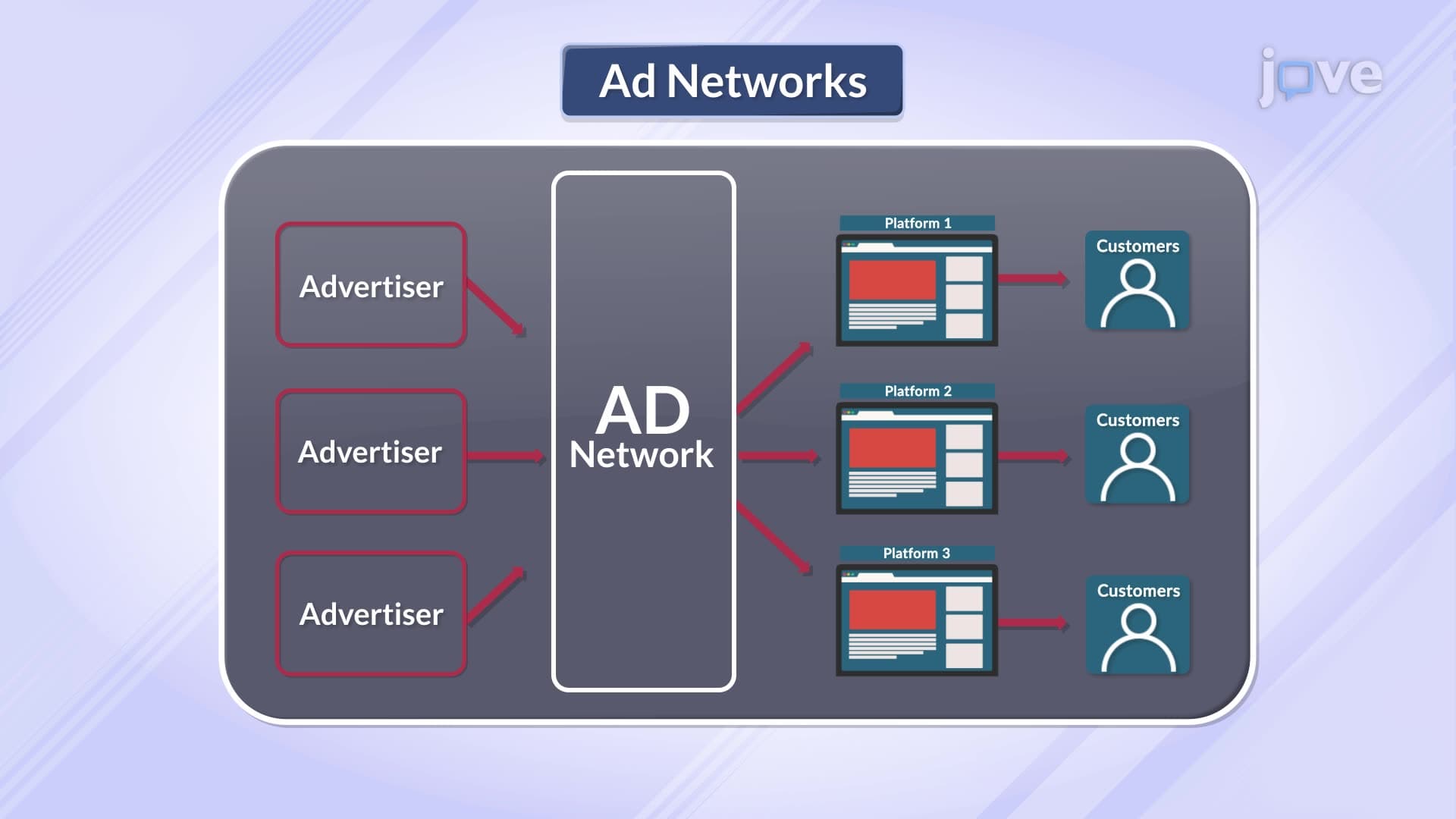
- Identify opportunities for ad network partnerships to expand campaign reach across diverse digital properties
- Compare platform-specific optimization techniques to enhance click-through rates and reduce customer acquisition costs
Understanding Digital Media Planning in Today's Business Environment
When Netflix decides to promote a new original series, or when Amazon launches a Prime Day campaign, these companies rely on sophisticated digital media planning to orchestrate multi-million-dollar advertising investments across dozens of platforms. Digital media planning represents the strategic foundation that transforms scattered digital marketing efforts into cohesive, ROI-driven campaigns that align with broader business objectives.
Strategic Channel Selection and Budget Allocation
Digital media planning begins with matching business goals to the most effective digital channels. A B2B software company might prioritize LinkedIn and Google Search for lead generation, while a consumer brand like Nike focuses on Instagram and TikTok for brand awareness among younger demographics. This strategic alignment requires understanding each platform's unique audience characteristics, cost structures, and conversion potential.
Modern digital media planners must navigate an increasingly complex ecosystem that includes search engines, social media platforms, programmatic advertising networks, and emerging channels like connected TV. The key lies in creating an integrated approach where each channel supports and amplifies the others, rather than competing for budget allocation.
Data-Driven Audience Targeting and Personalization
Today's digital media planning leverages sophisticated data analytics to create highly targeted audience segments. Companies like Target use first-party customer data combined with third-party insights to develop detailed customer personas that inform content creation and media placement decisions. This approach enables marketers to deliver personalized messages that resonate with specific audience segments at different stages of the customer journey.
Programmatic advertising has revolutionized how media planners execute campaigns, using algorithms and real-time bidding to optimize ad placements automatically. This technology allows companies to adjust their targeting parameters and budget allocation in real-time based on performance data, significantly improving campaign efficiency and ROI.
Performance Measurement and Campaign Optimization
Successful digital media planning requires establishing clear measurement frameworks that track progress toward business objectives. Beyond traditional metrics like click-through rates, modern planners focus on attribution modeling that traces customer interactions across multiple touchpoints to understand the true impact of each channel on conversions and revenue.
Companies like Procter & Gamble have invested heavily in marketing mix modeling to quantify the incremental impact of their digital media investments, enabling more informed budget allocation decisions and strategic planning for future campaigns.
Frequently Asked Questions
Digital media planning is the strategic process of selecting, coordinating, and optimizing digital advertising channels to achieve specific business objectives and maximize ROI. Unlike traditional media planning, it leverages real-time data, programmatic automation, and cross-platform integration to create personalized customer experiences. Digital planning also enables precise audience targeting and immediate performance measurement, allowing for continuous campaign optimization.
Start by mapping your business goals to platform strengths-use LinkedIn for B2B lead generation, Instagram for brand awareness among millennials, or Google Ads for immediate purchase intent. Analyze your target audience's digital behavior patterns and platform preferences through customer surveys and analytics data. Test small budget allocations across multiple channels initially, then scale investment based on performance metrics and cost-per-acquisition data.
Programmatic advertising should serve as the automation engine for your media buying, particularly for display and video campaigns across multiple websites and apps. It's most valuable for reaching broad audiences efficiently and optimizing bids in real-time based on performance data. However, maintain direct relationships with key platforms like Google and Facebook for strategic campaigns that require custom creative formats or exclusive partnership opportunities.
Starbucks coordinates their seasonal promotions (like Pumpkin Spice Latte launches) across mobile app push notifications, Instagram Stories, Snapchat filters, and location-based Google Ads. They use customer purchase history data to personalize offers and time communications when individual customers typically visit stores. Their digital media planning integrates loyalty program data with social media engagement to create seamless omnichannel experiences that drive both immediate sales and long-term brand engagement.
While marketing fundamentals are helpful, digital media planning is accessible to business professionals from various backgrounds including finance, operations, and product management. The key requirements are analytical thinking, comfort with data interpretation, and understanding of your customer base. Many successful digital media planners come from consulting, analytics, or even engineering backgrounds and learn platform-specific tactics through hands-on experience and vendor training programs.
Digital media planning expertise positions you for senior marketing roles, product marketing management, or even CMO positions, especially in digital-first companies. This skill set is increasingly valuable across industries as companies prioritize digital transformation and customer acquisition. Many professionals leverage digital media planning experience to transition into consulting roles or launch their own agencies, as businesses continuously seek experts who can navigate complex digital advertising landscapes.
Marketing attribution modeling represents the natural progression, focusing on how to measure and optimize the customer journey across multiple digital touchpoints. This advanced concept helps you quantify the true ROI of each media channel and make data-driven budget allocation decisions. Understanding attribution modeling elevates your strategic thinking from campaign execution to comprehensive marketing investment optimization.
Focus on business impact metrics like customer lifetime value, marketing-influenced revenue, and incremental sales attribution rather than just clicks and impressions. Implement marketing mix modeling to understand how digital channels work together and affect overall business performance. Track cross-platform customer journey analytics to optimize touchpoint sequencing and budget allocation across the entire conversion funnel.
Related Micro-courses