Loading subject page…

- Marketing
- Digital Marketing
- Mobile Marketing
Micro-course: Digital Marketing
5,168 views
Learn key concepts and earn your certificate.


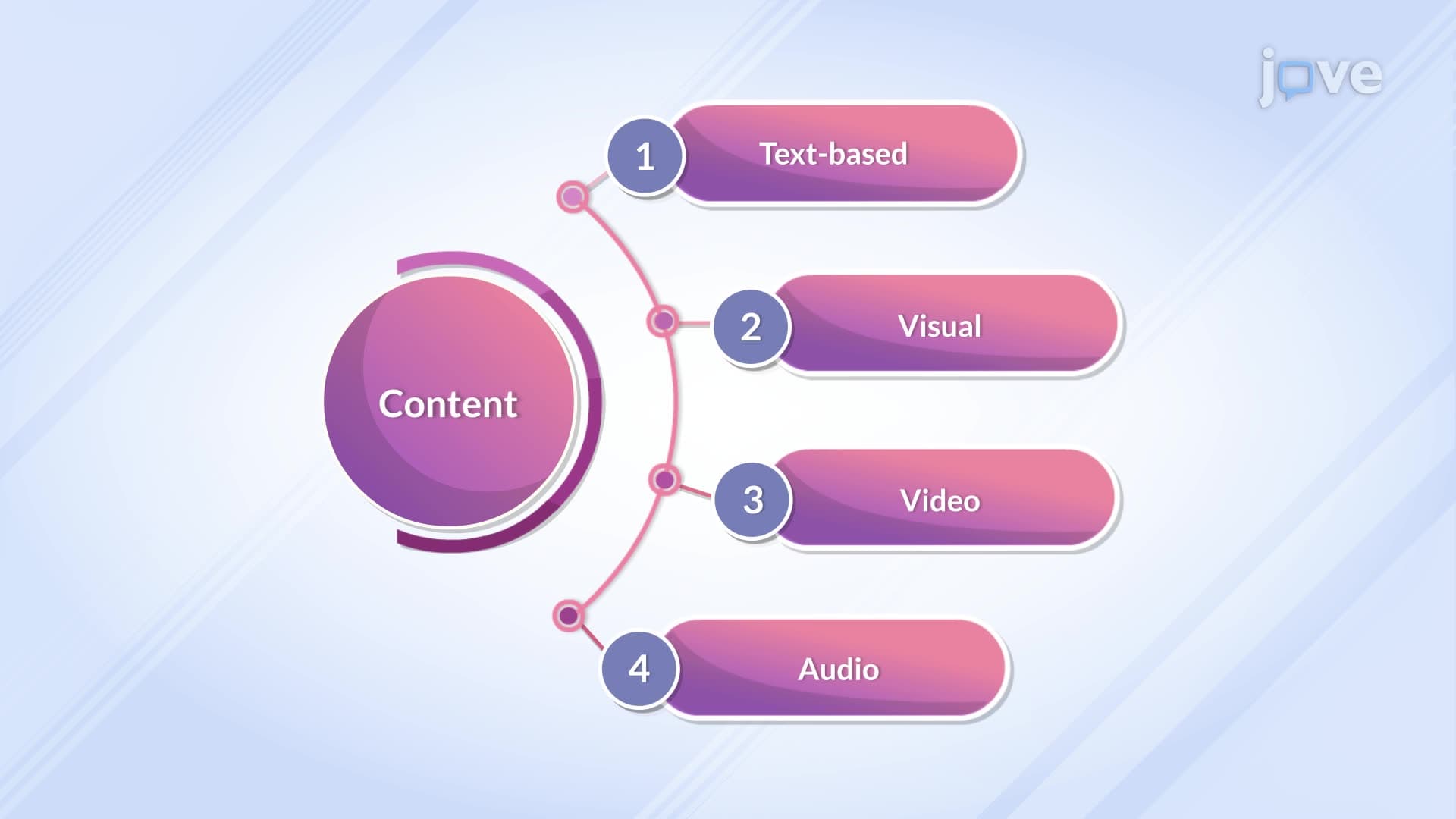
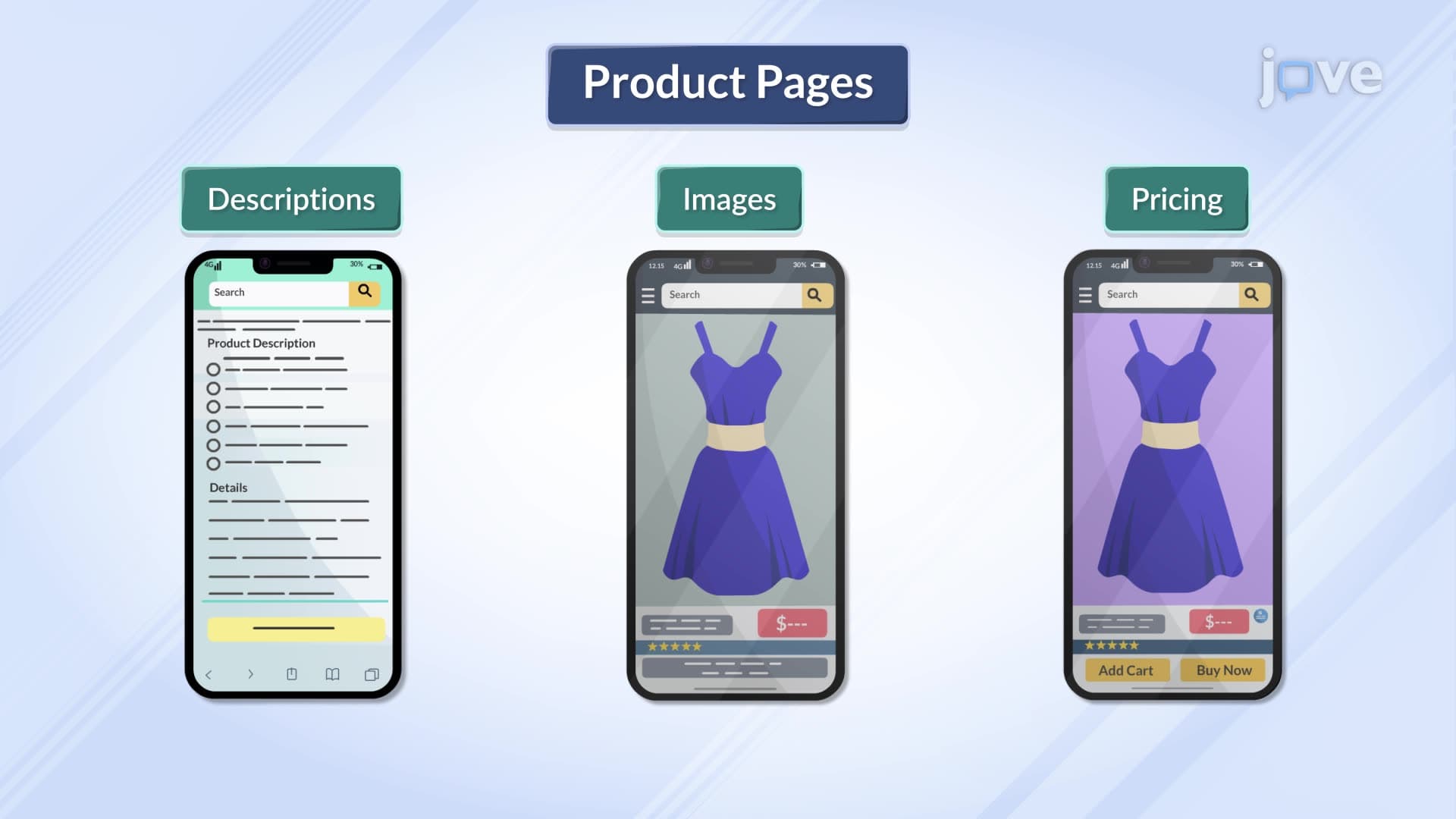


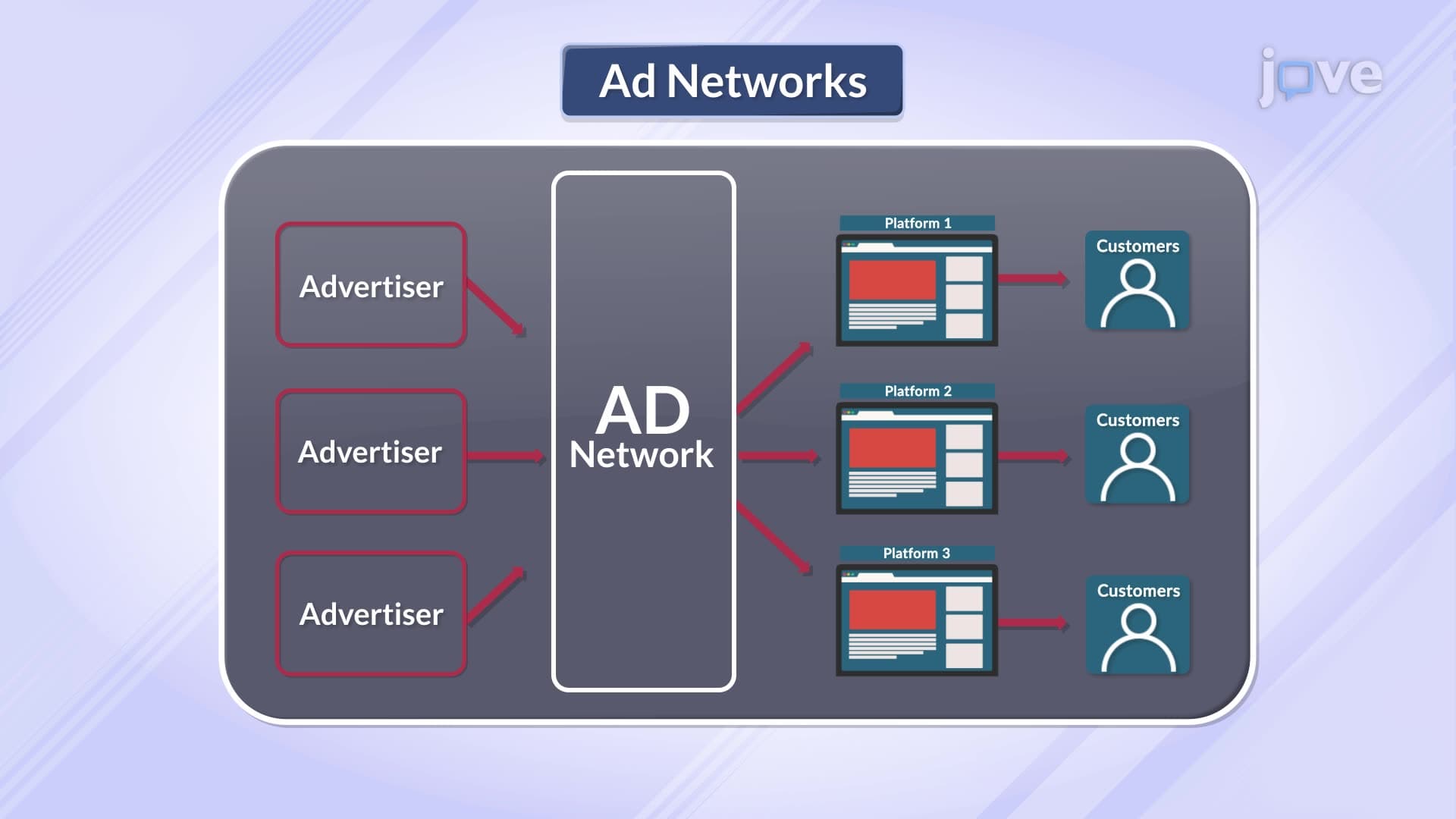
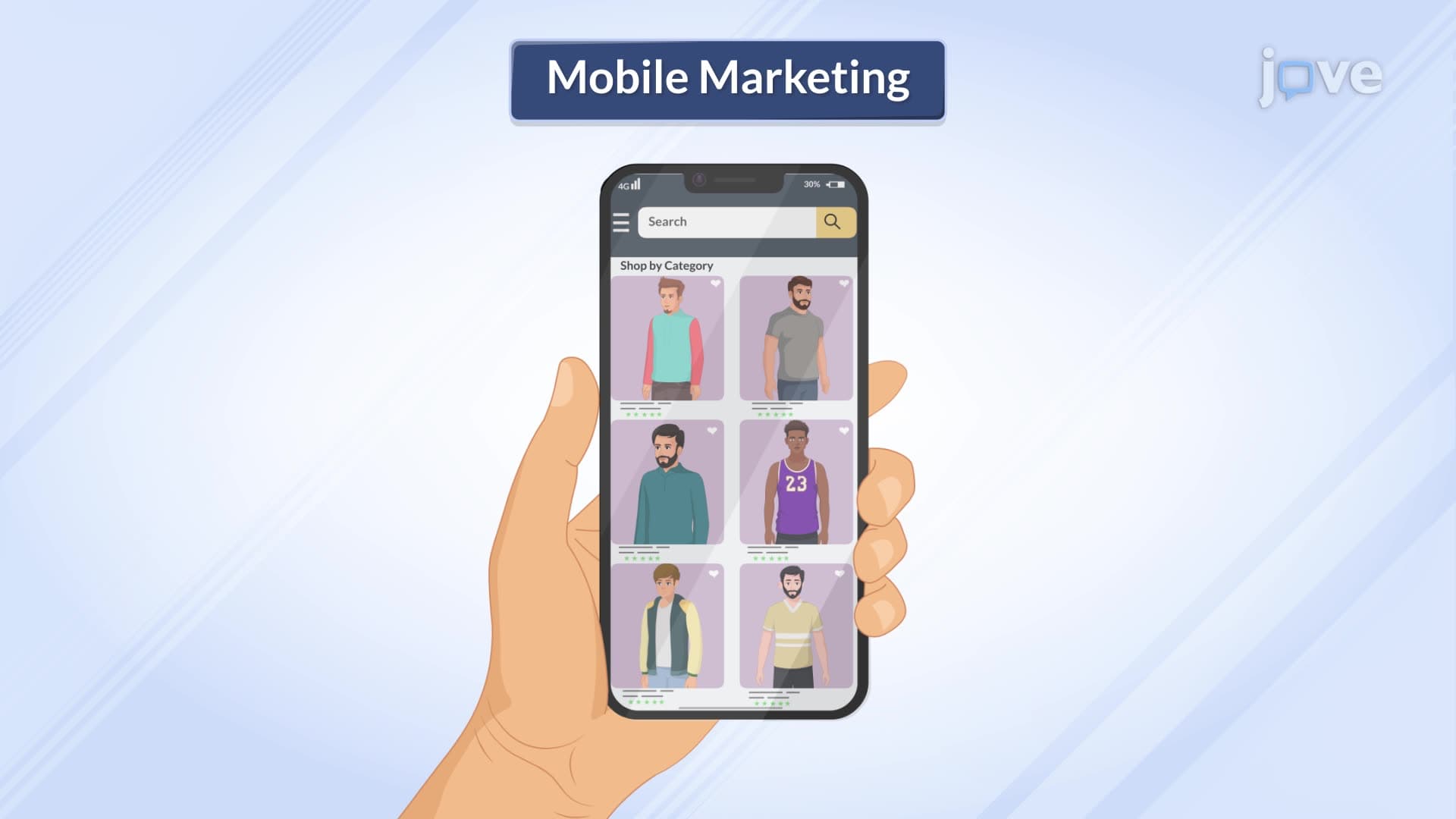
Mobile Marketing

00:00
01:26
Video Summary: What Is Mobile Marketing
With 85% of Americans owning smartphones and mobile commerce exceeding $431 billion annually, mobile marketing has become critical for business growth and customer acquisition. This strategic approach to mobile marketing enables companies like Starbucks to drive $2.56 billion in mobile payment revenue through targeted messaging, location-based promotions, and seamless app experiences across smartphones and tablets. Understanding mobile marketing fundamentals helps executives optimize customer touchpoints, improve conversion rates, and capture revenue from always-connected consumers. Watch the full video on JoVE Coach to master this concept with expert-led visuals and step-by-step explanations.
- Apply mobile-first design principles to optimize customer experience and reduce bounce rates across all digital touchpoints
- Evaluate SMS marketing ROI and open rates to determine optimal messaging frequency for time-sensitive promotions and customer retention
- Implement location-based targeting strategies to drive foot traffic and increase local market penetration
- Analyze mobile app engagement metrics to identify opportunities for push notification optimization and customer lifetime value improvement
- Leverage responsive design and fast loading times to improve mobile conversion rates and search engine rankings
- Assess mobile marketing budget allocation across channels including apps, SMS, social media, and mobile advertising
- Identify opportunities to integrate mobile marketing with existing CRM and marketing automation platforms for seamless omnichannel experiences
- Compare mobile marketing performance against traditional channels to optimize overall marketing mix and resource allocation
Understanding Mobile Marketing in Today's Business Landscape
Mobile marketing represents a fundamental shift in how businesses reach and engage customers in an increasingly connected economy. As consumer behavior has evolved toward mobile-first interactions, companies face the strategic imperative to meet customers where they spend over 7 hours daily-on their mobile devices. This transformation affects everything from customer acquisition costs to lifetime value calculations, making mobile marketing proficiency essential for competitive advantage.
Strategic Components of Mobile Marketing Excellence
Modern mobile marketing encompasses multiple interconnected channels that savvy executives leverage for maximum impact. SMS marketing delivers exceptional ROI with 98% open rates, making it invaluable for flash sales, appointment reminders, and urgent communications. Companies like Domino's Pizza have revolutionized their business model through mobile ordering apps, generating over 75% of sales through digital channels. Meanwhile, location-based services enable retailers like Target to send personalized offers when customers enter store proximity, driving immediate purchase decisions.
Technical Infrastructure and User Experience Optimization
Successful mobile marketing requires robust technical foundations that support business objectives. Page load speeds under 3 seconds become critical when conversion rates drop 32% for each additional second of delay. Responsive design ensures consistent brand experience across devices, while mobile-optimized checkout processes reduce cart abandonment rates that typically exceed 70% on mobile devices. Companies that prioritize mobile user experience see 67% higher conversion rates compared to those with poor mobile optimization.
Competitive Advantage Through Mobile Marketing Integration
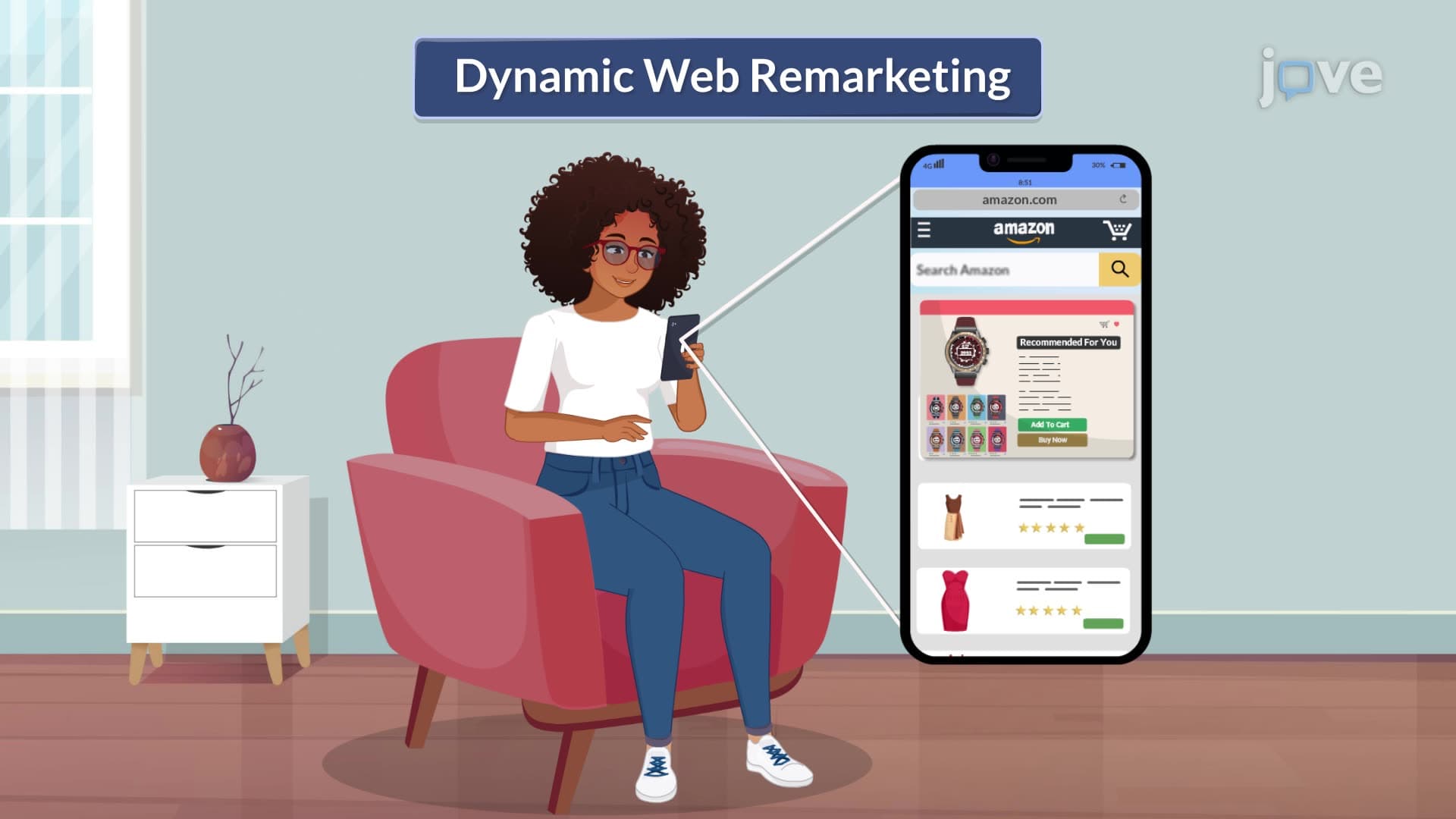
Forward-thinking organizations integrate mobile marketing with broader business strategy to create sustainable competitive advantages. Amazon's mobile ecosystem demonstrates this integration, combining one-click purchasing, personalized recommendations, and Prime member benefits to capture 39% of U.S. e-commerce market share. Social media integration amplifies mobile marketing reach, with platforms like Instagram driving 58% higher engagement rates on mobile compared to desktop. This integrated approach enables data-driven decision making, improved customer segmentation, and more precise attribution modeling for marketing spend optimization.
Frequently Asked Questions
Mobile marketing specifically targets users on smartphones and tablets through optimized content, apps, SMS, and location-based services. Unlike traditional digital marketing, it focuses on shorter attention spans, touch-based interactions, and on-the-go consumption patterns. Mobile marketing requires different creative formats, faster load times, and consideration of device limitations and mobile user behavior patterns.
Present mobile usage statistics showing 54% of web traffic comes from mobile devices, with mobile commerce growing 15.2% annually. Calculate potential revenue impact using current conversion rates and mobile traffic volume. Demonstrate competitive gaps where rivals outperform in mobile experience. Include metrics like customer acquisition cost, lifetime value improvements, and mobile-specific conversion rate optimizations to build compelling business case.
Address cross-device attribution complexity, iOS privacy changes affecting targeting, and rising mobile advertising costs. Prepare solutions for technical challenges like page speed optimization, app store approval processes, and SMS compliance requirements. Discuss resource allocation between mobile web optimization versus native app development based on customer journey analysis and business objectives.
Walmart's mobile app generates over $80 billion in mobile commerce annually through features like in-store pickup notifications, location-based store maps, and personalized product recommendations. Their mobile strategy integrates inventory management, allowing customers to check real-time product availability. Walmart's mobile marketing includes targeted push notifications for rollbacks and exclusive mobile-only deals that drive both online and in-store traffic.
Strategic mobile marketing requires understanding user experience principles, analytics interpretation, and platform capabilities rather than coding skills. Focus on learning mobile user behavior, conversion optimization, and performance measurement. Partner with technical teams for implementation while maintaining oversight of customer experience, brand consistency, and business objective alignment across mobile touchpoints.
Mobile marketing skills demonstrate digital fluency essential for modern business leadership, with 73% of executives considering mobile competency critical for promotion. This expertise enables you to drive revenue growth, optimize customer acquisition, and lead cross-functional teams in digital transformation initiatives. Mobile marketing experience positions you for roles in digital strategy, customer experience, and general management across industries.
Investigate programmatic mobile advertising for automated ad buying efficiency, marketing automation integration for personalized customer journeys, and attribution modeling for accurate ROI measurement. Study emerging technologies like augmented reality marketing, voice search optimization, and 5G network implications for mobile marketing strategy. Consider mobile customer data platform implementation for unified customer view and advanced segmentation capabilities.
Related Micro-courses