Loading subject page…


5,175 views

Video Summary: What Is Social Media Marketing
Social media marketing drives measurable business results when executed strategically, yet 73% of executives struggle to quantify ROI from their digital campaigns. Social media marketing leverages platforms like Facebook, Instagram, and LinkedIn to build brand awareness, engage target audiences, and generate qualified leads through data-driven content strategies. Companies like Starbucks generate over $2 billion annually through integrated social campaigns that combine community building with direct sales conversion. Watch the full video on JoVE Coach to master this concept with expert-led visuals and step-by-step explanations.
Modern executives face a critical challenge: consumer attention spans have fragmented across dozens of digital platforms, making traditional advertising less effective. Social media marketing has evolved from a "nice-to-have" marketing tactic into a revenue-driving business imperative that directly impacts customer acquisition, retention, and lifetime value metrics.
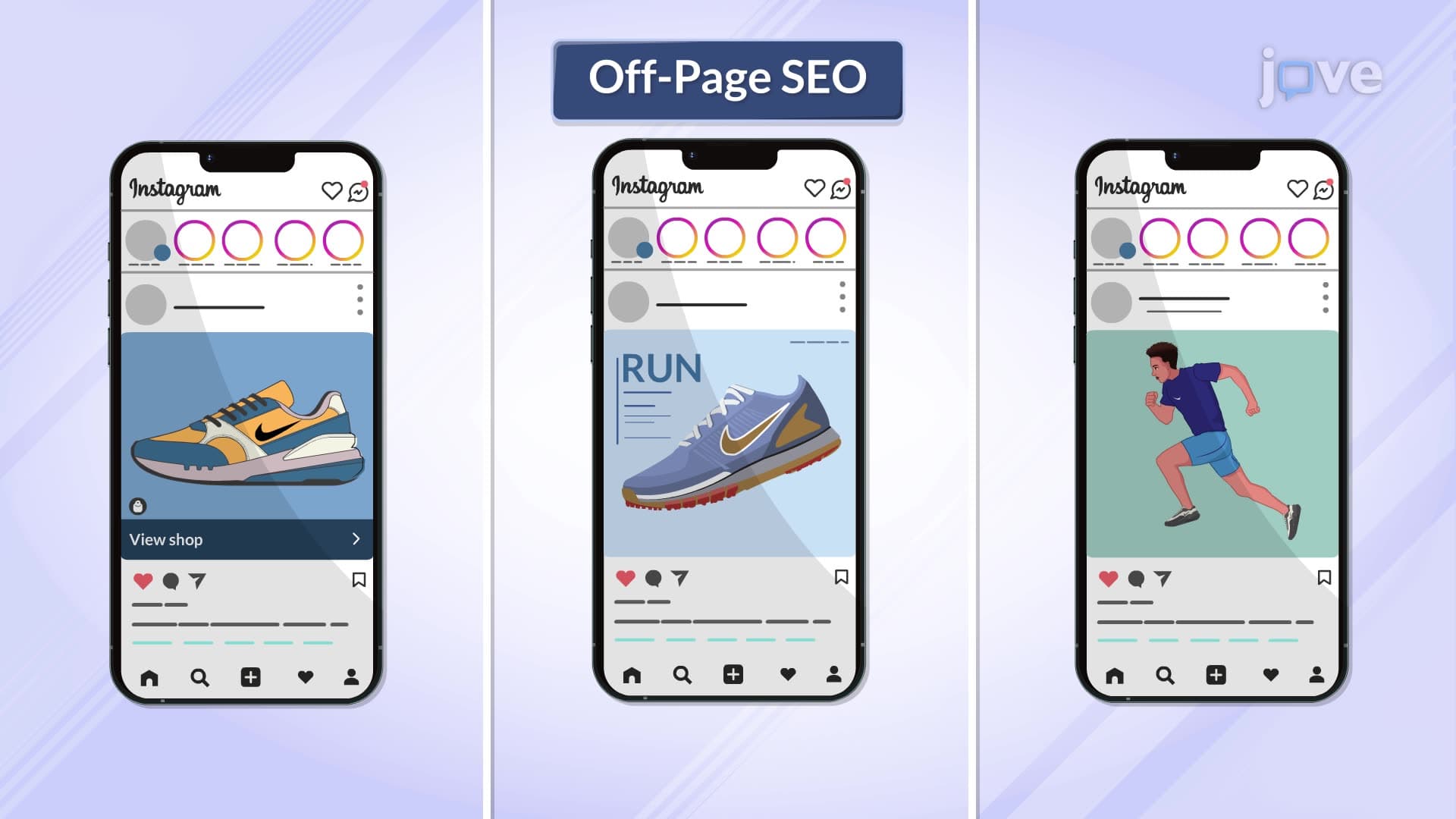
Each social media platform serves distinct business objectives within your marketing portfolio. LinkedIn generates the highest B2B conversion rates, with professional services companies reporting 80% higher lead quality compared to traditional advertising channels. Instagram drives e-commerce sales through visual storytelling, particularly effective for consumer brands targeting millennials and Gen Z demographics. Facebook's extensive targeting capabilities make it ideal for local businesses and direct-response campaigns, while TikTok's algorithm favors authentic, creative content that can generate viral brand awareness at minimal cost.
Successful social media marketing requires sophisticated measurement frameworks that connect social engagement to revenue outcomes. Leading companies track metrics beyond vanity measures like followers and likes, focusing instead on customer acquisition cost (CAC), conversion rates, and marketing-qualified leads (MQLs). Nike's social media strategy generates over $1.2 billion in direct e-commerce sales annually by linking social campaigns to purchase attribution models that demonstrate clear ROI.
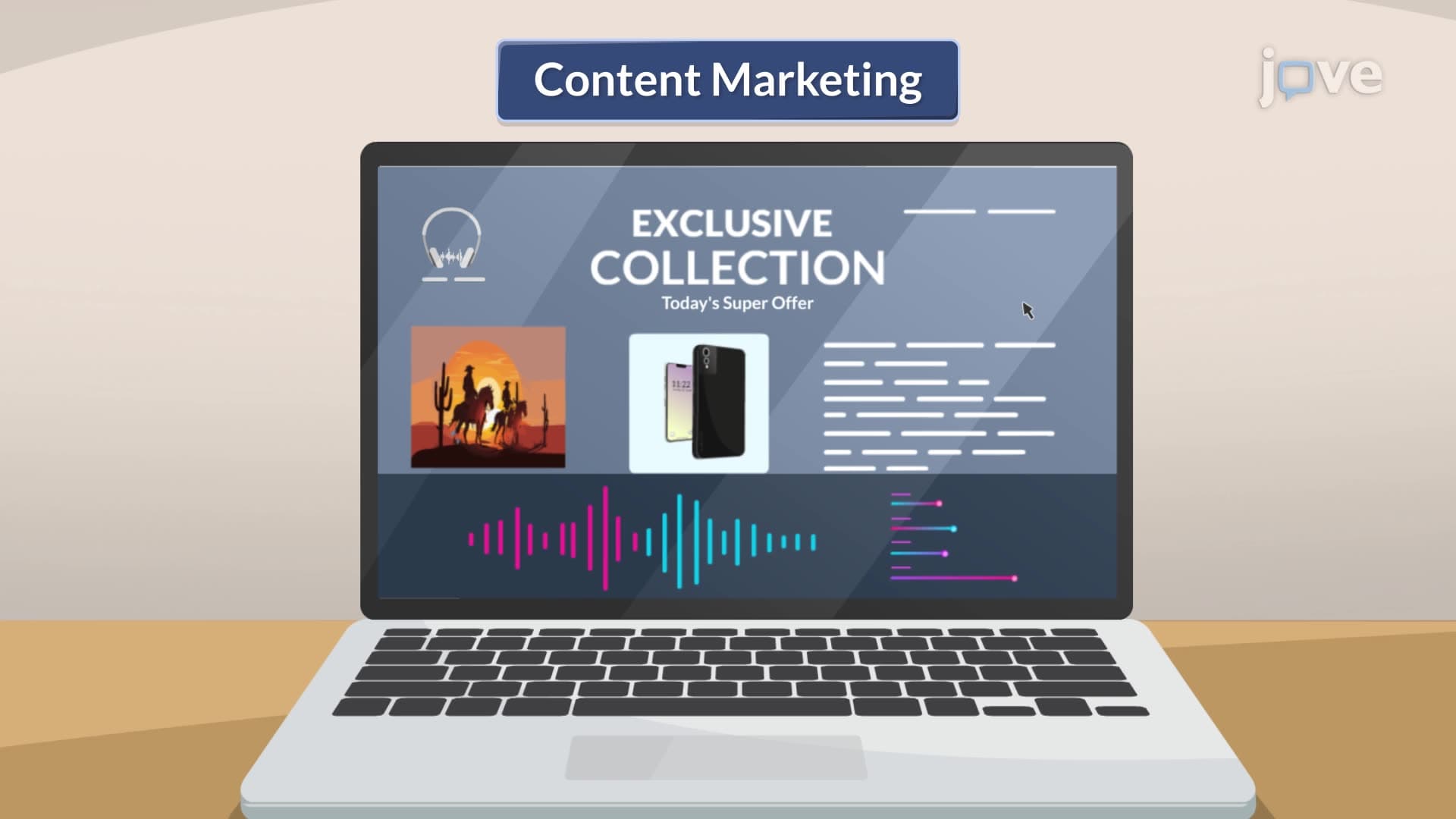
Social media marketing performs optimally when integrated with email marketing, content marketing, and sales enablement initiatives. Companies like HubSpot use social platforms to distribute educational content that nurtures prospects through extended sales cycles, resulting in 60% higher close rates for leads that engage with social content before sales conversations.
Social platforms provide unprecedented visibility into competitor strategies, customer sentiment, and market trends. Monitoring competitor social engagement rates, content themes, and audience demographics enables strategic positioning decisions that capitalize on market gaps and emerging opportunities.
Related Micro-courses