Loading subject page…

- Marketing
- Digital Marketing
- Web Remarketing
Micro-course: Digital Marketing
5,168 views
Learn key concepts and earn your certificate.











Web Remarketing


00:00
01:17
Video Summary: What Is Web Remarketing
With e-commerce cart abandonment rates hovering near 70%, web remarketing has become a critical revenue recovery strategy for digital marketers. Web remarketing targets prospects who engaged with your brand but didn't convert, using cookie-based tracking to deliver personalized ads across the web. Amazon pioneered this approach, showing users exact products they viewed but didn't purchase, driving billions in recovered revenue. Watch the full video on JoVE Coach to master this concept with expert-led visuals and step-by-step explanations.
- Apply audience segmentation strategies based on user behavior patterns to maximize campaign ROI and conversion potential
- Implement dynamic remarketing campaigns that automatically generate personalized ads featuring previously viewed products
- Evaluate optimal ad frequency controls to prevent audience fatigue while maintaining brand recall and engagement
- Leverage Google Display Network and Custom Audiences to reach high-intent prospects across millions of websites
- Analyze user interaction data to create targeted messaging that addresses specific abandonment reasons
- Identify key behavioral triggers like cart abandonment and time-on-site thresholds for campaign optimization
- Assess remarketing campaign performance metrics to justify marketing spend and demonstrate clear ROI to stakeholders
Understanding Web Remarketing Strategy
Consider this scenario: Your e-commerce director reports that 2,000 visitors added items to their cart last week, but only 600 completed purchases. Those 1,400 lost prospects represent significant revenue potential-and web remarketing is your primary tool for recovery.
Web remarketing transforms anonymous website traffic into trackable, targetable audiences through strategic cookie deployment. When prospects browse your site, tracking pixels capture their behavior: pages visited, time spent, products viewed, and conversion events. This data becomes the foundation for personalized advertising campaigns that follow users across the digital ecosystem.
Strategic Implementation Framework
Modern remarketing extends far beyond simple "you looked at this product" advertisements. Sophisticated marketers segment audiences based on engagement depth and intent signals. High-value prospects who spent significant time on pricing pages receive different messaging than casual browsers who visited your homepage once.
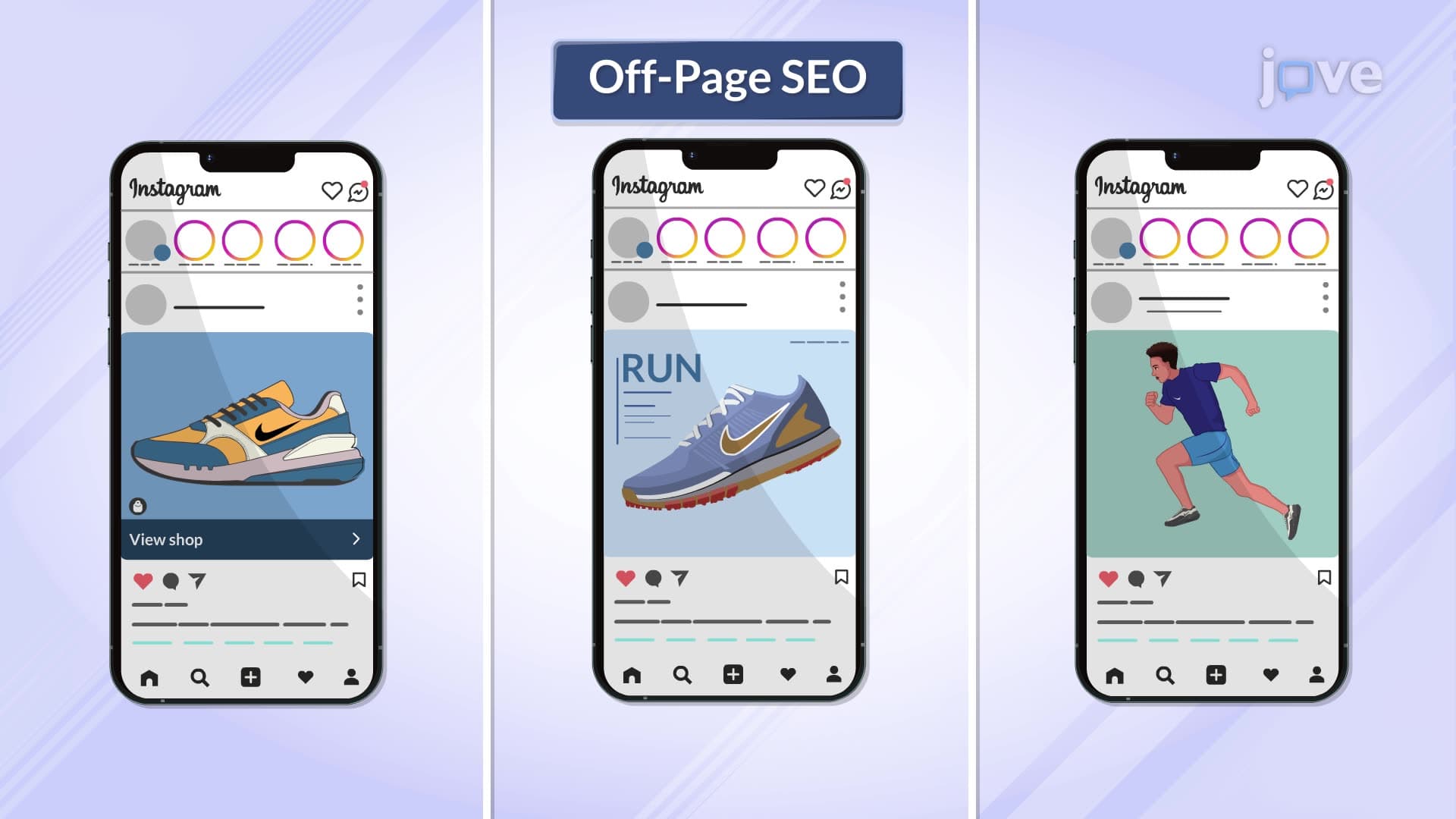
Dynamic remarketing elevates this personalization by automatically generating ads featuring exact products users viewed. Home Depot's remarketing campaigns exemplify this approach-if you browse power tools but don't purchase, their ads will showcase those specific items with compelling offers across news sites, social platforms, and partner networks.
Platform Selection and Optimization
Google Display Network remains the dominant remarketing platform, reaching over 90% of internet users across millions of websites. However, Facebook Custom Audiences and LinkedIn's professional targeting offer unique advantages for B2B remarketing campaigns. The key lies in platform selection aligned with your audience's digital consumption patterns.
Frequency capping prevents audience fatigue-showing the same ad too often creates negative brand associations. Industry benchmarks suggest limiting display ads to 3-5 impressions per user per week, though this varies by product category and sales cycle length.
ROI and Performance Measurement
Remarketing typically delivers 2-3x higher conversion rates than standard display advertising while maintaining lower cost-per-acquisition. For enterprise-level implementations, this translates to millions in recovered revenue. Target's remarketing efforts reportedly generate over $100 million annually in additional sales by re-engaging cart abandoners and previous purchasers with relevant product recommendations.
Frequently Asked Questions
Web remarketing is a digital advertising strategy that targets users who previously visited your website but didn't convert. It uses tracking cookies to serve personalized ads as these prospects browse other websites, keeping your brand visible during their decision-making process.
Present remarketing as revenue recovery, not additional marketing spend. With cart abandonment rates near 70%, remarketing typically delivers 2-3x higher conversion rates than cold traffic acquisition while targeting already-interested prospects with much lower customer acquisition costs.
While often used interchangeably, remarketing technically refers to re-engaging customers through email or direct channels, while retargeting focuses on display advertising. Most business professionals use "remarketing" as the umbrella term for all re-engagement strategies.
Walmart's remarketing campaigns target price-sensitive shoppers who abandoned carts, serving ads with price comparisons and limited-time discounts. They segment audiences by product category and purchase history, showing grocery shoppers different creative than electronics buyers.
Deploy remarketing immediately after soft launch to capture early interest signals. As awareness campaigns drive traffic to product pages, remarketing ensures these engaged prospects stay in your funnel throughout the consideration phase, maximizing conversion from your awareness investment.
No extensive technical background required, though basic understanding of tracking pixels and audience creation helps. Most platforms offer user-friendly interfaces, and many companies partner with agencies or hire digital marketing specialists to manage implementation and optimization.
Web remarketing expertise demonstrates data-driven marketing capabilities and revenue optimization skills highly valued in digital-first organizations. Marketing professionals who can show concrete ROI from remarketing campaigns often advance to senior roles overseeing customer acquisition strategy.
Marketing attribution modeling represents the natural progression, helping you understand how remarketing fits within the complete customer journey and accurately measure its contribution to overall revenue performance alongside other channels.
Related Micro-courses