Loading subject page…

- Marketing
- Delivering Customer Value: Place to Everywhere
- Distribution, Logistics and Supply Chain
Micro-course: Delivering Customer Value: Place to Everywhere
7,837 views
Learn key concepts and earn your certificate.




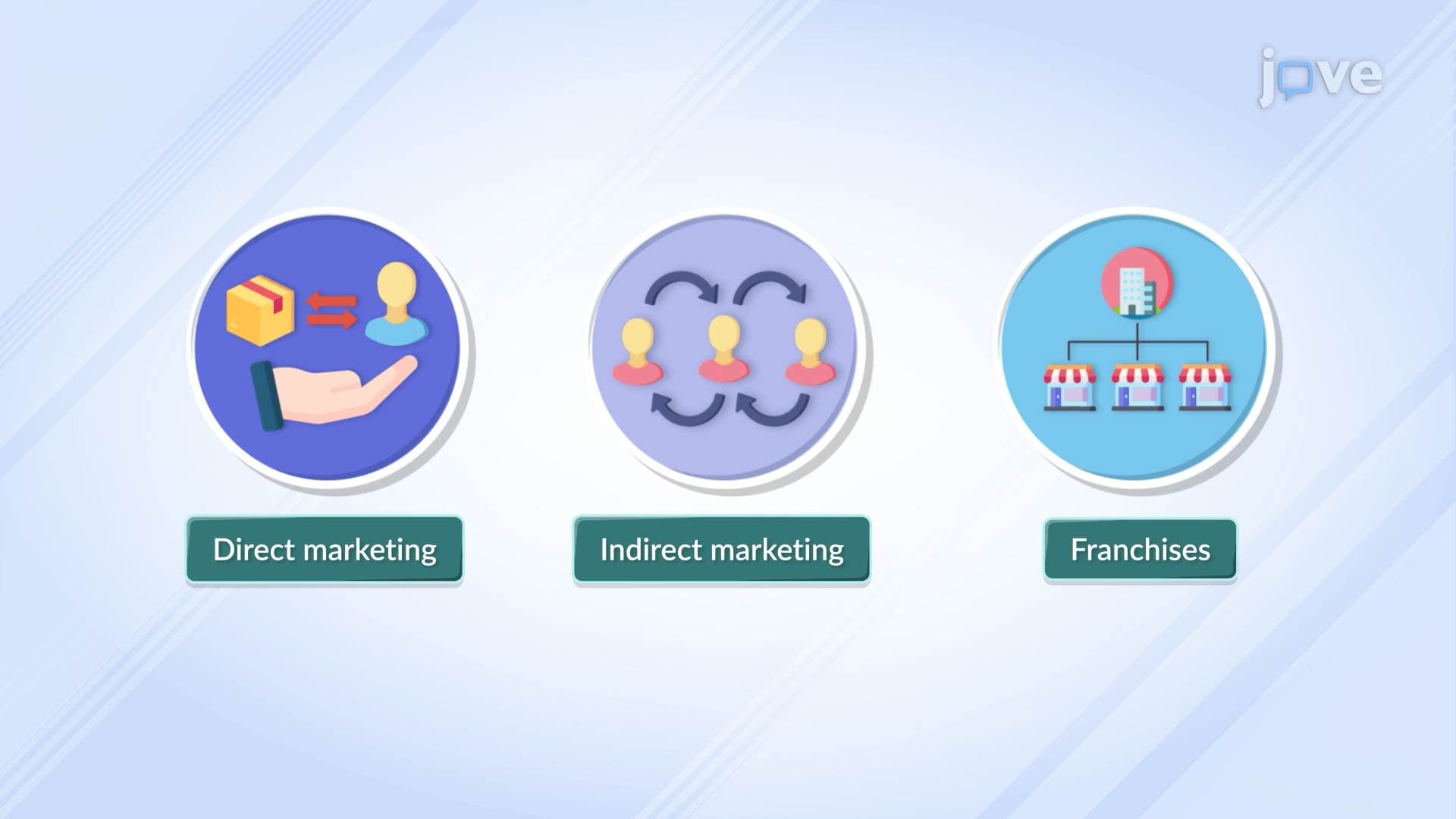
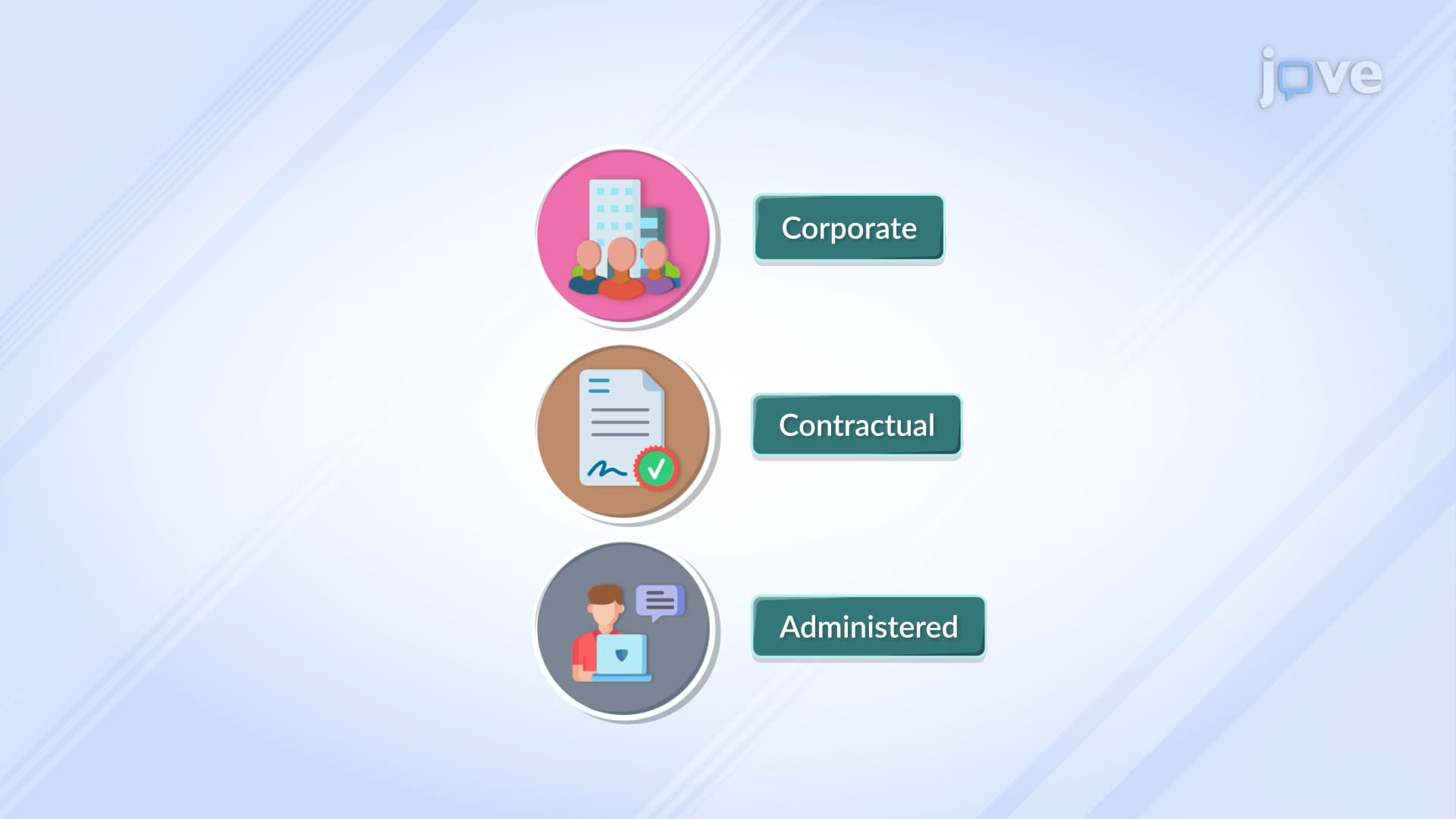



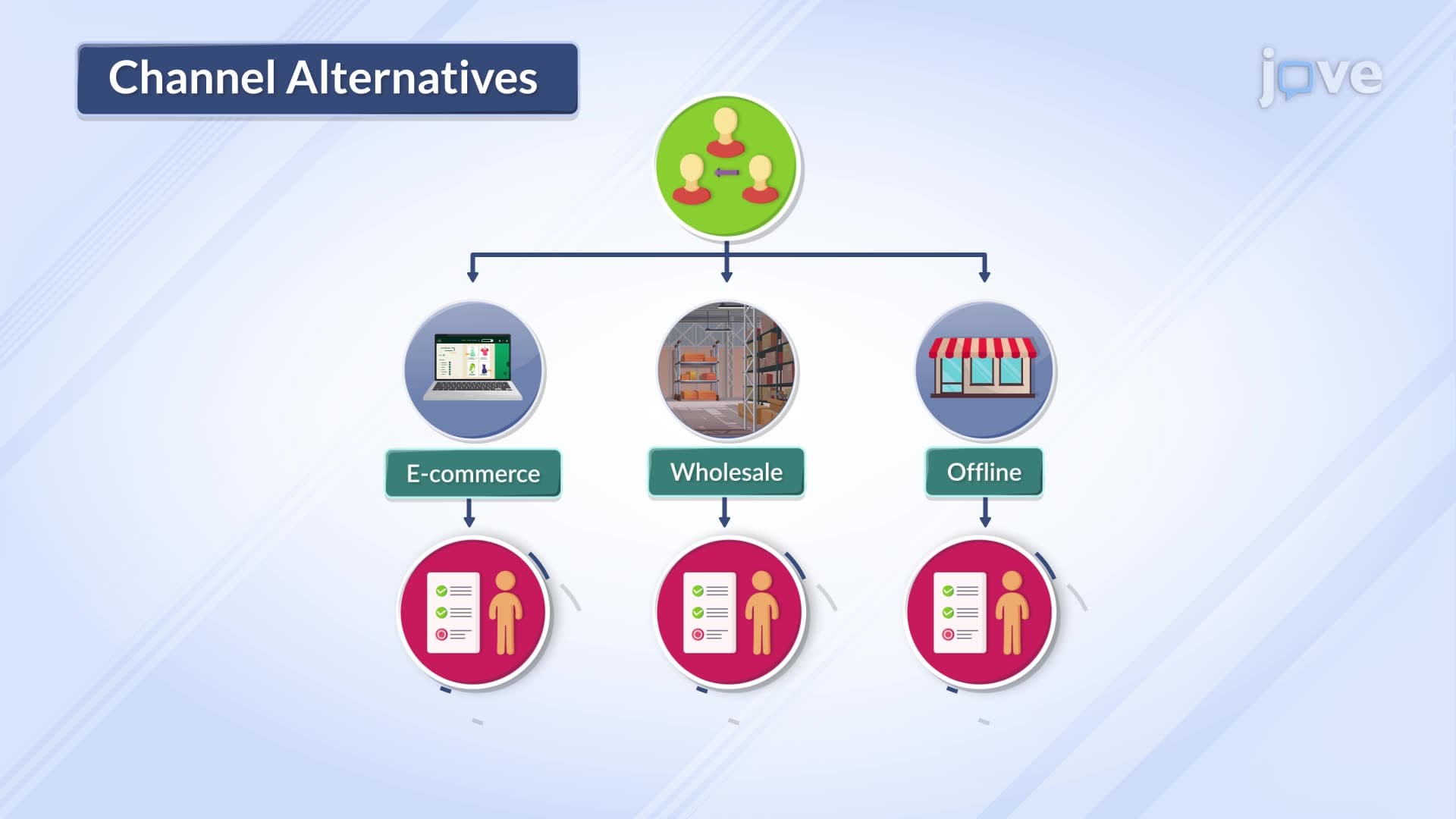
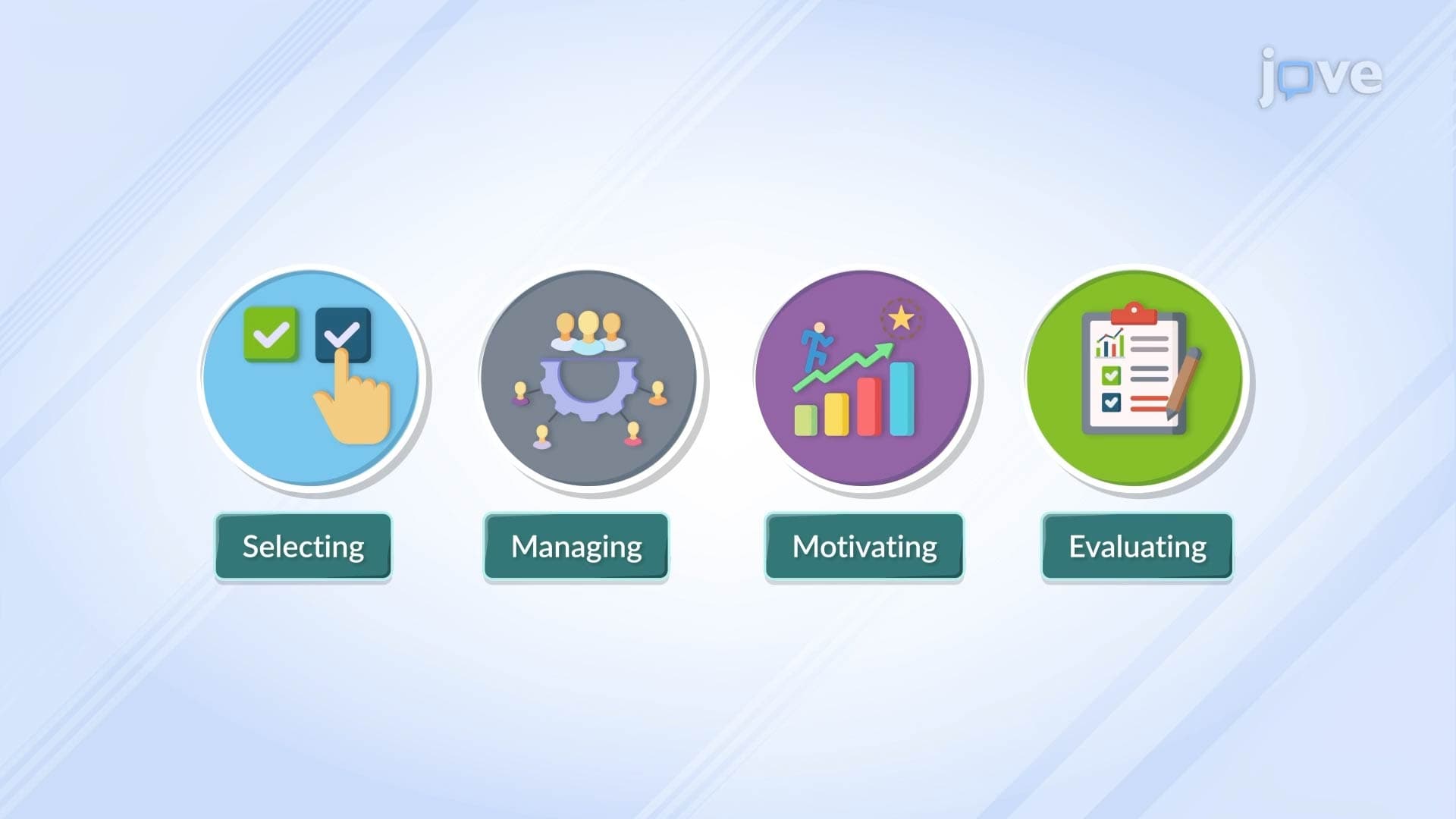


Distribution, Logistics and Supply Chain


00:00
01:20
Video Summary: Distribution Logistics and Supply Chain Explained
Supply chain disruptions cost US companies an average of $184 million annually, making distribution logistics supply chain mastery critical for competitive advantage. Companies like Amazon have revolutionized customer expectations through integrated distribution logistics and supply chain operations, transforming how businesses approach inventory management, transportation planning, and demand forecasting. Distribution Logistics And Supply Chain Explained demonstrates how these interconnected systems drive profitability through strategic coordination of product flow, information management, and resource optimization. Watch the full video on JoVE Coach to master this concept with expert-led visuals and step-by-step explanations.
- Apply integrated supply chain thinking to reduce operational costs and improve customer satisfaction across your organization's value chain
- Evaluate distribution network efficiency using key performance indicators like inventory turnover, order fulfillment rates, and transportation costs
- Analyze logistics bottlenecks and capacity constraints that impact your company's ability to meet customer demand and revenue targets
- Implement demand planning methodologies that align procurement, production, and distribution activities with market forecasts
- Compare in-house versus third-party logistics solutions to optimize cost structure and service levels for your business model
- Leverage supply chain visibility tools to identify risk factors and develop contingency plans for disruption scenarios
- Identify strategic partnership opportunities with suppliers and distributors that create competitive advantages in your market
- Assess the financial impact of supply chain decisions on working capital, cash flow, and overall business profitability
Understanding Distribution Logistics And Supply Chain Integration
Modern businesses face unprecedented pressure to deliver products faster, cheaper, and with greater reliability than ever before. The COVID-19 pandemic exposed vulnerabilities in global supply chains, forcing executives to rethink their approach to distribution logistics and supply chain management. Companies that survived and thrived during this period understood these systems as strategic assets rather than operational necessities.
Strategic Components of Effective Distribution Networks
Distribution encompasses the strategic placement and movement of finished goods from production facilities to end customers. Leading retailers like Walmart have built competitive moats through sophisticated distribution networks featuring strategically located fulfillment centers, cross-docking facilities, and last-mile delivery capabilities. Effective distribution requires balancing inventory holding costs with service level commitments, determining optimal warehouse locations, and designing fulfillment processes that scale with demand fluctuations.
Logistics focuses on the tactical execution of moving products, information, and resources throughout the distribution network. This includes transportation mode selection, route optimization, carrier management, and real-time visibility systems. Companies like UPS have transformed logistics from a cost center into a profit driver by leveraging technology, data analytics, and operational excellence to create value for customers while reducing internal costs.
Supply Chain Management as Competitive Strategy
Supply Chain Management (SCM) provides the overarching framework that coordinates all activities from raw material sourcing through final customer delivery. Apple exemplifies world-class SCM through its ability to synchronize global supplier networks, manufacturing operations, and retail distribution to launch products simultaneously across multiple markets while maintaining premium pricing power.
Effective SCM requires sophisticated demand planning capabilities that translate market signals into procurement, production, and distribution decisions. This involves collaboration with suppliers on capacity planning, working with manufacturing on production scheduling, and coordinating with sales teams on promotional activities that impact demand patterns.
Financial and Operational Performance Impacts
The financial implications of supply chain decisions extend far beyond operational costs. Working capital optimization through inventory management can free up significant cash for growth investments. Walmart's inventory turnover ratio of approximately 8.7x generates substantial cash flow advantages compared to competitors with lower turnover rates. Similarly, supply chain reliability directly impacts customer satisfaction scores, repeat purchase rates, and lifetime customer value metrics that drive long-term profitability.
Frequently Asked Questions
Distribution focuses on making products available at the right locations and quantities. Logistics handles the physical movement and information flow of goods from origin to destination. Supply chain management orchestrates all activities from raw material sourcing through final delivery, optimizing the entire process for cost, speed, and customer satisfaction.
Supply chain efficiency directly affects cost of goods sold through procurement costs, manufacturing expenses, and distribution costs. Poor supply chain performance increases inventory carrying costs, expedited shipping fees, and stockout losses. Conversely, optimized supply chains improve gross margins while reducing working capital requirements.
Frame discussions around customer experience metrics, cost reduction opportunities, and risk mitigation strategies. Quantify the financial impact of supply chain investments using ROI calculations, cash flow improvements, and competitive positioning benefits. Executive teams respond to clear connections between supply chain capabilities and business growth objectives.
Amazon's fulfillment network combines strategic warehouse placement, predictive inventory positioning, and multiple delivery options to achieve industry-leading delivery times. Their Prime membership program monetizes fast delivery while building customer loyalty. This integrated approach creates barriers to entry that competitors struggle to replicate without massive capital investments.
While operations experience helps, supply chain thinking is valuable across all business functions. Marketing professionals need to understand lead times for promotional planning. Finance teams must grasp working capital implications of inventory decisions. Sales leaders benefit from knowing capacity constraints and delivery capabilities when making customer commitments.
Supply chain literacy demonstrates strategic thinking capabilities valued in leadership roles. Understanding these concepts enables better cross-functional collaboration, more informed business decisions, and the ability to identify cost reduction opportunities. Many Fortune 500 CEOs have supply chain backgrounds because of the broad business perspective these roles provide.
Consider studying supply chain risk management, particularly business continuity planning and supplier diversification strategies. Digital supply chain transformation topics like artificial intelligence in demand forecasting and blockchain for supply chain transparency represent high-impact areas for professional development.
Start by mapping current processes and measuring key performance indicators like cycle times, error rates, and customer satisfaction scores. Look for bottlenecks, redundancies, and disconnects between departments. Benchmark performance against industry standards and competitors to identify gaps that represent improvement opportunities.
Related Micro-courses



19 Concepts