Loading subject page…

- Marketing
- Delivering Customer Value: Place to Everywhere
- Multichannel Distribution
Micro-course: Delivering Customer Value: Place to Everywhere
7,837 views
Learn key concepts and earn your certificate.






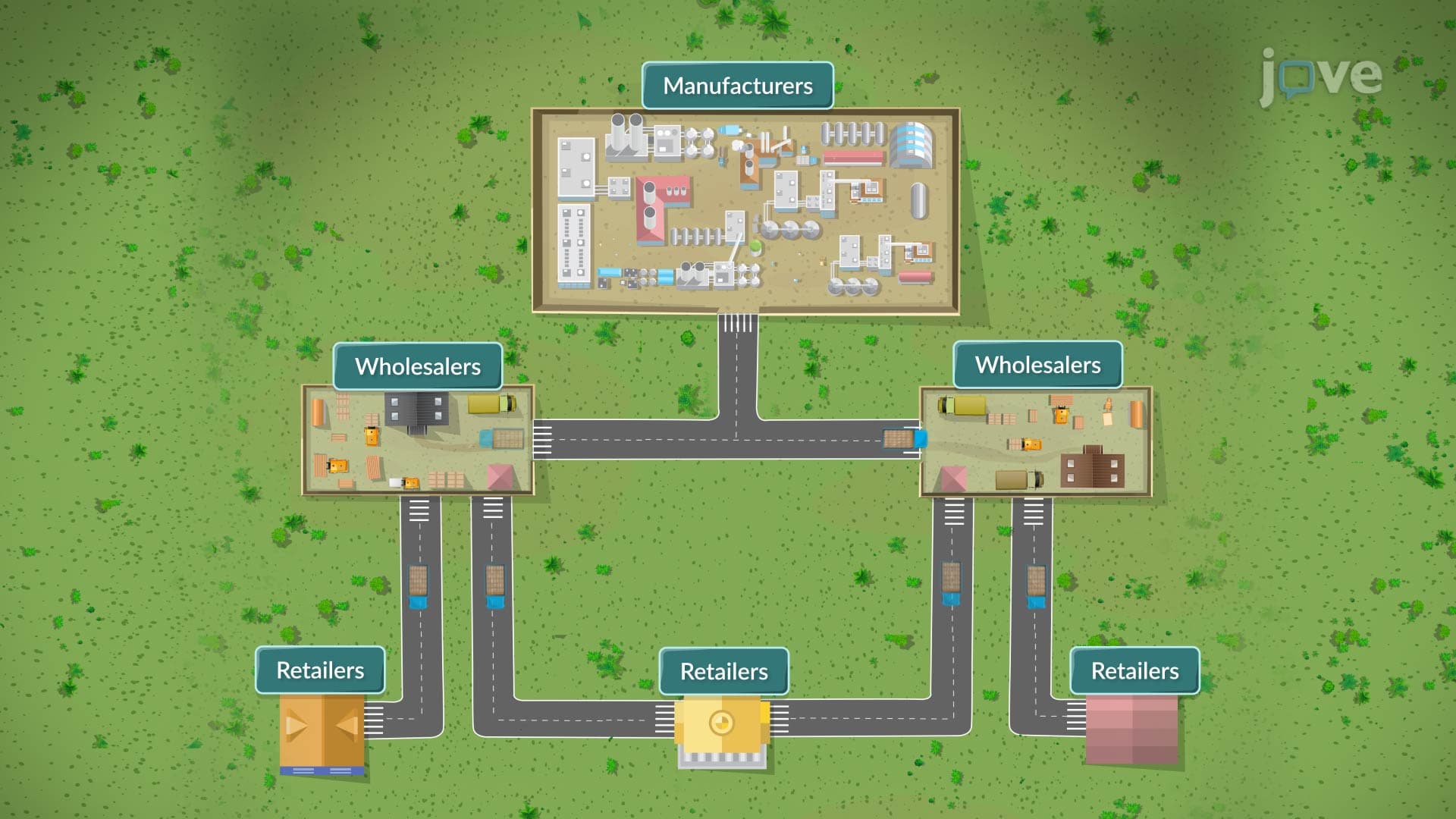
Multichannel Distribution


00:00
01:16
Video Summary: What Is Multichannel Distribution
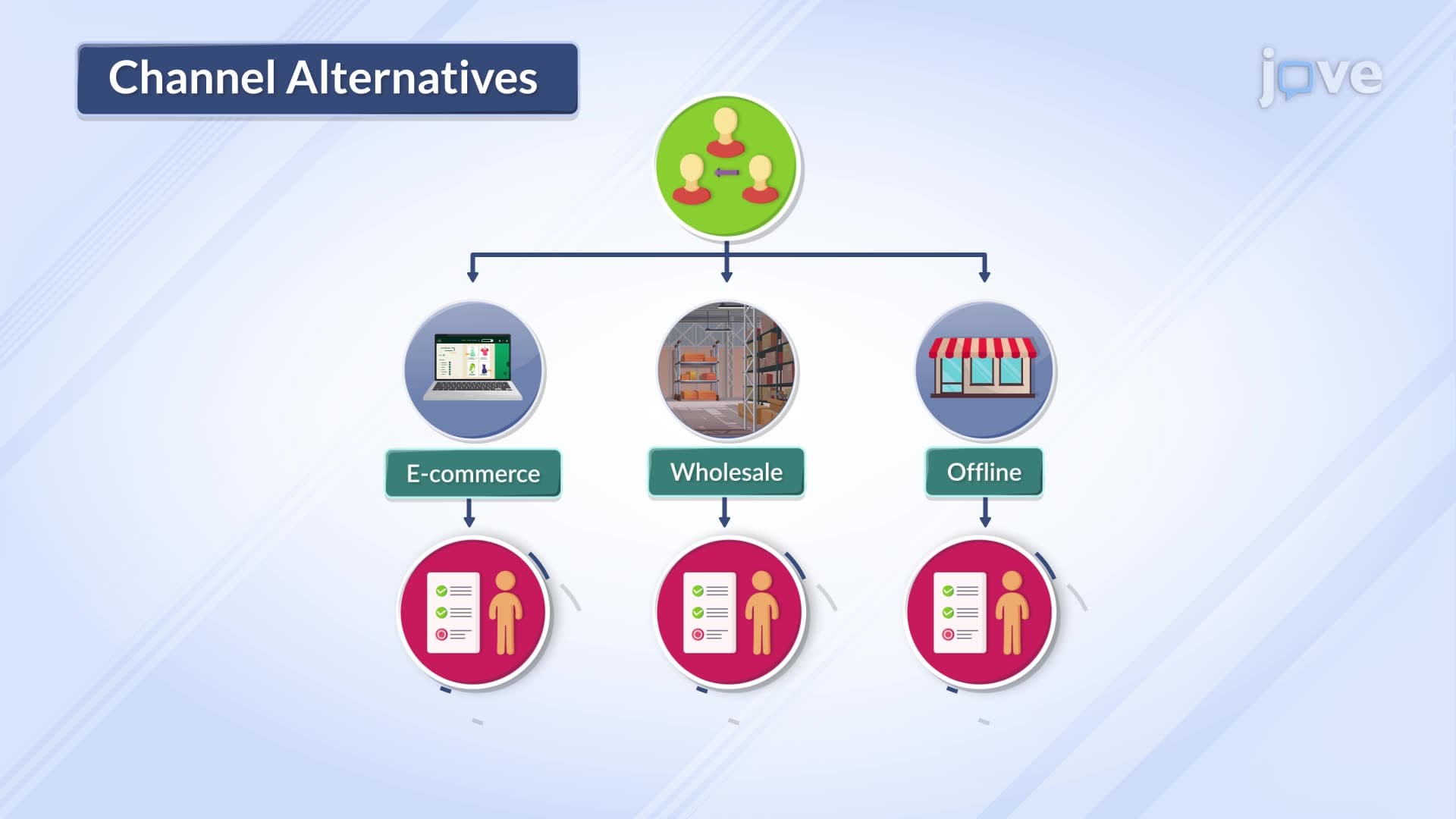
Modern retailers face mounting pressure to meet customers wherever they shop, driving 73% of consumers to use multiple channels during their purchase journey. Multichannel distribution enables companies like Target to seamlessly integrate their physical stores, website, mobile app, and third-party marketplaces into a unified sales ecosystem. This strategic approach to multichannel distribution allows businesses to maximize market reach while providing customers the flexibility to research online and buy in-store, or vice versa. Watch the full video on JoVE Coach to master this concept with expert-led visuals and step-by-step explanations.
- Apply multichannel distribution frameworks to expand your company's market reach and capture diverse customer segments across digital and physical touchpoints
- Evaluate channel performance metrics to optimize resource allocation and identify the most profitable distribution pathways for your product portfolio
- Analyze customer journey mapping to understand how consumers move between channels and design seamless brand experiences that drive conversion
- Implement inventory management systems that synchronize stock levels across all channels while minimizing carrying costs and stockout risks
- Compare direct-to-consumer versus third-party marketplace strategies to determine optimal channel mix for your competitive positioning
- Leverage channel-specific marketing tactics that maintain brand consistency while adapting messaging to each platform's unique audience behavior
- Identify operational challenges in multichannel distribution, including pricing conflicts, brand control issues, and resource allocation complexities
- Assess the ROI impact of multichannel strategies on customer lifetime value, acquisition costs, and overall business profitability
Understanding Multichannel Distribution Strategy
When Best Buy's leadership realized that showrooming was eroding their competitive advantage, they transformed their challenge into opportunity by embracing multichannel distribution. Rather than viewing their physical stores as liability against Amazon's digital dominance, they repositioned retail locations as fulfillment centers, customer experience hubs, and service touchpoints that complement their robust e-commerce platform.
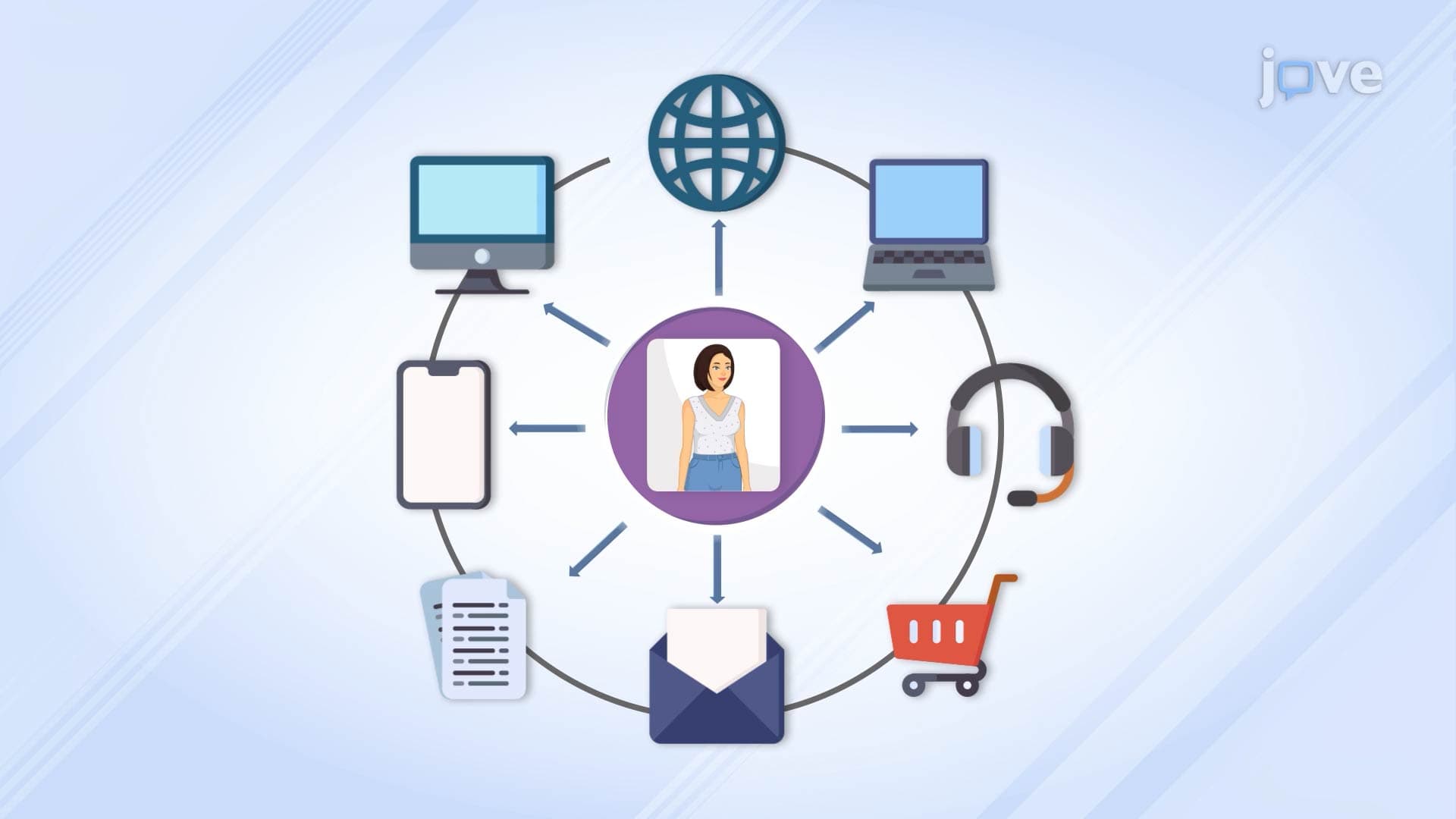
Multichannel distribution represents a fundamental shift from traditional single-channel retail models to integrated ecosystems where customers can discover, research, purchase, and receive support across multiple interconnected touchpoints. This approach recognizes that modern consumers don't think in terms of channels-they expect seamless brand experiences whether they're browsing on mobile during their commute, researching on desktop at work, or visiting physical locations on weekends.
Strategic Advantages and Competitive Implications
The primary strategic advantage lies in market expansion and risk diversification. Companies employing multichannel distribution typically see 15-35% higher customer lifetime value compared to single-channel competitors. Sephora exemplifies this advantage through their integrated approach: customers earn loyalty points whether shopping in-store, online, or through their mobile app, while virtual try-on technology bridges the gap between digital convenience and physical product testing.
From a competitive standpoint, multichannel distribution creates significant barriers to entry. New market entrants must now compete across multiple fronts simultaneously, requiring substantial capital investment and operational expertise. Established players can leverage their multichannel presence to capture market share from niche competitors who may excel in one channel but lack comprehensive coverage.
Operational Challenges and Management Considerations
The complexity of multichannel distribution extends far beyond technology integration. Inventory management becomes exponentially more challenging when products must be available across multiple channels while avoiding overstock situations. Companies like Home Depot have invested heavily in sophisticated inventory management systems that provide real-time visibility across their 2,300+ stores, multiple distribution centers, and online platforms.
Channel conflict represents another critical management consideration. When different channels offer varying prices or promotions, customer confusion and internal competition can erode profitability. Successful multichannel retailers establish clear channel governance policies and pricing strategies that minimize conflict while maximizing overall system performance.
Implementation Framework for Business Leaders
Successful multichannel distribution requires a phased approach starting with channel audit and customer journey mapping. Leaders must identify which channels their target customers prefer for different stages of the purchase process, then design integration points that create value rather than friction. This often involves significant organizational restructuring, as traditional channel silos must give way to integrated teams focused on customer experience rather than channel-specific metrics.
Frequently Asked Questions
Multichannel distribution involves selling products through multiple independent channels like stores, websites, and marketplaces, each potentially operating with distinct strategies. Omnichannel retail integrates these channels into a unified customer experience where data and inventory flow seamlessly between touchpoints. While multichannel focuses on channel expansion, omnichannel prioritizes integration and consistency across the entire customer journey.
Focus on quantifiable business metrics: customer lifetime value increases of 15-35%, market reach expansion, and revenue diversification that reduces single-channel risk. Present competitor analysis showing multichannel leaders' market share gains, and include implementation timeline with clear ROI milestones. Emphasize defensive necessity-customers expect multichannel access, and single-channel competitors are vulnerable to market disruption.
Inventory synchronization across channels creates the most immediate complexity, often requiring new technology platforms and process redesign. Channel conflict over pricing and customer ownership can create internal friction between sales teams. Brand consistency becomes difficult to maintain when different channels require adapted messaging, and customer service complexity increases when support requests span multiple touchpoints.
Design differentiated value propositions for each channel rather than competing on price alone. High-margin channels should offer premium services, exclusive products, or enhanced experiences that justify their costs. Use data analytics to identify which customers naturally prefer which channels, then optimize each channel's profitability within its customer segment rather than forcing migration between channels.
Nike's multichannel strategy demonstrates comprehensive integration: customers can browse products on social media, use the Nike app to check local store inventory, reserve items for in-store pickup, and access exclusive releases through their membership program. Their direct-to-consumer focus reduces retailer dependence while their wholesale partnerships maintain broad market coverage, creating multiple revenue streams with different margin profiles.
While retail experience helps, multichannel distribution success depends more on strategic thinking and project management capabilities. The key skills involve customer journey analysis, cross-functional team coordination, and data-driven decision making. Many successful multichannel leaders come from consulting, operations, or general management backgrounds where they developed systems thinking and change management expertise.
Multichannel distribution expertise positions you for senior retail, marketing, and operations roles as companies increasingly prioritize customer experience integration. This skill set is particularly valuable for Chief Marketing Officer, VP of Sales, or General Manager positions where P&L responsibility spans multiple channels. The strategic complexity makes you valuable for consulting opportunities and board advisory positions in retail and consumer goods industries.
Customer journey optimization and attribution modeling become critical for maximizing multichannel ROI. Supply chain integration, particularly drop-shipping and distributed inventory strategies, represents the operational next level. Advanced practitioners should explore customer data platforms (CDP) and marketing automation that enable personalized experiences across channels.
Related Micro-courses



19 Concepts