Loading subject page…

- Marketing
- Creating Customer Value: Product to Experience
- New Product Development- Application
Micro-course: Creating Customer Value: Product to Experience
17,060 views
Learn key concepts and earn your certificate.






New Product Development- Application


00:00
01:23
Video Summary: What Is New Product Development Application
Product failures cost US companies billions annually-consider Google Glass or New Coke's infamous launch disasters. Understanding new product development application becomes critical when 80% of new products fail within their first year. The seven-stage framework transforms chaotic innovation into systematic business processes that companies like PepsiCo use to launch successful snack products. This structured approach helps executives minimize risk while maximizing market opportunities through disciplined stage-gate decision making. Watch the full video on JoVE Coach to master this concept with expert-led visuals and step-by-step explanations.
- Apply the seven-stage NPD framework to evaluate innovation opportunities and reduce product launch risks in your organization
- Implement systematic idea screening criteria to allocate R&D resources effectively and eliminate low-potential concepts early
- Analyze market testing data to make go/no-go commercialization decisions backed by consumer insights and financial projections
- Evaluate concept development processes to ensure product-market fit before significant capital investment
- Leverage business analysis techniques to assess profitability and ROI potential across product variants
- Identify critical success factors in marketing strategy development that align with corporate portfolio objectives
- Assess test marketing results to optimize pricing, positioning, and distribution strategies before full launch
- Compare NPD applications across industries to adapt best practices for your specific market context
Understanding New Product Development Application in Business Strategy
When Frito-Lay executives decided to expand beyond traditional potato chips into flavored pretzel segments, they didn't rely on gut instinct-they applied a systematic new product development application framework. This structured approach transforms innovative ideas into market-ready products while minimizing the substantial financial risks inherent in product launches.
The Strategic Framework for Innovation Management
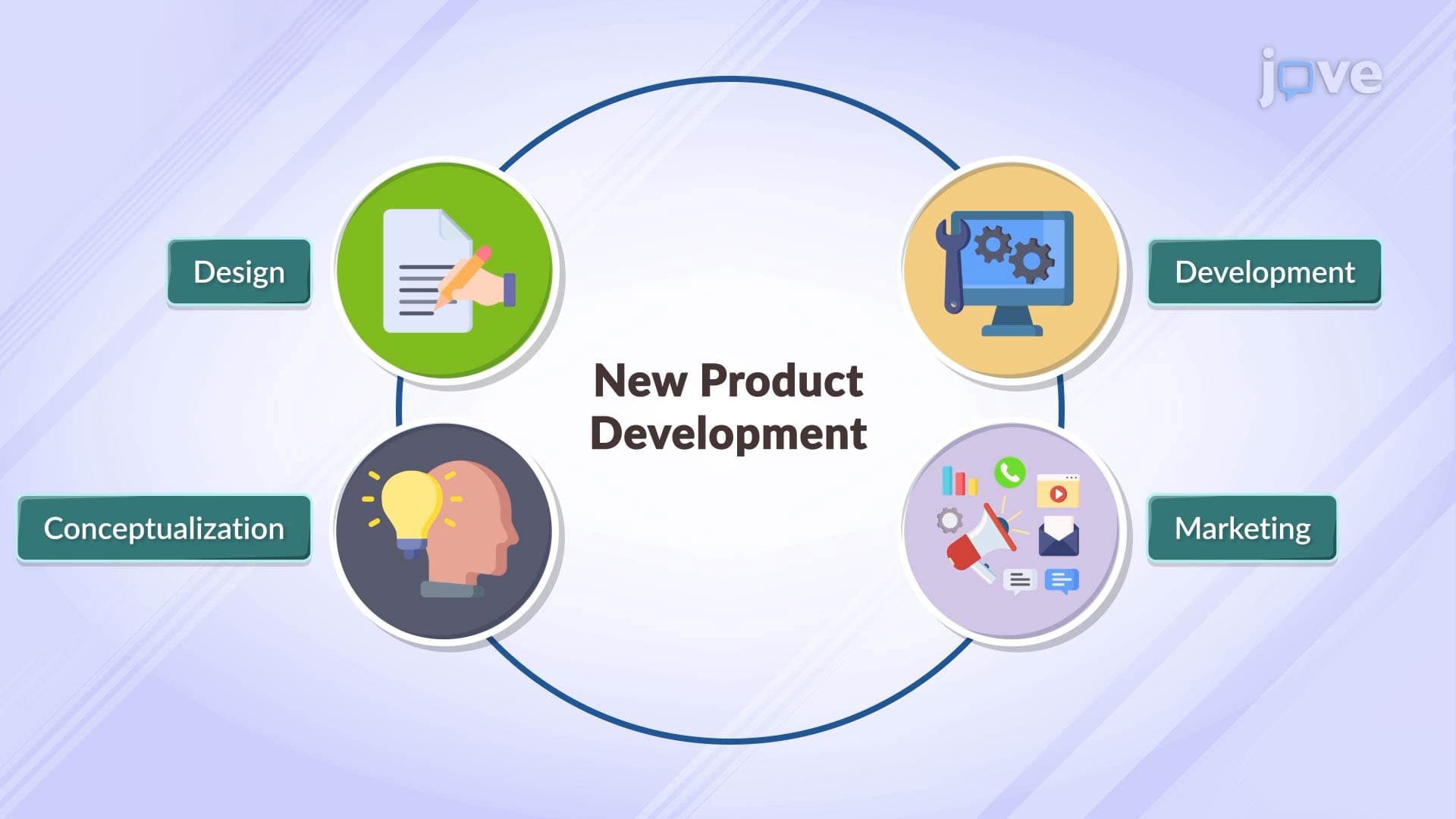
New product development application represents a disciplined, stage-gate process that guides cross-functional teams through seven critical phases. Unlike ad-hoc innovation efforts, this framework provides clear decision points, resource allocation guidelines, and risk mitigation strategies. Each stage serves as a checkpoint where executives can evaluate progress, adjust strategies, or terminate underperforming initiatives before they consume excessive capital.
The process begins with systematic idea generation, where companies leverage consumer research, competitive intelligence, and emerging market trends. Major CPG companies like General Mills dedicate substantial resources to this phase, employing ethnographic research and trend forecasting to identify unmet consumer needs. This isn't brainstorming in conference rooms-it's data-driven opportunity identification that aligns with corporate growth strategies.
Risk Mitigation Through Systematic Evaluation
The screening and concept development phases function as strategic filters, eliminating concepts that lack market viability or technical feasibility. Companies like Procter & Gamble have perfected these evaluation criteria, using proprietary scoring models that assess market size, competitive dynamics, manufacturing capabilities, and profit potential. This systematic approach prevents organizations from pursuing attractive but ultimately unprofitable opportunities.
Business analysis and test marketing phases provide quantitative validation before full commercialization. These stages generate critical data on consumer acceptance, pricing sensitivity, and demand forecasting that inform production planning, supply chain decisions, and financial projections. Smart executives use these insights to refine positioning strategies, optimize pricing models, and identify potential distribution partnerships.
Implementation Across Industry Contexts
While the framework originated in consumer goods, successful applications span technology, financial services, and B2B markets. Software companies adapt the process for digital products, using beta testing as their test marketing equivalent. Financial institutions apply similar principles when launching new investment products or digital banking services, ensuring regulatory compliance and market acceptance before full deployment.
Frequently Asked Questions
New product development application is a systematic seven-stage framework that transforms ideas into market-ready products through disciplined evaluation and testing. Unlike unstructured innovation, it provides clear decision gates, resource allocation criteria, and risk assessment tools. This approach helps executives make data-driven go/no-go decisions while minimizing capital exposure and maximizing success probability.
Start with simplified versions focusing on customer validation and market testing before significant investment. Many successful startups use lean NPD principles, conducting customer interviews during concept development and creating minimum viable products for test marketing. The key is maintaining systematic evaluation criteria even with limited resources, ensuring each stage generates actionable insights for decision making.
Terminate concepts when they fail predetermined criteria at any stage-inadequate market size during screening, negative consumer feedback in concept testing, or poor financial projections during business analysis. Companies like 3M famously kill 60% of concepts before commercialization, viewing this as smart resource allocation rather than failure. Clear exit criteria prevent sunk cost fallacies and free resources for more promising opportunities.
Amazon followed classic NPD stages when developing Prime, starting with customer research identifying shipping pain points, screening concepts around membership models, testing various price points and benefit combinations, and conducting limited market tests before full launch. Their systematic approach included detailed business analysis of logistics costs and customer lifetime value projections that justified the substantial infrastructure investment required.
While formal training helps, the framework's power lies in systematic thinking and cross-functional coordination rather than technical expertise. Many successful product managers learned NPD through practical application, focusing on customer research, financial analysis, and project management skills. The key is understanding each stage's purpose and maintaining disciplined evaluation criteria throughout the process.
NPD expertise demonstrates strategic thinking, risk management, and cross-functional leadership capabilities that executives value highly. Product management roles command premium salaries, and NPD experience translates well into general management positions since it combines marketing, finance, and operations perspectives. Companies actively seek leaders who can drive profitable growth through systematic innovation rather than hoping for lucky breaks.
Focus on portfolio management for evaluating multiple product opportunities simultaneously, stage-gate methodology for implementation best practices, and customer development processes for market validation techniques. Understanding financial modeling, competitive strategy, and supply chain management also enhances your ability to execute NPD frameworks effectively across different business contexts.
Related Micro-courses


