Loading subject page…

- Marketing
- Creating Customer Value: Product to Experience
- Packaging and Labeling
Micro-course: Creating Customer Value: Product to Experience
17,060 views
Learn key concepts and earn your certificate.






Packaging and Labeling

00:00
01:25
Video Summary: What Is Packaging and Labeling
Effective packaging labeling drives $2 trillion in US consumer spending annually, yet many businesses underestimate its strategic impact on brand positioning and market share. Understanding what is packaging and labeling becomes critical when brands like Amazon redesigned their packaging to reduce shipping costs by 15% while enhancing customer experience. This foundational business concept encompasses both protective functionality and strategic brand communication through primary and secondary packaging systems. Smart packaging decisions directly influence consumer purchase behavior, regulatory compliance, and operational efficiency across supply chains. Watch the full video on JoVE Coach to master this concept with expert-led visuals and step-by-step explanations.
- Apply packaging labeling strategies to differentiate products in competitive markets and drive consumer preference
- Evaluate primary versus secondary packaging investments to optimize both customer experience and operational costs
- Analyze regulatory compliance requirements across packaging and labeling to mitigate legal risks and market entry barriers
- Implement sustainable packaging initiatives to meet ESG goals while maintaining brand equity and cost efficiency
- Leverage packaging design as a brand positioning tool to communicate corporate values and premium market positioning
- Assess packaging labeling performance metrics to inform product portfolio decisions and marketing budget allocation
- Identify emerging packaging trends to anticipate consumer behavior shifts and competitive threats
- Compare packaging and labeling ROI across different market segments to optimize resource allocation and pricing strategies
Understanding Packaging and Labeling as Strategic Business Assets
When Procter & Gamble's board approved a $2 billion packaging transformation initiative in 2019, they recognized packaging labeling as more than operational necessity-it's a profit driver. Modern executives face increasing pressure to optimize every customer touchpoint, making packaging and labeling definition a critical competency for business leaders managing brand portfolios and market expansion.
Primary Packaging: The Customer Experience Foundation
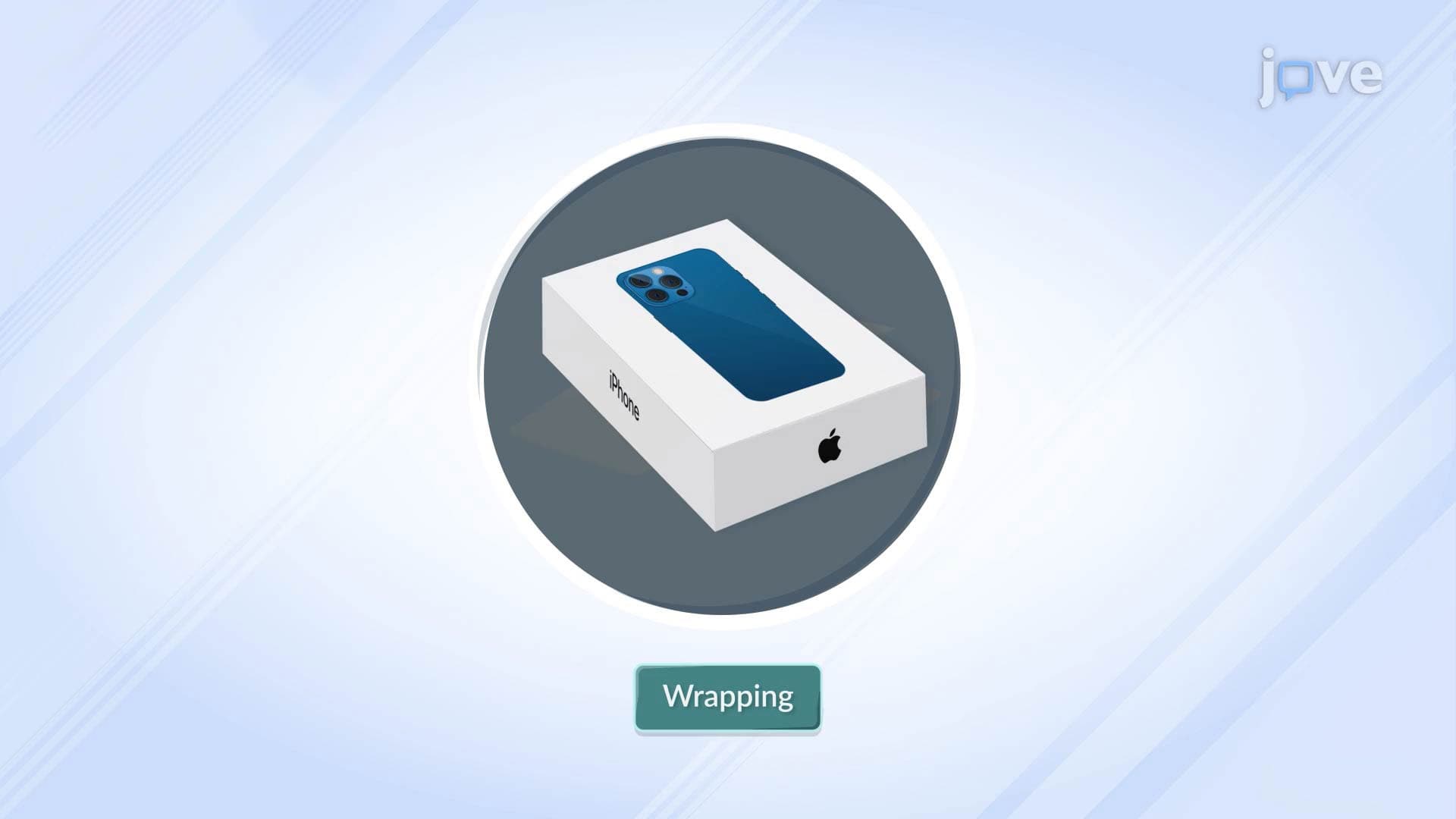
Primary packaging represents the immediate product interface, directly impacting customer satisfaction and repeat purchase rates. Consider how Starbucks redesigned their coffee cup sleeves to enhance grip while reducing material costs by 8%. This dual functionality-protection plus user experience-defines successful primary packaging strategies. Business leaders must evaluate primary packaging decisions through multiple lenses: manufacturing efficiency, logistics optimization, and brand differentiation. Each design choice influences supply chain costs, shelf appeal, and customer loyalty metrics.
Secondary Packaging: Information Architecture and Compliance
Secondary packaging serves as critical information infrastructure, housing regulatory disclosures, promotional messaging, and supply chain data. Walmart's vendor packaging requirements demonstrate how secondary packaging drives operational efficiency across $500 billion in annual sales. Smart secondary packaging strategies incorporate Universal Product Code positioning, sustainability messaging, and promotional space allocation. Business executives must balance information density with visual clarity while ensuring compliance across multiple regulatory jurisdictions.
Sustainable Packaging: ESG Performance and Market Positioning
Corporate sustainability mandates now directly influence packaging labeling decisions, with companies like Coca-Cola investing $1 billion in recyclable packaging by 2025. This shift reflects consumer demand and regulatory pressure, but also creates competitive advantages for early adopters. Unilever's sustainable packaging initiative generated $1.2 billion in additional revenue by attracting environmentally conscious consumers willing to pay premium prices. Business leaders must evaluate sustainable packaging through total cost of ownership models, including material costs, manufacturing efficiency, and brand equity enhancement.
Implementation Framework for Business Decision-Making
Successful packaging labeling strategies require cross-functional collaboration between marketing, operations, legal, and finance teams. Companies achieving packaging excellence typically establish clear ROI metrics, including cost-per-impression, compliance risk reduction, and customer satisfaction scores. This integrated approach ensures packaging decisions support broader business objectives while maintaining operational efficiency and regulatory compliance.
Frequently Asked Questions
Packaging and labeling encompasses the strategic design and information architecture surrounding products, serving dual functions of protection and brand communication. It directly impacts customer acquisition costs, regulatory compliance, and supply chain efficiency. Modern businesses treat packaging as a profit center rather than just operational overhead, with successful strategies generating measurable ROI through enhanced brand positioning and operational optimization.
Packaging changes can influence quarterly results through multiple channels: material cost fluctuations, manufacturing efficiency gains, and consumer response rates. Target's packaging redesign reduced logistics costs by 12% while improving customer satisfaction scores, directly boosting same-store sales. Smart packaging investments typically show ROI within 6-12 months through reduced operational costs and increased market share.
Packaging labeling serves as the primary customer communication tool during product launches, influencing purchase decisions within 3-5 seconds of shelf exposure. Successful launches integrate packaging design with pricing strategy, distribution planning, and promotional campaigns. Companies achieving 90%+ launch success rates typically invest 15-20% of launch budgets in packaging optimization and consumer testing.
Amazon's frustration-free packaging initiative transformed e-commerce expectations, reducing packaging waste by 40% while improving customer experience scores. Their approach prioritizes easy opening, minimal materials, and shipping efficiency, forcing competitors to adopt similar strategies. This shift demonstrates how operational packaging decisions become competitive advantages in digital-first markets.
Business leaders don't need design expertise but should understand packaging's strategic implications for brand positioning, cost management, and regulatory compliance. Successful executives focus on business metrics-customer acquisition costs, compliance risk, operational efficiency-while partnering with specialized teams for execution. The key skill is translating business objectives into packaging requirements that drive measurable outcomes.
Packaging labeling competency signals strategic thinking and operational excellence, key qualifications for senior leadership roles managing P&L responsibility. Executives demonstrating packaging ROI often advance to brand management, operations leadership, or general management positions. This expertise becomes particularly valuable in consumer goods, retail, and e-commerce sectors where packaging directly influences financial performance.
Smart packaging technologies, including QR codes, NFC chips, and temperature indicators, represent the next evolution in customer engagement and supply chain optimization. These innovations enable real-time consumer interaction, inventory tracking, and brand authentication. Forward-thinking executives are exploring these technologies to create competitive advantages and new revenue streams.
Related Micro-courses


