Loading subject page…

- Mechanical Engineering
- Shearing Stresses in Beams and Thin Walled Members
- Shear on the Horizontal Face of a Beam Element
Micro-course: Shearing Stresses in Beams and Thin-Walled Members
1,807 views
Learn key concepts and earn your certificate.

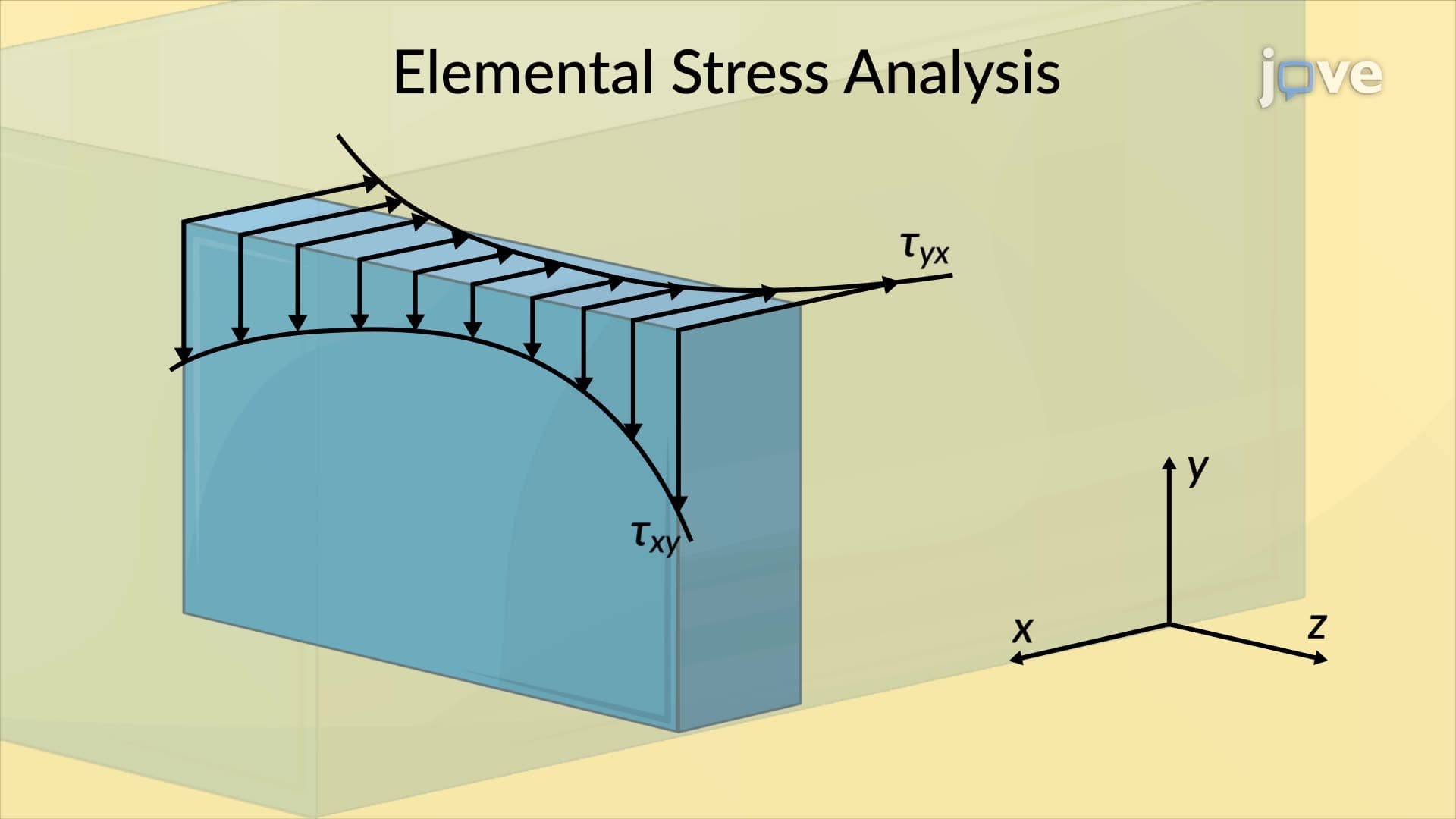
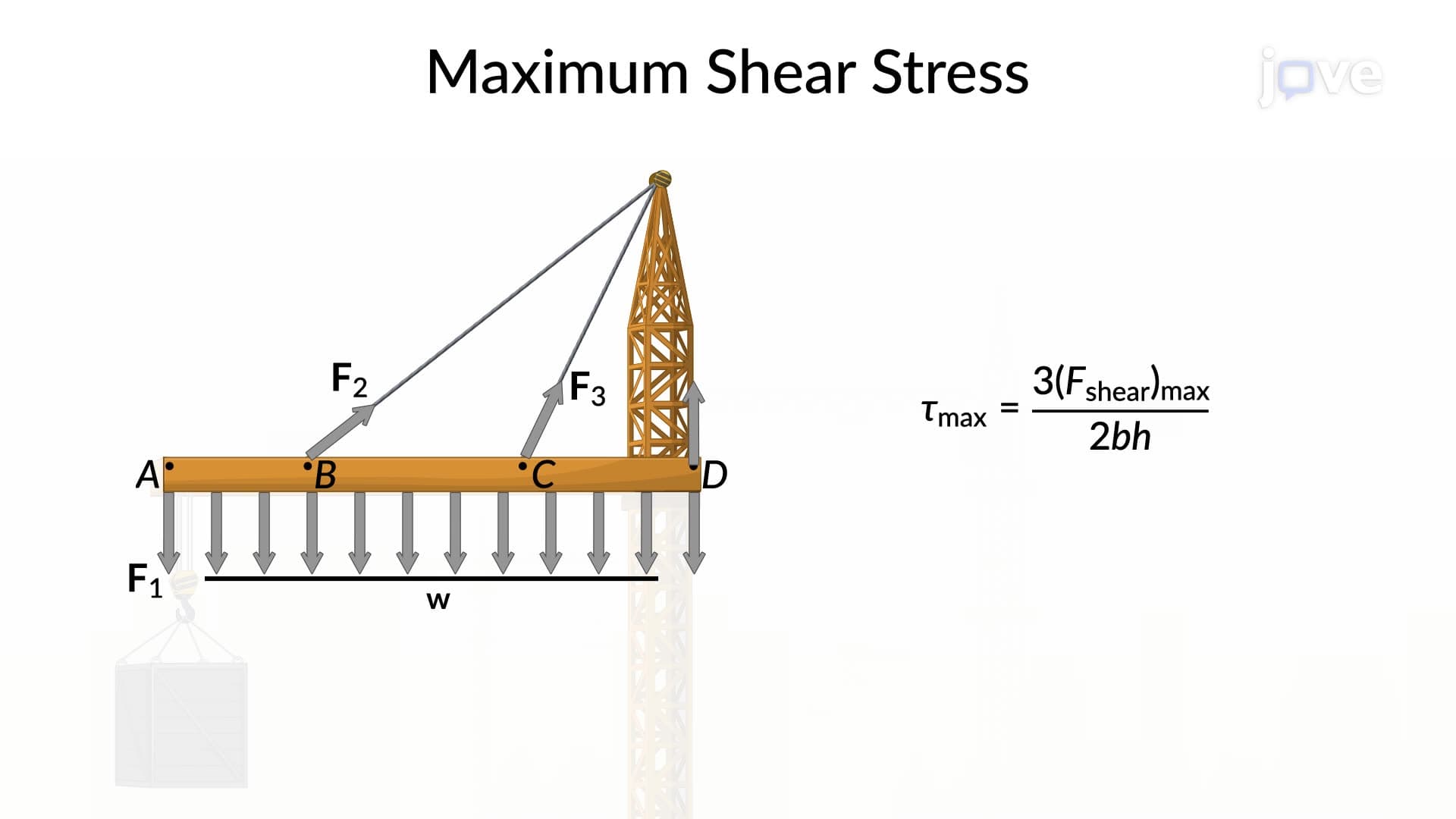
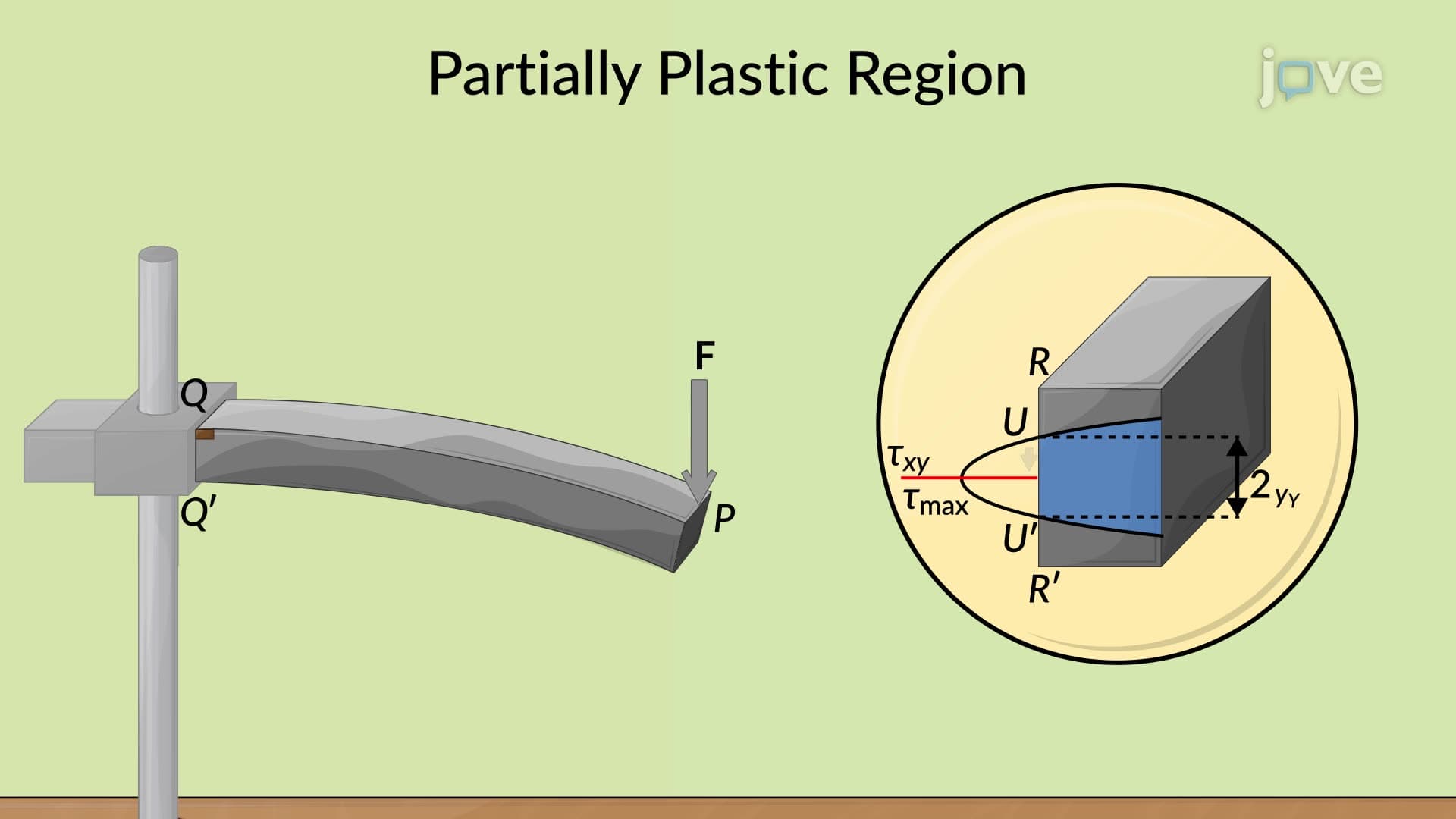
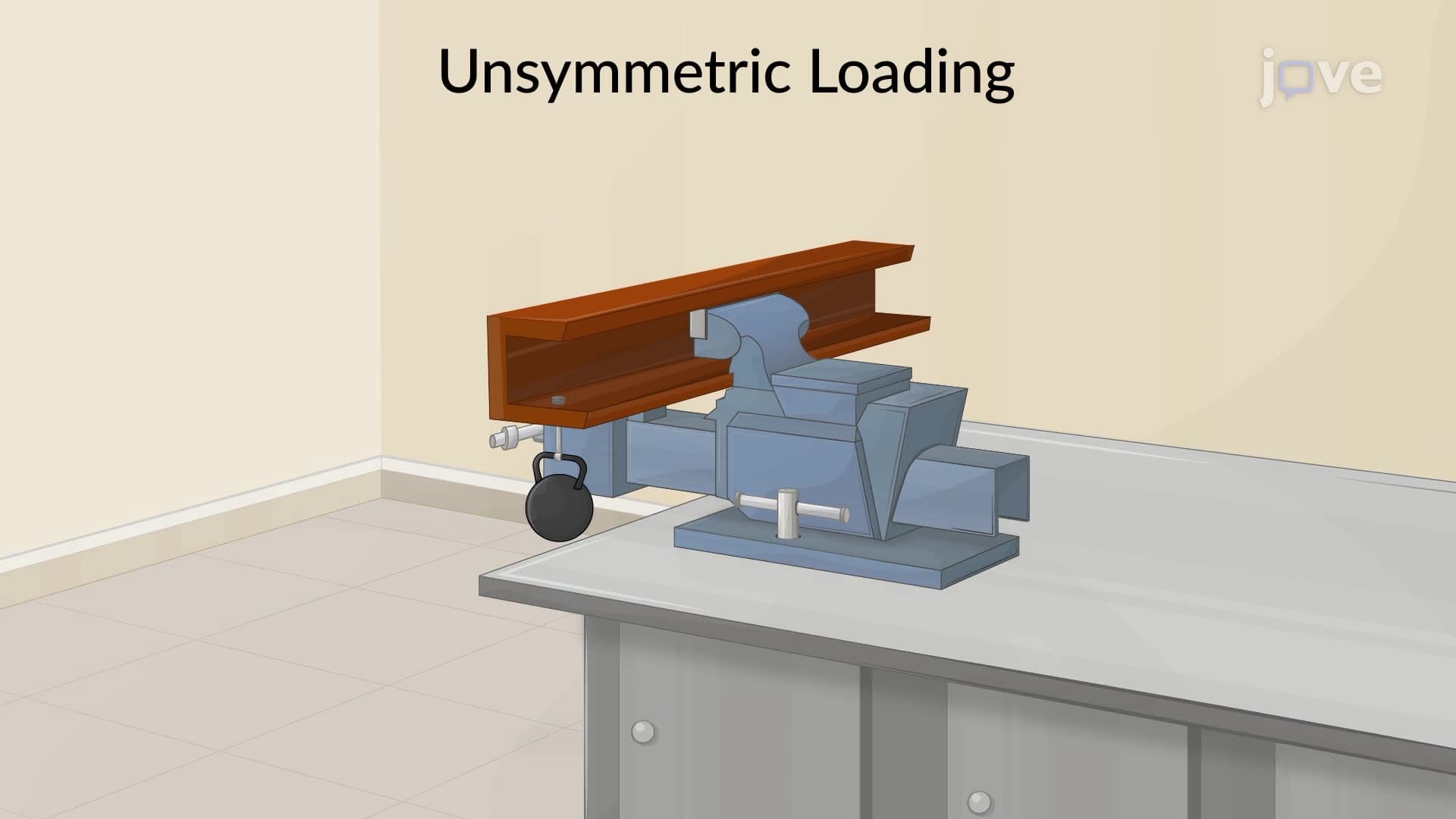
Shear on the Horizontal Face of a Beam Element

00:00
01:16
Video Summary: Shear on the Horizontal Face Explained
Ever wondered why airplane wings don't snap under enormous loads during turbulence? Shear on the horizontal face determines how internal forces distribute through structural beams, preventing catastrophic failures in everything from Boeing 737 wings to highway bridge supports. This fundamental engineering principle explains how prismatic beam elements resist both vertical and horizontal shearing forces through equilibrium analysis. By examining small beam elements and applying force balance equations, engineers calculate critical stress distributions that keep structures like the Golden Gate Bridge standing strong. Watch the full video on JoVE Coach to master this concept with expert-led visuals and step-by-step explanations.
- Understand how shear on the horizontal face develops within prismatic beam elements under applied loads
- Analyze equilibrium equations to determine horizontal shearing forces acting on beam cross-sections
- Identify the relationship between bending moments and first moment of cross-sectional areas
- Compare shearing forces on upper and lower beam elements to verify equal magnitude, opposite direction principles
- Evaluate how the first moment varies above and below the neutral axis in beam analysis
- Apply shear flow calculations by dividing horizontal shear by element length
- Recognize maximum first moment conditions when distance from neutral axis equals zero
- Explore how neutral axis positioning affects positive and negative contributions in shear force integration
Understanding Shear on the Horizontal Face Fundamentals
Shear on the horizontal face represents a critical concept in structural mechanics that explains how internal forces distribute through beam cross-sections. When engineers design skyscrapers like Chicago's Willis Tower or analyze bridge loadings, they must understand how horizontal shearing forces develop alongside vertical loads and normal forces within prismatic beams.
The analysis begins with isolating a small beam element and examining all forces acting upon it. This systematic approach mirrors problem-solving techniques emphasized in AP Physics C and college-level statics courses, where equilibrium principles form the foundation for complex structural analysis.
Equilibrium Analysis and Force Balance
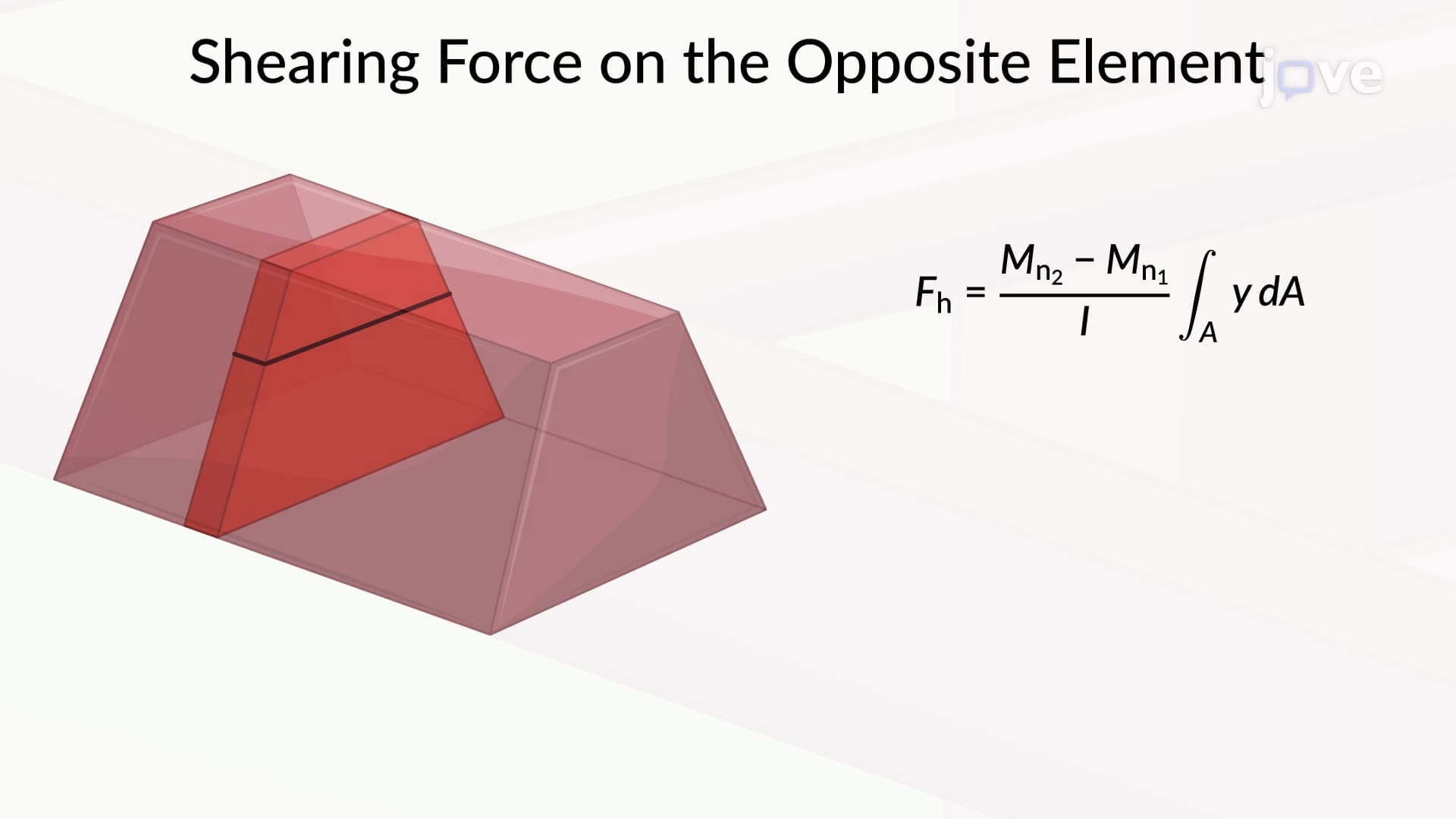
The equilibrium equation becomes the cornerstone for determining horizontal shearing forces. By applying Newton's first law to our isolated beam element, we establish that the sum of all horizontal forces must equal zero for static equilibrium. This fundamental principle, commonly tested on MCAT physics sections and engineering midterms, reveals how horizontal shear relates directly to bending moments and cross-sectional properties.
The mathematical relationship connects horizontal shearing force to the first moment of the cross-sectional area. This connection proves essential for structural engineers working on projects like California's earthquake-resistant buildings, where precise stress calculations prevent catastrophic failures during seismic events.
Symmetry and First Moment Analysis
A fascinating aspect emerges when analyzing upper and lower beam elements separately. The shearing forces exerted between these elements demonstrate perfect symmetry-equal in magnitude but opposite in direction. This principle, frequently encountered in college mechanics courses and professional engineering exams, ensures internal force consistency throughout the beam structure.
The first moment calculation reveals additional insights about neutral axis behavior. Elements positioned above the neutral axis contribute positively to the integration, while those below contribute negatively. This mathematical relationship reaches maximum significance when the distance from the neutral axis equals zero, creating optimal conditions for stress analysis.
Practical Applications and Shear Flow
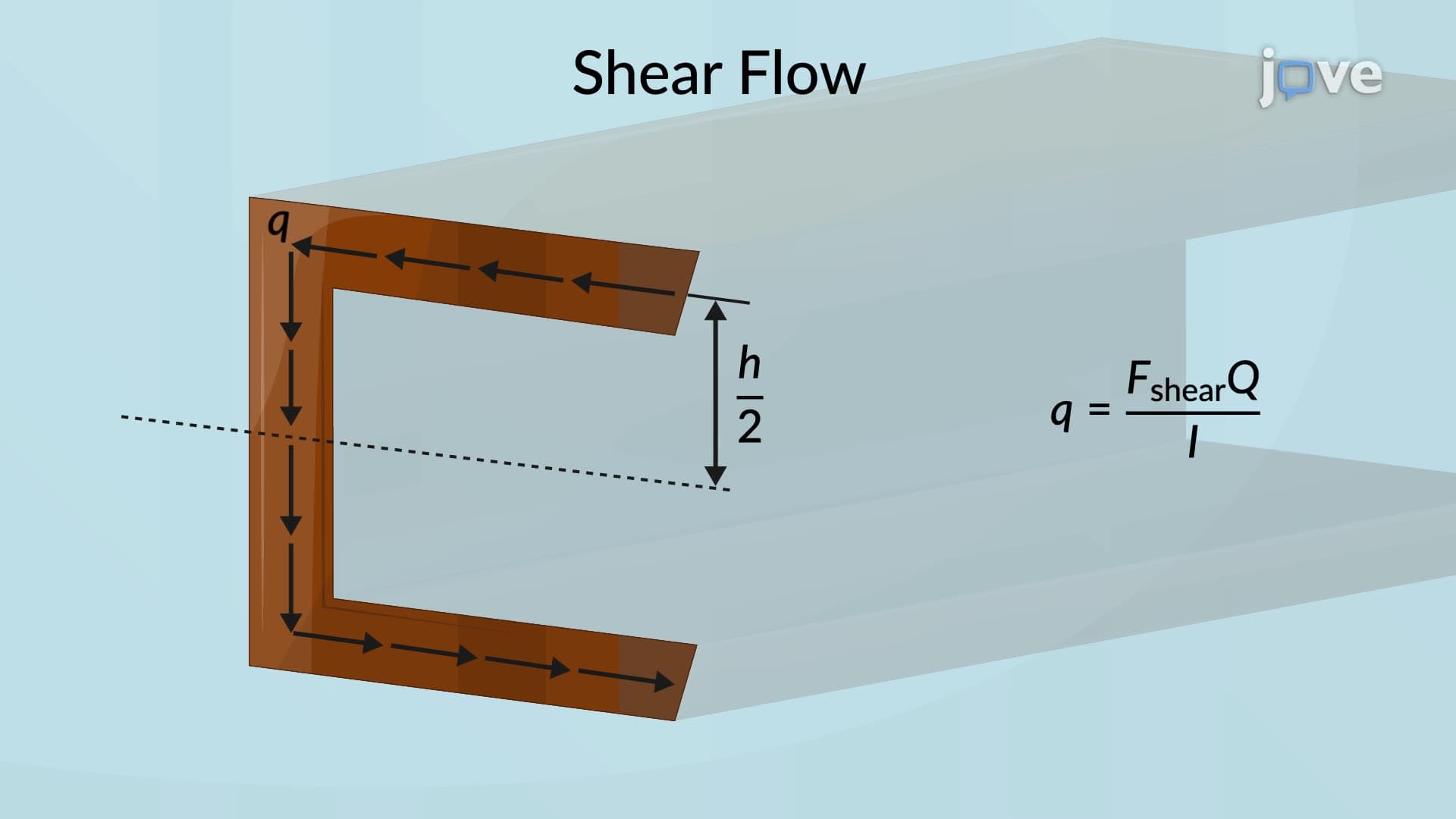
Converting horizontal shear into shear flow involves dividing by the element's length, providing engineers with practical tools for real-world applications. Whether designing aircraft components for companies like Boeing or analyzing bridge girders for state transportation departments, shear flow calculations ensure structural integrity under varying load conditions. This concept frequently appears on fundamentals of engineering exams and serves as prerequisite knowledge for advanced structural analysis courses.
Frequently Asked Questions
Shear on the horizontal face describes internal forces that develop horizontally within beam cross-sections when loads are applied. It's crucial because these forces determine whether structures like bridges or buildings will fail under stress. Engineers use this analysis to ensure safety margins in everything from airplane wings to skyscraper frameworks.
Exam problems typically provide beam loading scenarios requiring equilibrium analysis and shear force calculations. Students must apply force balance equations, calculate first moments of areas, and determine maximum shear locations. Practice problems often involve simply supported beams with distributed loads, similar to real bridge design scenarios.
Statics, Mechanics of Materials, and Structural Analysis courses extensively cover this topic. Engineering majors encounter it in sophomore-level mechanics courses, while physics students see simplified versions in intermediate mechanics classes. Many universities include practical applications in capstone design projects.
Structural engineers use horizontal shear analysis when designing steel I-beams for buildings like New York's One World Trade Center or concrete girders for interstate highway overpasses. The calculations ensure proper connection design between beam flanges and webs, preventing catastrophic shear failures during earthquakes or heavy loading conditions.
Not at all! While the mathematics involves calculus-level integration, the fundamental concepts build on basic force balance principles from introductory physics. High school students in AP Physics or pre-engineering programs can grasp the conceptual framework, with detailed calculations following in college coursework.
Focus on drawing clear free-body diagrams and practicing equilibrium equation setups before attempting complex calculations. Work through progressively challenging beam problems, starting with simple rectangular cross-sections before advancing to more complex shapes like I-beams or T-sections commonly used in American construction.
Progress to vertical shear stress distributions, torsional shear in circular shafts, and combined loading scenarios. These concepts build naturally into advanced topics like deflection analysis, column stability, and connection design-all essential for structural engineering careers in the US construction industry.
Related Micro-courses
10 Concepts

4 Concepts

9 Concepts