Loading subject page…

14,826 views

Video Summary: Constitutive and Regulated Gene Expression Explained
Did you know that while your muscle cells and brain cells contain identical DNA, they produce completely different proteins? This remarkable selectivity happens through constitutive regulated gene expression, where cells control which genes are active at any given time. Some genes, like those for basic cellular respiration, run constantly as "housekeeping" genes, while others activate only when needed-such as insulin genes in pancreatic cells responding to blood sugar levels. Understanding Constitutive And Regulated Gene Expression Explained is fundamental to grasping how cells adapt to changing conditions and maintain life. Watch the full video on JoVE Coach to master this concept with expert-led visuals and step-by-step explanations.
Gene expression control represents one of biology's most elegant regulatory systems, allowing cells to produce the right proteins at the right time and in appropriate quantities. Constitutive regulated gene expression encompasses two distinct but complementary strategies that cells employ to manage their protein production needs.
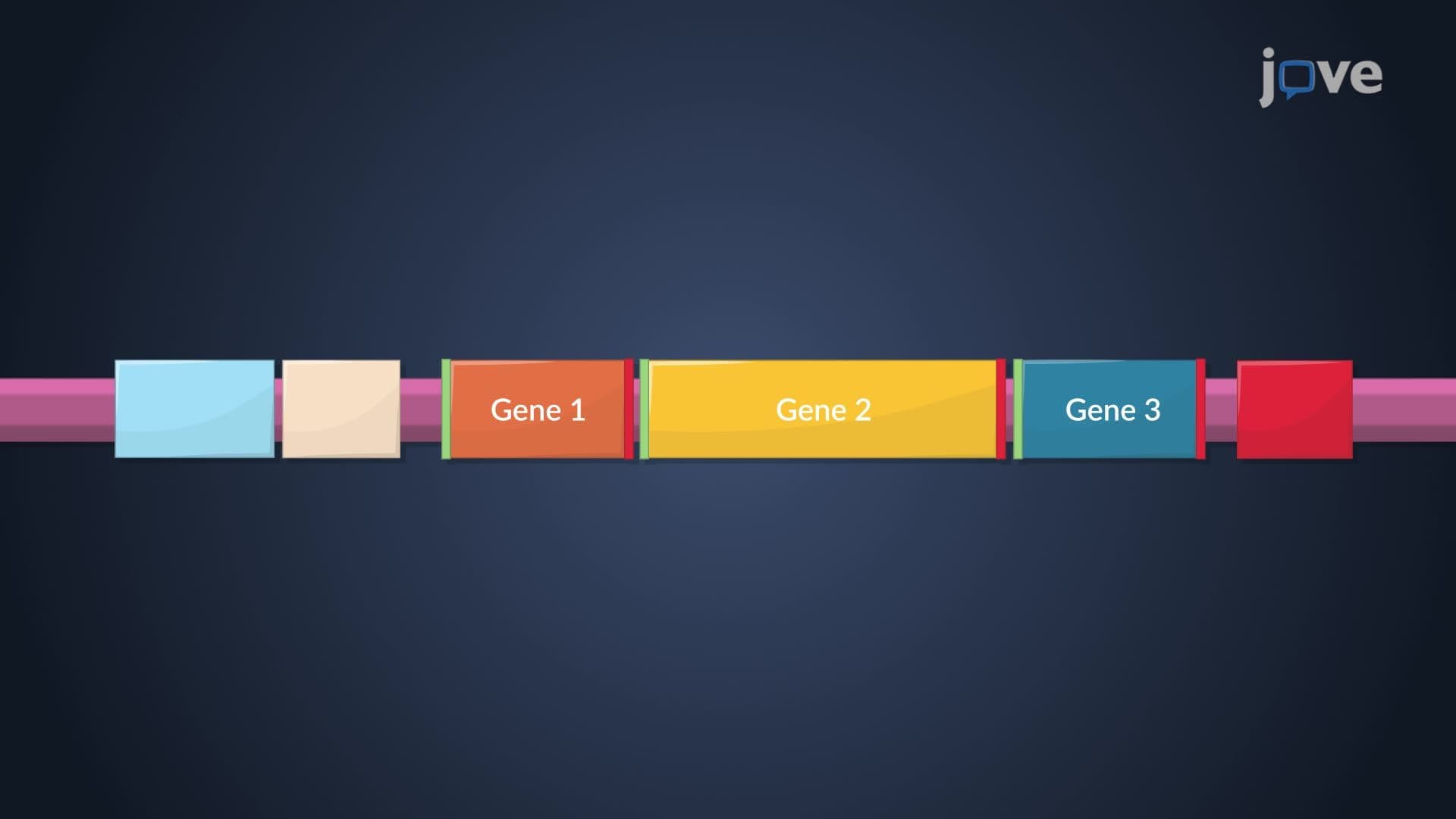
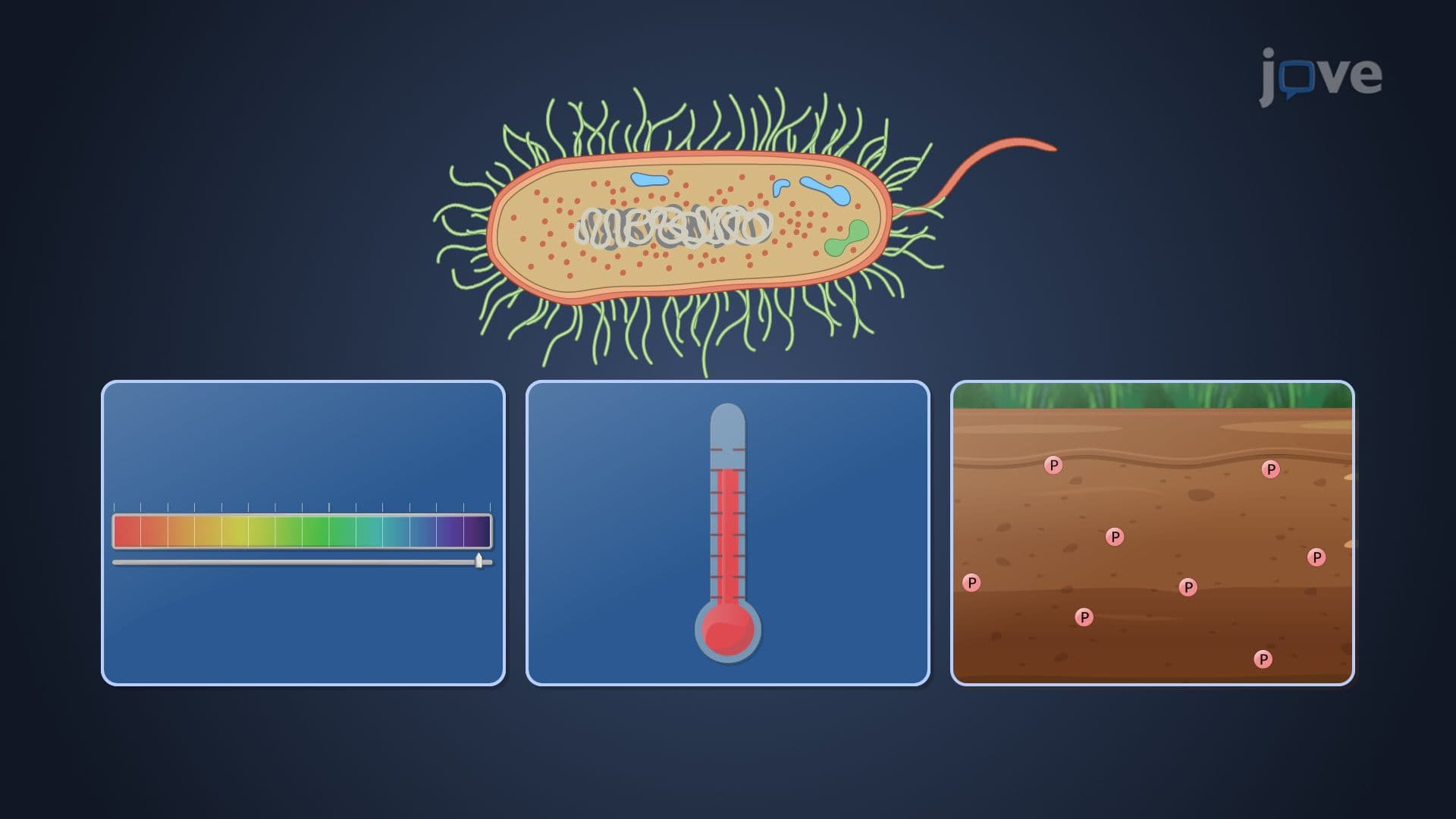
Constitutive genes, often called housekeeping genes, operate like a city's essential services-always running to maintain basic infrastructure. These genes continuously produce proteins required for fundamental cellular processes including glycolysis enzymes, ribosomal proteins, DNA polymerases, and cytoskeletal components. In human cells, approximately 15-20% of genes fall into this category, ensuring that vital functions like energy production and protein synthesis never cease regardless of environmental conditions.
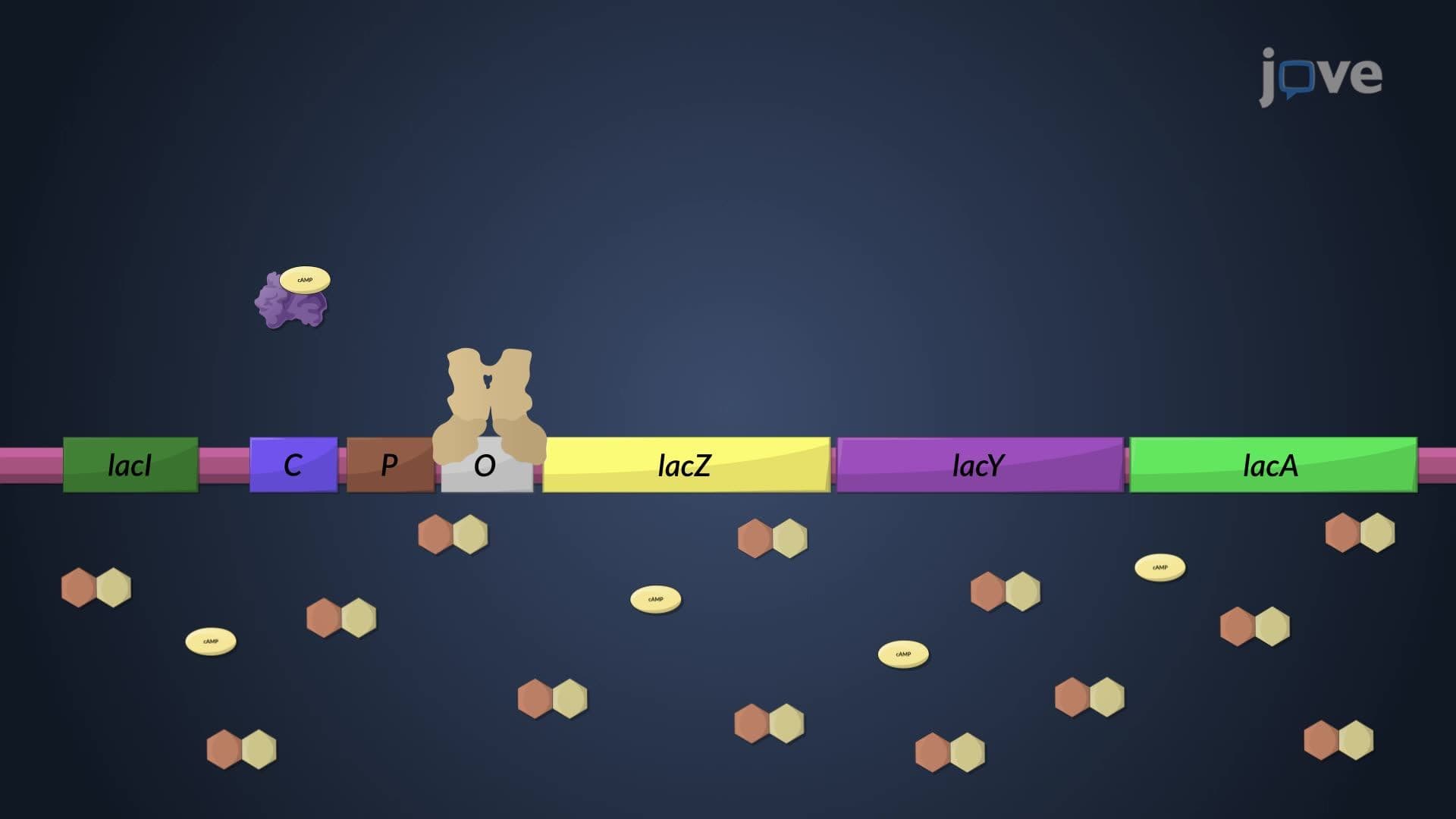
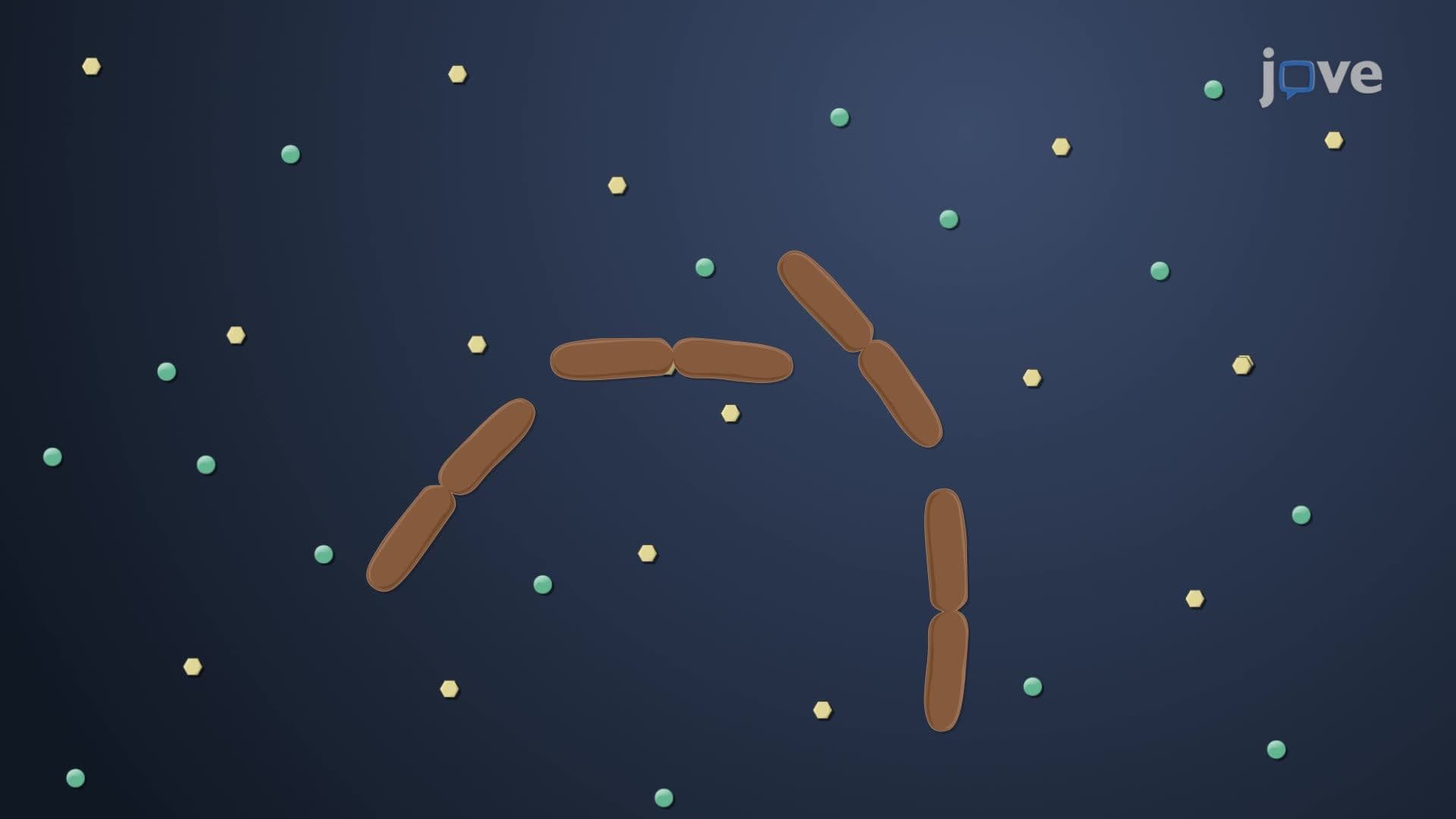
Regulated genes function more like specialized services that activate only when needed. Inducible gene systems represent a primary regulatory strategy where specific environmental signals trigger gene activation. The classic example involves lactose metabolism in *E. coli*, where lactose presence induces expression of genes encoding lactose-digesting enzymes. In human physiology, similar principles govern insulin gene expression in pancreatic beta cells, which dramatically increases following glucose detection.
This regulatory precision prevents cellular waste-imagine the metabolic burden if cells constantly produced every possible enzyme regardless of substrate availability. Students preparing for AP Biology or MCAT examinations should recognize that inducible systems typically involve substrate molecules acting as inducers that override repressor protein activity.
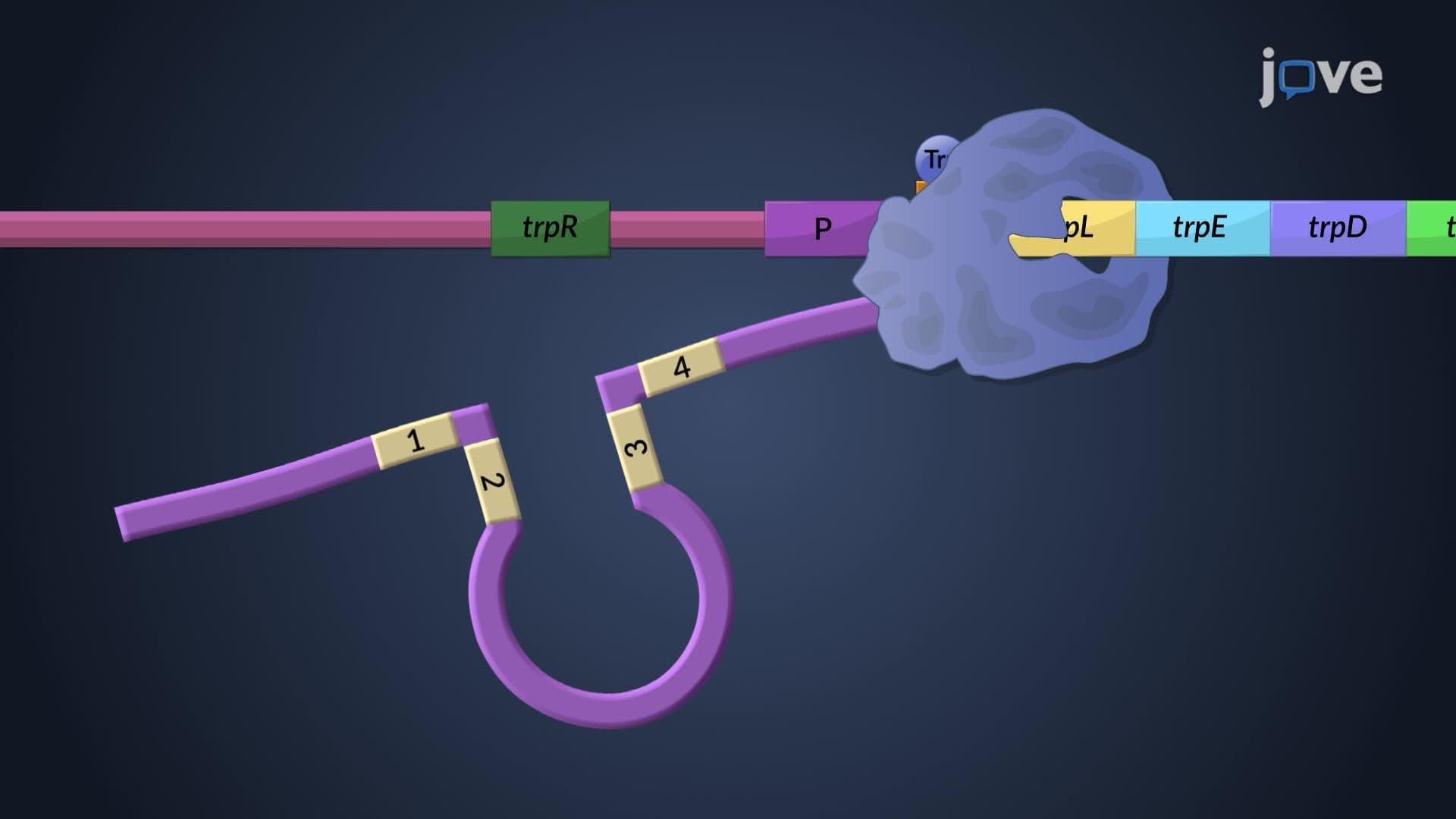
Repressible gene systems operate through opposite logic, shutting down when their products become abundant. Amino acid biosynthesis pathways exemplify this strategy-when tryptophan levels rise sufficiently, tryptophan itself helps activate repressor proteins that halt further tryptophan synthesis genes. This feedback mechanism prevents overproduction and conserves cellular resources.
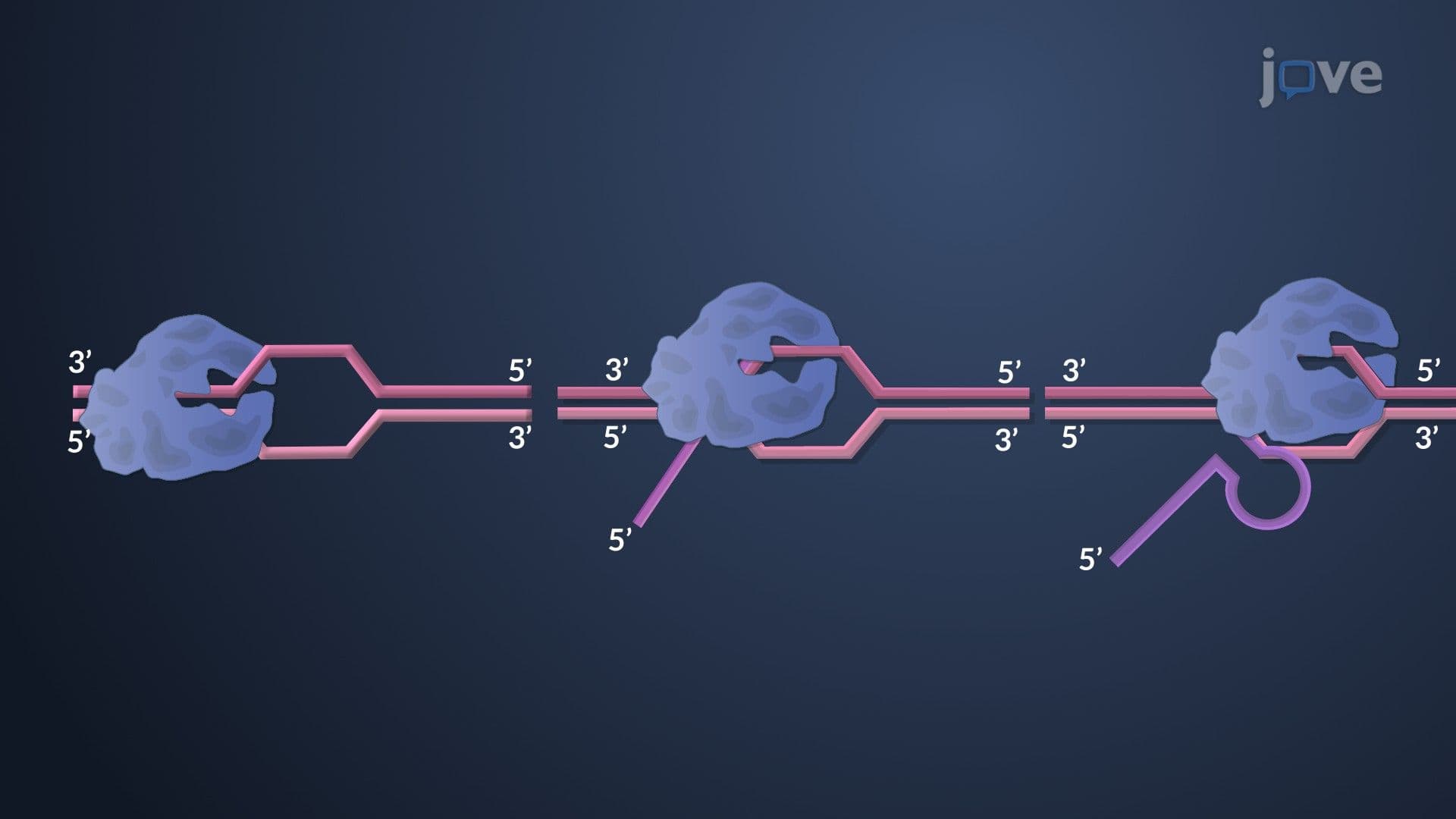
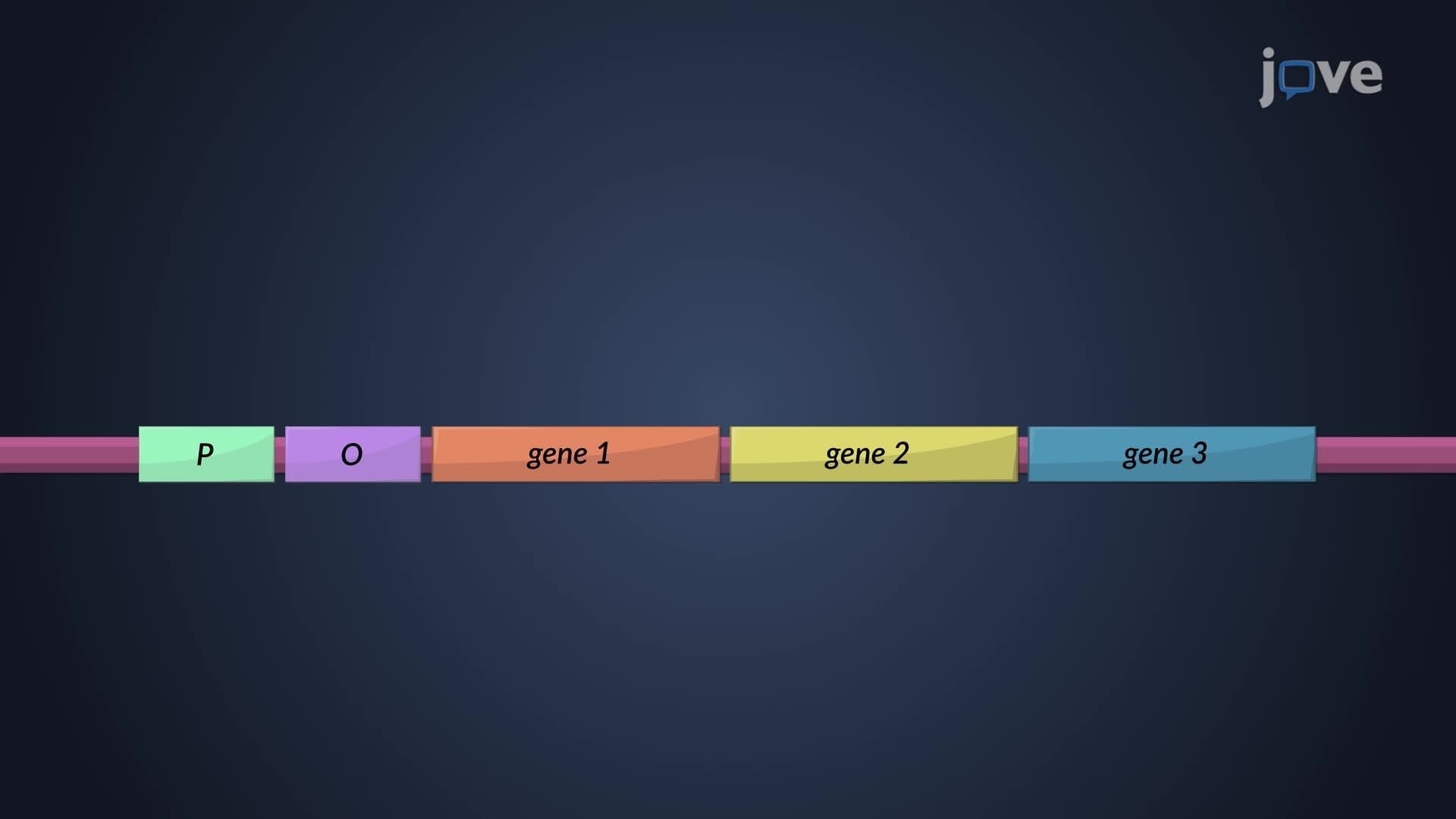
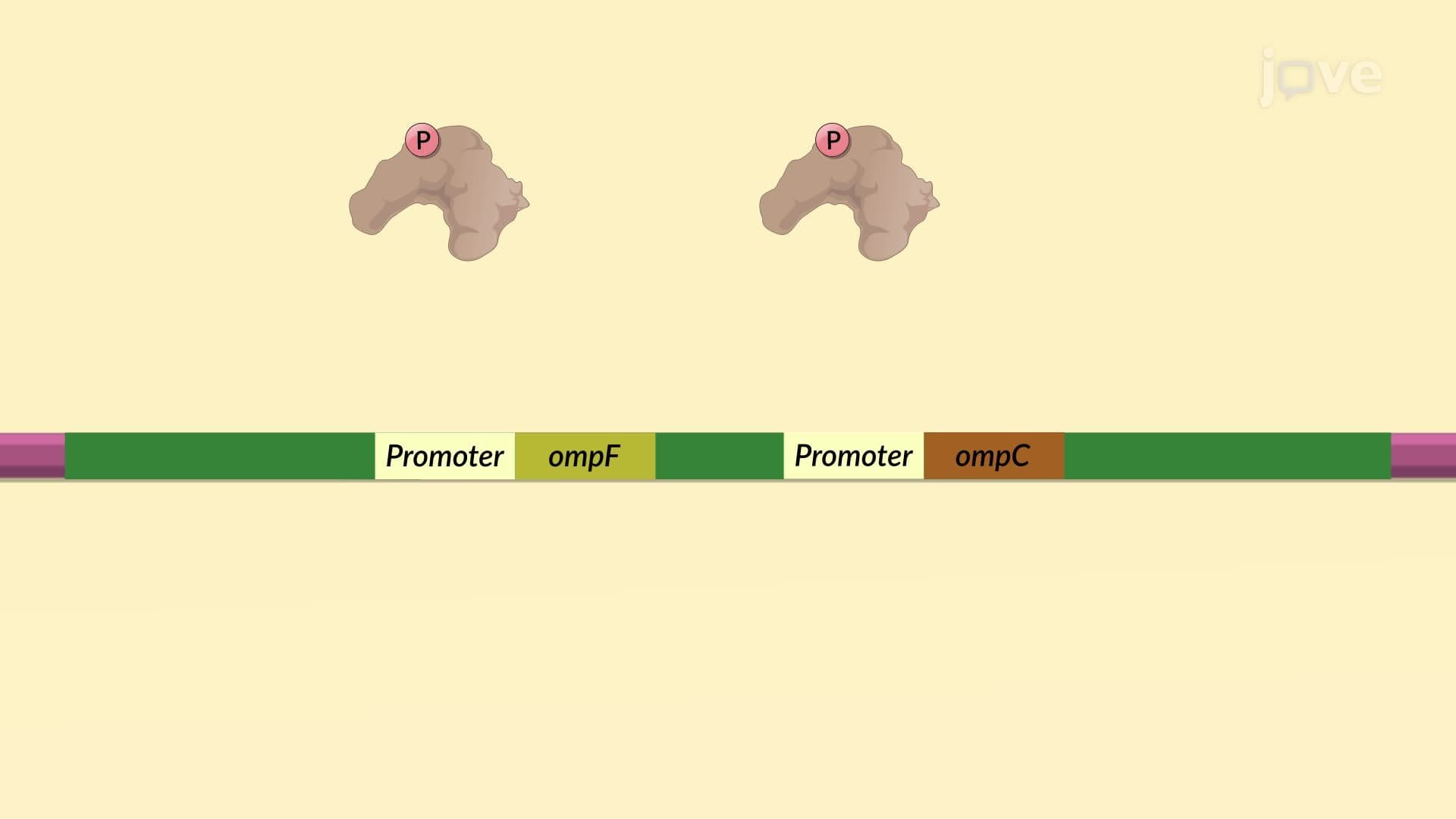
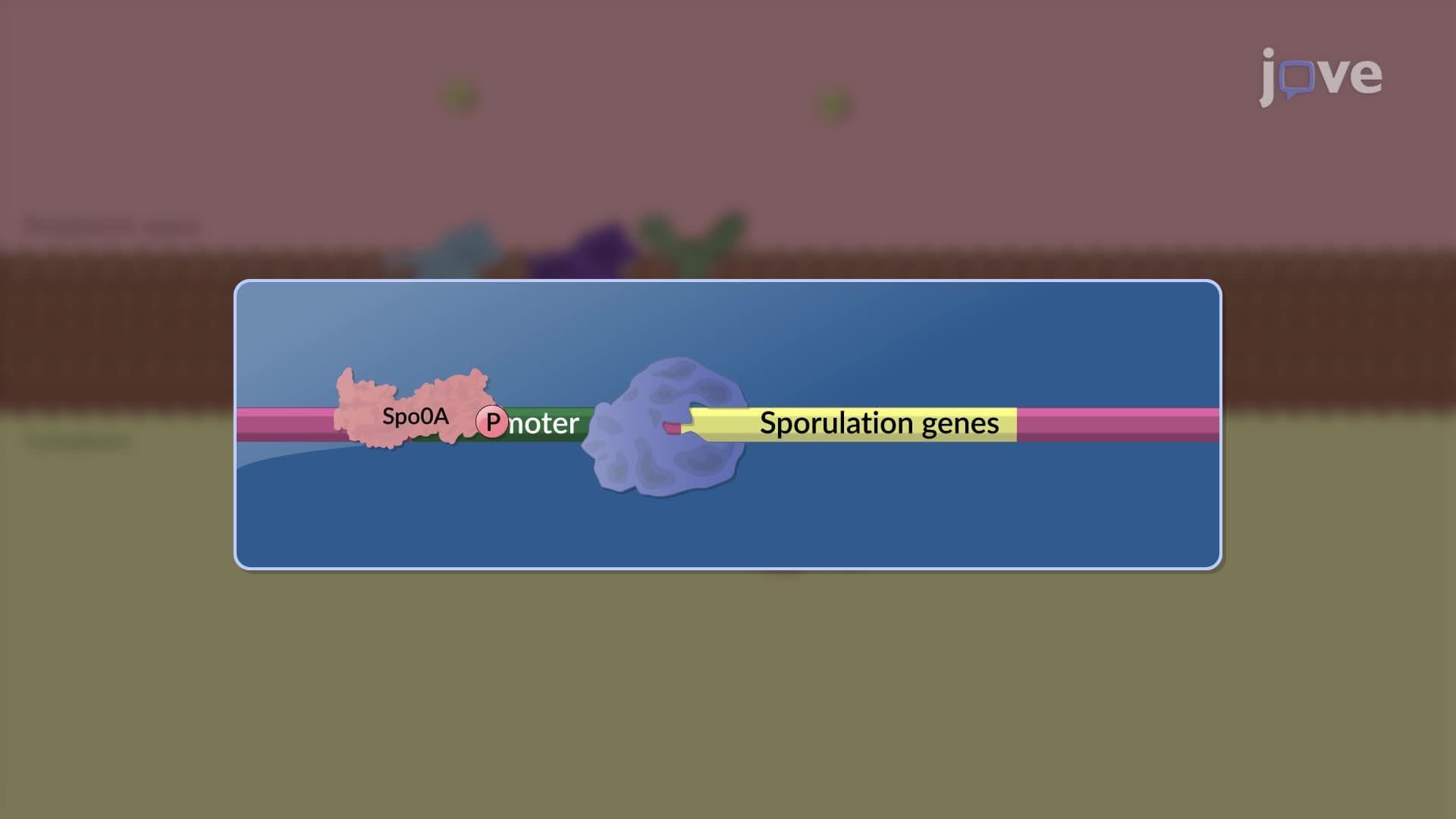
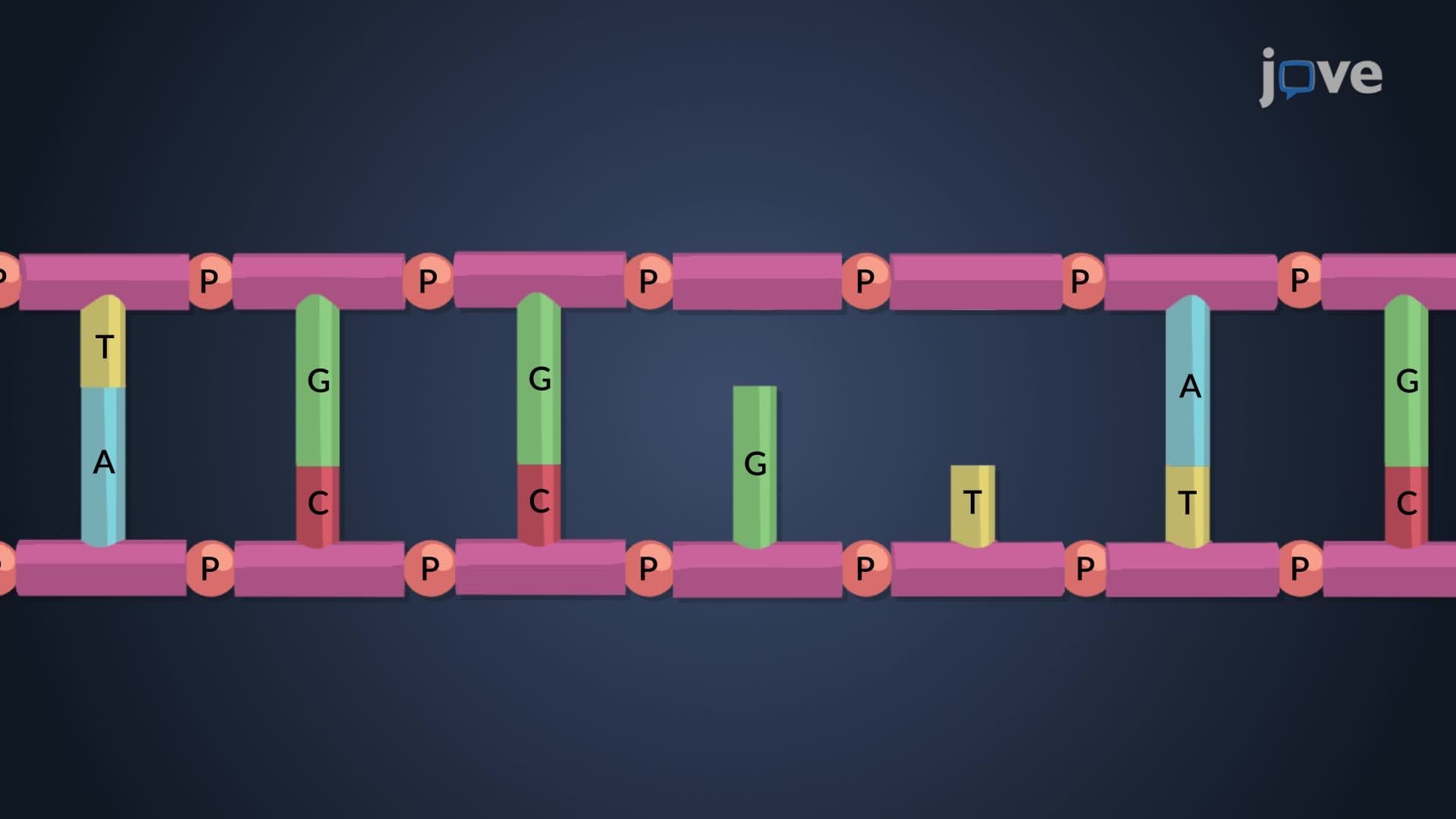
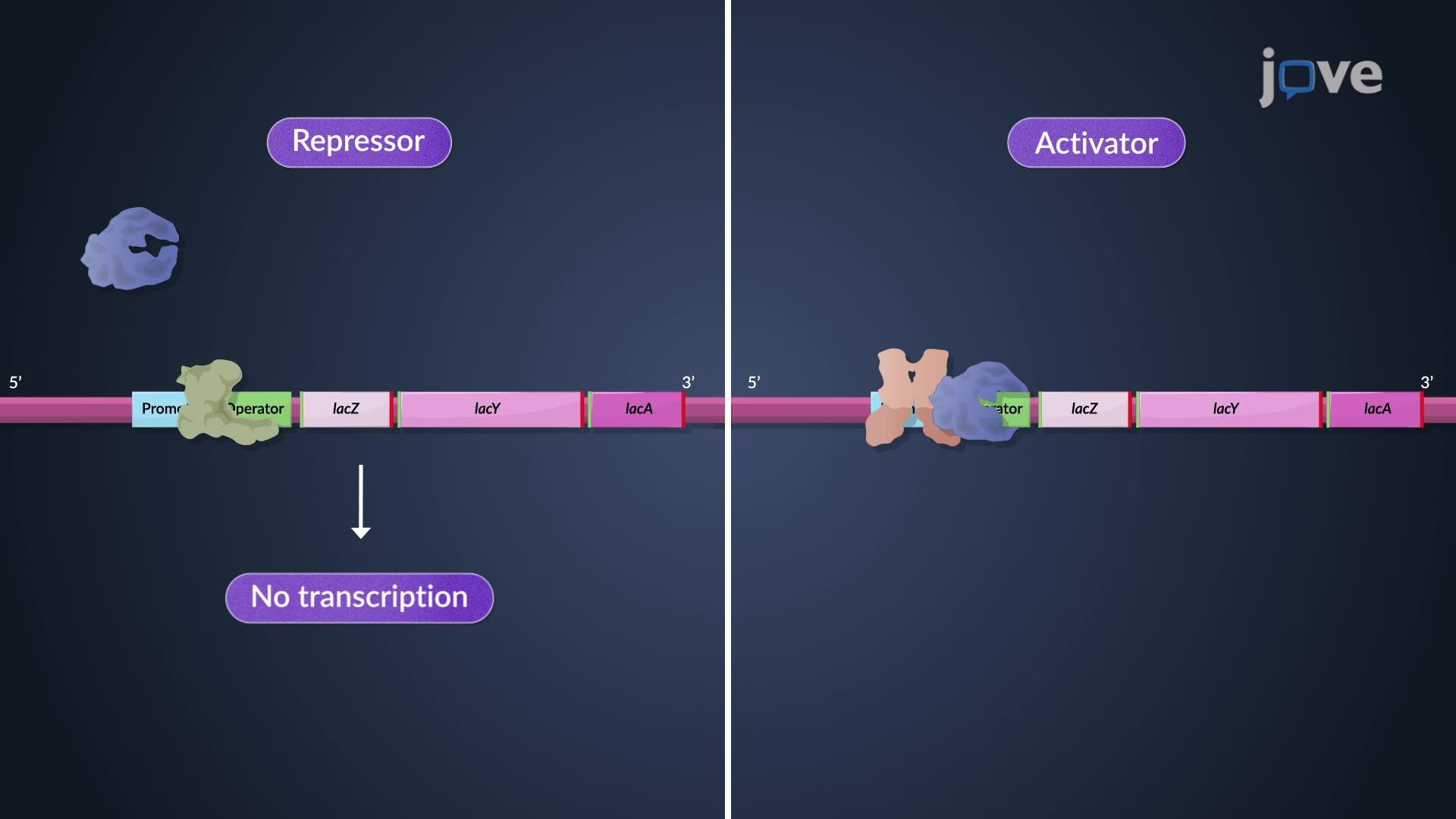
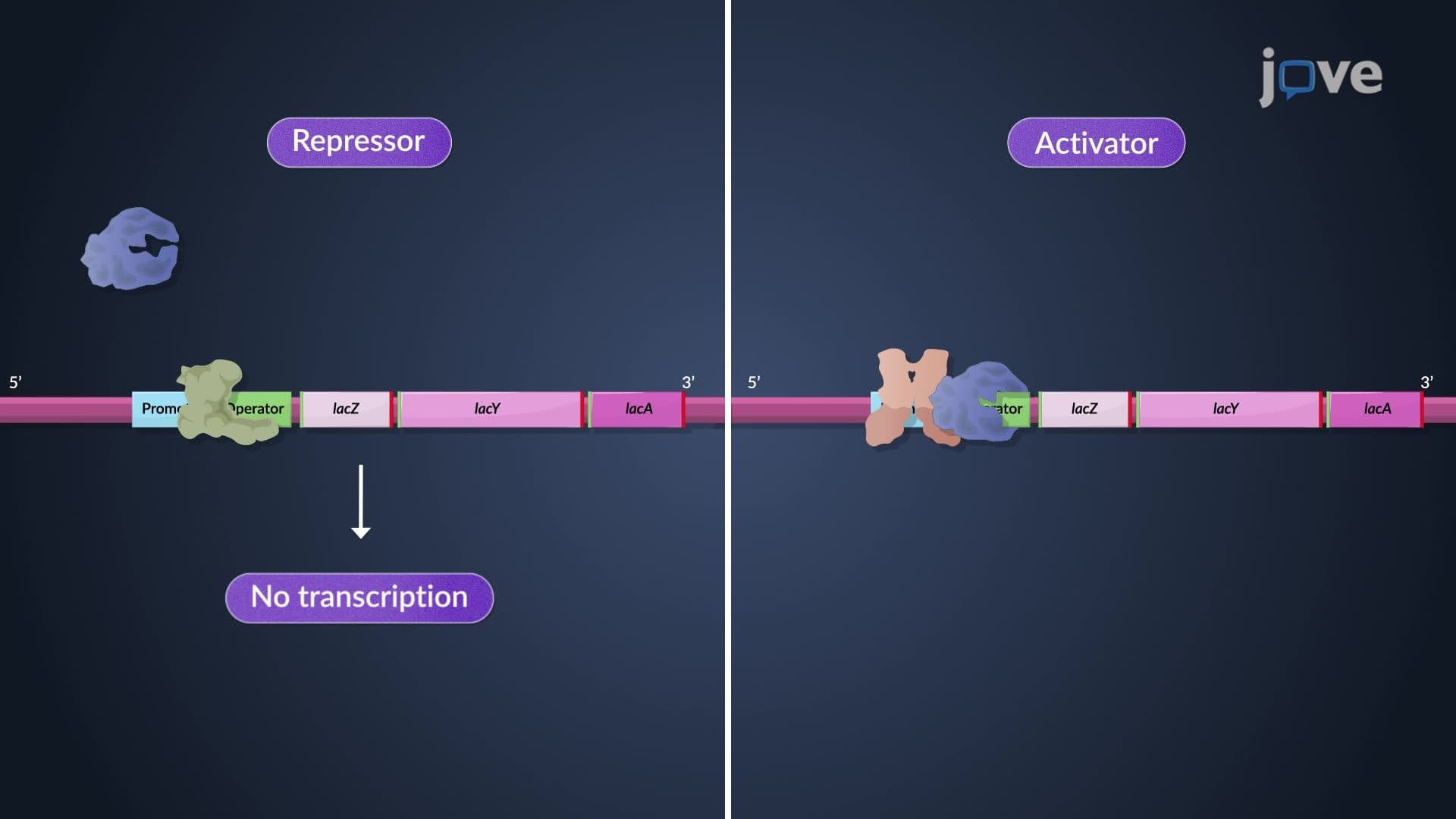
At the molecular level, transcriptional regulation involves intricate protein-DNA interactions. Repressor proteins bind specific DNA sequences called operators, physically blocking RNA polymerase access and preventing transcription initiation. Conversely, activator proteins enhance transcription by binding promoter regions and facilitating RNA polymerase recruitment through direct protein-protein interactions.
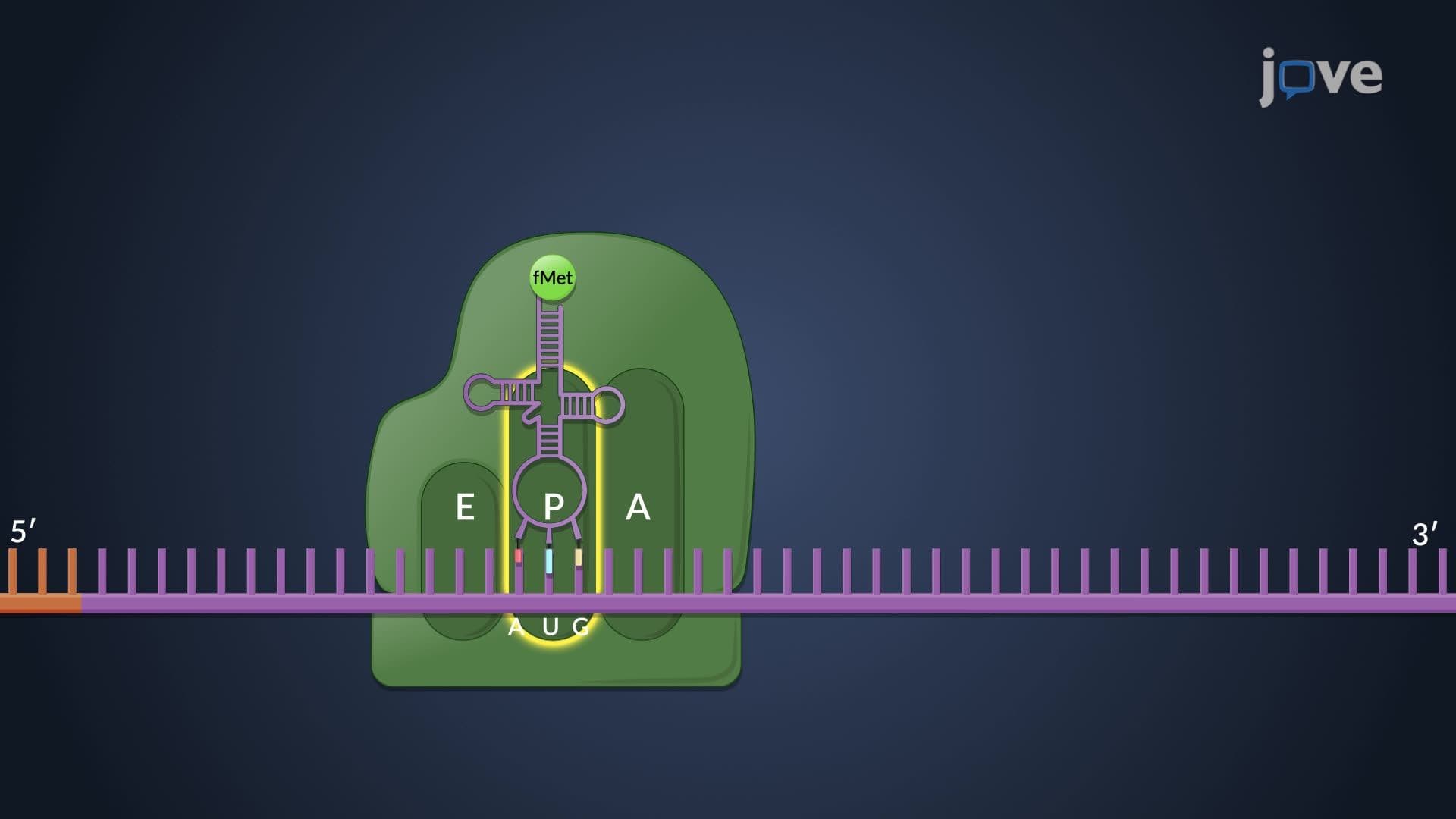
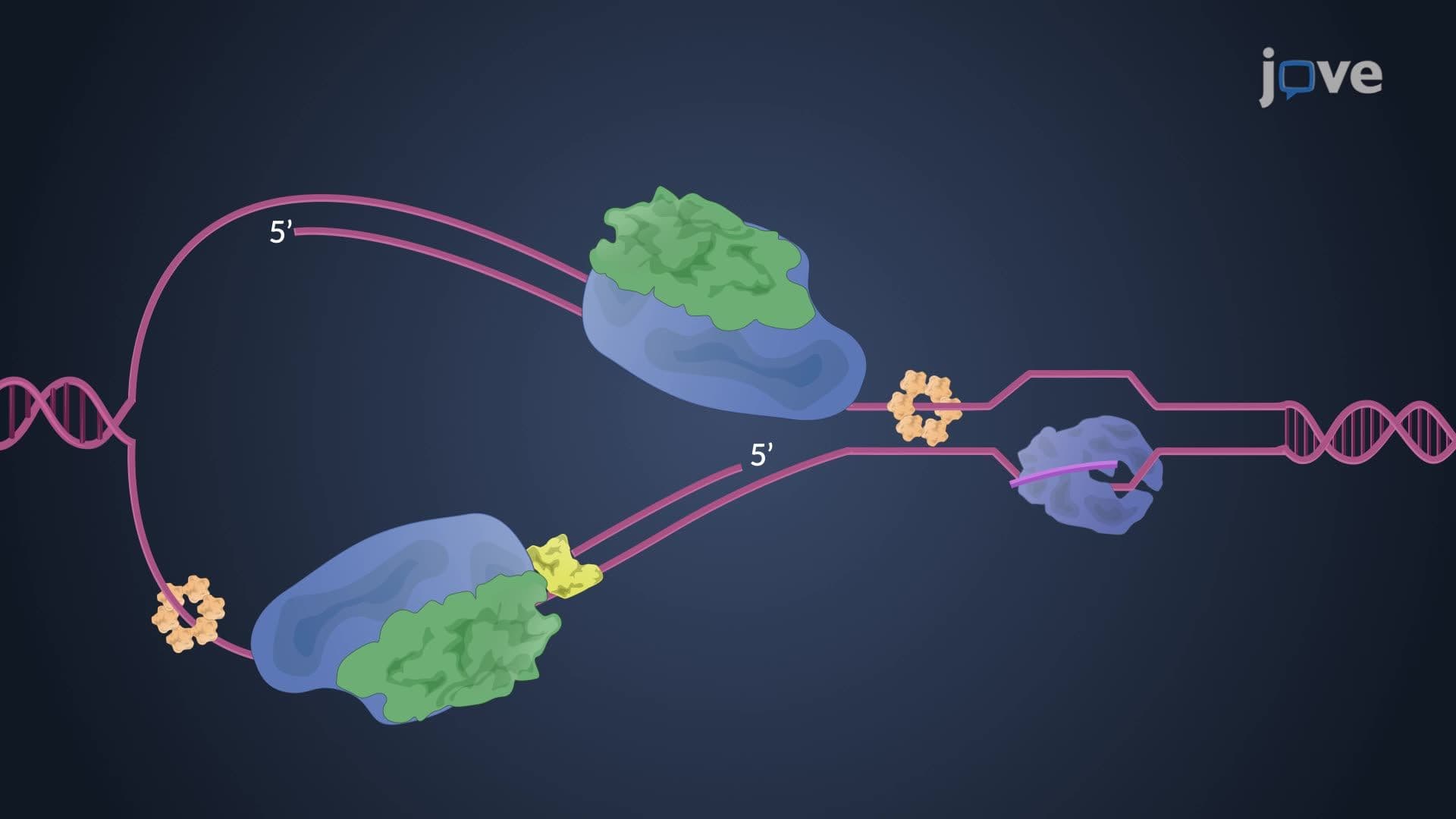
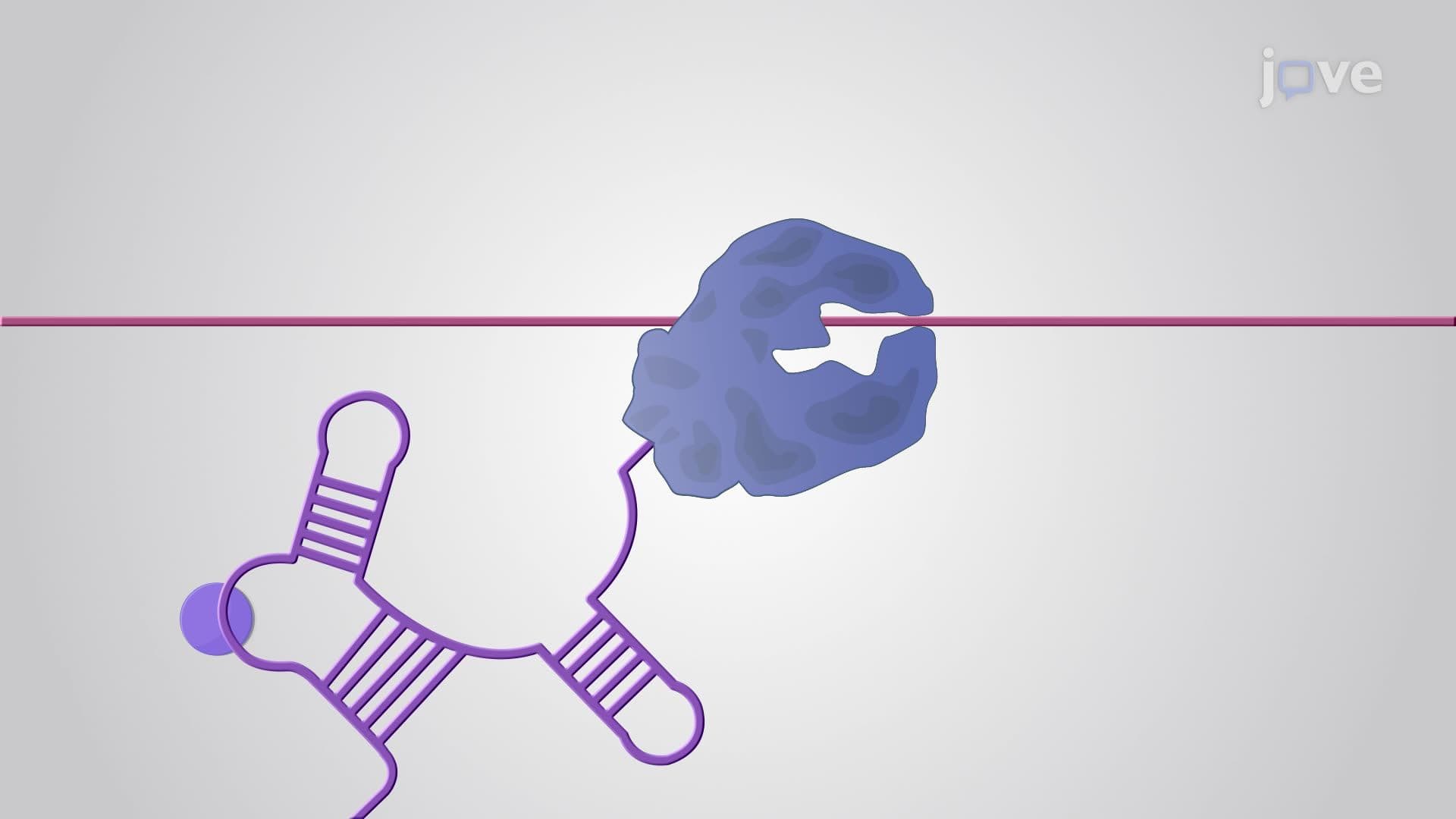
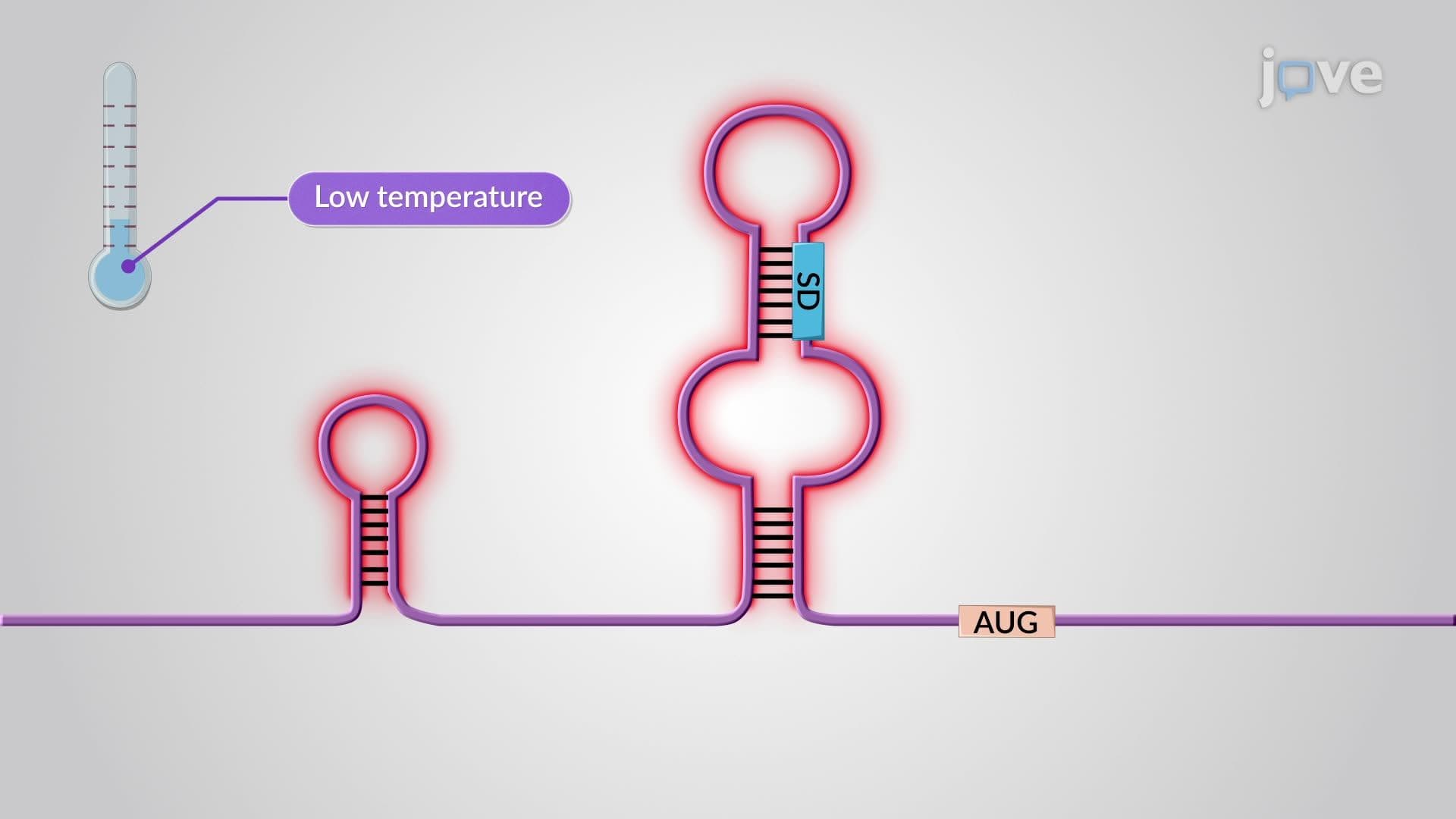
Attenuation represents a sophisticated regulatory layer that couples transcription and translation processes. This mechanism relies on alternative mRNA secondary structures-particularly stem-loop formations-that can terminate transcription prematurely based on cellular conditions. When specific amino acids become scarce, ribosome stalling during translation creates mRNA conformations that allow continued transcription, effectively sensing metabolic status through translation dynamics.
For college-level coursework and standardized examinations, understanding these multilayered control systems proves essential. Modern molecular biology reveals that human gene regulation involves additional complexity including chromatin modifications, non-coding RNA regulation, and post-transcriptional controls that build upon these fundamental principles established in bacterial systems.
Related Micro-courses