Loading subject page…

14,826 views

Video Summary: Coordination of Gene Expression Processes Explained
Ever wondered how a single E. coli bacterium can produce thousands of proteins simultaneously without cellular chaos? The coordination of gene expression processes involves the intricate dance between DNA replication, RNA transcription, and protein translation occurring at the same time within bacterial cells. Just like traffic coordination prevents accidents on busy highways, bacterial cells have evolved sophisticated mechanisms to prevent molecular collisions that could halt essential cellular functions. Watch the full video on JoVE Coach to master this concept with expert-led visuals and step-by-step explanations.
The coordination of gene expression processes represents one of biology's most elegant examples of cellular multitasking. In bacterial cells, DNA replication, transcription, and translation don't occur in isolation-they're intimately connected processes that must work together seamlessly. This coordination is essential for cellular survival and efficient resource utilization, making it a crucial topic for students preparing for AP Biology, college microbiology courses, and the MCAT.
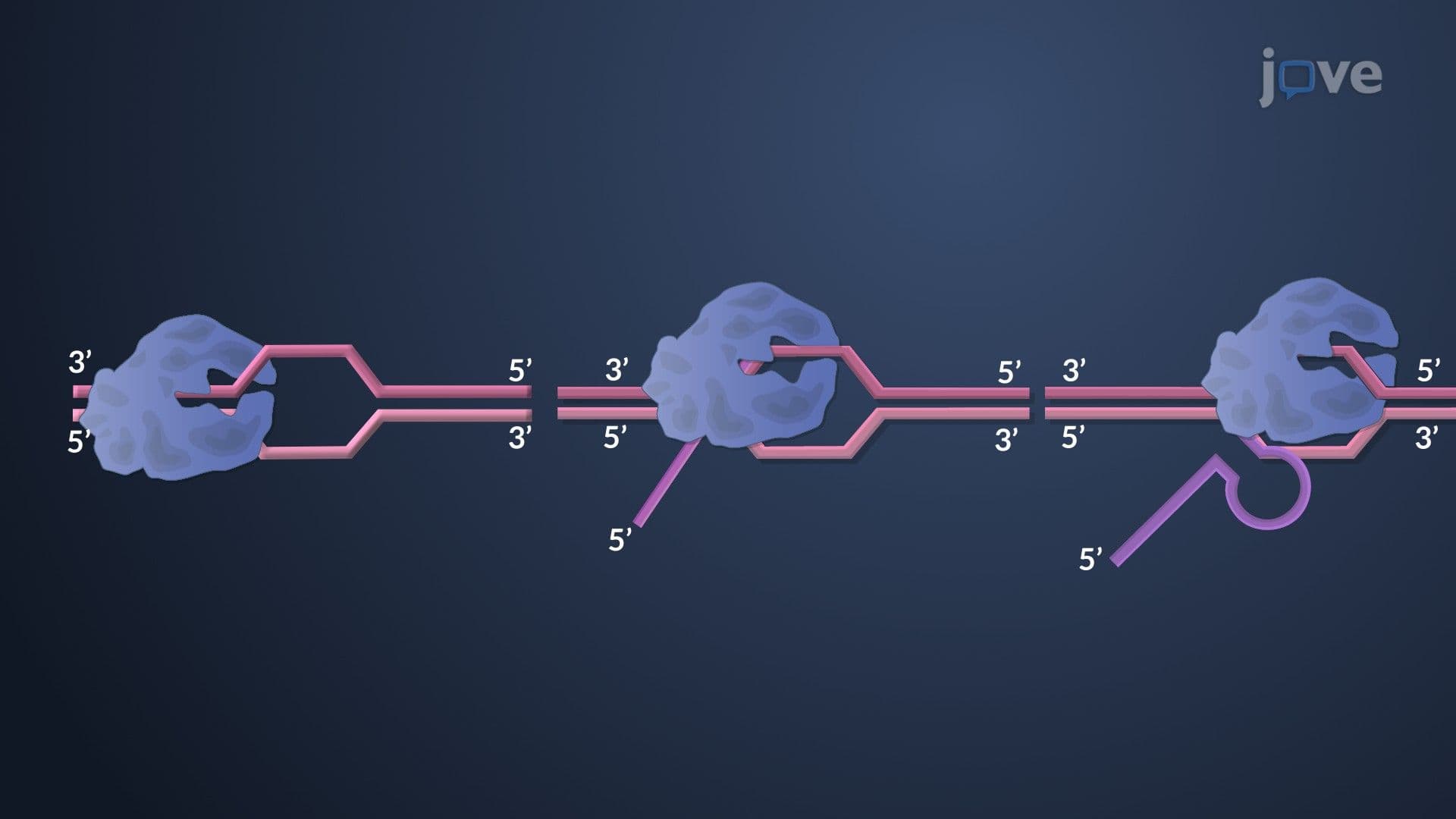
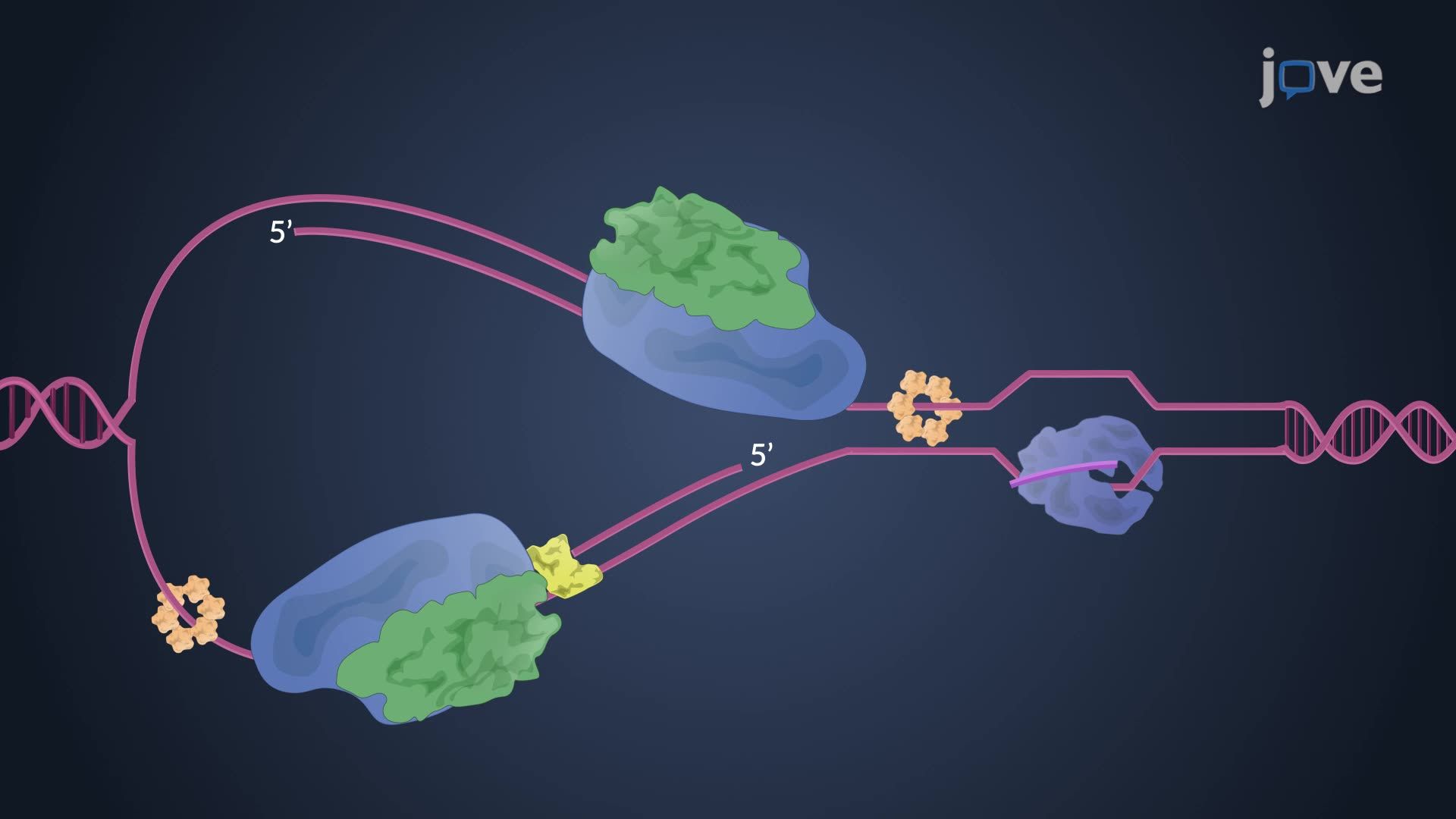
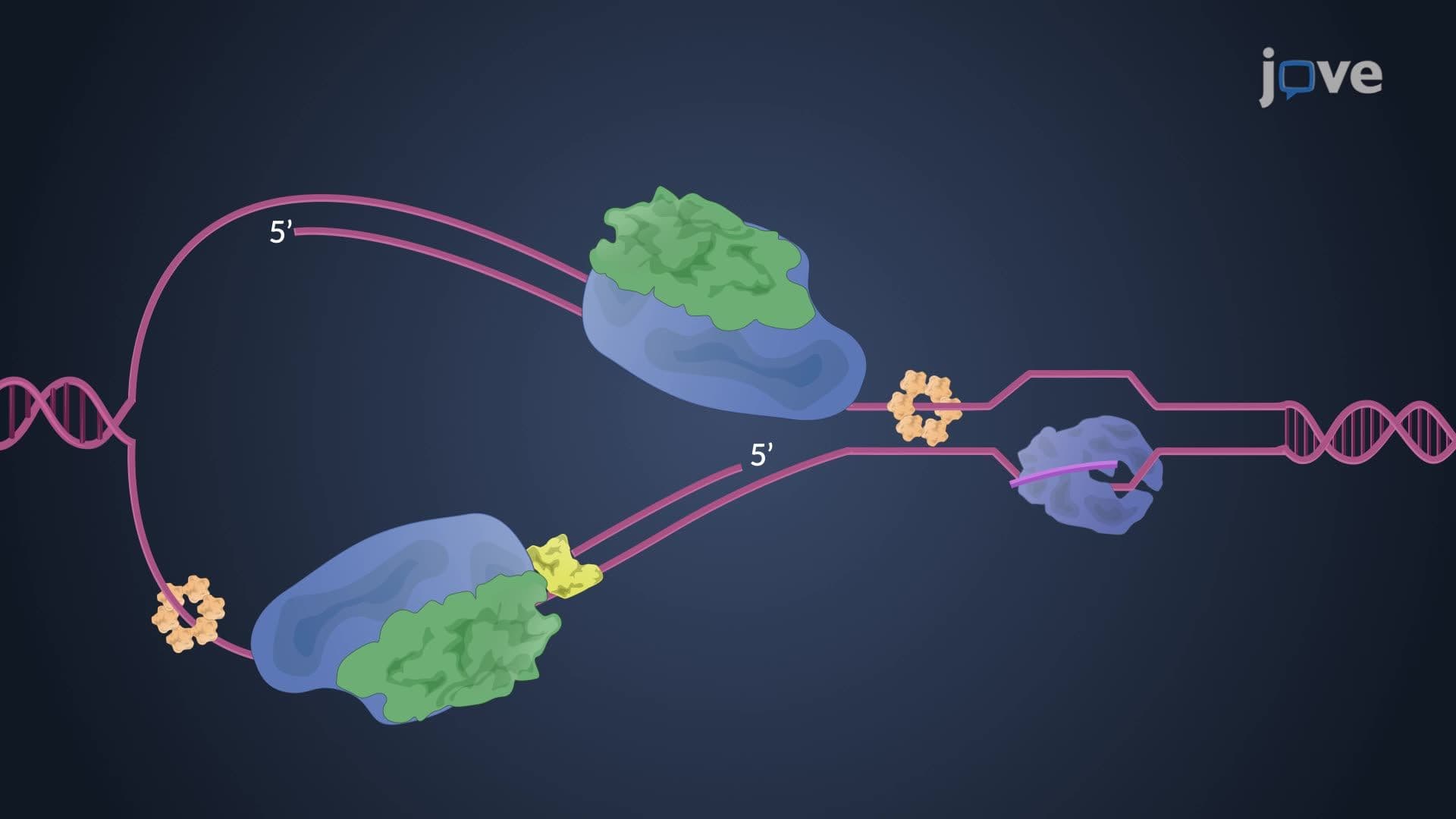
At the heart of gene expression coordination lies the interaction between replisomes-the protein complexes responsible for DNA replication-and RNA polymerases that transcribe DNA into RNA. These molecular machines operate on the same DNA template, creating potential traffic jams that could be catastrophic for the cell. When these complexes encounter each other head-on, the collision can stall both processes, leading to increased DNA replication errors and dangerous supercoiling that threatens chromosome integrity.
Consider this like two construction crews working on opposite ends of the same highway-without proper coordination, they'll eventually meet and create chaos. Bacterial cells have evolved sophisticated mechanisms to handle these encounters, including specialized proteins that can dislodge stalled RNA polymerases and allow replication to continue.
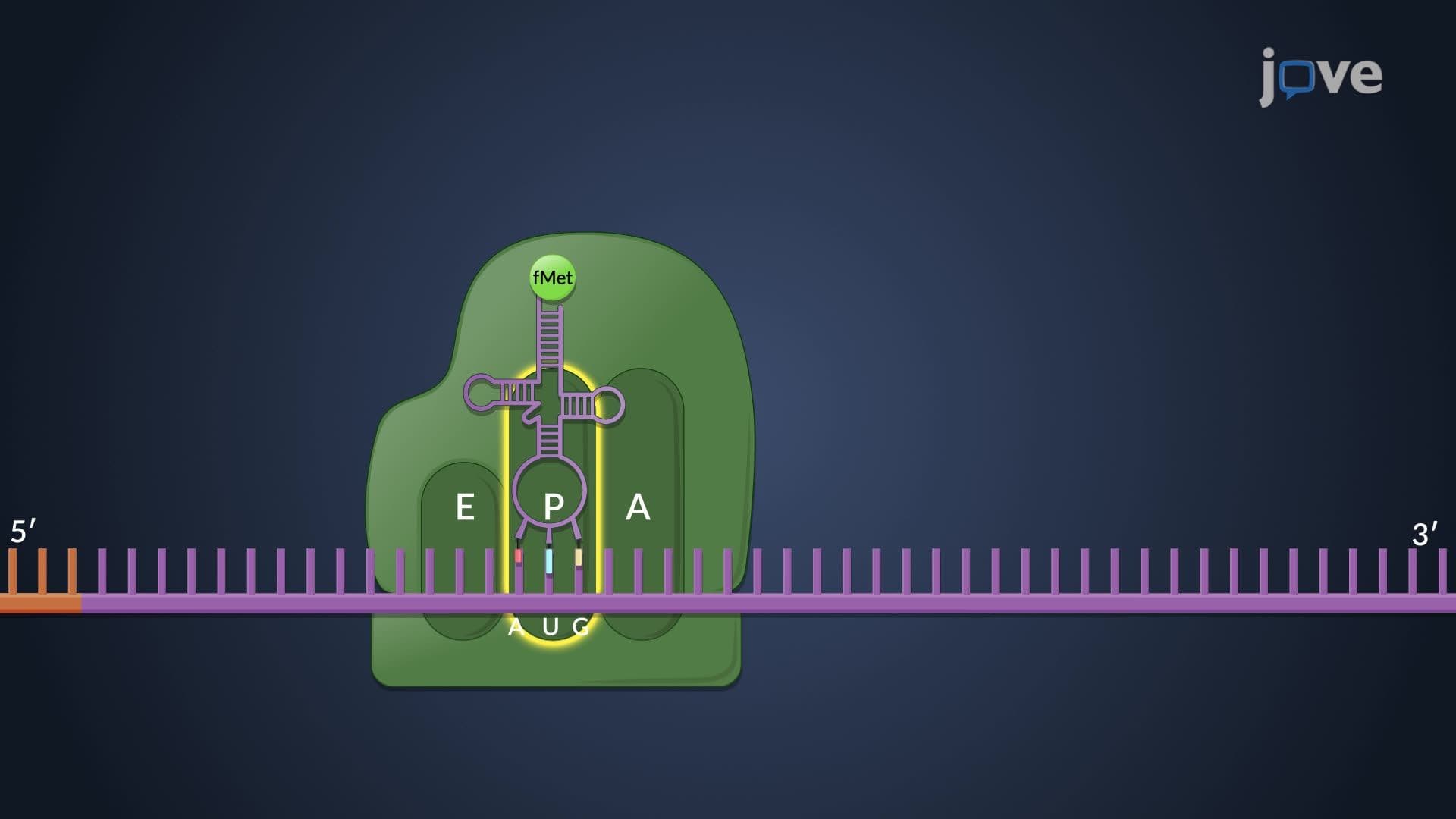
One of the most fascinating aspects of bacterial gene expression coordination involves polyribosomes-clusters of ribosomes simultaneously translating the same mRNA molecule. This arrangement dramatically increases protein synthesis rates, allowing a single mRNA to produce multiple protein copies concurrently. This efficiency is particularly important in rapidly dividing bacteria like those studied in clinical microbiology labs across US hospitals.
Bacterial cells also coordinate gene expression through quality control mechanisms. When ribosomes become stalled on defective mRNAs-a common occurrence that could otherwise tie up essential cellular machinery-tmRNA (transfer-messenger RNA) acts as a cellular rescue system. This unique molecule combines features of both tRNA and mRNA, allowing it to free trapped ribosomes and mark incomplete proteins for degradation. Understanding this mechanism is particularly relevant for students studying antibiotic resistance, as many antibiotics target bacterial protein synthesis machinery.
This coordination becomes especially important in understanding bacterial pathogenesis and antibiotic development, topics frequently covered in advanced placement biology courses and medical school curricula throughout the United States.
Related Micro-courses