Loading subject page…

14,826 views

Video Summary: Gram Negative Bacterial Protein Secretion Systems Explained
Did you know that pathogenic bacteria like E. coli can inject toxins directly into your intestinal cells using molecular "needles" that pierce through cell membranes? Gram negative bacterial protein secretion systems are sophisticated cellular machines that allow bacteria to transport proteins across their complex double-membrane structure. These systems are crucial for bacterial survival, virulence, and antibiotic resistance-making them key targets for new treatments being developed at institutions like the CDC and Johns Hopkins. Understanding Gram Negative Bacterial Protein Secretion Systems Explained concepts is essential for microbiology students. Watch the full video on JoVE Coach to master this concept with expert-led visuals and step-by-step explanations.
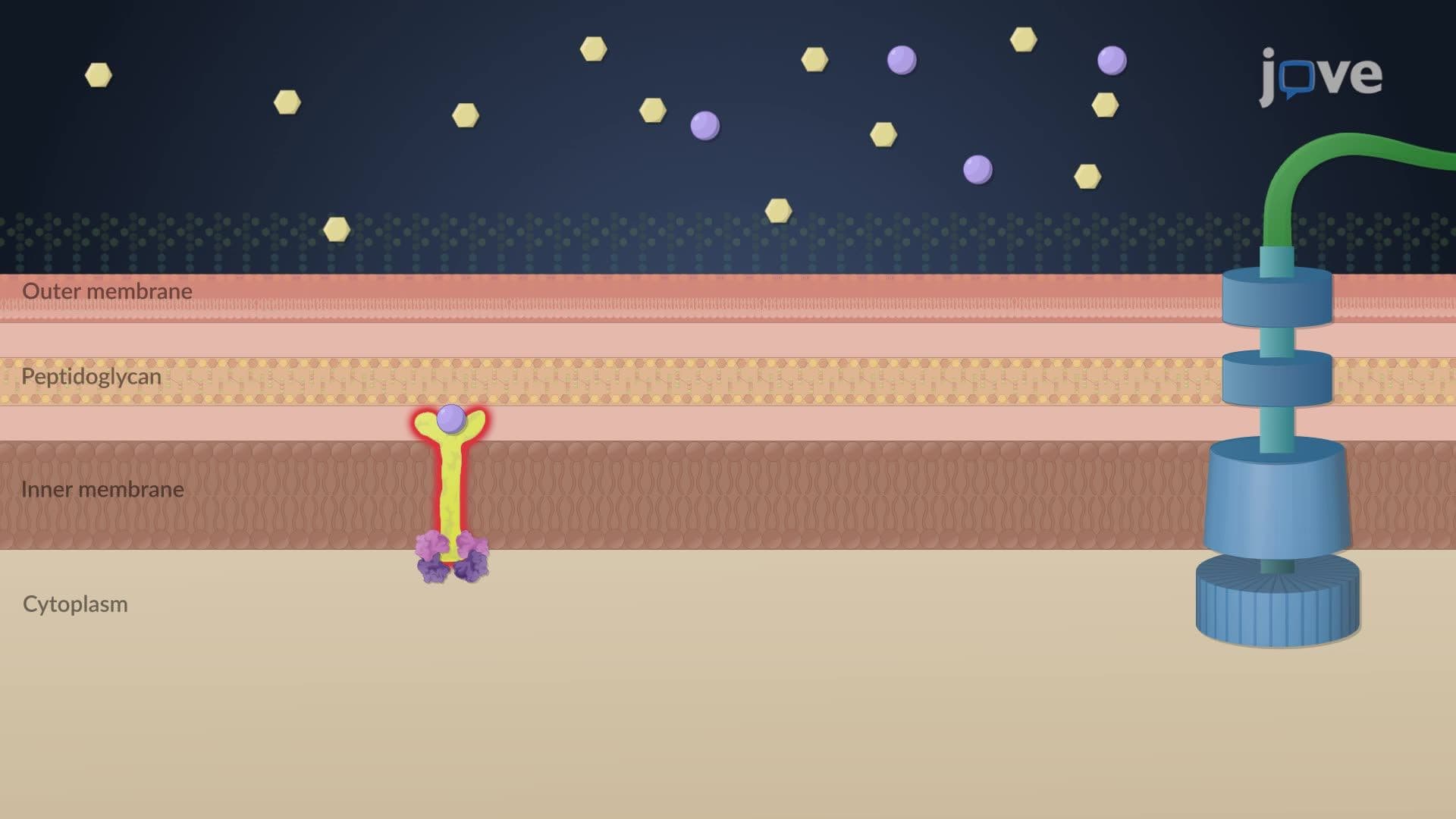
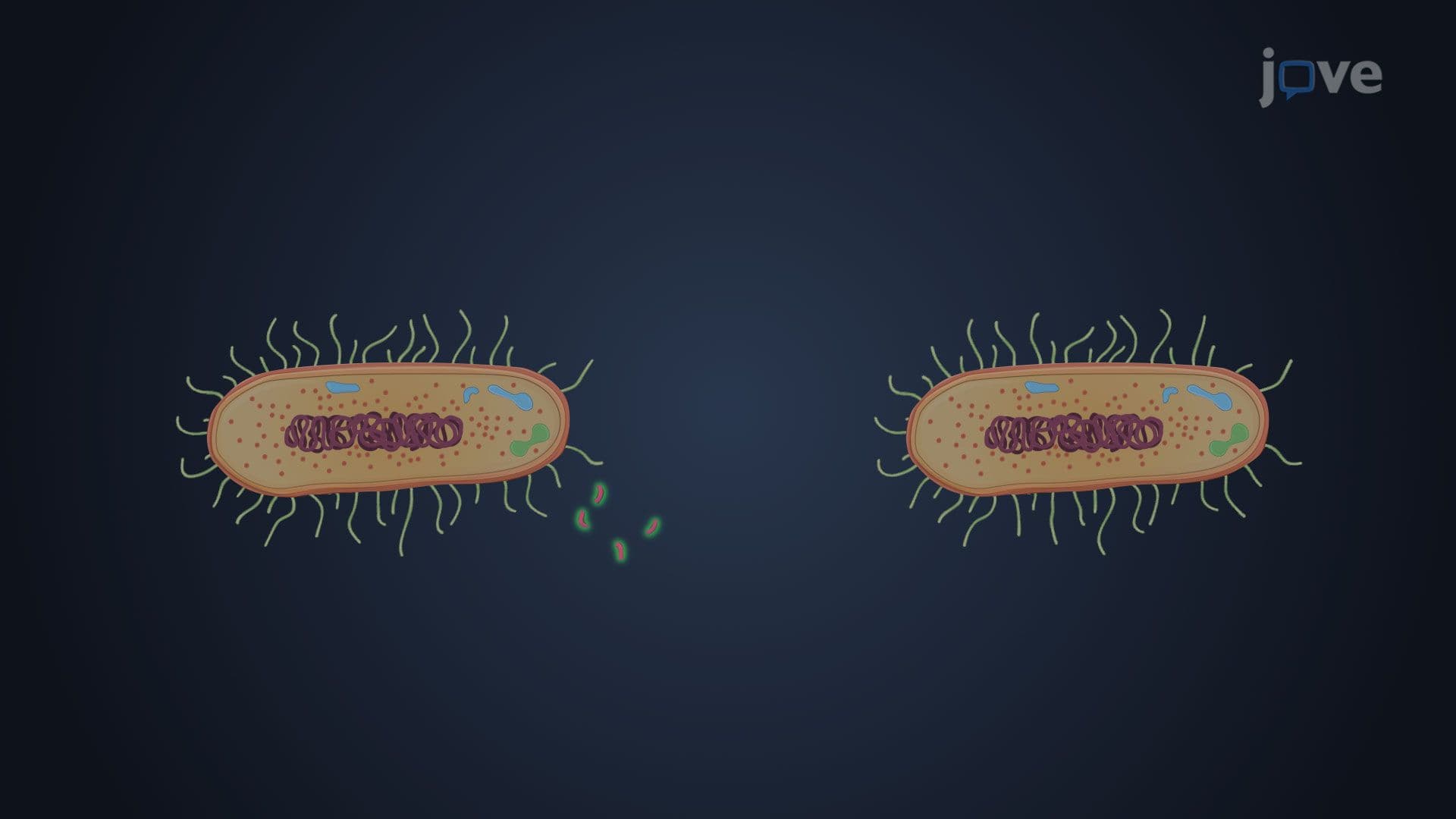
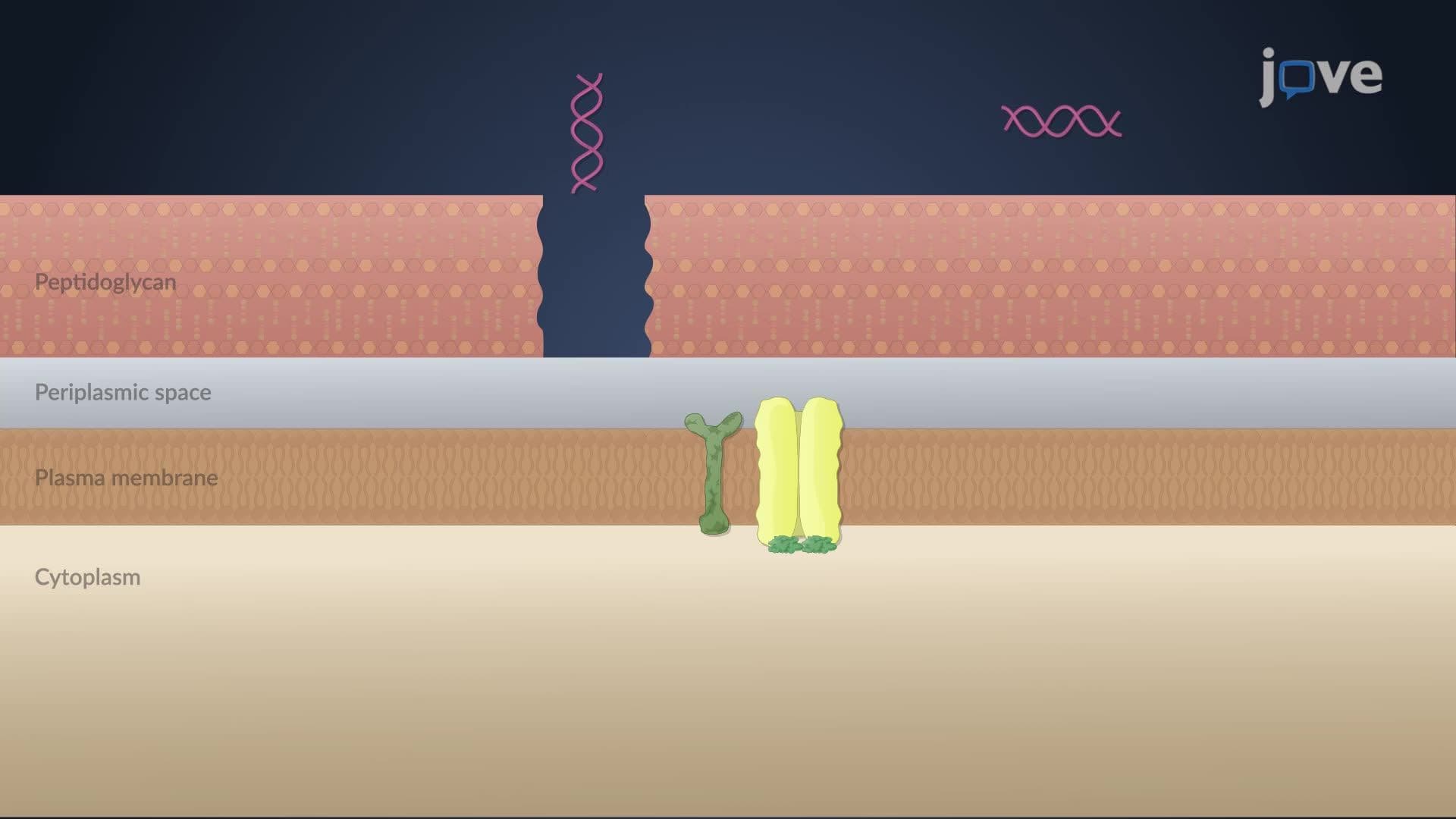
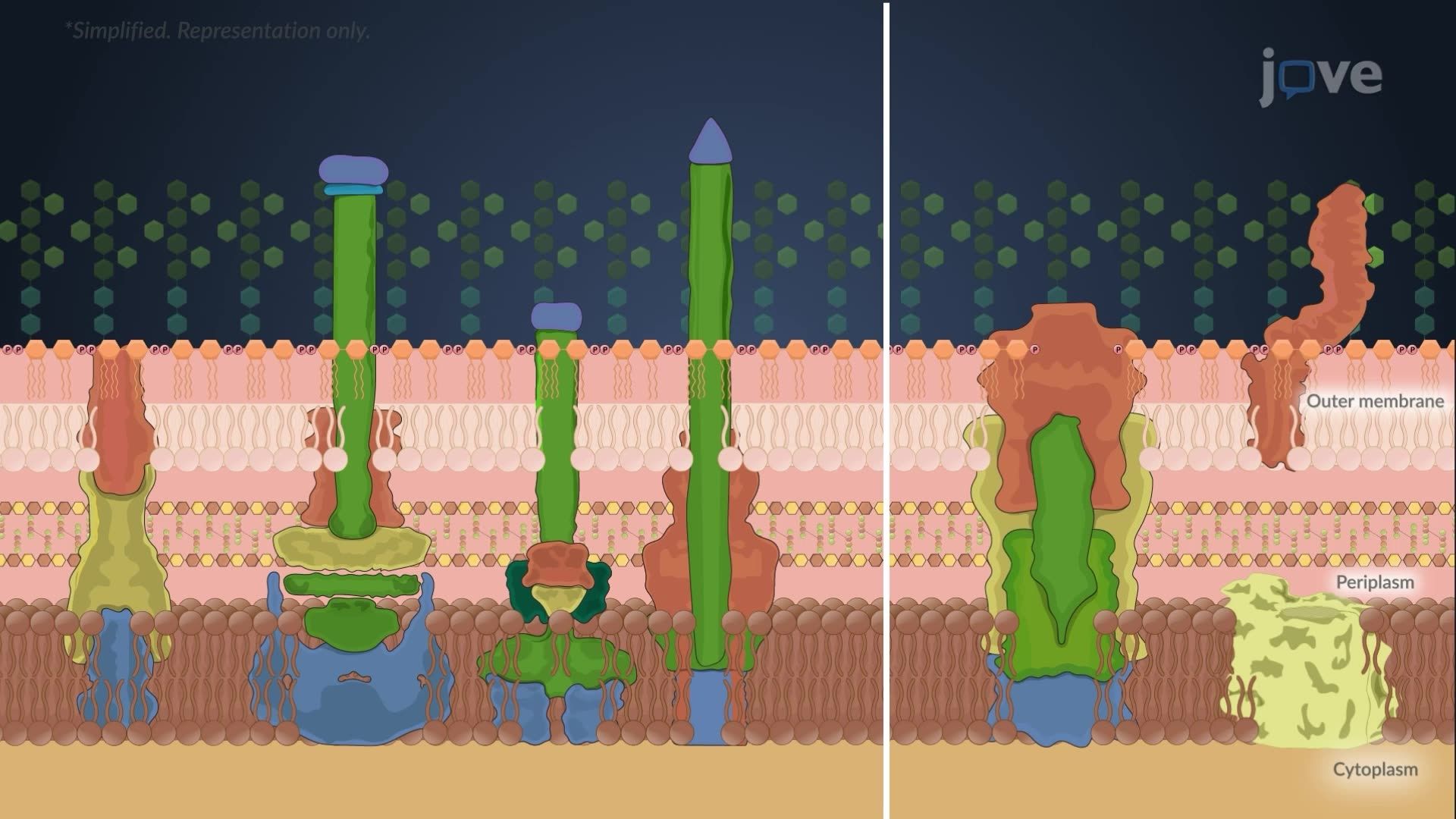
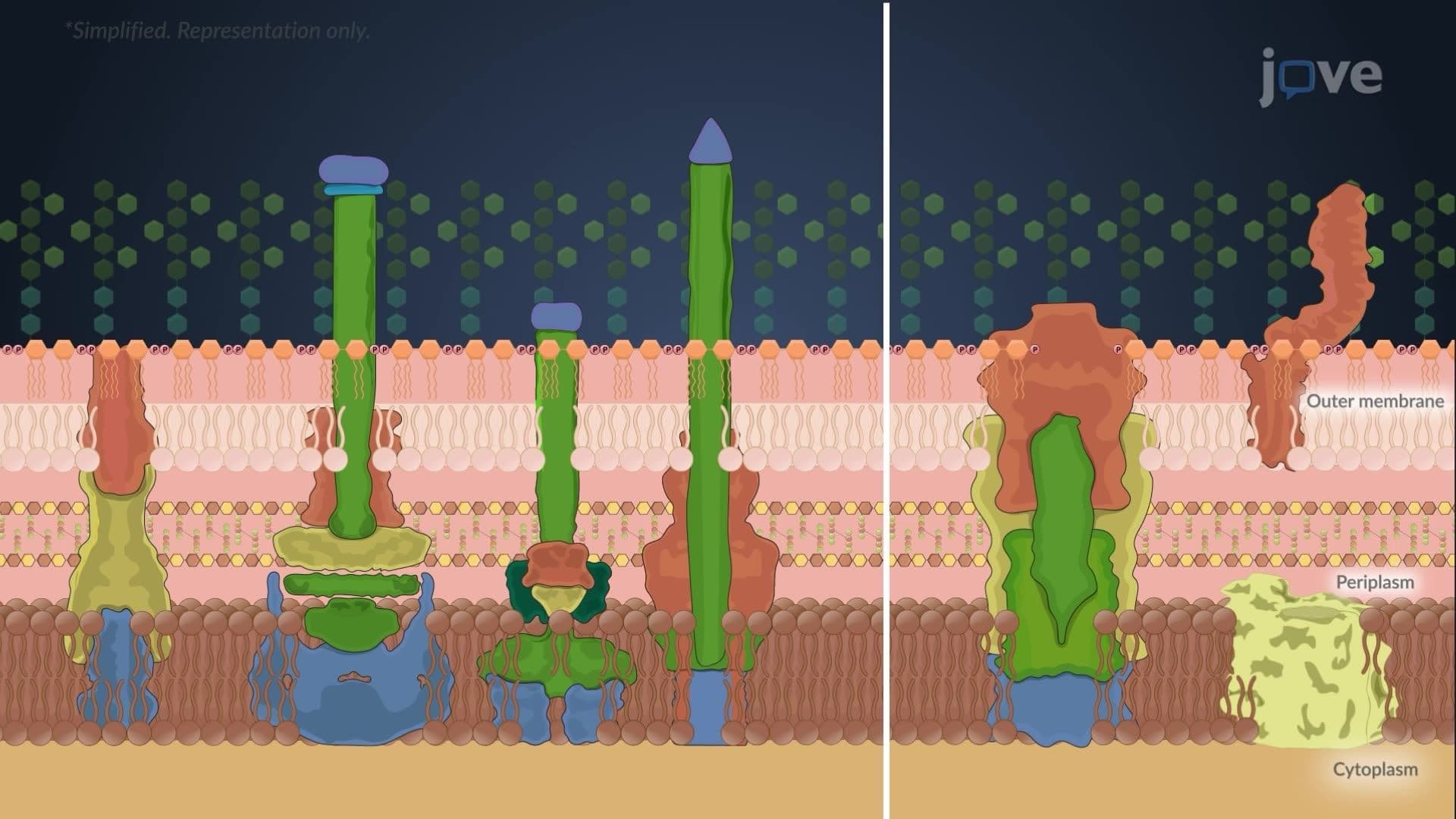
Gram negative bacterial protein secretion systems represent one of microbiology's most elegant engineering solutions. Unlike gram-positive bacteria with single cell walls, gram-negative species like Salmonella, Pseudomonas, and pathogenic E. coli face a complex challenge: transporting proteins across two distinct membranes-the inner cytoplasmic membrane and outer lipopolysaccharide membrane-separated by the periplasmic space.
These sophisticated molecular machines have evolved into six distinct types, each serving specific cellular functions. The architectural diversity reflects millions of years of bacterial evolution, creating systems that rival human-engineered nanotechnology in precision and efficiency.
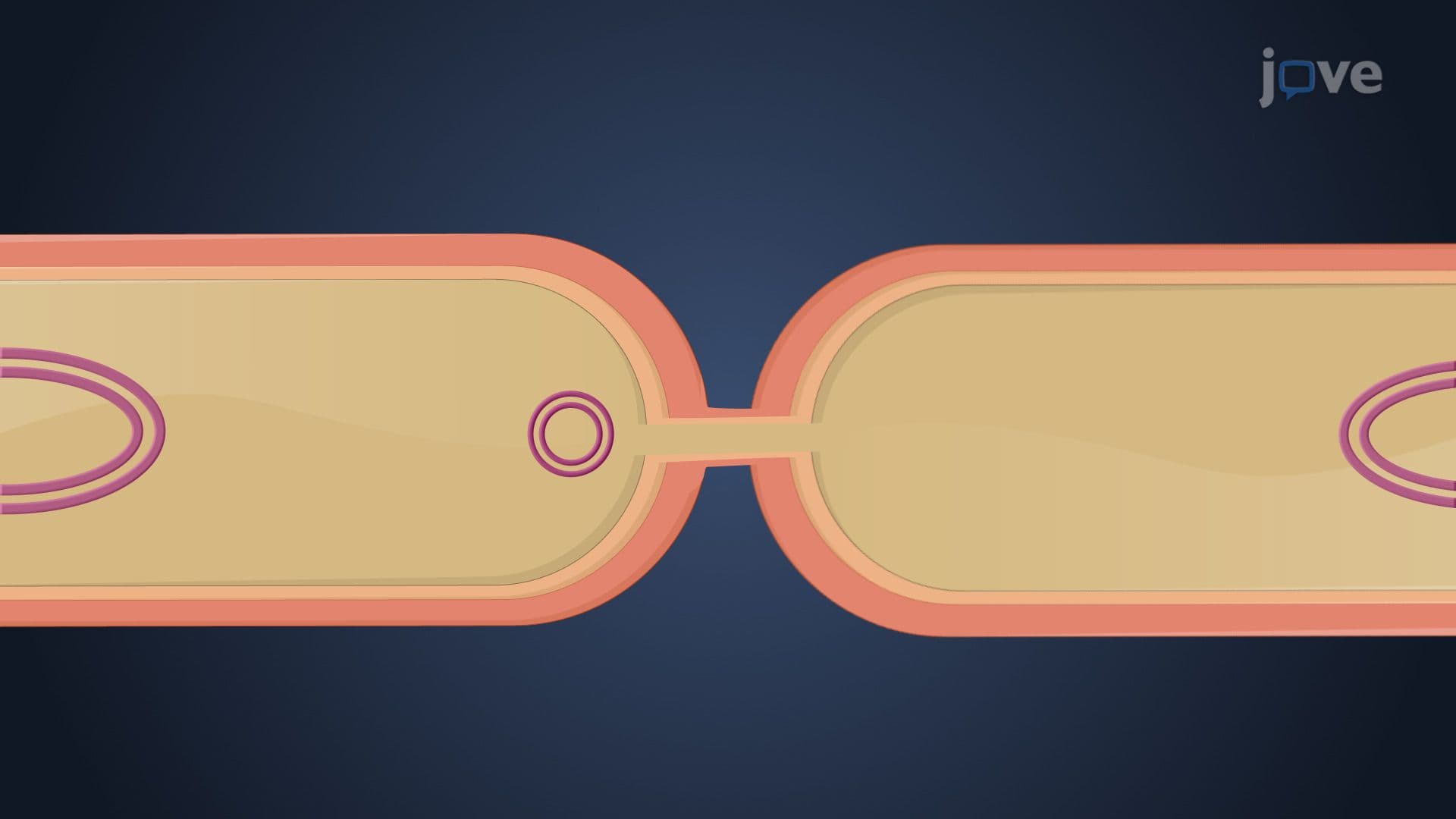
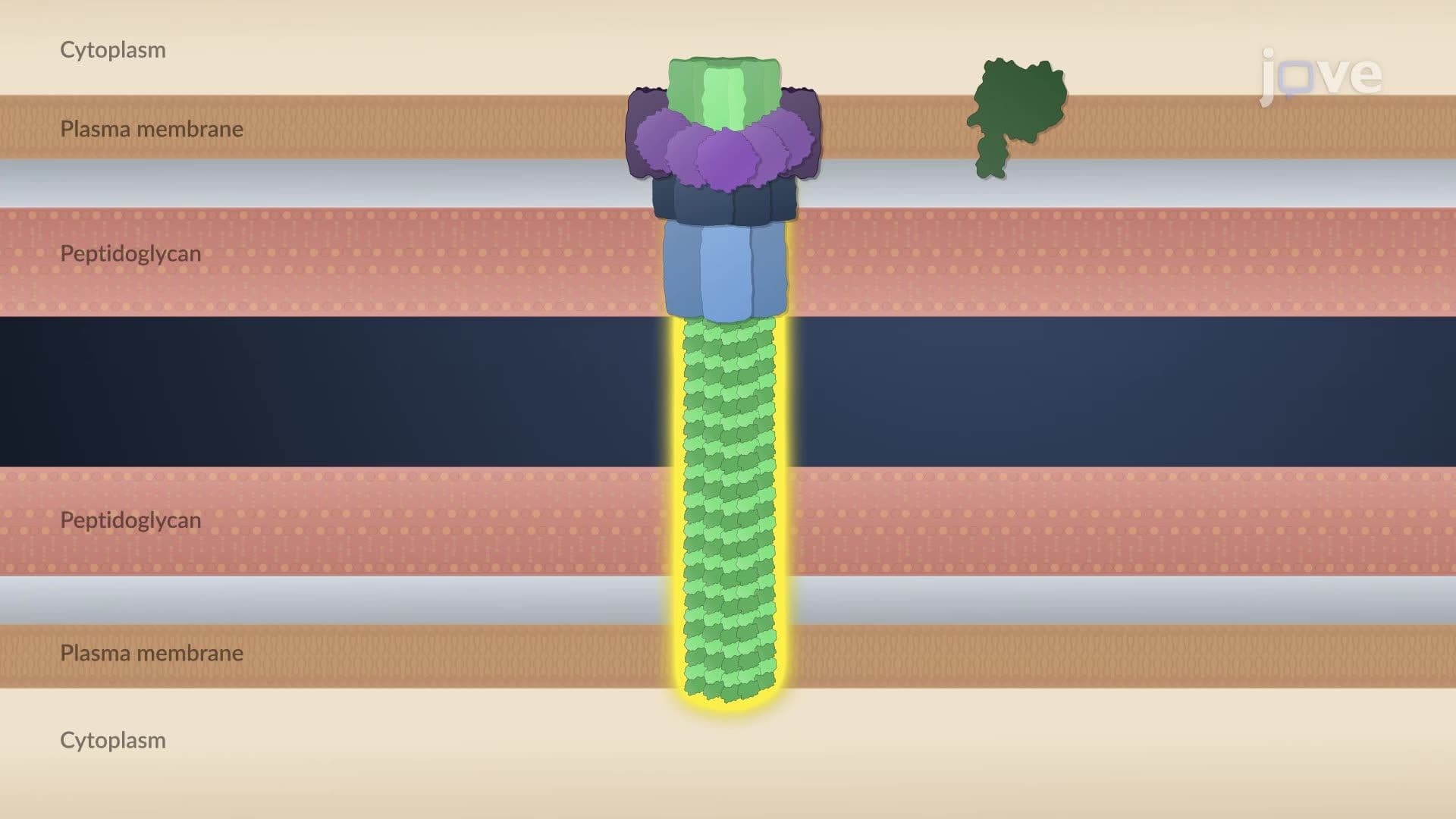
Types I, III, IV, and VI secretion systems represent bacterial "express lanes"-direct channels spanning both membranes without periplasmic intermediates. Type I systems function like cellular conveyor belts, continuously extruding toxins and enzymes. Pathogenic E. coli uses Type I systems to secrete alpha-hemolysin, a pore-forming toxin that destroys red blood cells during urinary tract infections.
Type III systems, nicknamed "injectisomes," operate as bacterial syringes. Salmonella species employ these needle-like structures to inject effector proteins directly into intestinal epithelial cells, hijacking cellular machinery to promote bacterial invasion. This mechanism explains why Salmonella food poisoning develops so rapidly after contaminated food consumption.
Type VI systems represent bacterial warfare technology, using spring-loaded mechanisms to inject toxins into competing bacteria or host cells. Pseudomonas aeruginosa, a major hospital-acquired infection pathogen, uses Type VI systems to eliminate bacterial competitors in polymicrobial infections.
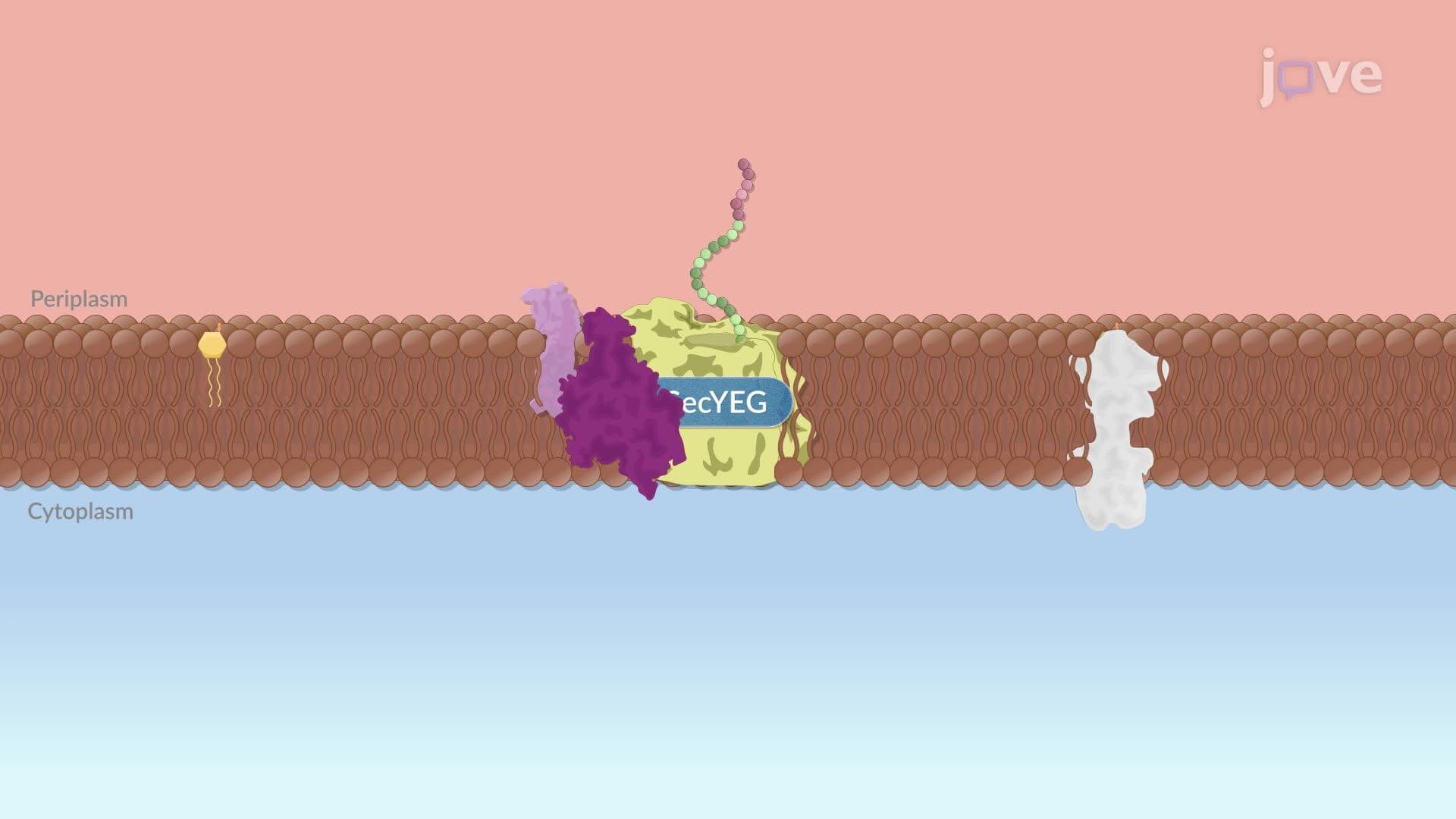
Types II and V systems require preliminary protein transport across the inner membrane via Sec or Tat pathways before final secretion. Type II systems utilize pseudopili-retractable protein filaments-to push folded proteins through the outer membrane. Vibrio cholerae, causing cholera outbreaks, uses Type II systems to secrete cholera toxin into the intestinal environment.
Type V systems, the "autotransporter" family, allow proteins to transport themselves across the outer membrane. Many bacterial adhesins use Type V systems to anchor themselves to host cell surfaces, establishing initial infection footholds.
Understanding these systems proves crucial for MCAT preparation, AP Biology exams, and undergraduate microbiology courses. Medical schools increasingly emphasize secretion system knowledge, as these mechanisms represent promising antimicrobial targets. Current research at institutions like MIT and Stanford focuses on developing secretion system inhibitors as next-generation antibiotics.
Related Micro-courses