Loading subject page…

14,827 views

Video Summary: What are Global Regulatory Systems
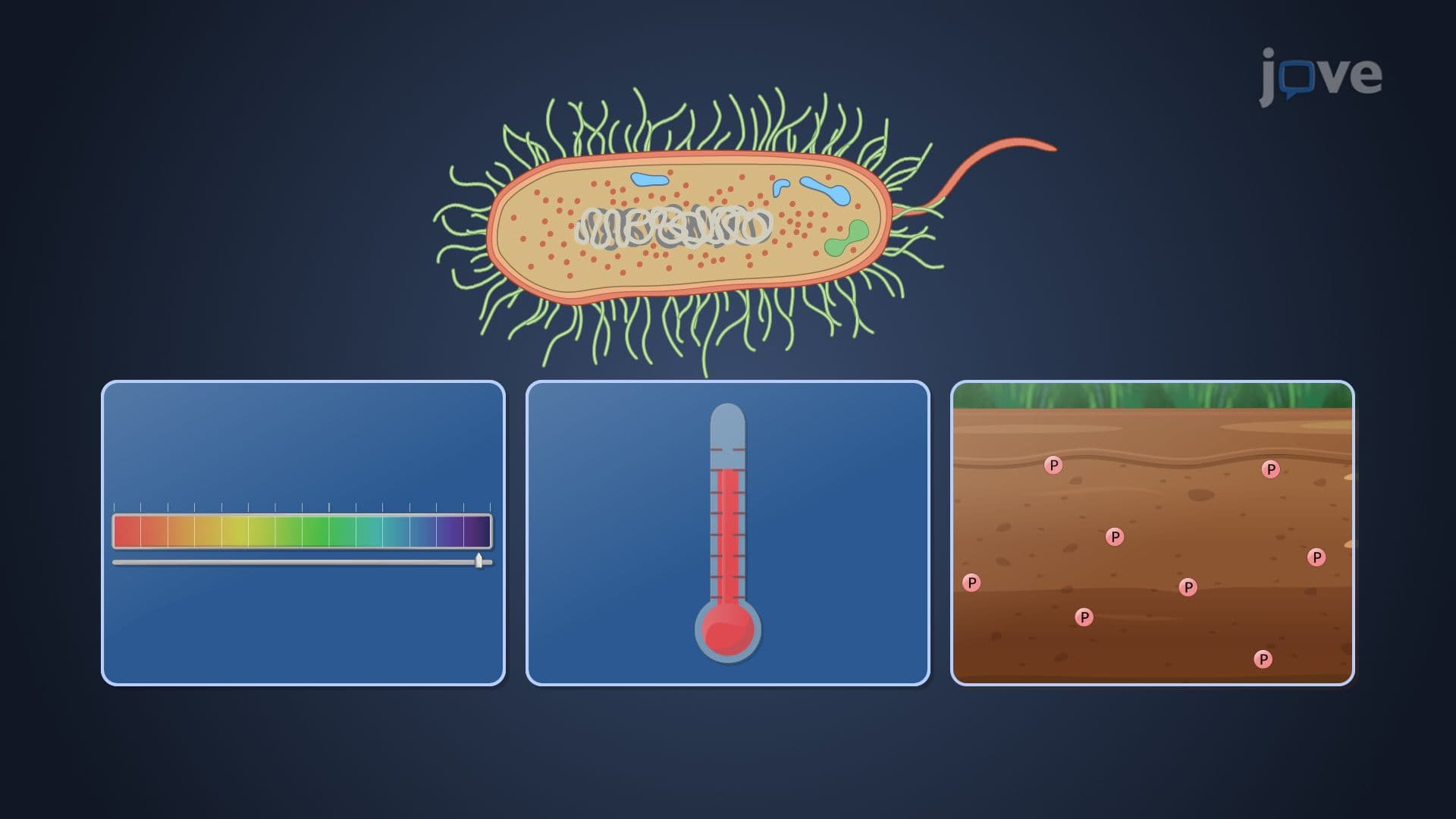
Ever wondered how bacteria like E. coli instantly adapt when you switch from glucose to lactose in lab cultures? Global regulatory systems enable cells to coordinate hundreds of genes simultaneously, allowing rapid responses to environmental changes. These sophisticated networks, including regulons and two-component systems, help organisms like those studied at Johns Hopkins University survive dramatic shifts in nutrients, temperature, and osmotic pressure. Watch the full video on JoVE Coach to master this concept with expert-led visuals and step-by-step explanations.
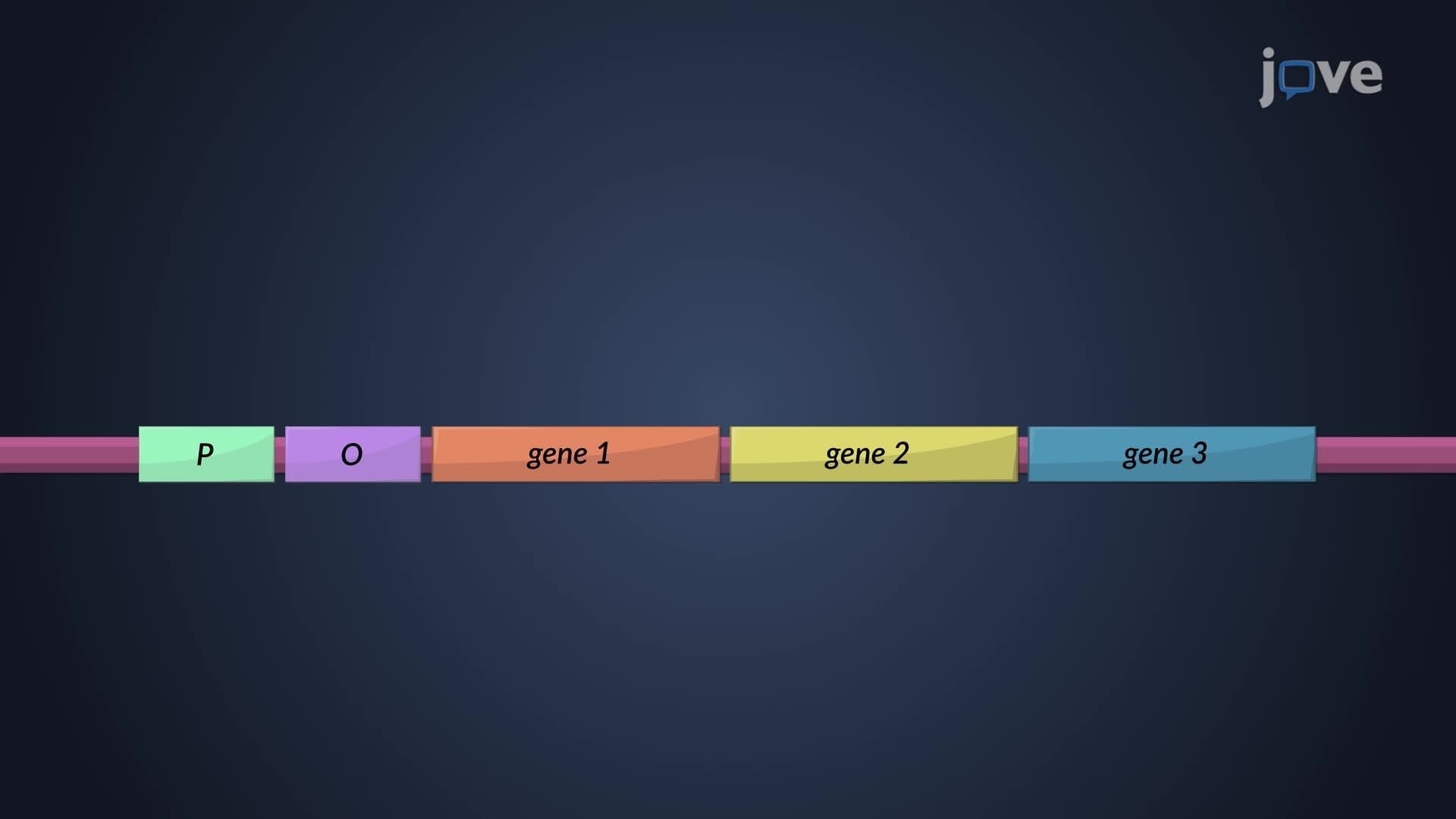
Global regulatory systems represent sophisticated cellular networks that allow bacteria to coordinate the expression of multiple genes and operons simultaneously. Unlike simple operons that control a few related genes, these systems can regulate hundreds of genes across different metabolic pathways, enabling rapid adaptation to environmental changes. This concept frequently appears on AP Biology exams and college microbiology courses, where students must understand both the molecular mechanisms and physiological significance.
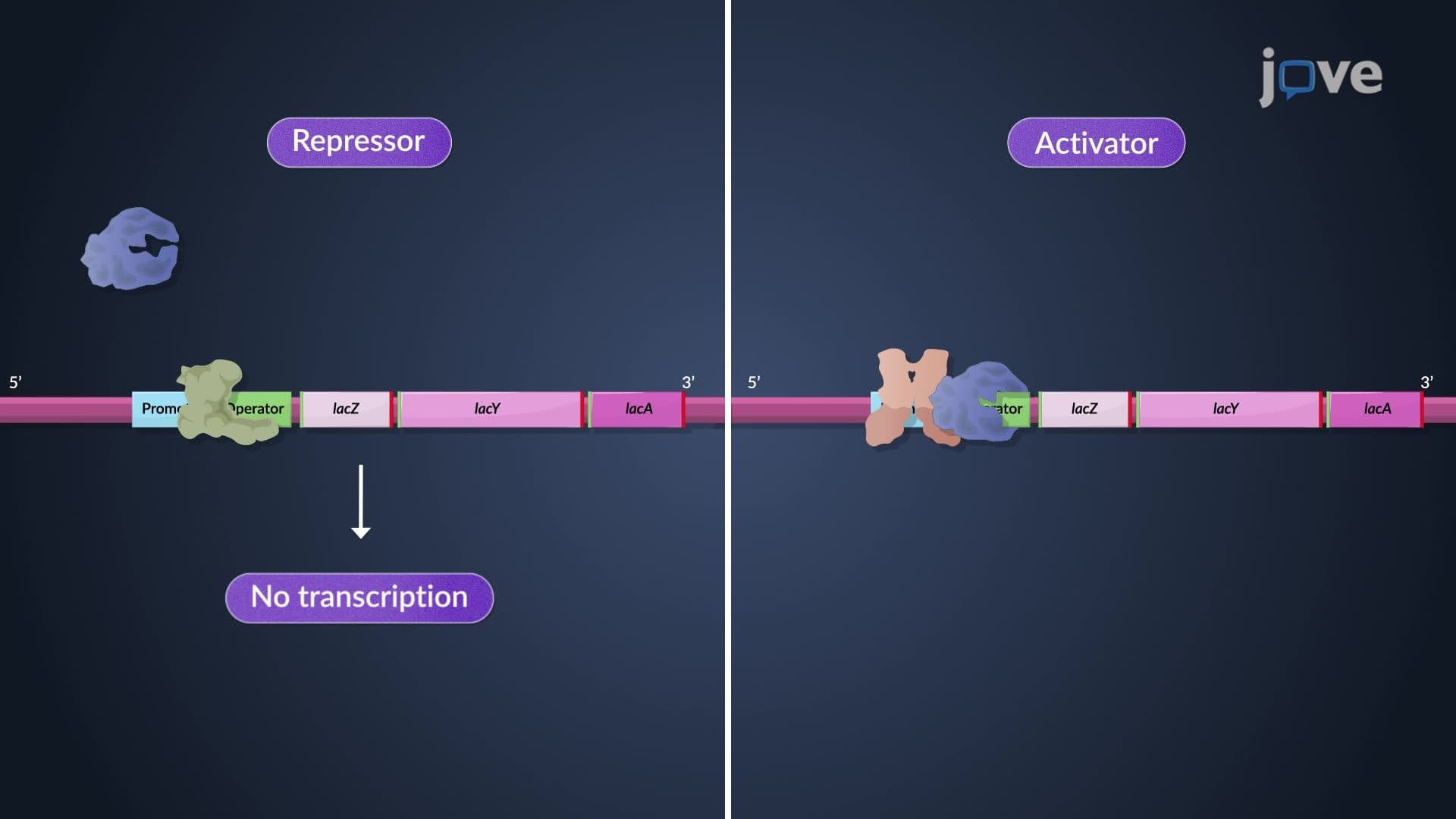
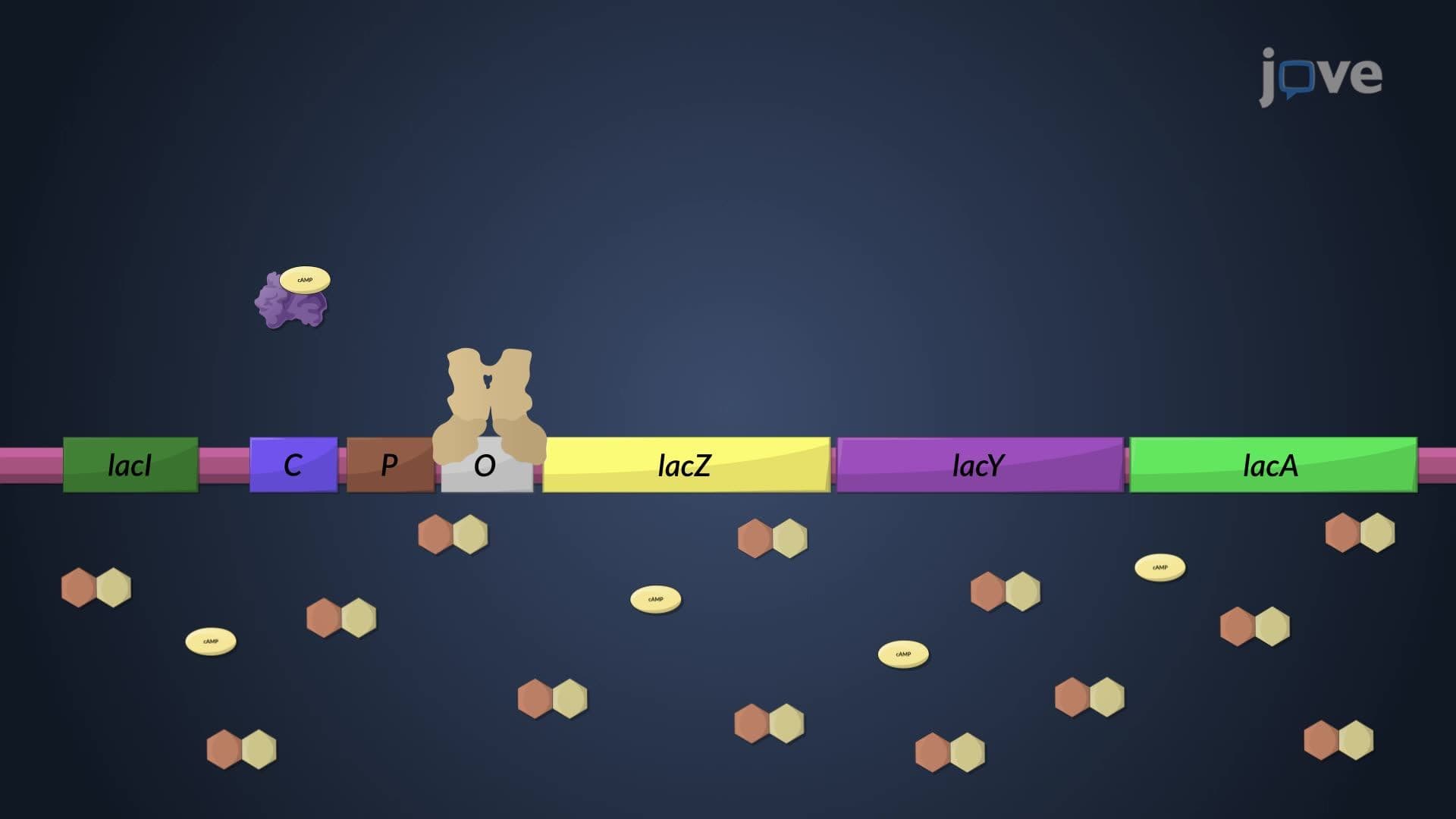
Regulons exemplify how global regulatory systems function through single regulatory proteins controlling multiple operons. The CRP (cAMP receptor protein) system serves as a classic example, regulating both lac and ara operons to optimize non-glucose sugar utilization. When glucose levels drop, rising cAMP levels activate CRP, which then binds to promoter regions of catabolite-repressible operons. This mechanism ensures bacteria like E. coli can efficiently switch between carbon sources-a principle demonstrated in countless undergraduate biochemistry labs across US universities. Students preparing for the MCAT often encounter questions about CRP regulation, as it illustrates both positive regulation and catabolite repression concepts.
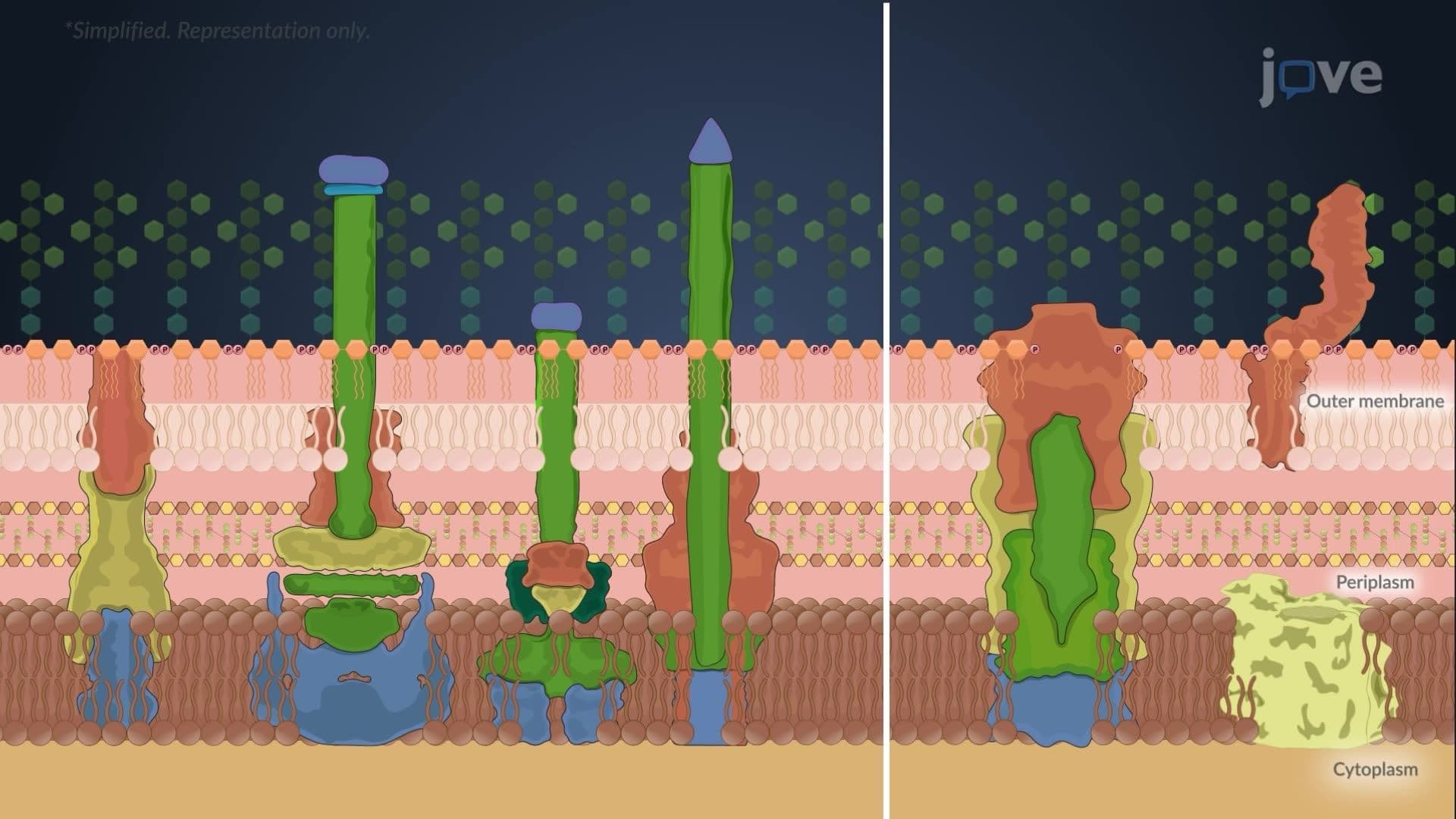
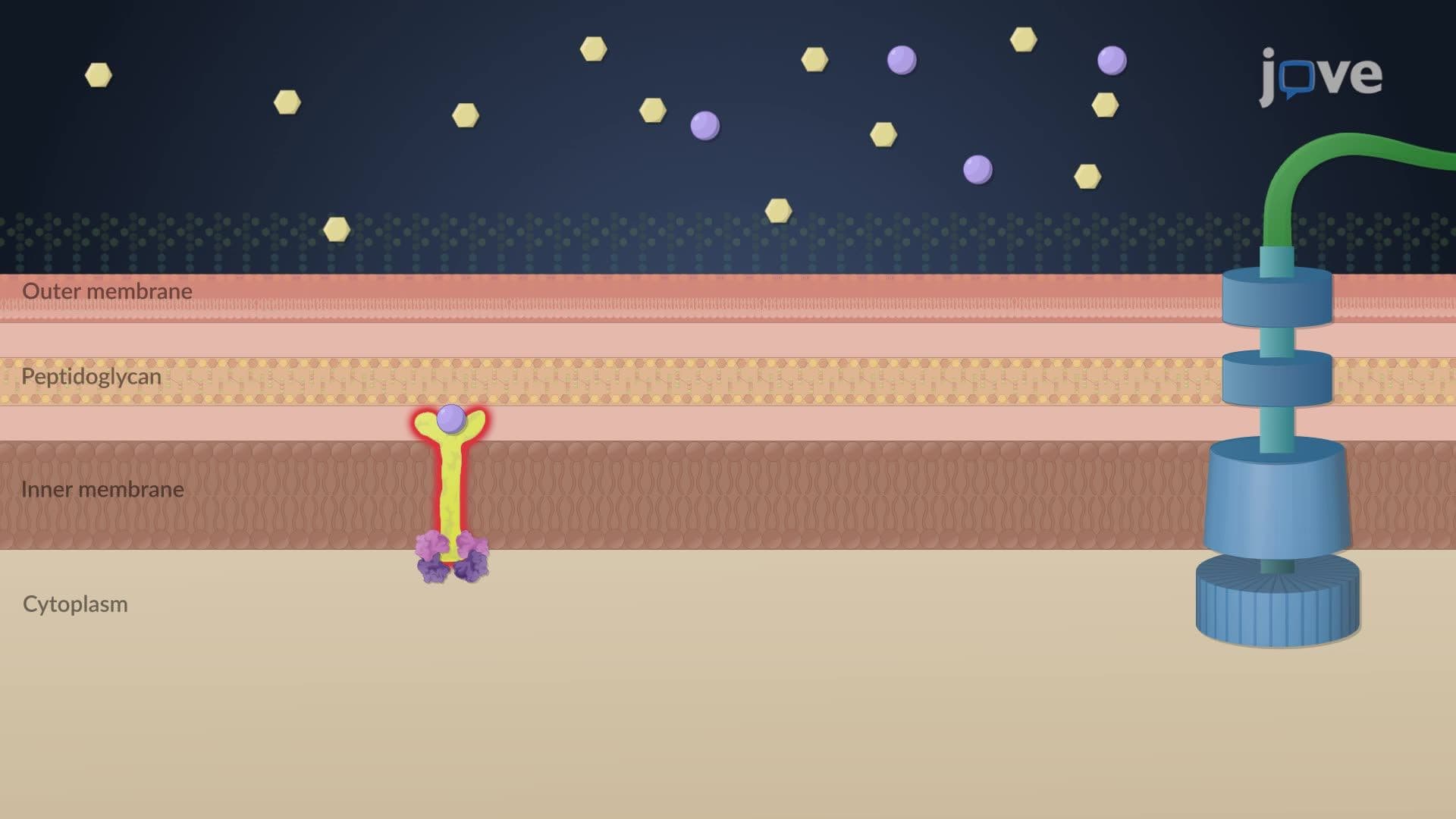
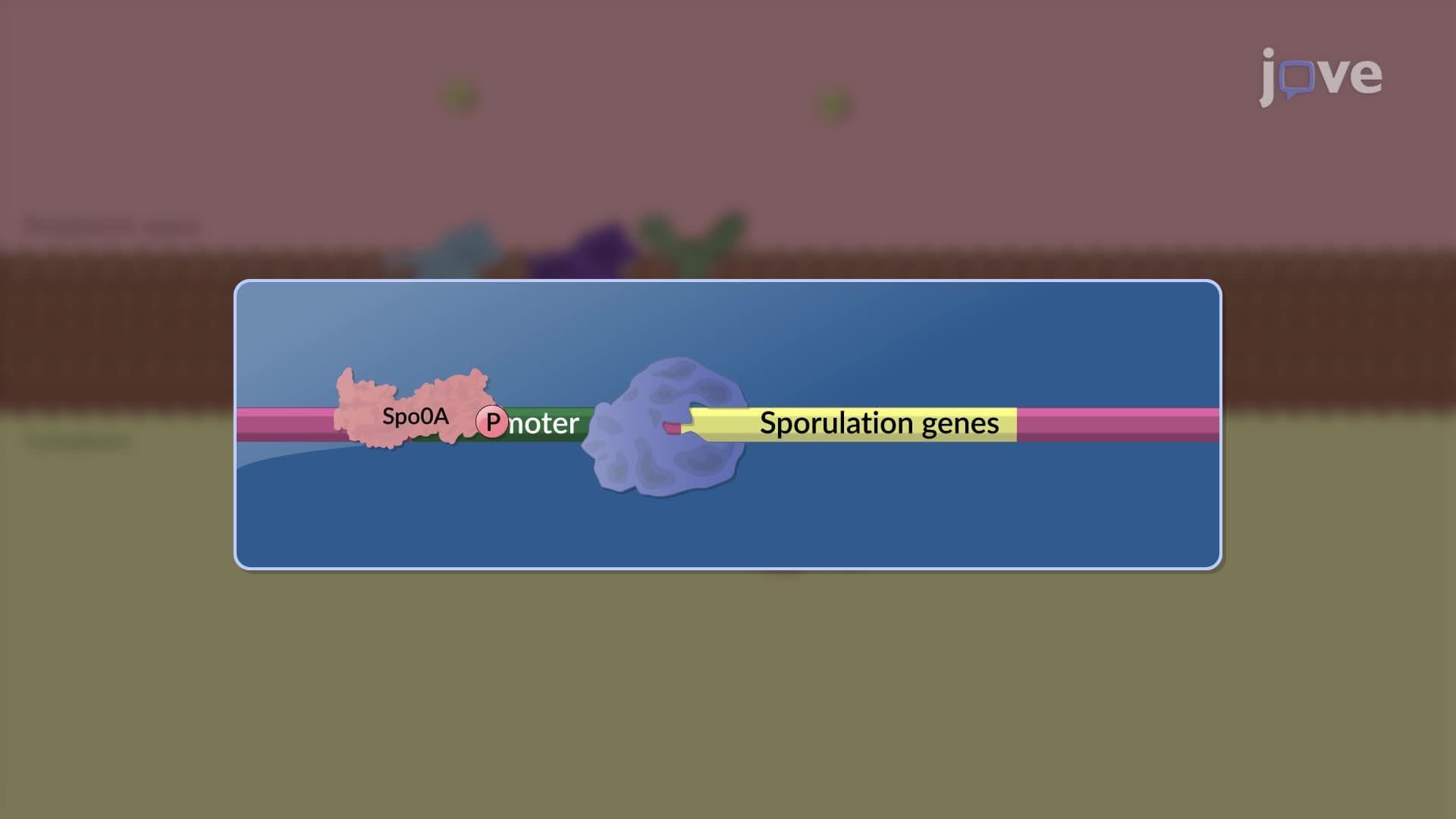
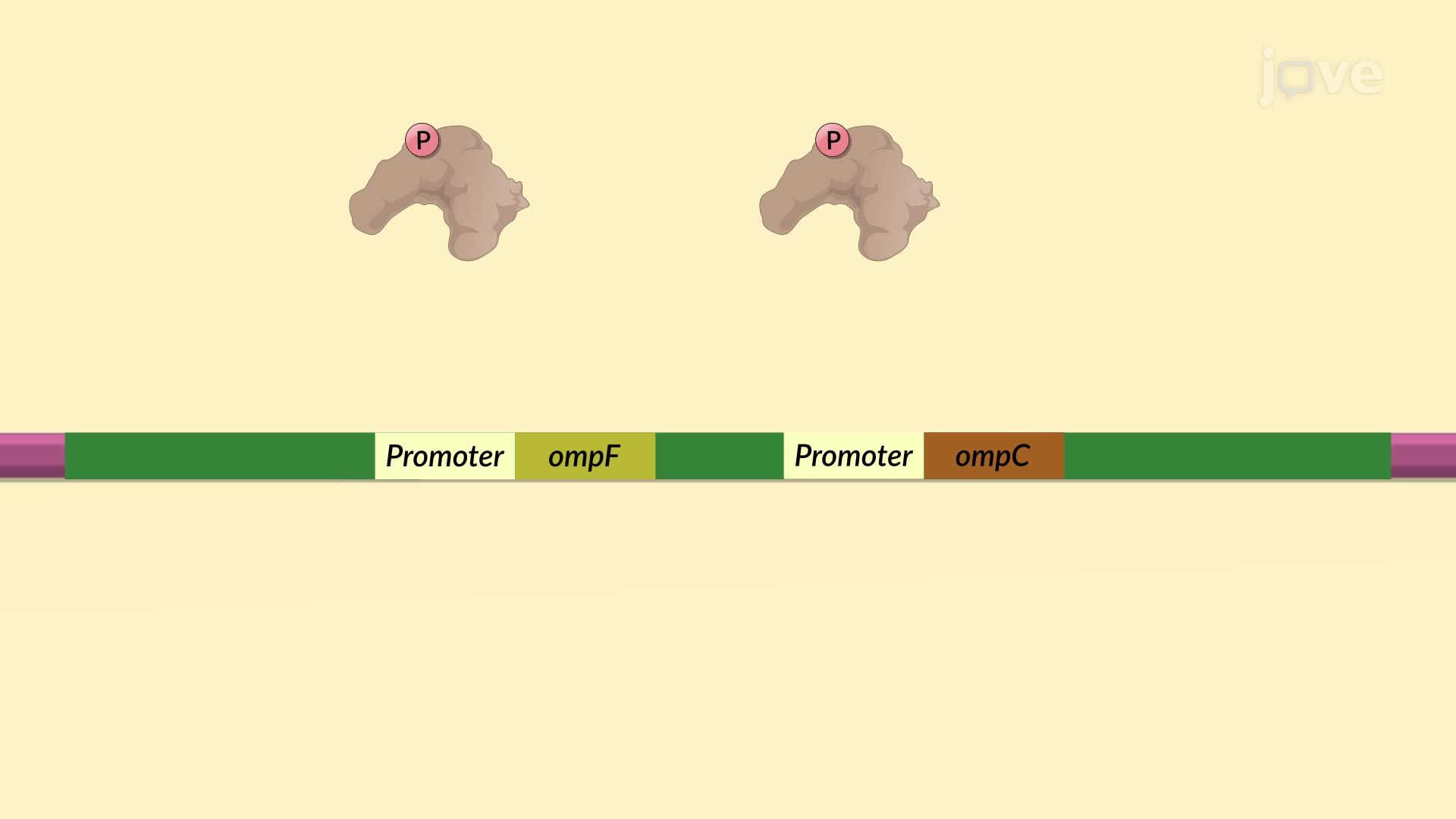
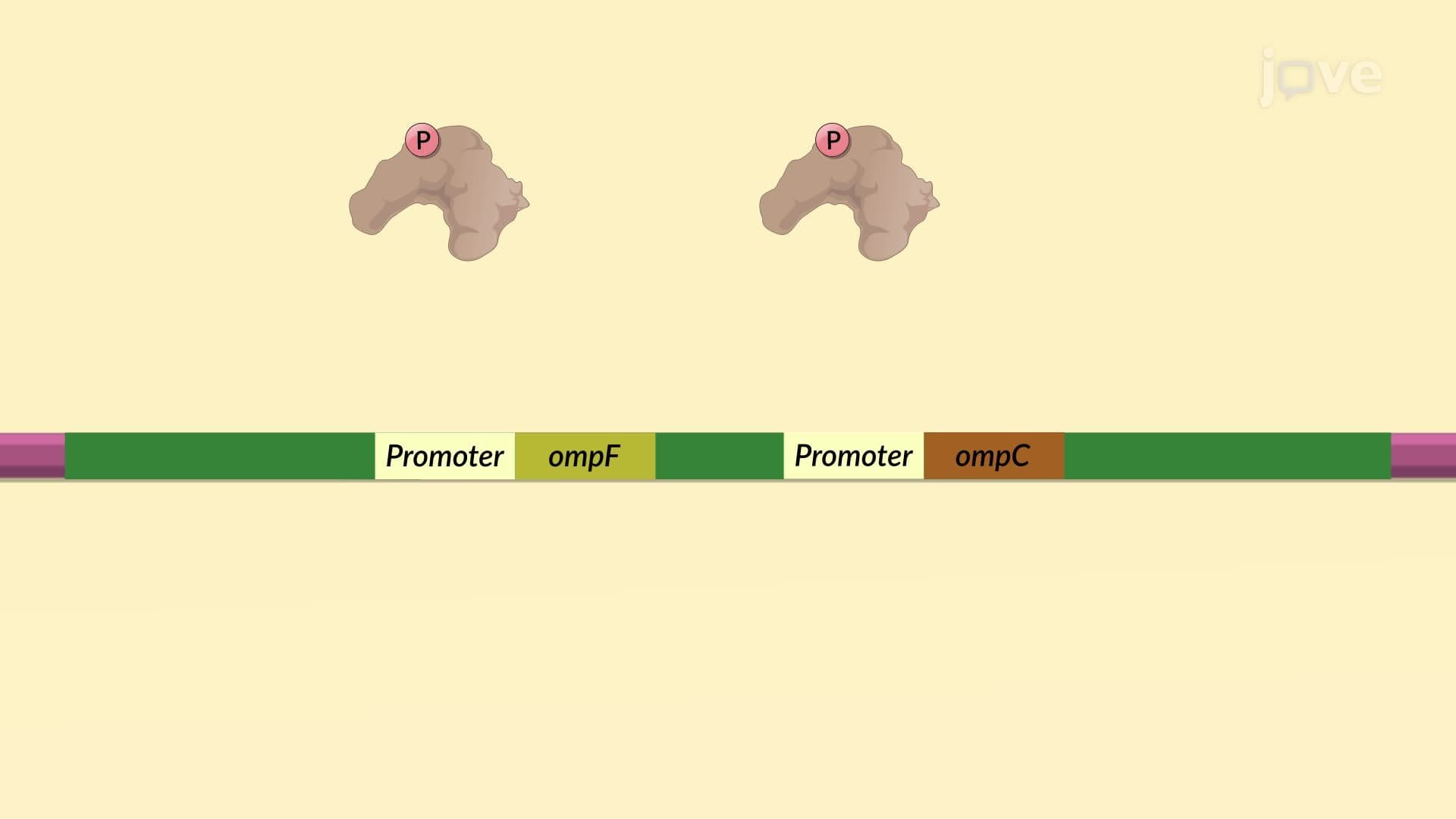
Two-component systems represent another crucial category of global regulatory mechanisms, consisting of sensor kinases and response regulators that detect and respond to specific environmental stimuli. The EnvZ/OmpR system demonstrates this elegantly: when osmolarity changes, the membrane-bound sensor kinase EnvZ undergoes autophosphorylation, then transfers the phosphate group to the cytoplasmic response regulator OmpR. Phosphorylated OmpR differentially regulates ompF and ompC genes, producing different porins that adjust membrane permeability. This system helps bacteria survive in environments ranging from freshwater to high-salt conditions, making it relevant for understanding bacterial infections and water treatment processes.
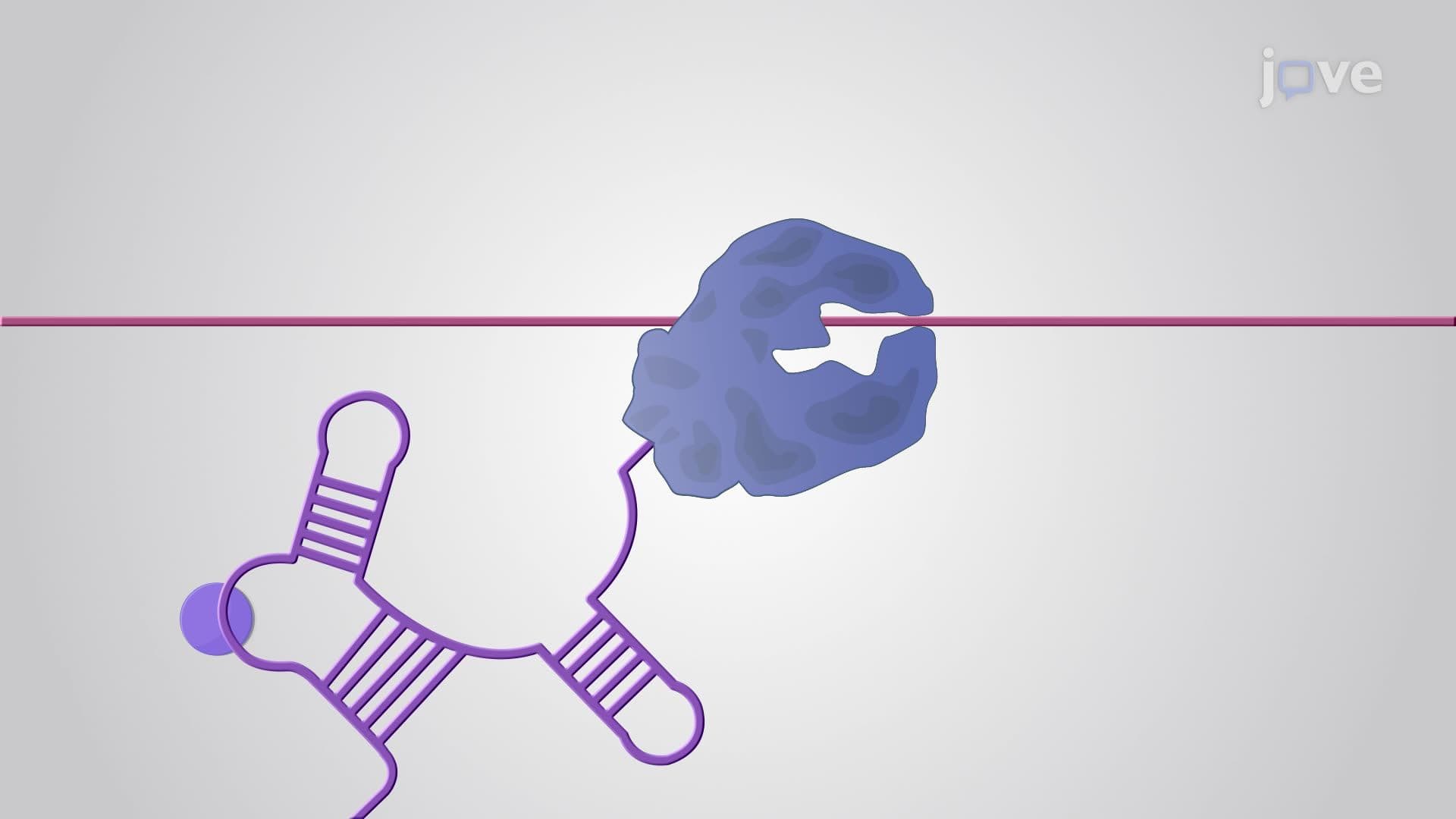
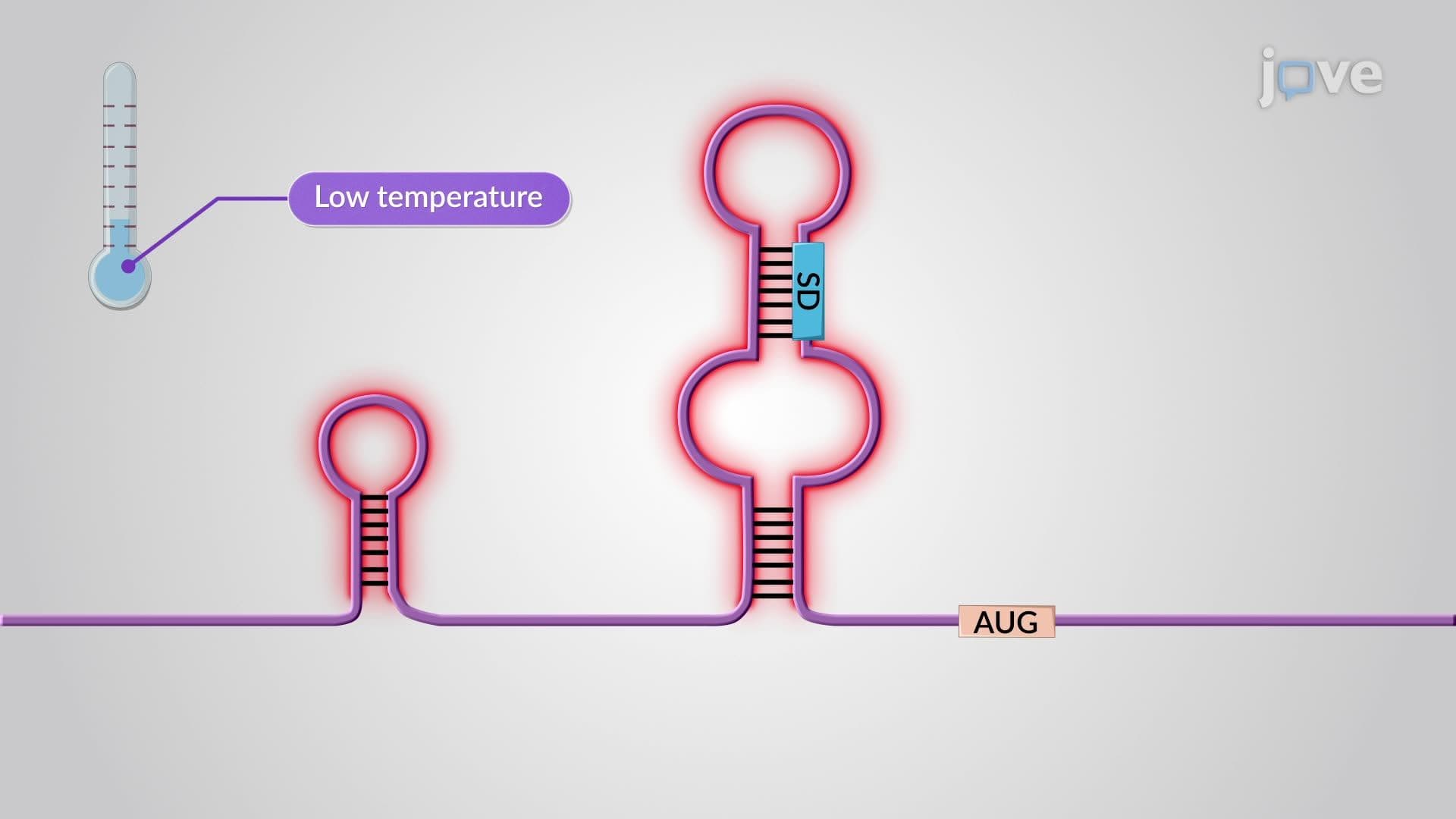
Sigma factors provide another layer of global regulation by directing RNA polymerase to specific promoter sets. The σ32 factor activates heat-shock genes when temperatures rise above optimal ranges, while σS regulates genes needed for stationary-phase survival when nutrients become scarce. These mechanisms prove essential for understanding bacterial stress responses in clinical settings, such as how pathogens survive antibiotic treatment or temperature fluctuations during infection. Secondary messengers like cAMP amplify these regulatory signals, creating cascading effects that can rapidly alter cellular metabolism-concepts frequently tested on college microbiology exams and medical school assessments.
Related Micro-courses