Loading video…

 31 Concepts
 14.9K views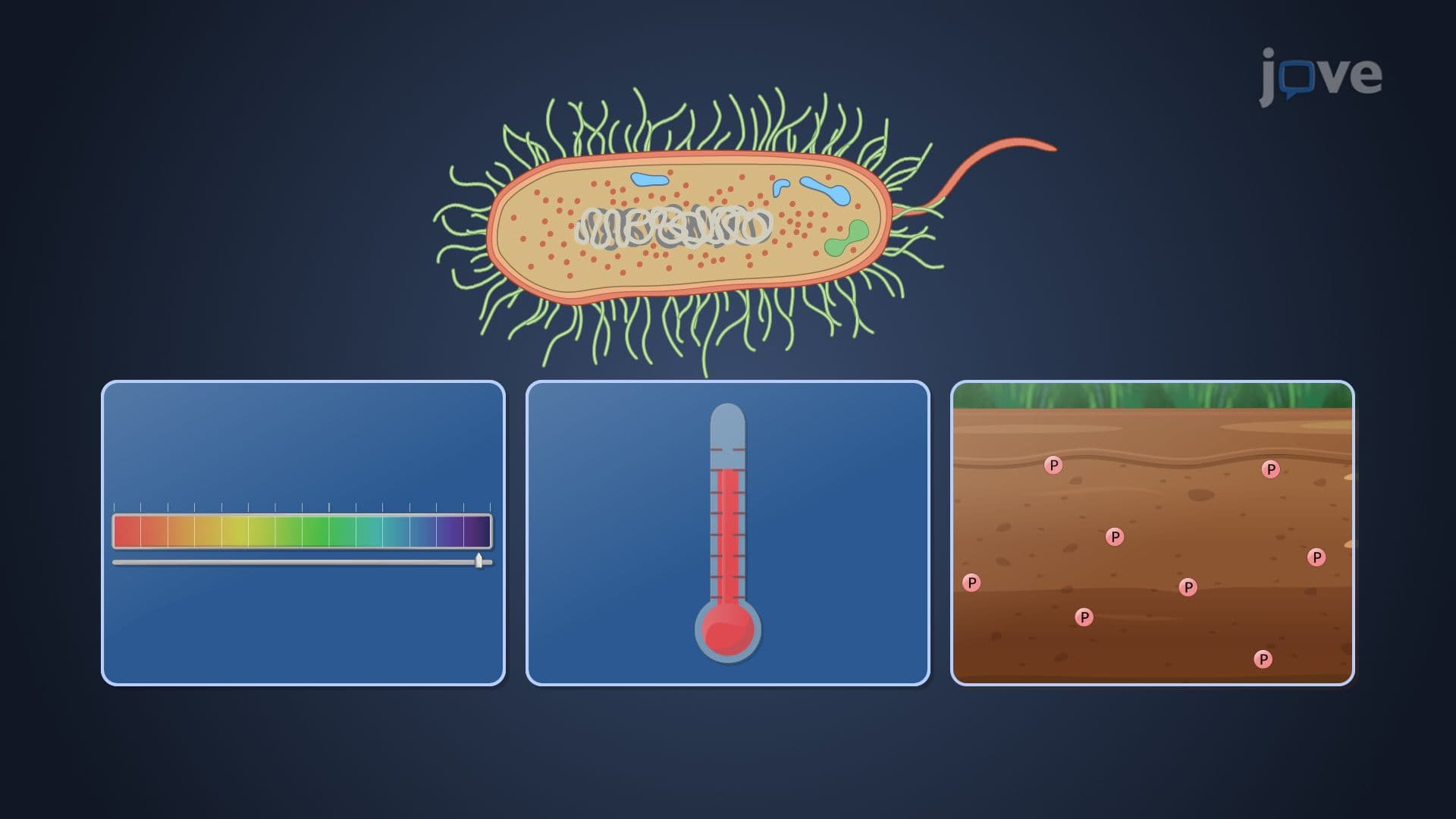

Video Summary: What are Other Stress Responses
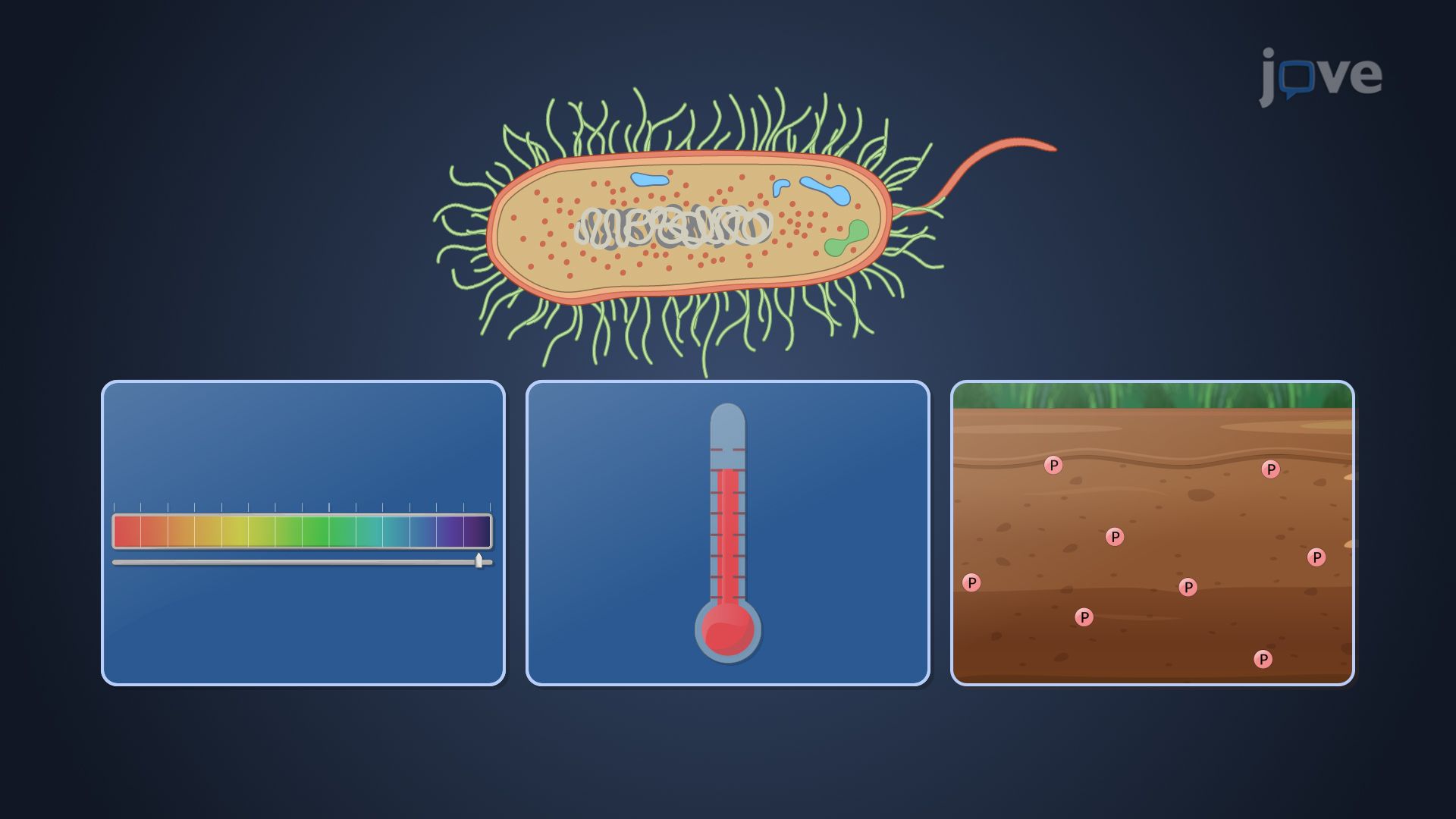
Ever wondered how bacteria at Yellowstone's hot springs survive temperatures that would cook an egg? Other stress responses in bacteria involve sophisticated molecular systems that detect environmental threats and activate protective mechanisms. The Pho regulon system helps bacteria survive phosphorus shortage, while heat shock proteins protect against protein damage-critical survival strategies used by bacteria in everything from food processing plants to medical device sterilization. Watch the full video on JoVE Coach to master this concept with expert-led visuals and step-by-step explanations.
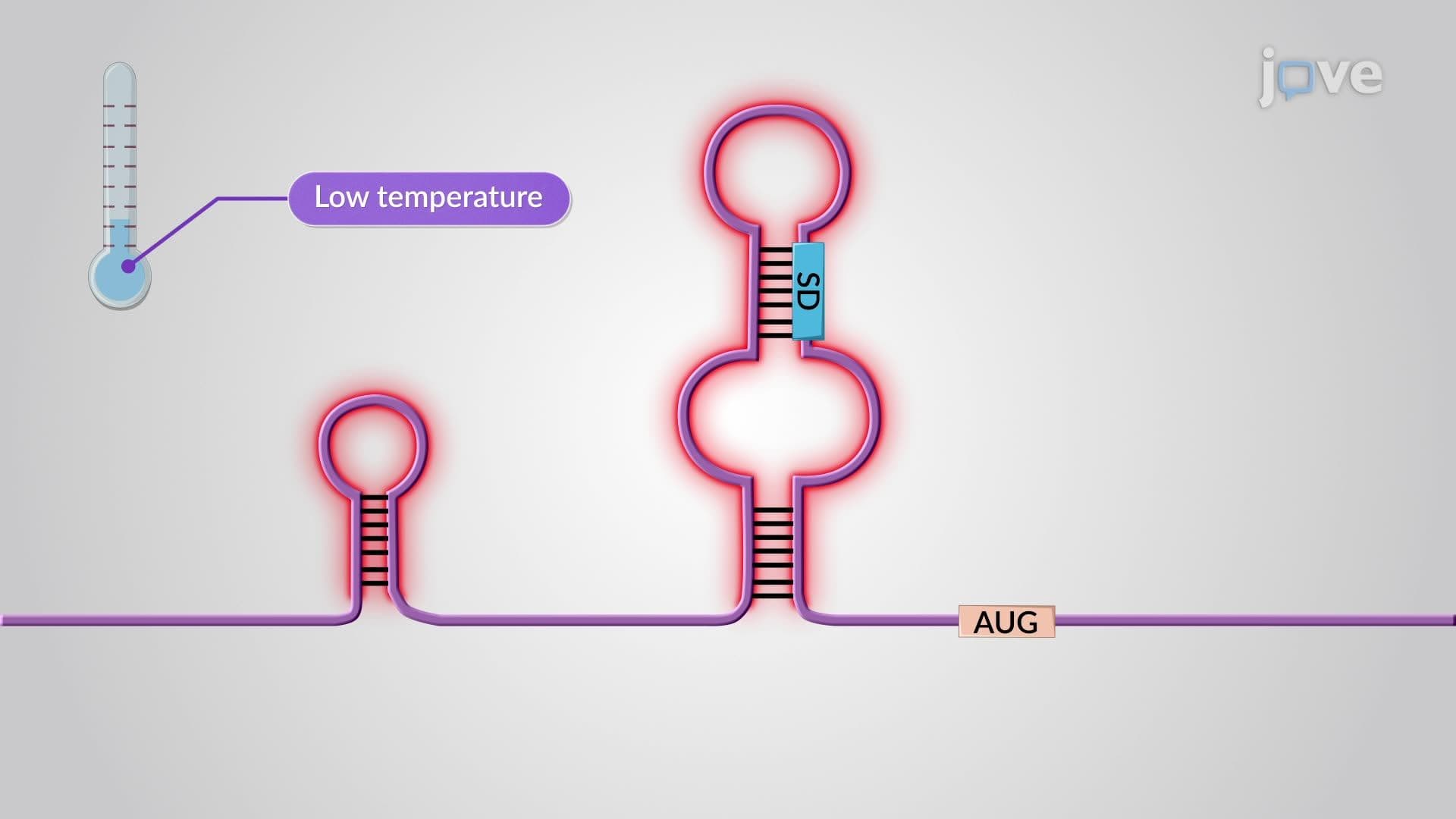
Other stress responses represent sophisticated bacterial defense mechanisms that go beyond basic survival instincts. These cellular programs activate when bacteria encounter environmental challenges like nutrient depletion, temperature extremes, or chemical exposure. Understanding these responses is crucial for students preparing for AP Biology, MCAT, or college-level microbiology courses.
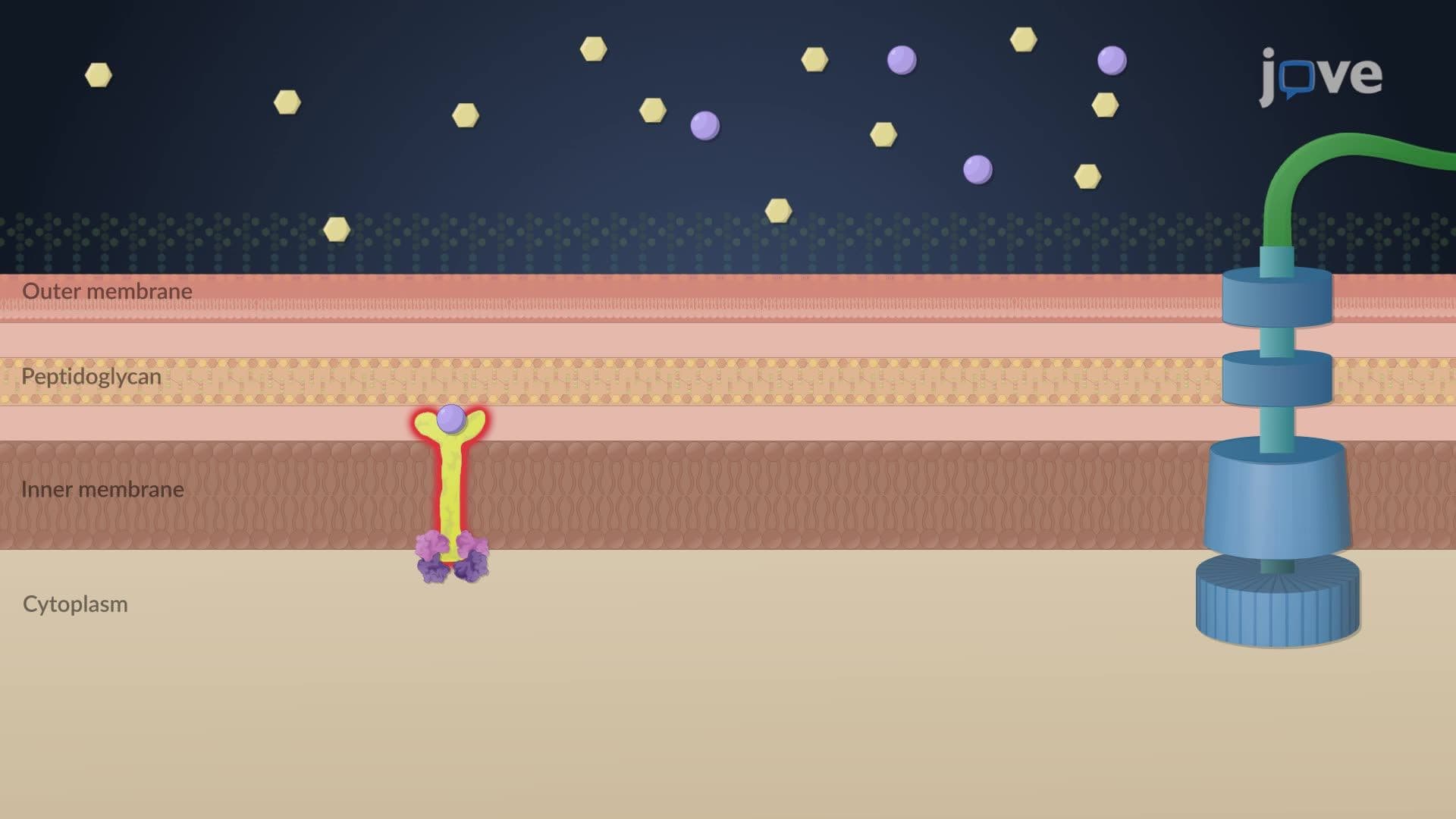
The Pho regulon exemplifies bacterial resourcefulness during nutrient stress. This two-component regulatory system operates like a cellular early warning system. PhoR acts as the environmental sensor, detecting when phosphorus levels drop below critical thresholds. Upon sensing phosphorus scarcity, PhoR undergoes autophosphorylation-essentially activating itself by adding a phosphate group. This activated PhoR then transfers its phosphate to PhoB, the response regulator protein.
Once phosphorylated, PhoB functions as a transcriptional activator, binding to DNA and increasing expression of genes involved in phosphorus uptake and metabolism. This includes genes for phosphatases that can liberate phosphorus from organic compounds and transport proteins that scavenge phosphorus from the environment. When phosphorus becomes abundant again, the system reverses: PhoB loses its phosphate group and stops activating these genes, preventing wasteful overproduction.
Bacterial heat shock responses demonstrate another critical survival mechanism. The key player is sigma-32 (σ32), also called RpoH, which directs RNA polymerase to transcribe heat shock genes. Under normal conditions, the chaperone protein DnaK keeps σ32 inactive by binding to it, preventing unnecessary heat shock protein production.
When bacteria encounter stress-whether from high temperatures in industrial processes, chemical exposure in pharmaceutical manufacturing, or radiation in medical sterilization-proteins begin misfolding. DnaK has higher affinity for these misfolded proteins than for σ32, so it releases σ32 to help the damaged proteins. Free σ32 then promotes transcription of heat shock proteins, including more chaperones and proteases that degrade severely damaged proteins.
These stress response systems have practical implications in healthcare and biotechnology. Understanding bacterial stress responses helps medical professionals combat antibiotic resistance, as stressed bacteria often activate multiple defense mechanisms. Food safety inspectors rely on knowledge of bacterial heat shock responses when validating pasteurization processes. Pharmaceutical companies study these systems when developing new antimicrobial strategies.
Related Micro-courses