Loading subject page…


14,826 views


Video Summary: What are Plasmids
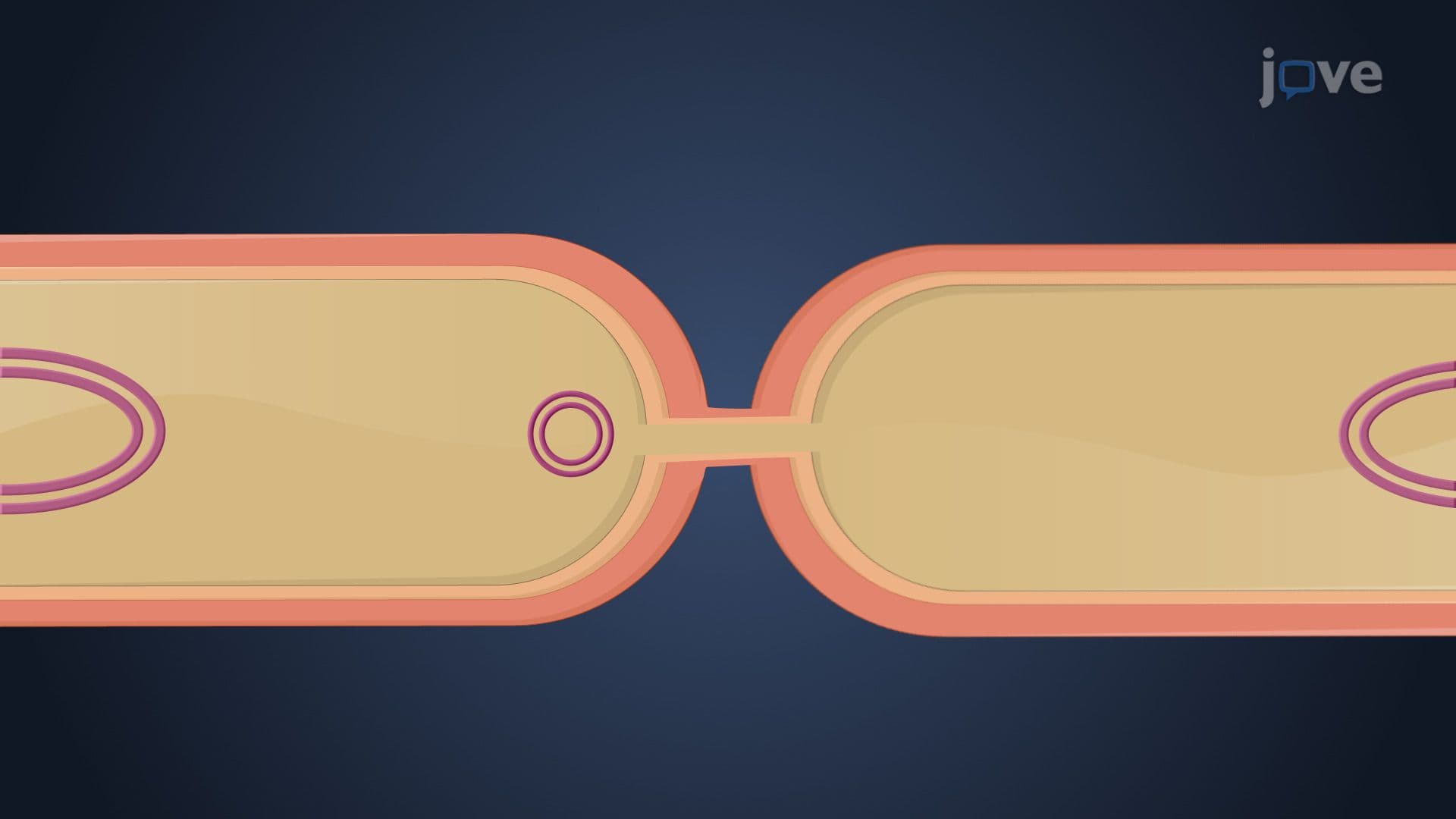
Did you know that bacteria can share "bonus DNA" that helps them survive antibiotic treatments at hospitals across America? Plasmids are these remarkable extra DNA molecules that exist outside a cell's main chromosome, acting like genetic toolkits that bacteria can swap and share. For instance, the dangerous E. coli outbreaks that periodically affect US food supplies often involve plasmids carrying toxin-producing genes. Understanding what are plasmids reveals how microbes adapt so quickly to medical treatments and environmental challenges. Watch the full video on JoVE Coach to master this concept with expert-led visuals and step-by-step explanations.
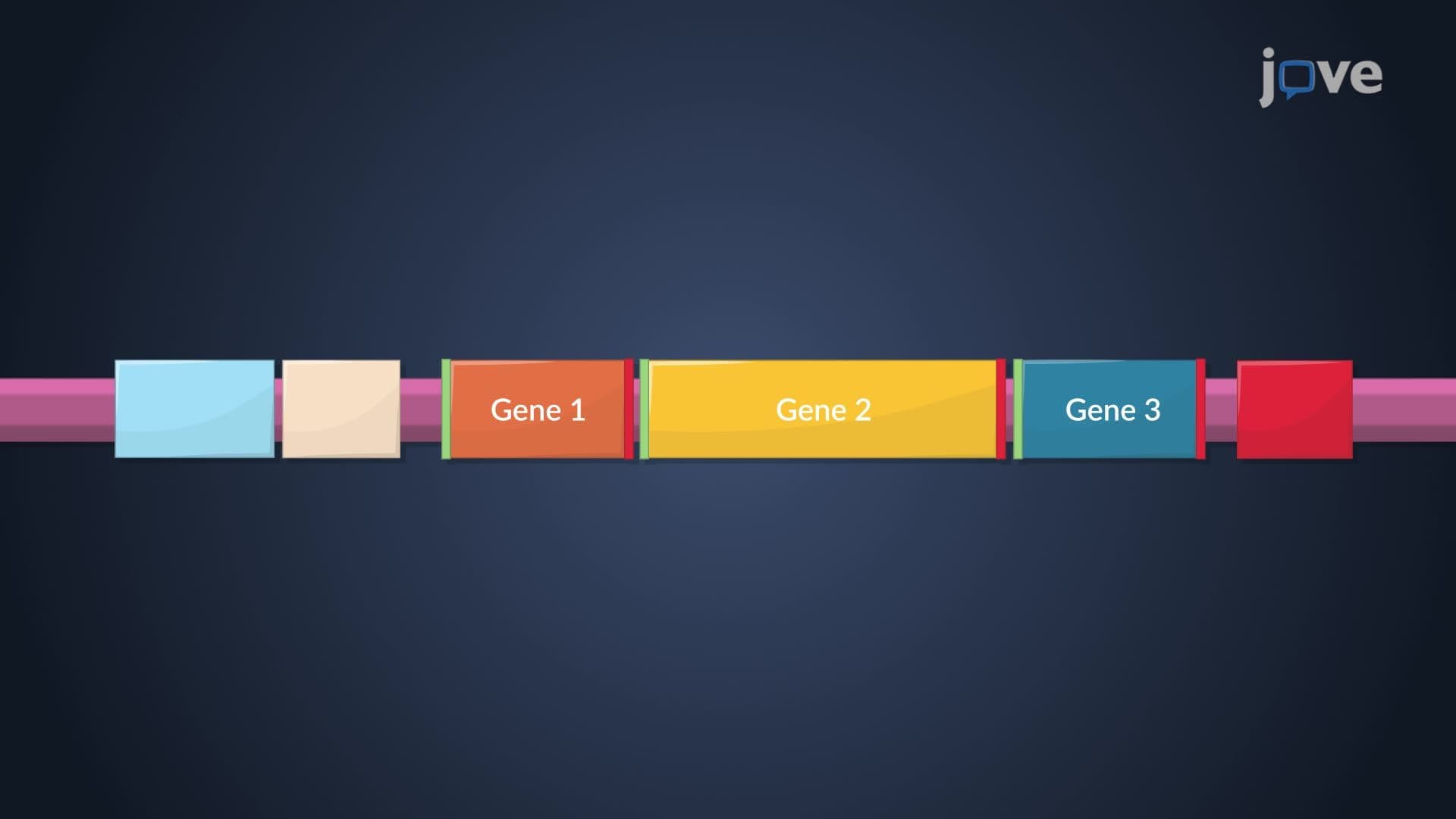
Plasmids represent one of biology's most fascinating examples of genetic flexibility. These small, typically circular DNA molecules exist independently of a cell's main chromosome, functioning as genetic "add-ons" that provide specialized capabilities. While the transcript mentions they usually contain fewer than 30 genes, this compact size belies their enormous impact on microbial life and human health.
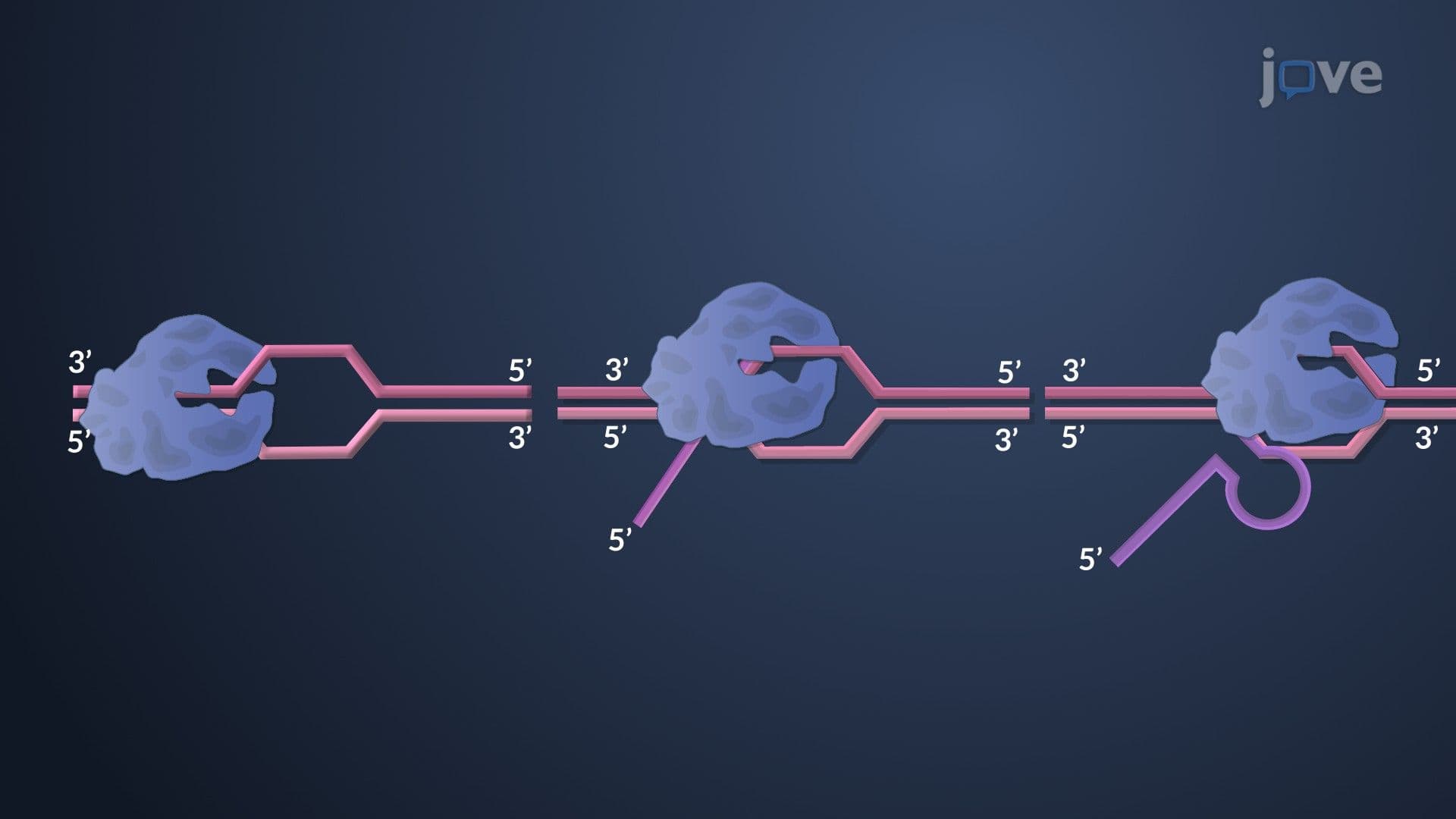
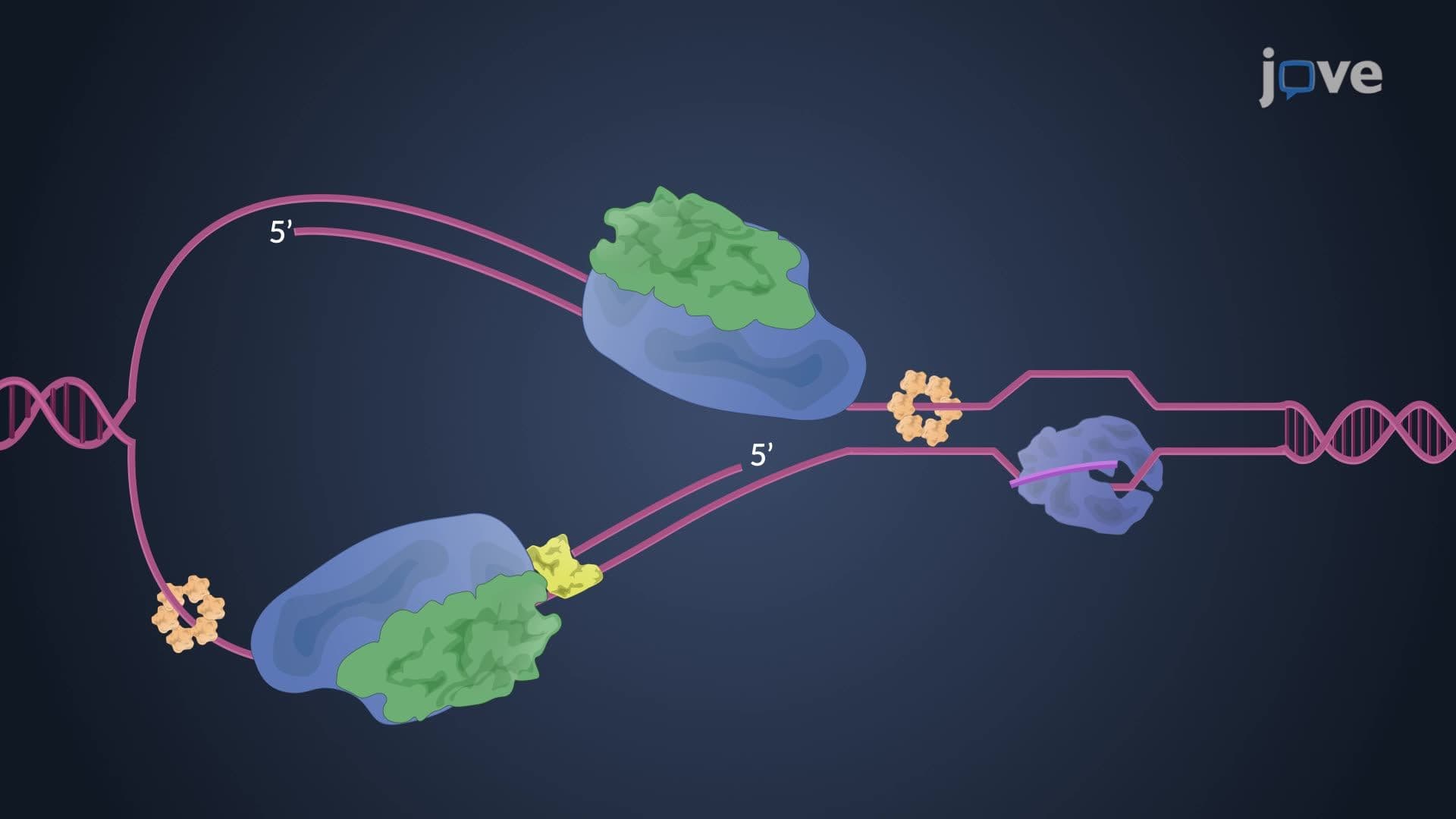
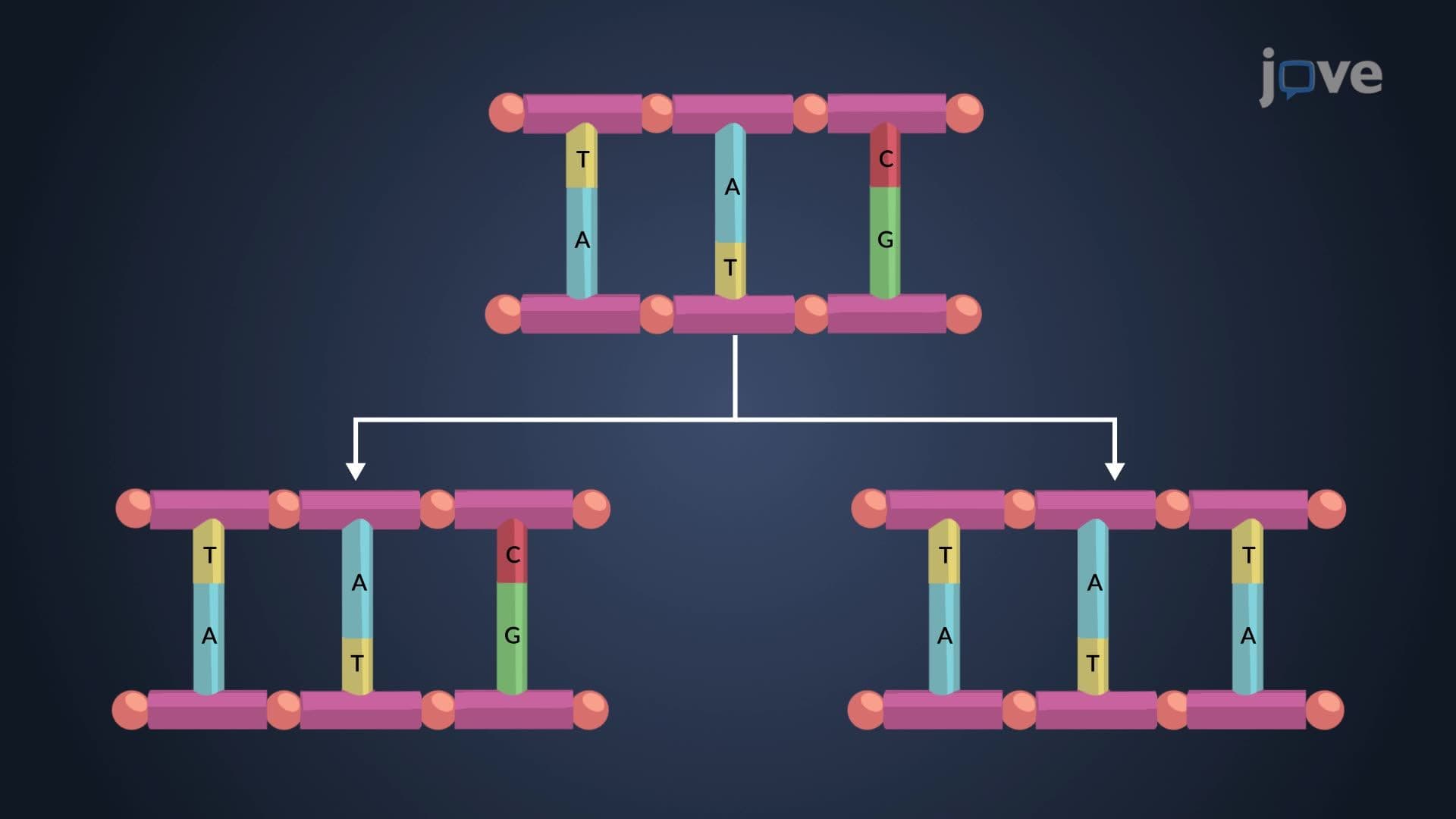
The plasmids definition explained becomes clearer when we consider their unique replication strategy. Unlike chromosomal DNA that replicates once per cell division, plasmids control their own replication timing and frequency. High-copy plasmids might exist in over 100 copies per cell, while single-copy plasmids maintain just one copy, creating different evolutionary strategies for genetic persistence.
Plasmids overview reveals incredible diversity in function. Resistance plasmids (R-plasmids) have become a critical concern in US hospitals, where bacteria carrying multiple antibiotic resistance genes challenge medical treatment. The R100 plasmid mentioned in research can simultaneously confer resistance to chloramphenicol, streptomycin, and tetracycline-antibiotics commonly used in American healthcare.
Virulence plasmids present equally significant challenges. Certain E. coli strains responsible for foodborne illness outbreaks in the US carry plasmids encoding both toxins and attachment factors, explaining why these bacteria cause such severe diarrheal diseases. The 2006 spinach outbreak and 2011 sprout contamination both involved E. coli strains with virulence plasmids.
Beyond pathogenicity, plasmids serve beneficial ecological roles. Rhizobium bacteria form nitrogen-fixing partnerships with legume crops like soybeans-a $40 billion industry in the US. The nitrogen-fixation genes often reside on large plasmids, enabling these bacteria to convert atmospheric nitrogen into plant-available forms, reducing farmers' fertilizer costs.
Environmental cleanup also relies on plasmid-encoded capabilities. Pseudomonas species carrying degradative plasmids can break down petroleum products, making them valuable for bioremediation efforts at contaminated sites across America. The Exxon Valdez oil spill cleanup utilized such bacteria to accelerate natural petroleum degradation.
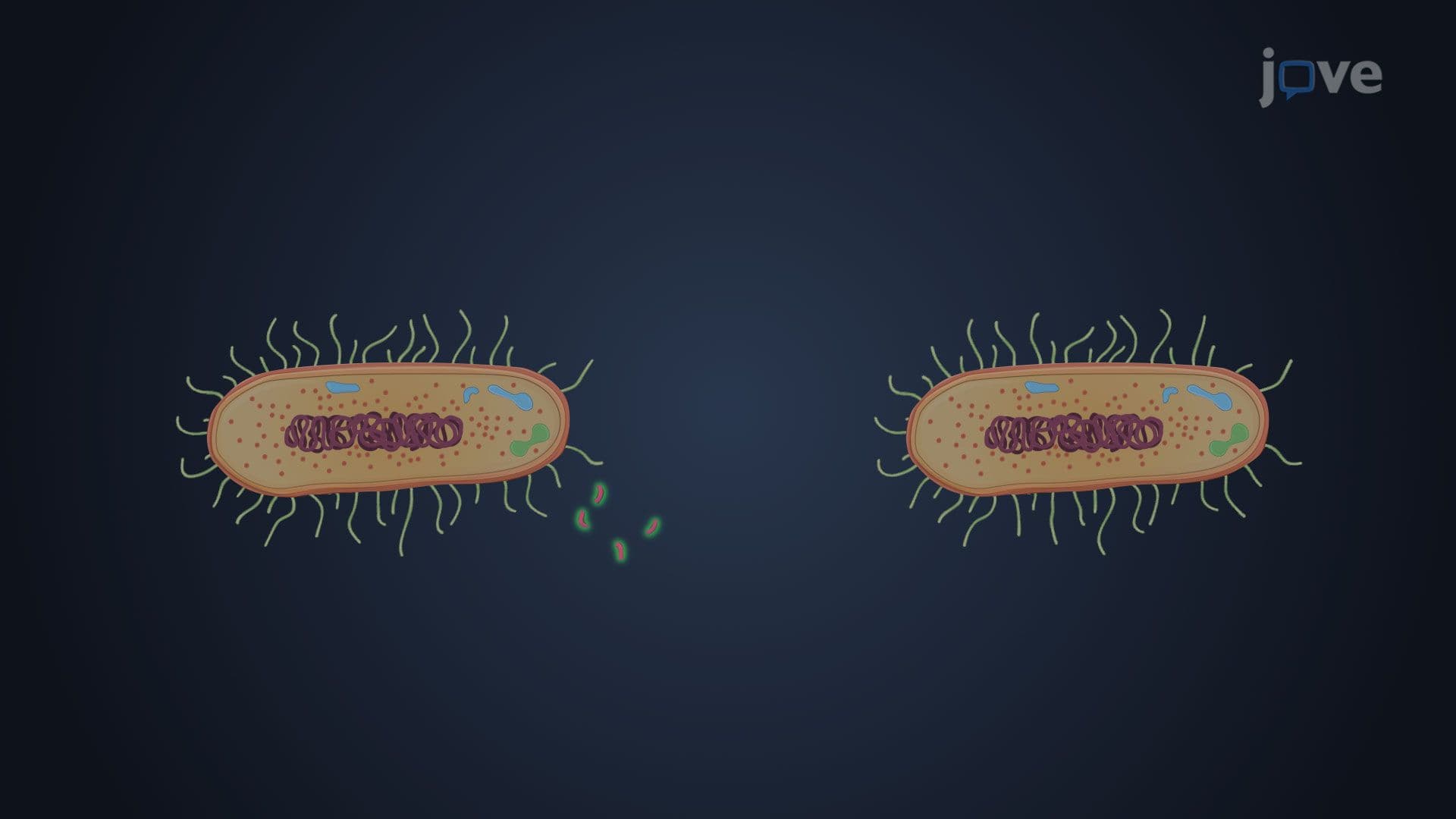
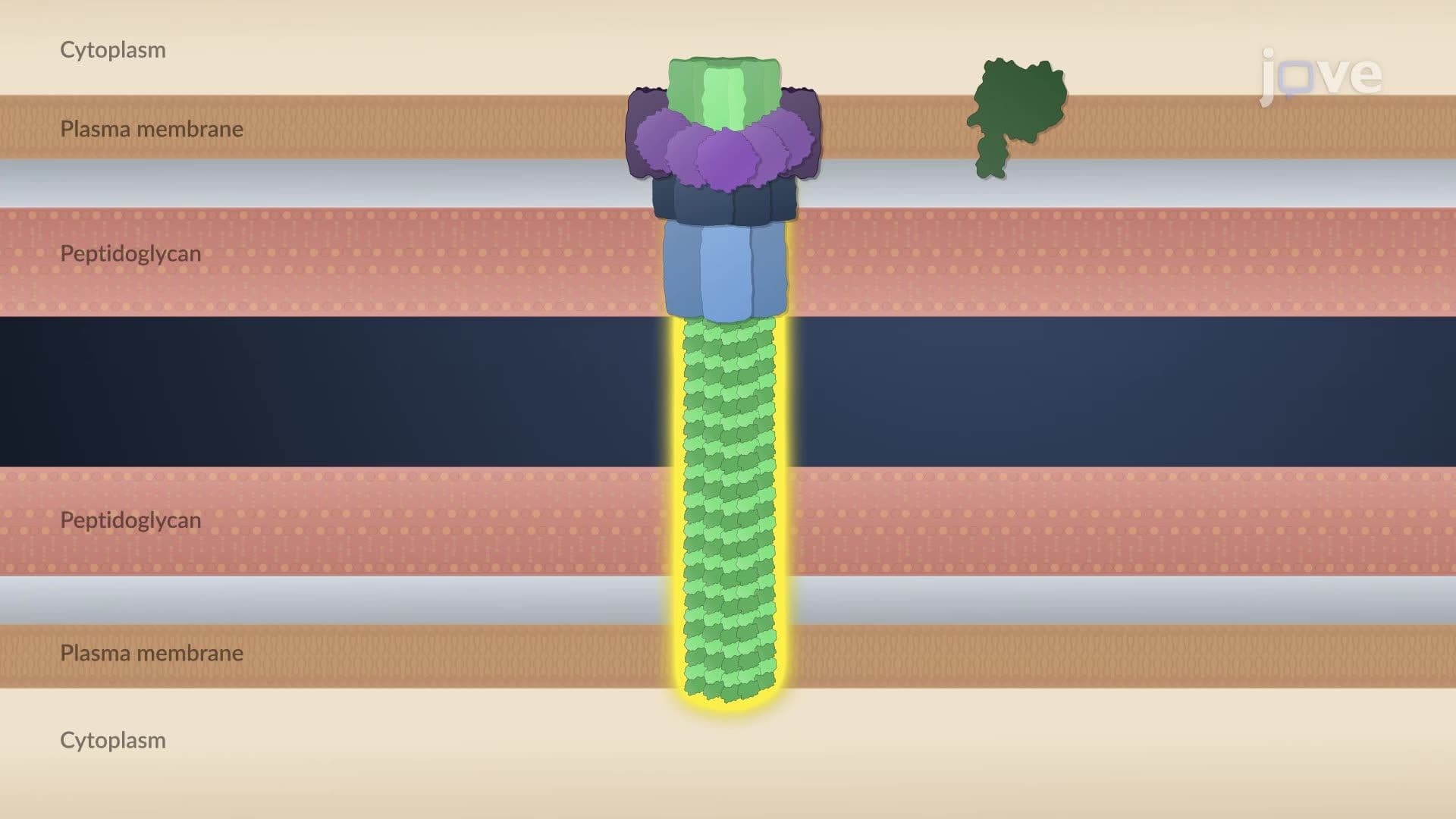
For students preparing for AP Biology, MCAT, or college-level microbiology courses, understanding plasmids connects multiple key concepts: DNA replication, gene regulation, evolution, and ecology. The horizontal gene transfer mediated by conjugative plasmids represents a fundamental difference between prokaryotic and eukaryotic evolution, frequently appearing on standardized exams.
Medical school curricula emphasize plasmids' role in antibiotic resistance, a topic relevant to USMLE preparation. Understanding how resistance genes spread through bacterial populations via plasmid transfer helps future physicians appreciate why antibiotic stewardship matters in clinical practice.
Related Micro-courses