Loading subject page…

14,827 views

Video Summary: What are Point and Frameshift Mutations
Did you know that a single letter change in your DNA could mean the difference between normal vision and color blindness? Point frameshift mutations are fundamental genetic changes that can dramatically alter protein function, from causing inherited diseases like sickle cell anemia to having no effect at all. Understanding What are Point And Frameshift Mutations reveals how tiny DNA alterations can have massive biological consequences. Watch the full video on JoVE Coach to master this concept with expert-led visuals and step-by-step explanations.
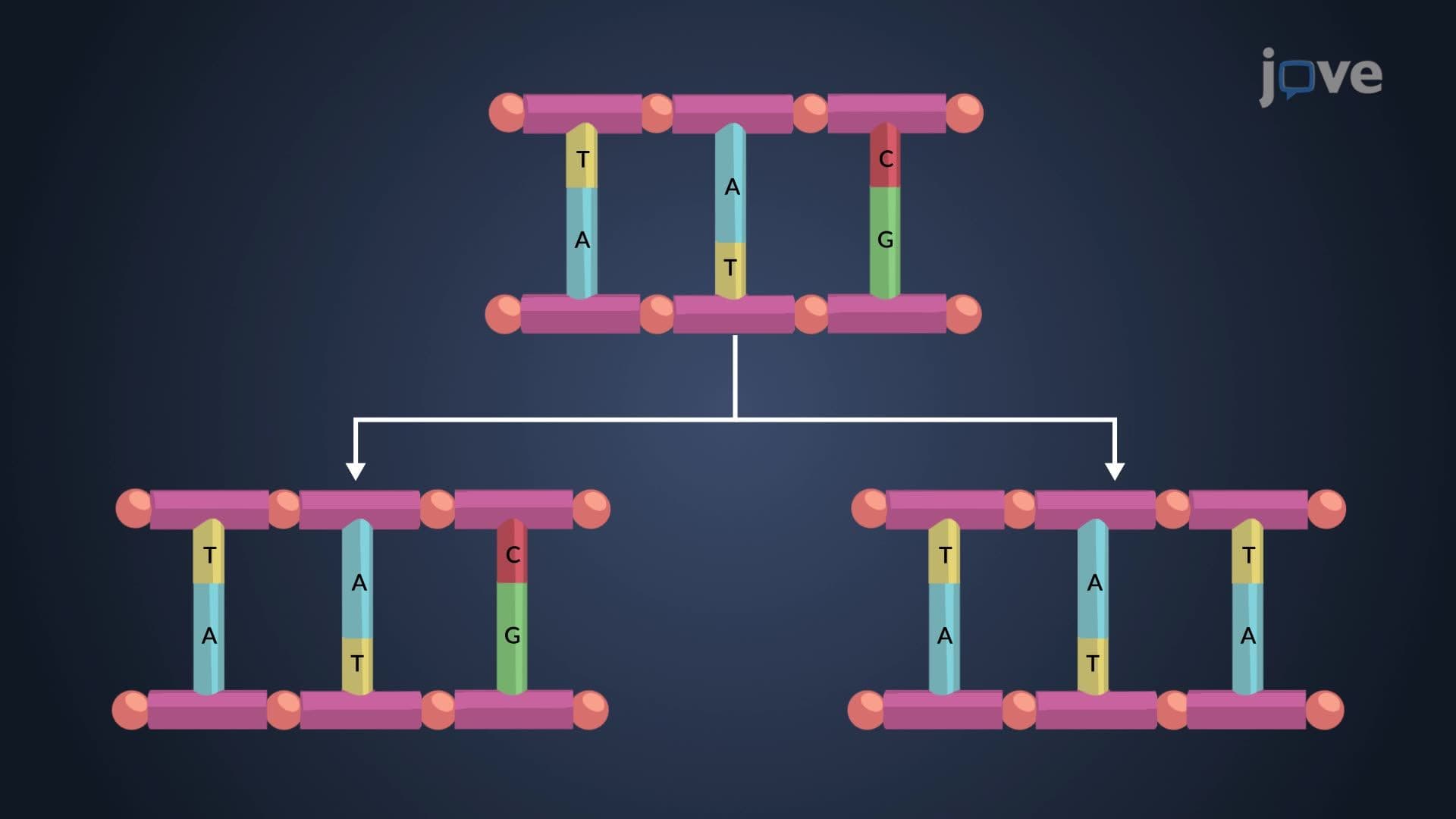
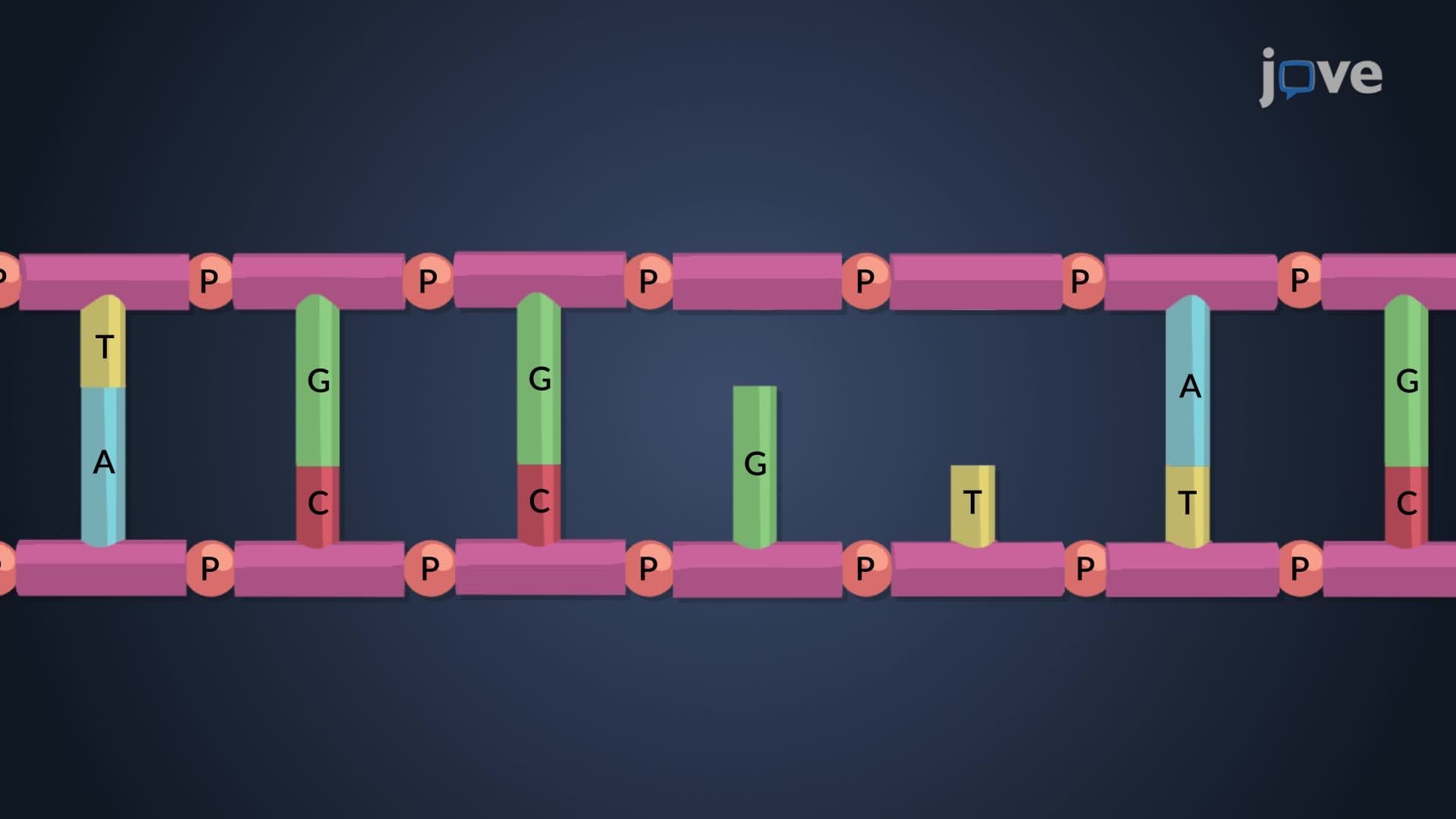
Point and frameshift mutations represent two fundamental categories of genetic alterations that serve as cornerstones in genetics education and medical research. These mutations differ primarily in their scope: point mutations affect single nucleotides, while frameshift mutations alter the reading frame of entire gene sequences.
The clinical significance of these mutations cannot be overstated. For instance, sickle cell disease results from a single point mutation in the beta-globin gene, where adenine replaces thymine, causing glutamic acid to be replaced by valine. This seemingly minor change transforms normal, flexible red blood cells into rigid, sickle-shaped cells that cause severe medical complications.
Point mutations manifest in three distinct forms, each with different biological implications. Silent mutations, also called synonymous mutations, demonstrate the redundancy built into the genetic code. When a mutation changes GAA to GAG, both codons still code for glutamic acid, leaving protein function unchanged. This concept frequently appears on AP Biology exams and MCAT questions testing genetic code comprehension.
Missense mutations create single amino acid substitutions that can range from benign to catastrophic. The classic example taught in college genetics courses involves the mutation causing Marfan syndrome, where glycine is replaced by cysteine in the fibrillin-1 protein. This substitution disrupts connective tissue formation, affecting heart valves, blood vessels, and skeletal structure.
Nonsense mutations represent the most dramatic point mutations, converting amino acid codons into premature stop signals. These truncated proteins typically lose function entirely. Duchenne muscular dystrophy often results from nonsense mutations in the dystrophin gene, creating shortened, nonfunctional proteins that cannot maintain muscle fiber integrity.
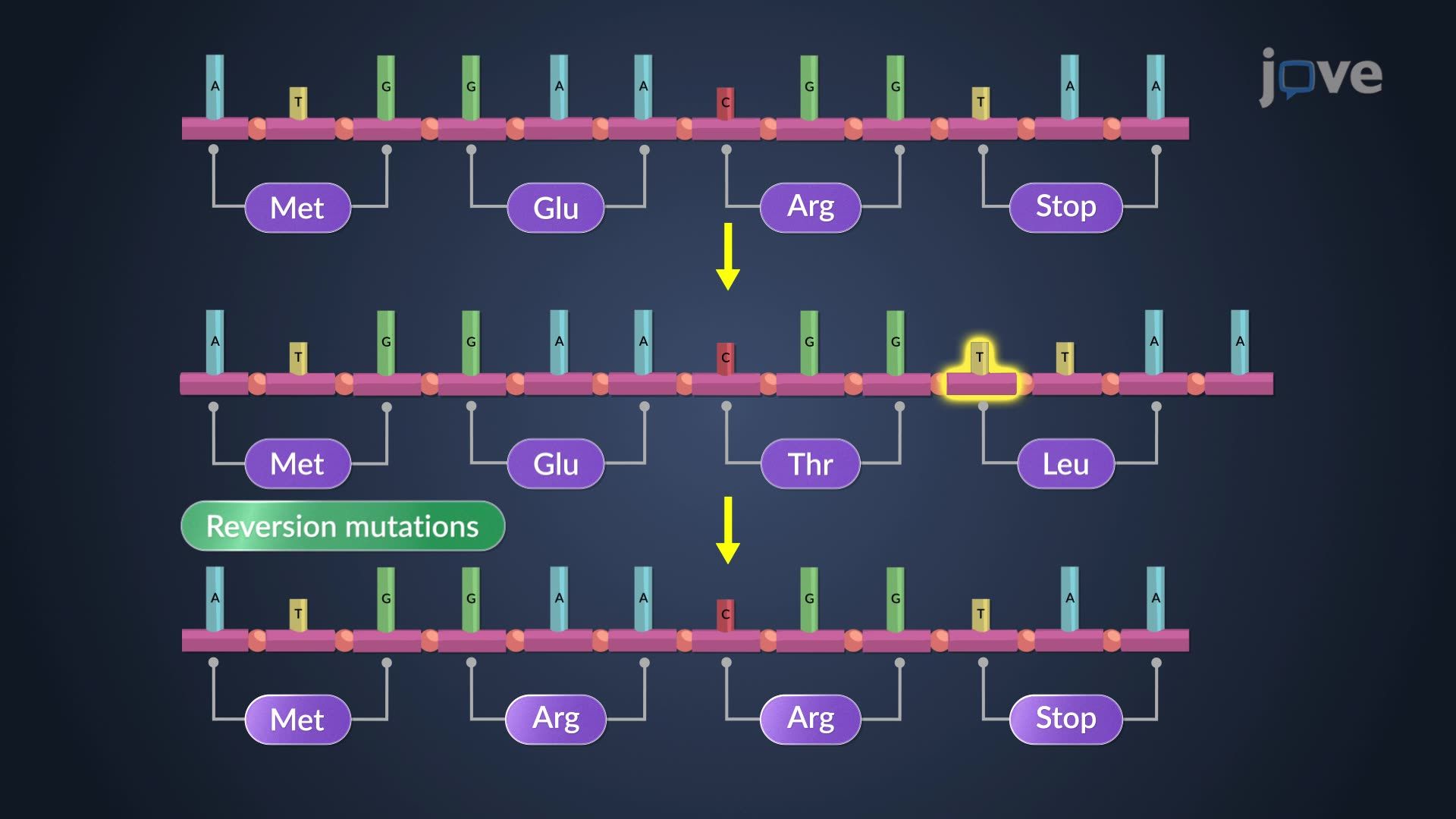
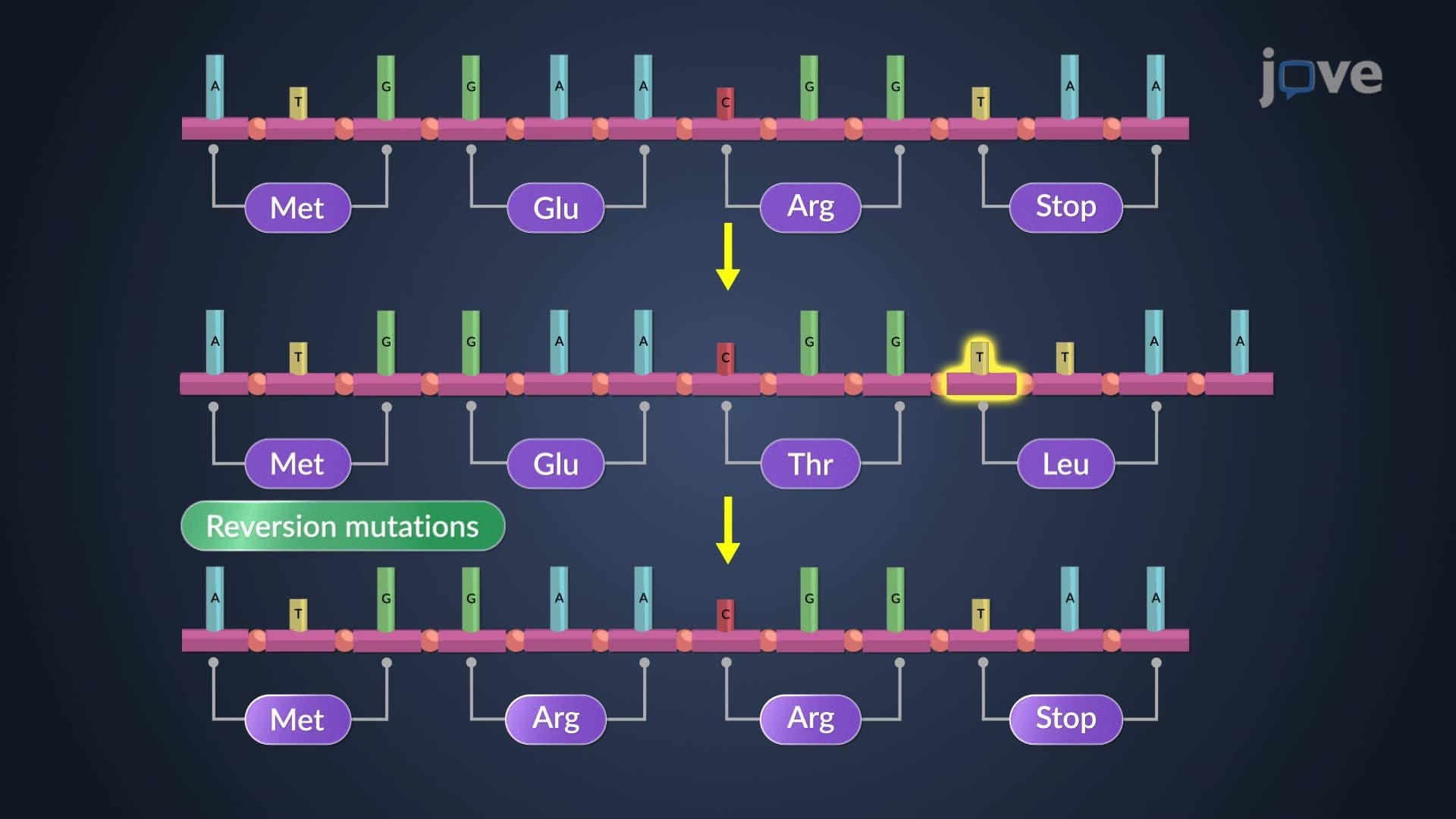
Frameshift mutations occur when insertions or deletions (indels) that are not multiples of three nucleotides shift the ribosome's reading frame. A single nucleotide insertion in a gene completely alters every subsequent codon, typically producing nonfunctional proteins. This concept challenges students to think beyond individual codons to understand how genetic information flows in triplet sequences.
College biochemistry courses emphasize how frameshift mutations in the BRCA1 gene contribute to hereditary breast cancer. These mutations often create premature stop codons downstream, eliminating the protein's DNA repair function and increasing cancer susceptibility.
Students preparing for standardized tests should understand that while large deletions can eliminate entire genes, smaller frameshifts usually prove more detrimental than point mutations because they affect multiple amino acids rather than single residues.
Related Micro-courses