Loading video…

 31 Concepts
 14.9K views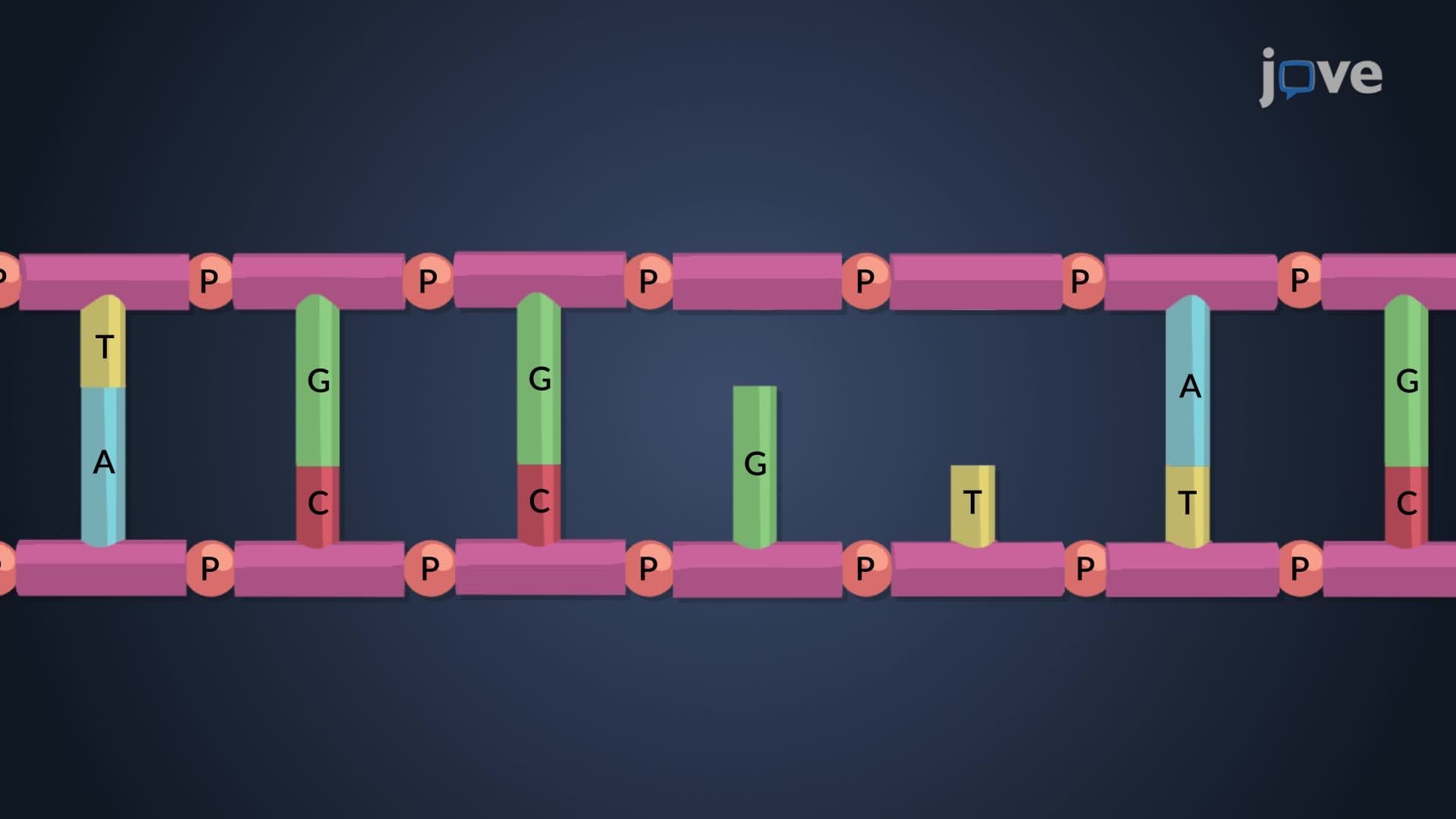

Video Summary: What are Spontaneous and Induced Mutations
Did you know that your DNA accumulates roughly 10,000 spontaneous mutations every single day? Spontaneous and induced mutations occur through fundamentally different mechanisms - while spontaneous mutations arise naturally from cellular processes like DNA replication errors and oxidative damage, induced mutations result from external factors such as chemicals and radiation. The skin cancer cases treated annually at MD Anderson Cancer Center in Texas often stem from UV-induced thymine dimers, demonstrating how understanding what are spontaneous and induced mutations becomes crucial for medical professionals. Watch the full video on JoVE Coach to master this concept with expert-led visuals and step-by-step explanations.
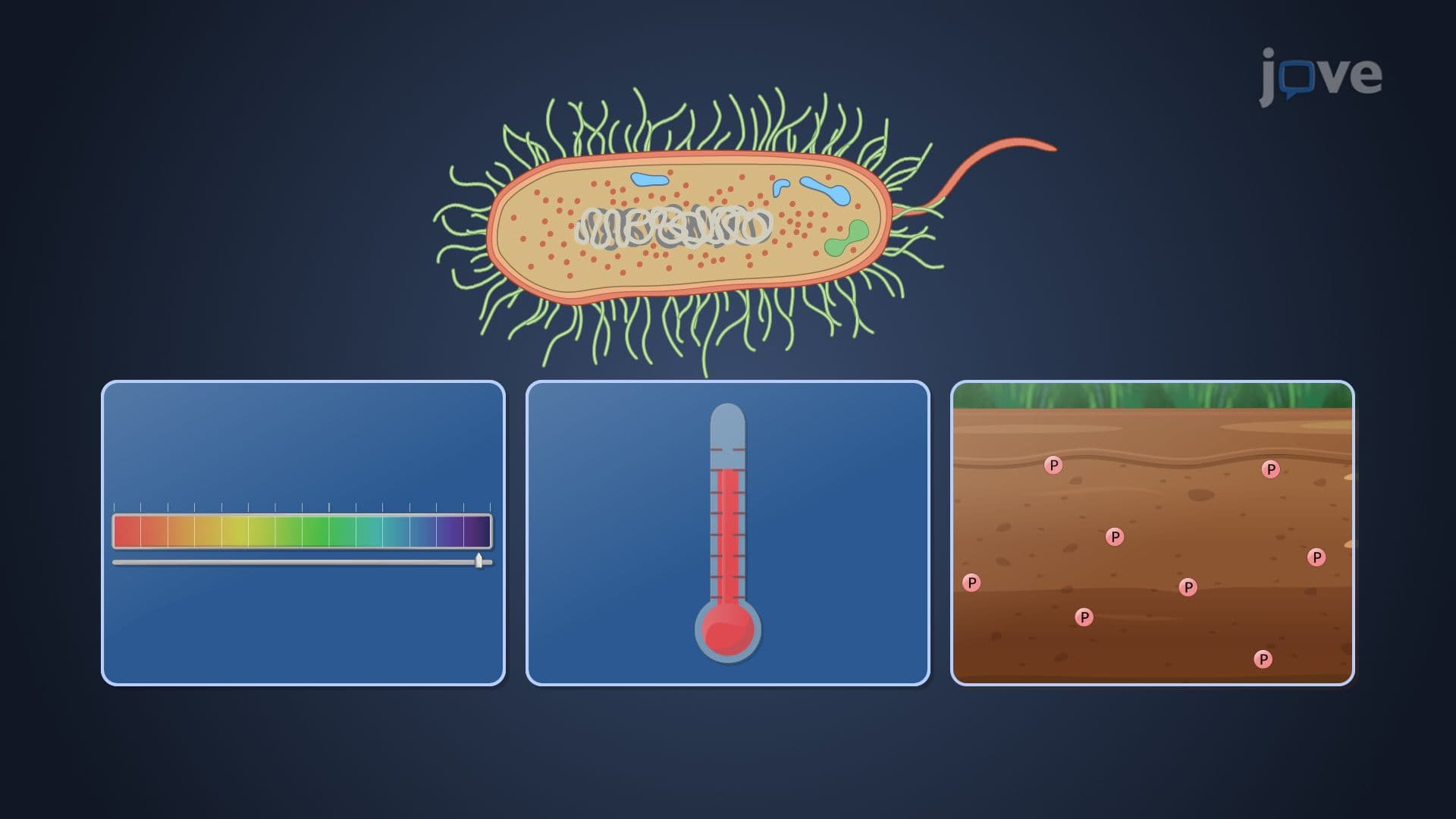
Spontaneous and induced mutations represent two fundamental categories of genetic alterations that drive evolution, disease, and cellular dysfunction. These mutations differ primarily in their causative mechanisms - spontaneous mutations arise from normal cellular processes, while induced mutations result from external mutagenic agents.
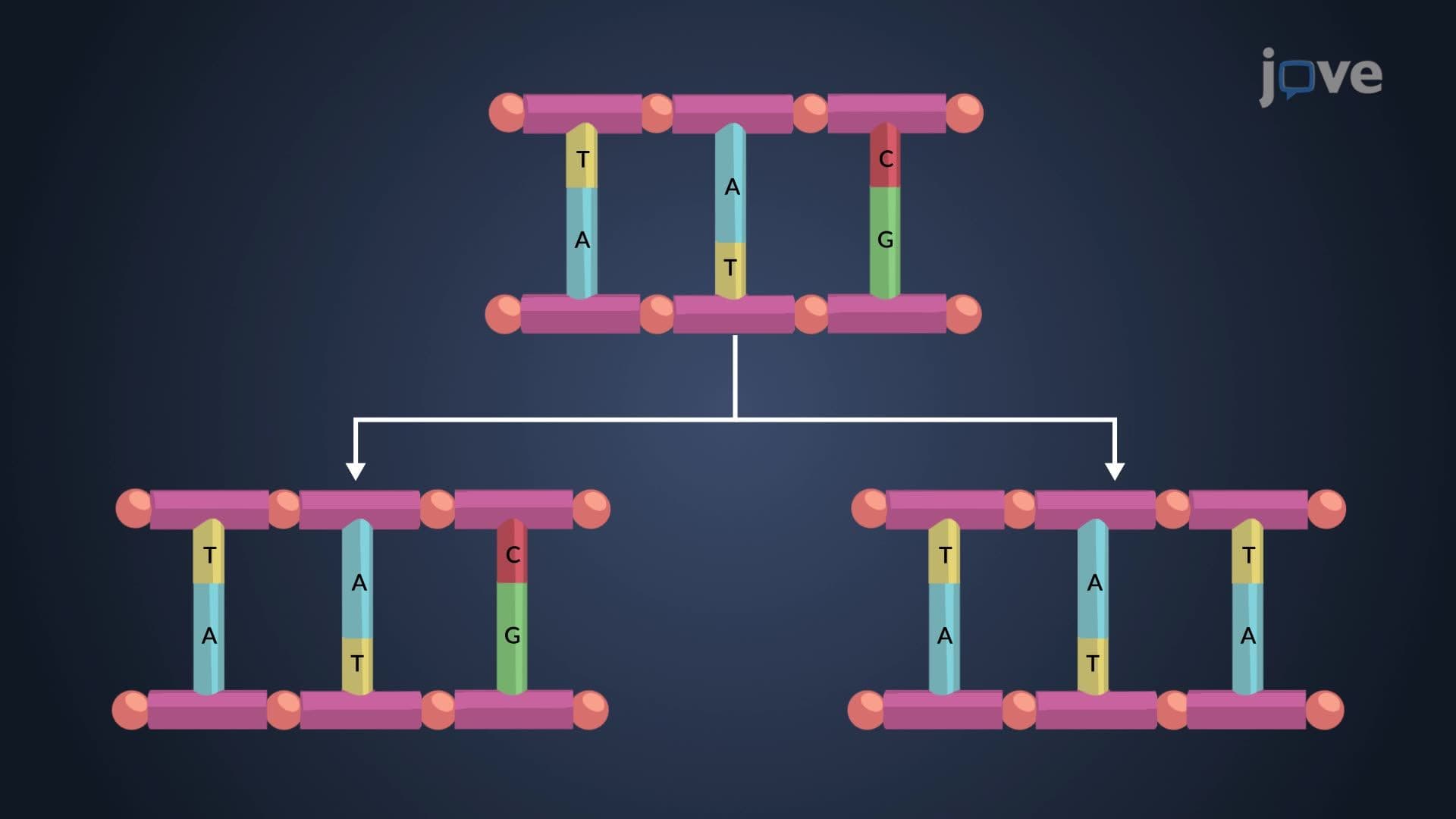
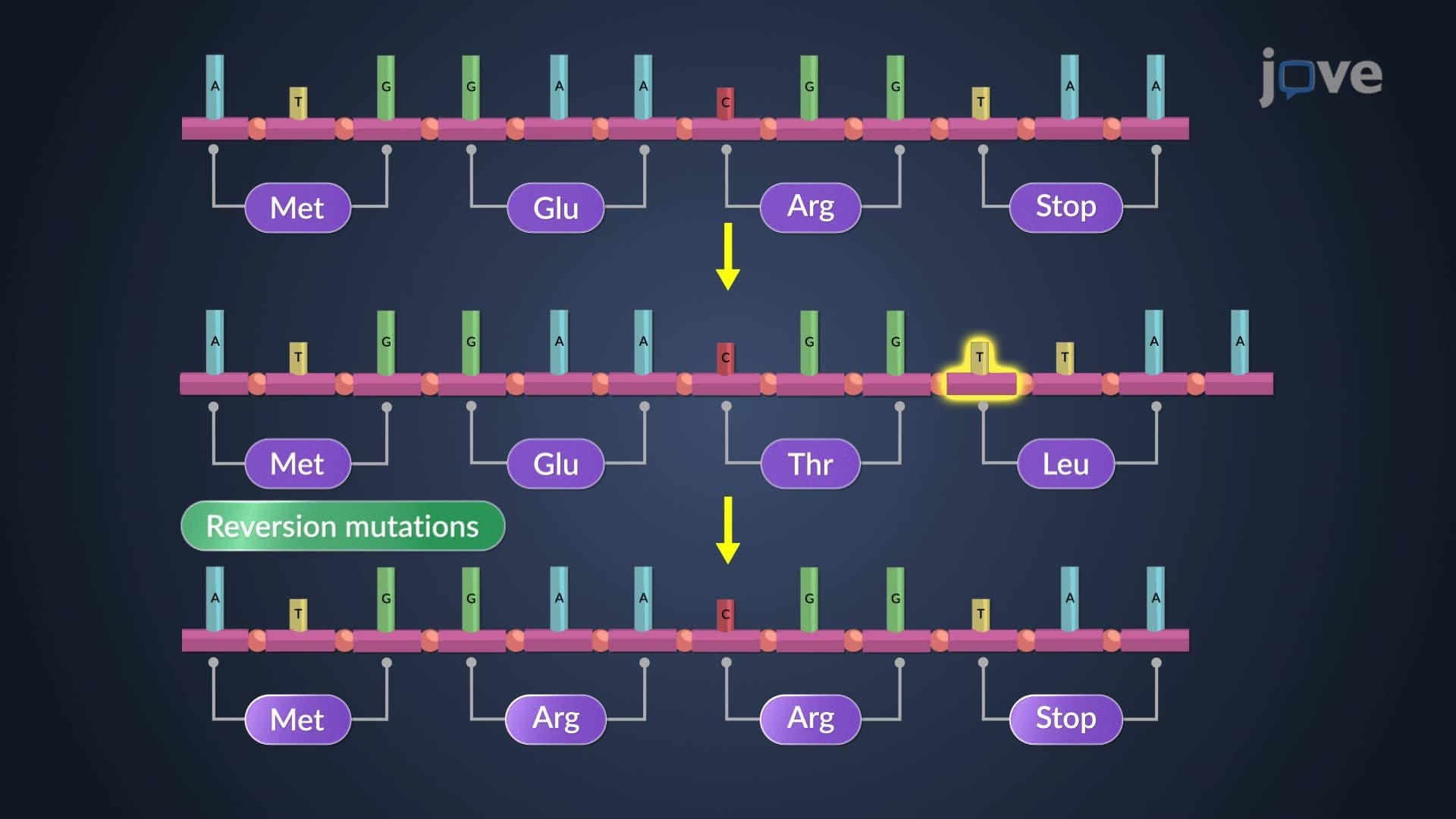
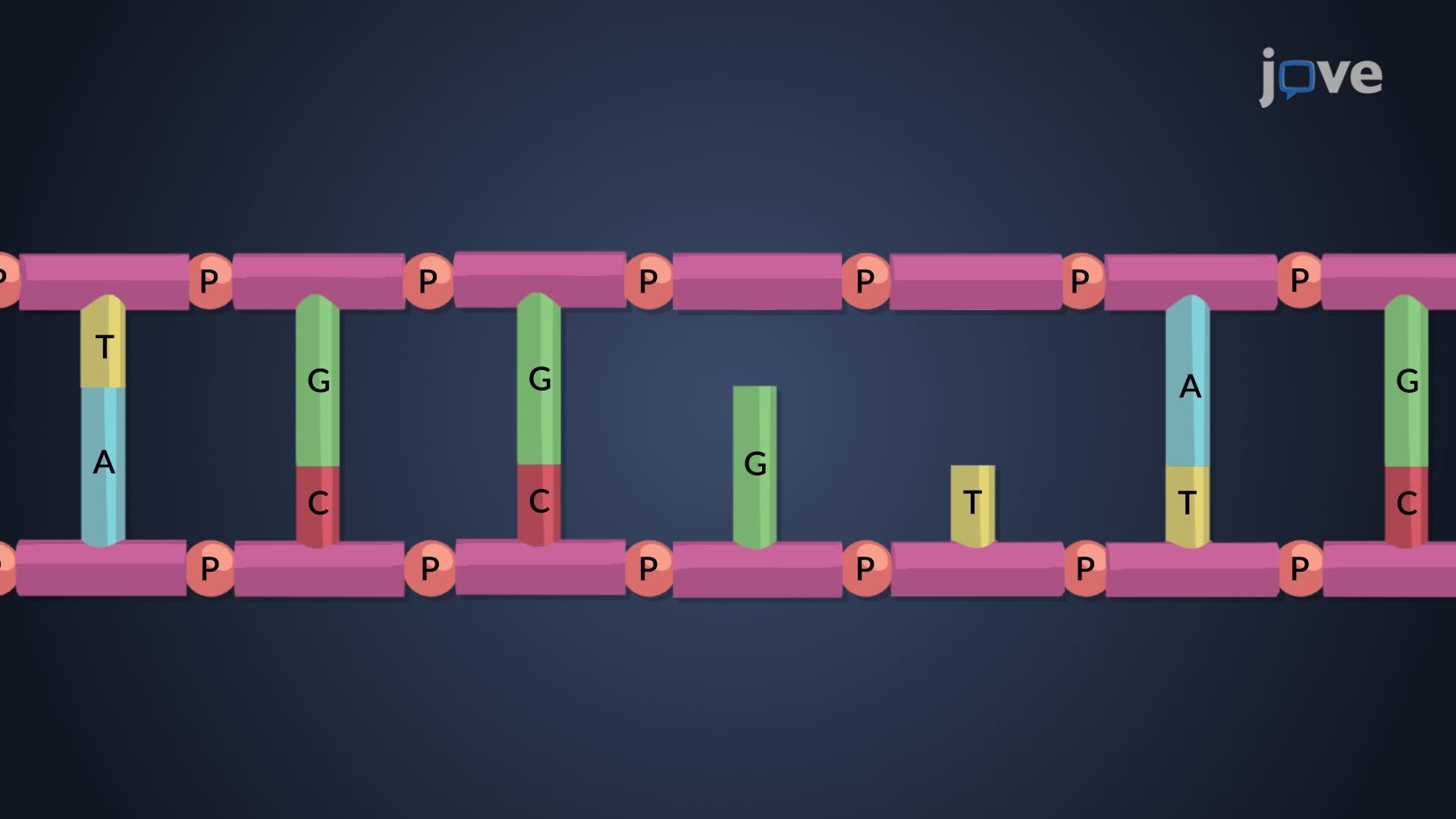
Spontaneous mutations occur at a baseline rate of approximately 10^-10 per nucleotide per cell division in human cells. DNA replication errors constitute the primary source, occurring when DNA polymerase incorporates incorrect nucleotides despite its 3' to 5' exonuclease proofreading activity. Slippage events during replication can create insertion or deletion mutations, particularly in repetitive sequences like microsatellites.
Tautomeric shifts represent another crucial mechanism where nitrogenous bases temporarily adopt alternative chemical forms. When cytosine shifts from its normal amino form to the rare imino tautomer, it pairs with adenine instead of guanine, leading to C-to-T transitions in subsequent replication cycles. These shifts explain why certain mutation hotspots exist in human genes, including the p53 tumor suppressor gene frequently mutated in cancers.
Reactive oxygen species generated during normal metabolism cause depurination and depyrimidination, creating abasic sites (AP sites) in DNA. If these lesions escape repair, DNA polymerase may insert random nucleotides during replication, generating point mutations. This mechanism contributes significantly to age-related genetic damage and cancer development.
Chemical mutagens encompass three major categories: base analogs, modifying agents, and intercalating compounds. 5-bromouracil, a thymine analog used in cancer chemotherapy, incorporates into replicating DNA and can adopt two tautomeric forms. In its rare enol form, it pairs with guanine instead of adenine, causing A-T to G-C transitions that can inactivate essential genes.
Alkylating agents like nitrogen mustards, used in cancer treatment at institutions like Memorial Sloan Kettering, directly modify DNA bases by adding alkyl groups. These modifications disrupt normal base-pairing and can cause cross-links between DNA strands, triggering cell death in rapidly dividing cancer cells.
Physical mutagens include both non-ionizing and ionizing radiation. Ultraviolet radiation, prevalent in sunlight, causes thymine dimers that distort the DNA double helix. If unrepaired, these lesions can lead to the characteristic C-to-T mutations seen in skin cancers. Ionizing radiation, including medical X-rays, generates highly reactive free radicals that cause both single and double-strand breaks, potentially leading to chromosomal rearrangements and deletions.
Understanding mutation mechanisms proves essential for MCAT preparation, particularly in passages involving cancer biology and genetic disorders. AP Biology students encounter these concepts when studying molecular genetics and evolution. Medical students at institutions like Johns Hopkins use this knowledge to understand cancer etiology, genetic counseling, and therapeutic mechanisms of chemotherapy drugs.
Related Micro-courses