Loading subject page…

14,826 views

Video Summary: What are Transposons
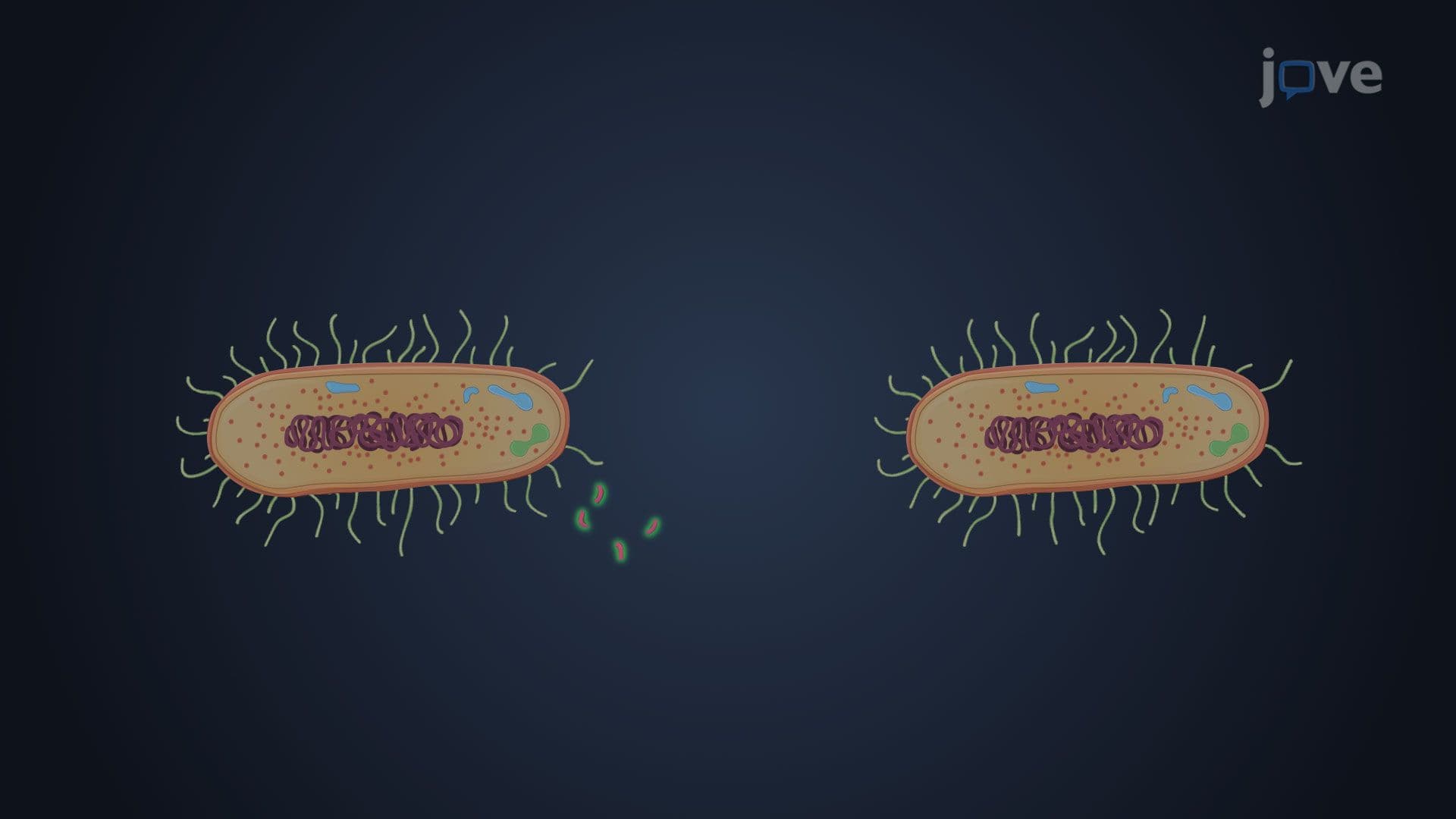
Did you know that DNA fragments called transposons can literally "jump" between different bacterial genomes, spreading antibiotic resistance across hospital infections? Transposons are mobile genetic elements that move within and between chromosomes, fundamentally changing how organisms evolve and adapt. A prime example is how vancomycin-resistant enterococci (VRE) transfers resistance genes to methicillin-resistant Staphylococcus aureus (MRSA) in US hospitals through transposon activity. What are transposons and how do they impact bacterial pathogenicity? Watch the full video on JoVE Coach to master this concept with expert-led visuals and step-by-step explanations.
Transposons represent one of nature's most ingenious mechanisms for genetic mobility and adaptation. These mobile genetic elements function as biological "cut-and-paste" tools, enabling DNA sequences to relocate within genomes or transfer between entirely different organisms. Unlike static genes that remain fixed in chromosomal positions, transposons possess the remarkable ability to excise themselves and integrate into new genomic locations.
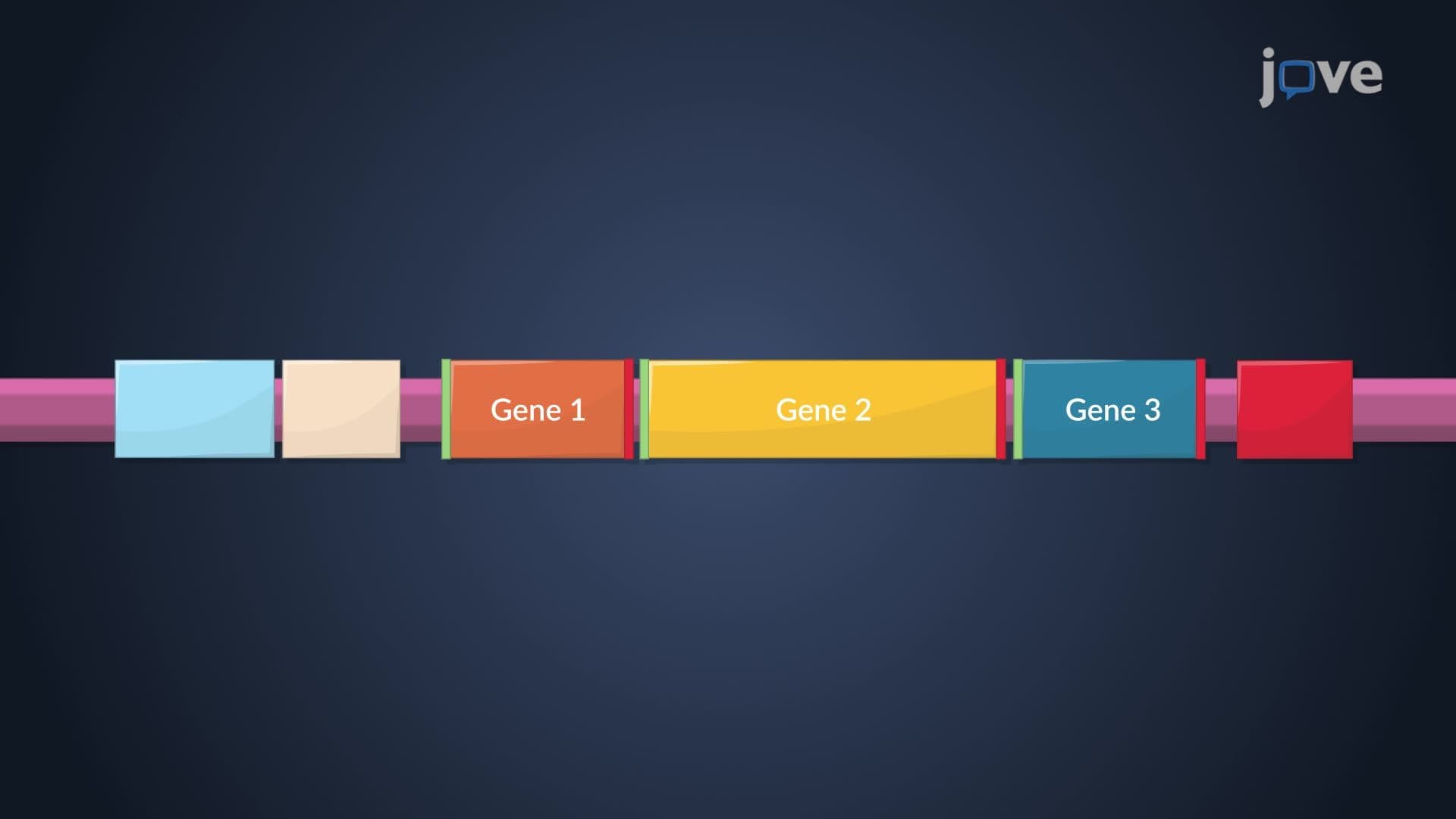
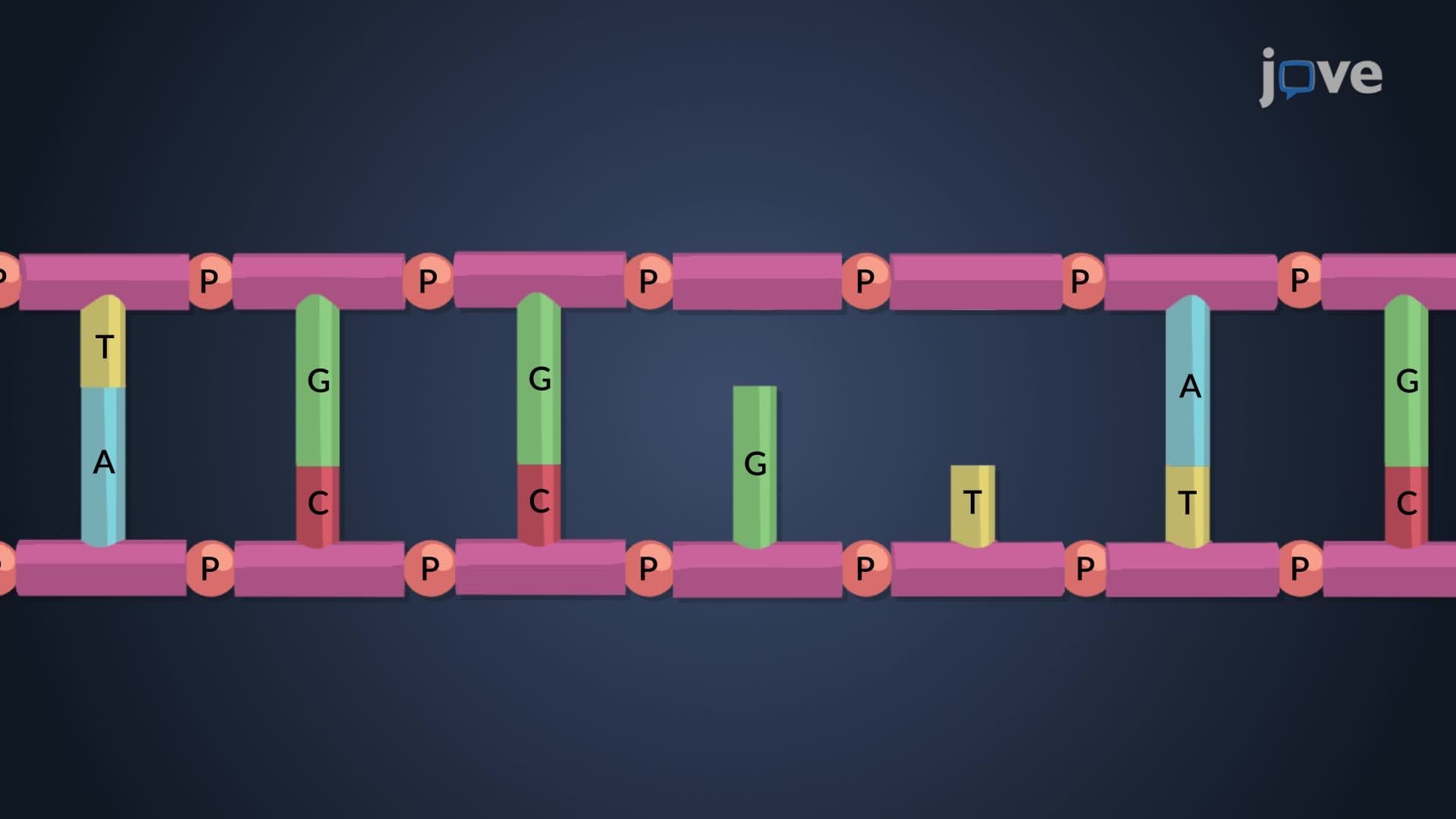
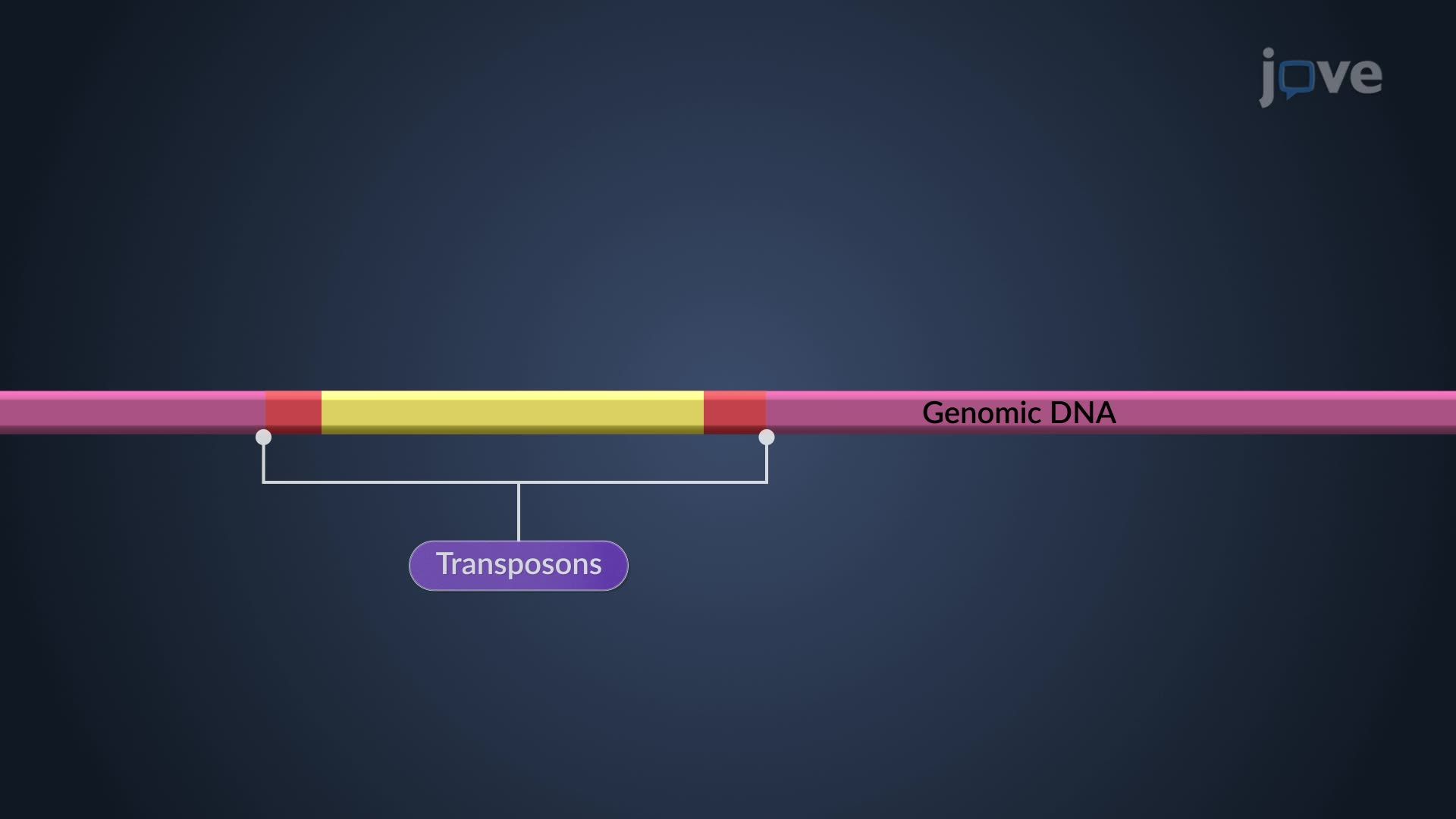
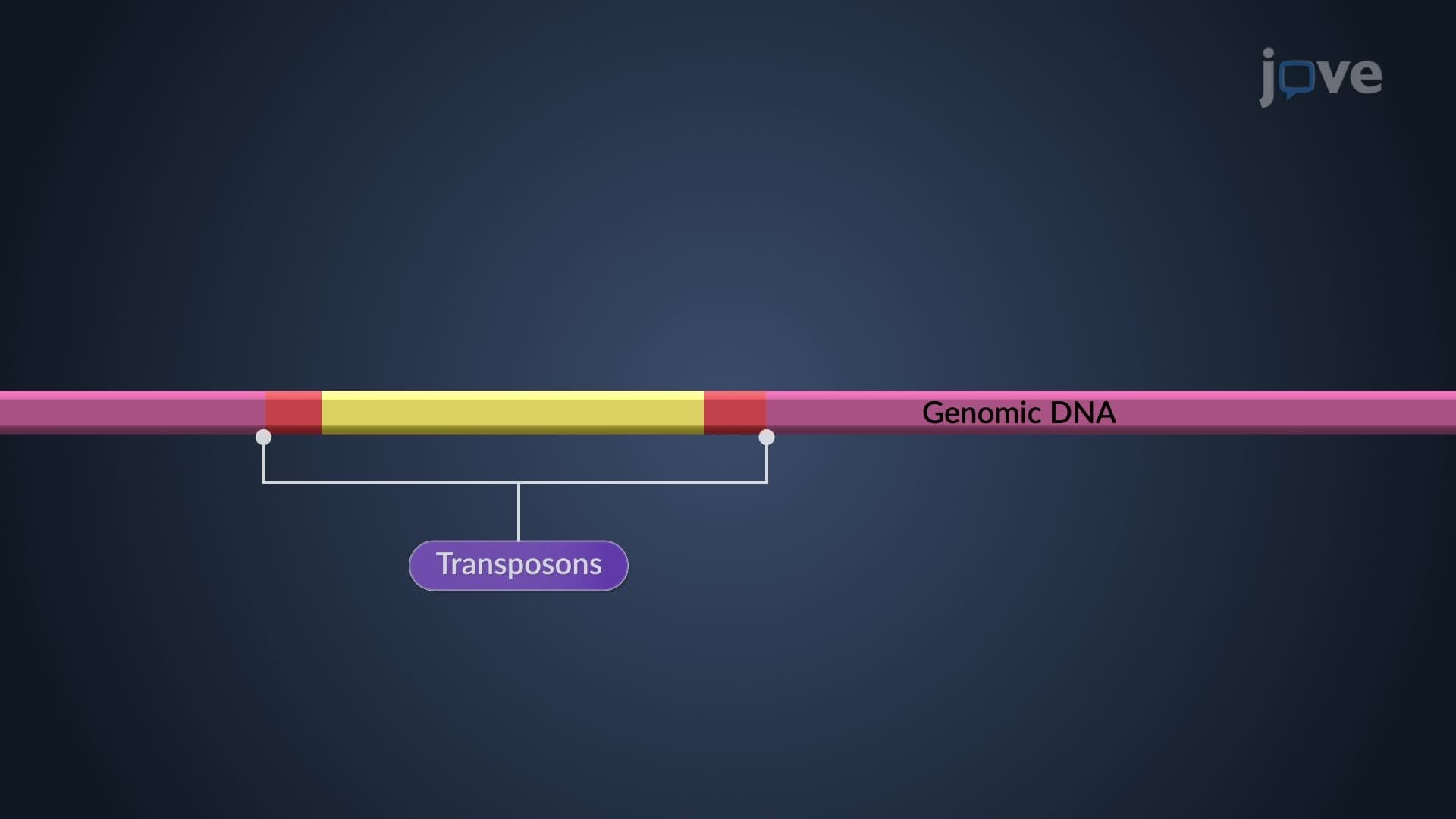
The structural organization of transposons reflects their functional sophistication. At their core, these elements contain transposase genes flanked by inverted repeat sequences that serve as recognition sites. The transposase enzyme acts as molecular scissors, precisely cutting DNA at these terminal repeats and facilitating the movement process. This elegant design ensures accurate excision and insertion while maintaining genomic stability.
Insertion sequences represent the simplest transposon category, containing only the essential transposase gene and its flanking inverted repeats. These minimalist elements demonstrate that even basic transposon structures can effectively mediate genetic mobility. In contrast, composite transposons carry additional genetic cargo, including antibiotic resistance genes, toxin production factors, or metabolic enzymes that provide selective advantages to host organisms.
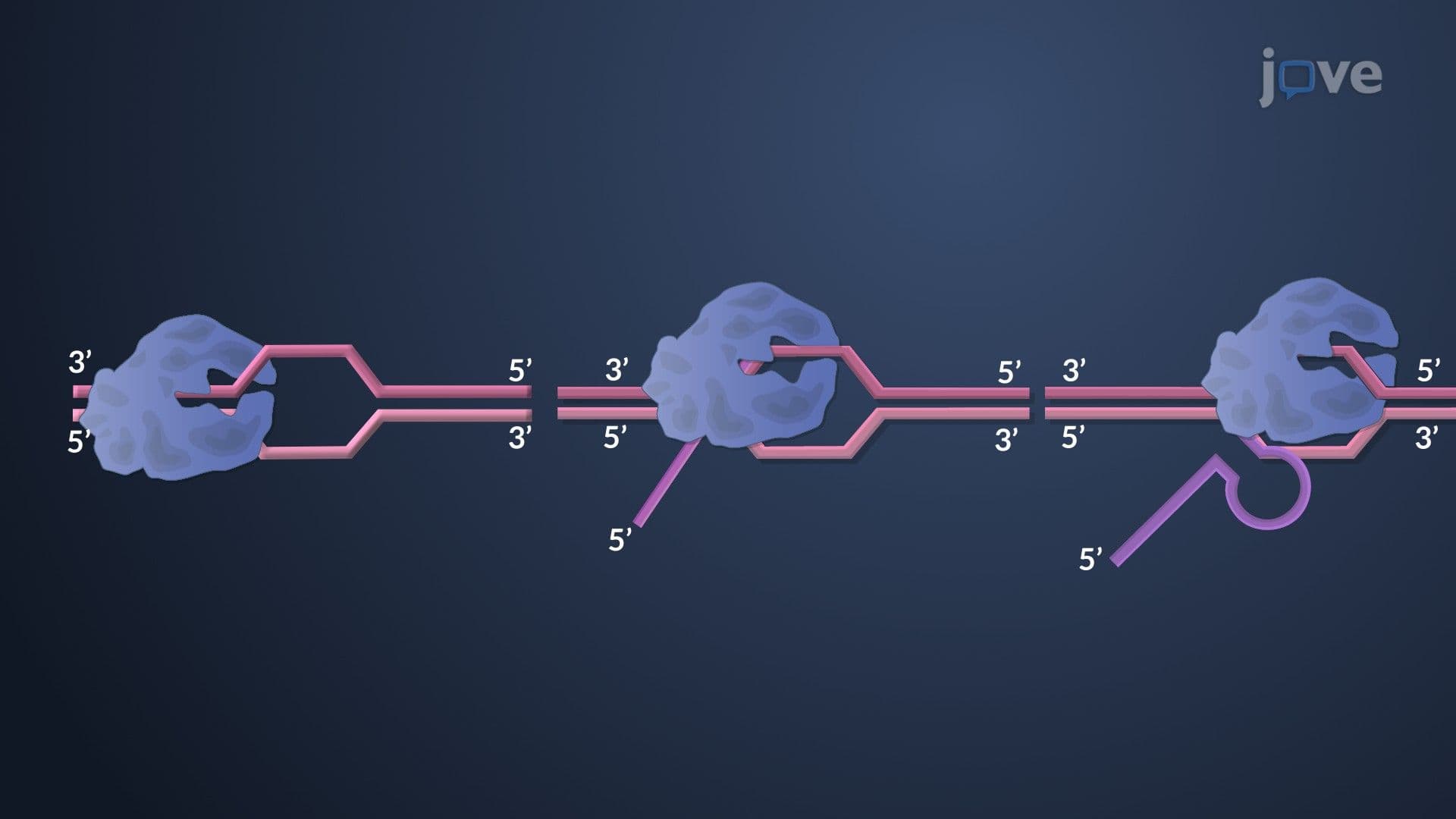
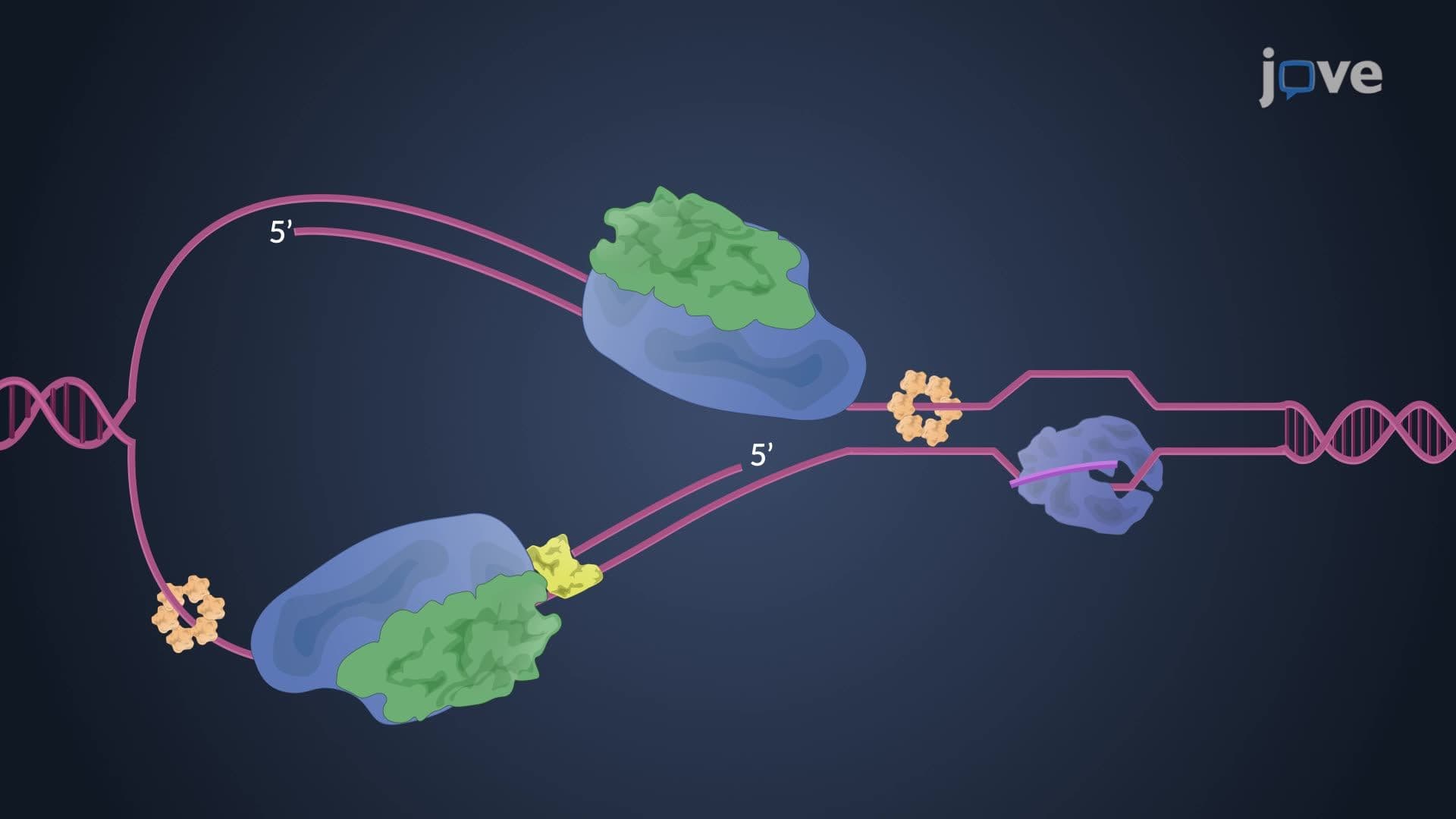
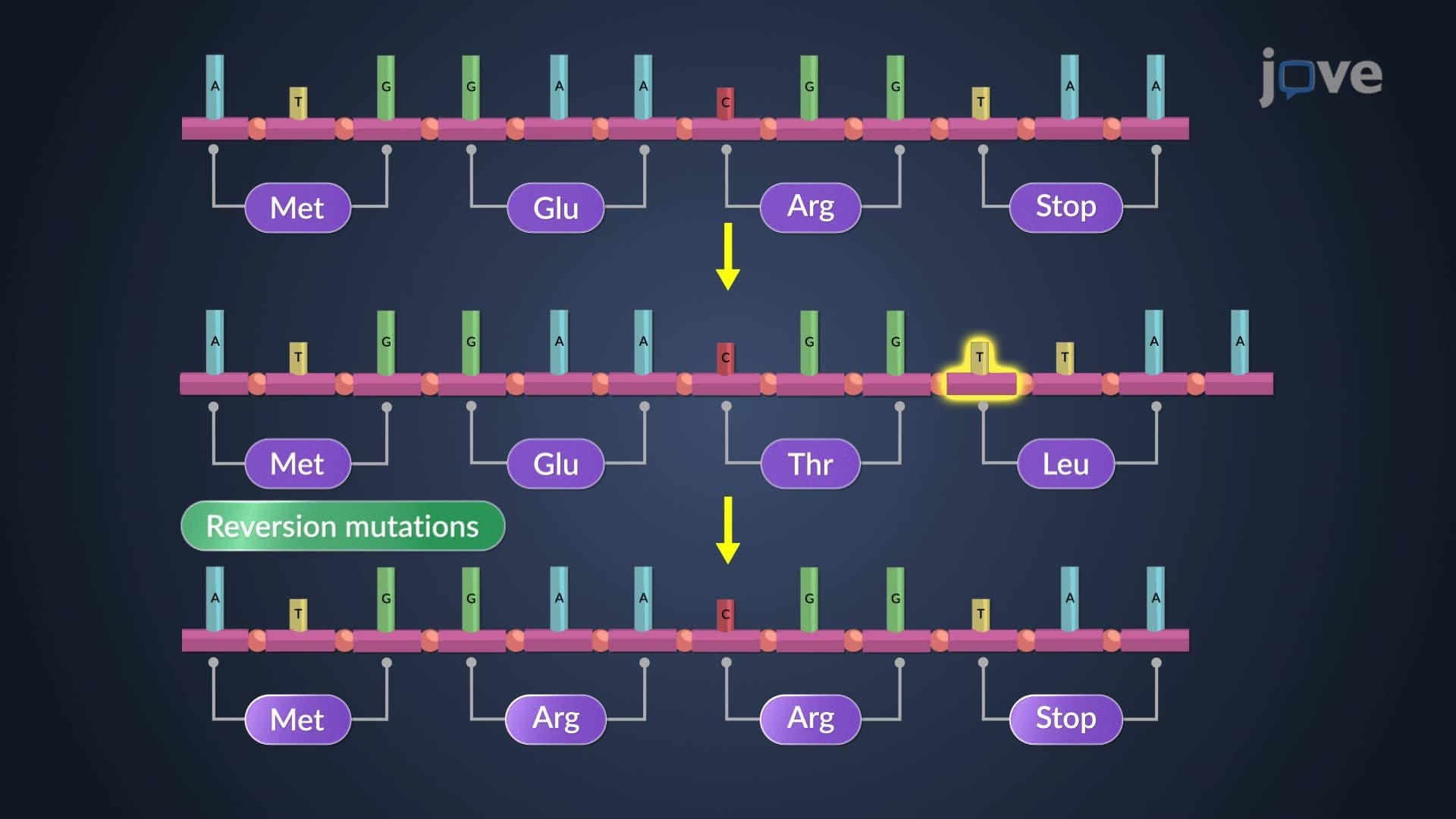
The mechanics of transposition occur through two primary pathways. Simple transposition involves complete excision of the transposon from its original location, followed by integration at a new site. During this process, target site duplication creates short flanking repeats that serve as molecular fingerprints of transposon activity. Replicative transposition takes a different approach, creating copies of the transposon while leaving the original element intact, effectively amplifying the mobile genetic content within genomes.
The medical implications of transposon activity have become increasingly critical in US healthcare systems. The Centers for Disease Control and Prevention (CDC) identifies transposon-mediated resistance transfer as a major contributor to the spread of multidrug-resistant organisms. The classic example involves vancomycin resistance genes transferring from Enterococcus faecalis to Staphylococcus aureus through transposon Tn1546, creating vancomycin-resistant S. aureus strains that challenge treatment protocols.
Students preparing for the MCAT, AP Biology, or undergraduate microbiology courses should understand how transposons contribute to bacterial evolution and antibiotic resistance emergence. These mobile elements facilitate rapid adaptation to selective pressures, including antibiotic exposure in clinical environments. Pathogenic bacteria like Bordetella pertussis, Yersinia pestis, and Shigella species utilize transposon-mediated chromosomal rearrangements to enhance virulence and immune evasion capabilities.
Related Micro-courses