Loading subject page…


14,827 views


Video Summary: What Is Bacterial Protein Maturation
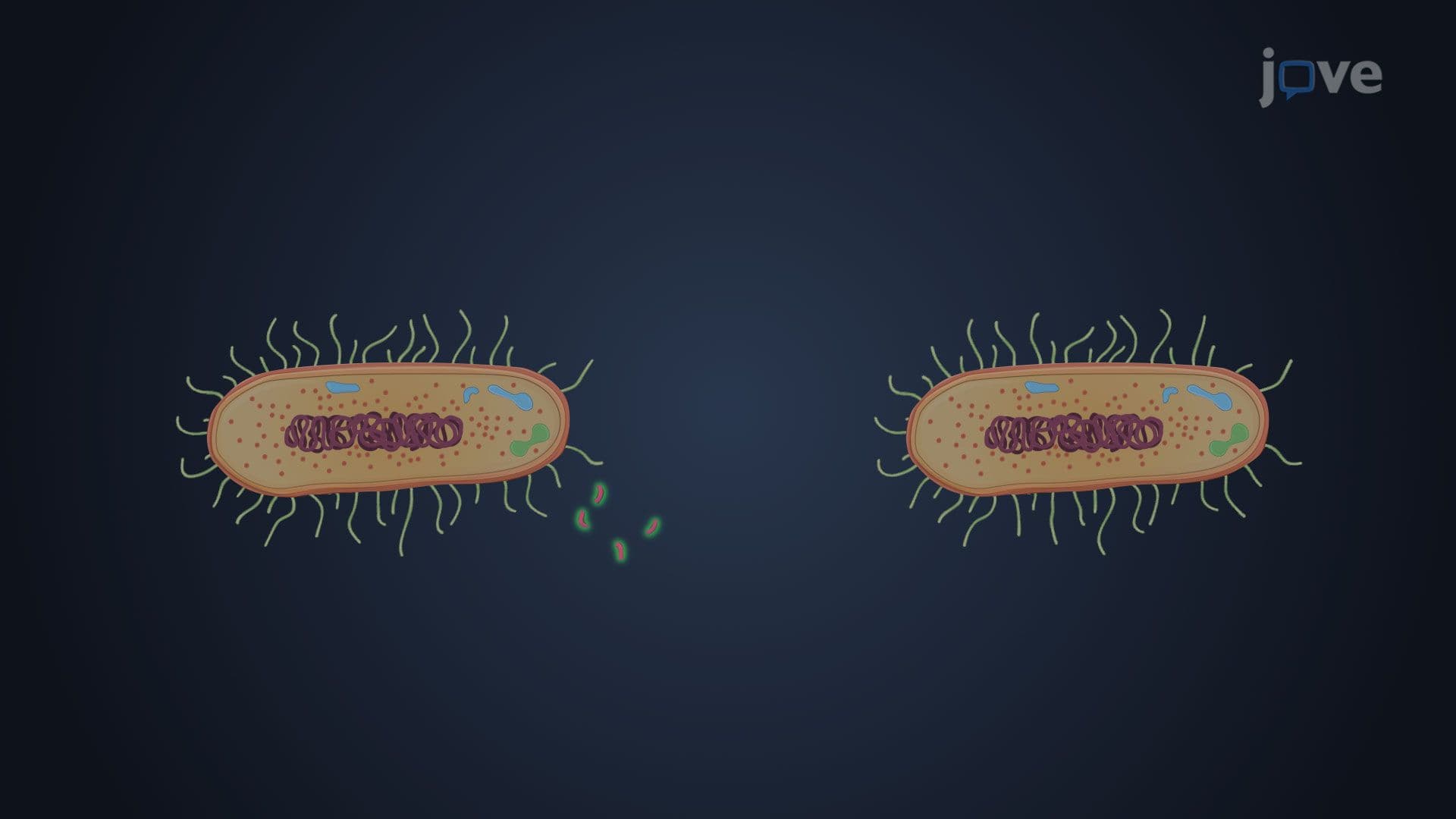
Ever wonder how bacteria like *E. coli* in your gut manage to produce thousands of perfectly functional proteins every second? Bacterial protein maturation is the sophisticated cellular process that transforms newly synthesized protein chains into their final, functional forms through folding assistance and chemical modifications. From the antibiotic-producing *Streptomyces* bacteria used in pharmaceutical manufacturing to the probiotic cultures in yogurt, this process ensures proteins work correctly. Watch the full video on JoVE Coach to master this concept with expert-led visuals and step-by-step explanations.
Bacterial protein maturation represents one of biology's most elegant quality control systems. Unlike the complex organellar structures found in human cells, bacteria must accomplish sophisticated protein processing within their relatively simple cellular architecture. This process begins even before protein synthesis completes, making it remarkably efficient for rapid bacterial reproduction.
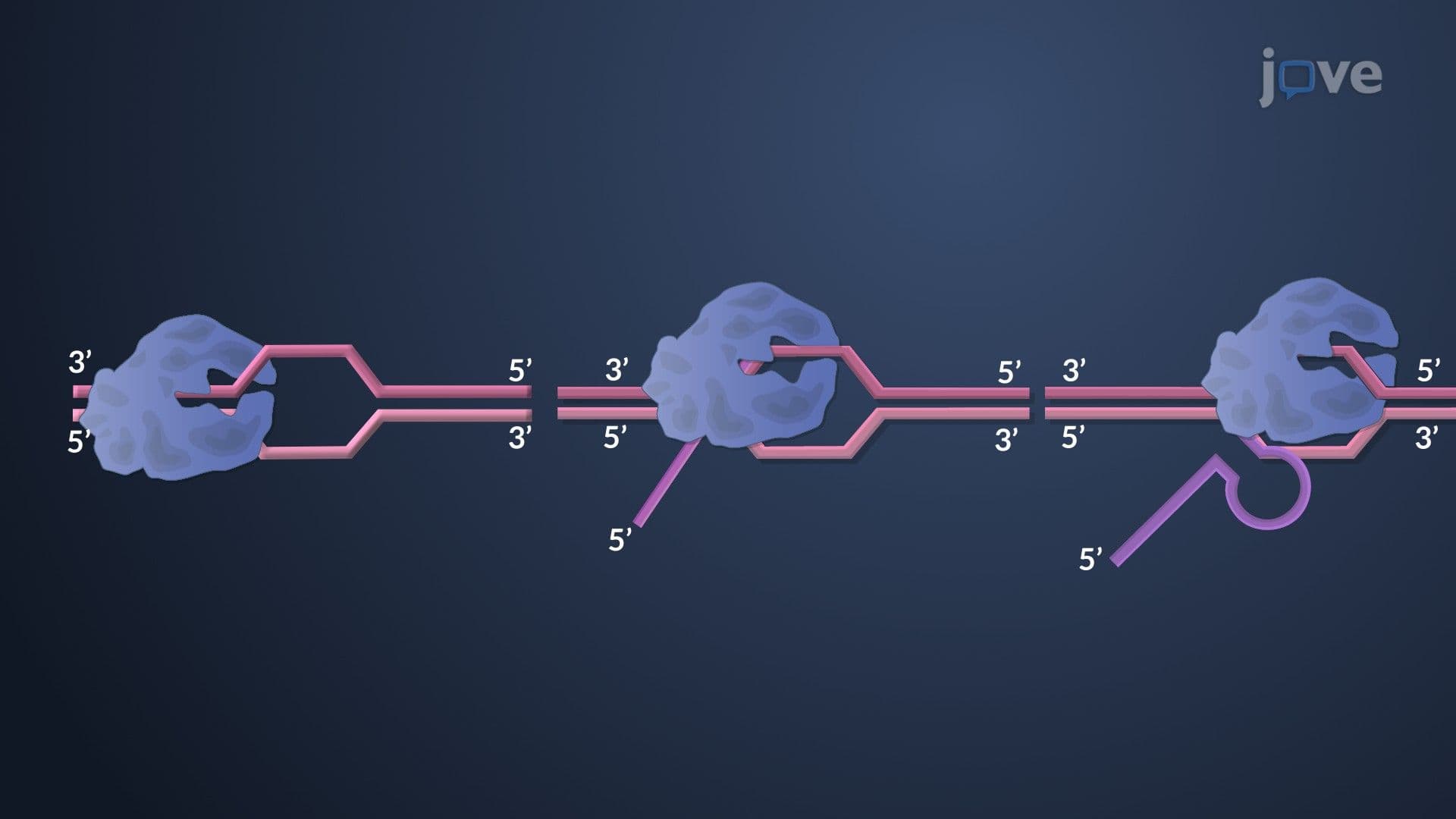
The maturation journey starts immediately during translation. As ribosomes synthesize new proteins, specific enzymes remove the N-formyl group from the initial N-formylmethionine residue-a unique bacterial feature absent in eukaryotic cells. This modification, along with potential amino acid trimming, prepares the protein for proper folding. Understanding this process is crucial for AP Biology students studying prokaryotic gene expression and appears frequently on MCAT biochemistry sections.
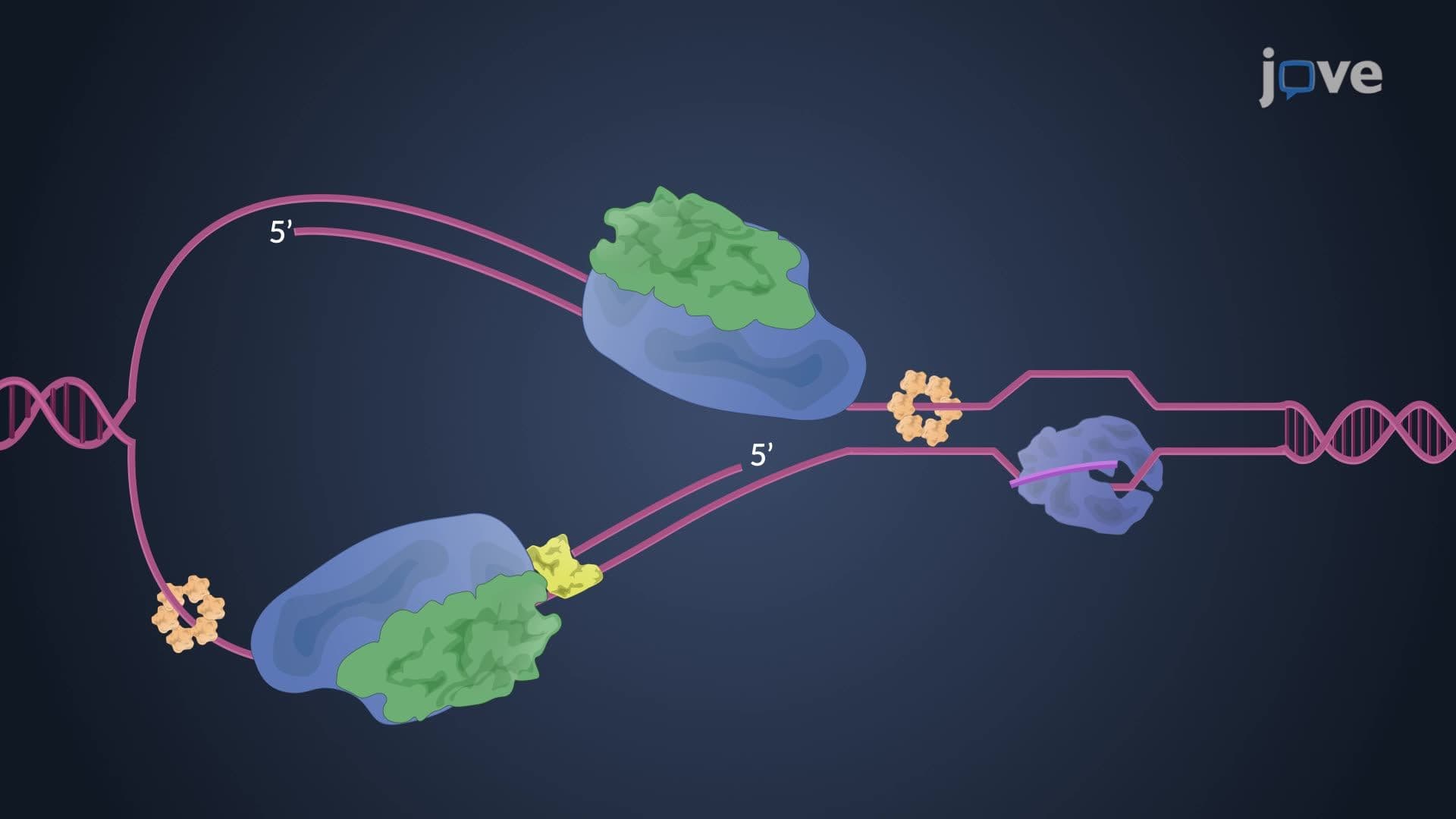
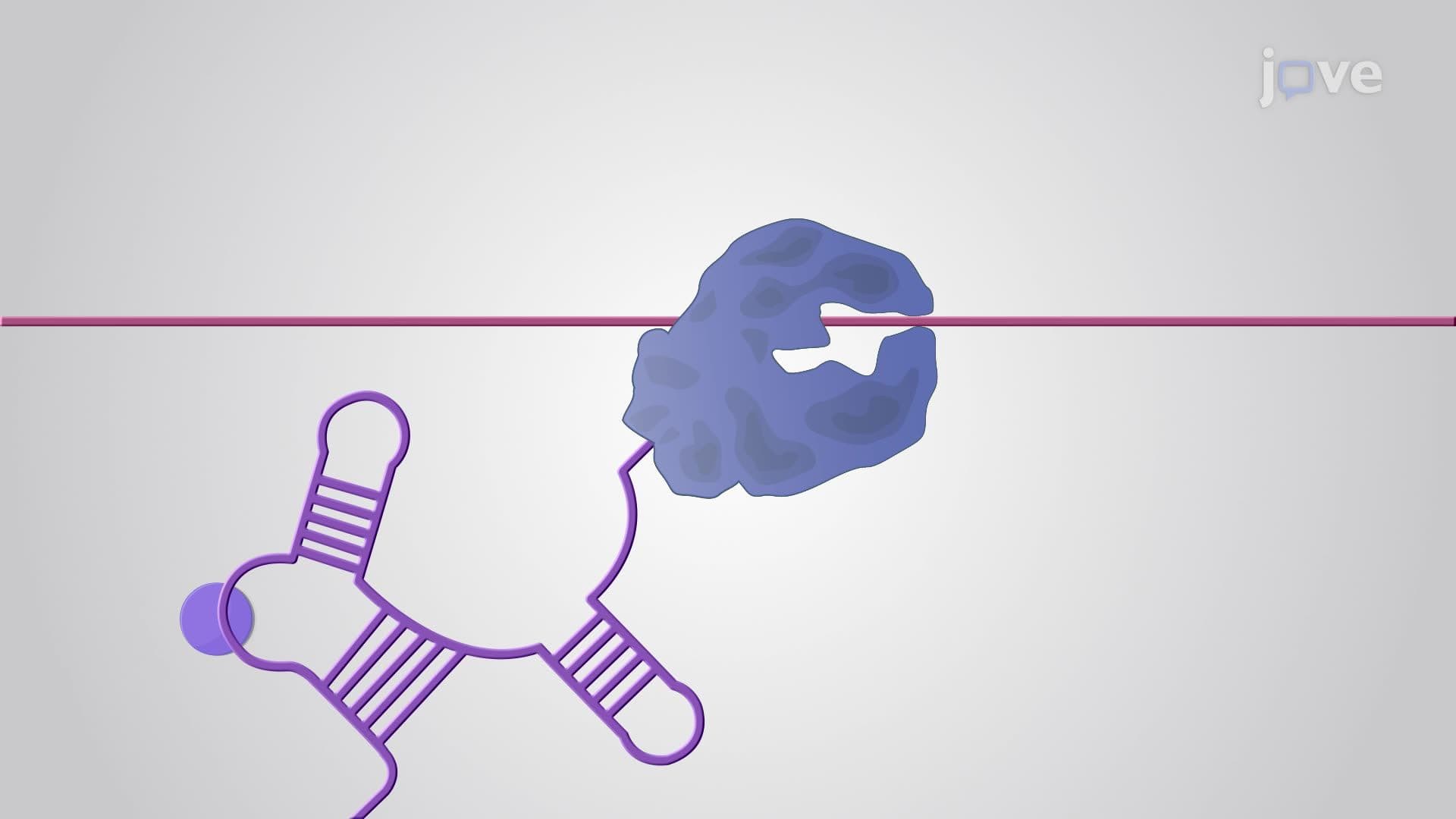
Bacterial cells employ a sophisticated network of molecular chaperones to ensure proper protein folding. The trigger factor represents the first line of defense-an ATP-independent chaperone that binds directly to ribosomes, preventing premature folding as proteins emerge. For more complex proteins requiring additional assistance, the DnaK/DnaJ system (bacterial equivalent of human Hsp70) uses ATP energy to prevent misfolding and aggregation.
The most fascinating component involves the GroEL/GroES barrel-shaped complex, often called the "Anfinsen cage" after Nobel laureate Christian Anfinsen's protein folding work. This system encapsulates misfolded proteins in an isolated chamber, providing optimal conditions for refolding attempts. This concept frequently appears in college biochemistry courses and USMLE Step 1 questions about cellular stress responses.
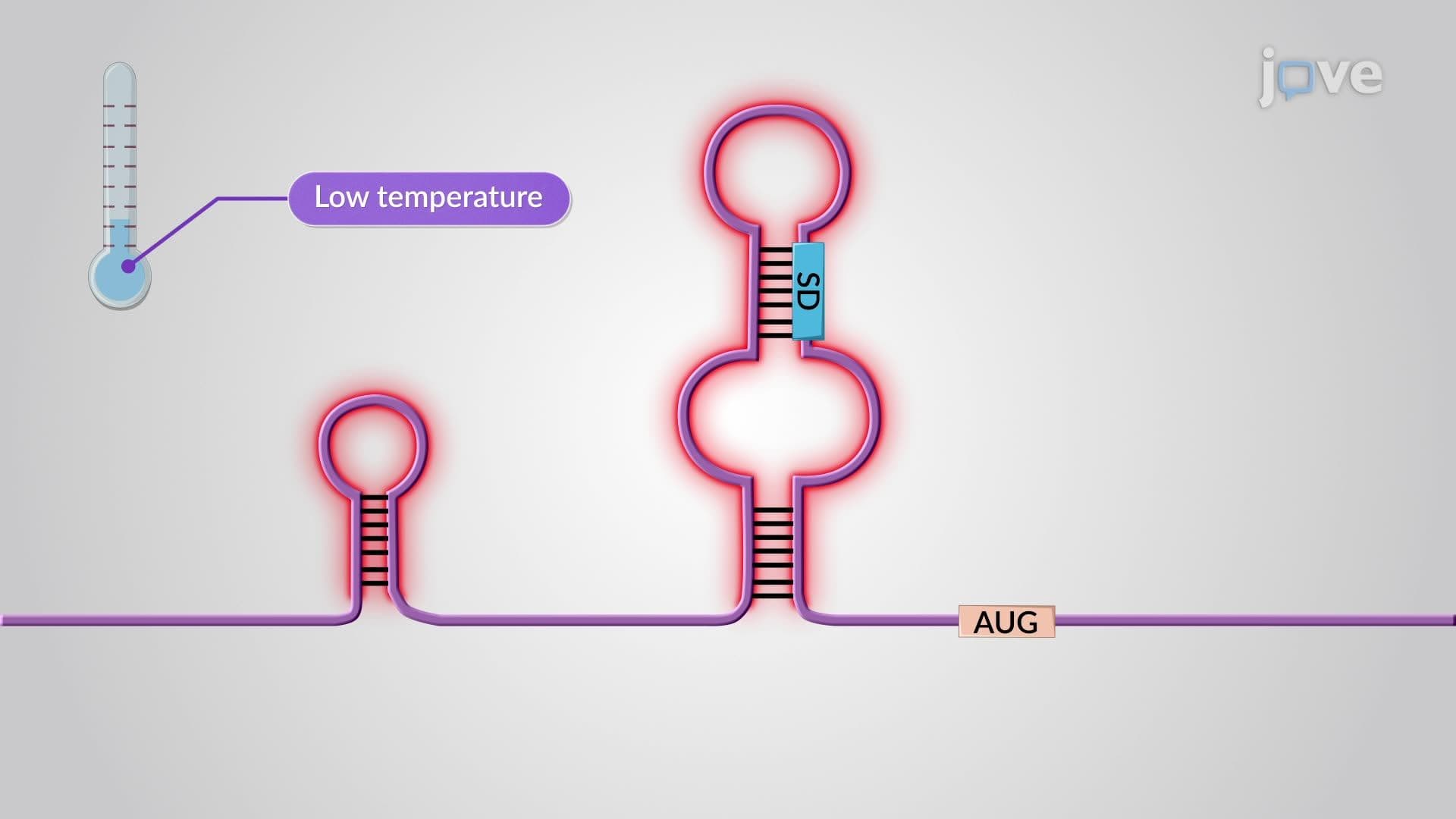
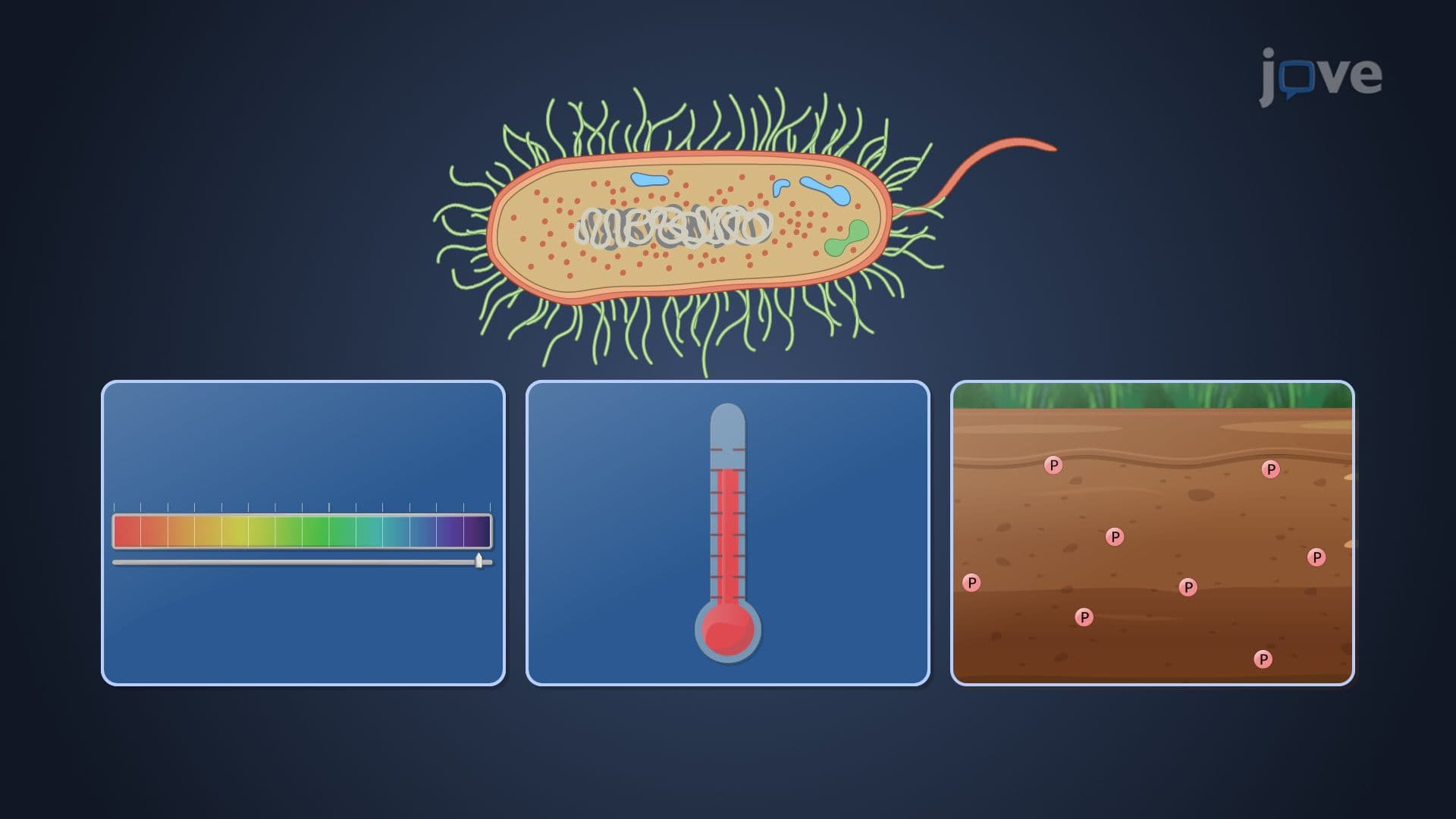
Bacterial protein maturation adapts dynamically to environmental challenges. Heat shock proteins activate during fever responses, explaining why some bacterial infections become more virulent at body temperature. Conversely, cold shock proteins like CspA ensure continued protein synthesis in refrigerated conditions-critical knowledge for food safety professionals and clinical microbiologists.
This adaptability has significant implications for antibiotic resistance. Bacteria experiencing drug-induced stress often upregulate chaperone systems, potentially helping resistance proteins fold correctly. Understanding these mechanisms helps explain why some bacterial infections require specific temperature-controlled treatment protocols in US hospitals.
Related Micro-courses