Loading subject page…

14,827 views

Video Summary: What Is Chemotaxis in E Coli
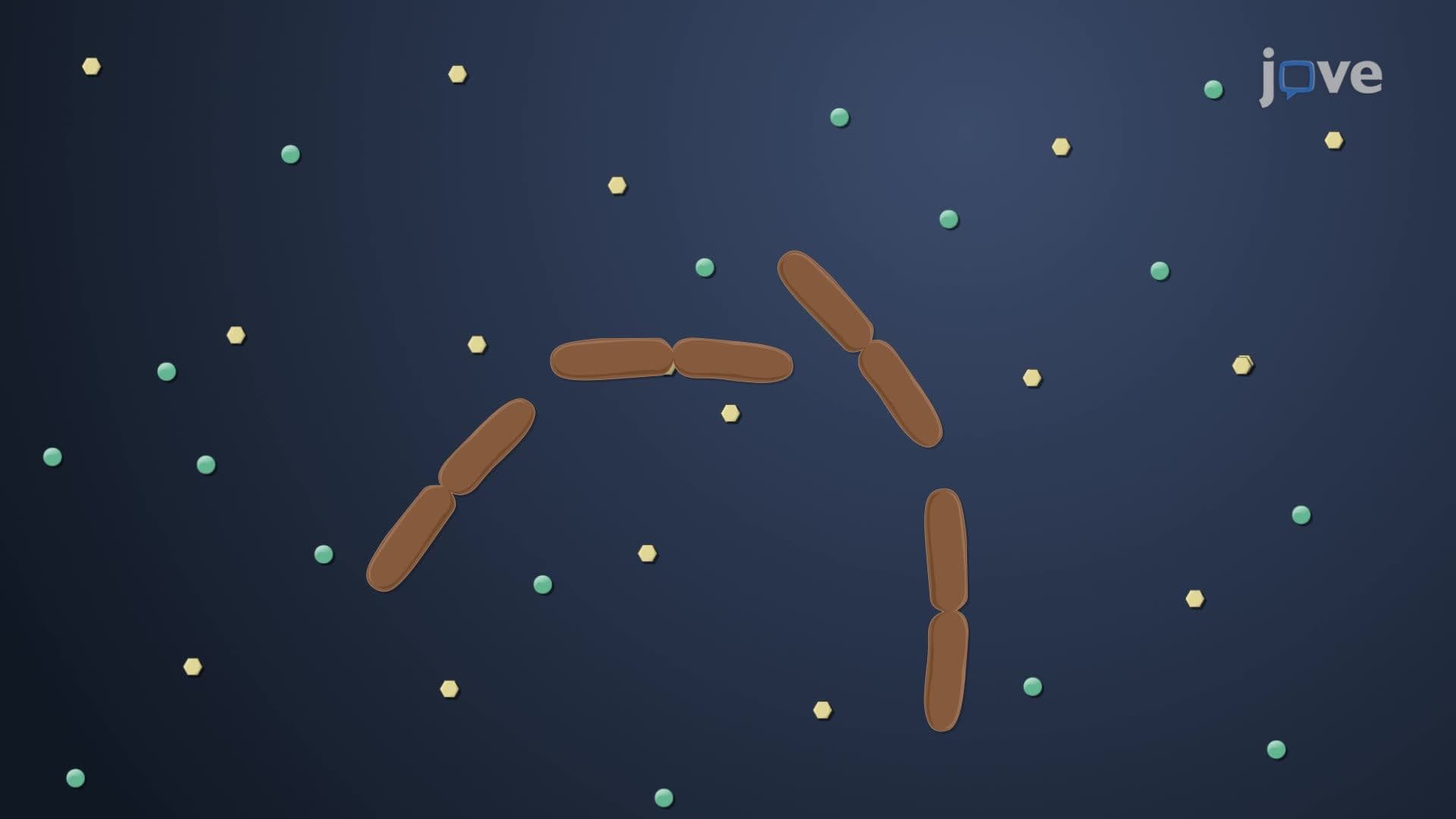
Ever wonder how bacteria like E. coli can "smell" their way to food? Chemotaxis in E. coli is the remarkable process that allows these microscopic organisms to navigate chemical gradients in their environment. This sophisticated cellular GPS system helps E. coli bacteria in your gut move toward nutrients like glucose while avoiding harmful toxins. Through specialized surface receptors called methyl-accepting chemotaxis proteins (MCPs), E. coli detects chemical changes and adjusts its swimming pattern accordingly. Watch the full video on JoVE Coach to master this concept with expert-led visuals and step-by-step explanations.
Chemotaxis in E. coli represents one of nature's most elegant examples of cellular decision-making. This process allows bacteria to make intelligent choices about where to move based on chemical information in their environment. For high school students studying AP Biology or college undergraduates in introductory microbiology courses, understanding chemotaxis provides crucial insights into signal transduction, protein interactions, and evolutionary biology.
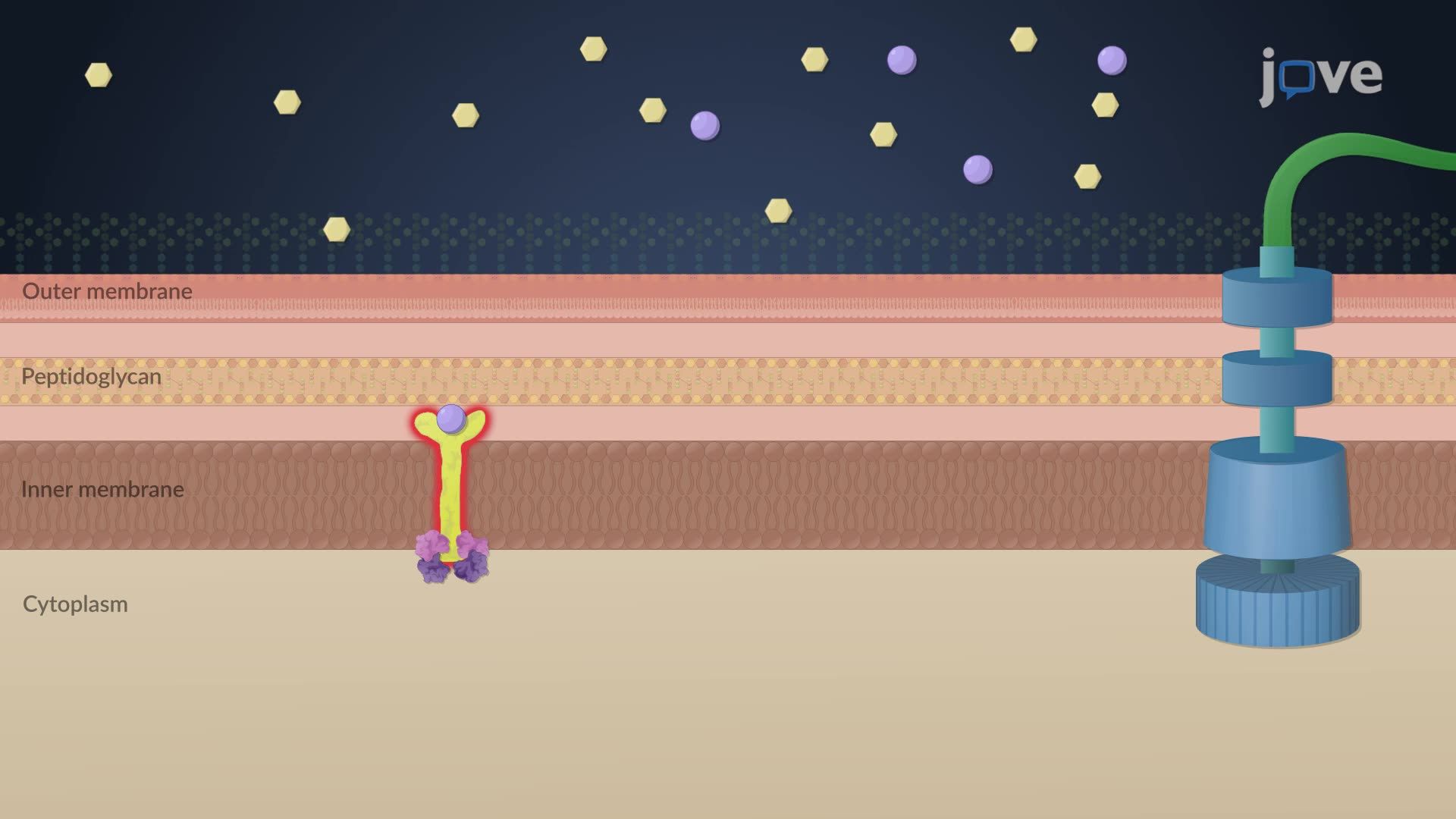
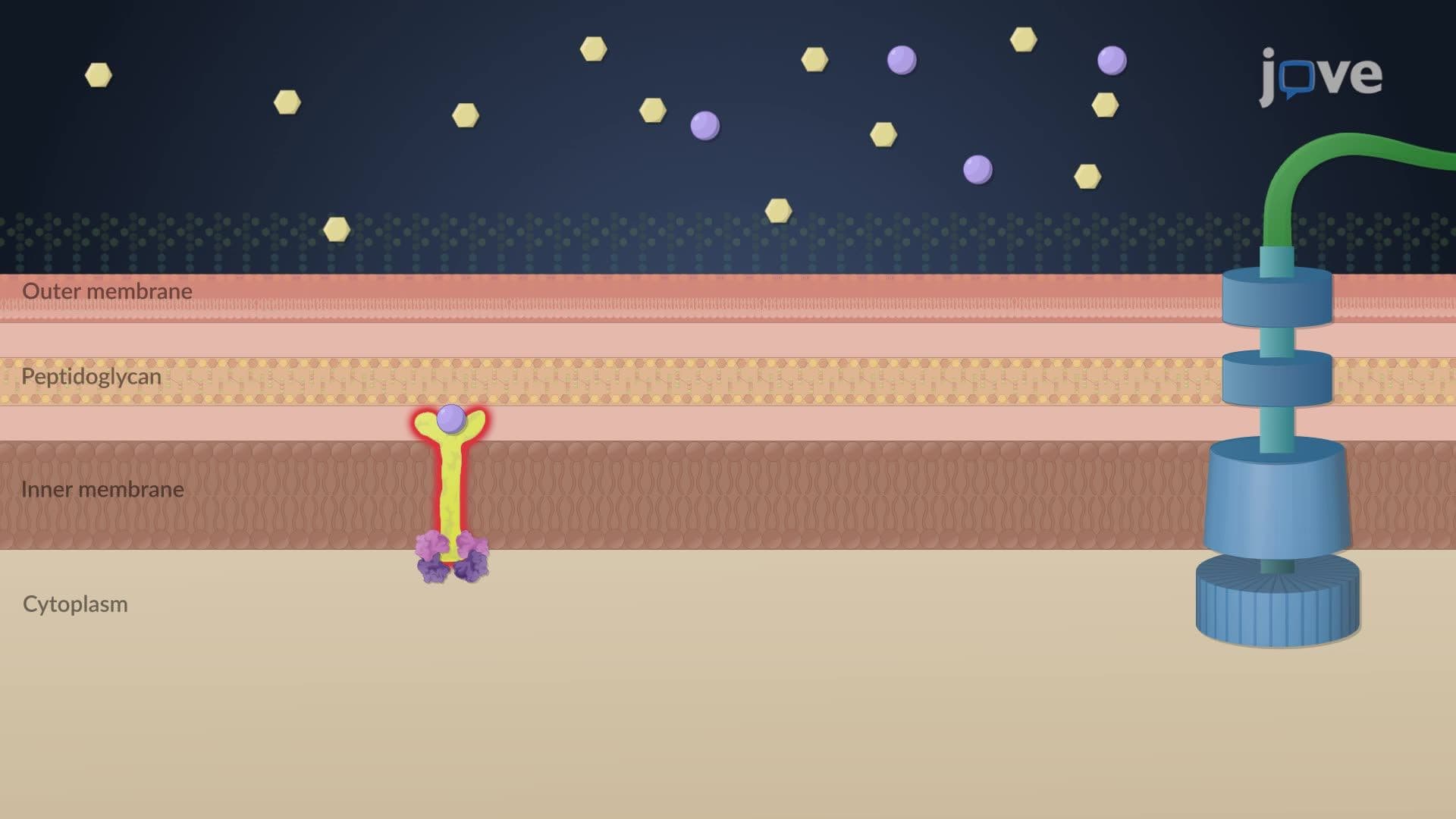
The chemotaxis system operates through a sophisticated network of proteins that work together like a microscopic computer. Methyl-accepting chemotaxis proteins (MCPs) serve as the "sensors," detecting specific chemicals such as amino acids, sugars, or toxic compounds. When an attractant like glucose binds to an MCP, it triggers a conformational change that affects the protein CheA through its coupling protein CheW. This creates a phosphorylation cascade where CheA transfers phosphate groups to the response regulator CheY.
The beauty of this system lies in its temporal sensitivity. E. coli doesn't just detect whether a chemical is present-it measures whether concentrations are increasing or decreasing over time. This temporal comparison allows the bacterium to determine if it's moving in the right direction, a concept frequently tested on MCAT biochemistry sections.
E. coli's movement depends entirely on its flagella, which can rotate in two directions. When phosphorylated CheY levels are low (indicating movement toward attractants), flagella rotate counterclockwise, creating smooth swimming runs. However, when CheY phosphorylation increases (signaling repellents or wrong direction), flagella switch to clockwise rotation, causing the bacterium to tumble randomly and reorient itself.
This run-and-tumble behavior is mathematically optimized for searching environments, a principle that has inspired algorithms used in robotics and artificial intelligence research at institutions like MIT and Stanford University.
Understanding E. coli chemotaxis has practical implications beyond academic study. In clinical microbiology, knowledge of bacterial movement helps explain infection patterns and antibiotic resistance spread. Research laboratories across the United States use E. coli chemotaxis as a model system for studying more complex cellular processes, including cancer cell migration and immune system function.
Related Micro-courses