Loading video…


 31 Concepts
 14.9K views

Video Summary: What Is Development of Antibiotic Resistance
Did you know that superbugs like MRSA (methicillin-resistant Staphylococcus aureus) cause over 80,000 serious infections annually in US hospitals? The development of antibiotic resistance explains how bacteria evolve sophisticated defense mechanisms to survive life-saving medications through genetic mutations and molecular adaptations. From efflux pumps that expel drugs to enzyme production that destroys antibiotics, understanding What is Development of Antibiotic Resistance is crucial for combating infectious diseases. Watch the full video on JoVE Coach to master this concept with expert-led visuals and step-by-step explanations.
The development of antibiotic resistance represents one of modern medicine's greatest challenges, fundamentally altering how bacteria respond to antimicrobial treatments. This complex biological phenomenon occurs when bacteria acquire or enhance their ability to survive exposure to antibiotics that would normally kill them or inhibit their growth. Understanding these mechanisms is essential for students preparing for advanced coursework in microbiology, infectious diseases, and public health.
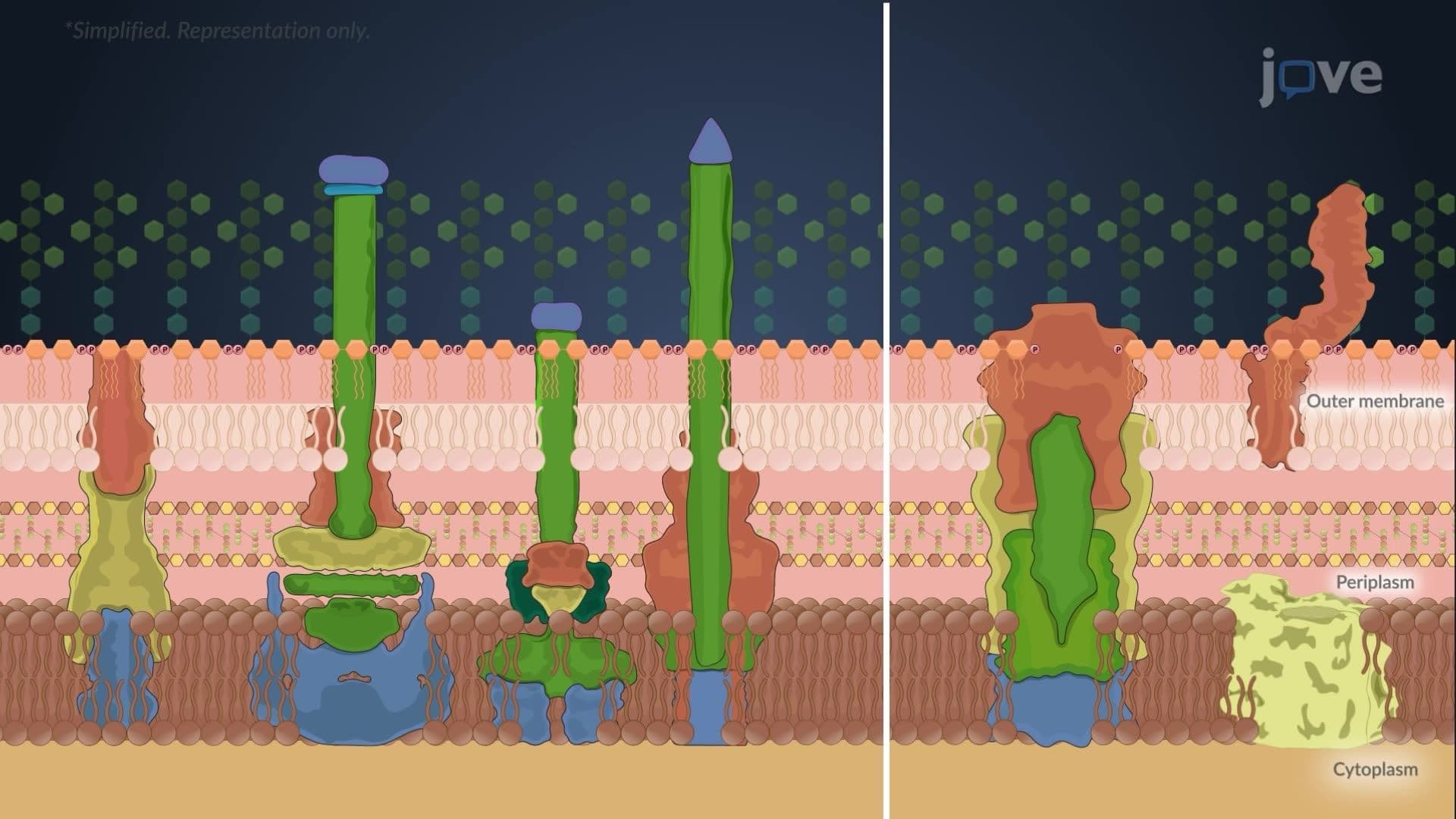
Bacteria exhibit resistance through two primary pathways. Intrinsic resistance refers to naturally occurring structural features that protect bacteria from certain antibiotics. For example, Gram-negative bacteria possess an outer membrane that acts as a natural barrier, preventing many antibiotics from reaching their cellular targets. This explains why penicillin, highly effective against Gram-positive bacteria, shows limited activity against E. coli and other Gram-negative organisms.
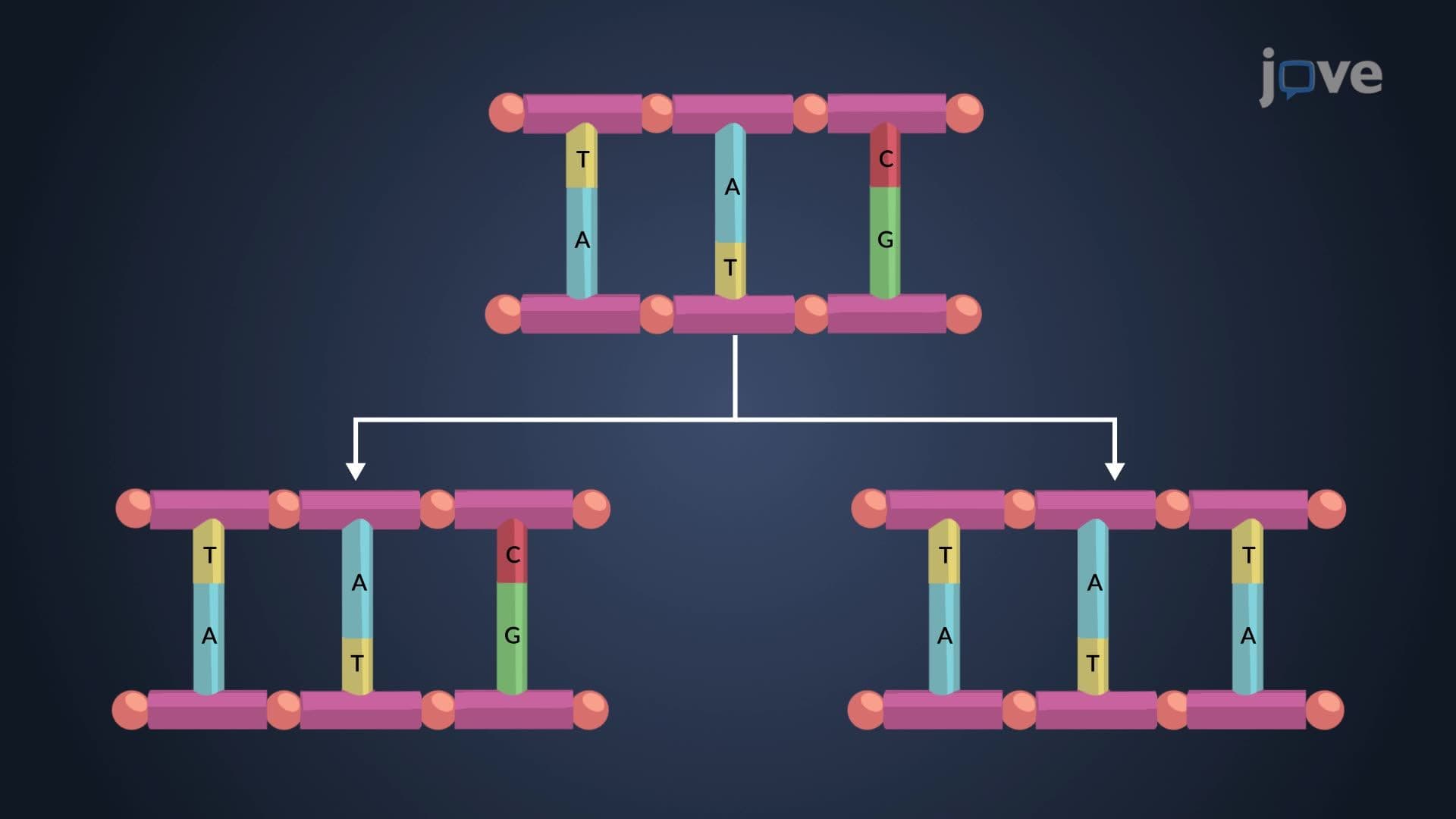
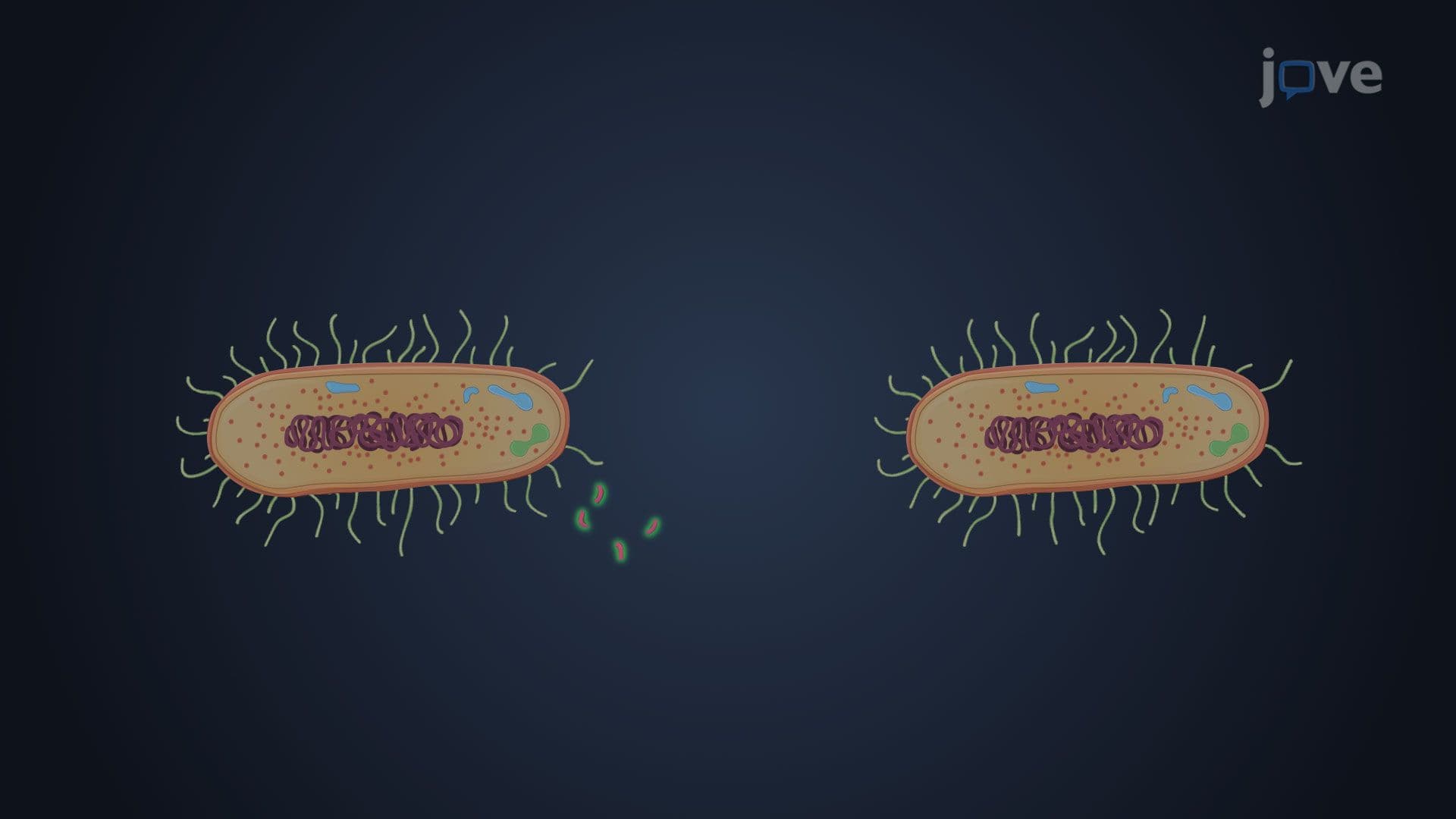
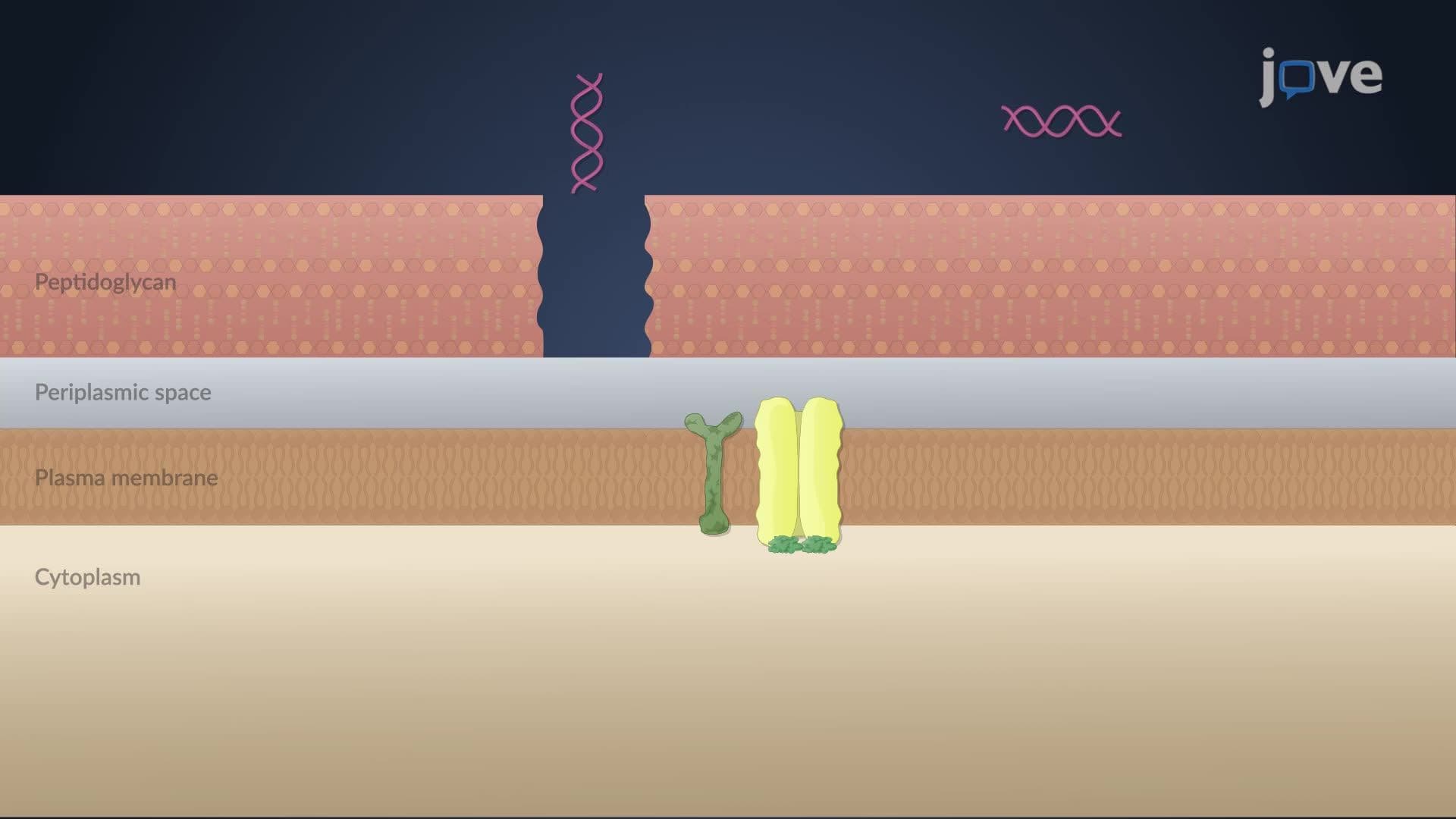
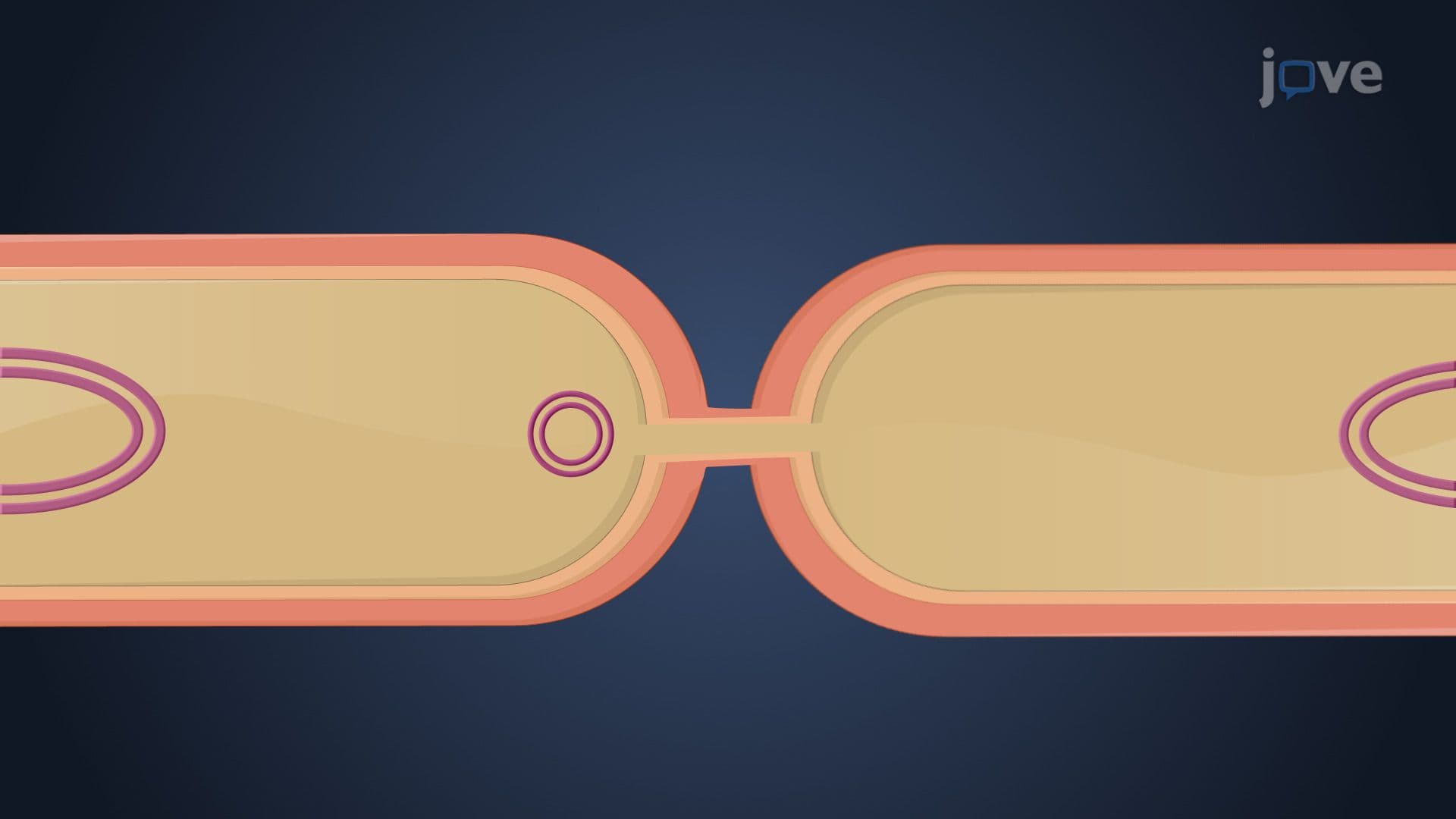
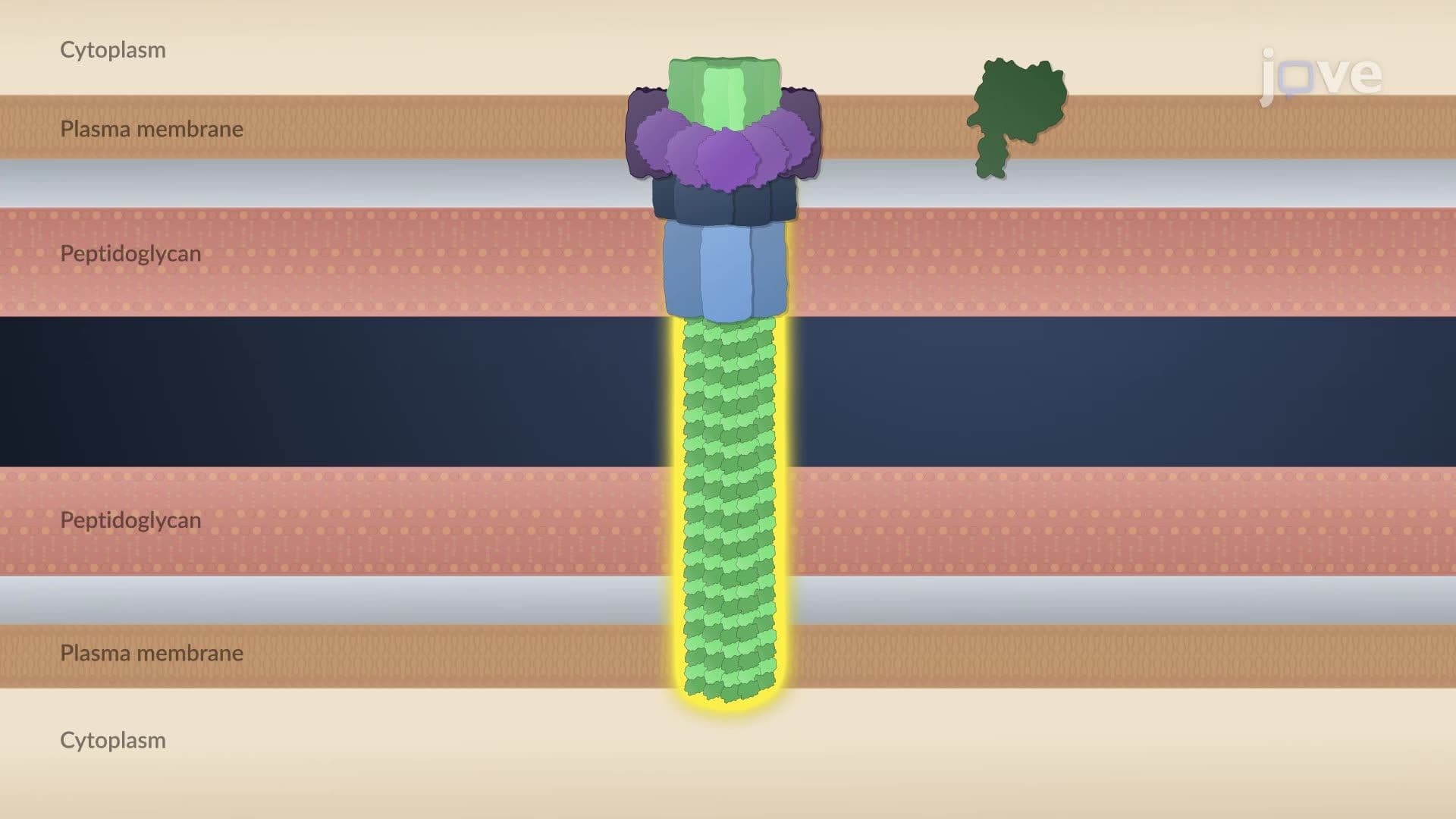
Acquired resistance develops through genetic changes, either spontaneous mutations or horizontal gene transfer. Students studying for the MCAT or AP Biology exam should recognize that horizontal gene transfer-through conjugation, transformation, or transduction-allows resistance genes to spread rapidly between bacterial species, creating widespread resistance patterns in hospital settings.
Bacteria employ sophisticated molecular mechanisms to neutralize antibiotics. Efflux pumps, protein complexes that actively transport antibiotics out of bacterial cells, represent a particularly concerning mechanism because single pumps can expel multiple drug classes simultaneously. This contributes to multidrug resistance patterns observed in clinical isolates.
Enzymatic degradation provides another powerful resistance strategy. Beta-lactamases, enzymes that cleave the beta-lactam ring structure in penicillins and related antibiotics, exemplify this approach. The discovery of extended-spectrum beta-lactamases (ESBLs) in US hospitals has necessitated more careful antibiotic selection and infection control measures.
Target site modification represents a third major mechanism. MRSA bacteria produce an altered penicillin-binding protein (PBP2a) that has extremely low affinity for beta-lactam antibiotics, rendering these drugs ineffective despite their continued activity against susceptible Staphylococcus aureus strains.
The development of antibiotic resistance has profound implications for US healthcare systems. Healthcare-associated infections caused by resistant organisms increase hospital stays, treatment costs, and mortality rates. Students preparing for healthcare professions should understand that appropriate antibiotic stewardship-using the right drug, at the right dose, for the right duration-represents a critical strategy for slowing resistance development.
This concept frequently appears on standardized exams, from AP Biology questions about bacterial genetics to USMLE scenarios involving antibiotic selection for resistant pathogens.
Related Micro-courses