Loading subject page…

14,827 views

Video Summary: What Is Gene Regulation
Ever wondered how bacteria in a wound "know" when there are enough of them to cause a serious infection? Gene regulation controls when and how genes are turned on or off in response to environmental signals. In the case of harmful bacteria like *Pseudomonas aeruginosa* found in hospital-acquired infections across US medical centers, quorum sensing represents a sophisticated form of gene regulation that allows bacteria to coordinate their behavior based on population density. Through this mechanism, bacteria can collectively decide when to produce toxins or form protective biofilms. Watch the full video on JoVE Coach to master this concept with expert-led visuals and step-by-step explanations.
Gene regulation represents one of the most fundamental processes in biology, determining when, where, and how much of each gene product a cell produces. While human gene regulation involves complex interactions between transcription factors, enhancers, and epigenetic modifications, bacterial systems like quorum sensing provide an excellent model for understanding basic regulatory principles that appear on standardized tests including the AP Biology exam and MCAT.
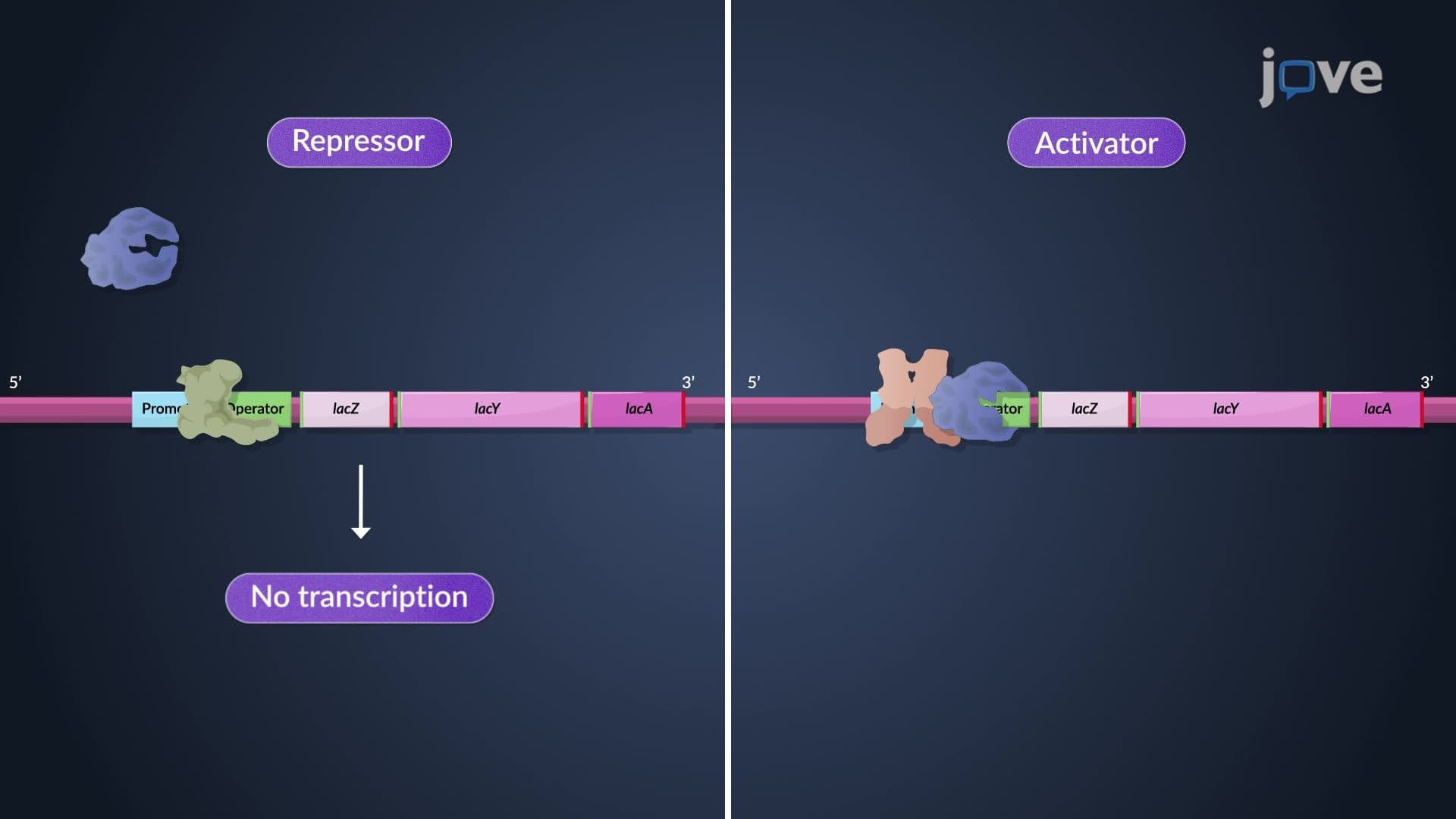
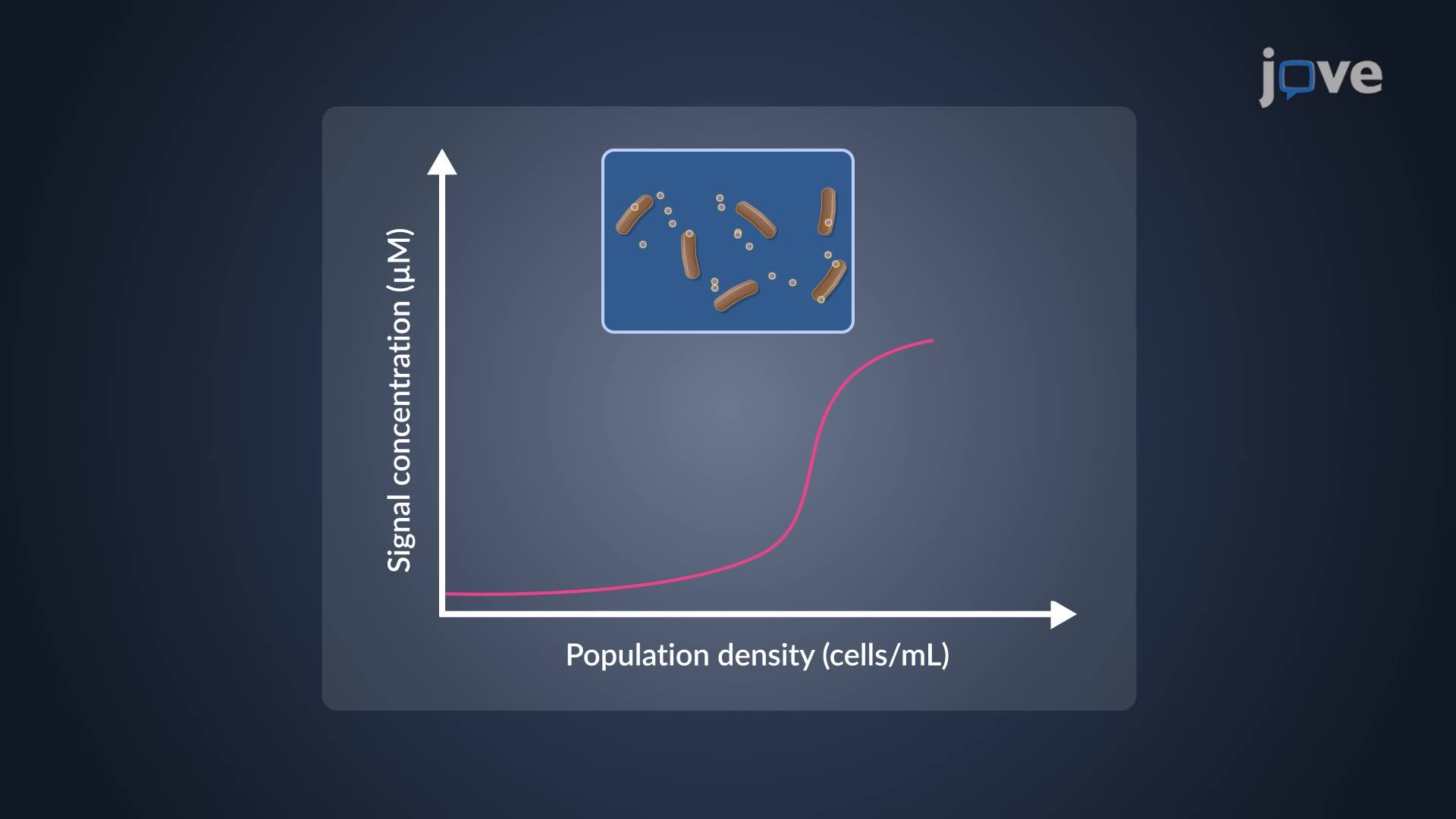
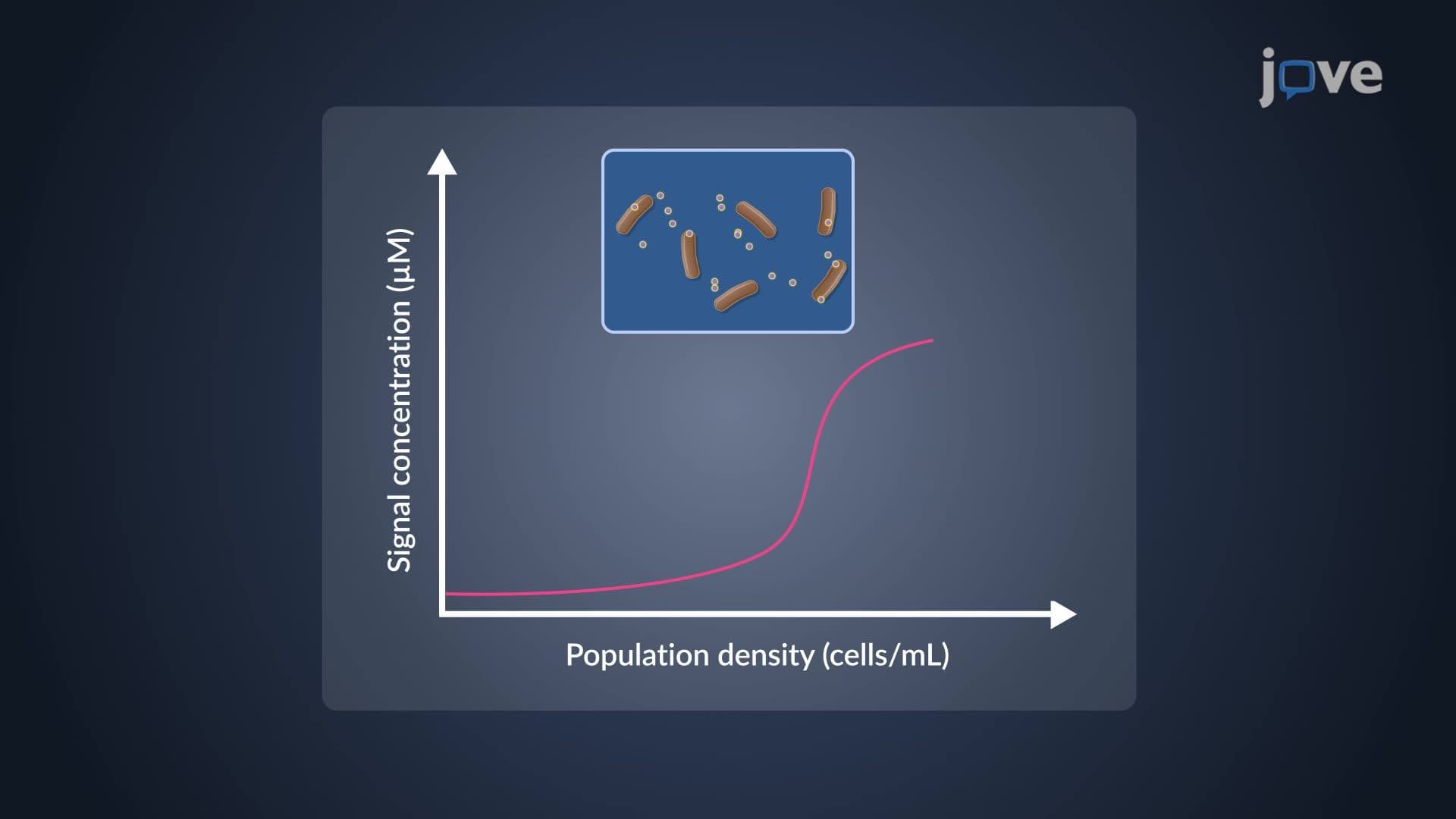
The quorum sensing system demonstrates how cells can integrate population density information to make collective decisions about gene expression. In Gram-negative bacteria such as *Vibrio fischeri* (the bioluminescent symbiont found in Hawaiian bobtail squid), the process involves a sophisticated feedback loop. The LuxI enzyme synthesizes N-acyl homoserine lactone (AHL) molecules that freely diffuse across cell membranes. As bacterial density increases, AHL concentrations rise proportionally. When threshold levels are reached, these molecules bind to the LuxR transcription factor, creating a complex that activates transcription of target genes, including those responsible for light production.
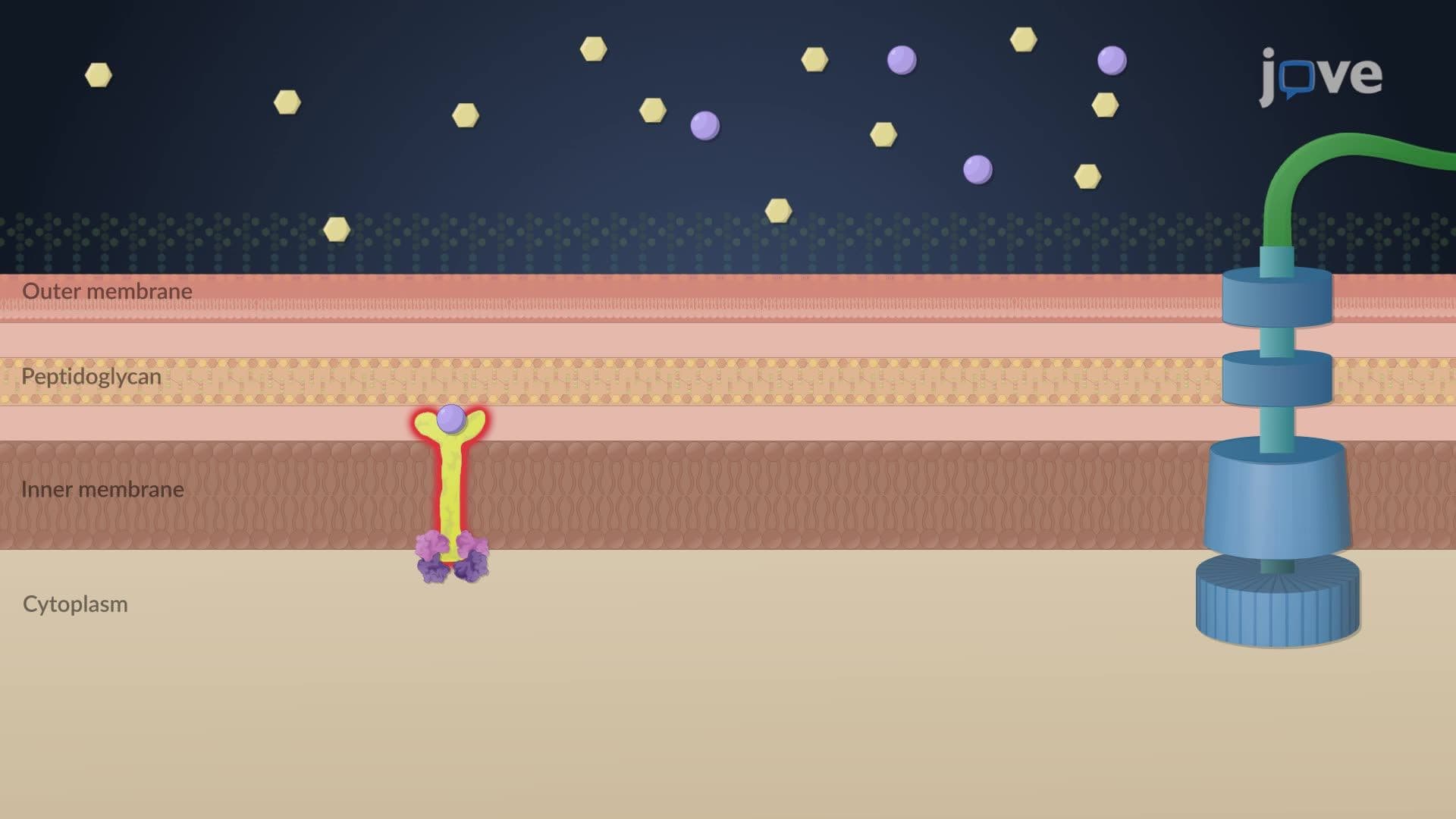
Gram-positive bacteria employ a different strategy, using peptide autoinducers that require active transport across the cell membrane. These peptides are detected by membrane-bound histidine kinase receptors, triggering phosphorylation cascades that ultimately influence gene transcription. This two-component regulatory system is a classic example frequently tested in microbiology courses at universities like UCLA and Harvard Medical School.
Understanding gene regulation through quorum sensing has profound implications for human health, particularly in hospital settings where antibiotic-resistant bacteria pose significant threats. *Pseudomonas aeruginosa*, a major cause of ventilator-associated pneumonia in US intensive care units, uses quorum sensing to coordinate virulence factor production and biofilm formation. These biofilms make infections particularly difficult to treat, as they protect bacteria from both immune responses and antibiotics.
Researchers at institutions like Johns Hopkins University and the Mayo Clinic are developing quorum sensing inhibitors as novel therapeutic approaches. Lactonase enzymes can degrade AHL signals, while synthetic AHL analogs can competitively inhibit natural autoinducers. These strategies represent a paradigm shift from traditional antibiotics, potentially reducing selection pressure for resistance development.
The principles of gene regulation exemplified by quorum sensing extend far beyond bacterial pathogenesis. Bioengineers at MIT and Stanford University are incorporating quorum sensing circuits into synthetic biology applications, creating bacterial systems that can sense environmental conditions and respond with programmed genetic outputs. These applications range from biosensors for environmental monitoring to controlled drug delivery systems.
Related Micro-courses