Loading video…

 31 Concepts
 14.9K views

Video Summary: What Is Gene Regulation During Sporulation
Ever wonder how bacteria survive extreme conditions that would kill most living things? Gene regulation during sporulation allows certain bacteria like *Clostridium difficile* (responsible for severe hospital infections in the US) to form nearly indestructible spores when nutrients run low. What is gene regulation during sporulation? It's a sophisticated molecular cascade that transforms ordinary bacterial cells into survival capsules capable of withstanding heat, chemicals, and radiation. Watch the full video on JoVE Coach to master this concept with expert-led visuals and step-by-step explanations.
Gene regulation during sporulation represents one of nature's most sophisticated survival strategies, allowing certain gram-positive bacteria to transform into highly resistant endospores when facing unfavorable conditions. This process involves a complex network of regulatory circuits that coordinate the expression of over 500 genes in a precise temporal and spatial manner.
The sporulation process is particularly relevant in US healthcare settings, where spore-forming bacteria like *Clostridium difficile* cause over 29,000 deaths annually according to the CDC. Understanding sporulation gene regulation is crucial for developing effective treatment strategies and infection control measures.
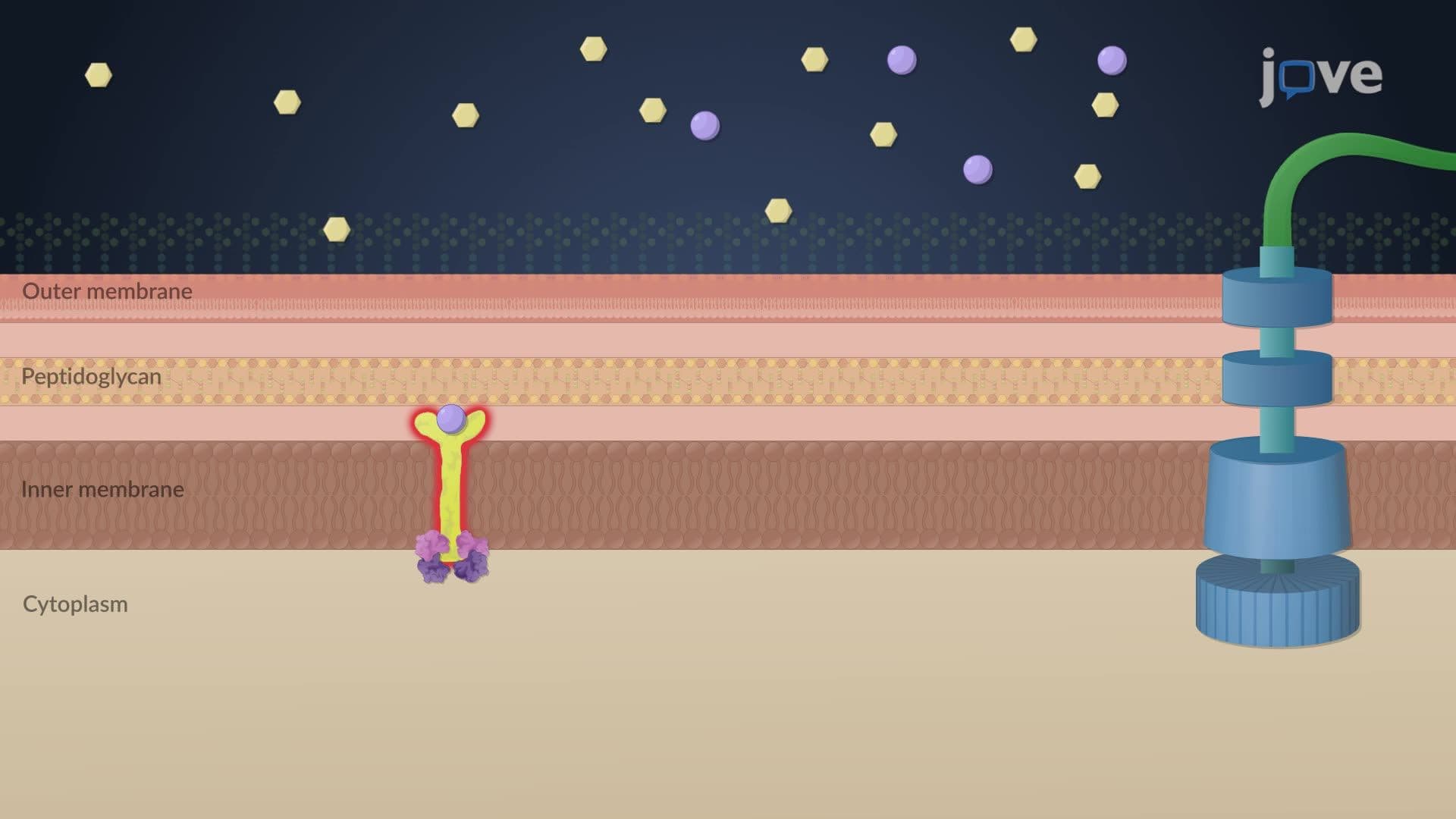
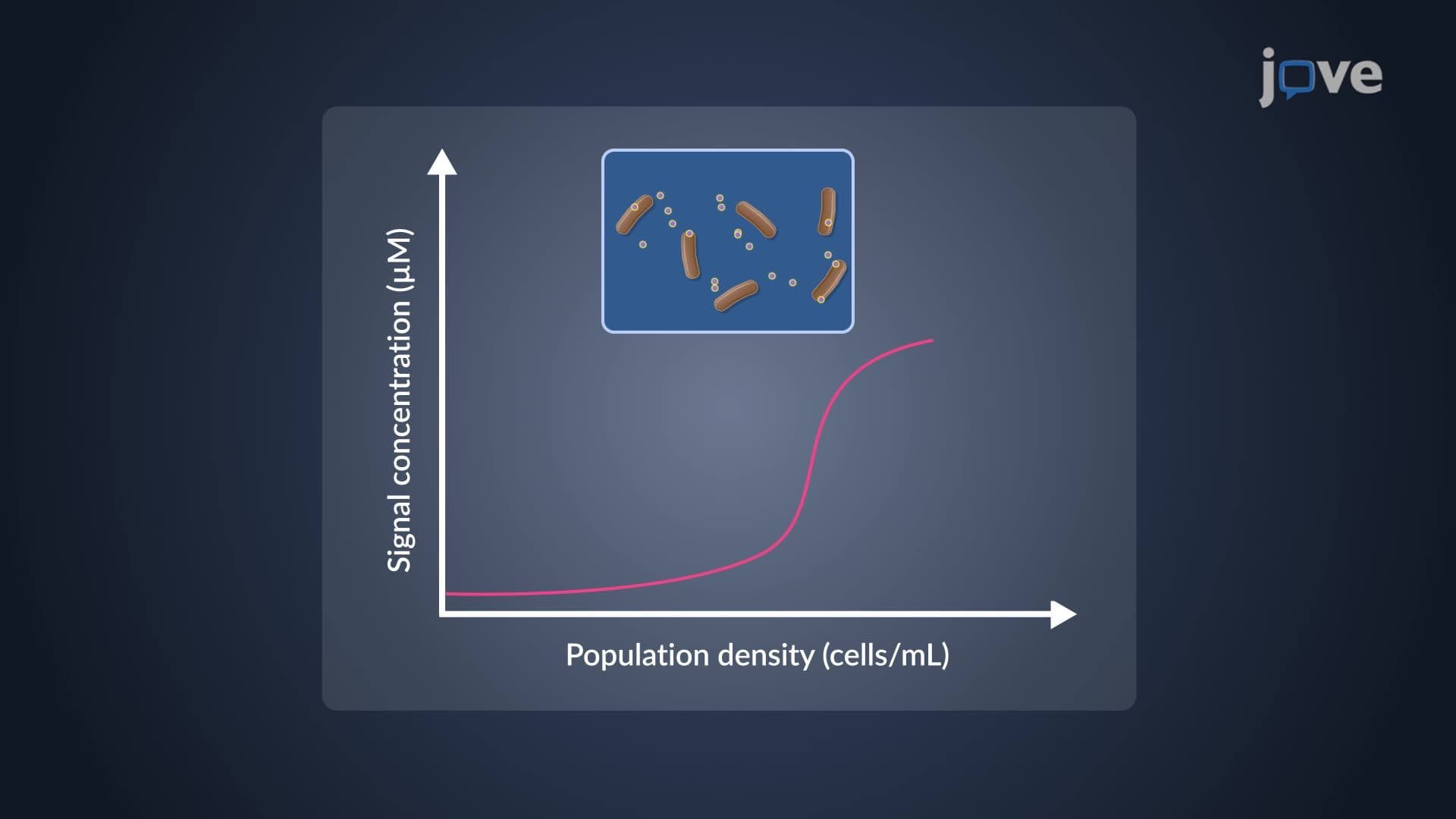
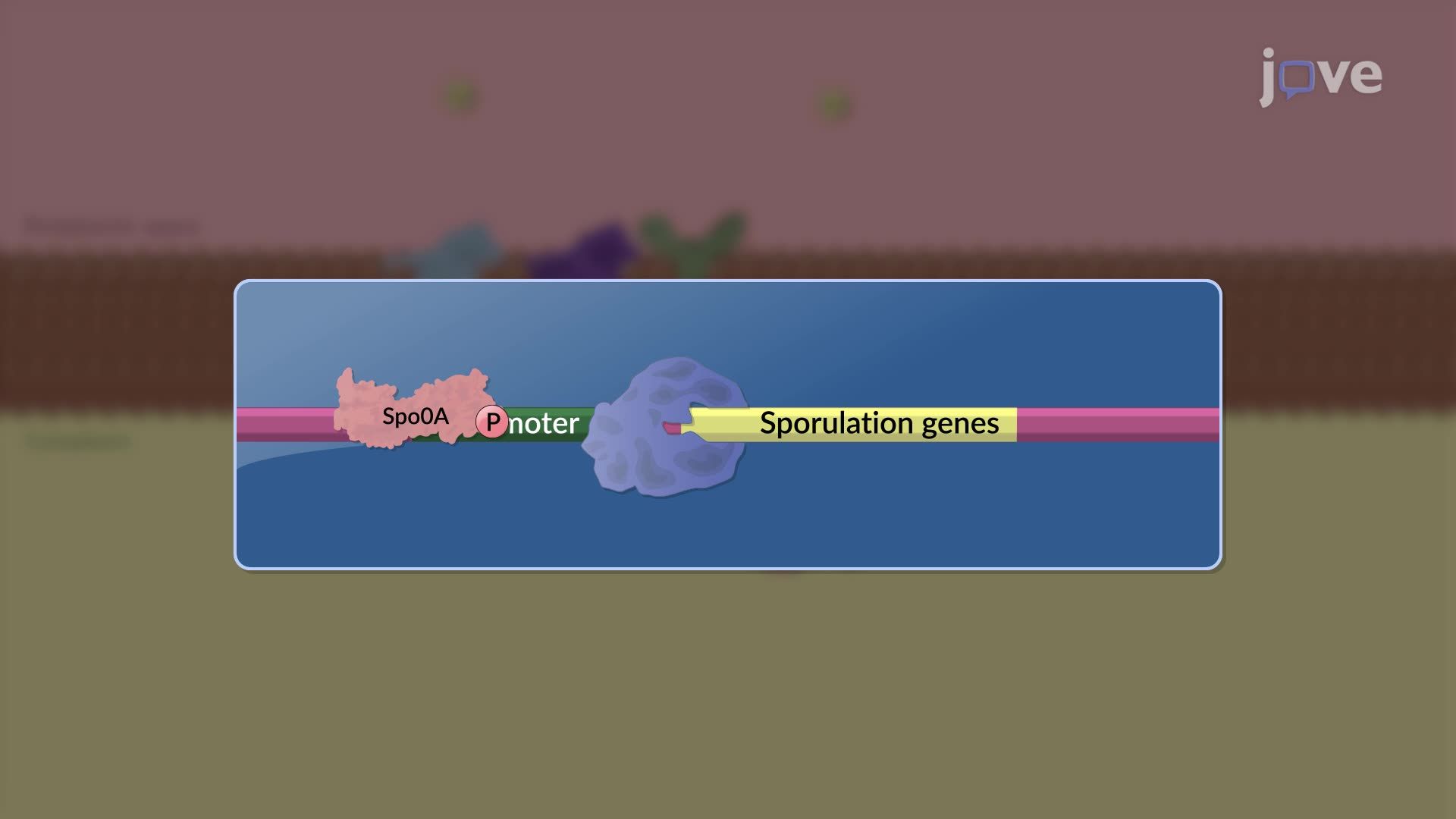
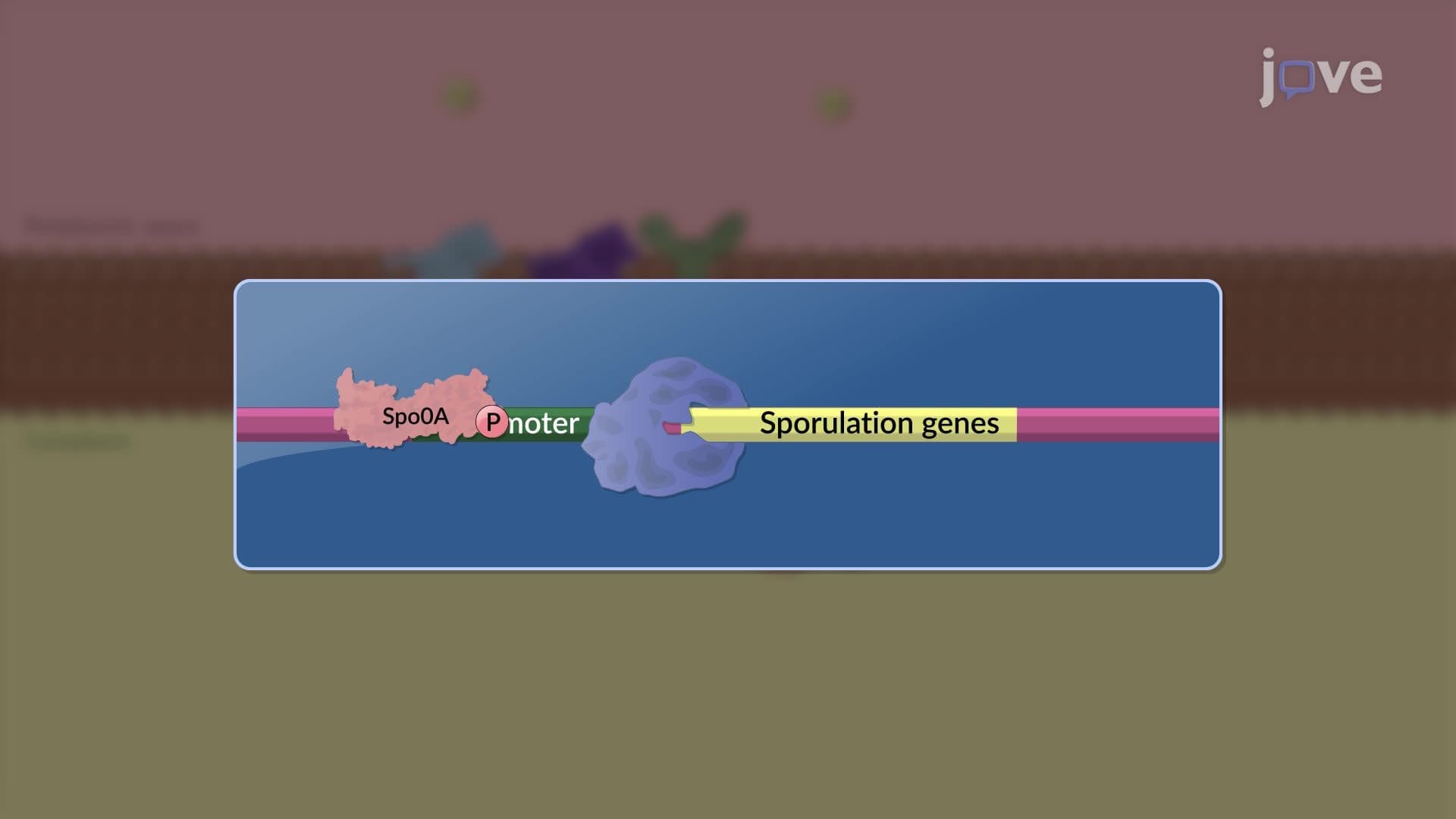
The decision to sporulate begins with environmental sensing through a sophisticated phosphorelay system. Five different sensor kinases (KinA through KinE) detect various stress signals including nutrient depletion, high cell density, and DNA damage. When activated, these kinases autophosphorylate and transfer phosphate groups through intermediate proteins to ultimately activate Spo0A, the master regulator of sporulation.
This phosphorelay mechanism ensures that sporulation only occurs under truly dire circumstances, as multiple stress signals must converge to generate sufficient active Spo0A. Students studying for the MCAT or AP Biology exams should recognize this as an example of signal integration and amplification in biological systems.
Once committed to sporulation, the bacterium undergoes asymmetric division, creating two distinct compartments: the smaller forespore (future spore) and larger mother cell. Each compartment activates unique transcriptional programs through compartment-specific sigma factors.
The forespore initially activates σF, which triggers a signaling cascade that activates σE in the mother cell. This intercellular communication ensures coordinated development between the two compartments. Subsequently, σG becomes active in the forespore while σK is activated in the mother cell, creating a temporal cascade of gene expression that drives spore maturation and protective layer formation.
Understanding sporulation gene regulation has practical implications in US industries and healthcare. Food processing companies use heat treatment protocols based on spore resistance properties, while hospitals implement specific disinfection procedures targeting spore-forming pathogens. This knowledge is essential for students pursuing careers in clinical microbiology, food science, or public health.
Related Micro-courses