Loading video…

 31 Concepts
 14.9K views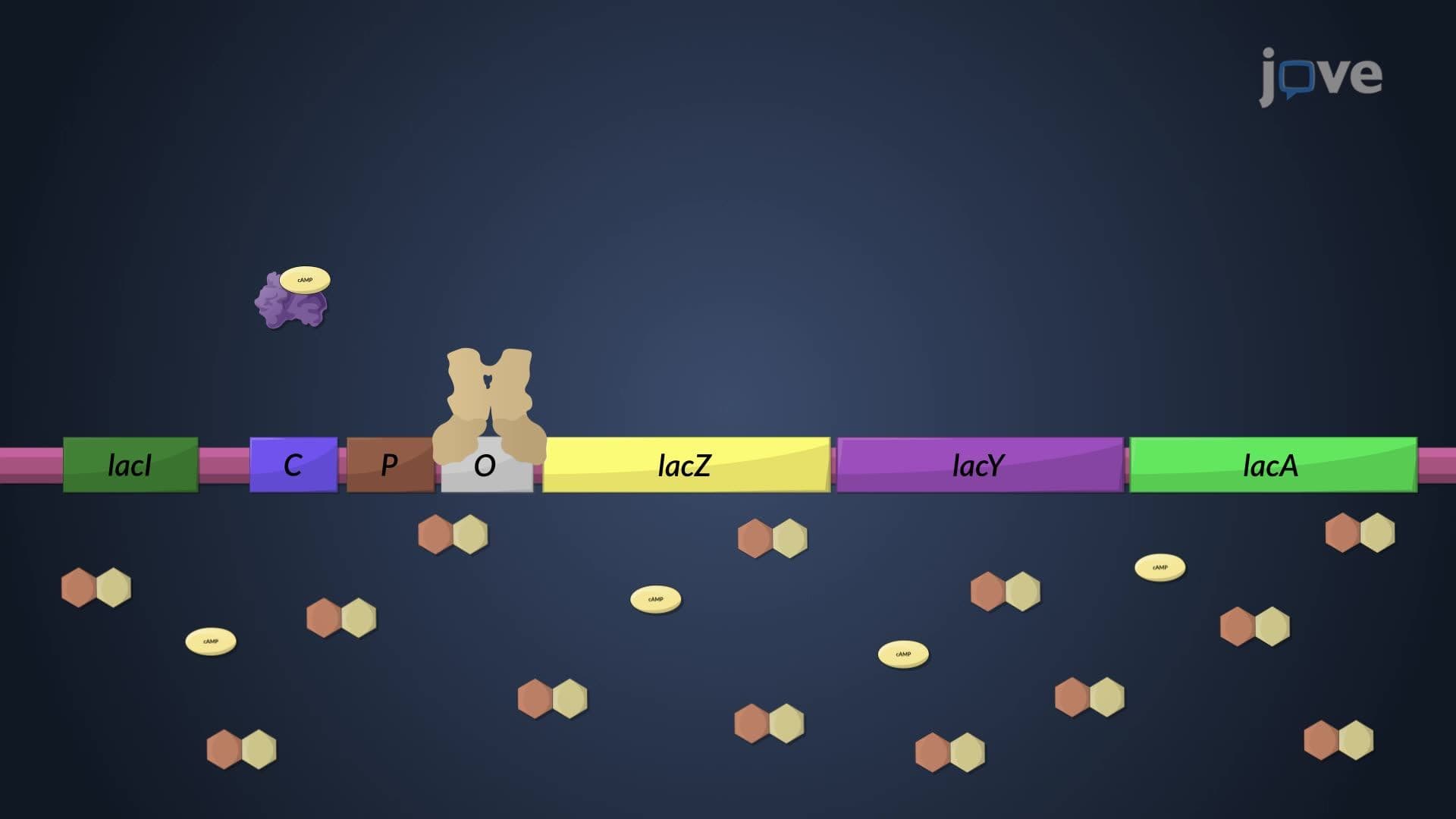

Video Summary: What Is Inducible Operons Lac Operon
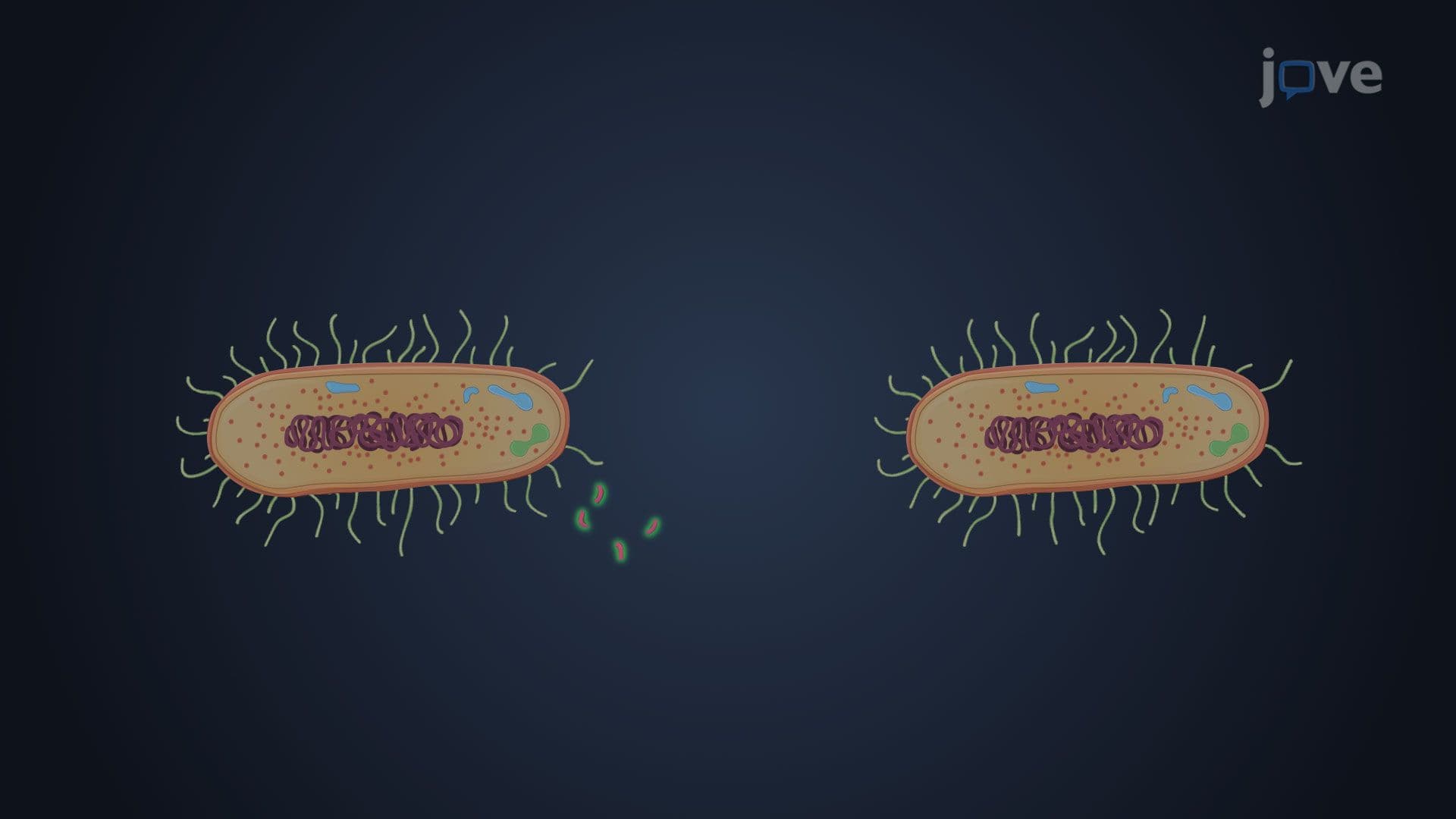
Ever wonder how bacteria instantly switch their diet when their favorite food runs out? The inducible operons lac operon system allows *E. coli* bacteria to smartly regulate gene expression based on available nutrients. This sophisticated molecular switch enables cells to produce lactose-metabolizing enzymes only when needed, similar to how pharmaceutical companies use engineered bacteria to produce human insulin on demand. Watch the full video on JoVE Coach to master this concept with expert-led visuals and step-by-step explanations.
The inducible operons lac operon represents one of biology's most elegant regulatory systems, discovered through groundbreaking research at Cold Spring Harbor Laboratory and other US institutions. This system allows *Escherichia coli* bacteria to efficiently manage their metabolic resources by producing lactose-processing enzymes only when lactose is present and glucose is scarce.
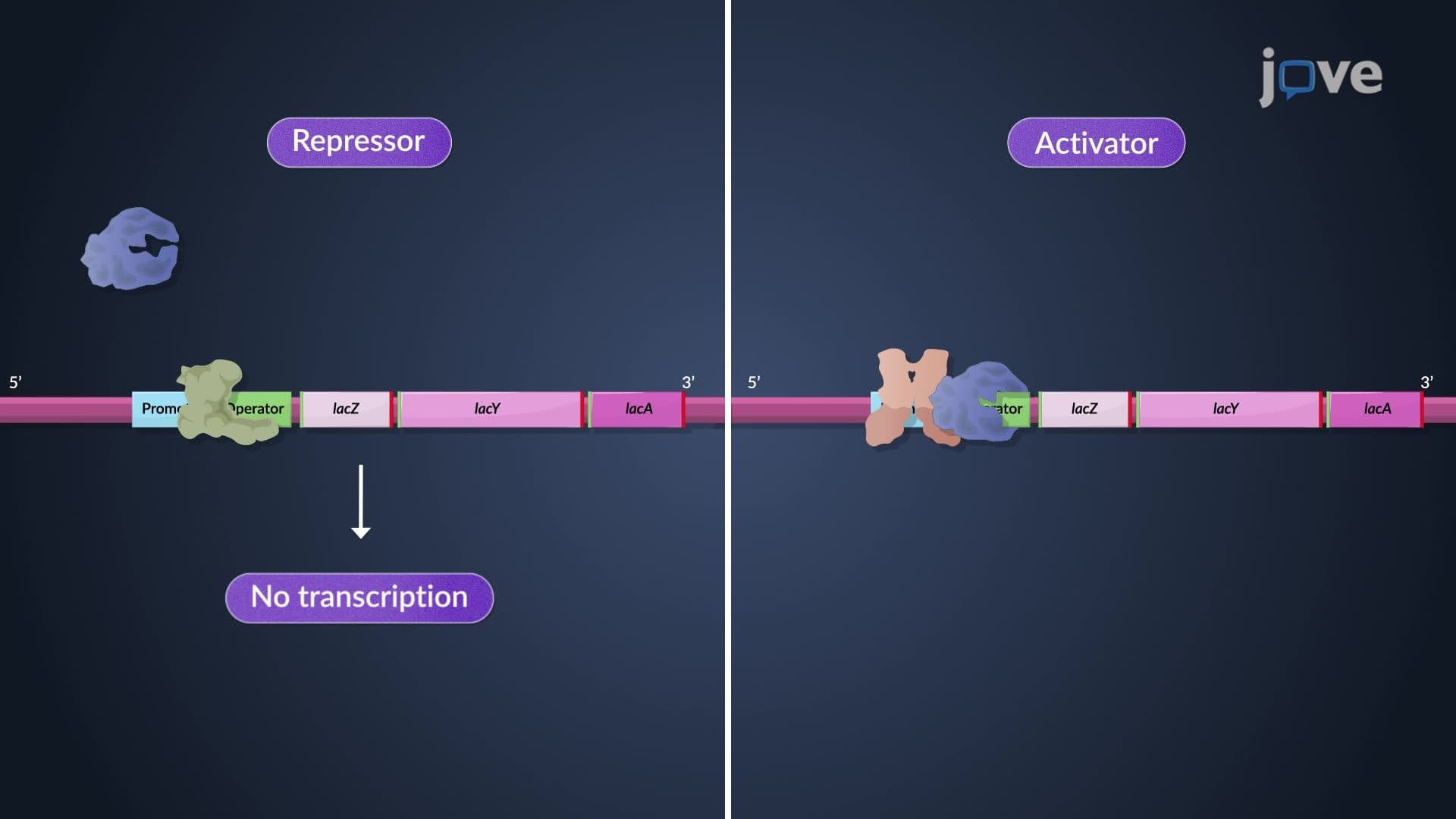
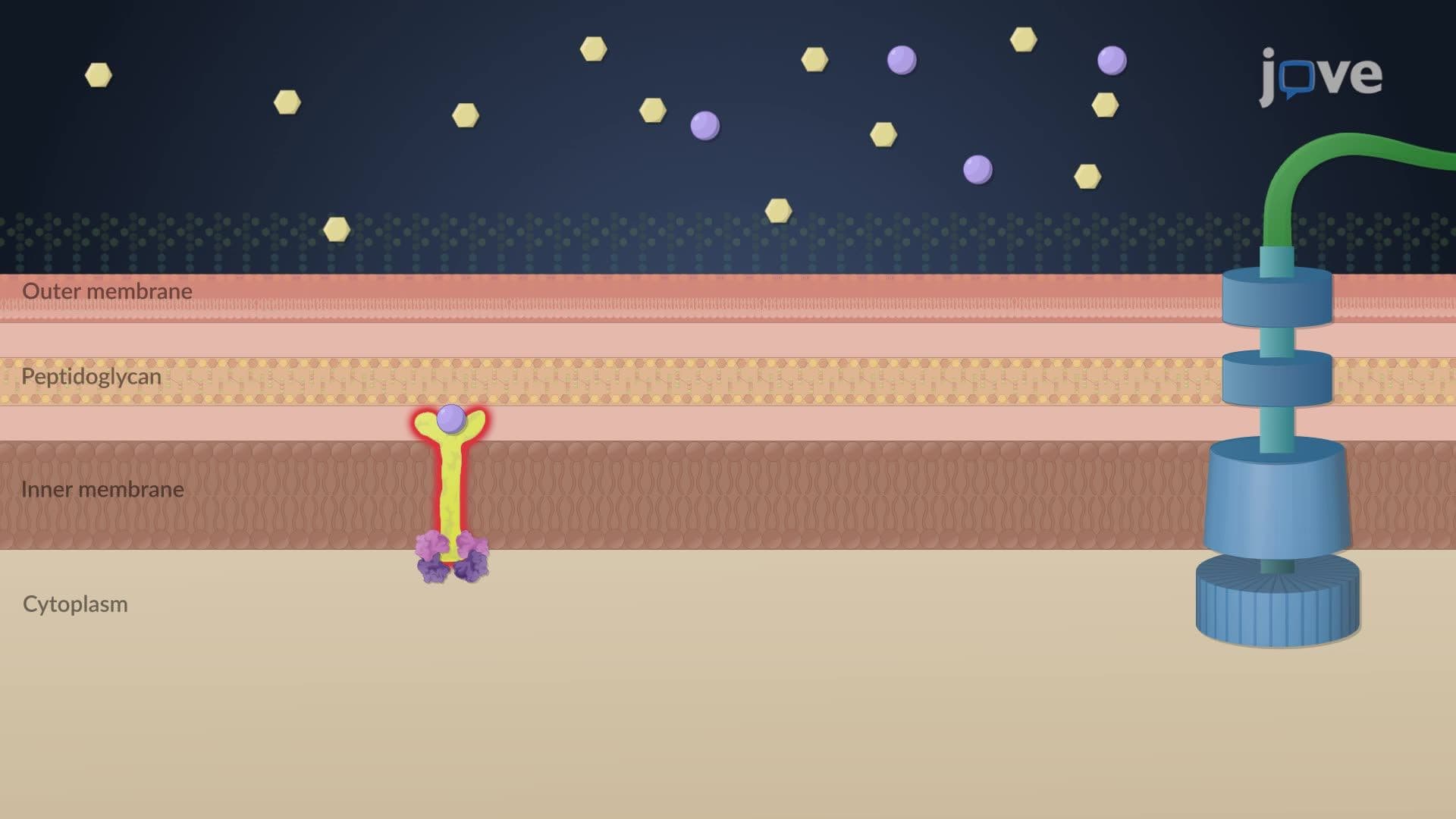
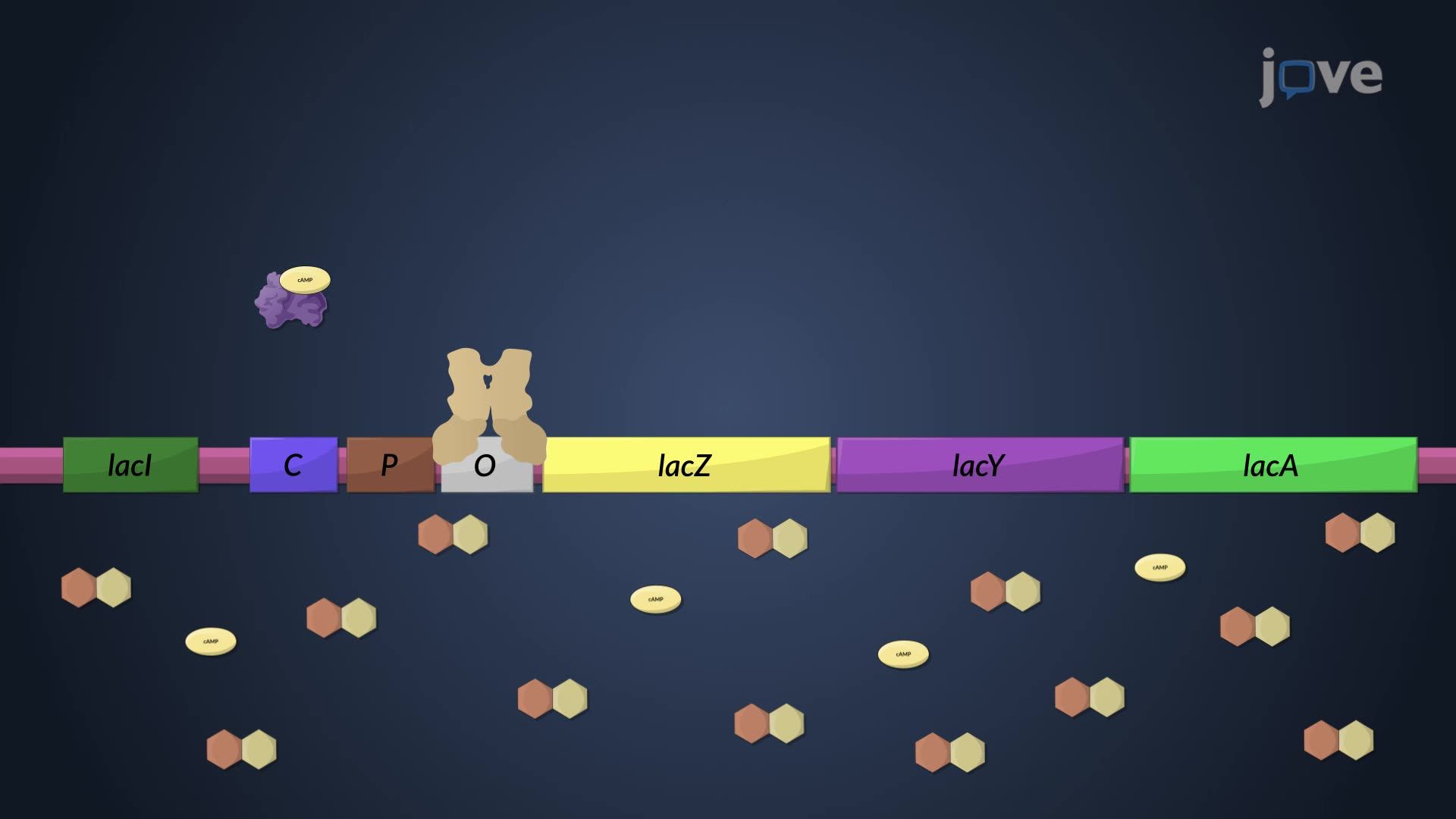
The lac operon operates through a sophisticated two-level control system. The primary regulation involves the LacI repressor protein, which normally blocks transcription by binding to the operator sequence. When lactose enters the cell, it's converted to allolactose, which acts as an inducer molecule. This inducer binds to LacI, causing a conformational change that releases the repressor from the operator, allowing transcription to proceed.
The secondary control mechanism, called catabolite repression, ensures glucose receives metabolic priority. The cAMP receptor protein (CRP) requires binding with cyclic adenosine monophosphate (cAMP) to enhance transcription. When glucose levels are high, cAMP levels drop, preventing CRP-cAMP complex formation and keeping lac operon transcription at minimal levels.
This regulatory system has profound implications for modern biotechnology and medicine. Pharmaceutical companies exploit similar inducible systems to control protein production in bacterial factories. For example, researchers at Massachusetts General Hospital use modified lac operons to regulate therapeutic protein synthesis in engineered bacteria. Understanding these mechanisms is crucial for AP Biology students and essential knowledge for pre-med students preparing for the MCAT.
Students encounter lac operon questions frequently on standardized exams. The College Board's AP Biology curriculum emphasizes gene regulation as a key concept, while medical school entrance exams test understanding of prokaryotic gene control. Mastering this topic provides foundation knowledge for advanced courses in molecular biology, biochemistry, and genetic engineering offered at universities nationwide.
Related Micro-courses