Loading subject page…

14,826 views

Video Summary: What Is Operon Model
Ever wonder how bacteria like E. coli instantly "know" when to produce enzymes for digesting lactose in your gut? The operon model explains this remarkable genetic switching system that controls when genes turn on or off based on cellular needs. This fundamental concept in molecular biology demonstrates how clusters of related genes work together under unified control mechanisms. From understanding antibiotic resistance in US hospitals to biotechnology applications, the operon model reveals the elegant efficiency of bacterial gene regulation. Watch the full video on JoVE Coach to master this concept with expert-led visuals and step-by-step explanations.
The operon model represents one of biology's most elegant regulatory systems, explaining how prokaryotic cells coordinate gene expression for maximum efficiency. Developed through groundbreaking research at institutions like Harvard Medical School and the University of California, this model reveals how bacteria manage their genetic resources like a well-orchestrated symphony.
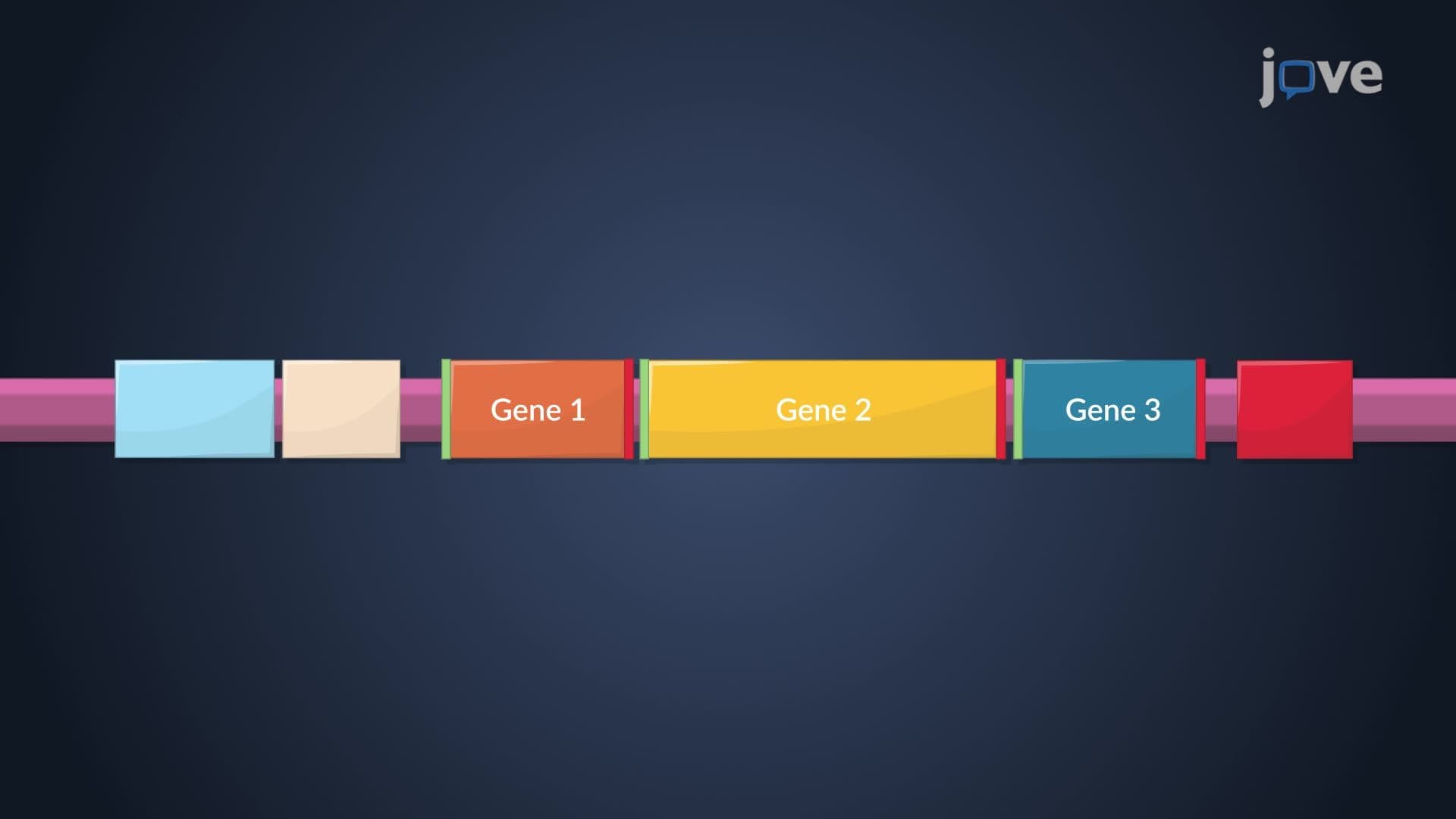
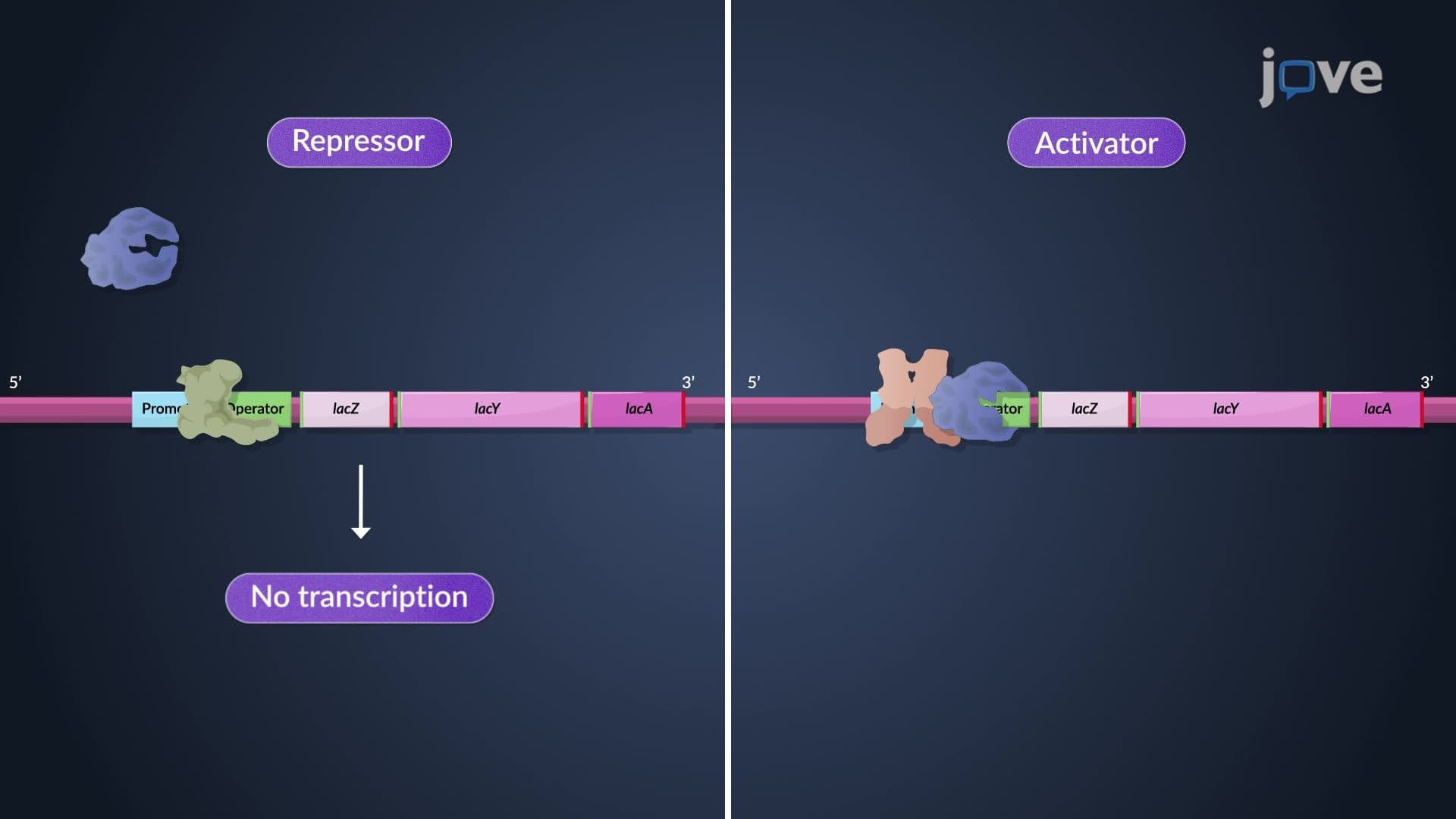
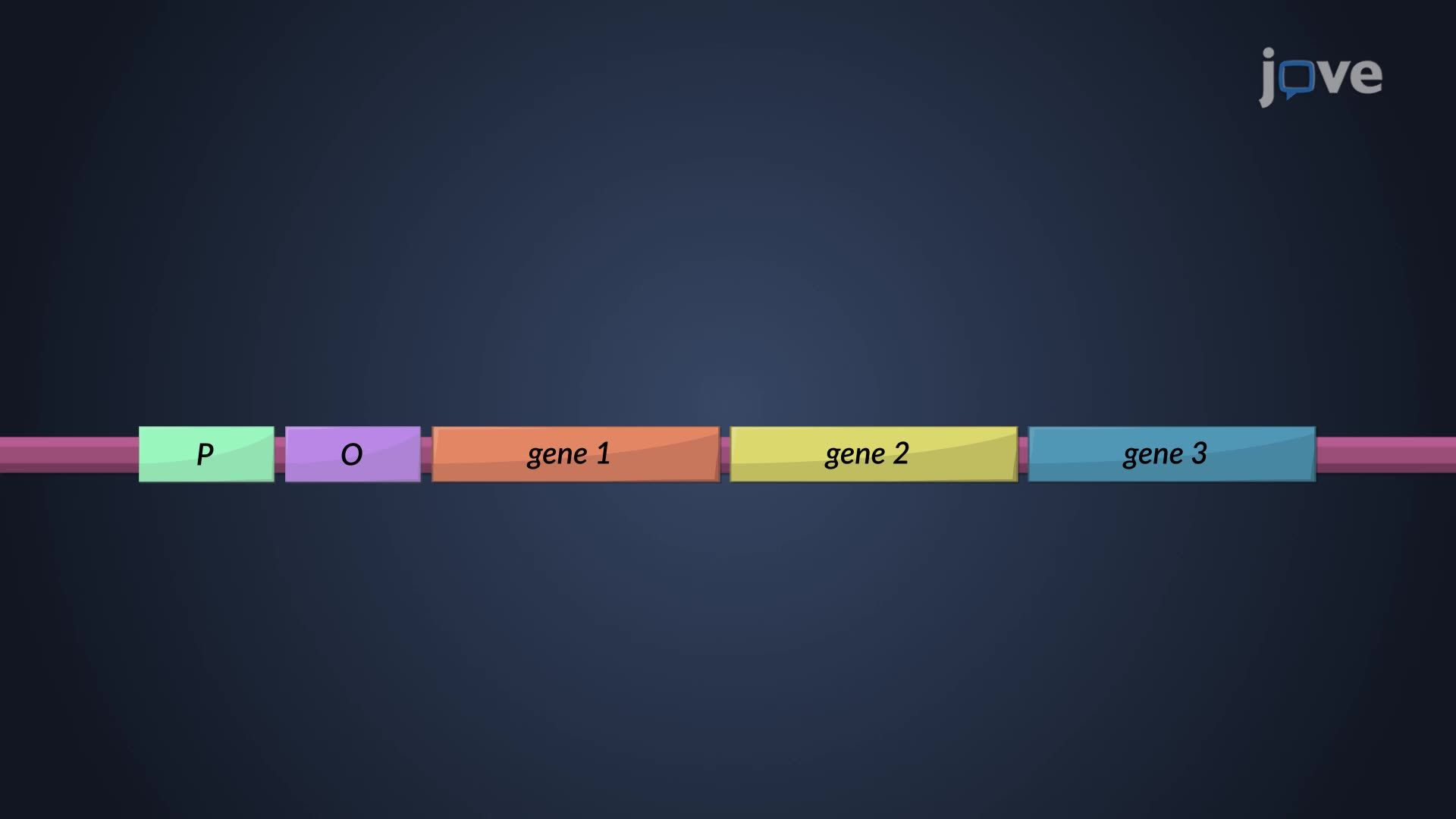
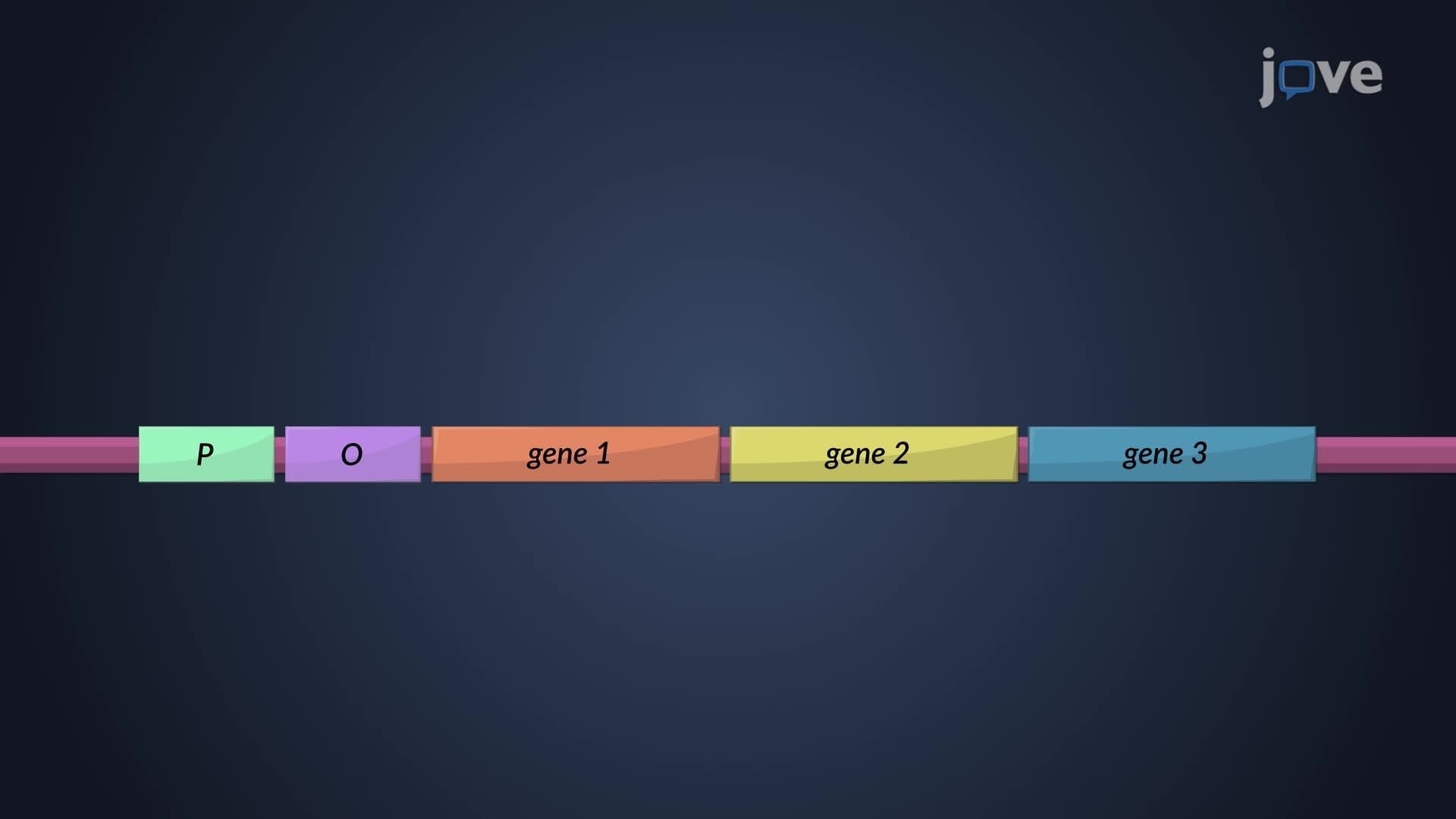
An operon consists of a promoter region where RNA polymerase binds, an operator sequence that acts as a molecular switch, and structural genes encoding related proteins. This arrangement allows cells to produce enzymes only when needed, conserving valuable cellular resources. For AP Biology students, understanding operons is crucial for explaining how environmental changes trigger genetic responses.
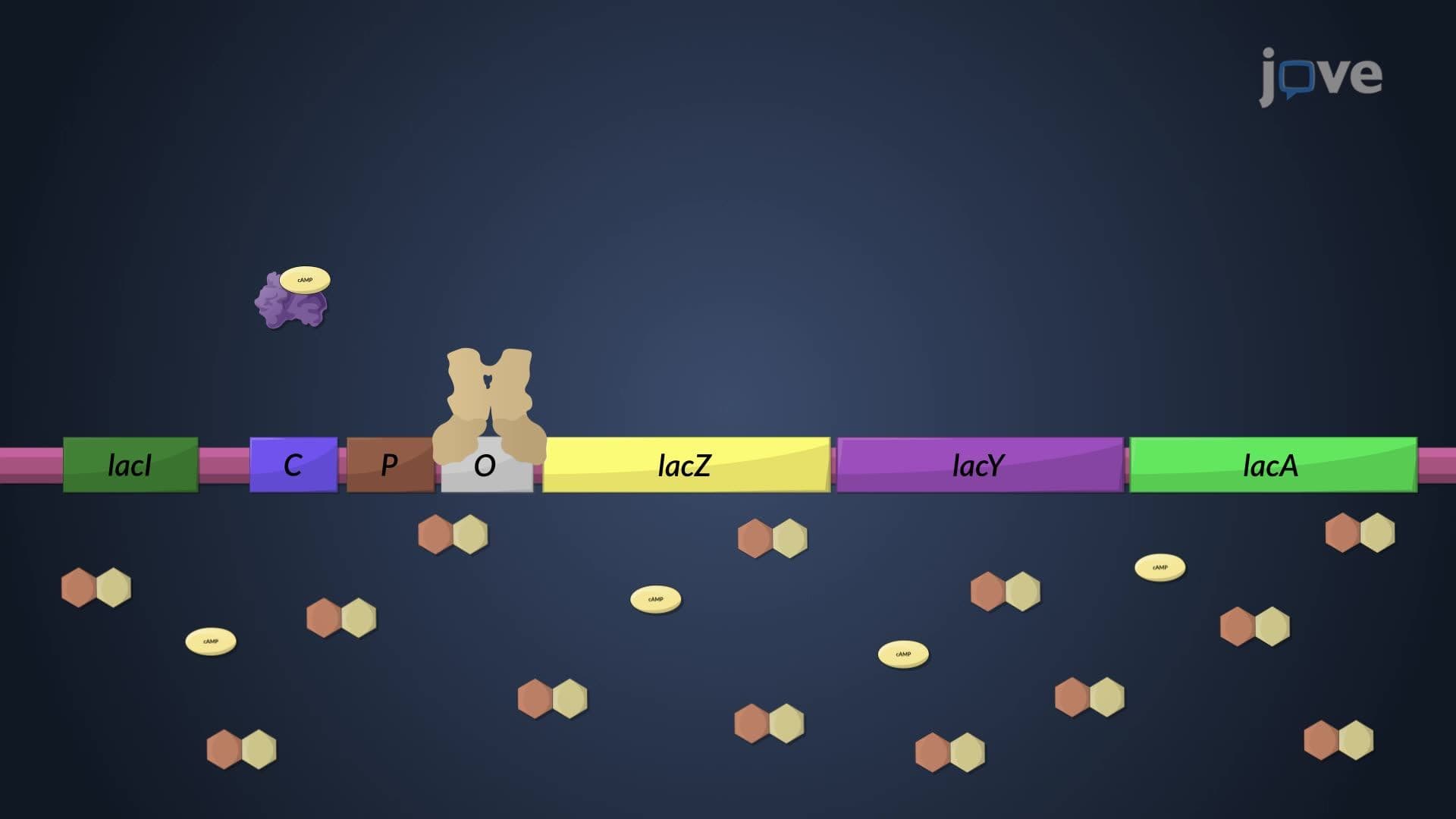
The lactose operon in E. coli serves as the classic example of inducible regulation. When lactose is absent, the LacI repressor protein binds to the operator, blocking transcription like a molecular roadblock. However, when lactose enters the cell, it converts to allolactose, which binds to LacI and causes it to release from the operator. This mechanism explains how probiotics in US-manufactured yogurt products can rapidly adapt to different sugar sources.
This system demonstrates negative regulation-the default state is "off" until an inducer molecule switches it "on." College biochemistry courses emphasize this concept because it illustrates how cells respond to nutritional availability, a principle essential for understanding metabolic diseases and antibiotic development.
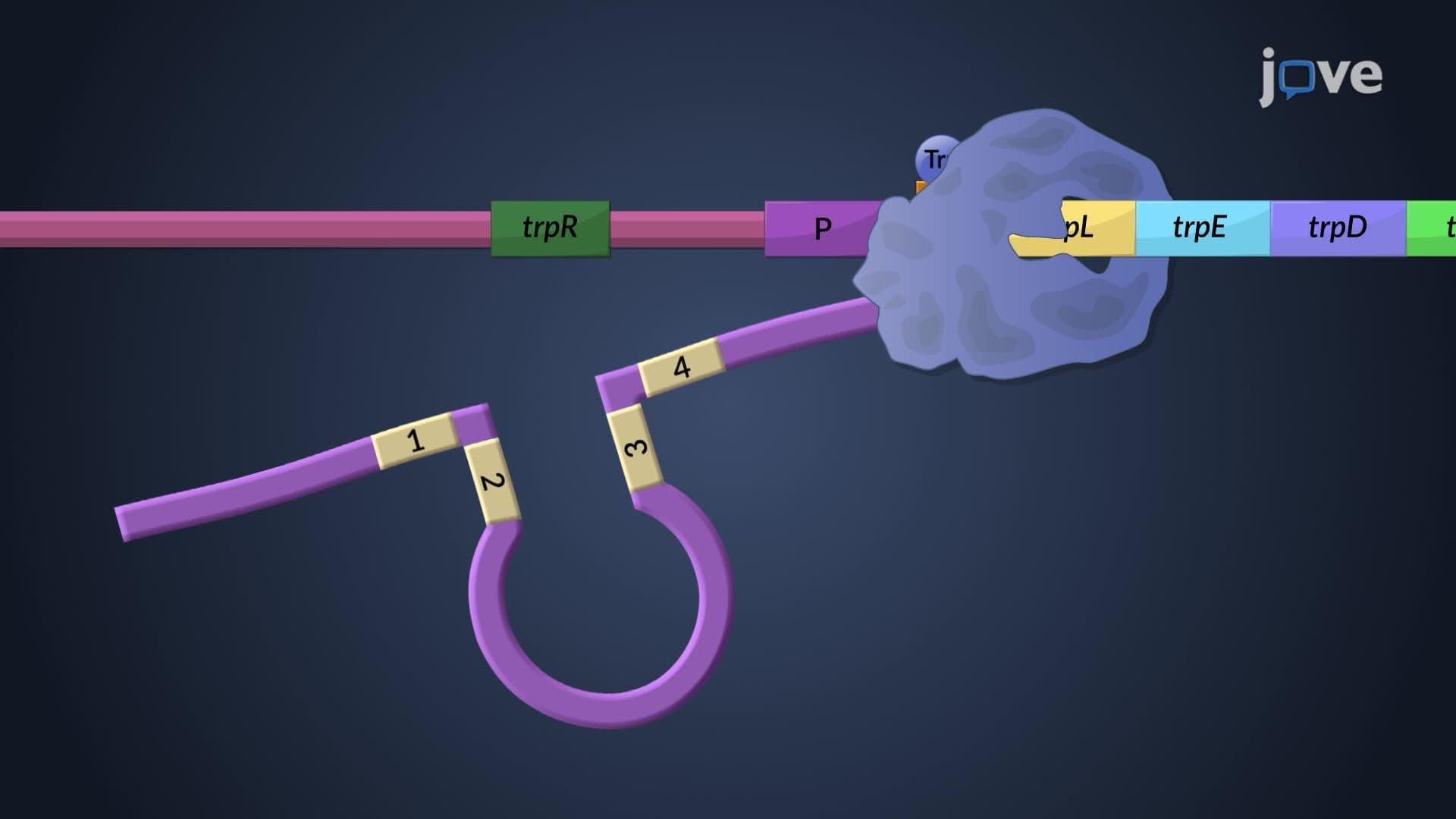
Repressible operons like the arginine (arg) operon operate inversely to inducible systems. These operons remain active until their end product accumulates sufficiently. When arginine levels rise, arginine acts as a corepressor, binding to the ArgR repressor protein. This complex then blocks transcription, preventing wasteful overproduction.
This mechanism appears frequently on MCAT examinations because it demonstrates feedback inhibition-a fundamental principle in metabolism. US pharmaceutical companies exploit similar regulatory principles when engineering bacteria to produce therapeutic proteins like insulin or growth hormone.
Understanding operon regulation has revolutionized medicine and biotechnology across American research institutions. Antibiotic resistance often involves operons that rapidly express resistance genes when bacteria encounter drugs. Similarly, the biotechnology industry uses modified operons to control protein production in bacterial factories, enabling cost-effective manufacturing of life-saving medications for US patients.
Related Micro-courses