Loading subject page…


14,827 views


Video Summary: What Is Prokaryotic DNA Replication
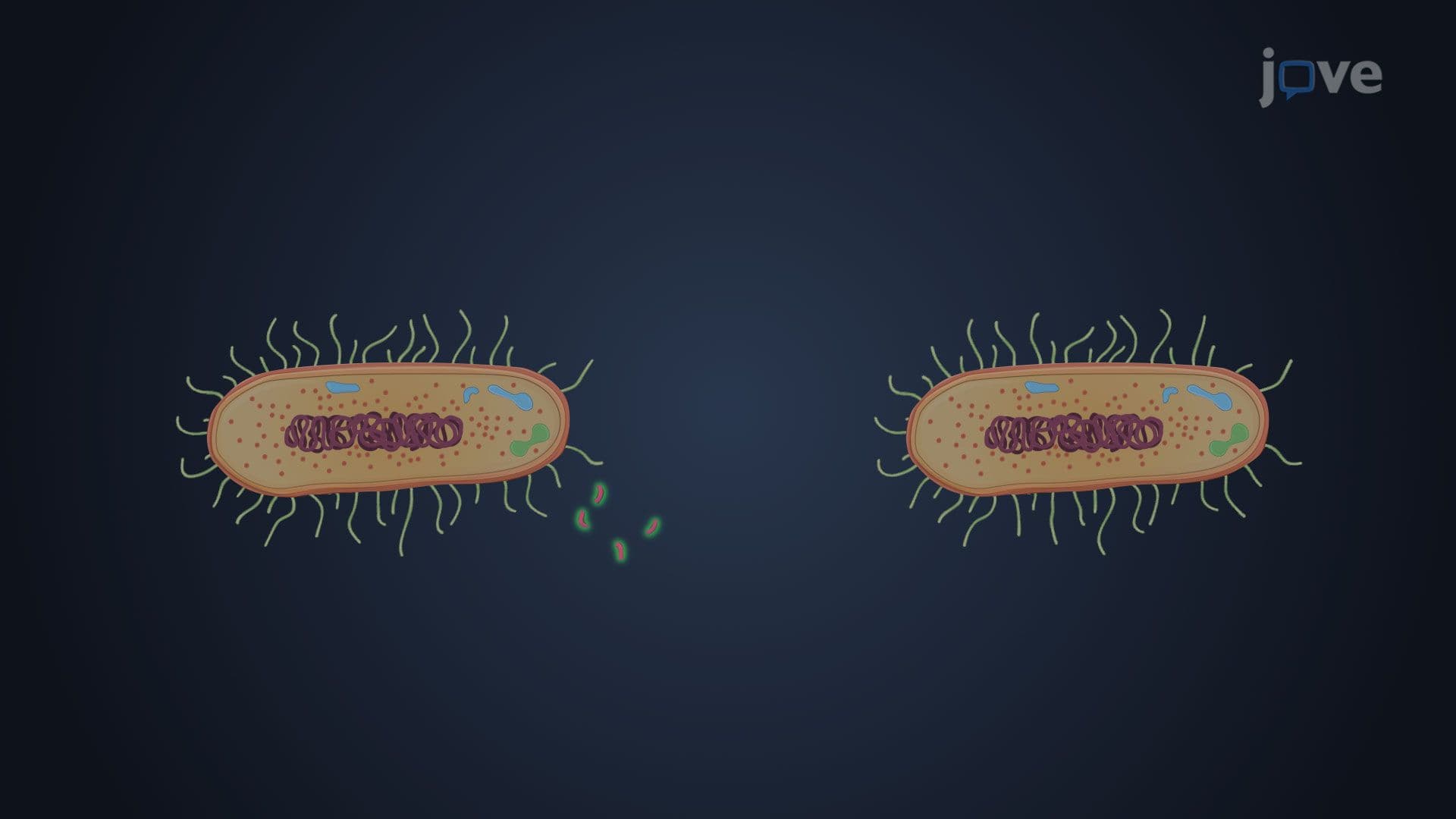
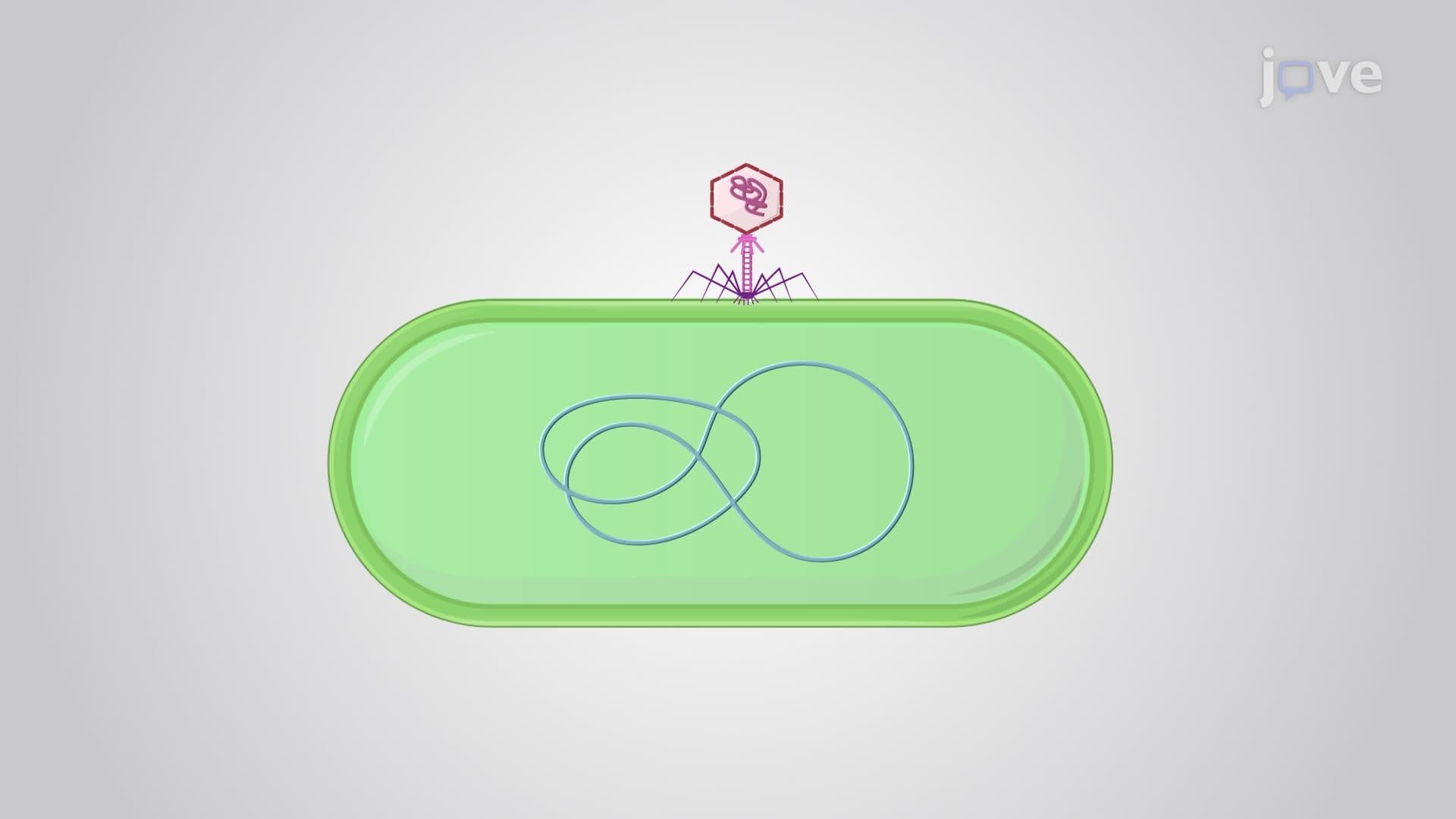
Did you know that a single E. coli bacterium can duplicate its entire 4.6-million-base-pair genome in just 40 minutes? Prokaryotic DNA replication is the highly coordinated process by which bacteria copy their circular chromosomes to prepare for cell division. This fundamental mechanism differs significantly from eukaryotic replication, featuring unique enzymes and a single origin of replication called oriC. Understanding what is prokaryotic DNA replication is crucial for developing antibiotics that target bacterial reproduction in clinical settings across US hospitals. Watch the full video on JoVE Coach to master this concept with expert-led visuals and step-by-step explanations.
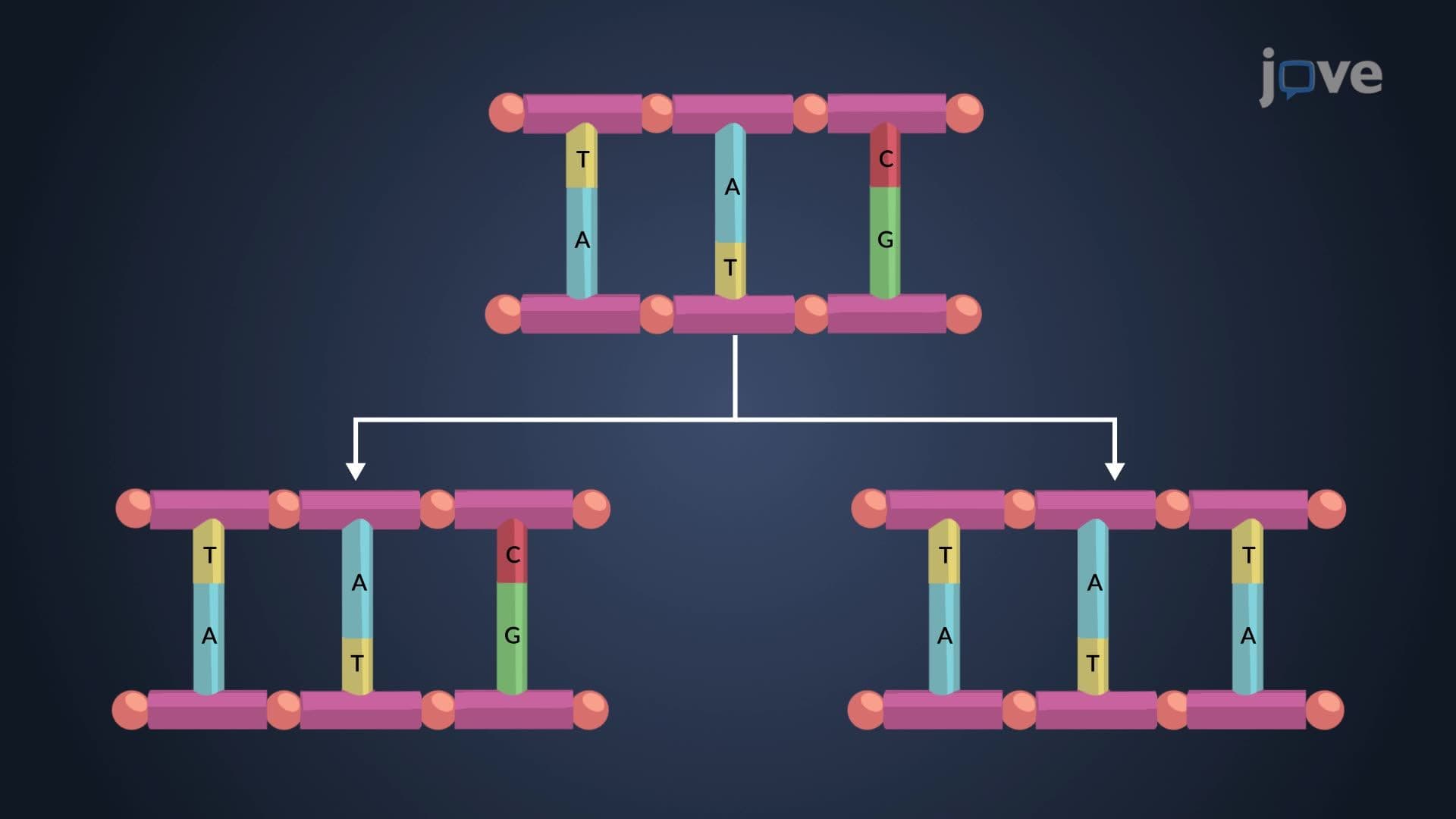
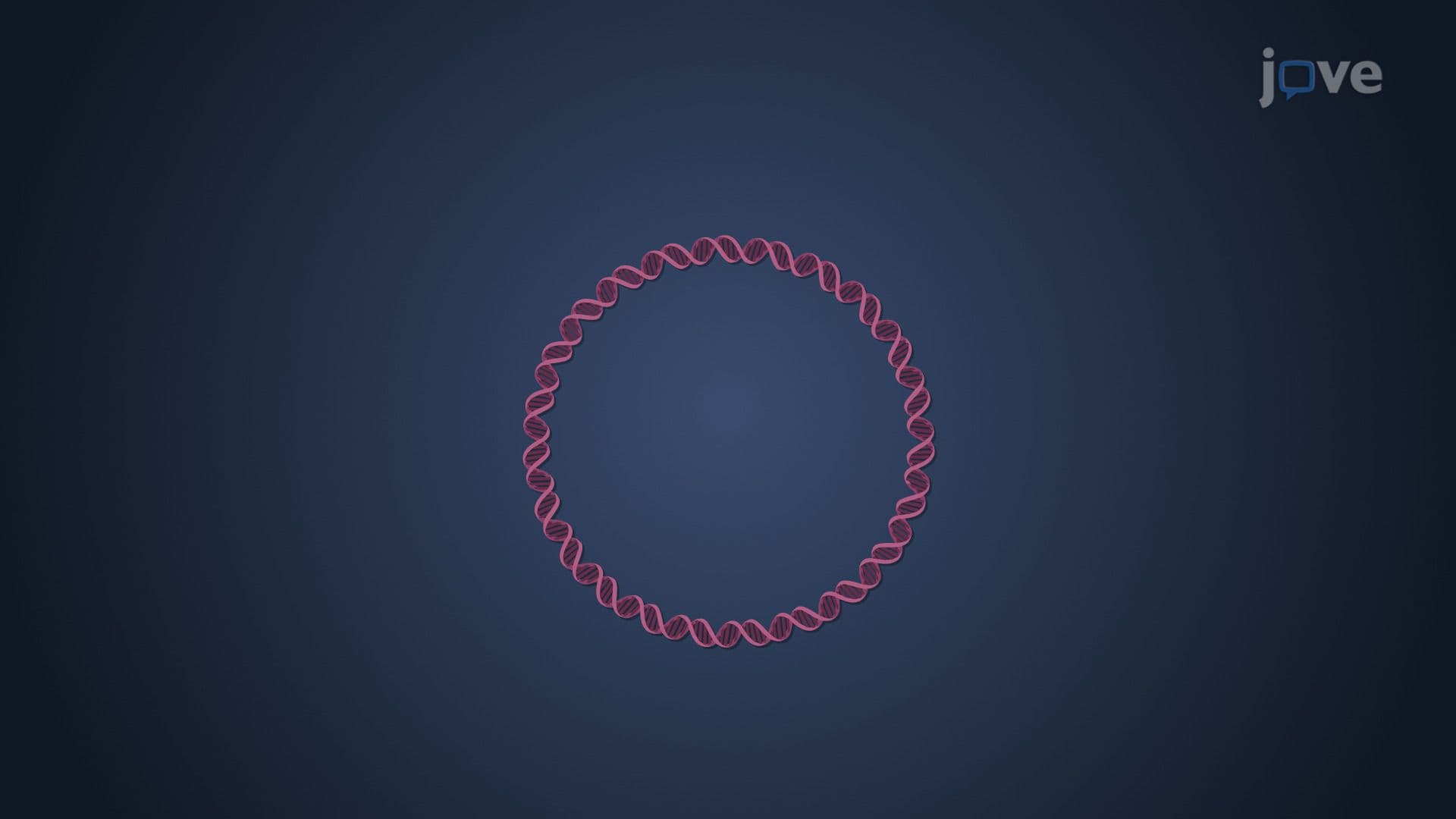
Prokaryotic DNA replication represents one of biology's most elegant and efficient processes. Unlike eukaryotic cells with multiple linear chromosomes, bacteria possess a single, circular chromosome that replicates from a unique starting point. This streamlined system allows rapid cell division-essential for bacterial survival and proliferation in diverse environments from human intestines to hospital surfaces.
The process begins at the origin of replication (oriC), a specific DNA sequence where initiator proteins bind to signal the start of replication. This single origin contrasts sharply with eukaryotes, which require multiple origins to replicate their larger, more complex genomes efficiently.
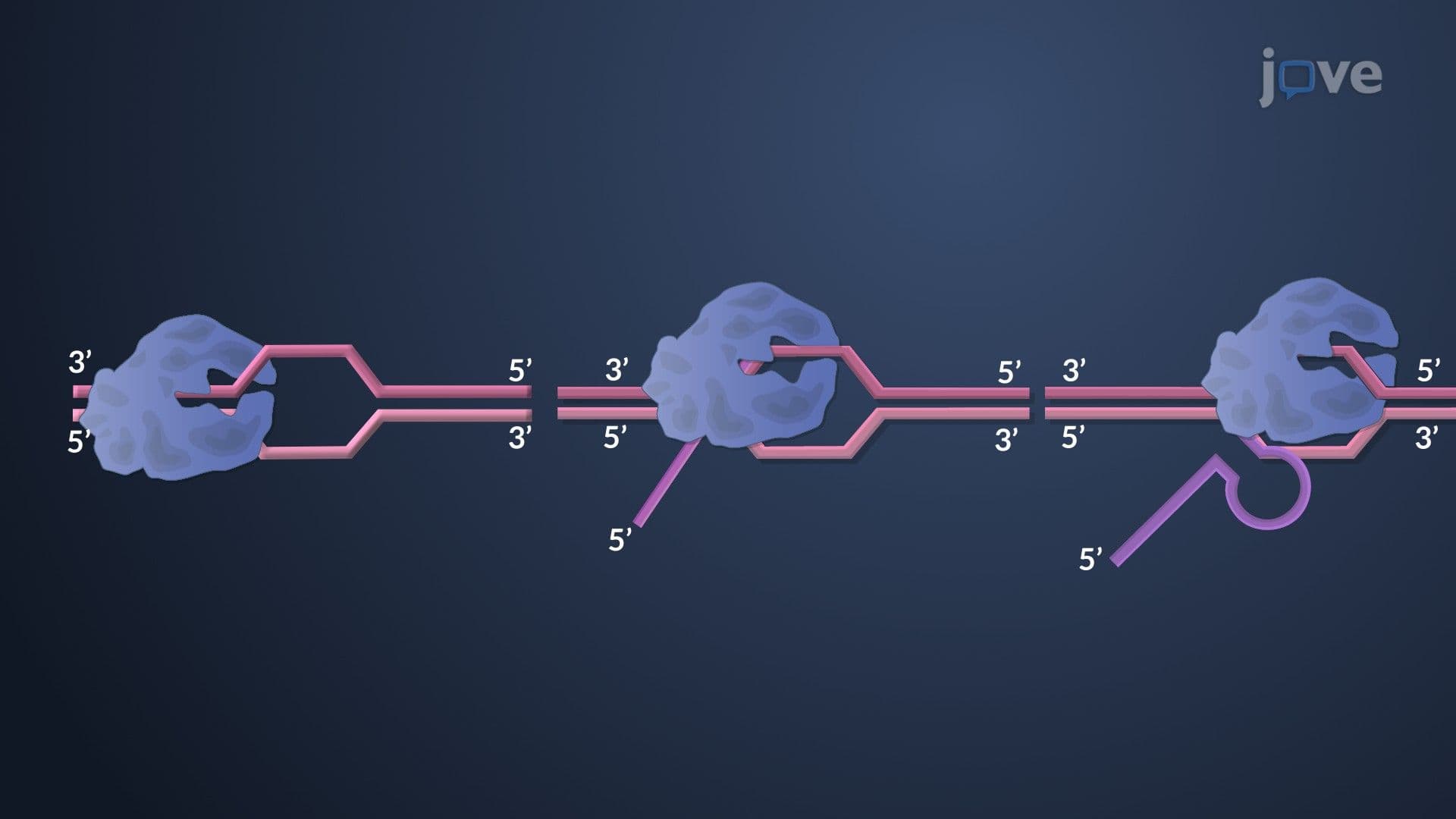
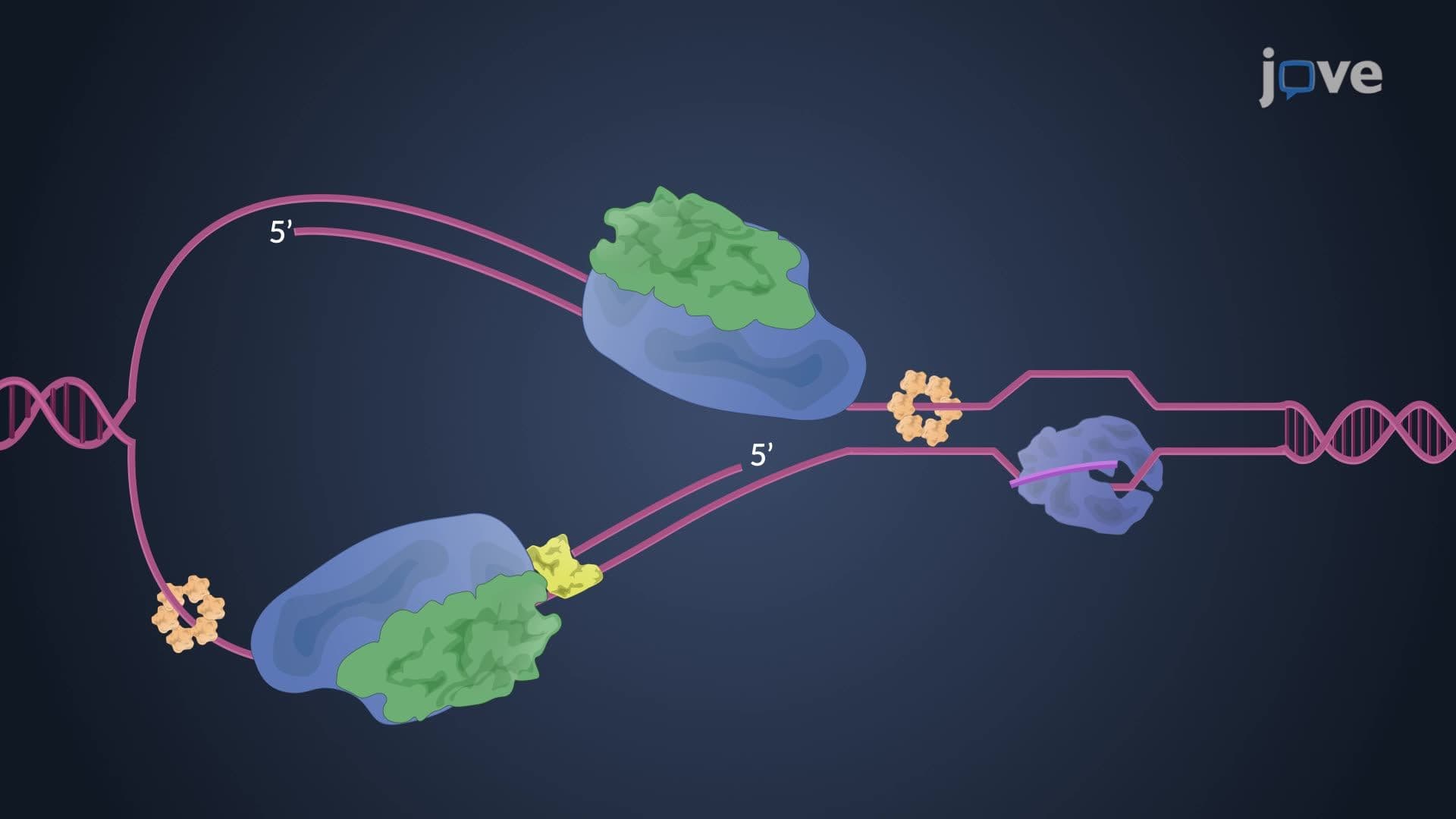
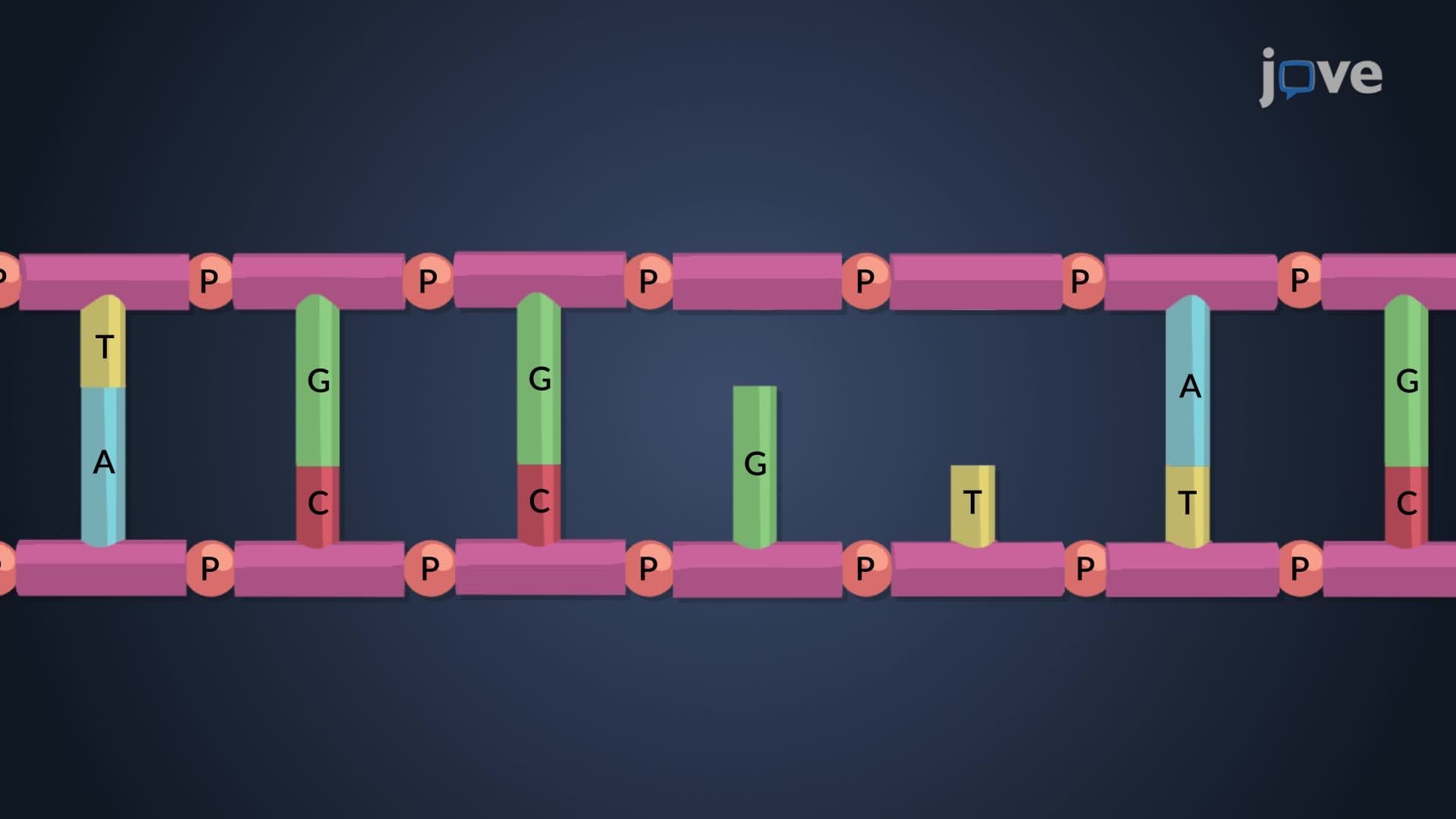
The prokaryotic replication machinery operates like a highly coordinated assembly line. DNA helicase unwinds the double helix, creating two replication forks that move bidirectionally around the circular chromosome. This unwinding creates supercoiling tension, which topoisomerases relieve by making temporary cuts in the DNA.
DNA polymerase III serves as the primary replicative enzyme, synthesizing new DNA strands in the 5' to 3' direction. The leading strand synthesis proceeds continuously toward the replication fork, while the lagging strand must be synthesized discontinuously as short Okazaki fragments. Primase lays down RNA primers to initiate each fragment, and DNA ligase joins these pieces to create a continuous strand.
Understanding prokaryotic DNA replication proves crucial for pre-med students preparing for the MCAT, as questions frequently test knowledge of enzyme functions and replication mechanisms. AP Biology students encounter this topic when studying molecular biology, particularly the differences between prokaryotic and eukaryotic processes.
In clinical applications, many antibiotics target bacterial DNA replication. Quinolone antibiotics like ciprofloxacin inhibit DNA gyrase, a type of topoisomerase essential for bacterial replication. This knowledge helps explain why these drugs effectively treat urinary tract infections caused by E. coli but don't affect human cells.
Prokaryotic DNA replication includes sophisticated quality control mechanisms. DNA polymerases possess 3' to 5' exonuclease activity, allowing them to proofread and correct misincorporated nucleotides immediately. This proofreading function maintains replication fidelity at approximately one error per billion nucleotides-crucial for bacterial survival.
The timing of DNA replication coordinates precisely with cell division through regulatory proteins that ensure chromosome replication completes before cell division begins. This coordination prevents incomplete genome transmission to daughter cells, maintaining bacterial population viability.
Related Micro-courses