Loading video…

 31 Concepts
 14.9K views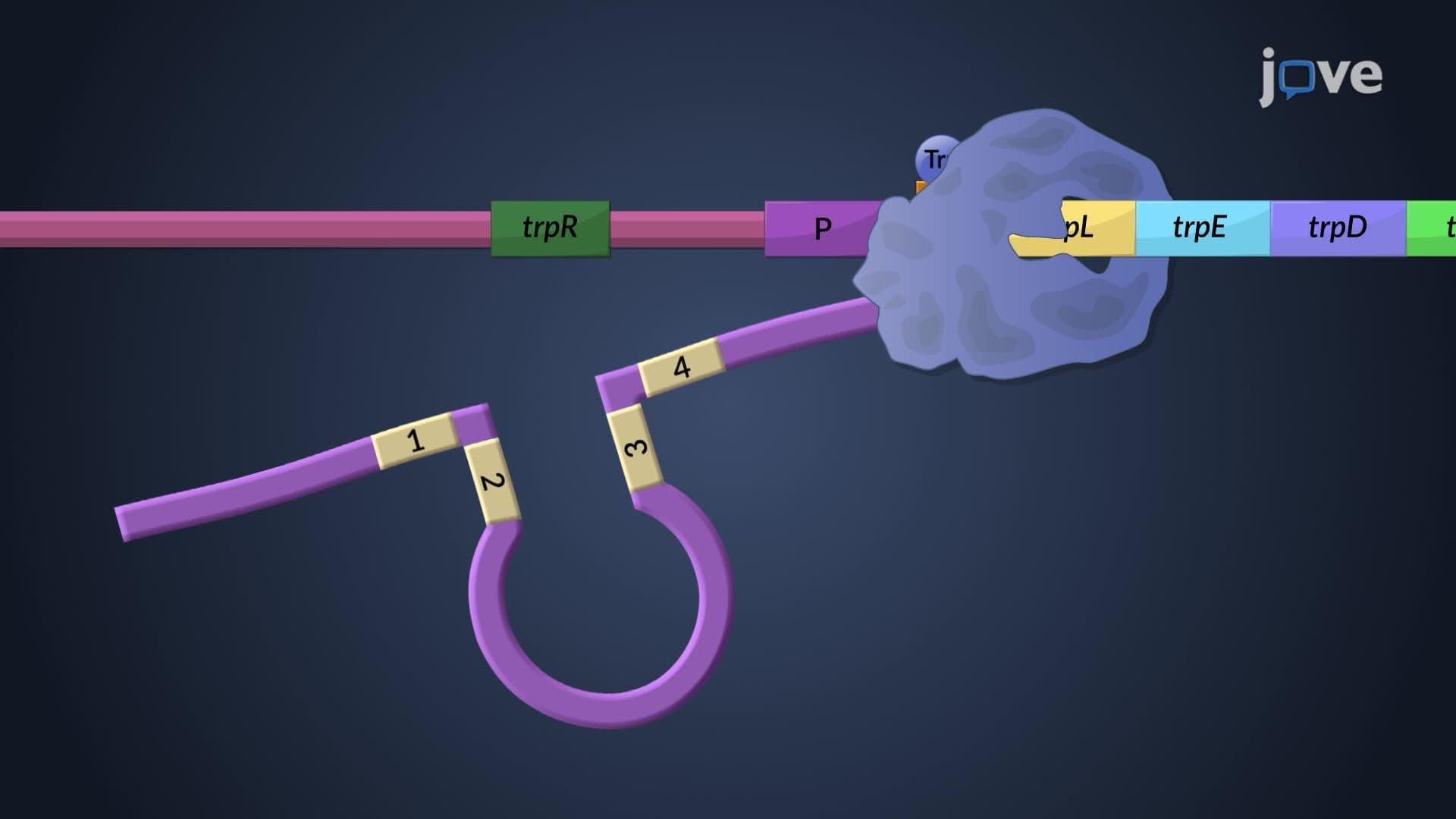

Video Summary: What Is Repressible Operon Trp Operon
Ever wonder how bacteria like *E. coli* know when to stop producing expensive amino acids? The repressible operon trp operon acts like a cellular thermostat, automatically shutting down tryptophan production when this essential amino acid becomes abundant. This sophisticated genetic control system helps *E. coli* conserve energy-the same principle pharmaceutical companies use when engineering bacteria to produce human insulin at Genentech's facilities in California. Understanding what is repressible operon trp operon reveals nature's elegant solution to metabolic efficiency. Watch the full video on JoVE Coach to master this concept with expert-led visuals and step-by-step explanations.
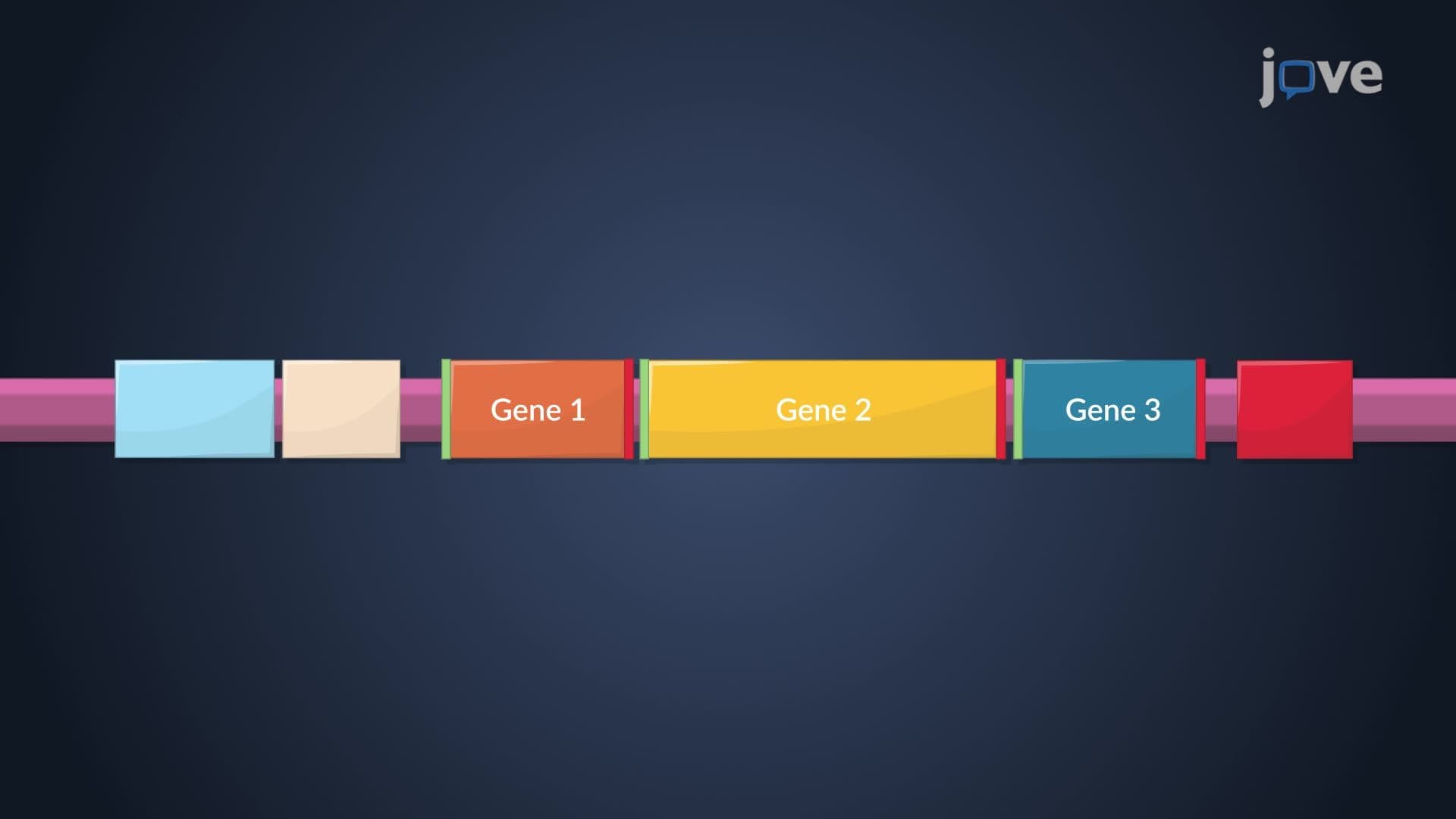
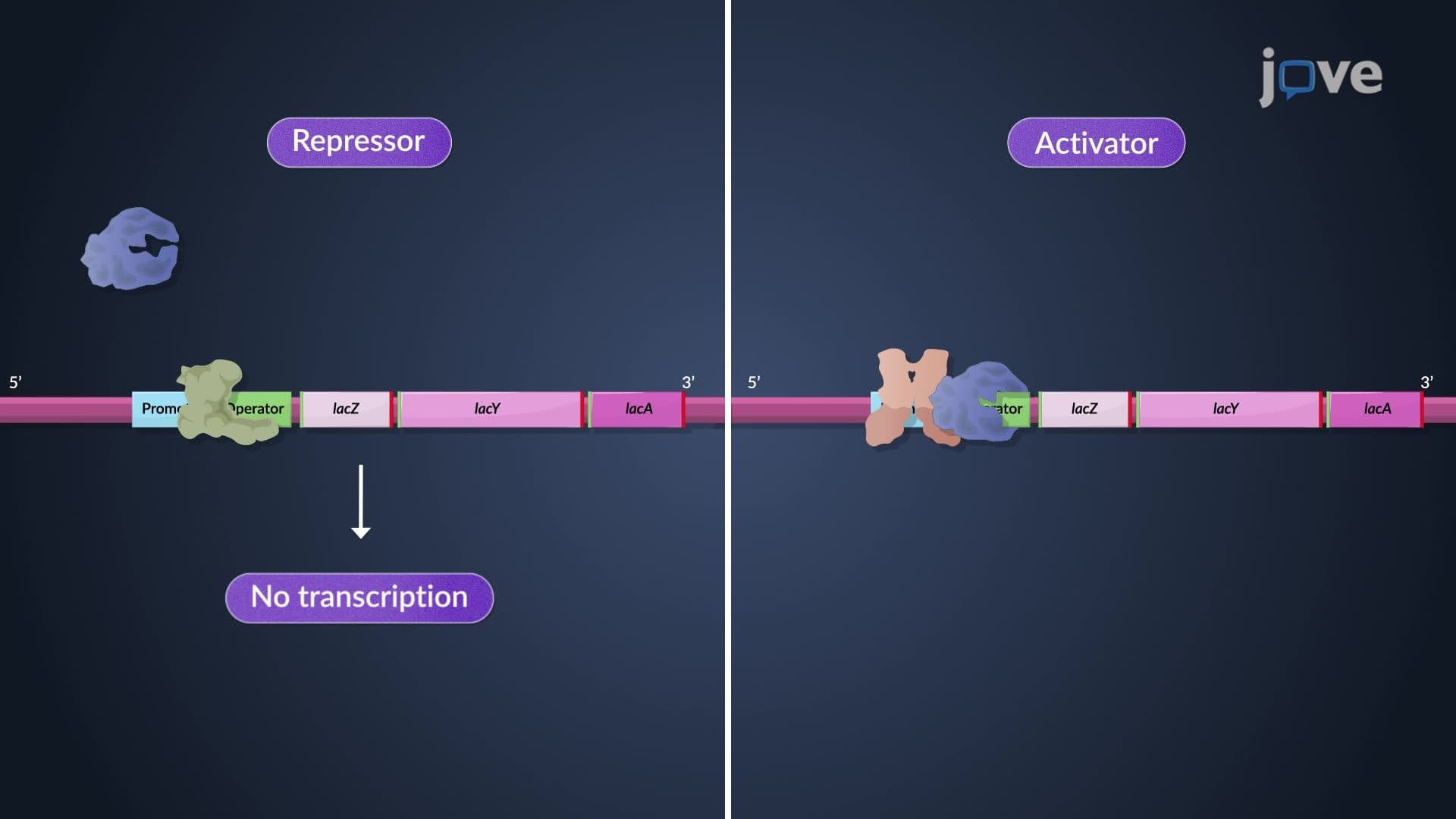
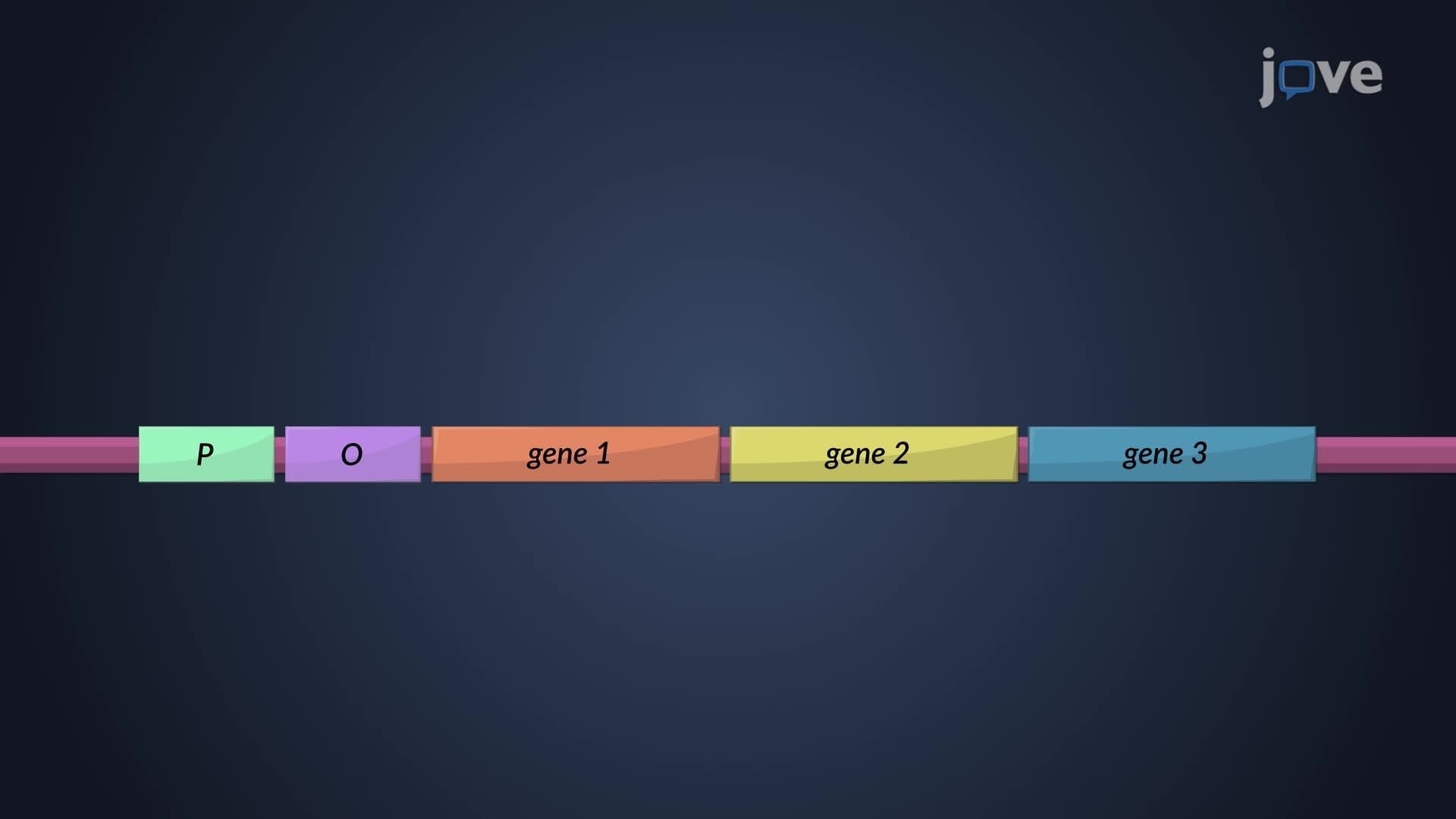
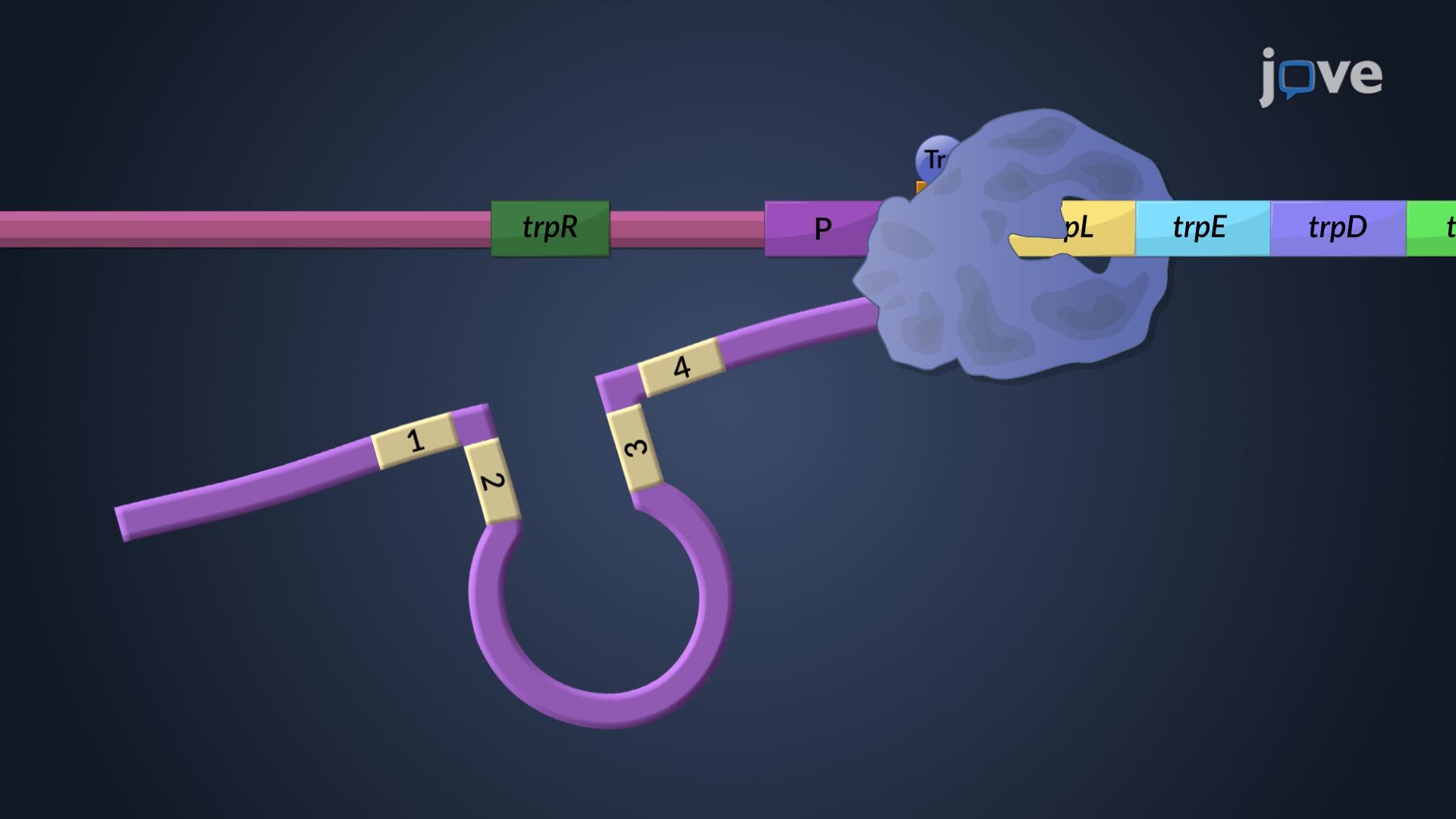
The repressible operon trp operon represents one of biology's most elegant regulatory systems, controlling tryptophan biosynthesis in *Escherichia coli*. Unlike inducible operons that are "turned on" by their substrate, repressible operons are "turned off" by their end product. This system contains five structural genes encoding enzymes for tryptophan synthesis, preceded by critical regulatory sequences: the promoter (where RNA polymerase binds), operator (where the repressor binds), and leader sequence (containing attenuation controls).
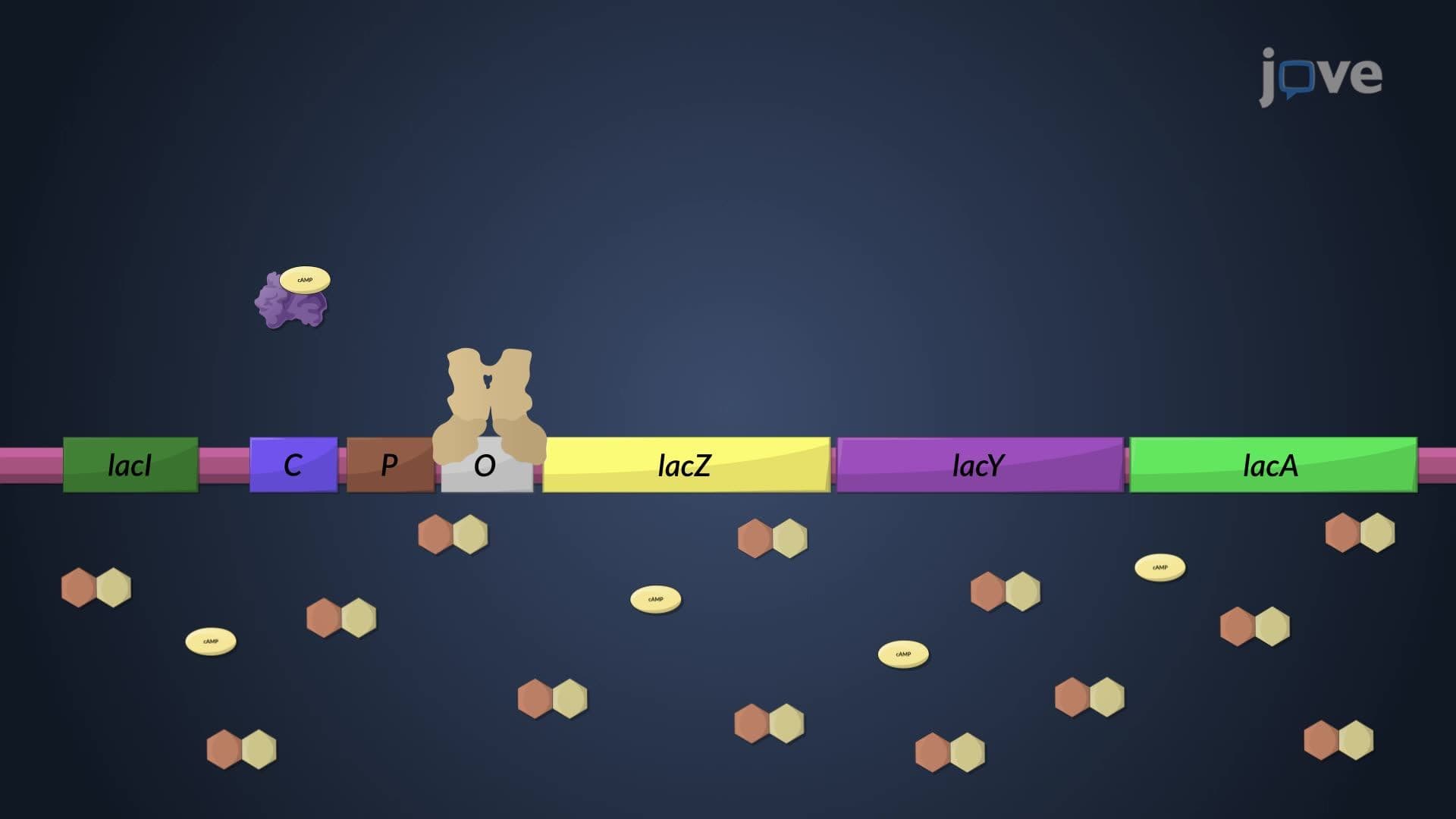
The trp operon employs two sophisticated control mechanisms. The primary control involves the trp repressor protein (TrpR), which remains inactive until tryptophan binds to it as a corepressor. When cellular tryptophan levels rise-such as when bacteria encounter tryptophan-rich environments like the human gut after protein consumption-the tryptophan-TrpR complex binds the operator, physically blocking RNA polymerase and preventing transcription.
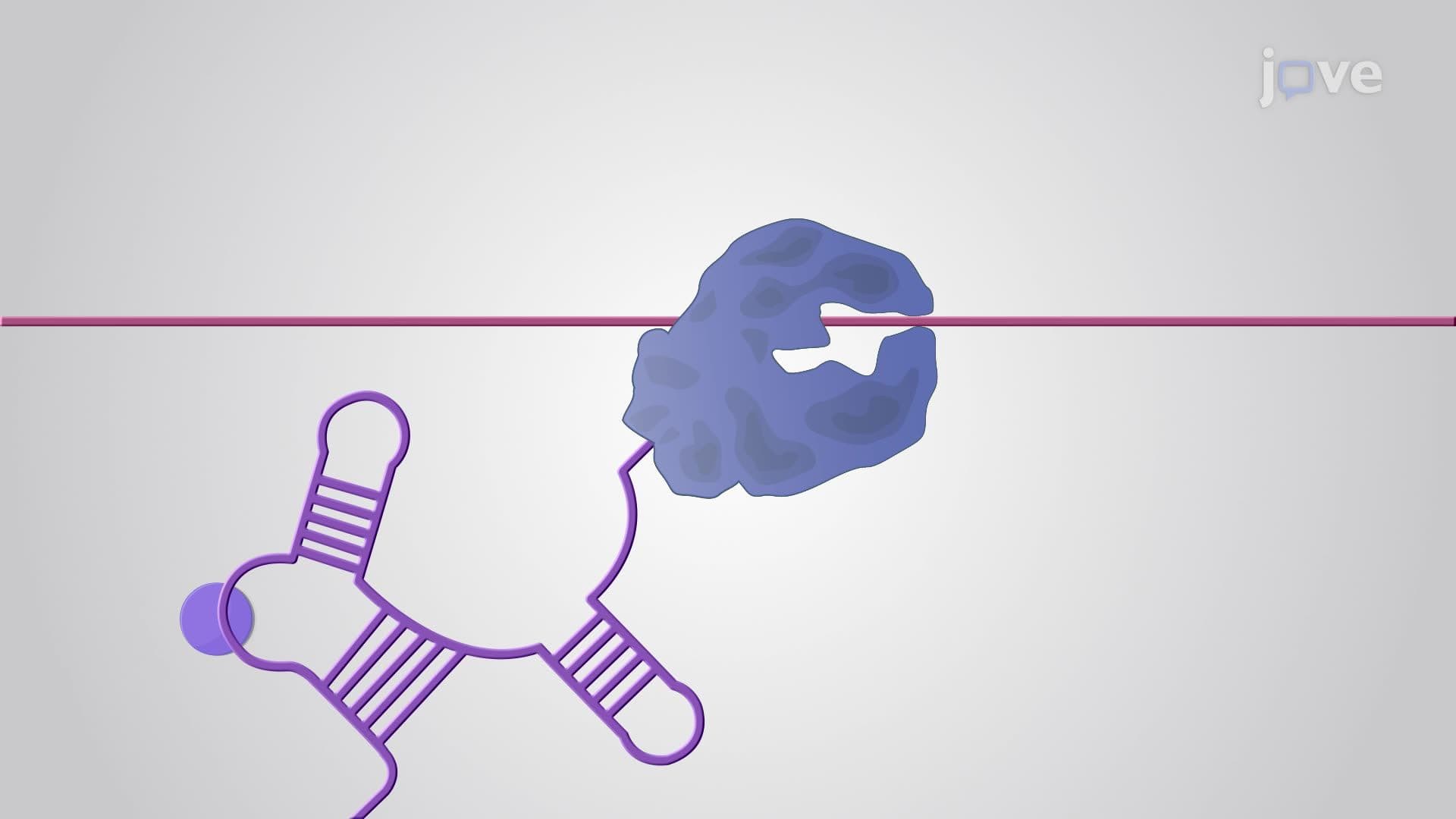
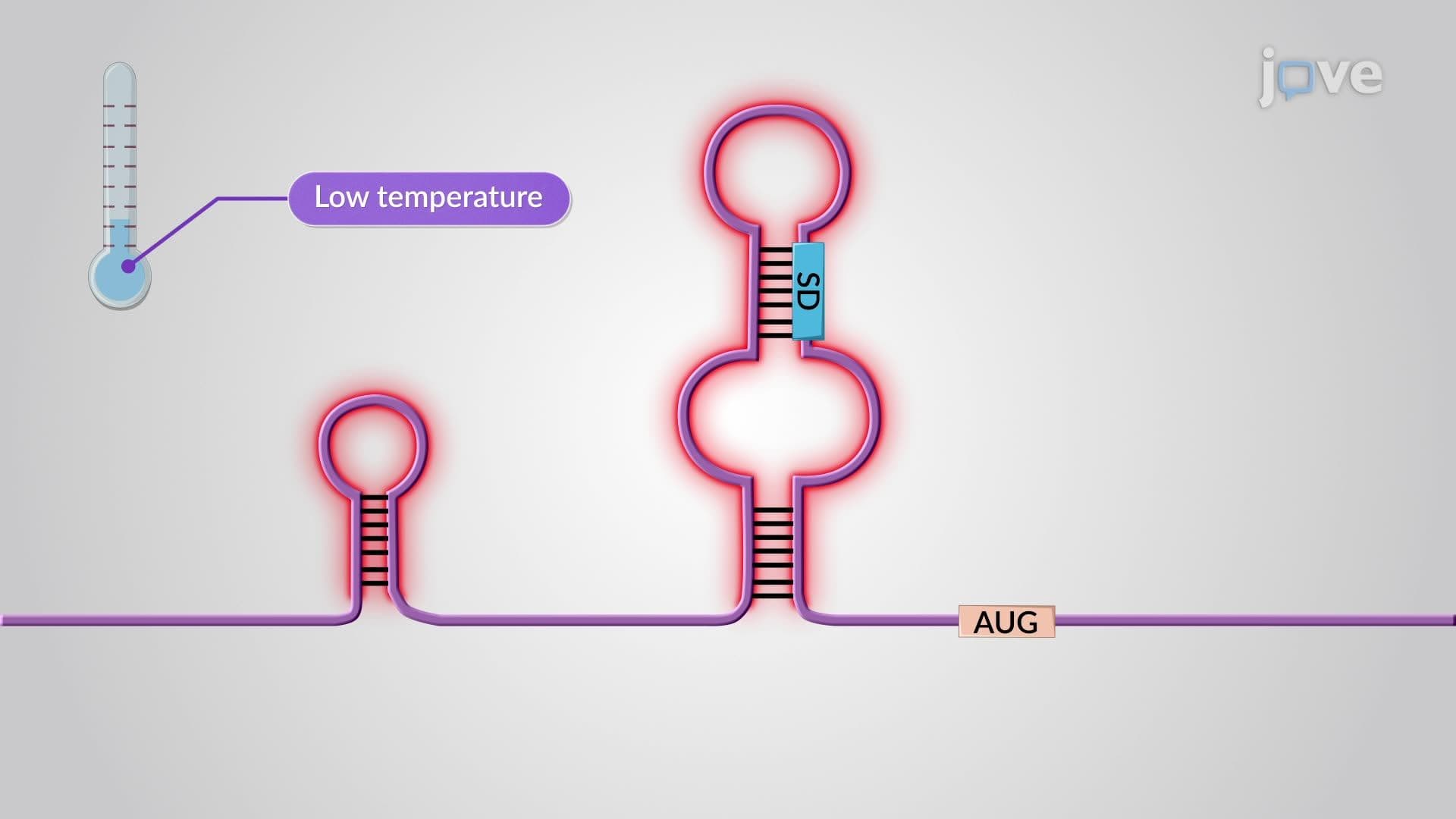
The secondary control mechanism, attenuation, provides fine-tuning even if transcription begins. The leader sequence (TrpL) contains four regions that can form different stem-loop structures in the nascent mRNA. These structures determine whether transcription continues or terminates early, creating a responsive system that adjusts to real-time cellular conditions.
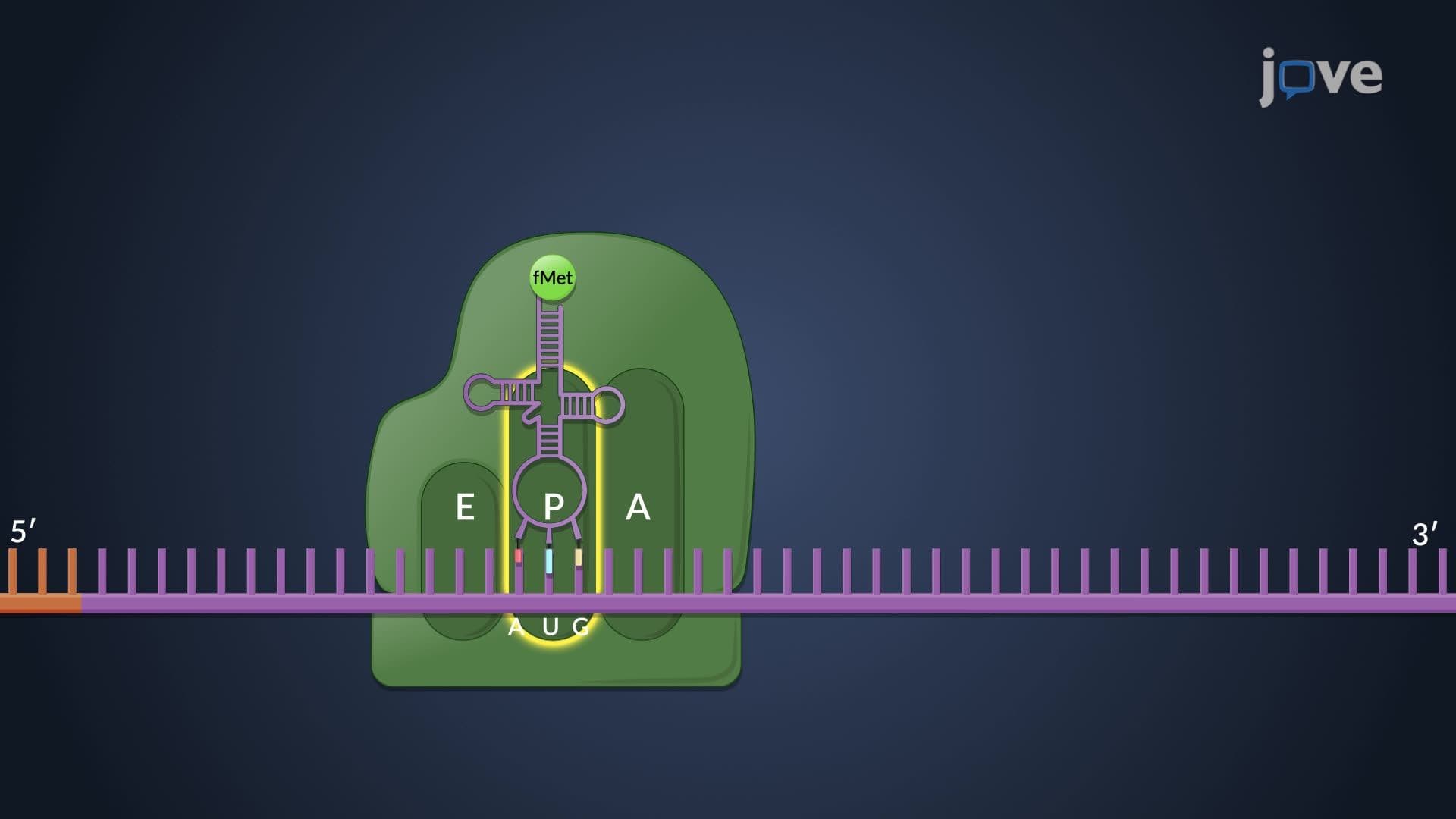
The attenuation mechanism depends on the coupling of transcription and translation in prokaryotes. When tryptophan is abundant, ribosomes quickly translate the tandem tryptophan codons in the leader peptide. This rapid translation allows regions 3 and 4 of the mRNA to pair, forming a terminator loop that causes transcription termination before reaching the structural genes.
Conversely, when tryptophan becomes scarce, ribosomes stall at the tryptophan codons because tryptophanyl-tRNA is unavailable. This stalling permits regions 2 and 3 to pair instead, forming an anti-terminator loop that allows transcription to proceed through the structural genes, enabling tryptophan production.
Understanding repressible operons is crucial for AP Biology students, pre-med students preparing for the MCAT, and college biochemistry courses. This concept frequently appears in exam questions about gene regulation and metabolic control. In biotechnology applications, companies like Amgen and Biogen exploit similar regulatory principles when engineering bacterial systems for pharmaceutical production, making this knowledge practically relevant for careers in biotechnology and medicine.
Related Micro-courses