Loading subject page…

14,826 views
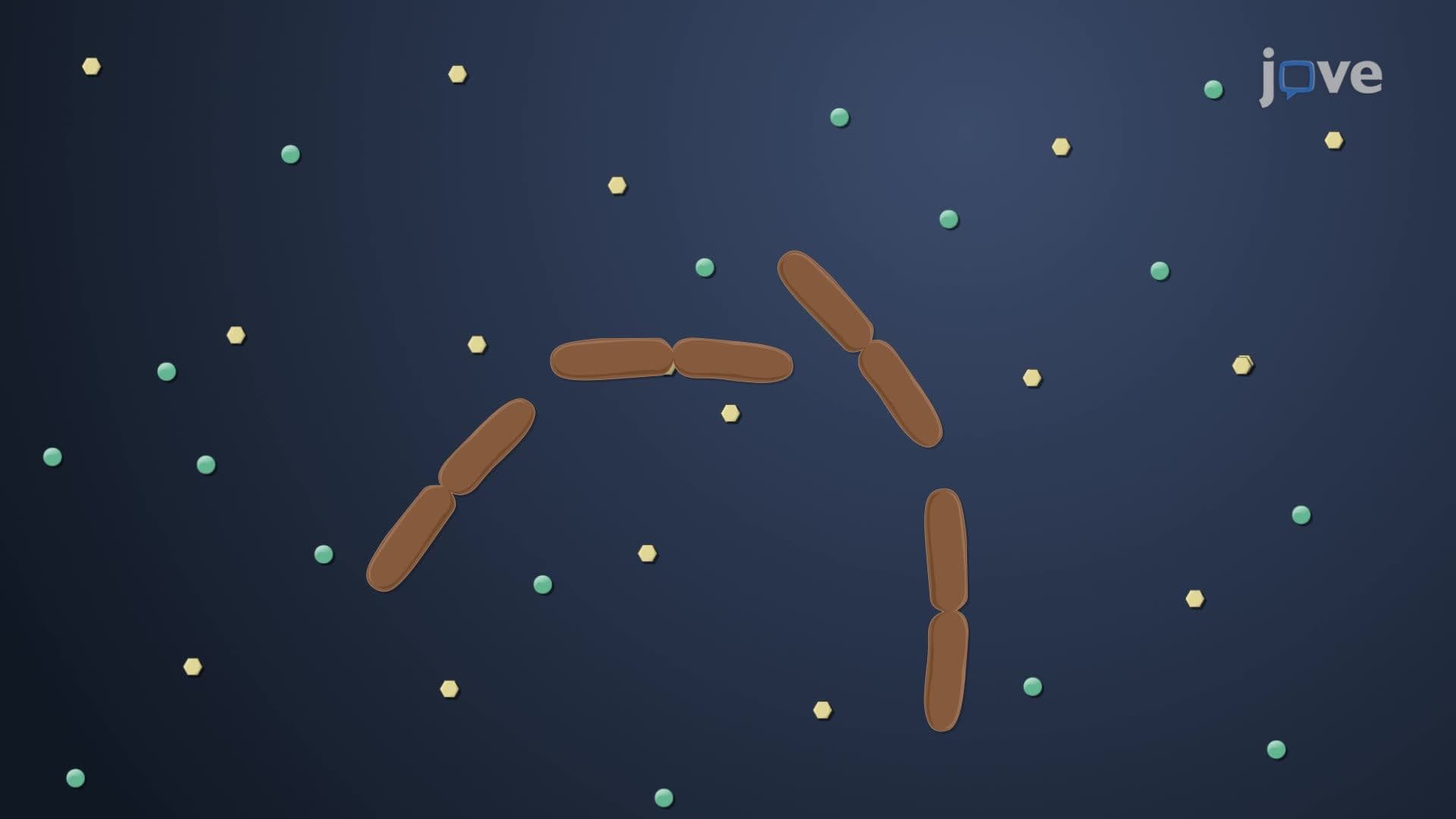

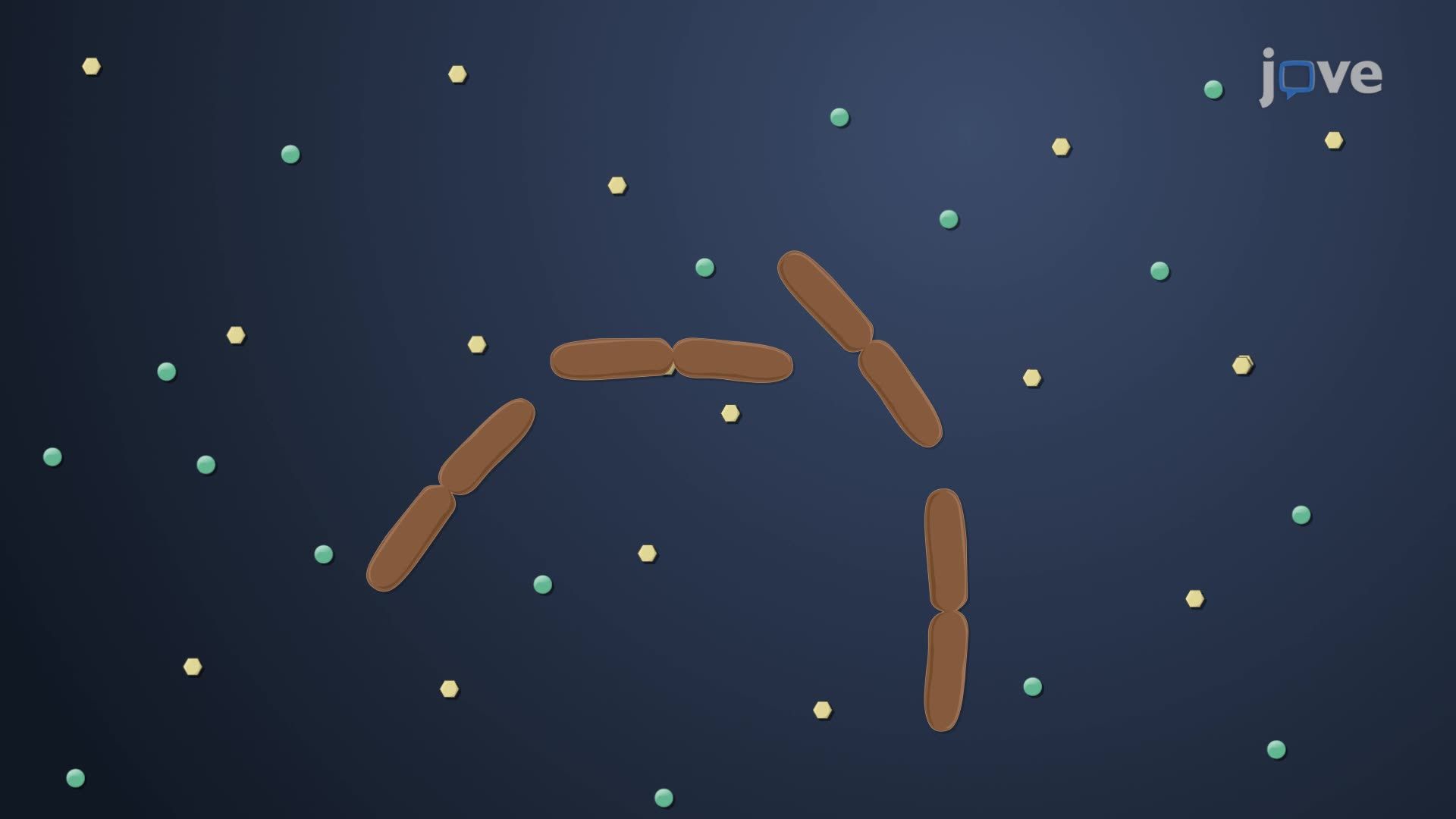
Video Summary: What Is Stringent Response
Did you know that bacteria can essentially "hit the panic button" when they're starving? The stringent response is a bacterial survival mechanism that kicks in during nutrient scarcity, dramatically reprogramming cellular metabolism to weather tough conditions. This process is critical in understanding how pathogenic bacteria like *E. coli* survive antibiotic treatments in US hospitals, making them harder to eliminate. What is stringent response, and how do bacteria orchestrate this remarkable survival strategy? Watch the full video on JoVE Coach to master this concept with expert-led visuals and step-by-step explanations.
The stringent response represents one of nature's most sophisticated bacterial survival strategies, fundamentally altering how cells allocate their limited resources during times of scarcity. This regulatory network allows bacteria to transition from rapid growth to a fortified survival state, making it a cornerstone concept in microbiology courses across US universities and a frequent topic on the MCAT.
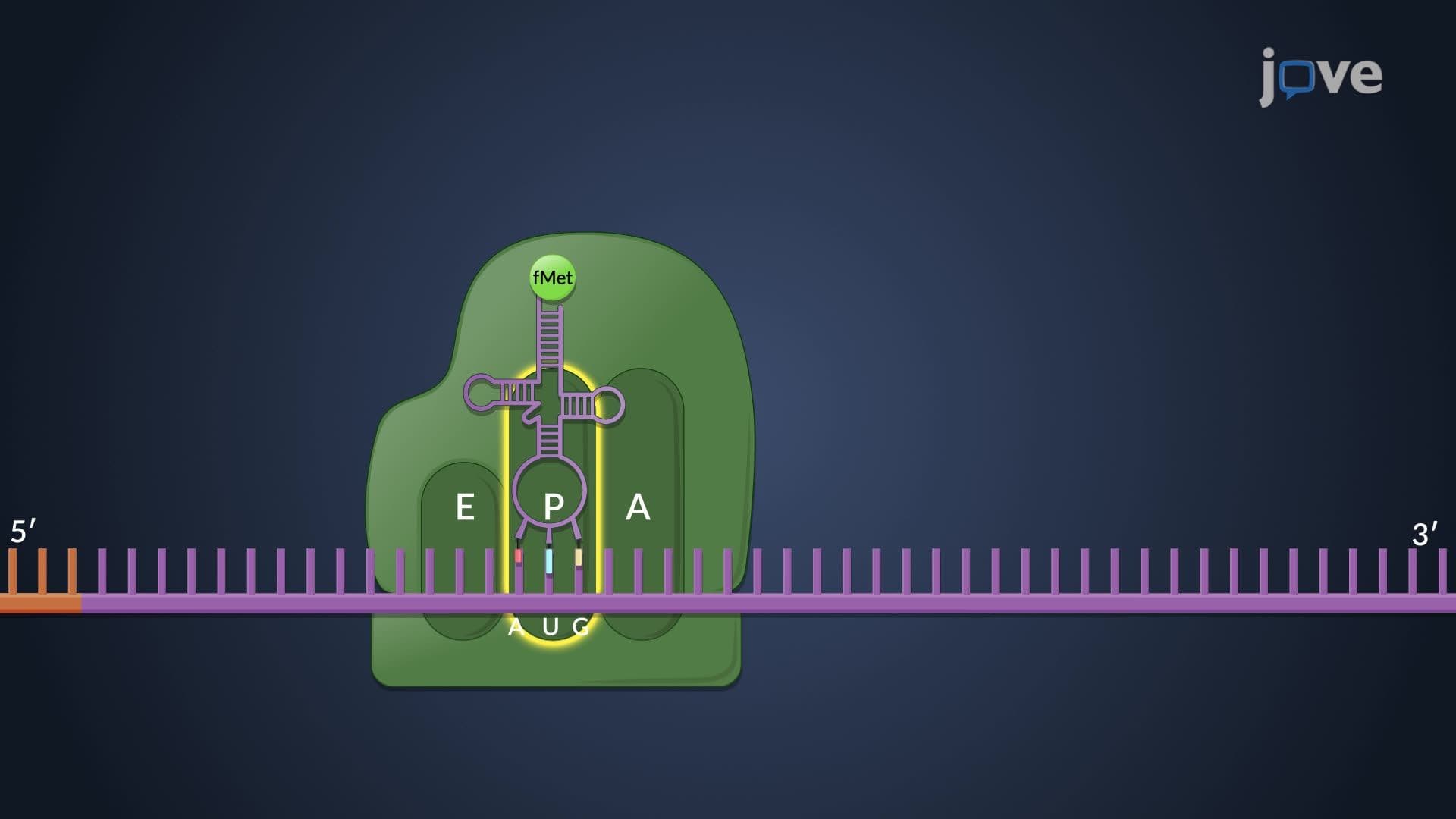
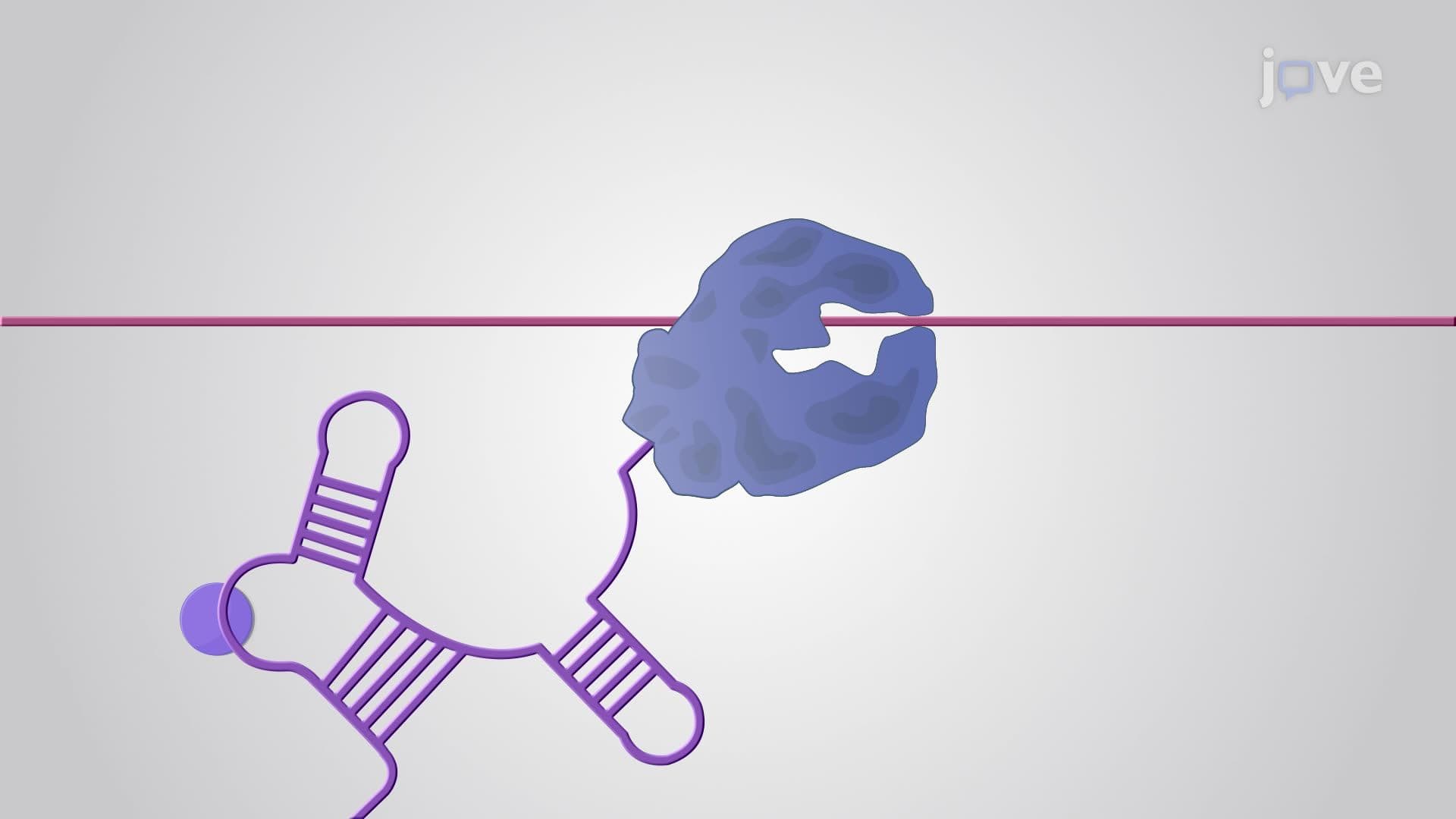
When bacteria encounter amino acid starvation, the cellular machinery detects this crisis through a remarkably sensitive system. Uncharged tRNAs-transfer RNAs lacking their corresponding amino acids-accumulate and bind to ribosomes, creating a traffic jam in protein synthesis. This ribosomal stalling serves as the primary signal that activates RelA, a crucial enzyme that synthesizes the stringent response regulator guanosine pentaphosphate (ppGpp) from ATP and GTP.
The stringent response definition encompasses this entire cascade: from initial nutrient sensing through RelA activation to the comprehensive cellular reprogramming that follows. Students preparing for AP Biology exams should note that this process exemplifies negative feedback regulation, where the cell's response to stress directly addresses the underlying problem.
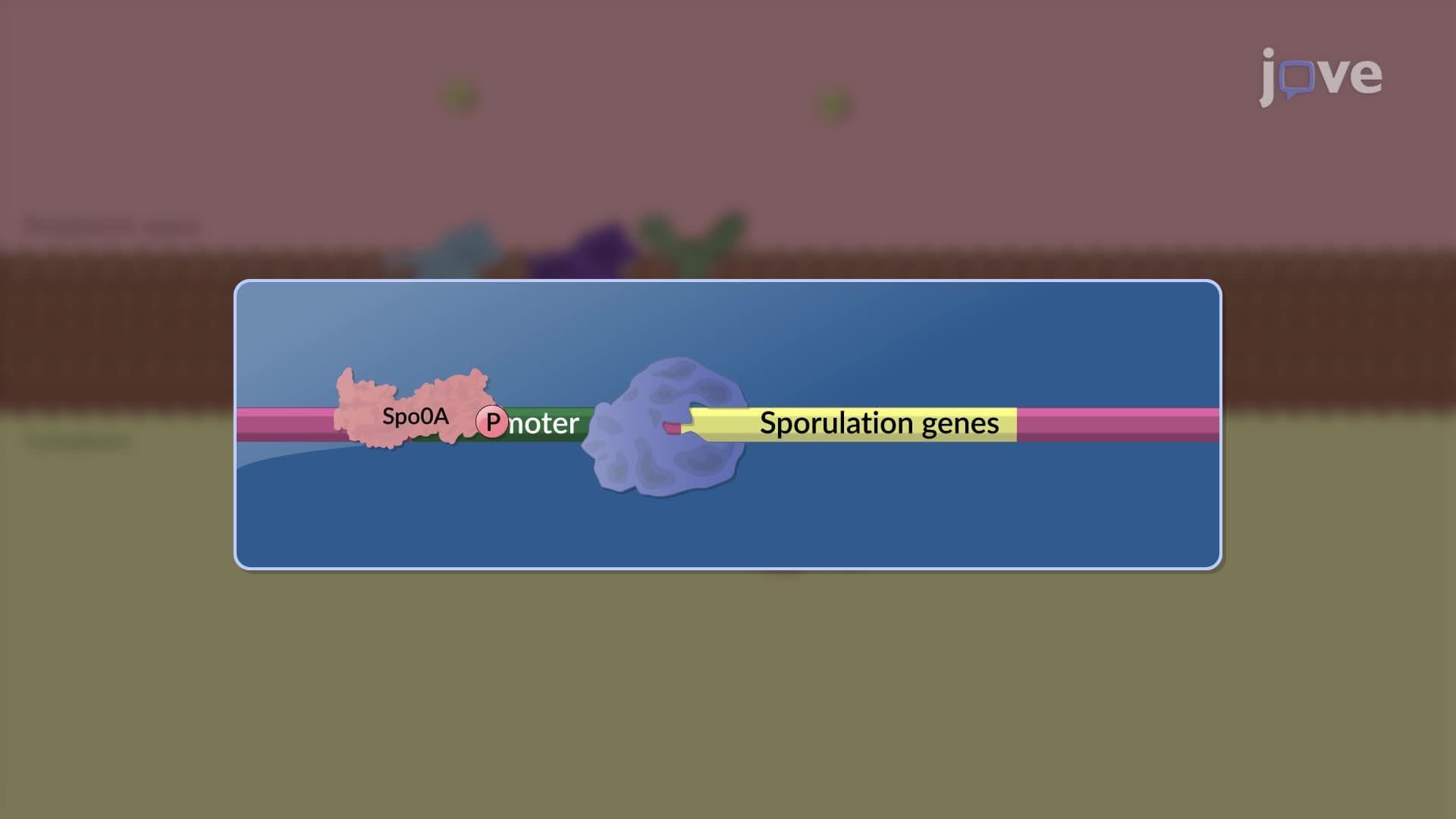
Once ppGpp levels rise, bacteria undergo dramatic transcriptional changes. The cell essentially "trades" rapid growth for long-term survival, redirecting resources from ribosome production and cell division toward amino acid biosynthesis and stress resistance genes. This shift explains why bacterial infections can persist despite antibiotic treatment-a concept particularly relevant in US clinical microbiology programs.
Research at institutions like Johns Hopkins and Harvard Medical School has shown that bacteria in this stringent state become phenotypically resistant to many antibiotics, not through genetic mutations but through metabolic dormancy. This phenomenon, called persistence, occurs in hospital-acquired infections across the United States.
The stringent response isn't permanent. When nutrients return, the enzyme SpoT hydrolyzes ppGpp back to GTP or GDP, allowing normal cellular metabolism to resume. However, understanding this recovery mechanism has important implications for treating bacterial infections. US medical schools emphasize how prolonged antibiotic courses may be necessary to eliminate persister cells that maintain elevated ppGpp levels during extended stress periods.
Related Micro-courses