Loading video…

 31 Concepts
 14.9K views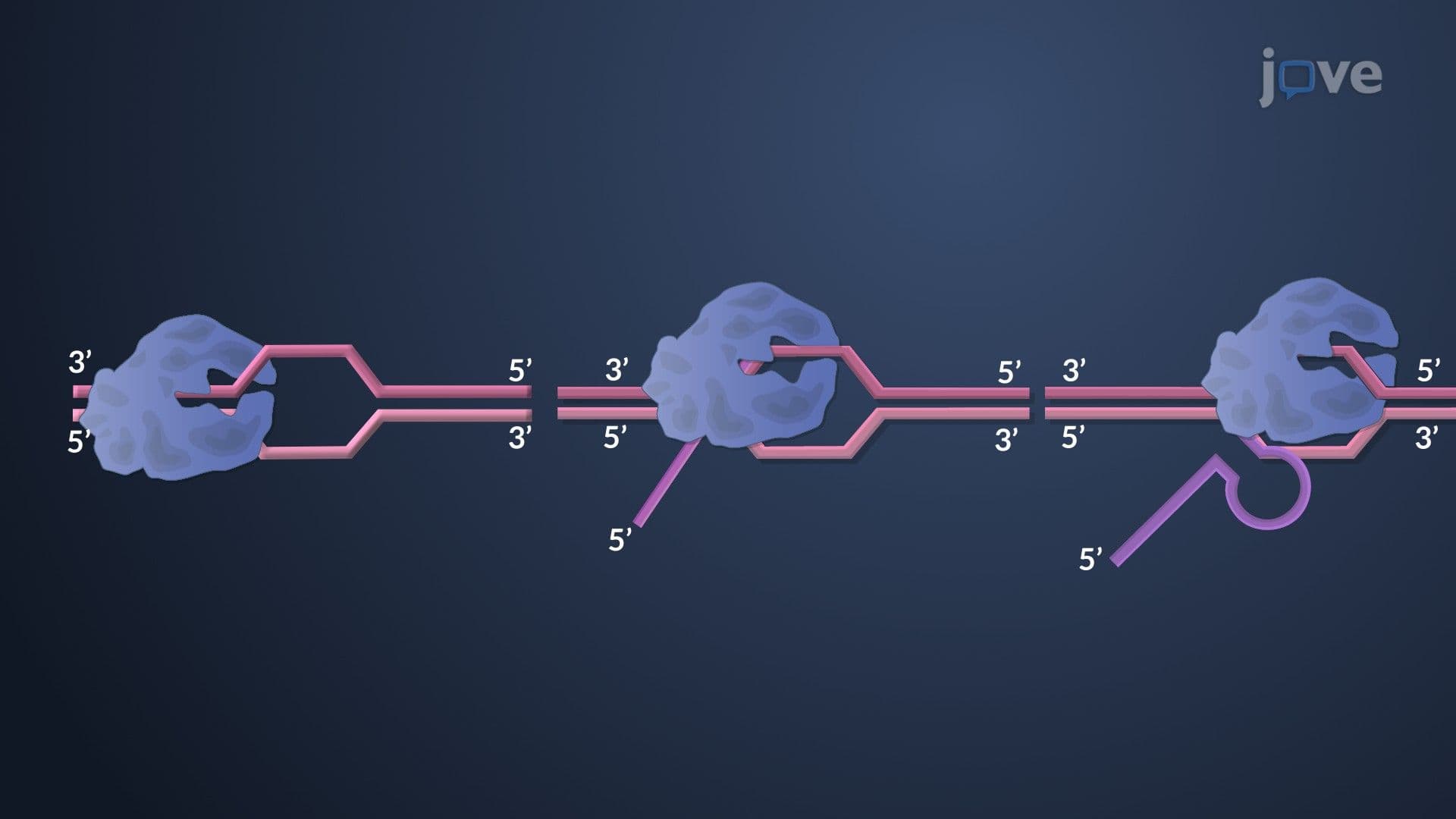

Video Summary: What Is Transcription in Prokaryotes
Did you know that the antibiotic streptomycin works by disrupting bacterial transcription, the same process that allows E. coli bacteria in your gut to produce essential proteins? Transcription in prokaryotes is the fundamental cellular process where DNA instructions are copied into RNA molecules. Unlike human cells, bacterial transcription happens directly in the cytoplasm without a nuclear membrane barrier. This streamlined process enables rapid protein synthesis in organisms like Staphylococcus aureus during infections. Watch the full video on JoVE Coach to master this concept with expert-led visuals and step-by-step explanations.
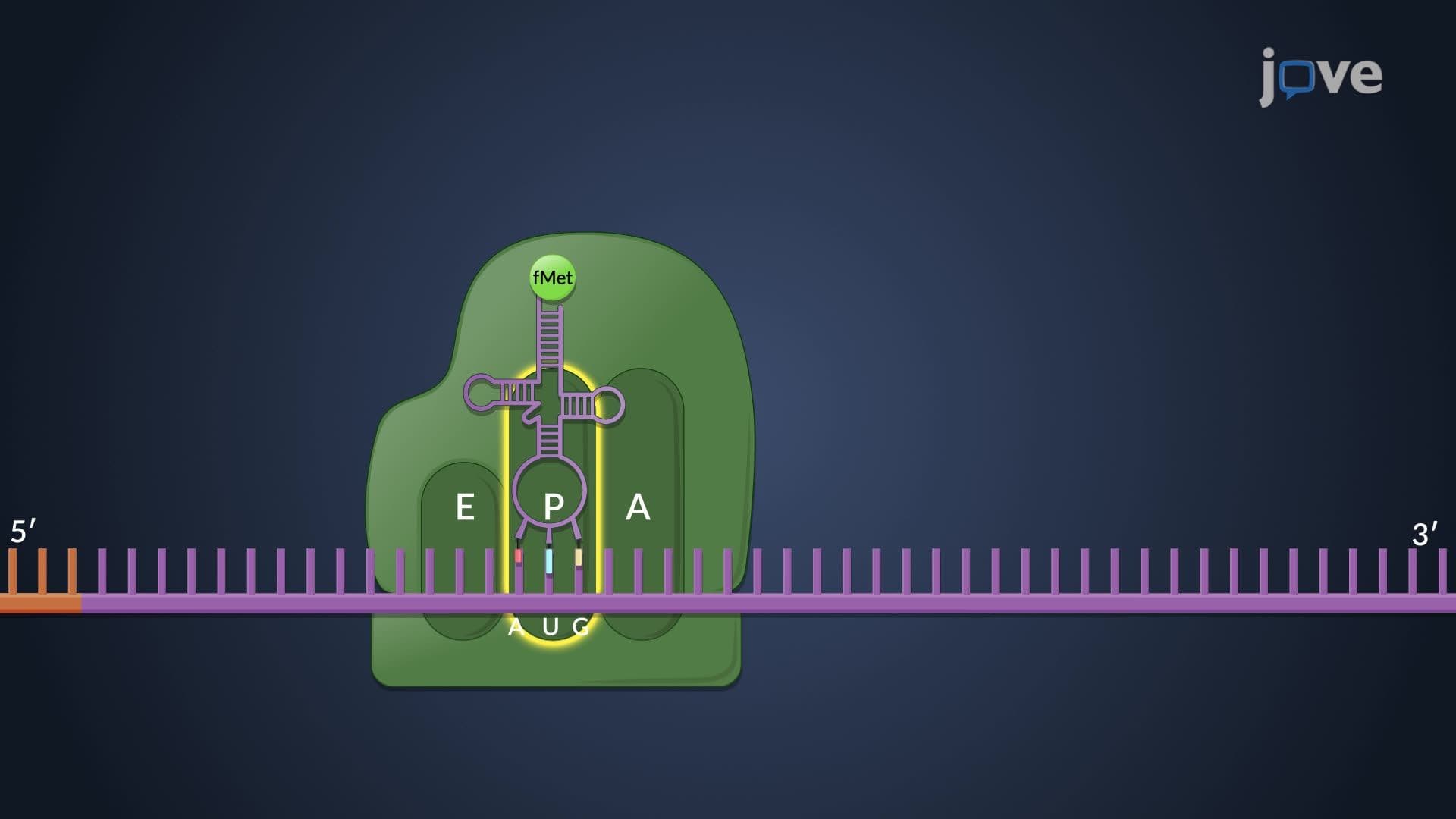
Transcription in prokaryotes represents one of biology's most elegant molecular processes, where genetic information flows from DNA to RNA with remarkable efficiency. Unlike the compartmentalized transcription seen in human cells, prokaryotic transcription occurs directly in the cytoplasm, allowing for immediate translation of newly synthesized RNA into proteins-a phenomenon called coupled transcription-translation.
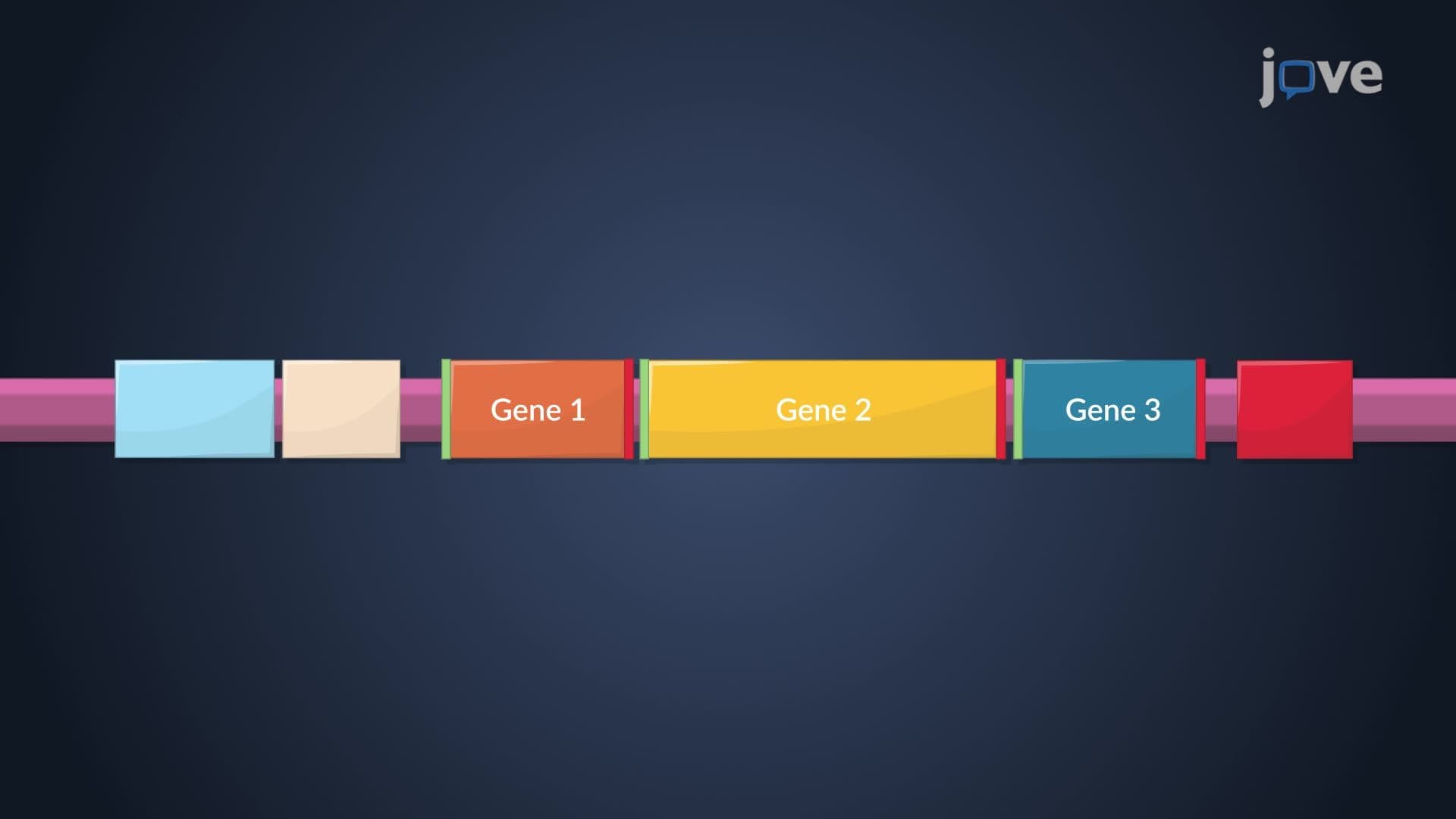
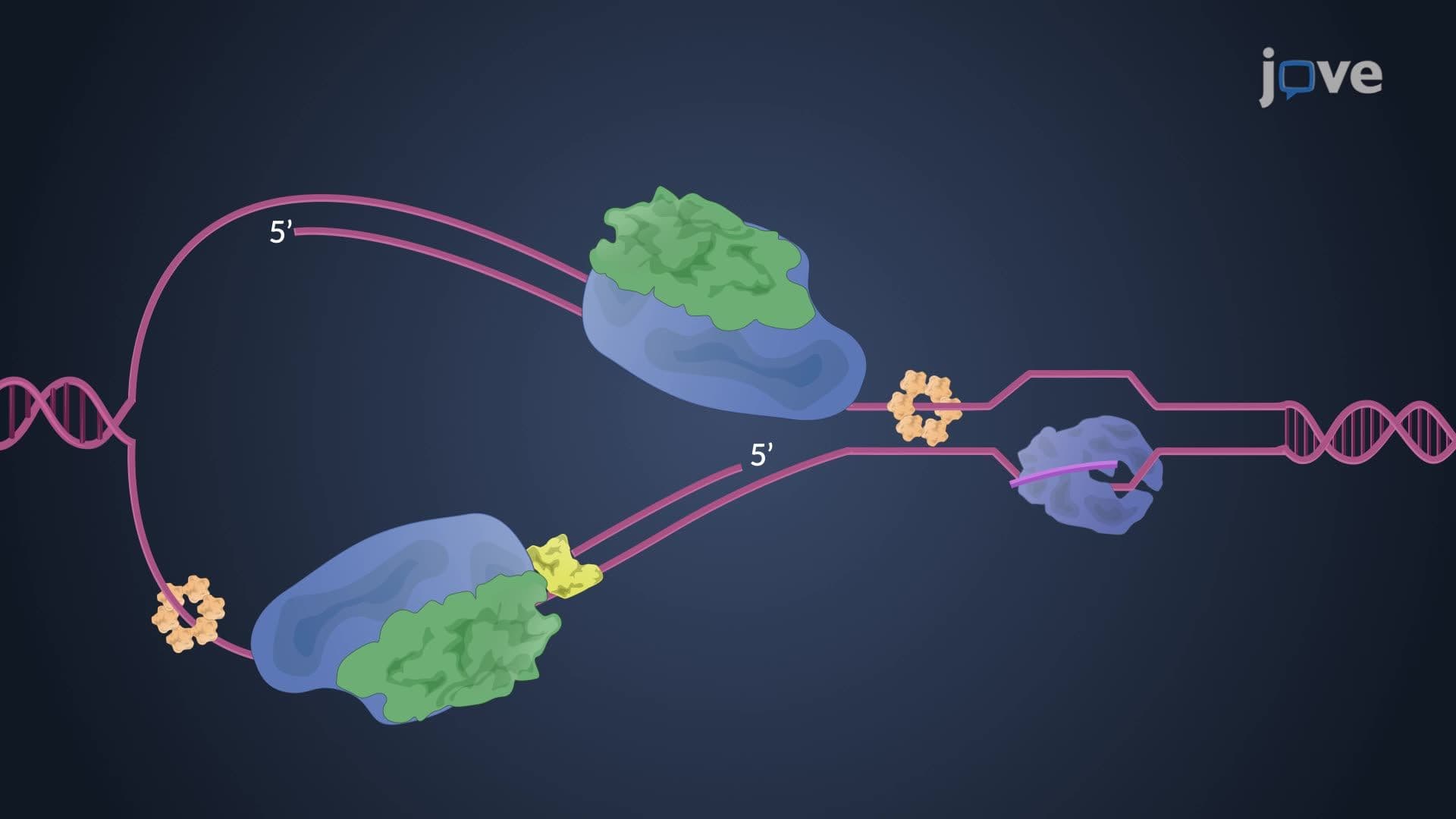
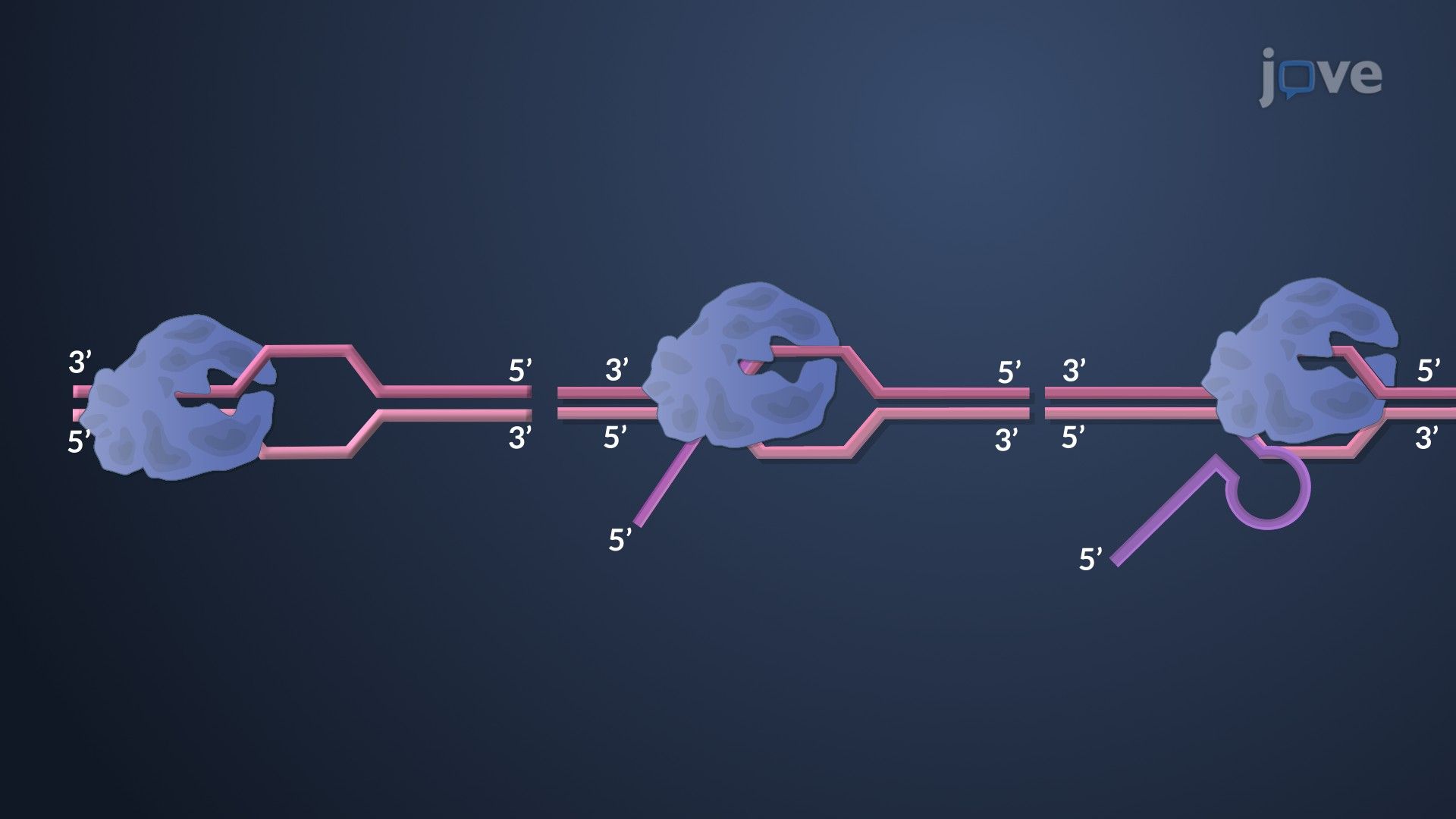
The bacterial transcription process unfolds through three distinct phases, each critical for proper gene expression. During initiation, the core RNA polymerase enzyme-composed of five subunits (α₂ββ'ω)-associates with a sigma factor to form the holoenzyme. This sigma factor acts like a GPS system, guiding the polymerase to specific promoter sequences. The most common sigma factor, σ⁷⁰, recognizes the -35 (TTGACA) and -10 (TATAAT) consensus sequences upstream of genes.
For students preparing for the AP Biology exam or college biochemistry courses, understanding these promoter elements is crucial. The -10 region, often called the Pribnow box, is where DNA unwinding begins, creating the transcription bubble. This process resembles unzipping a zipper, exposing the template strand for RNA synthesis.
Elongation begins once the sigma factor dissociates, leaving the core polymerase to synthesize RNA at approximately 40-50 nucleotides per second. This phase continues until the polymerase encounters termination signals. Termination occurs through two mechanisms: intrinsic termination via hairpin loop structures that destabilize the RNA-DNA hybrid, or Rho-dependent termination, where the Rho protein chases the polymerase and triggers release.
Archaeal transcription provides fascinating insights for MCAT preparation, as it combines prokaryotic simplicity with eukaryotic-like factors. The TATA-binding protein (TBP) and transcription factor B (TFB) work together to position RNA polymerase II at promoters, creating a hybrid system that evolutionary biologists study extensively.
Students at institutions like MIT and Stanford often encounter this topic in advanced molecular biology courses, where understanding archaeal transcription helps explain the evolutionary relationships between life's three domains.
Related Micro-courses