Loading video…

 31 Concepts
 14.9K views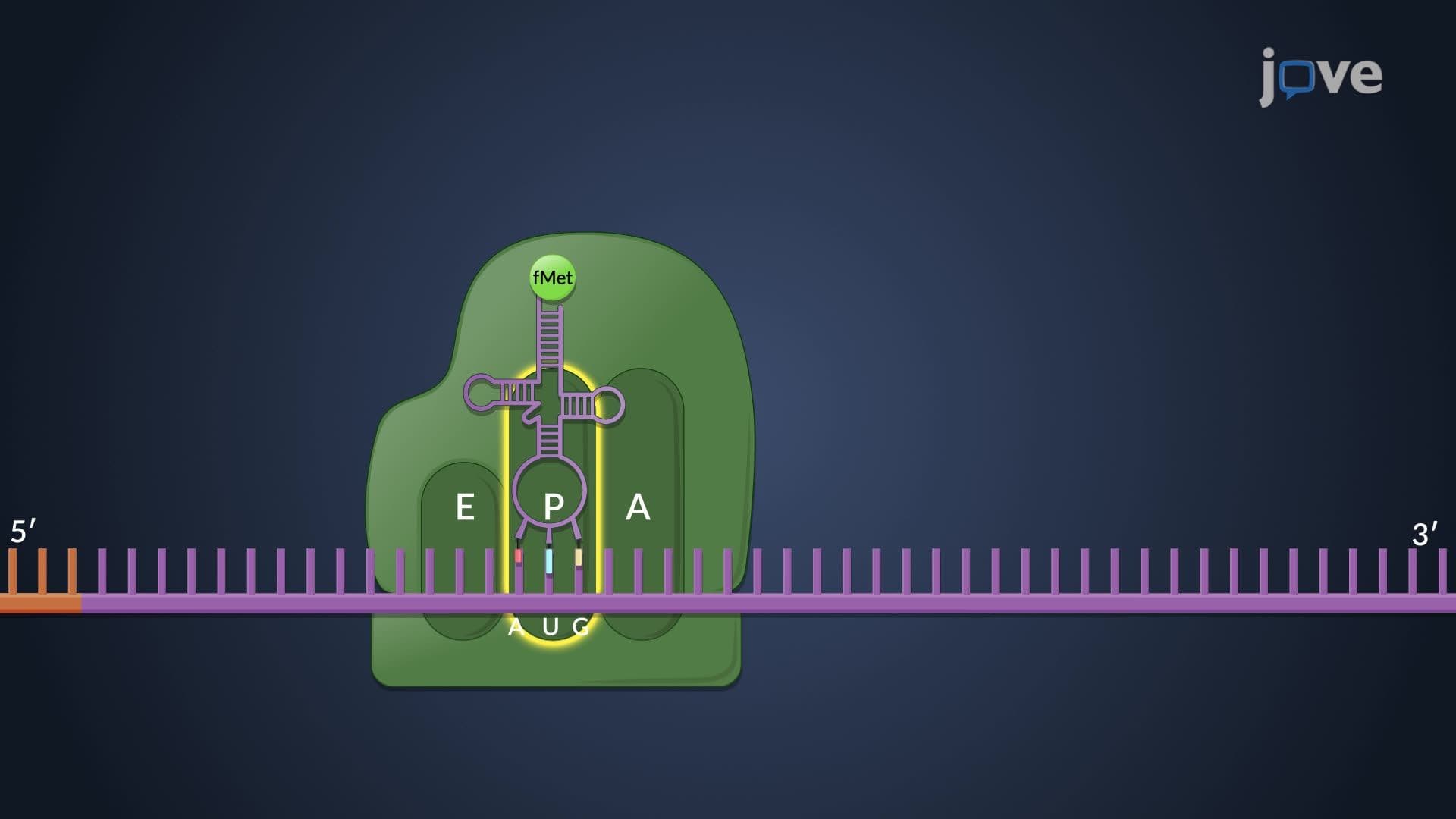

Video Summary: What Is Translation in Prokaryotes
Did you know that E. coli bacteria can synthesize a complete protein in just 20 seconds? Translation in prokaryotes is the cellular process where ribosomes decode messenger RNA to build proteins, operating with remarkable speed and efficiency compared to eukaryotic systems. In pharmaceutical manufacturing, companies like Genentech harness bacterial translation machinery to mass-produce human insulin and growth hormones. Understanding what is translation in prokaryotes reveals how these microscopic factories power biotechnology innovations. Watch the full video on JoVE Coach to master this concept with expert-led visuals and step-by-step explanations.
Translation in prokaryotes represents one of biology's most elegant molecular processes, where bacterial and archaeal cells convert genetic information into functional proteins. Unlike eukaryotic systems, prokaryotic translation occurs simultaneously with transcription in the cytoplasm, enabling rapid protein production essential for bacterial survival and reproduction.
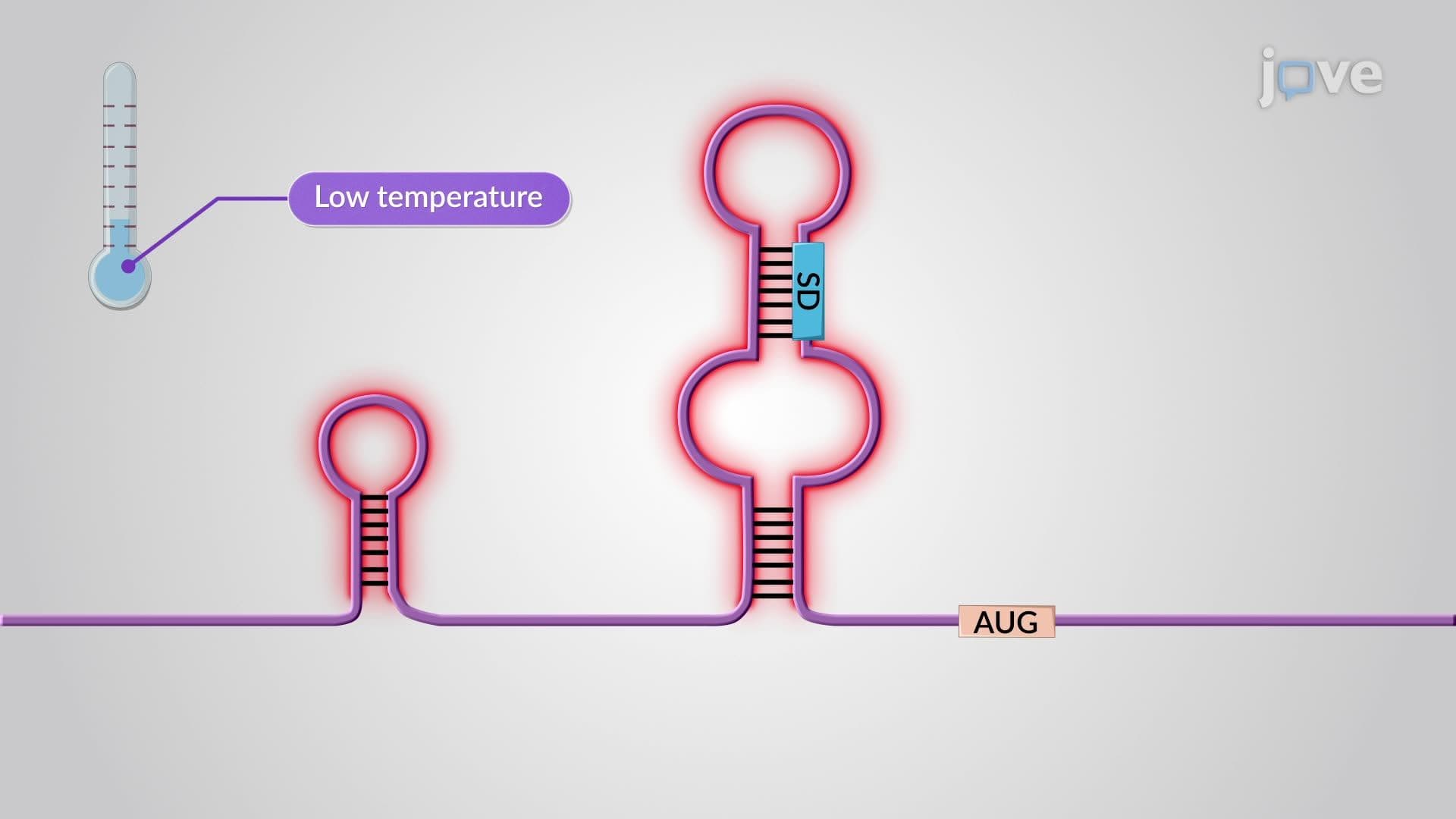
The initiation phase begins with precise molecular recognition events. The 30S ribosomal subunit identifies the Shine-Dalgarno sequence, a purine-rich region located approximately 8 base pairs upstream of the start codon on bacterial mRNA. This sequence, discovered by researchers John Shine and Lynn Dalgarno, serves as a ribosome binding site unique to prokaryotes.
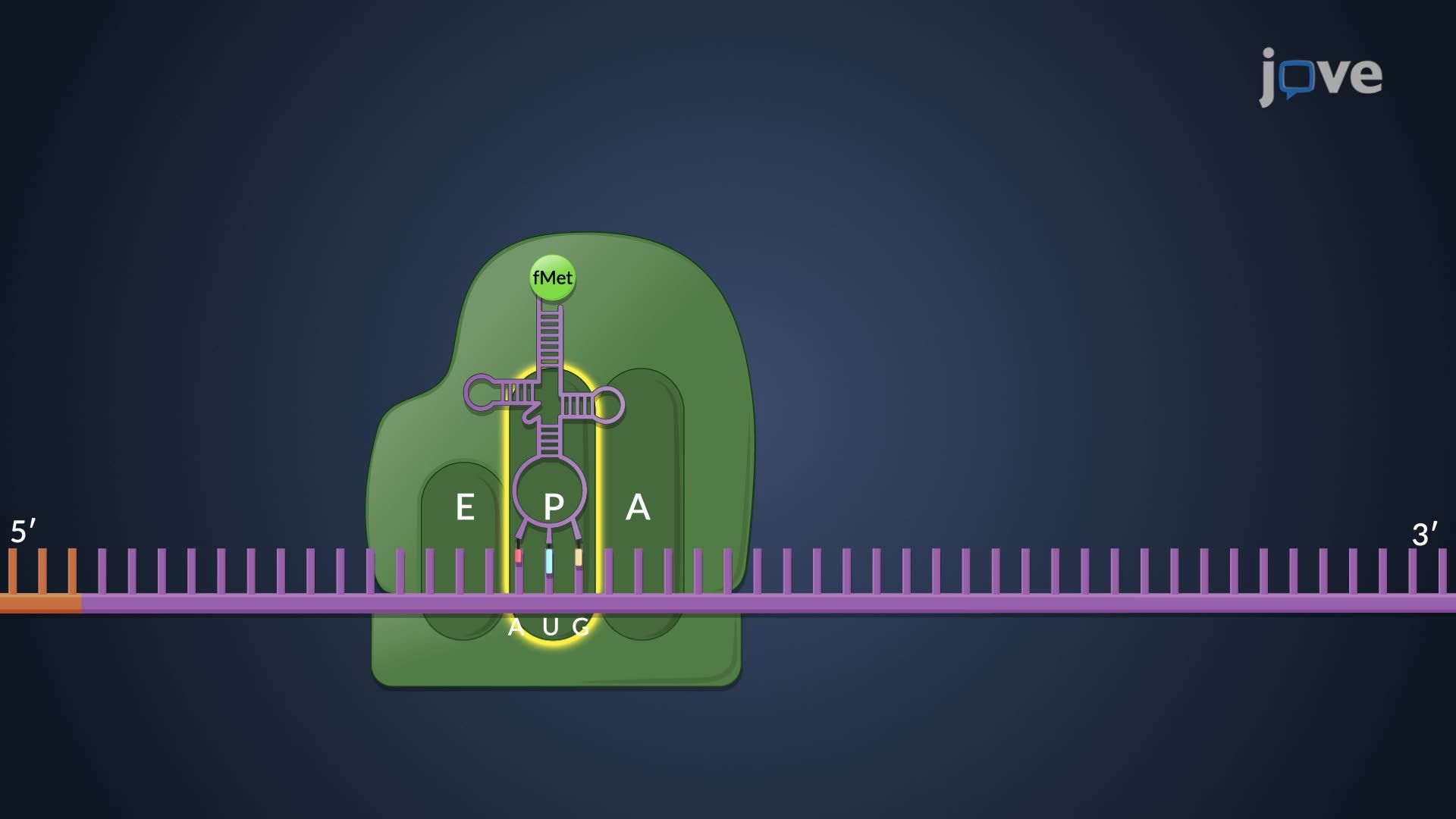
Following mRNA binding, the initiator tRNA carrying N-formylmethionine (fMet-tRNA) associates with the start codon, guided by initiation factors and GTP hydrolysis. The 50S ribosomal subunit then joins this complex, creating the functional 70S ribosome with three critical binding sites: the A (aminoacyl), P (peptidyl), and E (exit) sites.
During elongation, aminoacyl-tRNAs enter the A site, where their anticodons pair with mRNA codons. The peptidyl transferase center, located within the 50S subunit's RNA component, catalyzes peptide bond formation between amino acids. This ribozyme activity transfers the growing polypeptide chain from the P site tRNA to the A site amino acid.
Elongation factors facilitate ribosome translocation, moving the ribosome three nucleotides along the mRNA. This coordinated movement shifts tRNAs through the binding sites: A→P→E, exposing the next codon for translation while releasing empty tRNAs.
Translation concludes when ribosomes encounter stop codons (UAG, UAA, or UGA). Release factors recognize these termination signals and promote polypeptide cleavage from the final tRNA, releasing the completed protein.
Understanding prokaryotic translation proves crucial for students preparing for advanced coursework and standardized exams. MCAT test-takers frequently encounter questions comparing prokaryotic and eukaryotic translation mechanisms, while AP Biology students must demonstrate knowledge of ribosome structure and function. This knowledge also underpins biotechnology applications, where companies manipulate bacterial translation systems to produce therapeutic proteins like human insulin and interferons.
Related Micro-courses