Loading subject page…

14,827 views

Video Summary: What Is Translational Regulation
Did you know that bacteria like *E. coli* can instantly switch protein production on or off based on temperature changes, similar to how a thermostat controls your home's heating system? This remarkable ability stems from translational regulation, a cellular process that controls when and how much protein gets made from messenger RNA. In laboratories across the United States, researchers study these mechanisms to develop new antibiotics and understand bacterial infections. What is translational regulation and how does it work at the molecular level? Watch the full video on JoVE Coach to master this concept with expert-led visuals and step-by-step explanations.
Translational regulation represents a sophisticated cellular control system that determines when and how efficiently messenger RNA (mRNA) molecules are translated into proteins. Unlike transcriptional regulation, which controls gene expression at the DNA level, translational regulation fine-tunes protein production after mRNA has already been synthesized. This process is particularly crucial in prokaryotic organisms like bacteria, where rapid environmental responses can mean the difference between survival and death.
In the United States, students encounter translational regulation concepts in Advanced Placement Biology courses, particularly when studying gene expression and cellular responses. The College Board's AP Biology curriculum emphasizes how organisms regulate gene expression at multiple levels, making translational regulation a key topic for exam success.
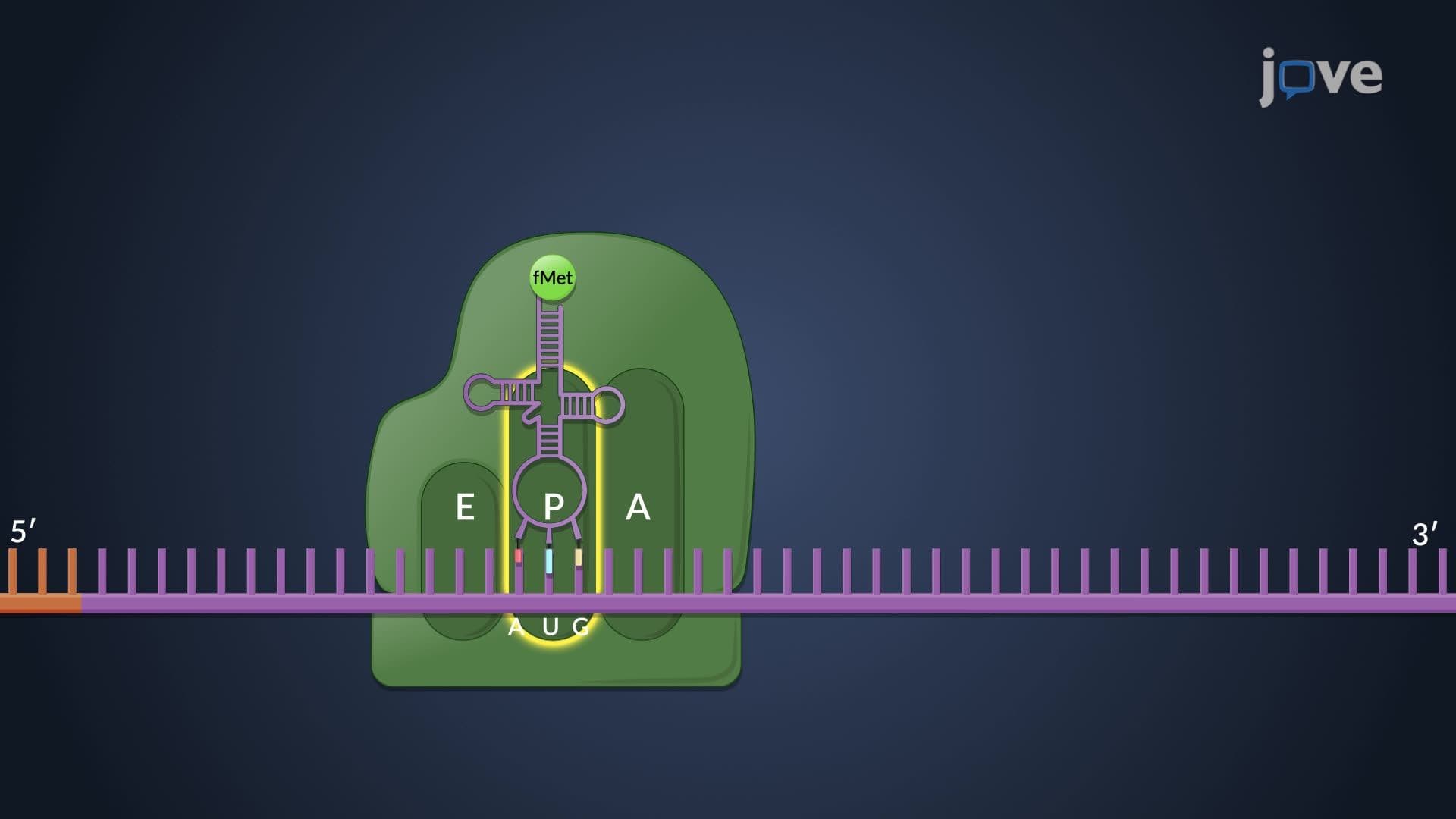
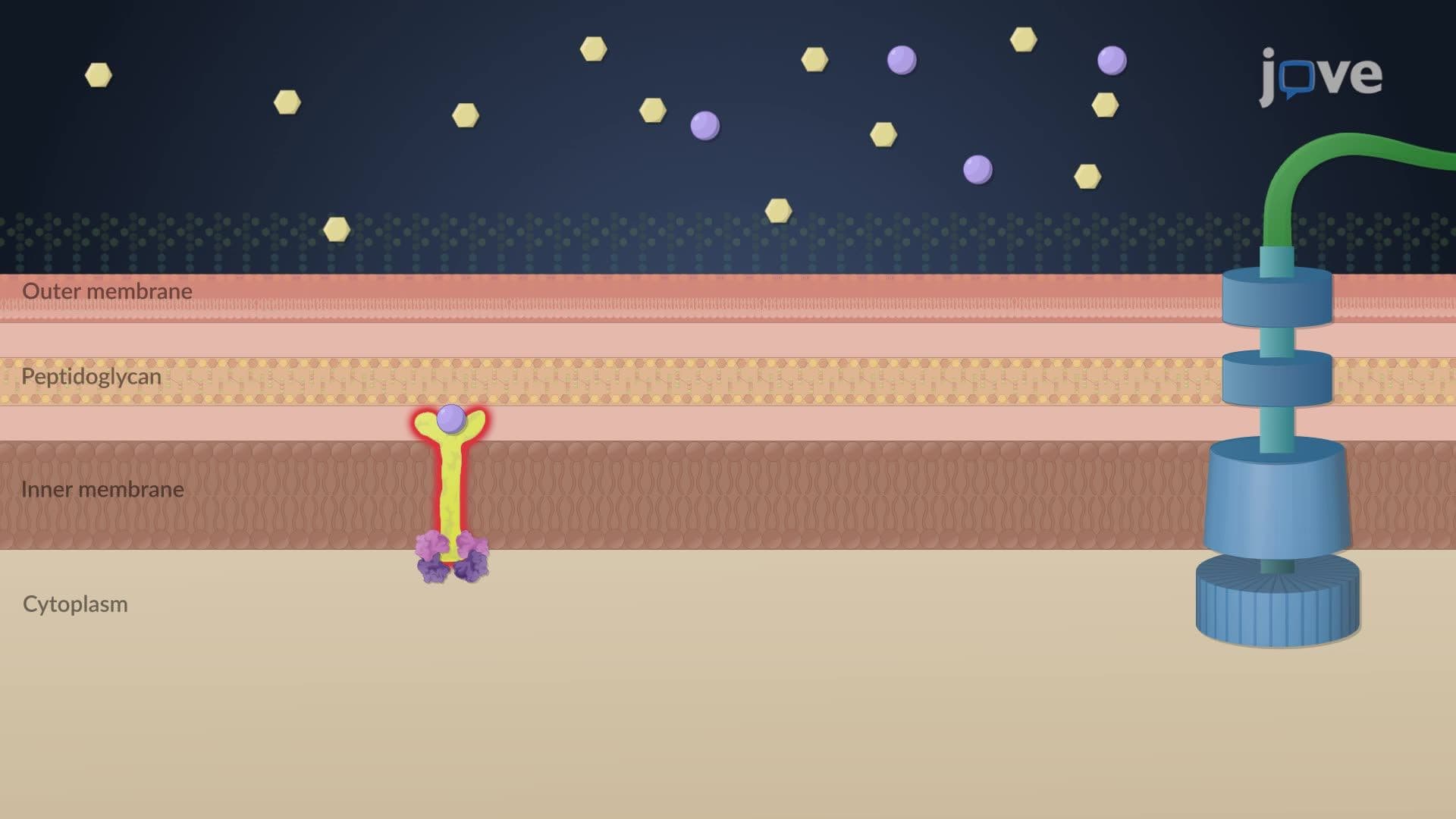
Riboswitches function as sophisticated molecular sensors embedded within mRNA molecules. These regulatory elements consist of two main components: an aptamer domain that binds specific ligand molecules, and an expression platform that undergoes conformational changes upon ligand binding. When the appropriate effector molecule binds to the riboswitch, it triggers a structural change that either exposes or conceals the Shine-Dalgarno (SD) sequence-the bacterial equivalent of a ribosome binding site.
Consider antibiotic research at institutions like the Centers for Disease Control and Prevention (CDC), where scientists study how pathogenic bacteria use riboswitches to regulate genes involved in drug resistance. Understanding these mechanisms helps researchers develop more effective therapeutic strategies.
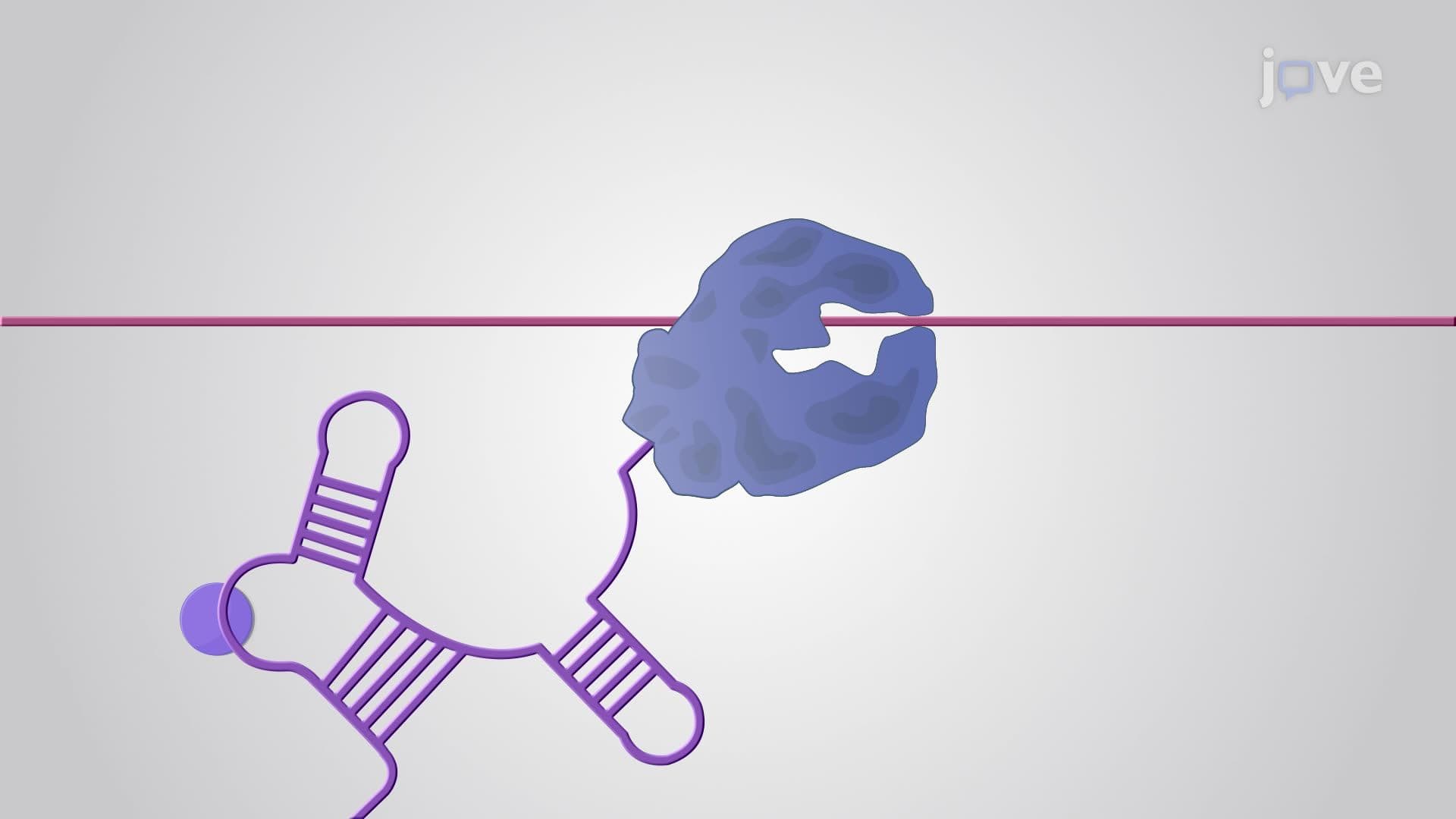
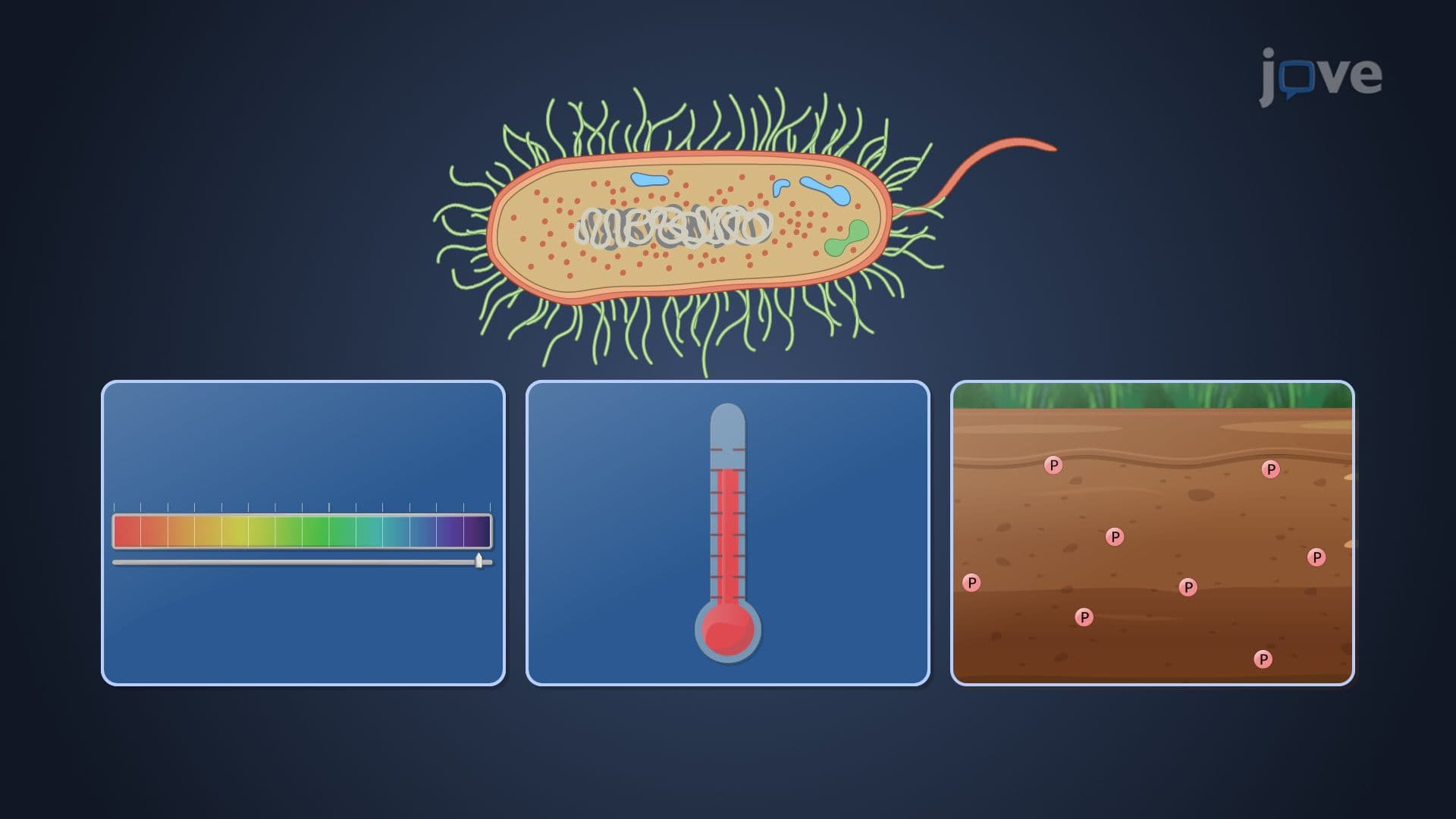
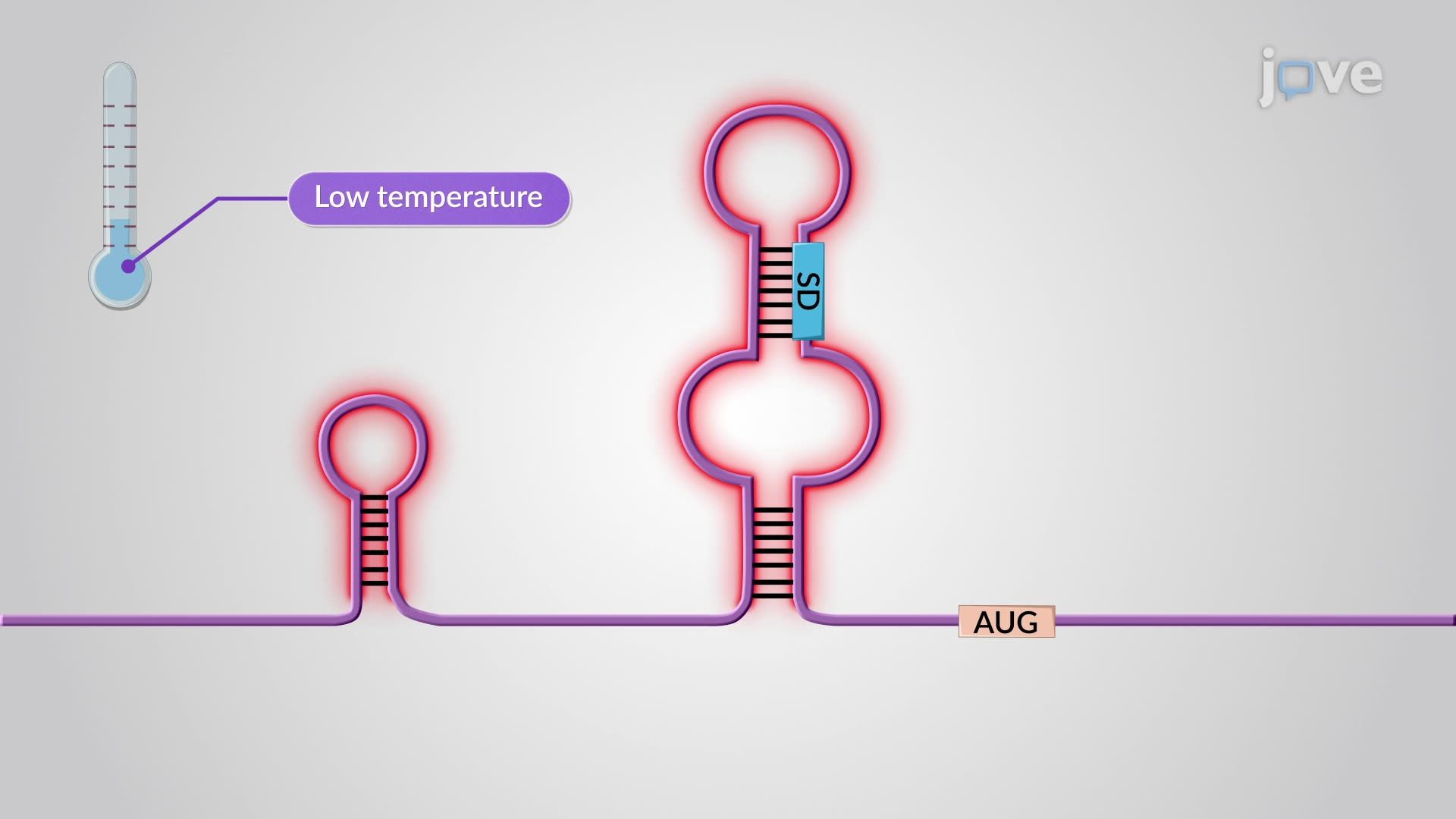
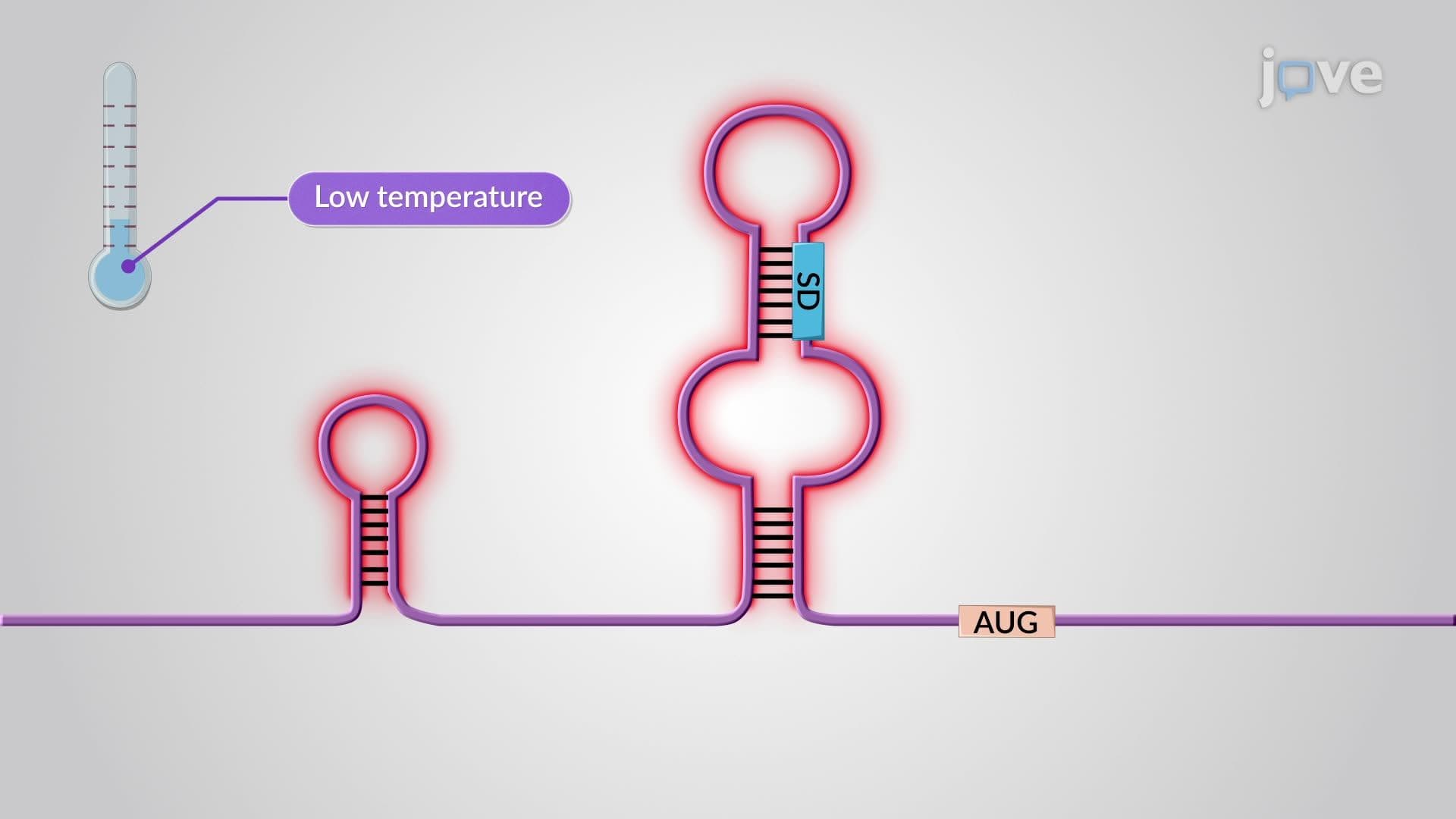
RNA thermometers demonstrate nature's elegant solution to temperature-dependent gene regulation. These structures form stable secondary loops at low temperatures, effectively masking the SD sequence and preventing translation initiation. As environmental temperature increases, thermal energy destabilizes these structures, exposing the SD sequence and allowing ribosome binding.
This mechanism proves particularly relevant in clinical settings across US hospitals, where understanding bacterial heat shock responses helps microbiologists predict pathogen behavior during fever responses in patients. Medical students preparing for the MCAT often encounter questions about temperature-dependent gene regulation in bacterial pathogenesis contexts.
Small RNAs (sRNAs) represent perhaps the most diverse category of translational regulators. These molecules operate through base-pairing interactions with target mRNAs, either facilitating or inhibiting translation. Cis-acting sRNAs regulate single genes through extensive complementarity with their targets, while trans-acting sRNAs control multiple genes through shorter, often imperfect, base-pairing interactions.
The distinction between cis and trans regulation frequently appears on college biochemistry exams and USMLE Step 1 questions, particularly in contexts involving bacterial gene networks and stress responses.
Related Micro-courses