- Microbiology
- Control of Microbial Growth
Micro-courses:19

Control of Microbial Growth
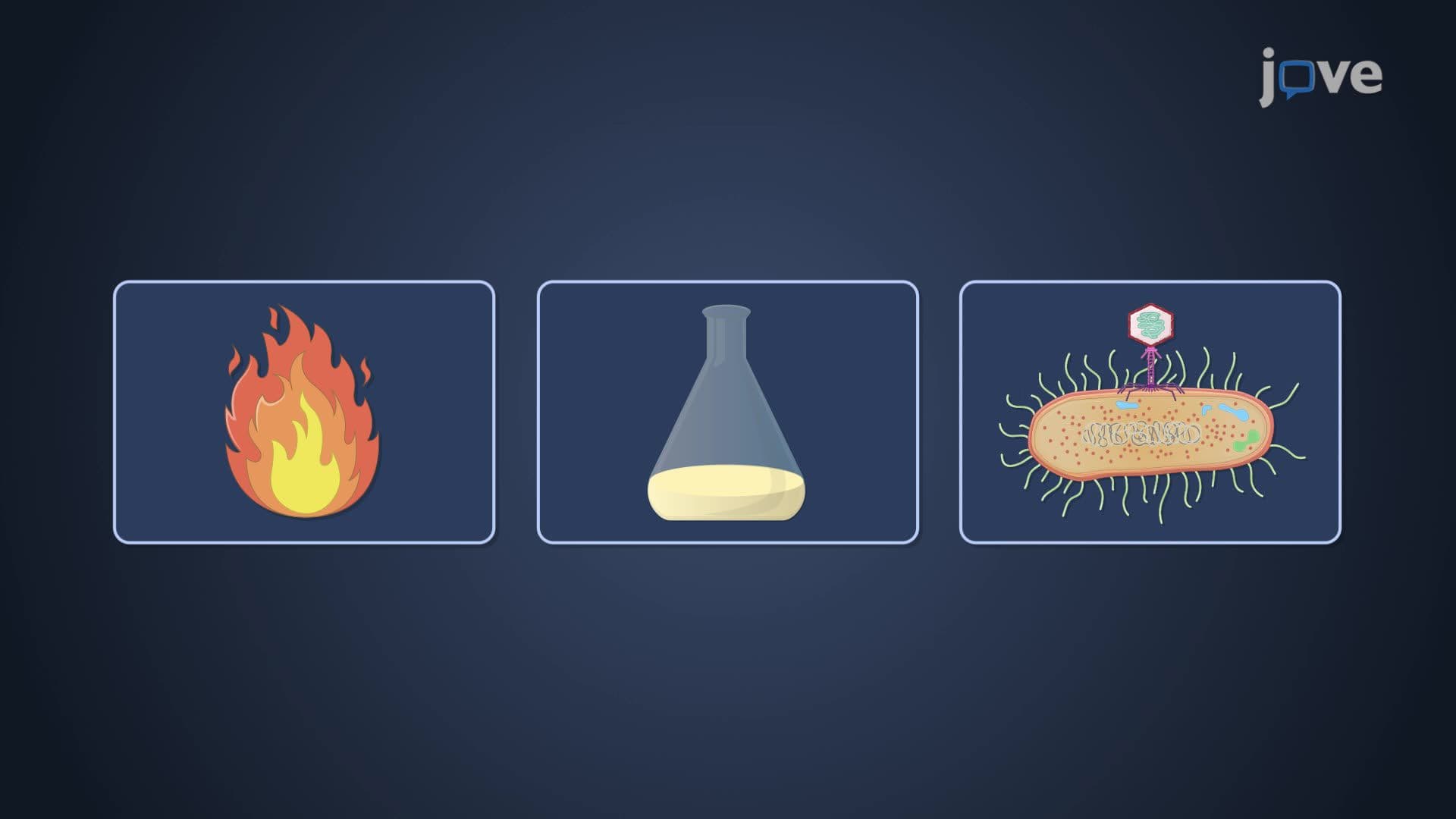
1. Methods for Controlling Microbial Growth
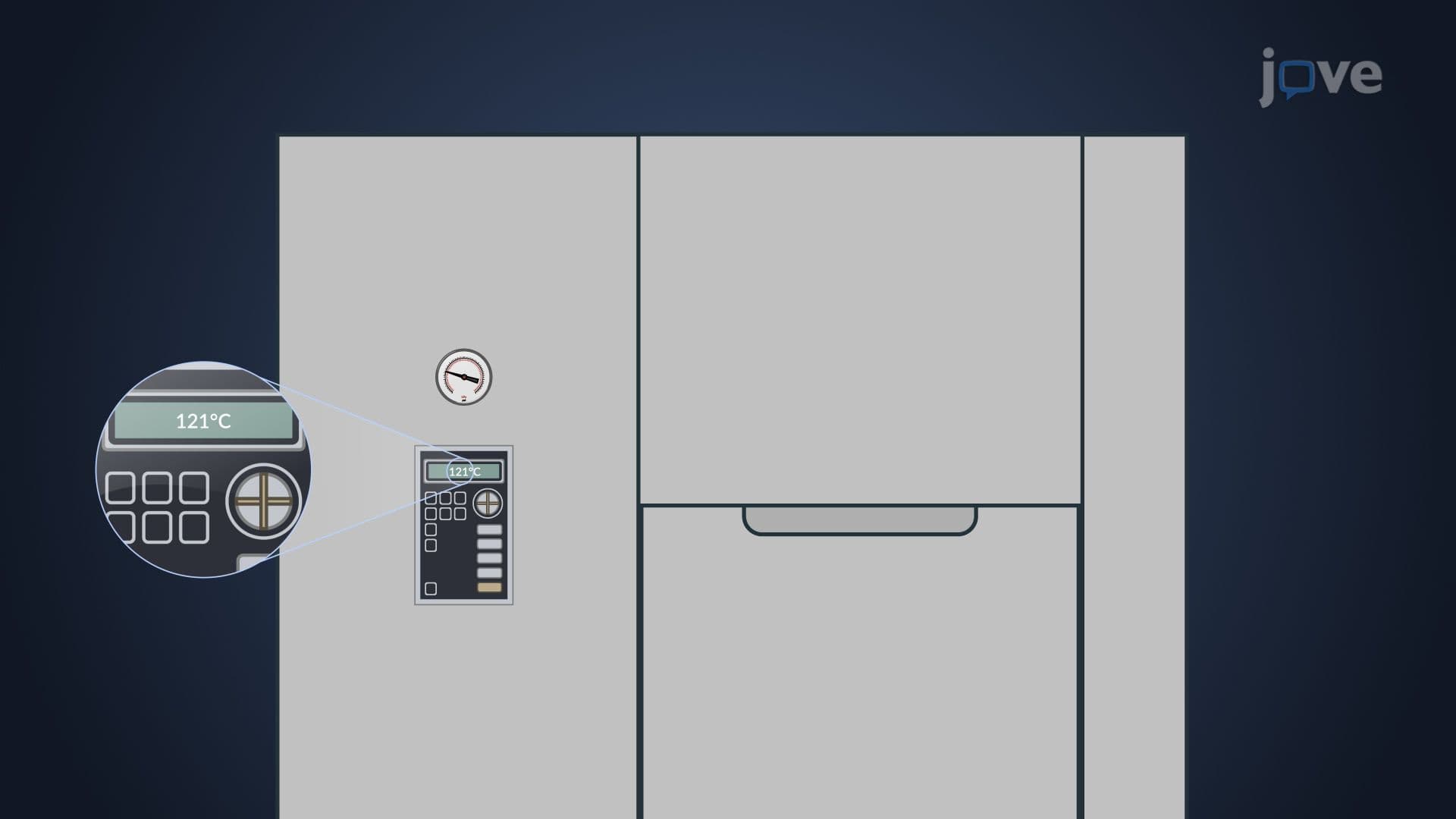
2. Physical Methods for Controlling Microbial Growth: Temperature
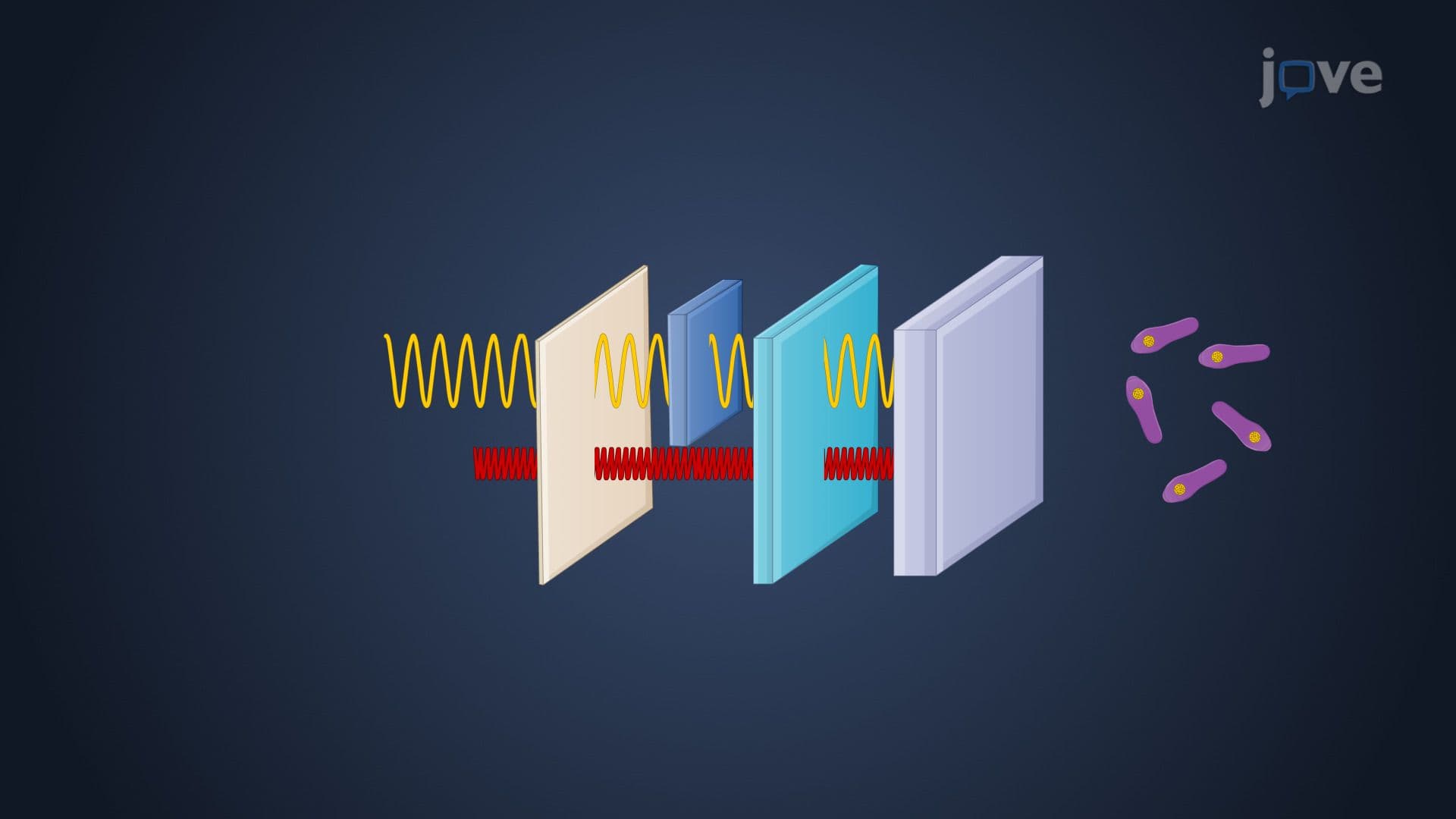
3. Physical Methods for Controlling Microbial Growth: Radiation and Filtr...
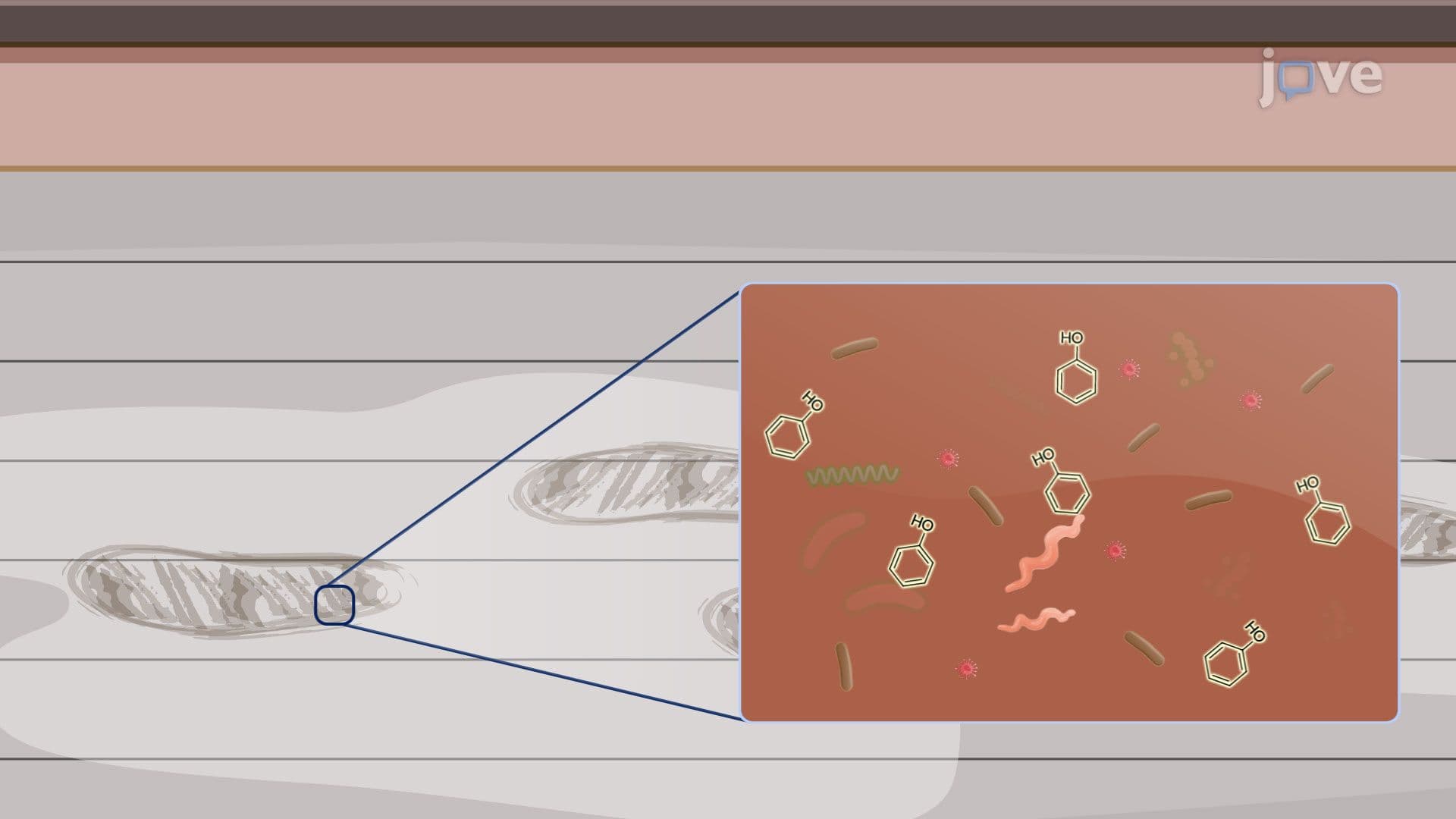
4. Chemical Agents for Microbial Control
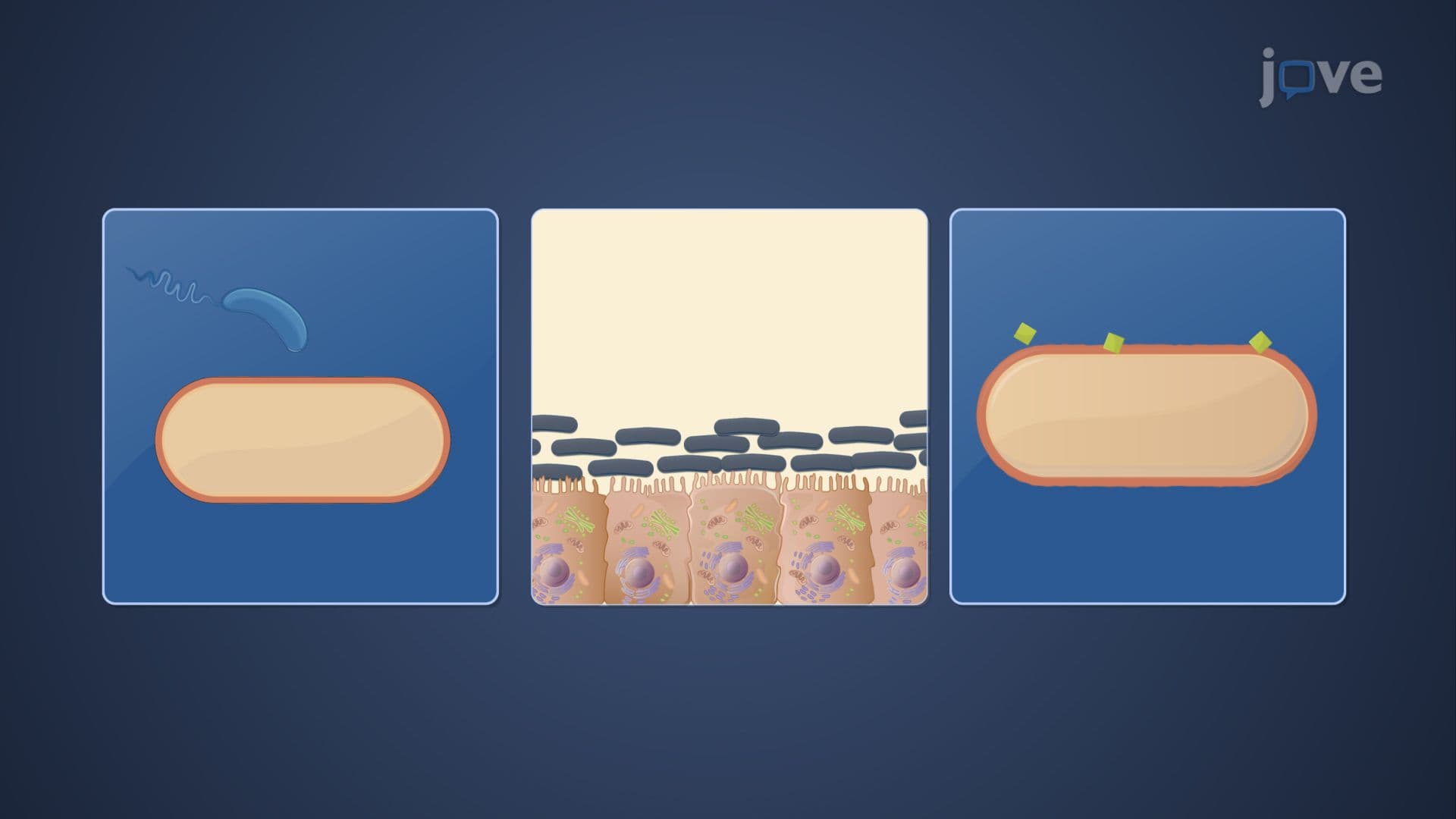
5. Biological Methods for Microbial Control
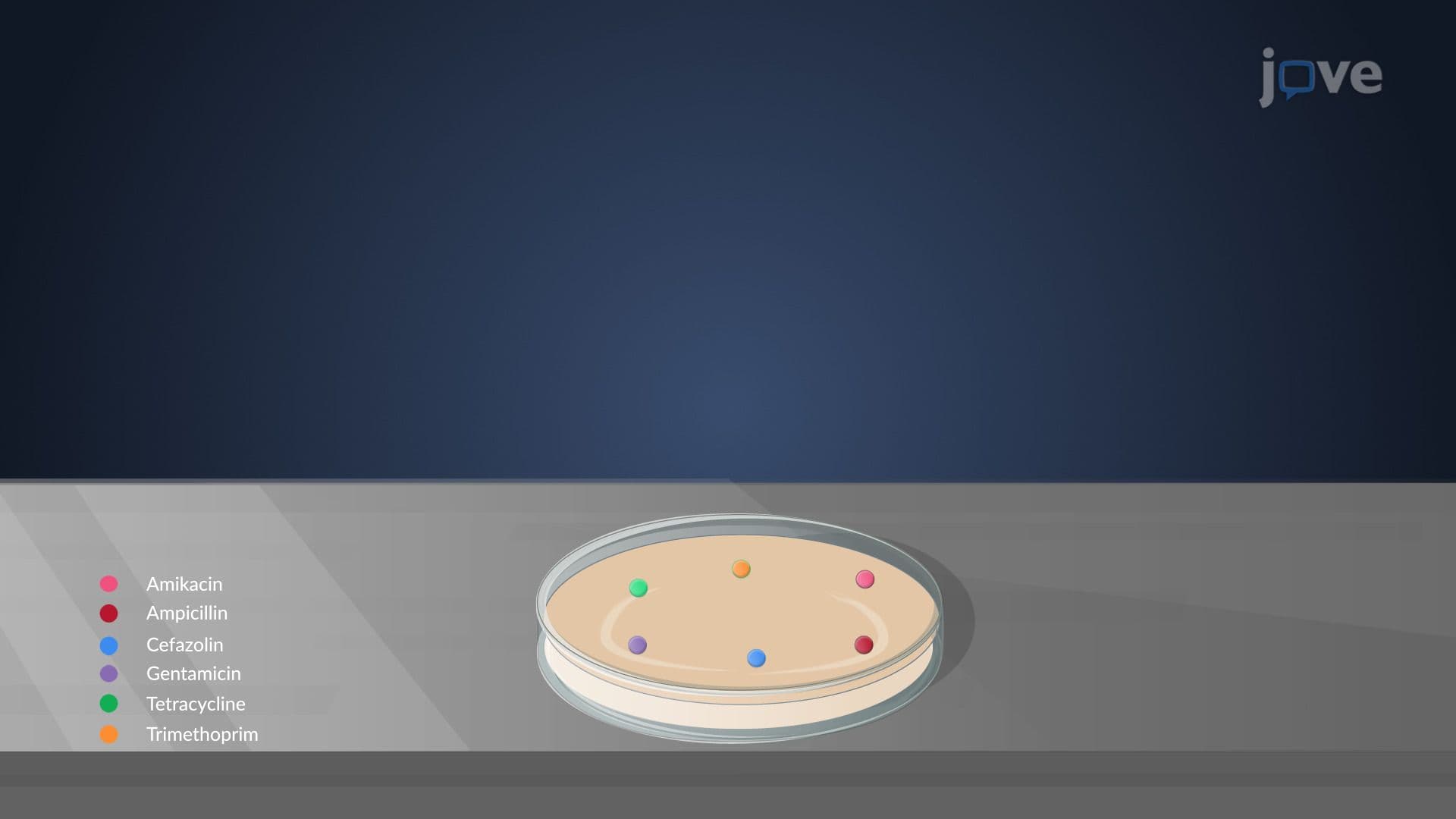
6. Antimicrobial Effectiveness
Control of microbial growth involves diverse methods to inhibit, reduce, or eliminate harmful microorganisms using physical, chemical, and biological approaches. From hospital sterilization procedures to food safety protocols in US processing facilities, these techniques ensure public health protection. Students master sterilization and disinfection methods essential for healthcare careers. JoVE Coach provides comprehensive coverage of antimicrobial mechanisms and their real-world applications.
- Understand the fundamental principles of microbial growth control and biocide mechanisms
- Learn sterilization techniques including autoclaving and commercial food processing methods
- Identify physical control methods using heat, radiation, and filtration systems
- Explore chemical antimicrobial agents from alcohols to quaternary ammonium compounds
- Analyze biological control mechanisms including probiotics and bacteriophage therapy
- Apply knowledge of antimicrobial effectiveness factors and resistance patterns
- Understand how to control bacterial and microbial growth in clinical and laboratory settings
- Evaluate antimicrobial testing methods including dilution and disk-diffusion assays
1. Sterilization and Disinfection Fundamentals: Sterilization eliminates all viable microorganisms including heat-resistant endospores, commonly achieved through autoclaving at 121°C in US hospitals and research facilities. Commercial sterilization targets Clostridium botulinum spores in canned foods processed by companies like Campbell's and Del Monte. Disinfection reduces pathogen loads on surfaces using chemicals or UV light, widely implemented in US healthcare systems following CDC guidelines. Understanding these distinctions helps students grasp infection control hierarchies used in American medical facilities.
2. Heat-Based Control Methods: Thermal death time (TDT) represents the duration needed for complete sterilization at specific temperatures, while thermal death point (TDP) indicates the minimum lethal temperature. The D-value measures time required for 90% population reduction, critical for food safety calculations. US dairy processing uses HTST pasteurization at 72°C for 15 seconds, while UHT processing extends milk shelf-life. These principles apply to hospital instrument sterilization and commercial food production throughout America.
3. Radiation and Filtration Technologies: Non-ionizing UV radiation damages DNA in biosafety cabinets used across US laboratories, while ionizing radiation penetrates deeply to sterilize medical supplies and food products. Cold plasma technology represents emerging antimicrobial applications in American healthcare facilities. HEPA filtration removes 99.97% of particles in hospital operating rooms and laboratory safety cabinets. N95 masks, familiar from recent pandemic protocols, demonstrate filtration principles by blocking 95% of airborne particles above 0.3 micrometers.
4. Chemical Antimicrobial Agents: Alcohols disrupt lipid membranes, making 70% ethanol more effective than 95% concentrations due to water enhancement. Phenolic compounds like those in Lysol formulations denature proteins while remaining active in organic matter. Hydrogen peroxide serves as topical antiseptic for wound care, while povidone-iodine provides surgical site preparation. Chlorine-based agents including sodium hypochlorite disinfect US water treatment facilities and healthcare surfaces. Understanding these mechanisms helps students recognize appropriate antiseptic and disinfectant applications.
5. Biological Control Mechanisms: Predatory bacteria like Bdellovibrio eliminate pathogens by invading and destroying target cells from within. Probiotics such as Lactobacillus species compete with harmful bacteria for intestinal binding sites, supporting gut health maintenance. Bacteriophage therapy uses viruses to target specific bacterial pathogens, while endolysins destroy gram-positive bacteria. Antibiotics including tetracyclines and penicillin represent classic examples of biological antimicrobial production. These natural control methods offer alternatives to chemical treatments in various applications.
6. Antimicrobial Effectiveness Assessment: Population size directly influences elimination time, making initial microbial load crucial for treatment success. Resistance varies significantly, with endospores, gram-negative bacteria, and non-enveloped viruses showing greatest resilience. Environmental factors including organic matter and biofilm formation can reduce antimicrobial effectiveness. The minimum inhibitory concentration (MIC) represents the lowest concentration preventing visible growth, determined through standardized dilution testing. Disk-diffusion assays measure clear zones around antimicrobial-soaked disks, providing quantitative effectiveness data used in clinical laboratory settings across the United States.
Frequently Asked Questions
Sterilization eliminates all microorganisms including spores, disinfection reduces pathogens on inanimate surfaces, and sanitization lowers microbial levels to safe public health standards. Think hospital autoclave (sterilization), surface cleaning with bleach (disinfection), and restaurant dishwashing (sanitization).
Water enhances ethanol's ability to penetrate microbial cell walls and denature proteins. Pure ethanol coagulates proteins too quickly, forming a protective barrier, while 70% ethanol allows deeper penetration and more thorough microbial destruction.
MCAT questions often focus on mechanism understanding, comparing effectiveness between methods, and analyzing experimental data. Expect questions about heat resistance differences, chemical mode of action, and interpreting antimicrobial testing results like MIC values.
NCLEX emphasizes practical applications like proper hand hygiene, antiseptic vs. disinfectant selection, isolation precautions, and medication administration safety. Focus on infection control protocols and patient care scenarios rather than detailed mechanisms.
Food preservation applies the same scientific principles: pasteurization uses controlled heat, canning employs commercial sterilization targeting C. botulinum, and refrigeration slows microbial growth rates. Understanding these connections helps explain everyday food safety practices.
The basic principles are accessible when connected to familiar examples like hand sanitizer use or food safety. The challenge lies in understanding mechanisms and quantitative relationships like D-values, which require careful study and practice with calculations.
Group chemicals by mechanism rather than memorizing individual agents. For example, learn that alcohols disrupt membranes, aldehydes crosslink proteins, and oxidizers damage multiple cellular components. Create concept maps connecting structure to function for better retention.
This microcourse includes 6 concept videos that walk you through the building blocks of Microbiology. Each video is short, about 1 minute, so you can cover a full topic during a coffee break or between classes. The full sequence starts with Methods for Controlling Microbial Growth and ends with Antimicrobial Effectiveness.
The playlist moves from big-picture ideas to the precise vocabulary used in Microbiology. Early videos introduce Methods for Controlling Microbial Growth, Physical Methods for Controlling Microbial Growth: Temperature, and Physical Methods for Controlling Microbial Growth: Radiation and Filtration. The middle of the series focuses on Biological Methods for Microbial Control and Antimicrobial Effectiveness. The final stretch covers Antimicrobial Effectiveness.
The natural next step is Bacterial Genetics and Gene Regulation. From there, you can move to Microbial Diversity and Viruses. Once you finish those, the full Microbiology curriculum of 8 microcourses on JoVE Coach opens up, taking you from foundational concepts to advanced systems.
Related Subjects


