Loading subject page…


11 Concepts
13 Concepts
26 Concepts
13 Concepts
6 Concepts
31 Concepts
37 Concepts
10 Concepts
7 Concepts
22 Concepts
11 Concepts
11 Concepts
22 Concepts
16 Concepts
11 Concepts
15 Concepts
14 Concepts
12 Concepts
9 Concepts
 31 Concepts
 14.8K Views
 Popular topics


Bacterial genetics encompasses the fundamental mechanisms by which prokaryotes replicate DNA, express genes, and adapt to environmental changes through sophisticated regulatory networks. This comprehensive course explores bacterial gene regulation systems, including the operon model, horizontal gene transfer mechanisms, and cellular responses to stress. Students will examine real-world applications in antibiotic resistance development and biotechnology applications used in US pharmaceutical research, preparing them for advanced study in microbiology and molecular biology with JoVE Coach.
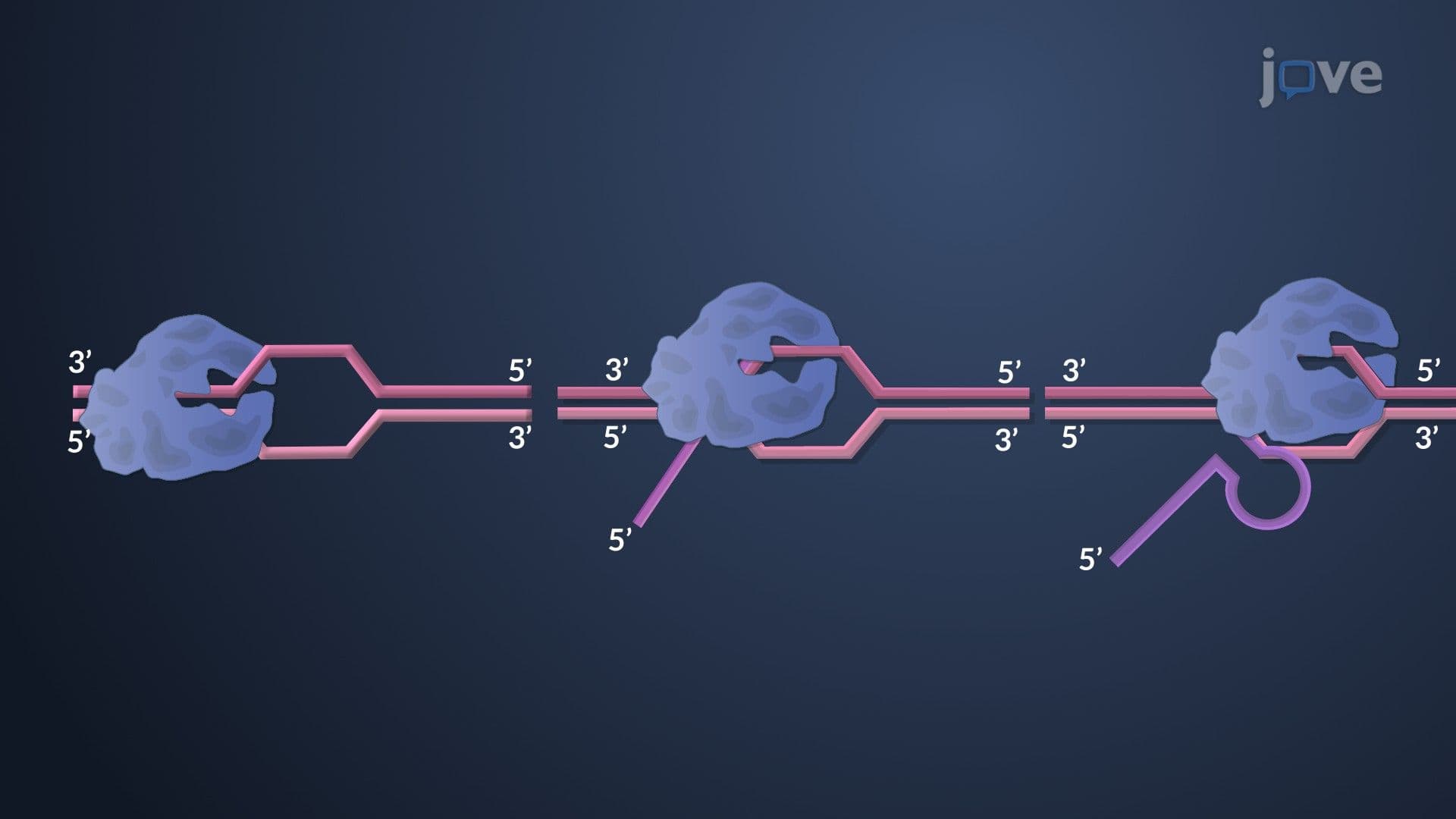
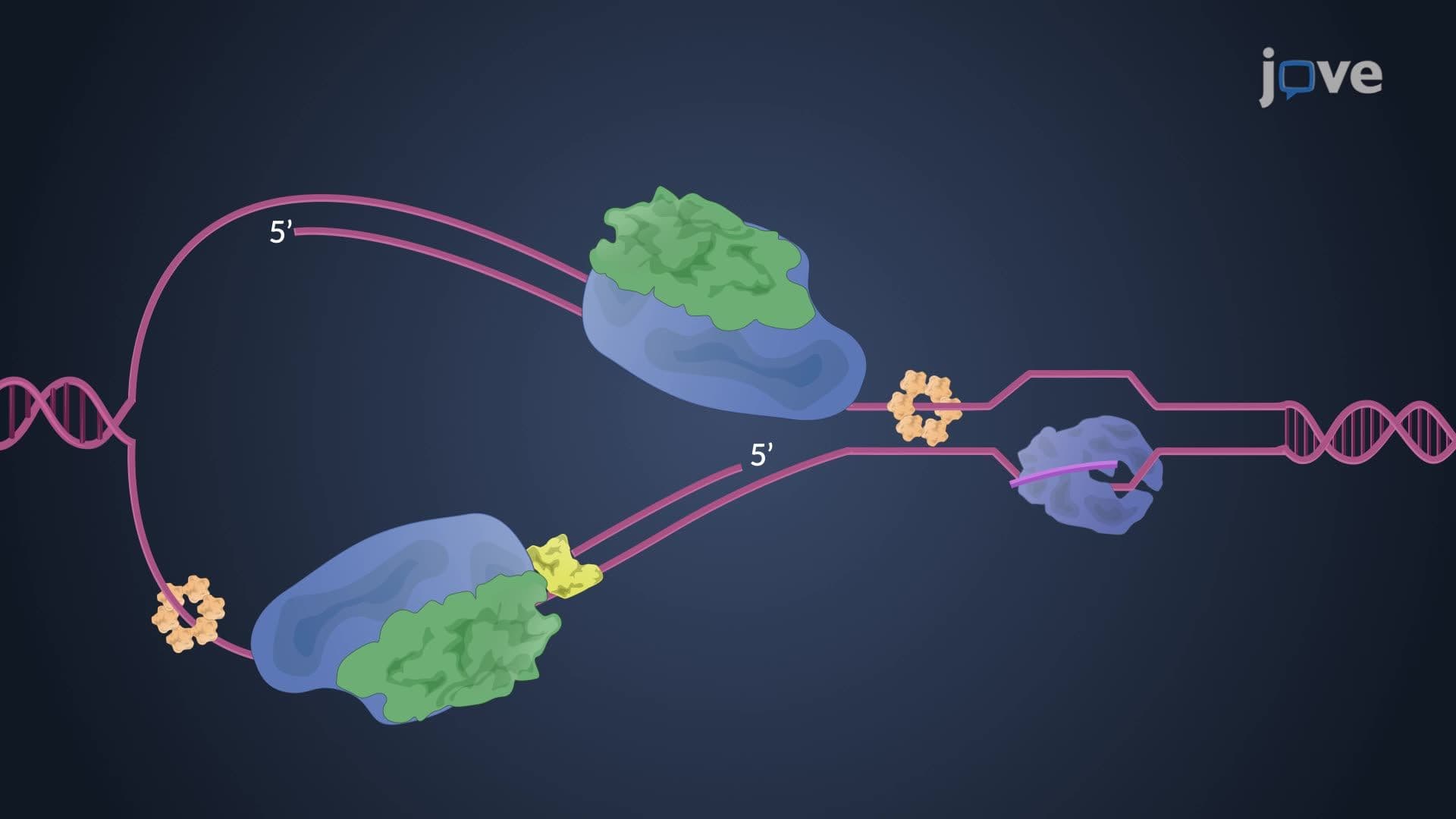
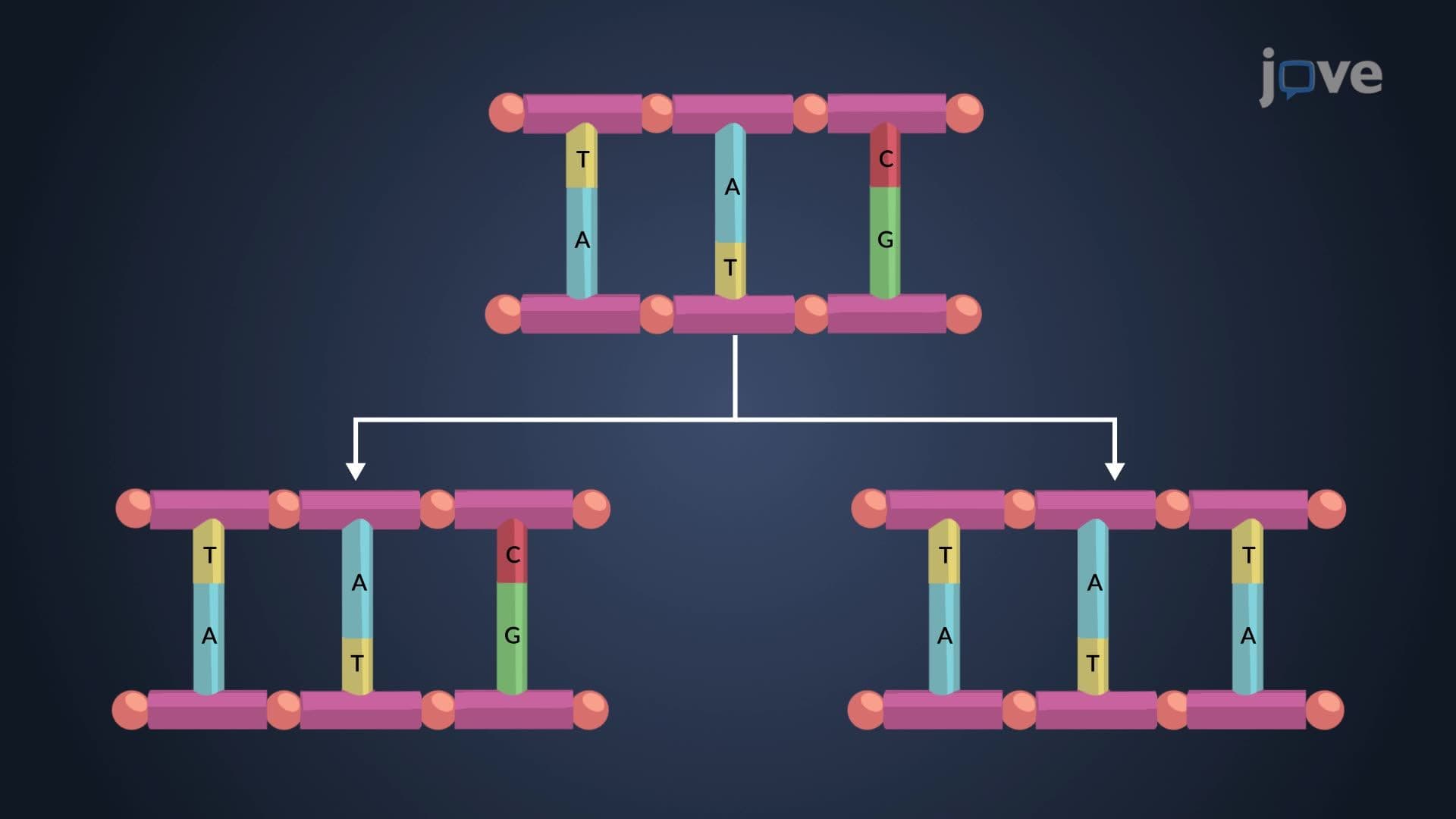
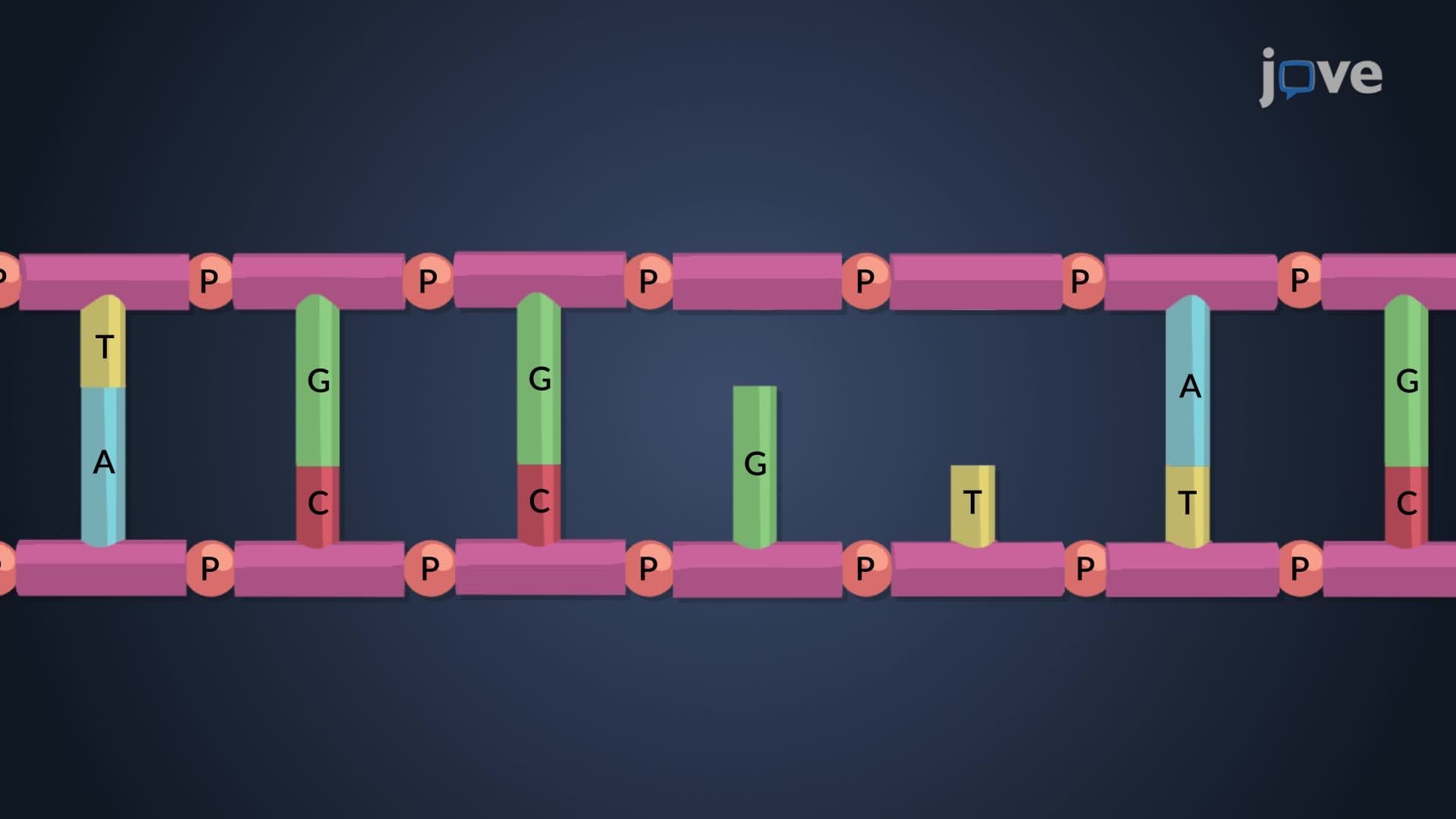
1. Prokaryotic DNA Replication and Chromosome Organization Bacterial DNA replication occurs bidirectionally from a single origin (oriC) on circular chromosomes, utilizing specialized enzymes like DNA polymerase III and helicase complexes. The process involves continuous leading strand synthesis and discontinuous lagging strand synthesis through Okazaki fragments. Understanding this mechanism is crucial for comprehending how antibiotics like quinolones target bacterial DNA gyrase, disrupting replication in pathogenic bacteria. This knowledge directly applies to antibiotic development strategies used by US pharmaceutical companies and explains the molecular basis for bacterial reproduction rates that impact infection progression in clinical settings.
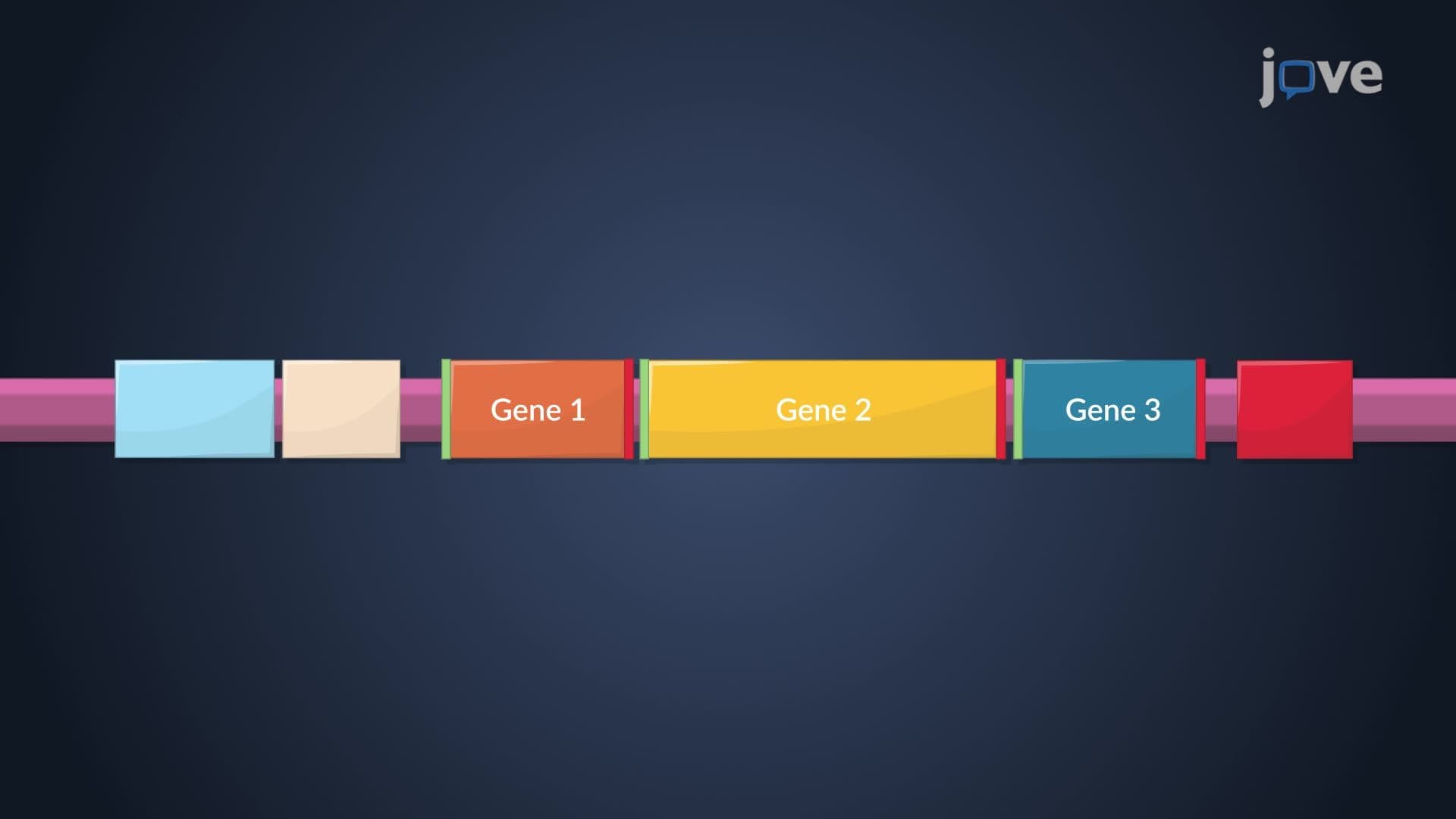
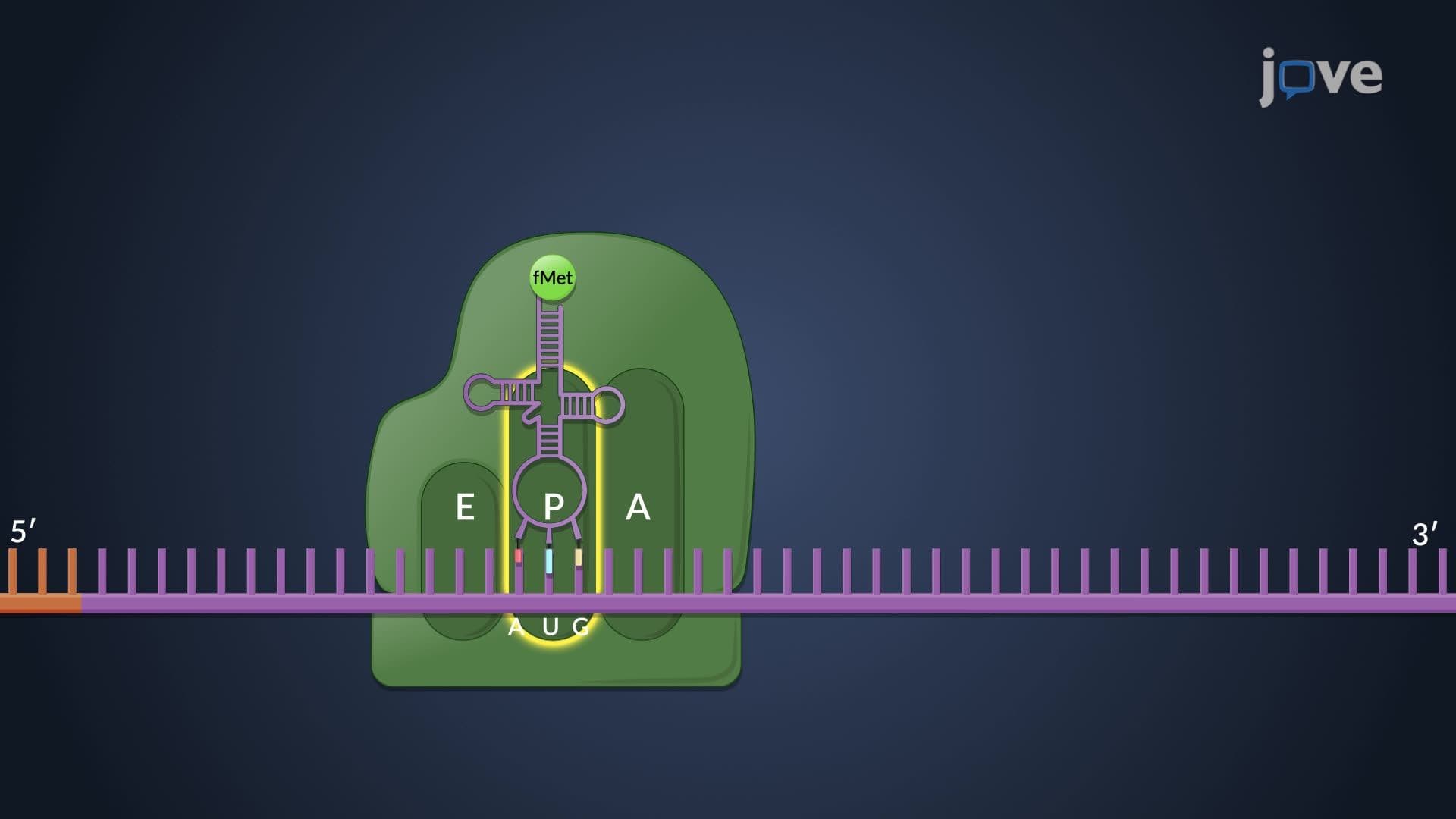
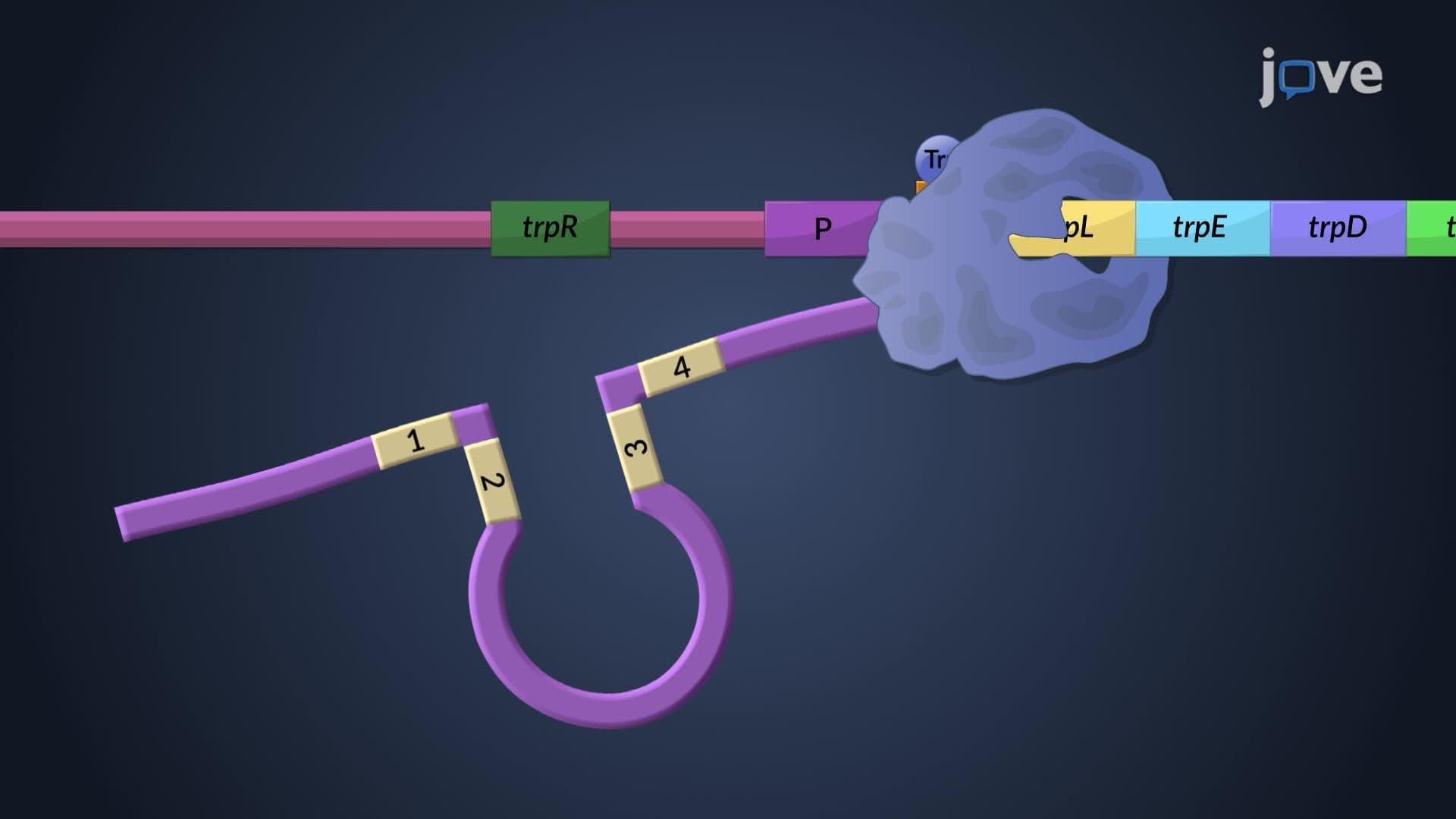
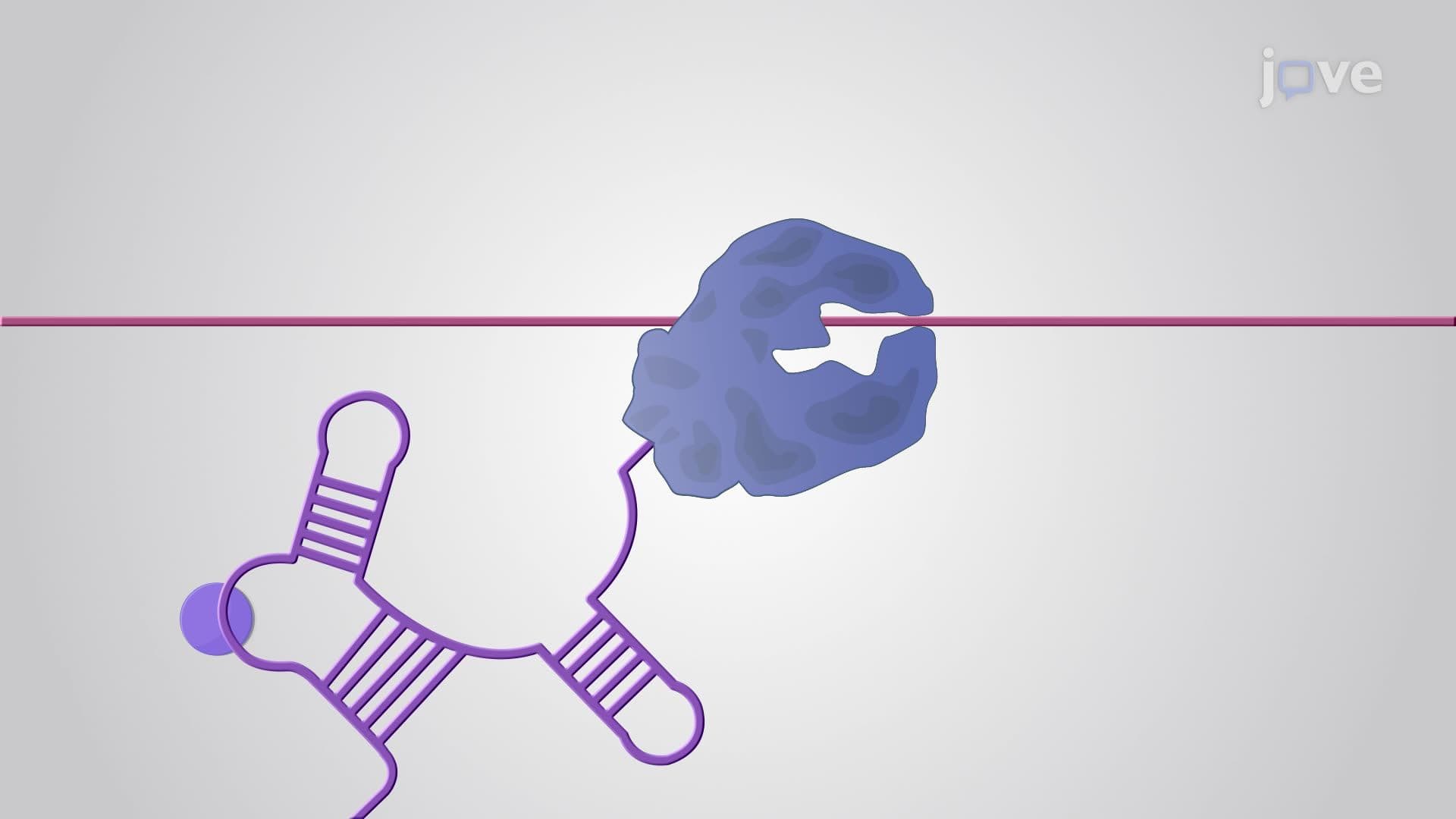
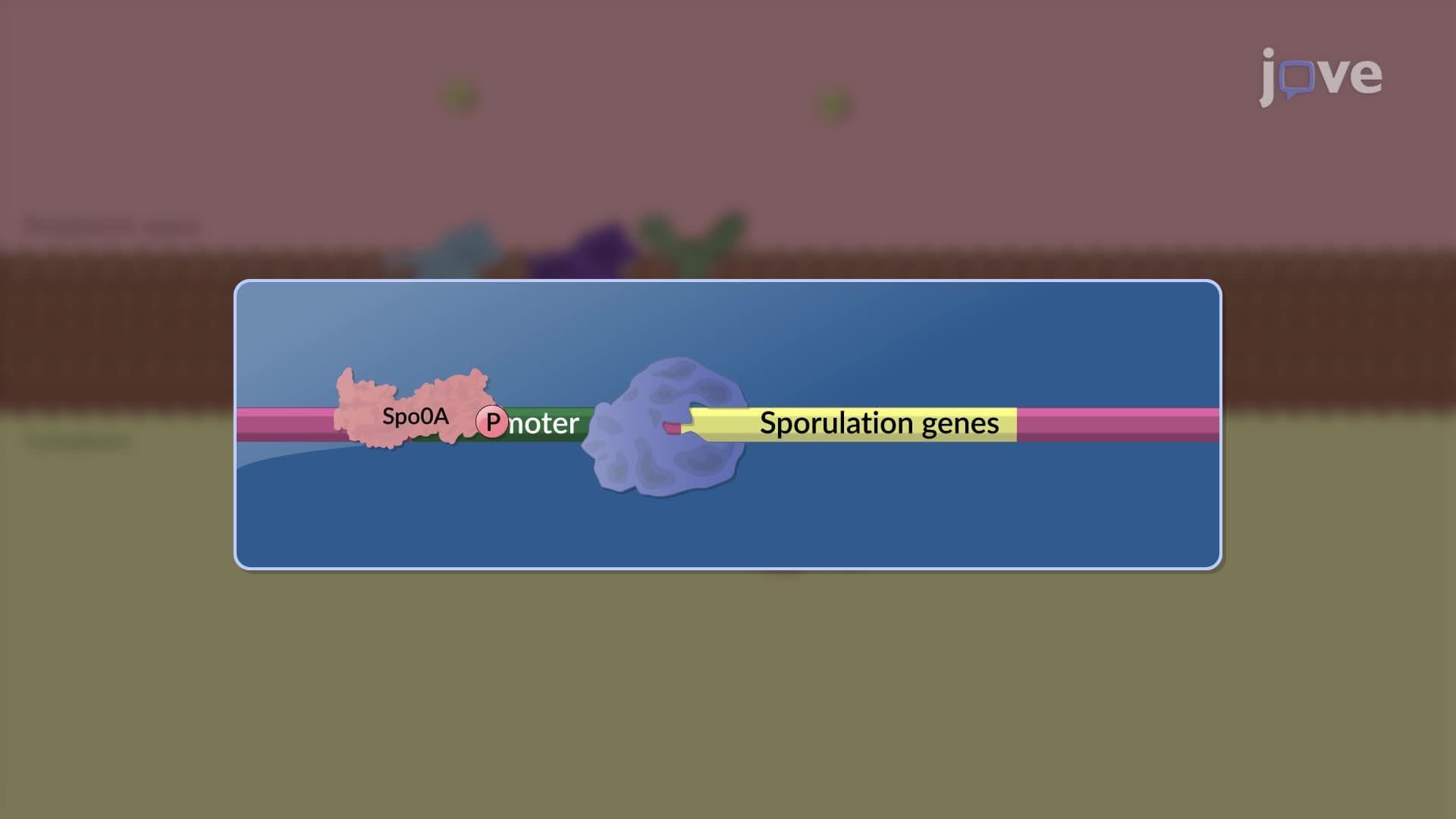
2. Gene Structure and Transcriptional Control Mechanisms Bacterial genes contain distinct regulatory elements including promoters with -10 and -35 consensus sequences, operators for repressor binding, and terminator sequences that halt transcription. RNA polymerase requires sigma factors for promoter recognition, with different sigma factors activating specific gene sets during stress responses. The coupling of transcription and translation in bacteria creates unique regulatory opportunities, such as attenuation mechanisms observed in amino acid biosynthesis operons. These concepts explain how bacteria rapidly respond to environmental changes and form the foundation for understanding antibiotic targets that disrupt bacterial protein synthesis in US clinical treatments.
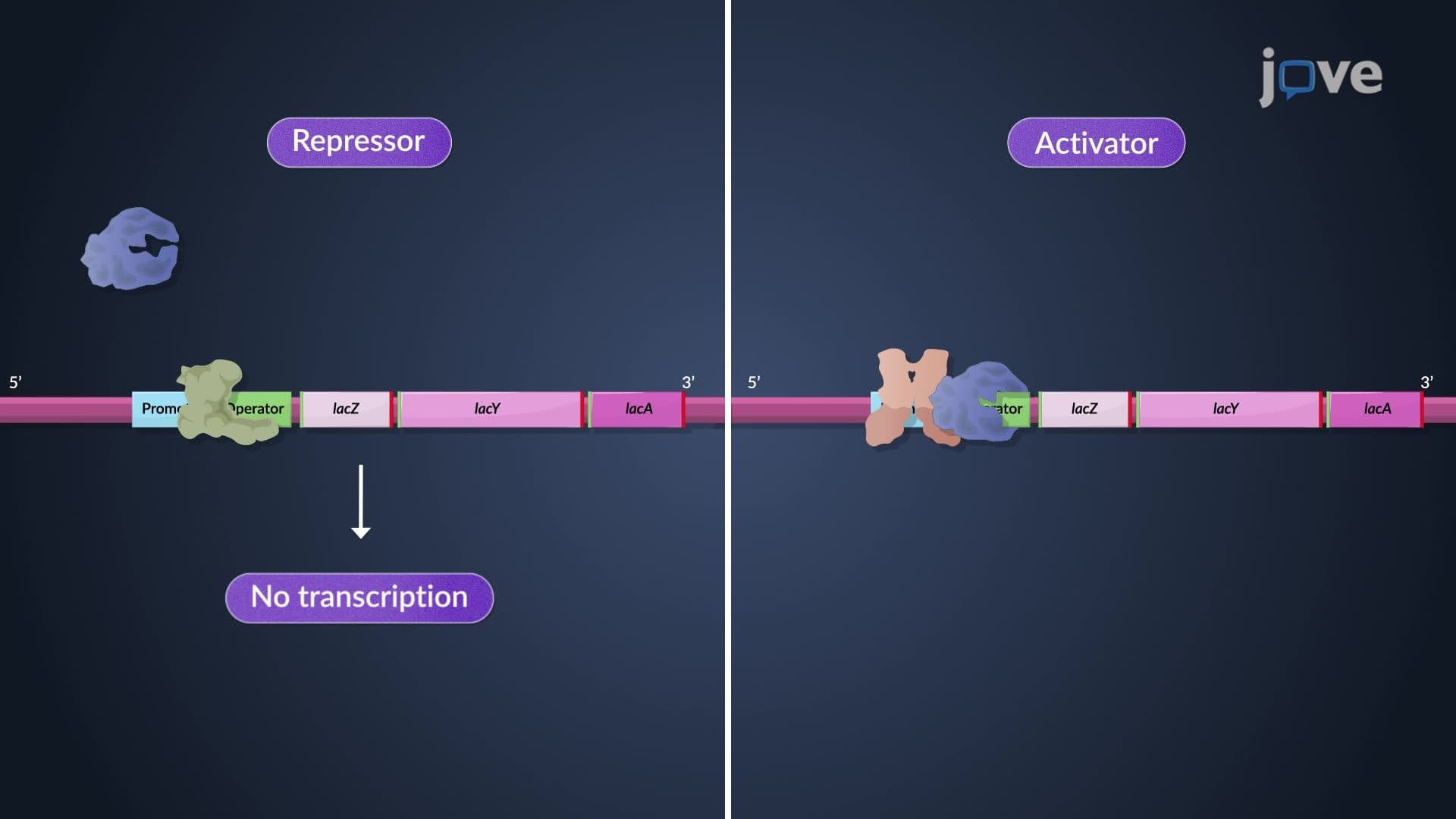
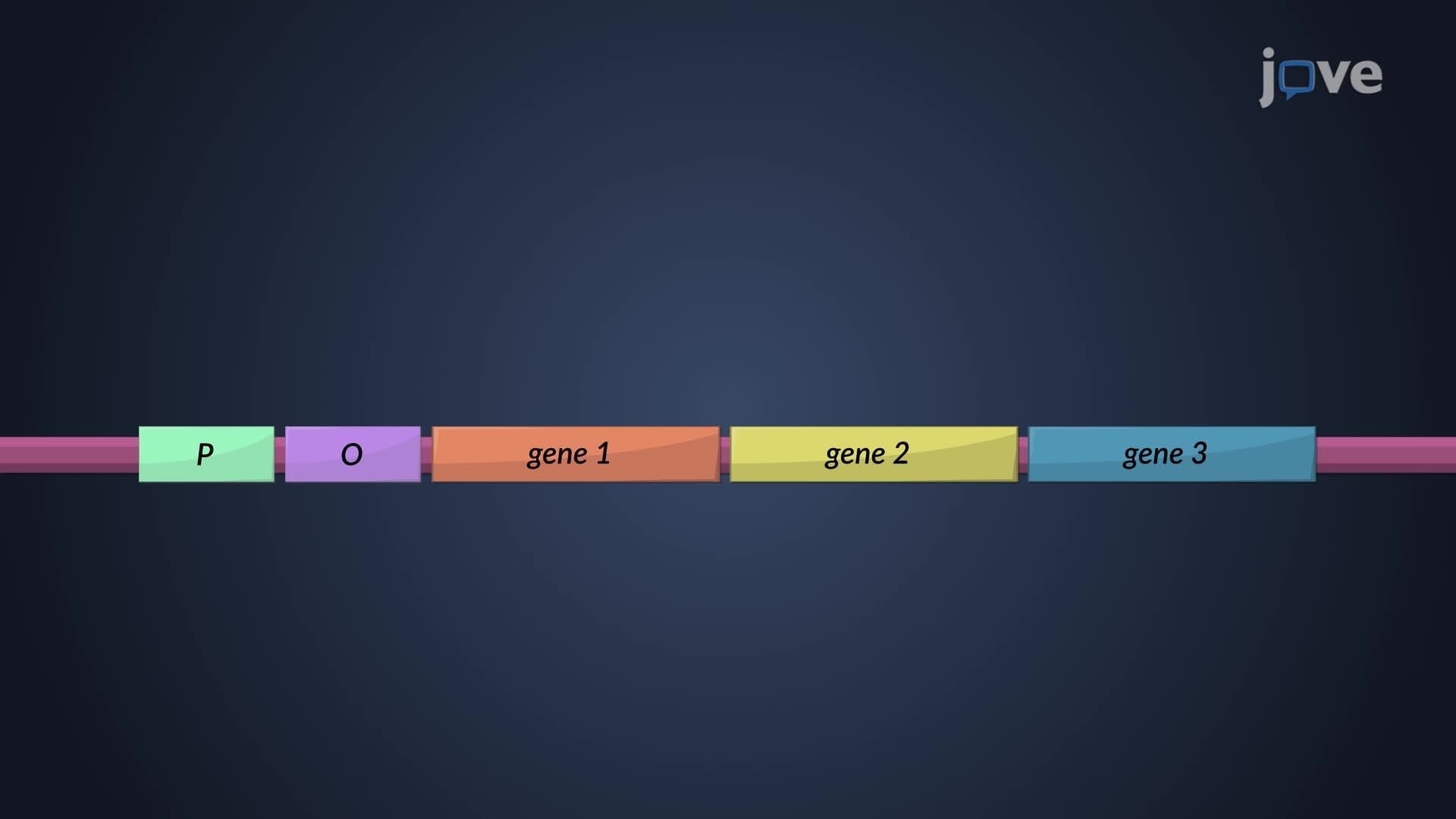
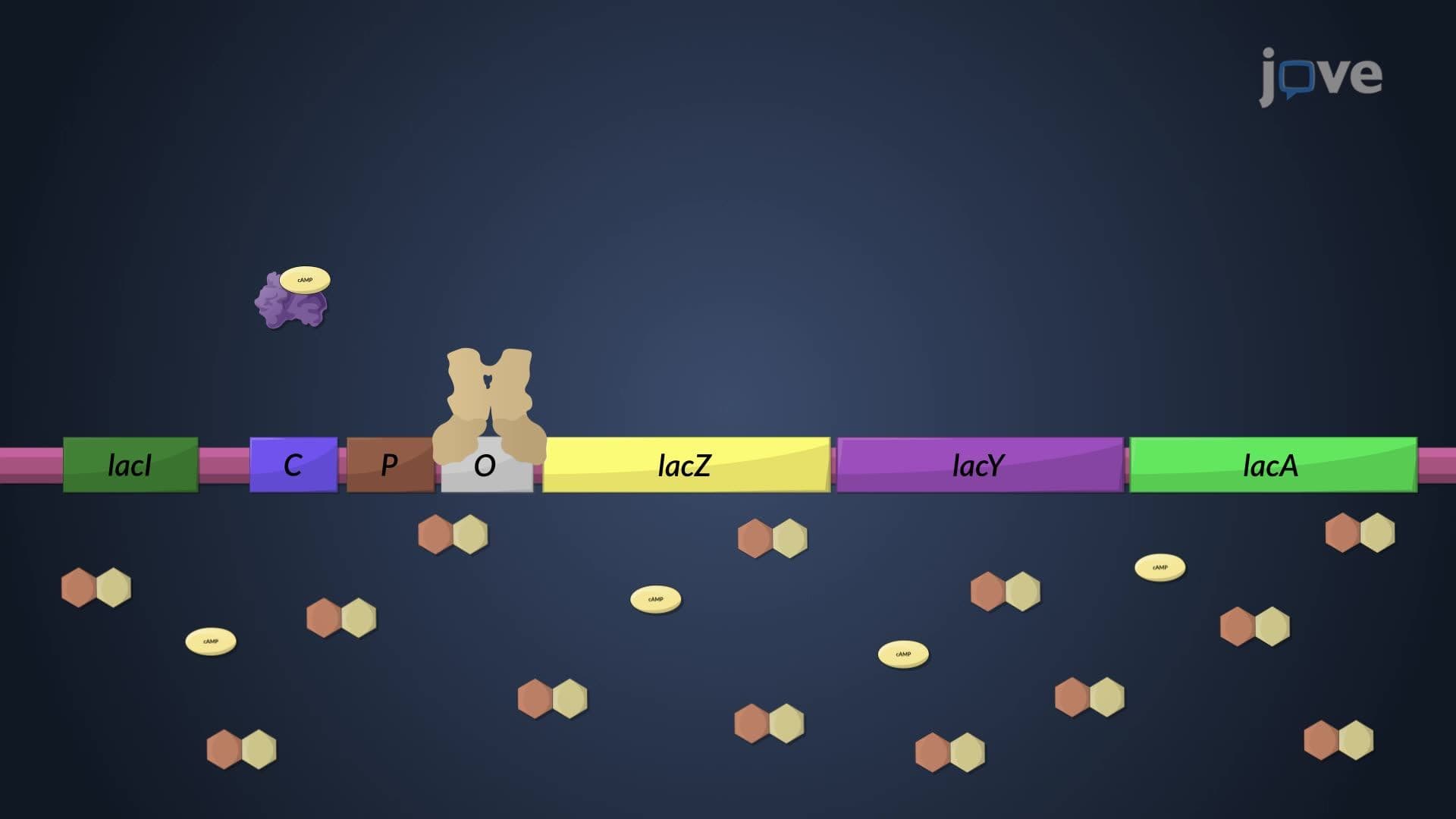
3. The Operon Model and Metabolic Gene Regulation The lac operon exemplifies inducible gene regulation, where lactose availability controls the expression of enzymes needed for lactose metabolism through repressor-operator interactions and CAP-cAMP positive regulation. Conversely, the trp operon demonstrates repressible regulation, where tryptophan abundance inhibits further amino acid synthesis. These classical examples, first studied in US research laboratories, illustrate how bacteria efficiently allocate resources by producing enzymes only when needed. Understanding operon regulation helps explain bacterial adaptation to different growth media and nutrient conditions encountered in laboratory and clinical environments.
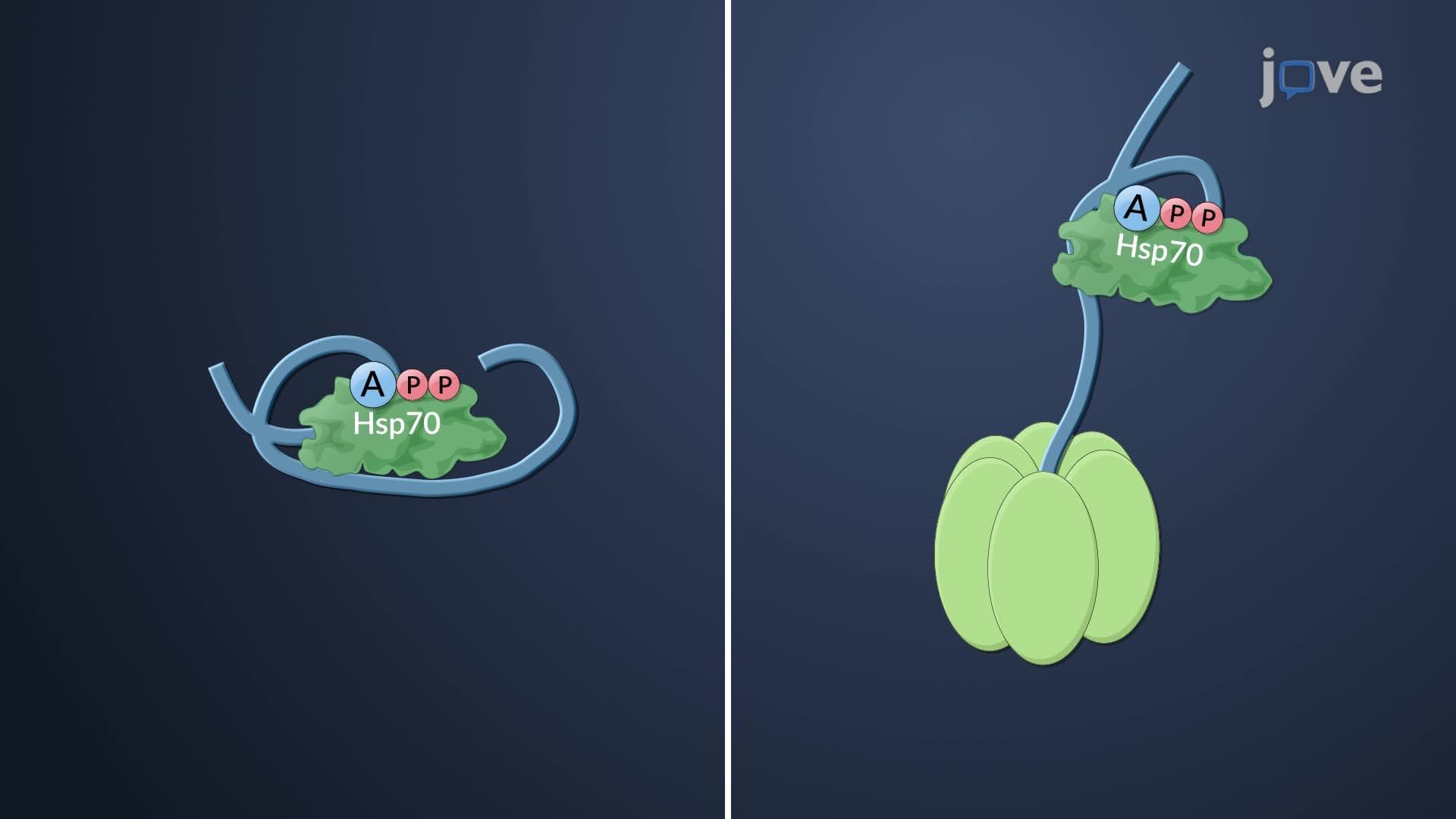
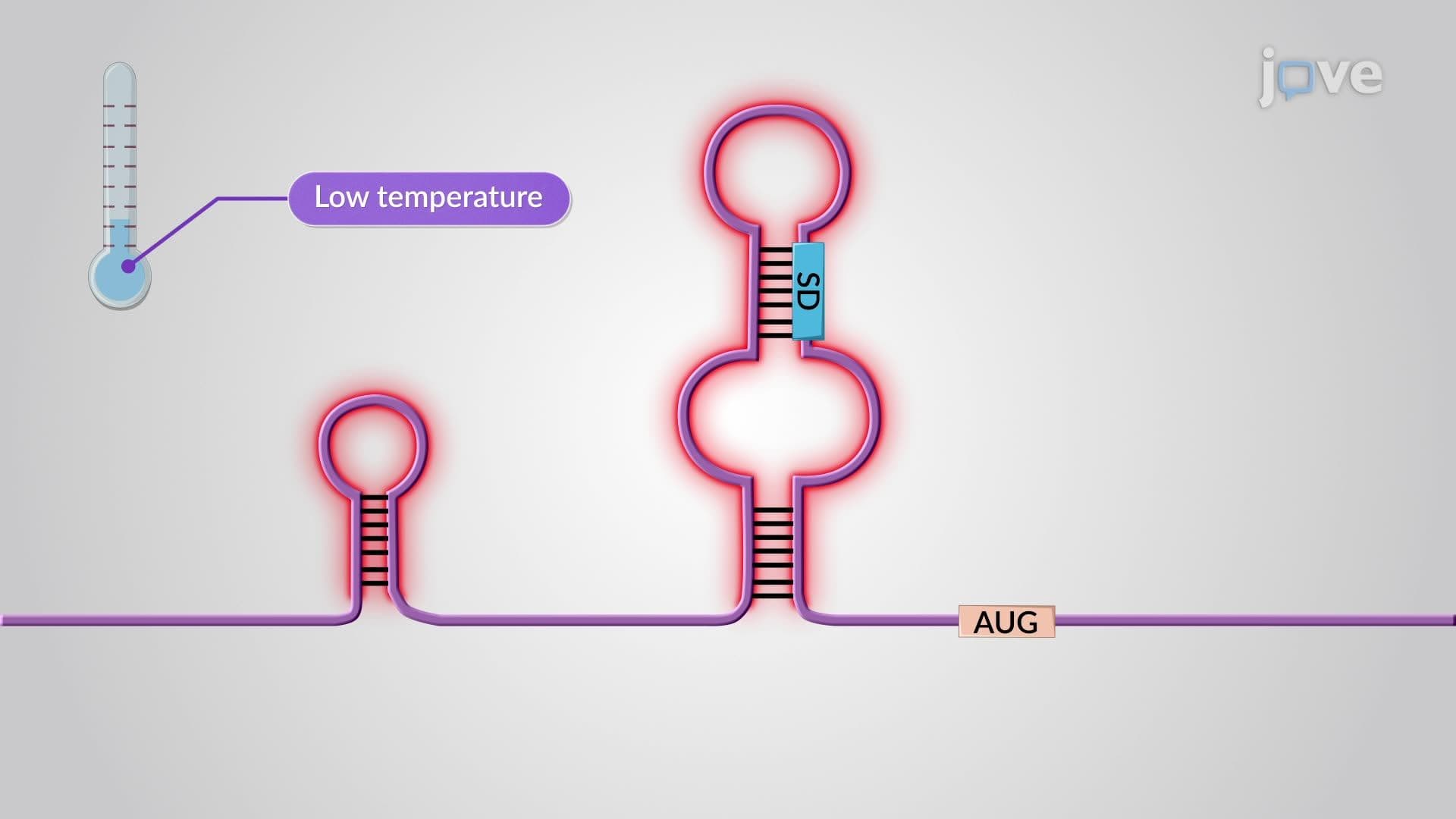
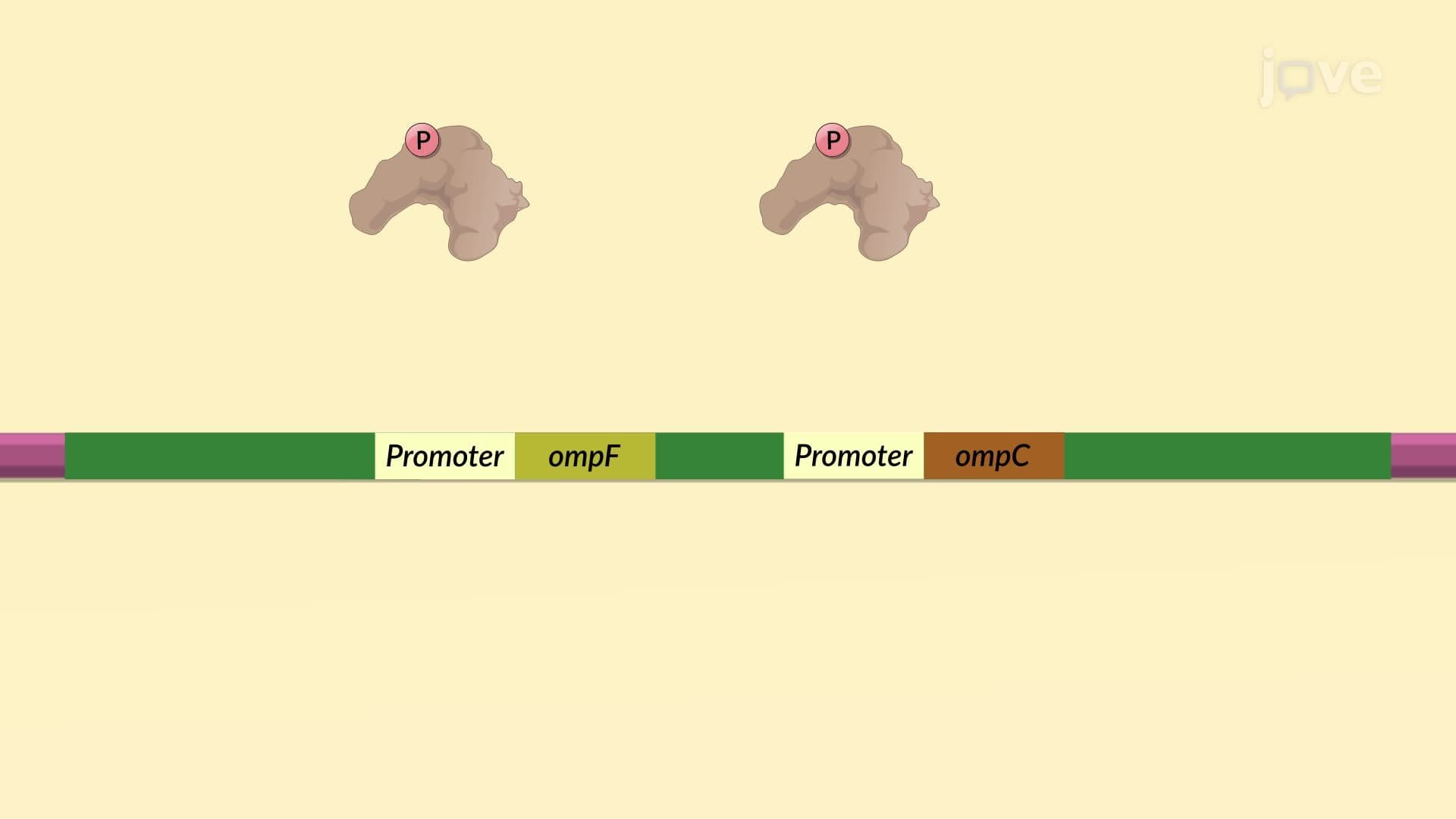
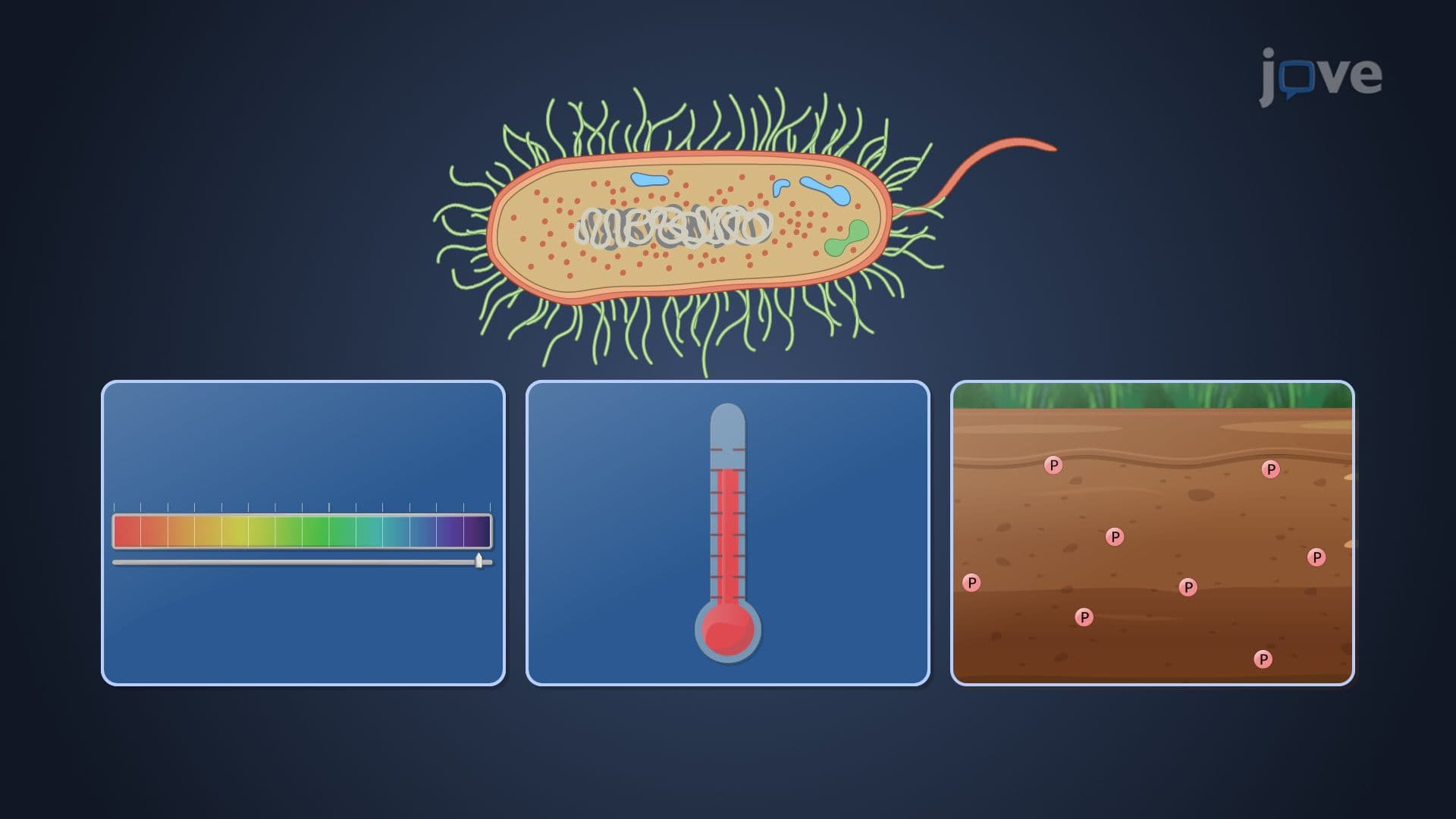
4. Global Regulatory Networks and Stress Responses Bacterial cells coordinate gene expression through global regulatory systems including two-component signaling pathways, alternative sigma factors, and the stringent response mediated by (p)ppGpp alarmones. The stringent response, triggered by amino acid starvation, globally reprograms cellular metabolism to enhance survival during nutrient limitation. Heat shock responses utilize σ32 to activate chaperone production, while the SOS response manages DNA damage. These interconnected regulatory networks explain bacterial persistence in harsh environments and contribute to antibiotic tolerance mechanisms observed in US hospital settings, making them important targets for therapeutic intervention.
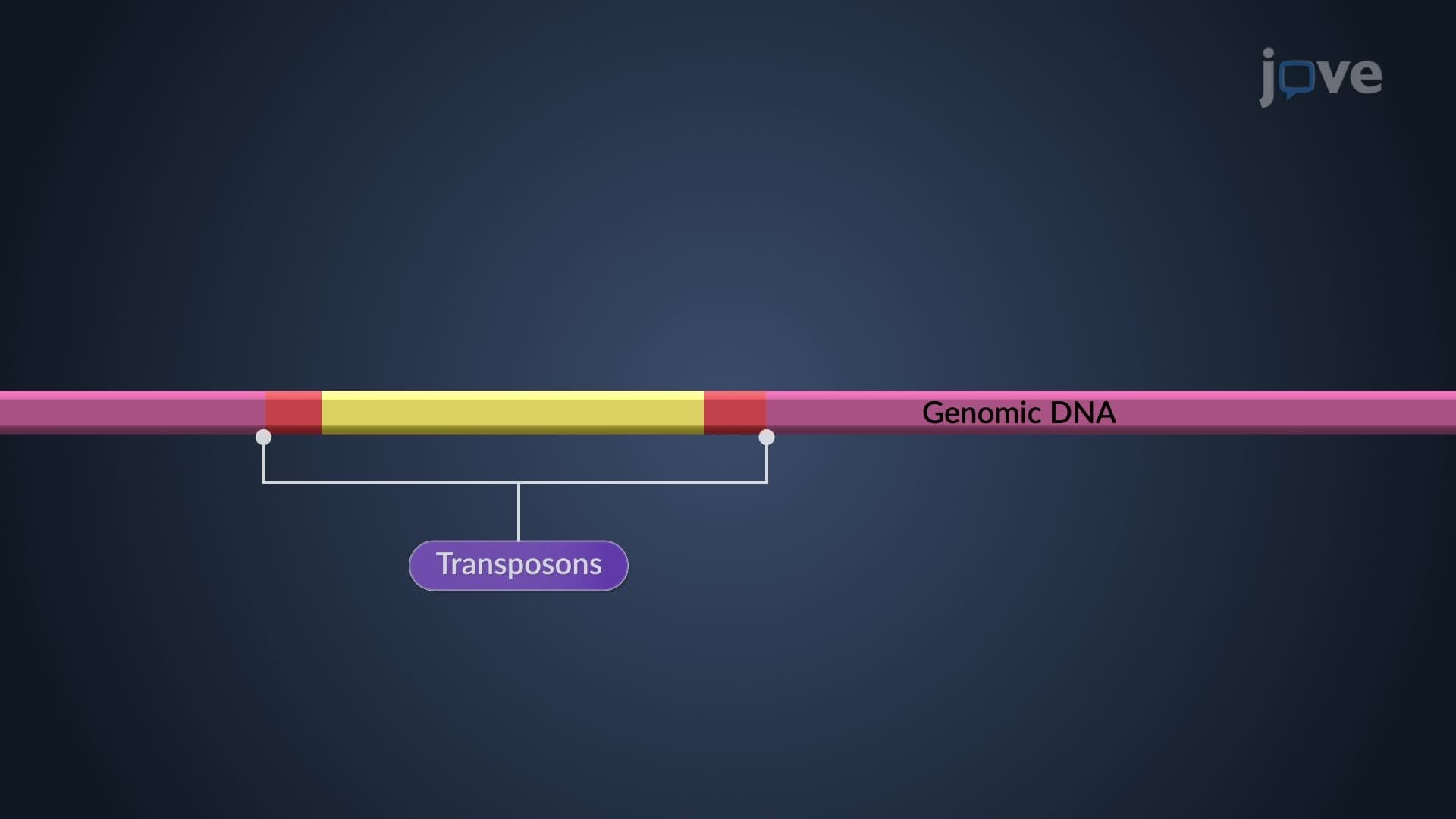
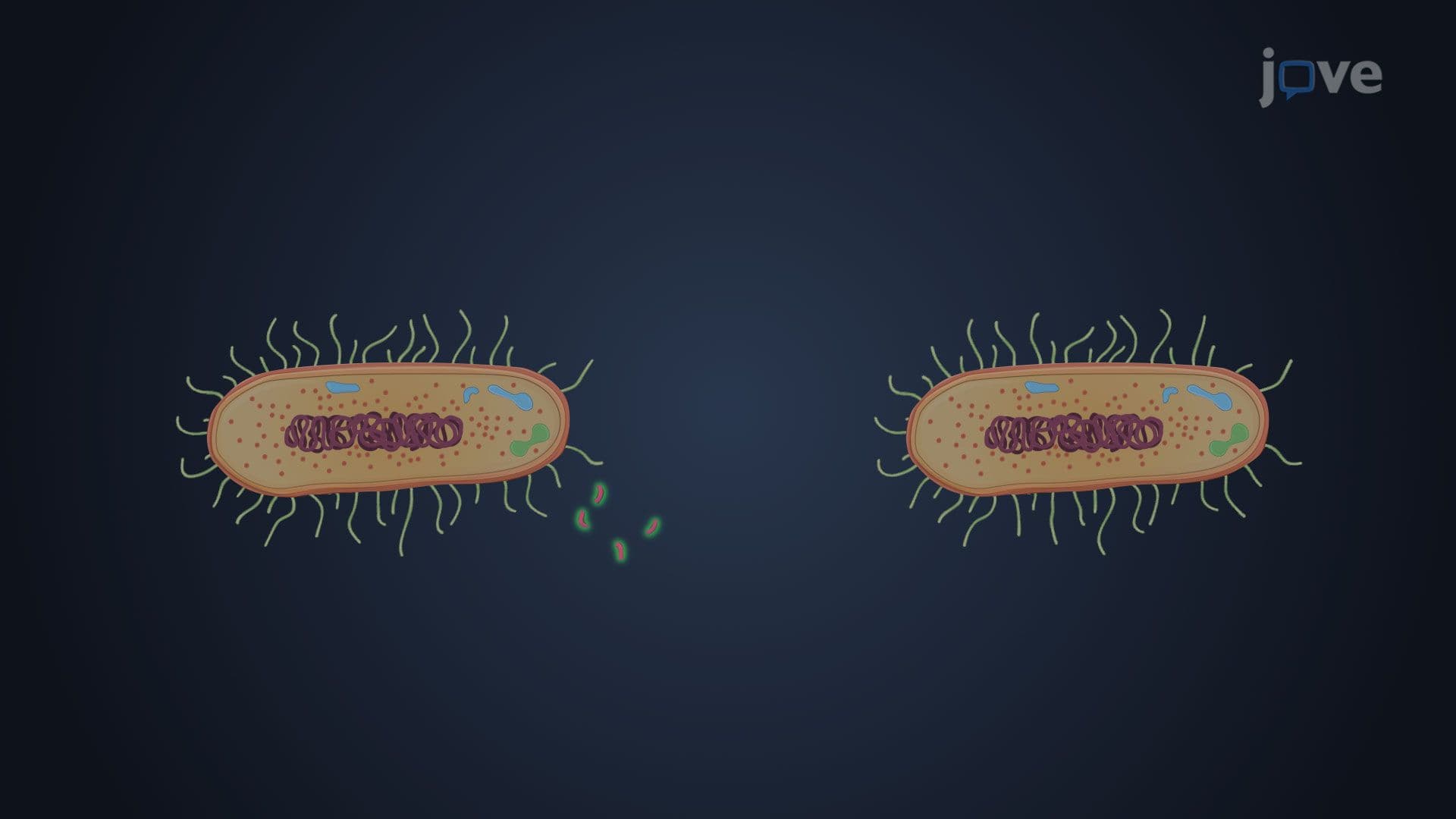
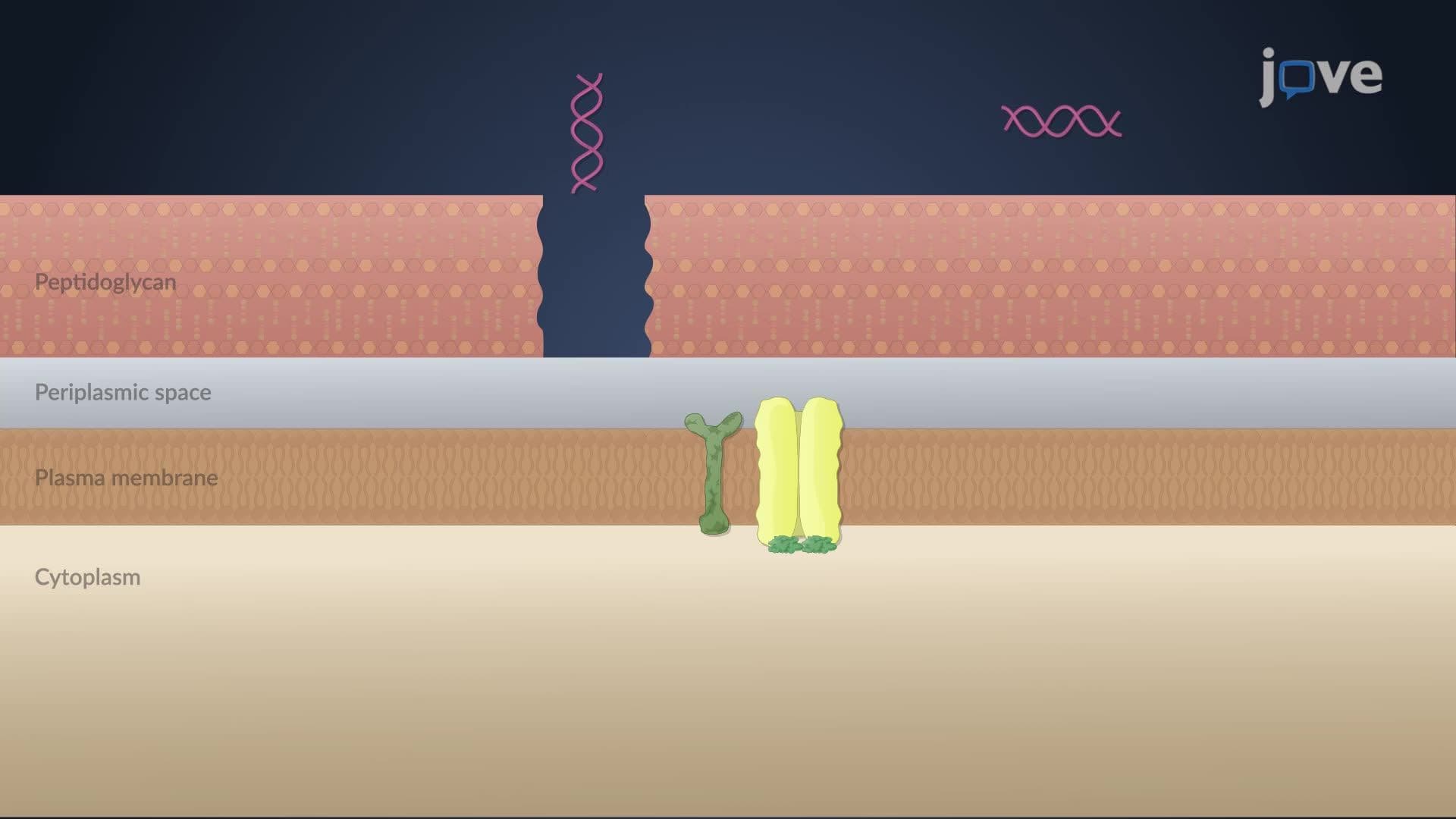
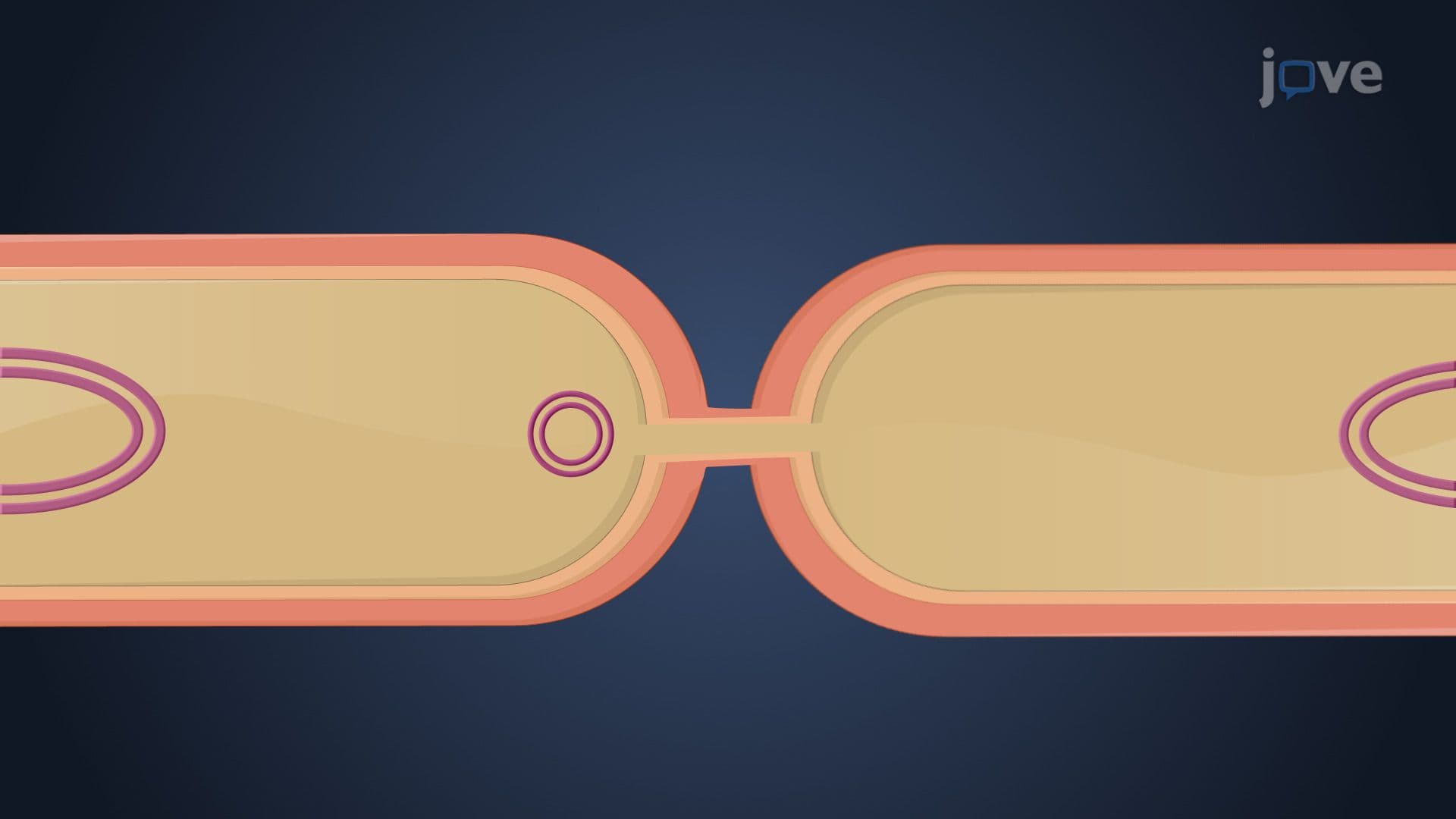
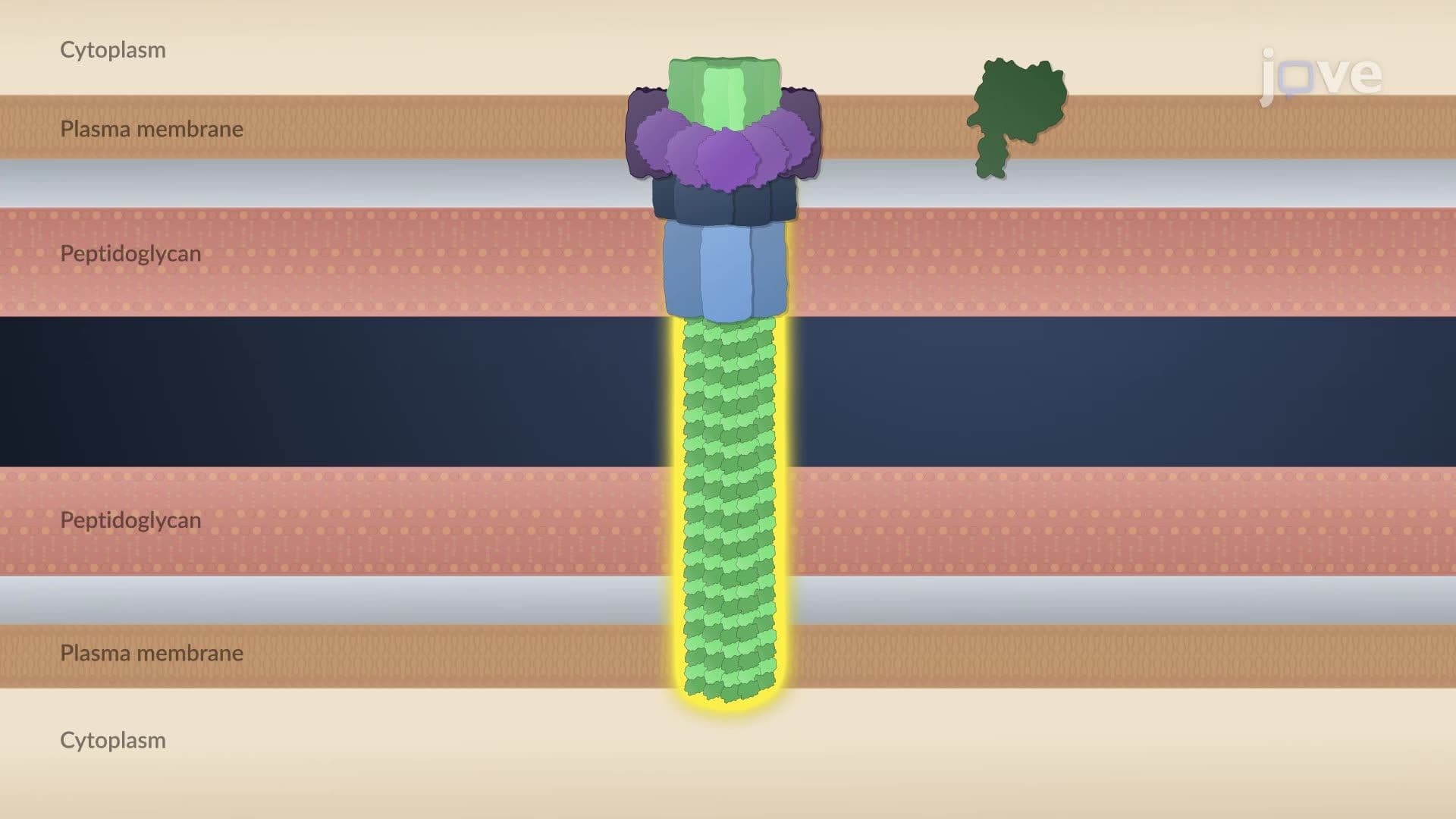
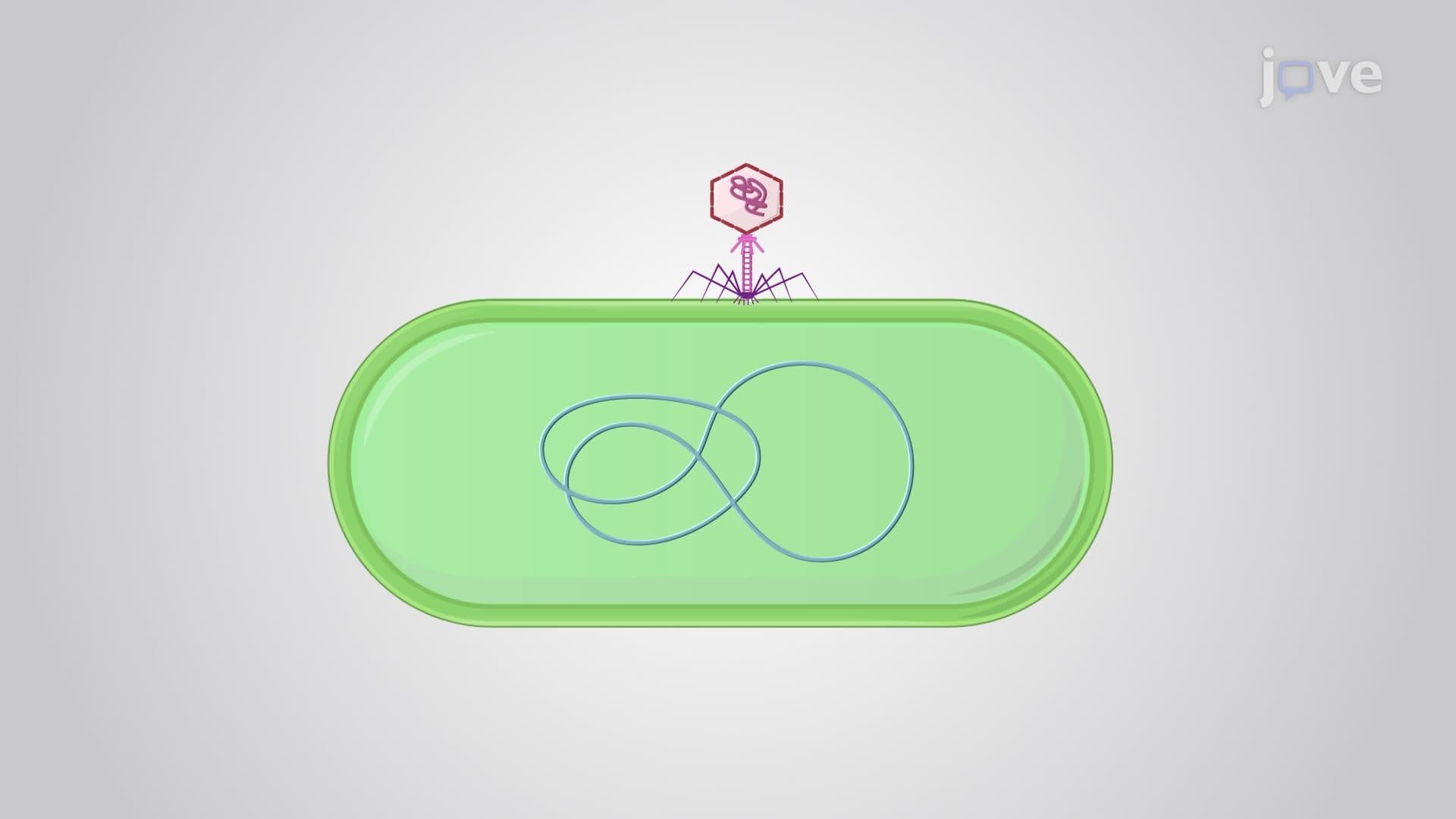
5. Horizontal Gene Transfer and Genetic Variation Bacteria exchange genetic material through transformation (uptake of free DNA), conjugation (direct cell-to-cell transfer via pili), and transduction (bacteriophage-mediated transfer). Plasmids carry accessory genes including antibiotic resistance determinants, while transposons facilitate gene movement between chromosomes and plasmids. These mechanisms rapidly spread antibiotic resistance genes throughout bacterial populations, creating the resistance patterns observed in US healthcare facilities. Understanding horizontal gene transfer is essential for predicting resistance emergence, designing infection control strategies, and developing new antimicrobial approaches that account for bacterial genetic flexibility.
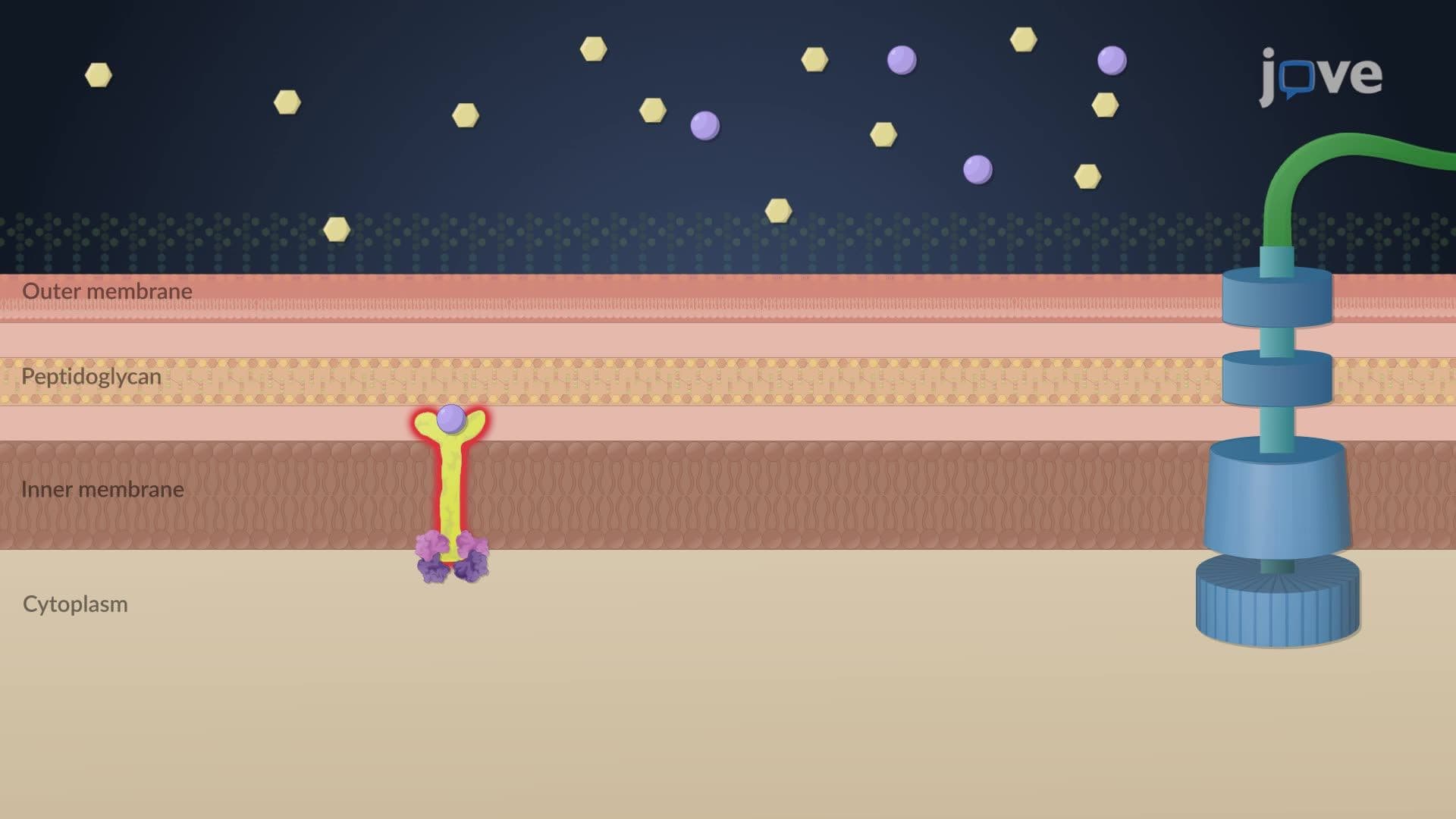
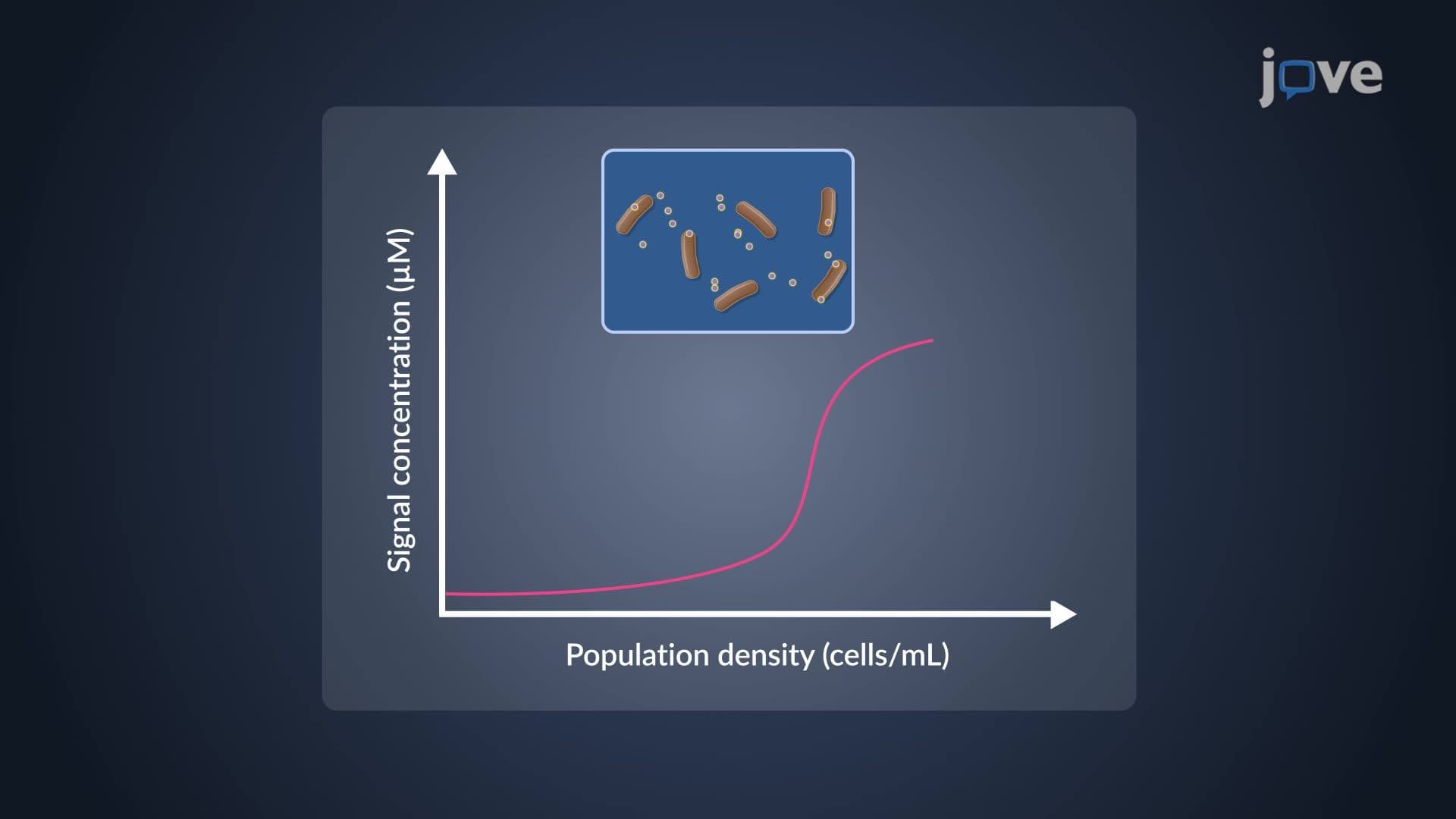
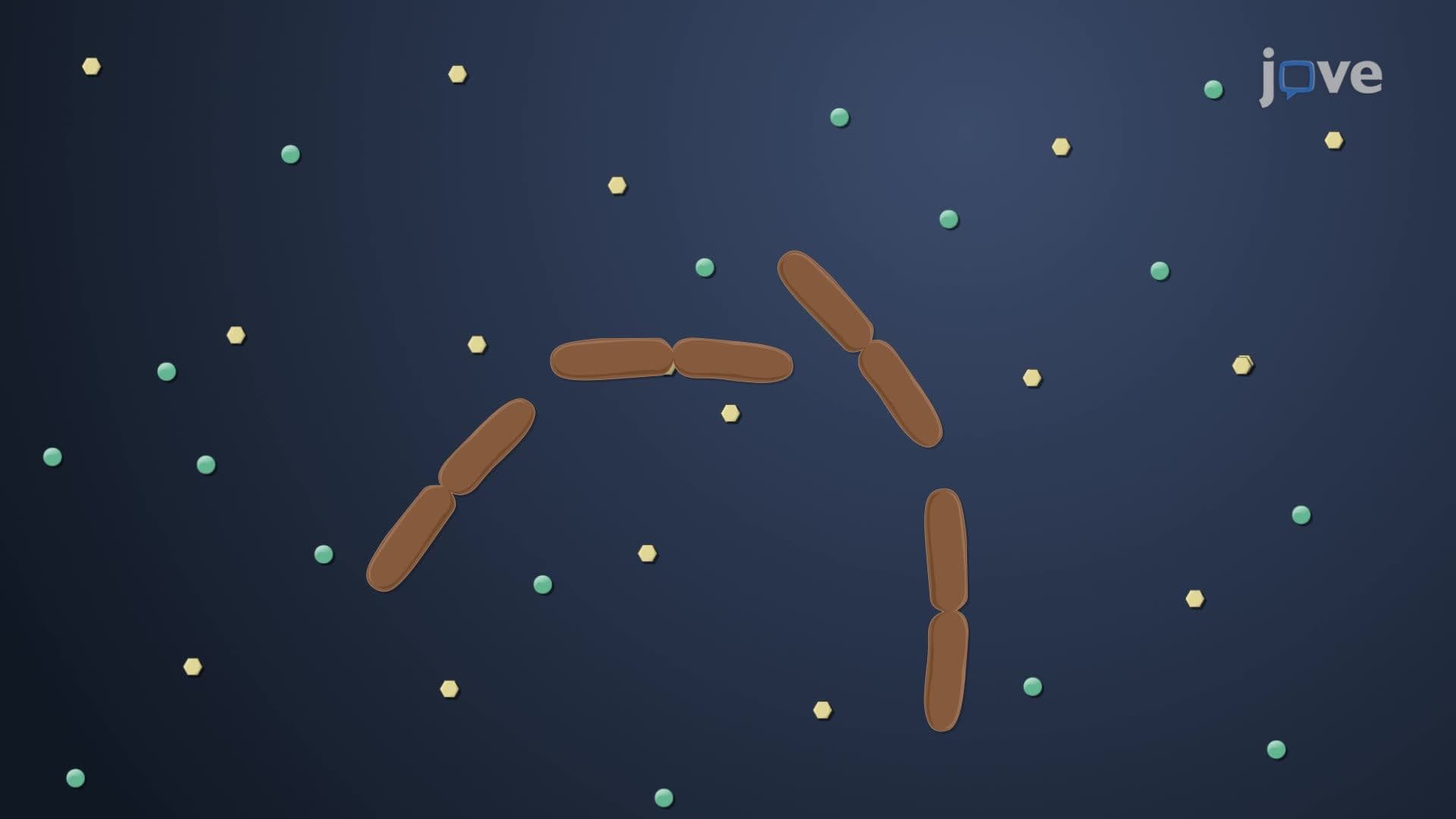
6. Bacterial Communication and Community Behavior Quorum sensing allows bacteria to coordinate group behaviors based on population density through autoinducer molecules, controlling processes like biofilm formation and virulence factor production in pathogens like *Pseudomonas aeruginosa*. Chemotaxis enables bacteria to navigate toward nutrients or away from toxins using sophisticated signal transduction cascades involving methylation-dependent adaptation mechanisms. These community behaviors significantly impact bacterial pathogenesis, biofilm formation on medical devices, and bacterial survival in diverse environments. Understanding these processes informs strategies for disrupting bacterial communication as alternative therapeutic approaches being researched in US biotechnology companies.