- Microbiology
- Viruses
Micro-courses:19

Viruses
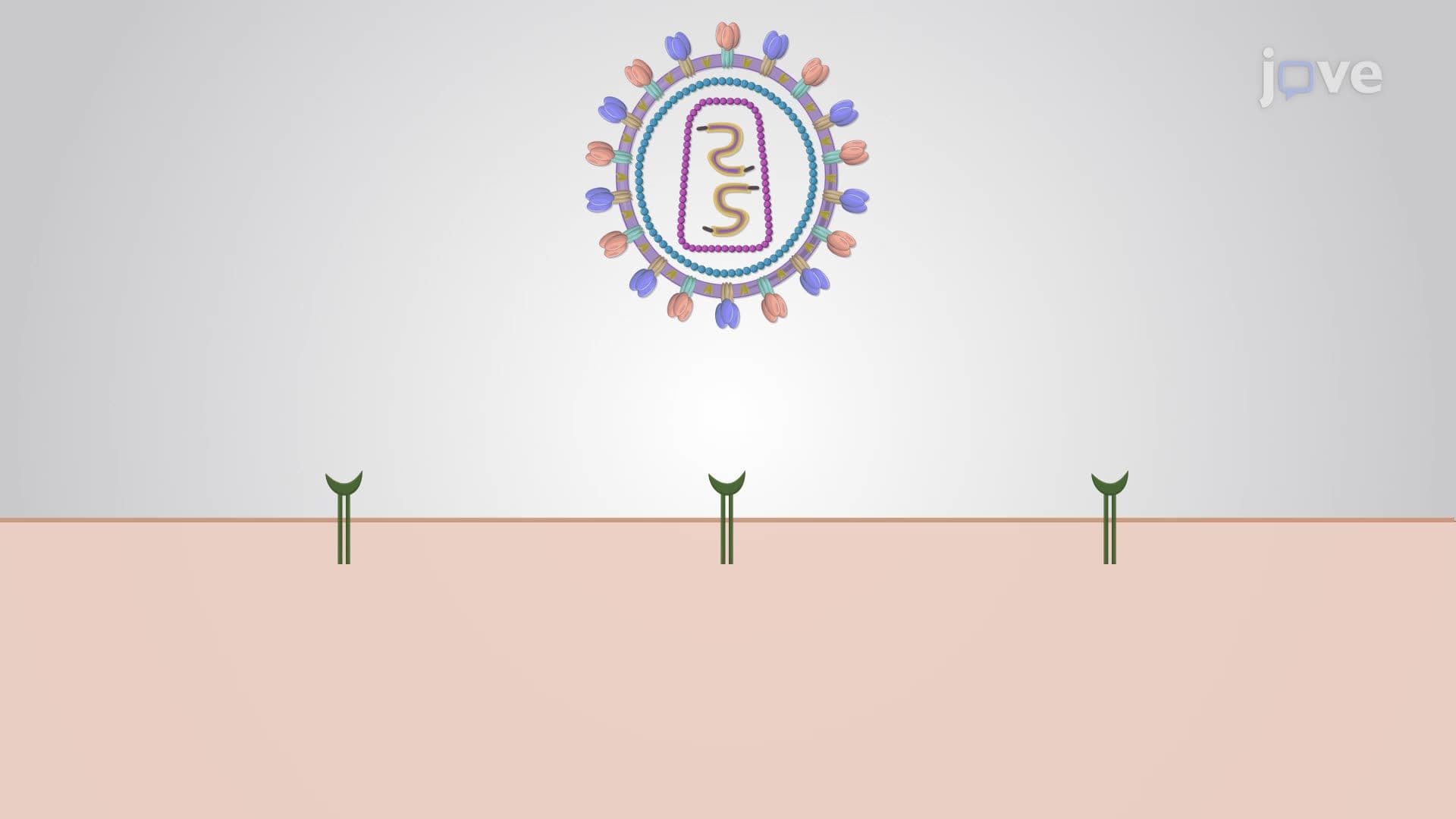
1. Introduction to Virus
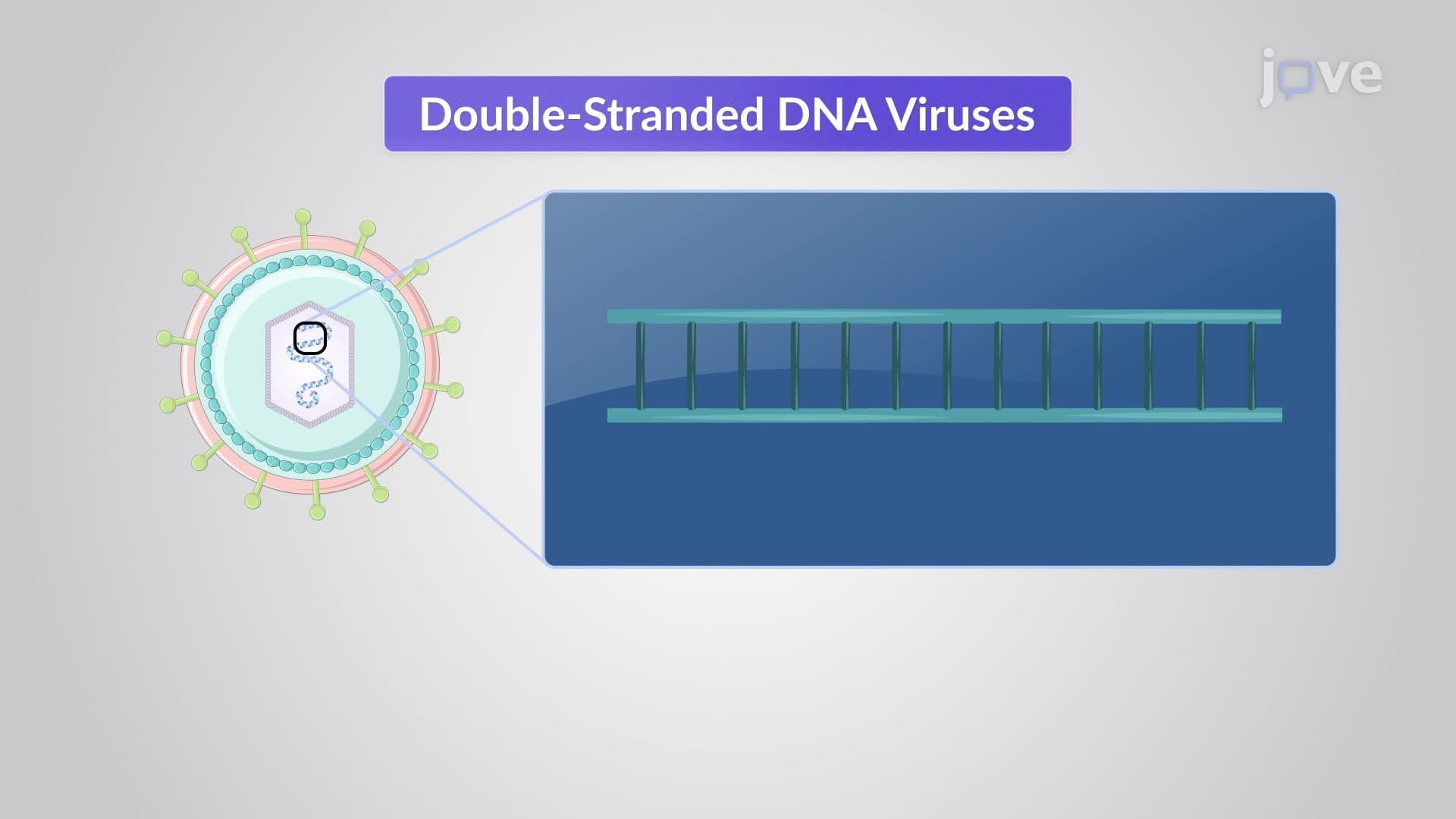
2. Size and Structure of Viral Genomes
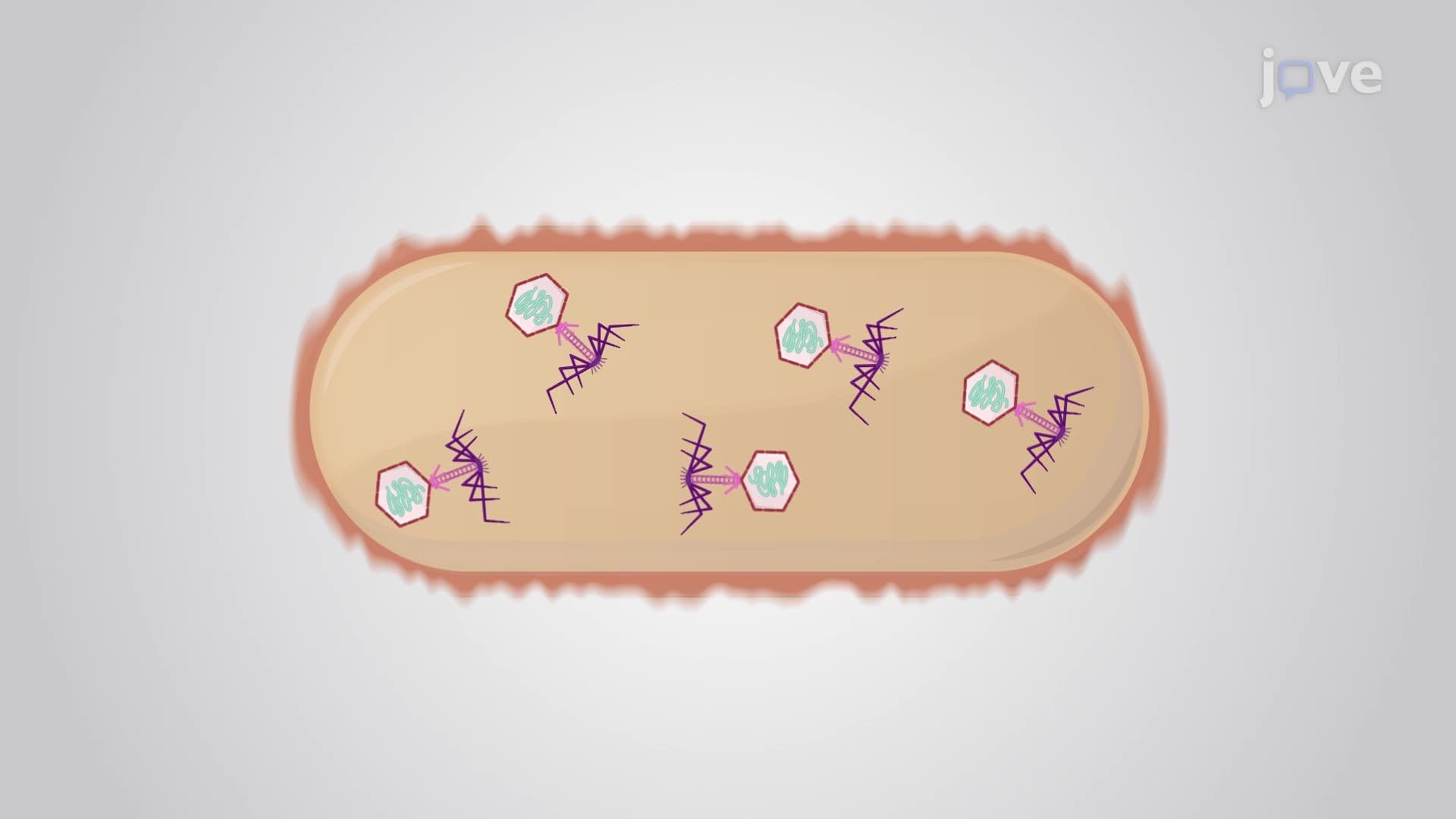
3. Viral Replication: Lytic Cycle
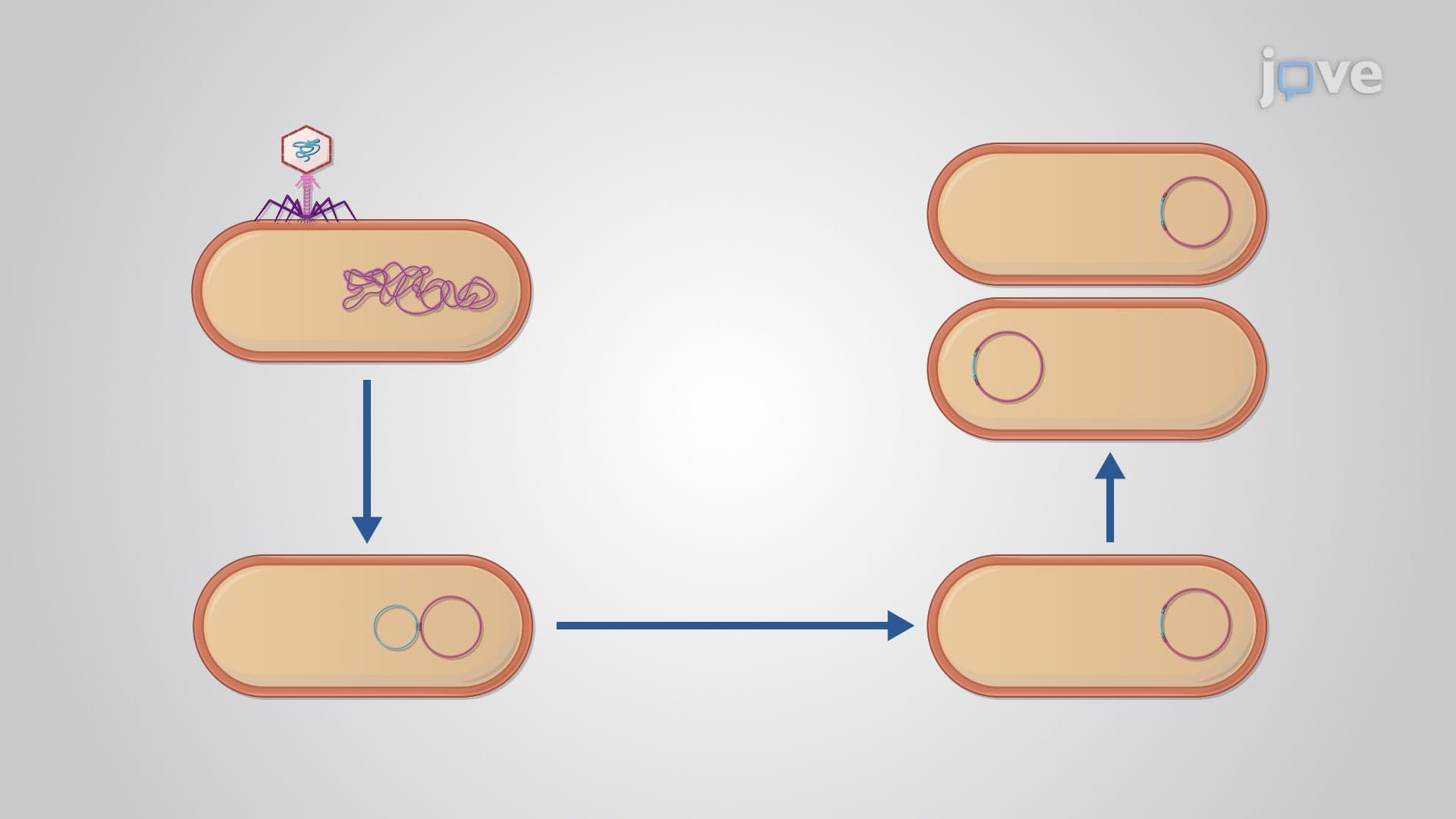
4. Viral Replication: Lysogenic Cycle
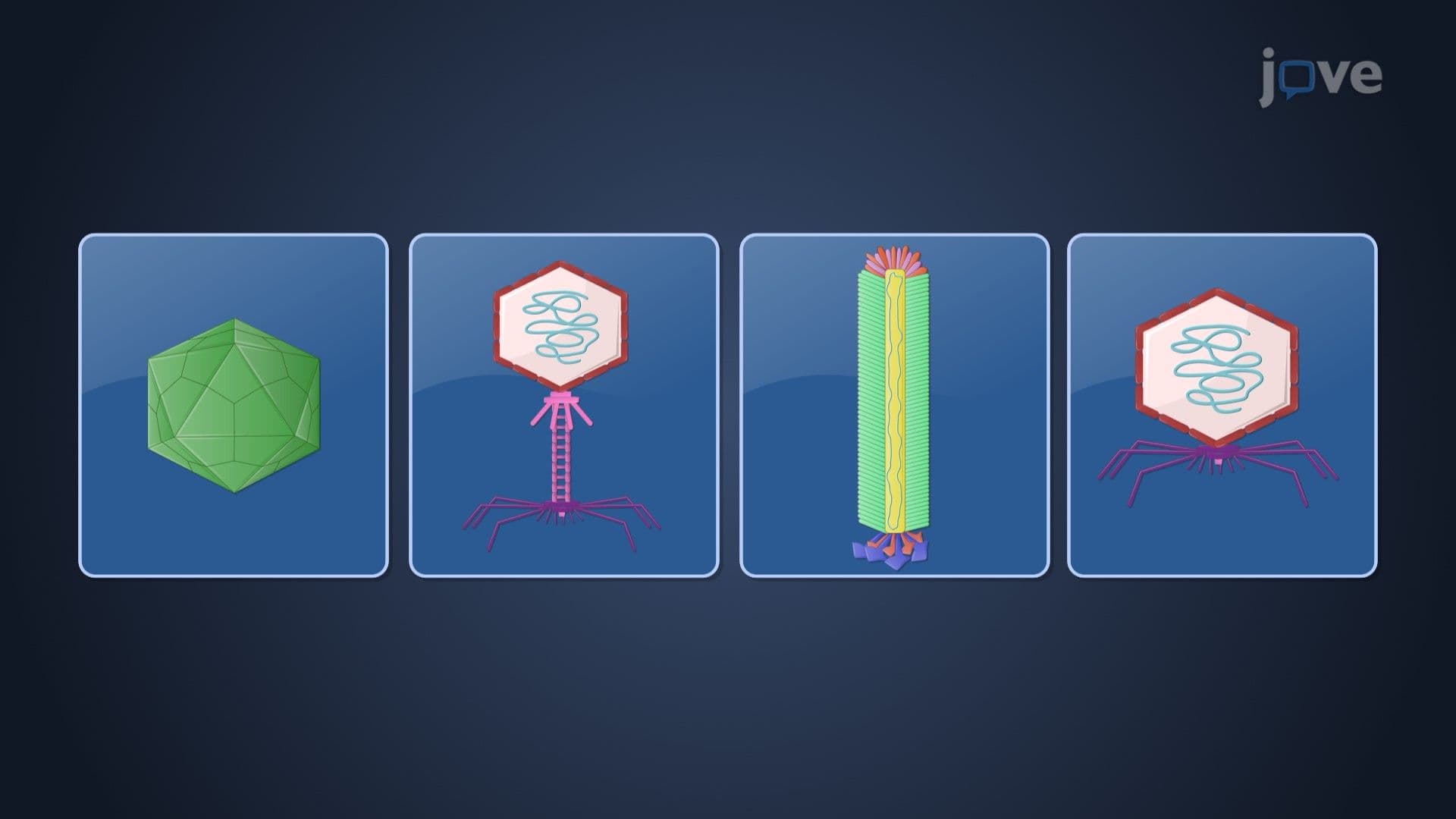
5. DNA Bacteriophages
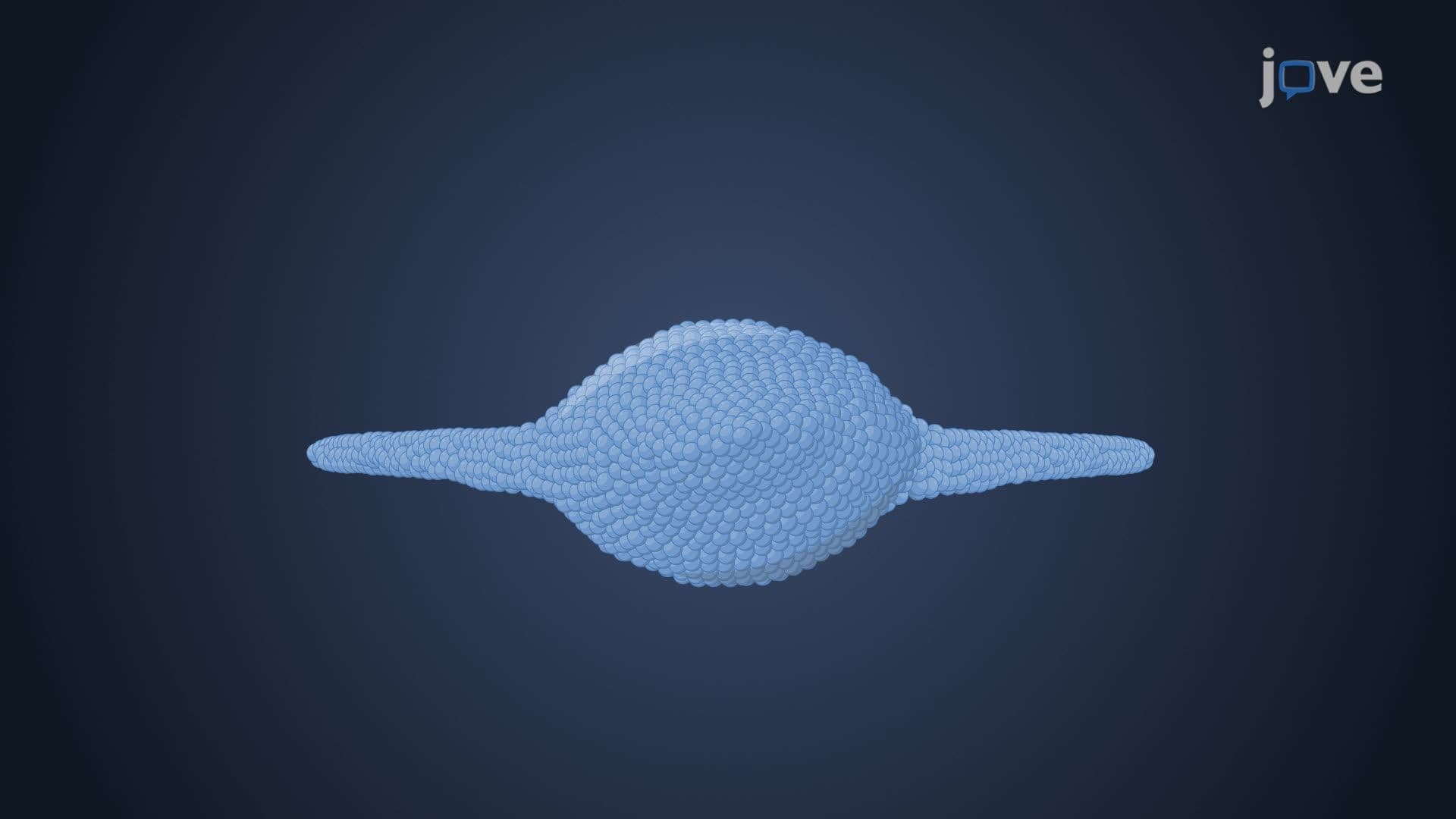
6. Viruses of Archaea
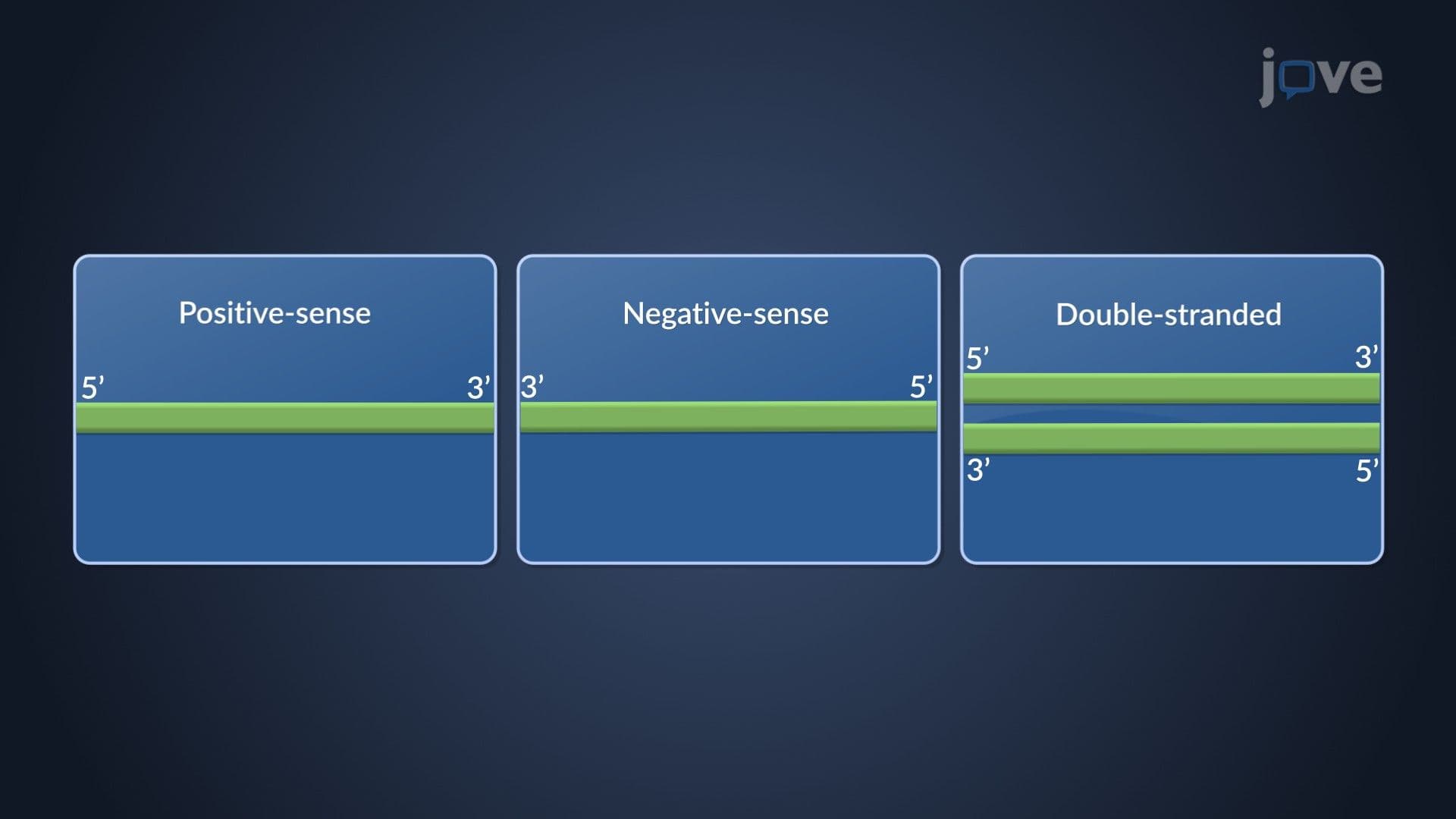
7. Viruses with RNA Genomes
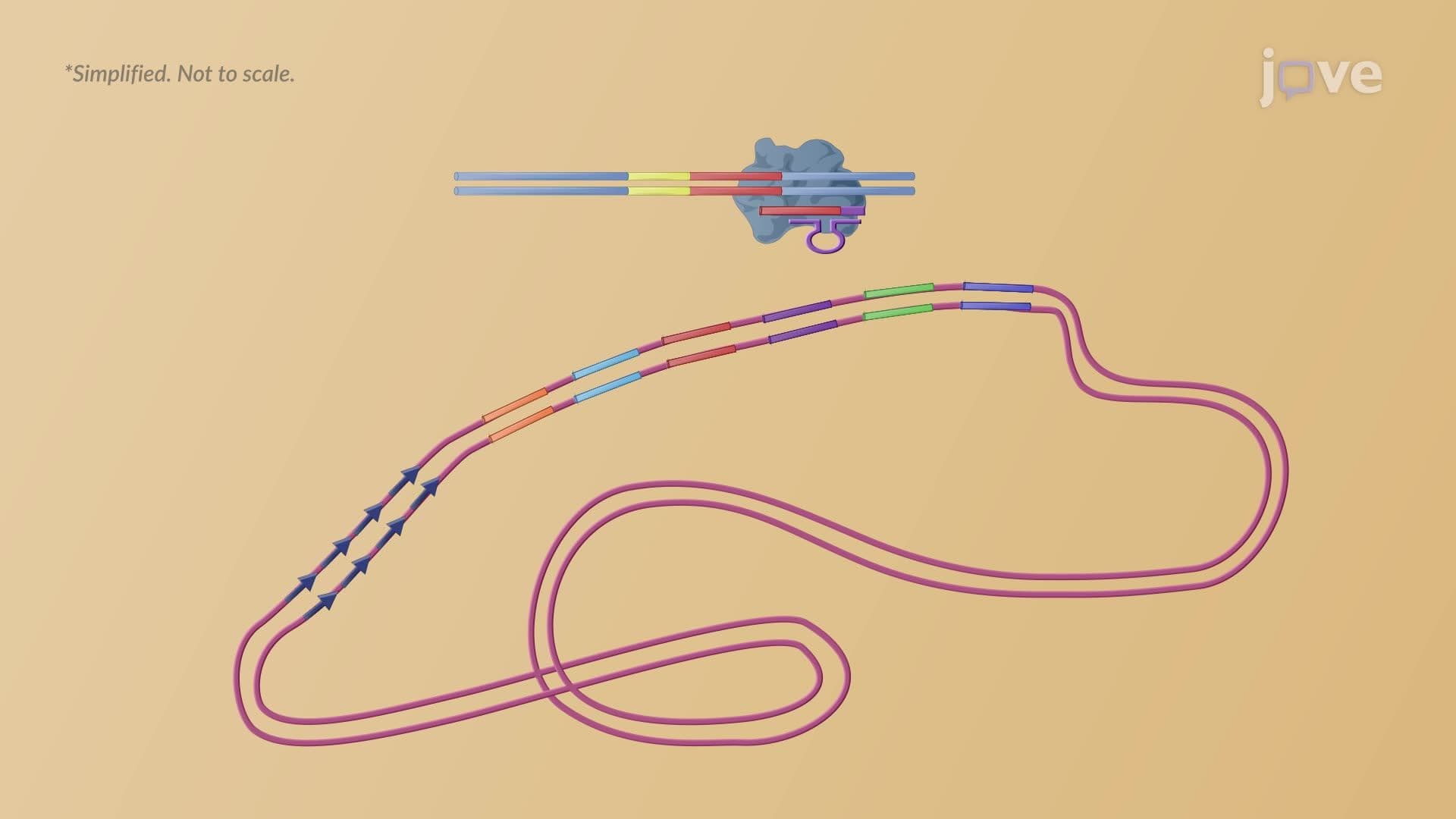
8. The Antiviral System of Bacteria and Archaea: CRISPR
9. CRISPR/Cas9 Genome Editing
10. Subviral Agents
Viruses are submicroscopic infectious agents that hijack host cells to replicate, causing diseases ranging from the common cold to HIV/AIDS in humans. Understanding the viral replication cycle and how viruses infect and replicate in cells is fundamental to microbiology and medicine. This JoVE Coach course explores viral structure, life cycles, and mechanisms essential for US healthcare education.
- Understand the basic structure and classification of viruses, including DNA and RNA viruses
- Learn the mechanisms of viral attachment, entry, and replication in host cells
- Identify the differences between lytic and lysogenic viral replication cycles
- Explore bacteriophage biology and their unique infection strategies
- Analyze retrovirus life cycles and reverse transcription processes
- Apply knowledge of viral recombination and mutation to understand viral evolution
- Understand CRISPR-Cas systems as bacterial antiviral defense mechanisms
- Learn about subviral agents including viroids, prions, and satellite viruses
1. Viral Structure and Classification: Viruses consist of genetic material (DNA or RNA) enclosed in a protein capsid, with some having additional lipid envelopes. The nucleocapsid contains the genome and protective proteins, while capsomeres are the structural protein subunits. Enveloped viruses like influenza acquire their outer membrane from host cells, incorporating viral glycoproteins for attachment. Non-enveloped viruses like adenovirus rely solely on capsid proteins for host recognition. Understanding viral architecture is crucial for comprehending how antiviral drugs target specific structural components and why some viruses are more environmentally stable than others.
2. Lytic Cycle of Viral Replication: The lytic cycle represents rapid viral reproduction that destroys the host cell. After attachment and entry, viruses immediately commandeer cellular machinery, degrading host DNA and redirecting resources toward viral protein synthesis. T4 bacteriophage exemplifies this process, injecting DNA into E. coli, replicating viral components, and assembling new virions within 25-30 minutes. The cycle concludes with host cell lysis, releasing hundreds of progeny viruses. This mechanism explains acute viral infections and forms the basis for understanding how lytic viruses cause rapid tissue damage in diseases like viral pneumonia or gastroenteritis.
3. Lysogenic Cycle and Viral Latency: Temperate viruses like lambda phage can integrate their DNA into the host chromosome, forming a prophage that remains dormant during normal cell division. This lysogenic cycle allows viral genetic material to be passed to daughter cells without immediate harm. The prophage can be activated by stress conditions, switching to lytic replication. This concept explains latent viral infections in humans, such as herpes simplex virus remaining dormant in nerve cells, or how HIV integrates into immune cell DNA, making complete viral elimination challenging for current treatments.
4. Retrovirus Life Cycles and Reverse Transcription: Retroviruses like HIV carry RNA genomes and use reverse transcriptase to synthesize complementary DNA, reversing the typical DNA-to-RNA flow of genetic information. This viral DNA integrates into the host genome as a provirus, ensuring viral persistence and continuous production of new viral particles. The error-prone nature of reverse transcriptase contributes to rapid HIV mutation and drug resistance. Understanding retroviral mechanisms is essential for comprehending AIDS pathogenesis, antiretroviral therapy strategies, and why HIV vaccines remain challenging to develop despite decades of research efforts.
5. Viral Evolution Through Recombination and Mutation: Viruses evolve rapidly through genetic recombination when multiple viral strains co-infect the same cell, exchanging genetic segments to create new variants. RNA viruses particularly undergo frequent mutations due to error-prone replication machinery lacking proofreading mechanisms. Influenza demonstrates antigenic shift through genome segment reassortment, producing pandemic strains. These evolutionary processes explain why seasonal flu vaccines require annual updates, how SARS-CoV-2 variants emerge, and why some viral diseases like measles remain stable while others continuously evolve, impacting long-term immunity and treatment strategies.
6. CRISPR-Cas Systems as Bacterial Immunity: Bacteria and archaea use CRISPR-Cas systems as adaptive immune mechanisms against viral infections. These systems store viral DNA fragments as molecular memories, allowing recognition and destruction of repeat infections. Cas proteins recognize protospacer adjacent motif (PAM) sequences, cut viral DNA, and integrate fragments into CRISPR arrays. When viruses return, guide RNAs direct Cas proteins to cleave matching viral sequences. This natural antiviral system has been adapted for genome editing applications, revolutionizing biotechnology and offering potential therapeutic approaches for treating genetic diseases and viral infections in medical research.
Frequently Asked Questions
Viruses are not cells and lack cellular machinery like ribosomes, mitochondria, or cell membranes. They consist only of genetic material (DNA or RNA) surrounded by a protein coat. Bacteria are complete living cells with their own metabolic machinery, while viruses are obligate intracellular parasites that must hijack host cells to reproduce.
The lytic cycle involves immediate viral replication and host cell destruction, while the lysogenic cycle integrates viral DNA into the host genome, remaining dormant until activated. MCAT questions often test understanding of which cycle produces more immediate symptoms (lytic) versus which allows viral persistence (lysogenic), relating to different disease patterns in clinical scenarios.
RNA viruses use error-prone enzymes like reverse transcriptase that lack proofreading mechanisms, leading to high mutation rates. This rapid evolution allows quick development of drug-resistant variants. DNA viruses typically use more accurate host cell replication machinery, resulting in slower evolutionary rates and more stable drug targets.
Emphasize the central dogma violations (reverse transcription in retroviruses), viral takeover of cellular processes, and how viral life cycles relate to disease patterns. Understand specific examples like bacteriophages for prokaryotic infections and HIV for eukaryotic infections, as AP exams often require comparing viral strategies across different host types.
Acute infections result from lytic viruses that rapidly destroy cells (like influenza causing respiratory symptoms), while chronic infections involve viruses that persist in cells (like hepatitis B causing ongoing liver damage). Latent infections occur when viruses remain dormant but can reactivate (like herpes simplex causing recurrent cold sores), demonstrating how viral life cycle strategies directly impact disease progression and treatment approaches.
Virology can be challenging because it requires understanding molecular biology, biochemistry, and immunology concepts simultaneously. The key is mastering basic viral structure and replication principles before tackling complex topics like viral evolution or host-pathogen interactions. Focus on understanding mechanisms rather than memorizing details.
Create flowcharts or diagrams showing each step of viral replication cycles, comparing lytic versus lysogenic pathways side-by-side. Use specific examples like T4 phage for lytic cycles and lambda phage for lysogenic cycles. Practice explaining how disrupting each step could serve as antiviral targets, which helps with both understanding mechanisms and clinical applications.
This microcourse includes 10 concept videos that walk you through the building blocks of Microbiology. Each video is short, about 1 minute, so you can cover a full topic during a coffee break or between classes. The full sequence starts with Introduction to Virus and ends with Subviral Agents.
The playlist moves from big-picture ideas to the precise vocabulary used in Microbiology. Early videos introduce Introduction to Virus, Size and Structure of Viral Genomes, and Viral Replication: Lytic Cycle. The middle of the series focuses on DNA Bacteriophages, Viruses of Archaea, and Viruses with RNA Genomes. The final stretch covers The Antiviral System of Bacteria and Archaea: CRISPR, CRISPR/Cas9 Genome Editing, and Subviral Agents.
Related Subjects


