Loading subject page…


4,576 views


Video Summary: The Antiviral System of Bacteria Explained
Did you know bacteria have their own immune system that works like a molecular copy-and-paste function? The antiviral system bacteria use, called CRISPR-Cas, acts as a genetic memory bank that remembers viral invaders and destroys them on sight. This system has revolutionized gene therapy research at institutions like Stanford University and is now being tested for treating genetic diseases. Watch the full video on JoVE Coach to master this concept with expert-led visuals and step-by-step explanations.
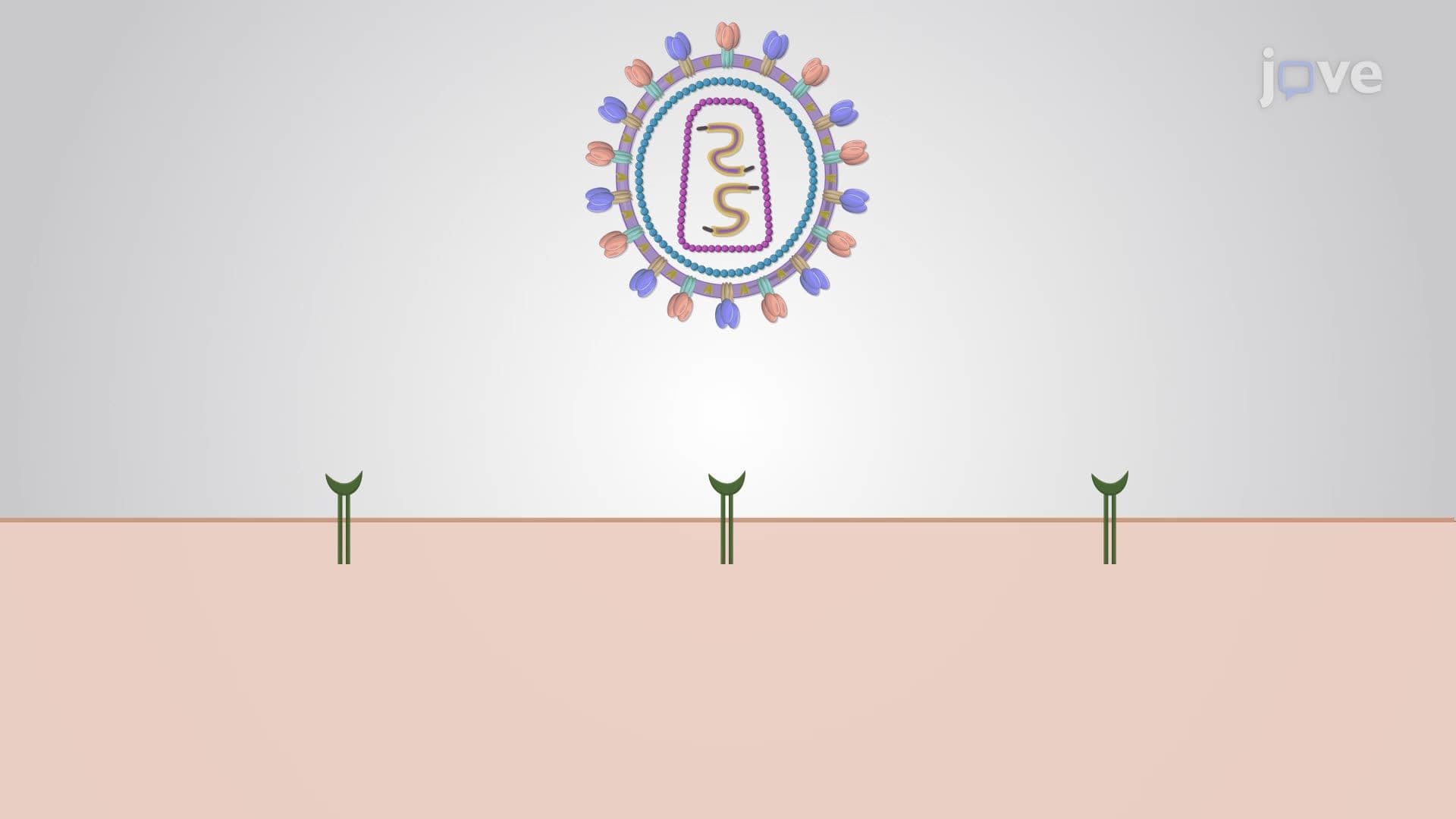
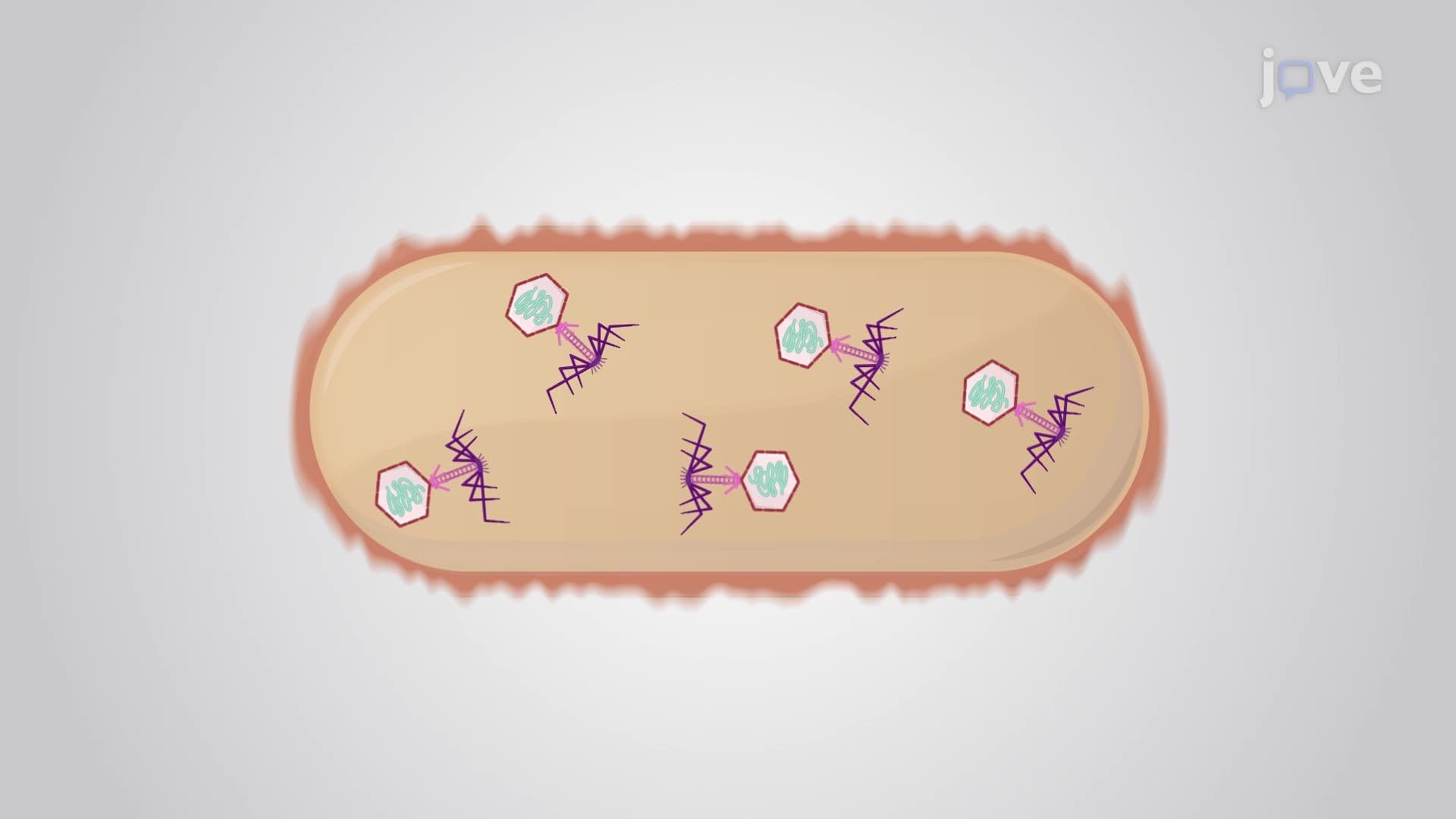
Bacteria face constant threats from viruses called bacteriophages, which can destroy entire bacterial populations. To survive, bacteria evolved sophisticated antiviral system bacteria mechanisms that function remarkably like human immune systems. The most well-studied system, CRISPR-Cas (Clustered Regularly Interspaced Short Palindromic Repeats with CRISPR-associated proteins), represents one of biology's most elegant defense strategies.
The antiviral system of bacteria operates through three distinct phases: adaptation, expression, and interference. During adaptation, when a virus first infects a bacterium, Cas proteins recognize foreign DNA by identifying Protospacer Adjacent Motif (PAM) sequences-short DNA patterns that act like molecular zip codes. These proteins then cut out small pieces of viral DNA called protospacers and insert them into the bacterial chromosome within CRISPR arrays, creating a permanent genetic record of the encounter.
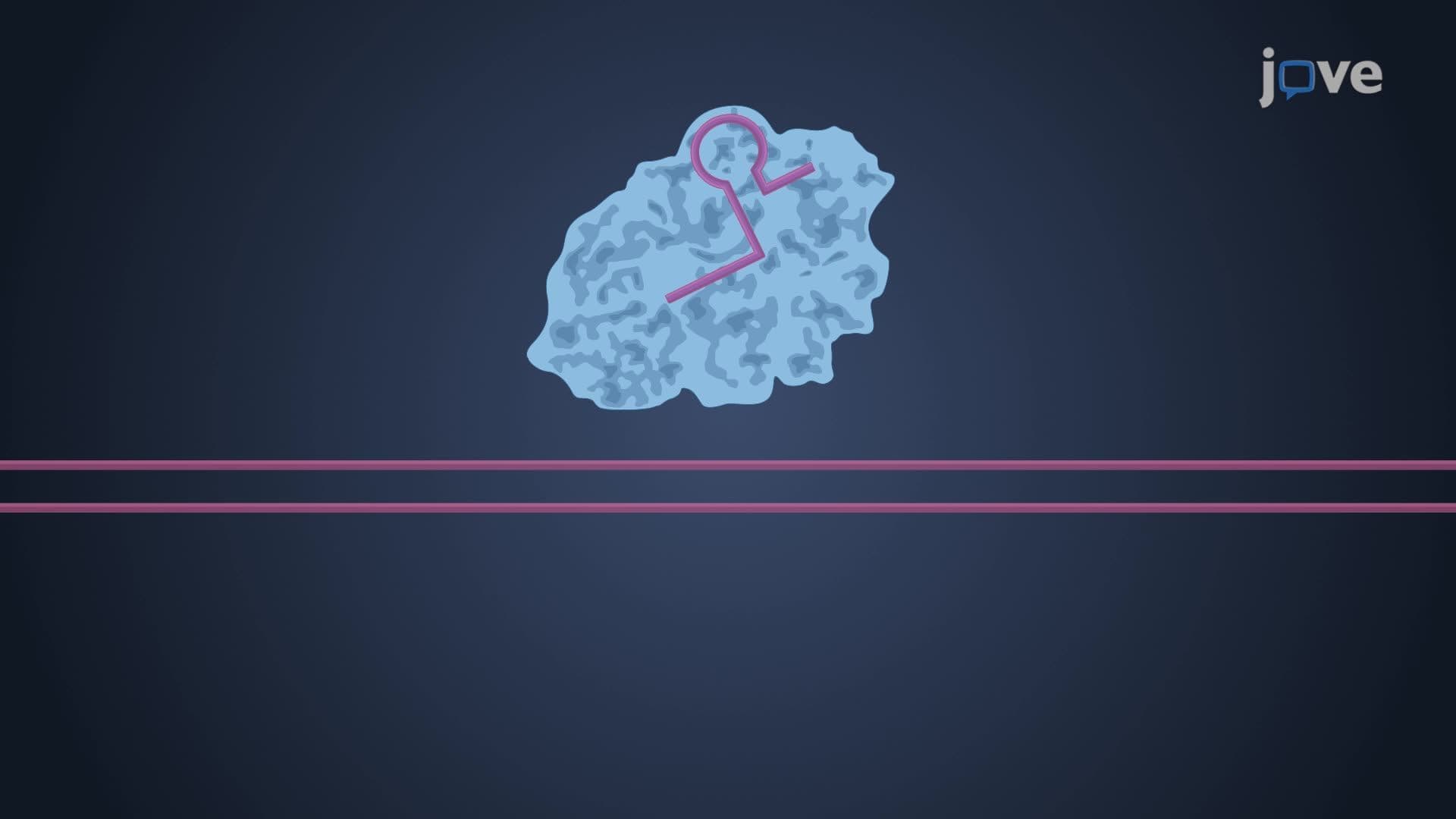
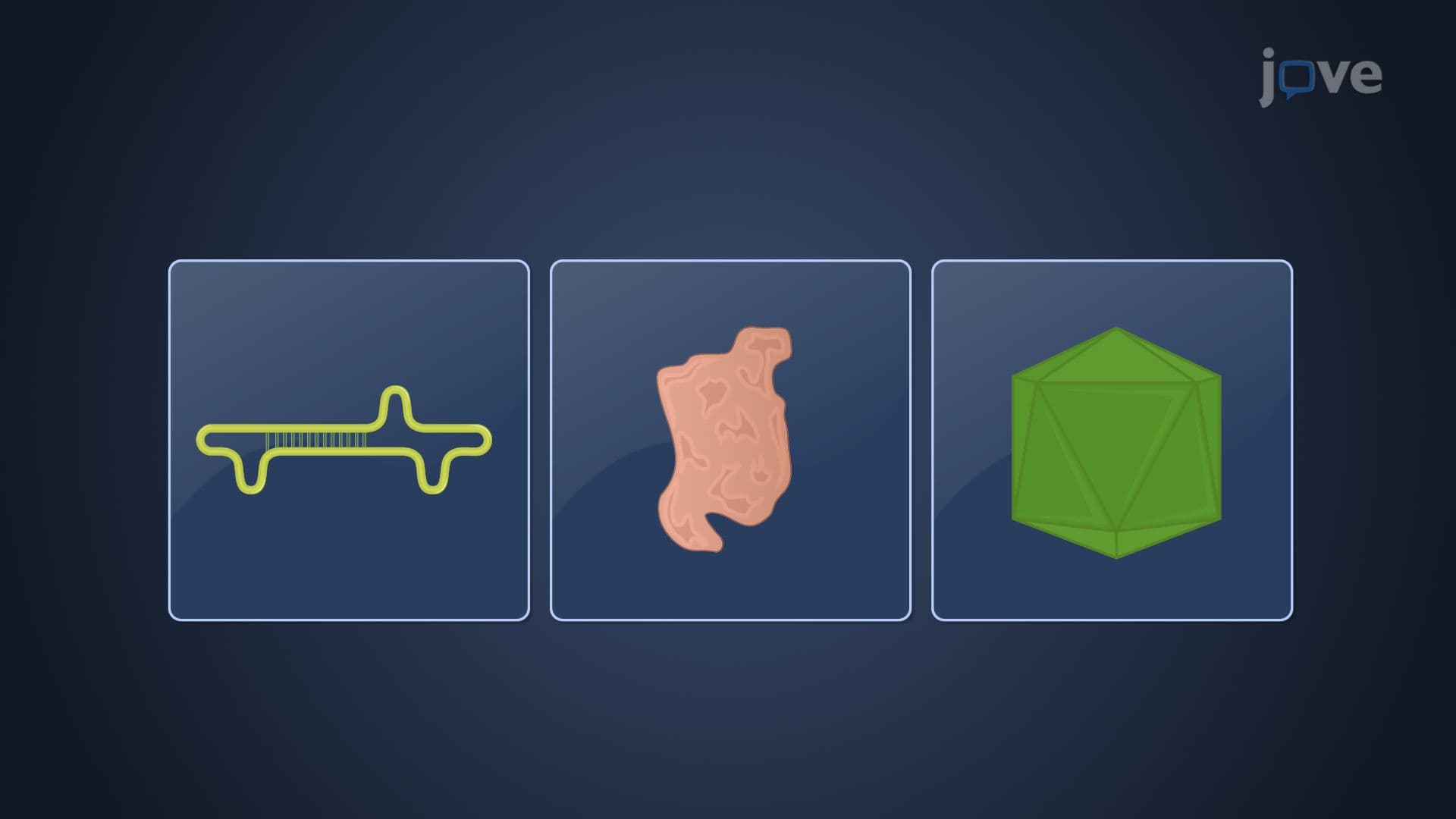
The expression phase transforms this stored information into functional defense molecules. The CRISPR array gets transcribed into pre-crRNA, which pairs with helper RNA molecules (tracrRNA). Together with Cas9 protein and RNase III enzyme, these components process the RNA into mature guide RNAs (crRNAs), each carrying the "wanted poster" sequence for a specific virus.
During the interference phase, what is the antiviral system of bacteria becomes most apparent. The Cas-crRNA complex patrols the cell like molecular security guards, scanning any incoming DNA for matches to stored viral sequences. When a match occurs-indicating a repeat infection-the Cas protein acts as molecular scissors, cutting the viral DNA and preventing infection. This process requires perfect or near-perfect sequence matching, ensuring high specificity.
This bacterial defense system has revolutionized biotechnology. Companies like Editas Medicine in Massachusetts use CRISPR-Cas9 for developing treatments for inherited diseases. For students preparing for the MCAT or AP Biology exams, understanding these mechanisms helps explain broader concepts of molecular biology, genetics, and evolution. The system frequently appears in college microbiology courses and represents a key example of prokaryotic adaptation. Study this topic by focusing on the molecular components, their interactions, and the step-by-step process from viral encounter to immune memory formation.
Related Micro-courses