Loading video…

 10 Concepts
 4.6K views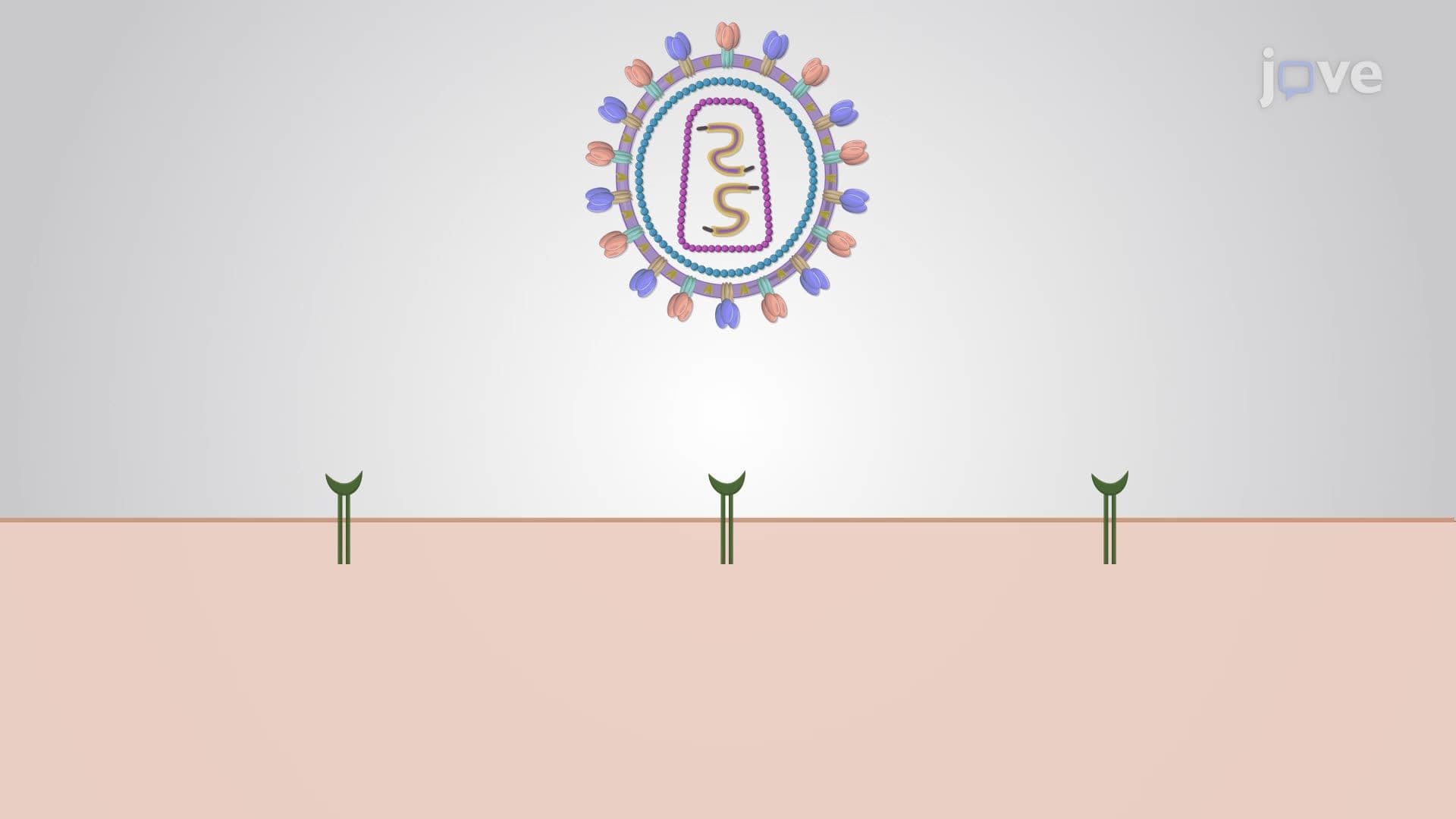

Video Summary: What Is Virus
Did you know that a single virus can hijack your cells and turn them into factories producing thousands of copies of itself? Understanding what is virus becomes crucial when considering that viruses like SARS-CoV-2 have fundamentally changed our world. These microscopic infectious agents consist of genetic material wrapped in protective proteins, functioning as obligate parasites that completely depend on host cells for survival and reproduction. Watch the full video on JoVE Coach to master this concept with expert-led visuals and step-by-step explanations.
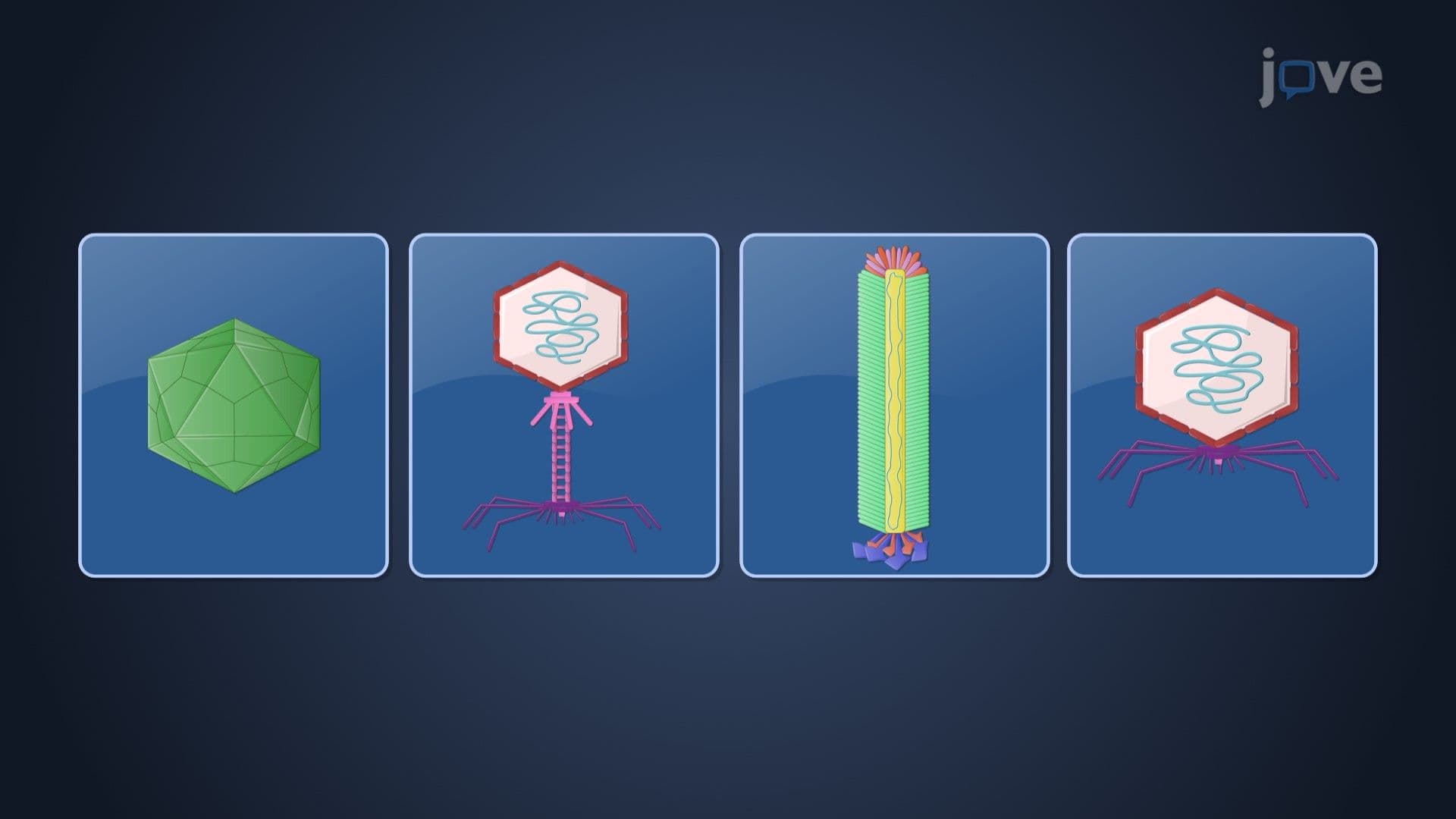
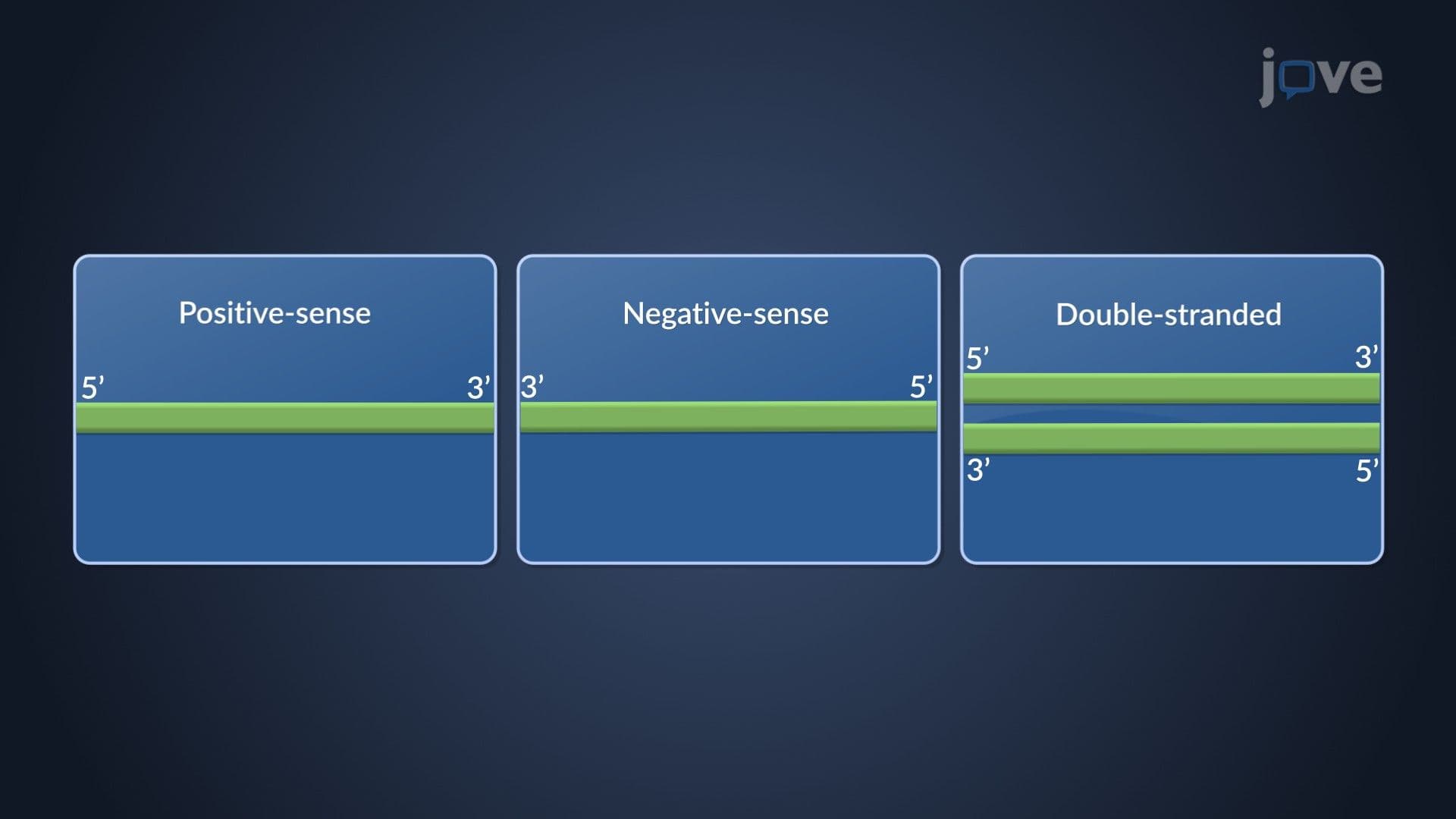
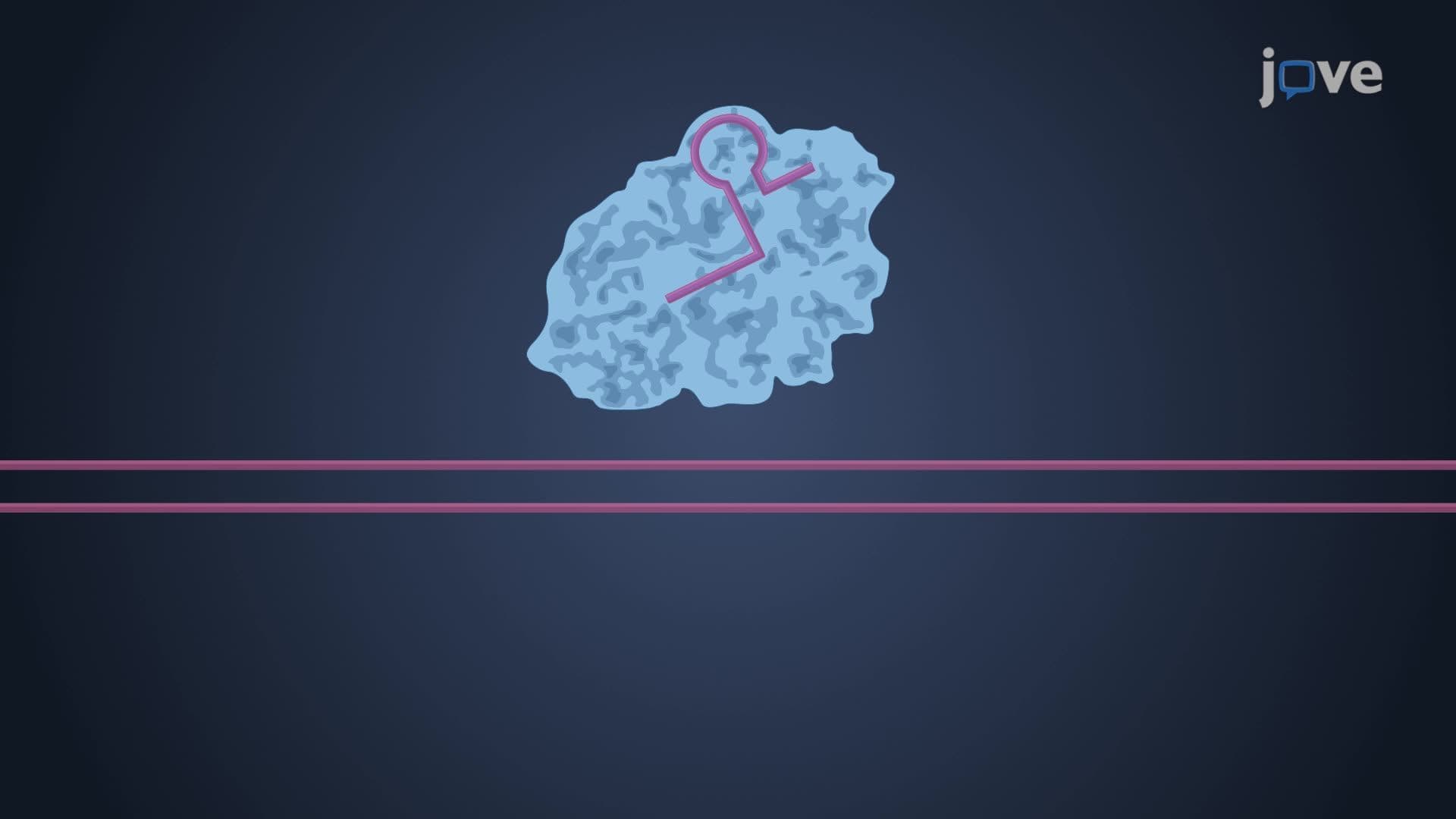
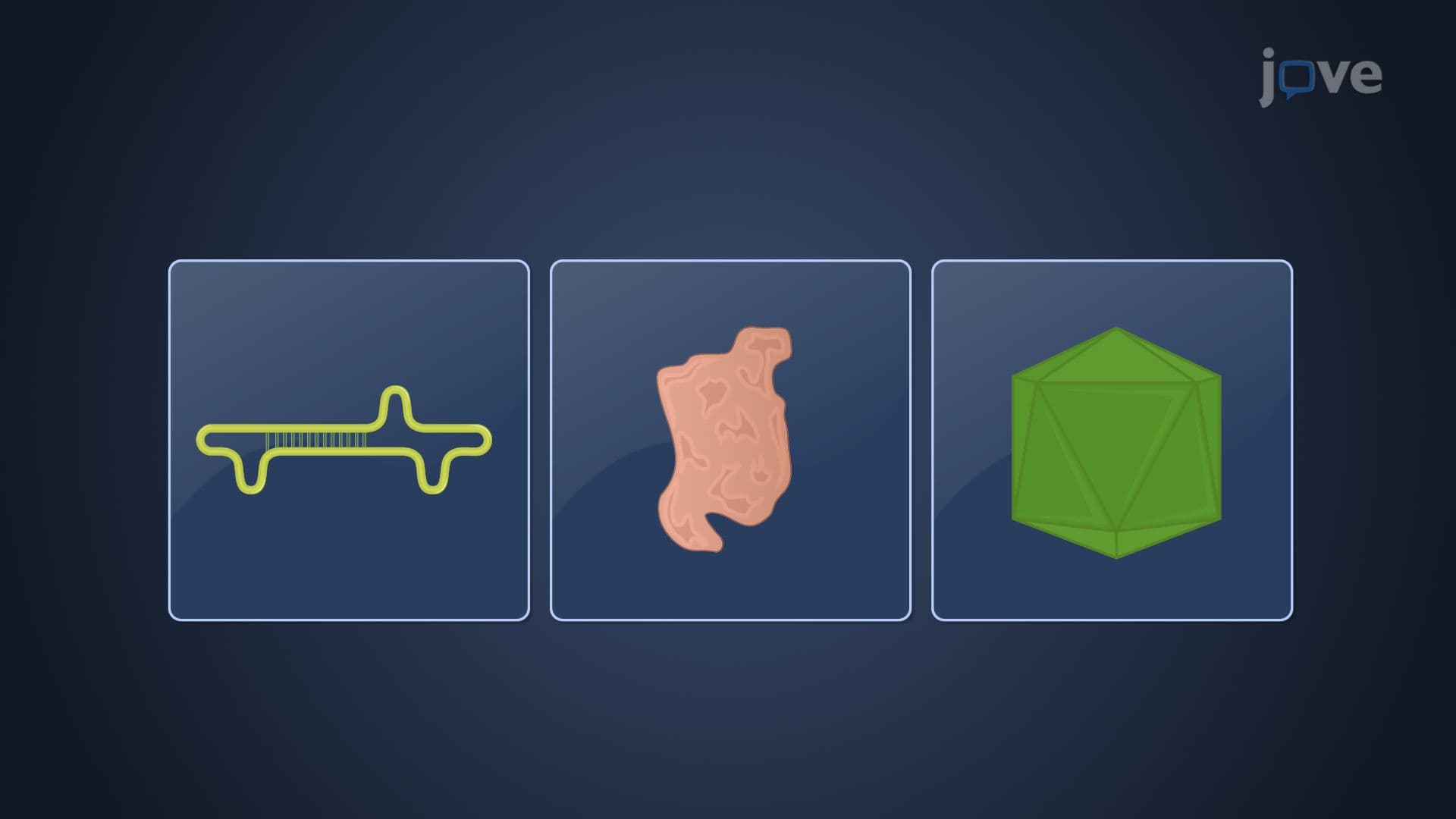
A virus represents one of nature's most efficient biological machines, existing at the boundary between living and non-living entities. Unlike bacteria or other microorganisms, viruses lack the cellular machinery necessary for independent metabolism or reproduction. The fundamental virus definition centers on their structure: a nucleic acid genome (either DNA or RNA) surrounded by a protective protein shell called a capsid.
This virus definition explained becomes clearer when examining real examples. The influenza virus that causes seasonal flu outbreaks across the United States demonstrates classic enveloped virus characteristics. Its RNA genome sits within a capsid, all surrounded by a lipid envelope derived from infected host cells. Conversely, adenoviruses responsible for common colds represent non-enveloped viruses, relying solely on capsid proteins for protection and host cell attachment.
The virus concept explained fundamentally revolves around obligate parasitism. Viruses cannot reproduce independently-they must commandeer host cellular machinery. This dependency manifests differently across virus types, making viral classification essential for understanding pathogenesis and treatment approaches.
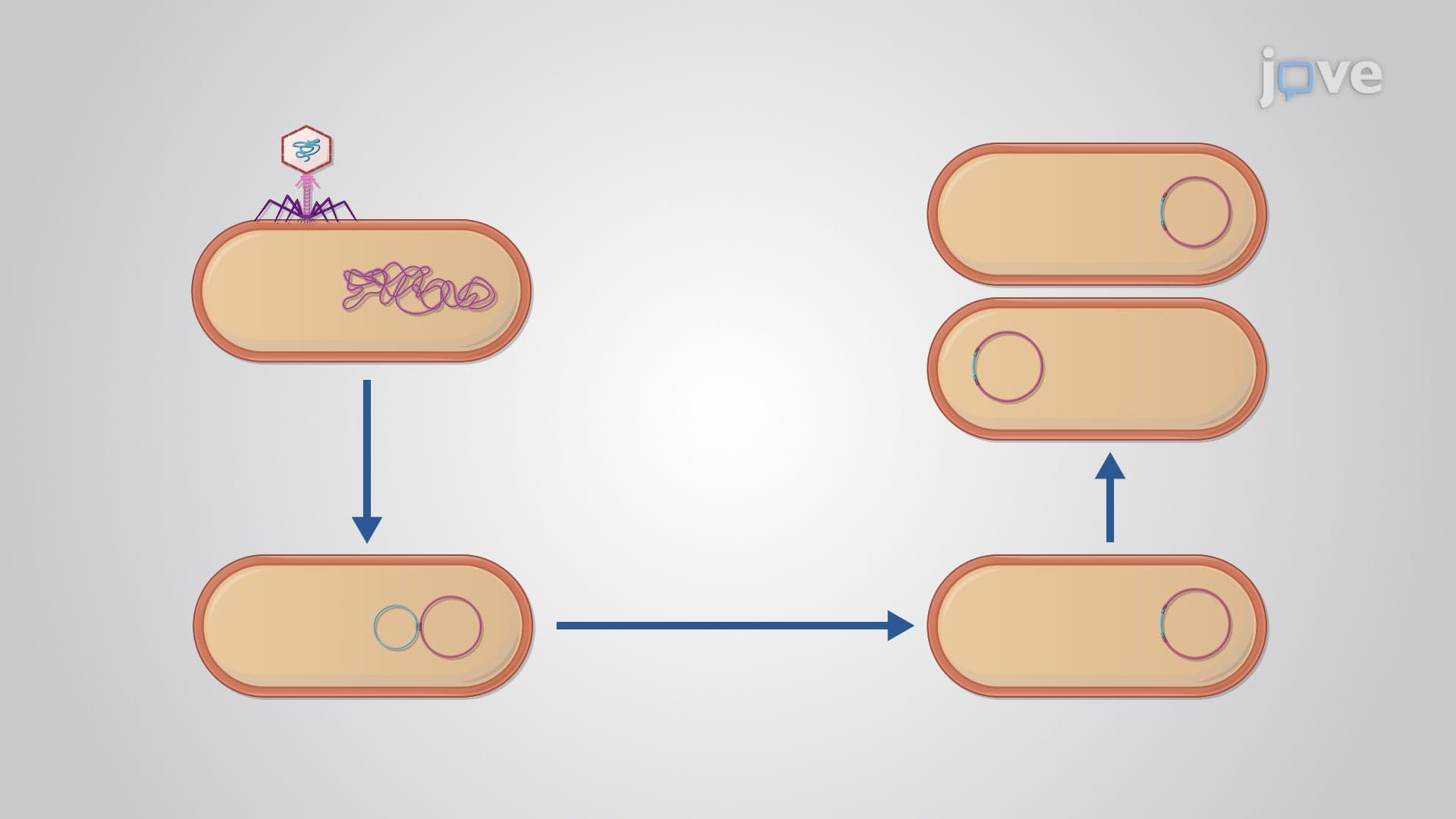
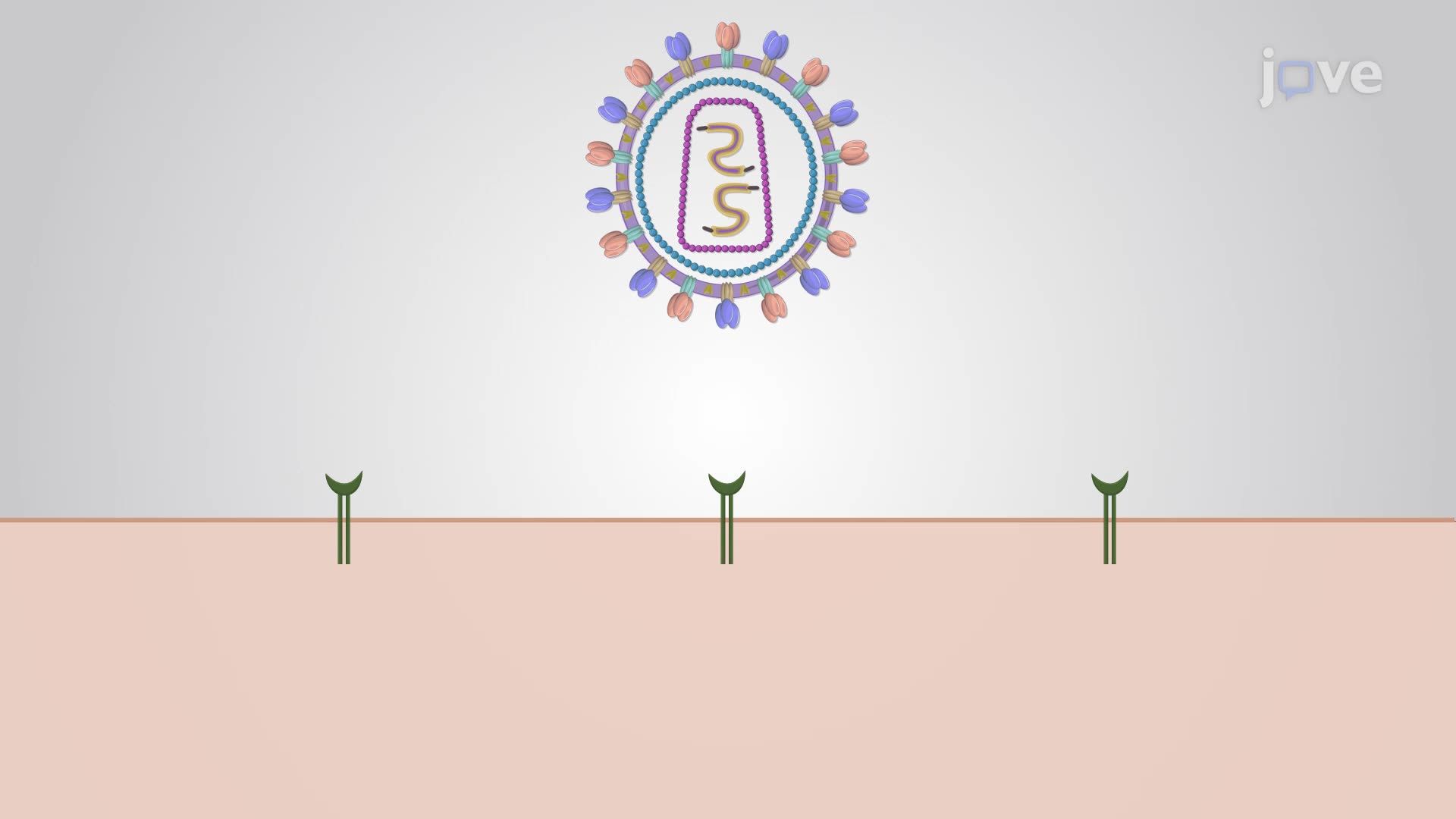
RNA viruses like HIV employ remarkable strategies for survival. HIV carries reverse transcriptase enzyme, converting its RNA genome into DNA that integrates directly into human chromosomes. This integration explains why HIV infections become chronic-the viral genetic material becomes permanently incorporated into the host cell's DNA. Students preparing for the MCAT or AP Biology exams frequently encounter HIV replication as a prime example of retroviral lifecycle complexity.
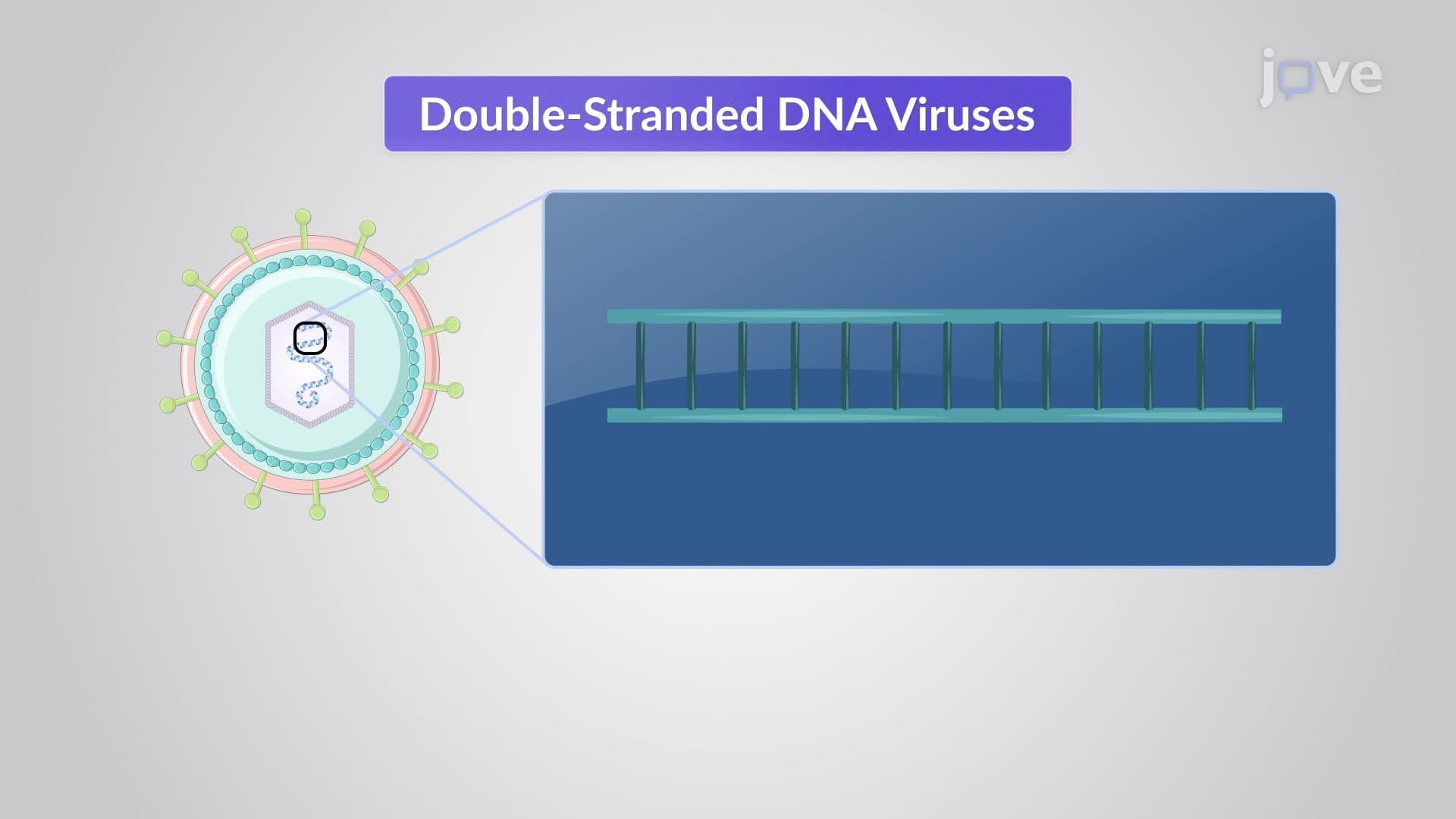
DNA viruses follow different replication patterns. Herpesviruses, including those causing cold sores (HSV-1) and genital herpes (HSV-2), maintain their DNA genomes in the host cell nucleus. These viruses can establish latent infections, remaining dormant in nerve cells for years before reactivating during periods of immune suppression or stress.
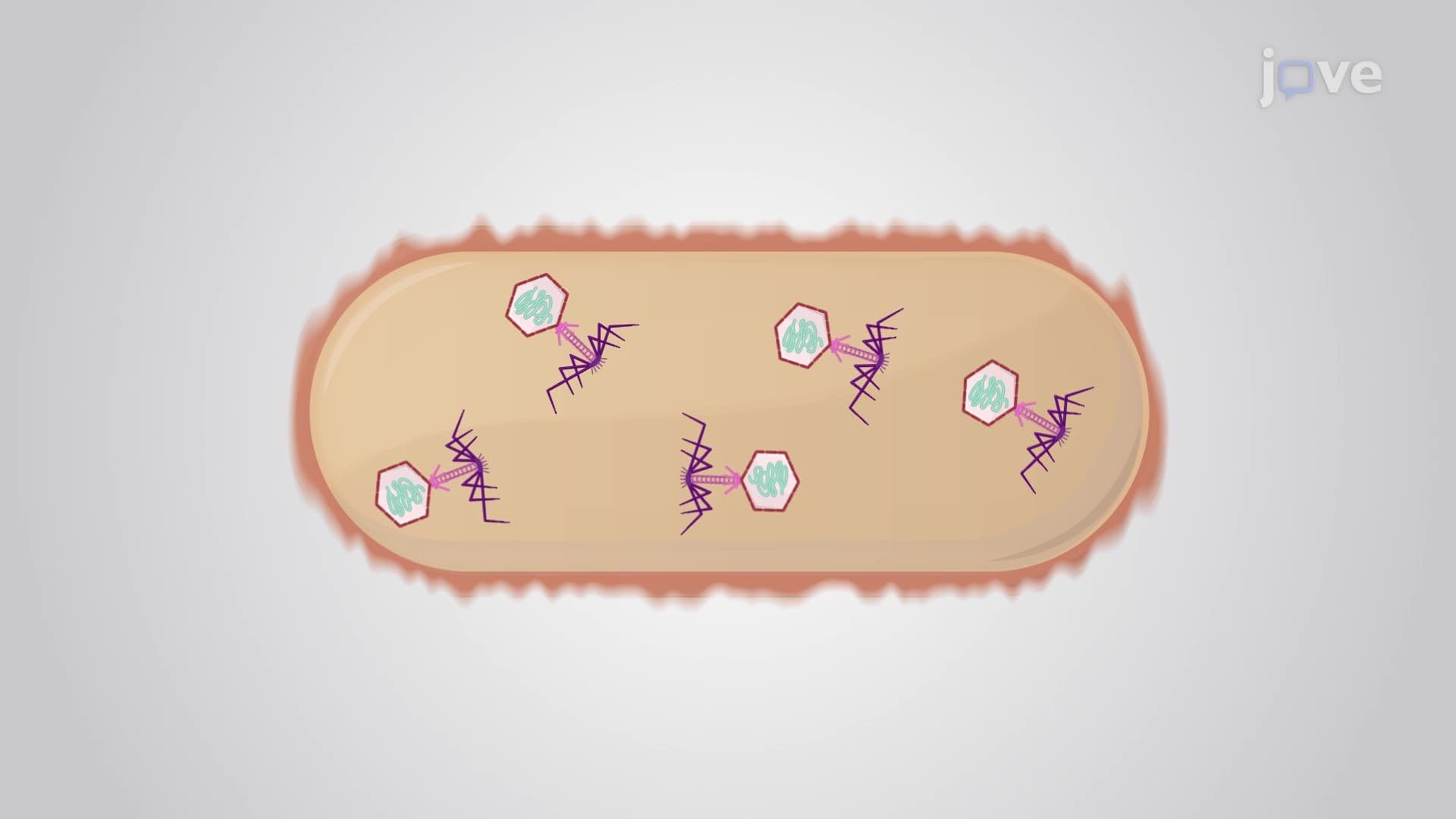
Advanced virus study guide materials emphasize structural diversity beyond simple capsid-envelope distinctions. Bacteriophages infecting bacterial cells showcase sophisticated infection apparatus including tail sheaths, tail fibers, and injection mechanisms resembling microscopic syringes. T4 bacteriophage, commonly studied in college microbiology courses, demonstrates how viruses can possess complex multi-component structures optimized for specific host cell types.
Understanding viral host range proves crucial for comprehending disease patterns. While some viruses like rabies can infect multiple mammalian species including humans, others show remarkable specificity. Human papillomavirus (HPV) strains demonstrate this specificity-certain types preferentially infect skin cells causing warts, while others target cervical epithelial cells potentially leading to cancer.
Related Micro-courses