Loading video…

 10 Concepts
 4.6K views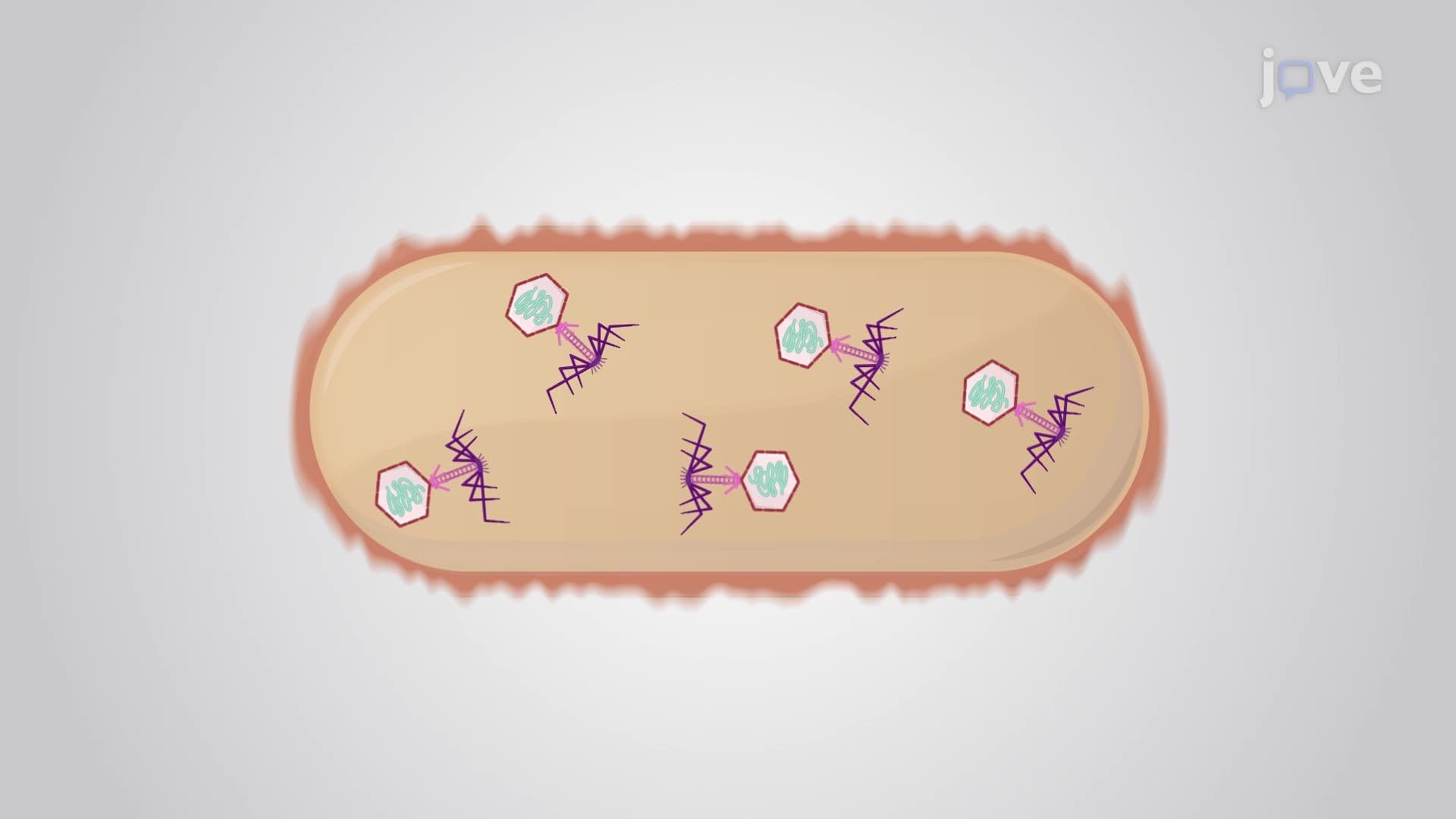

Video Summary: What Is Viral Replication Lytic Cycle
Did you know that some viruses can destroy an entire bacterial cell in just 30 minutes? The viral replication lytic cycle represents one of nature's most efficient killing machines, where viruses like the T4 bacteriophage completely hijack E. coli bacteria found in hospital settings across the United States. This destructive process involves viral DNA injection, host cell takeover, and explosive cell death that releases hundreds of new viruses. What is viral replication lytic cycle becomes clear when examining this rapid-fire biological warfare. Watch the full video on JoVE Coach to master this concept with expert-led visuals and step-by-step explanations.
The viral replication lytic cycle represents a highly coordinated biological process where viruses completely destroy their host cells to reproduce. Unlike other viral strategies that allow host survival, the lytic cycle prioritizes rapid viral production over host cell preservation. This "scorched earth" approach makes it particularly relevant for understanding viral pathogenesis in clinical microbiology courses and AP Biology curricula.
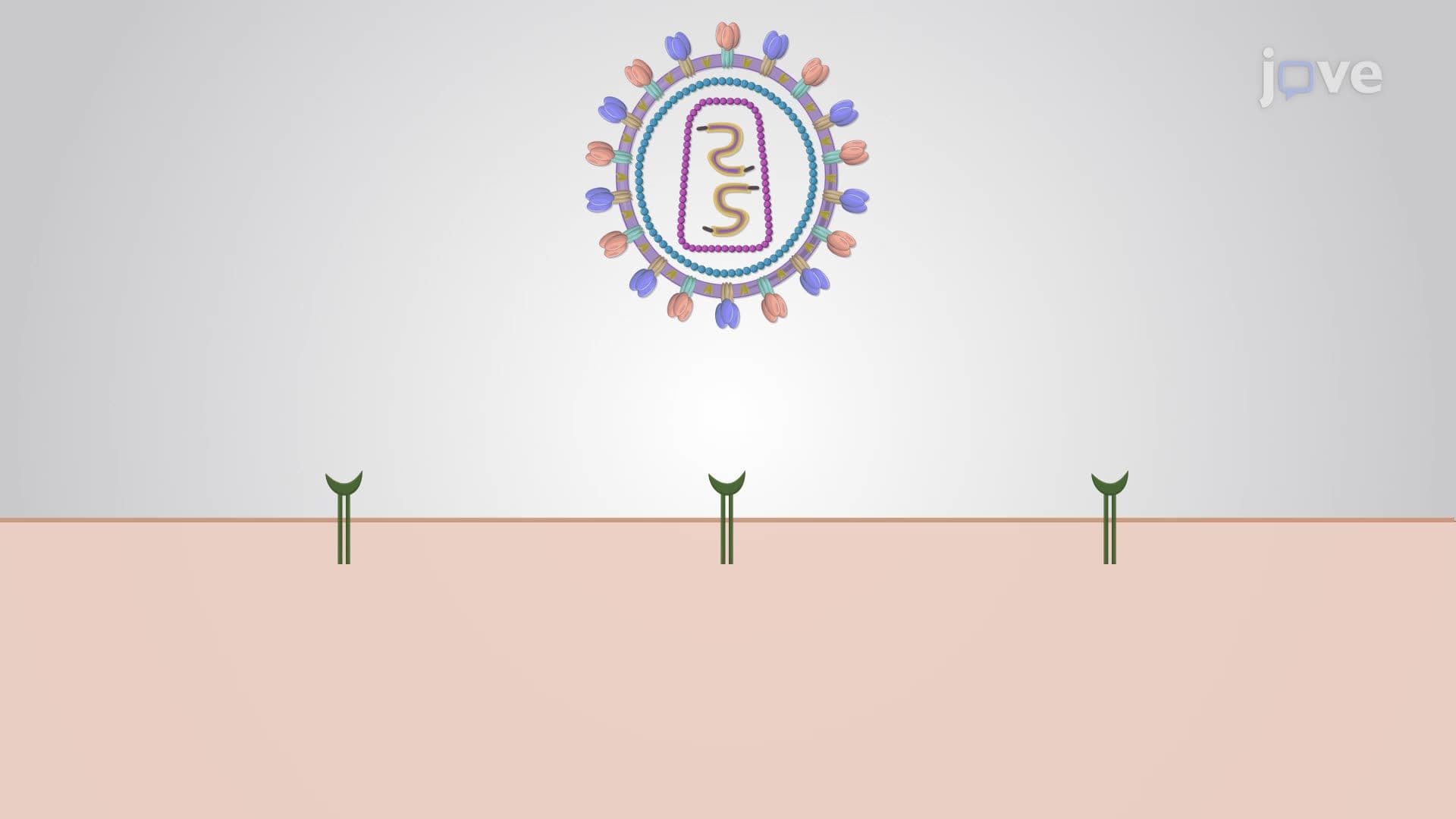
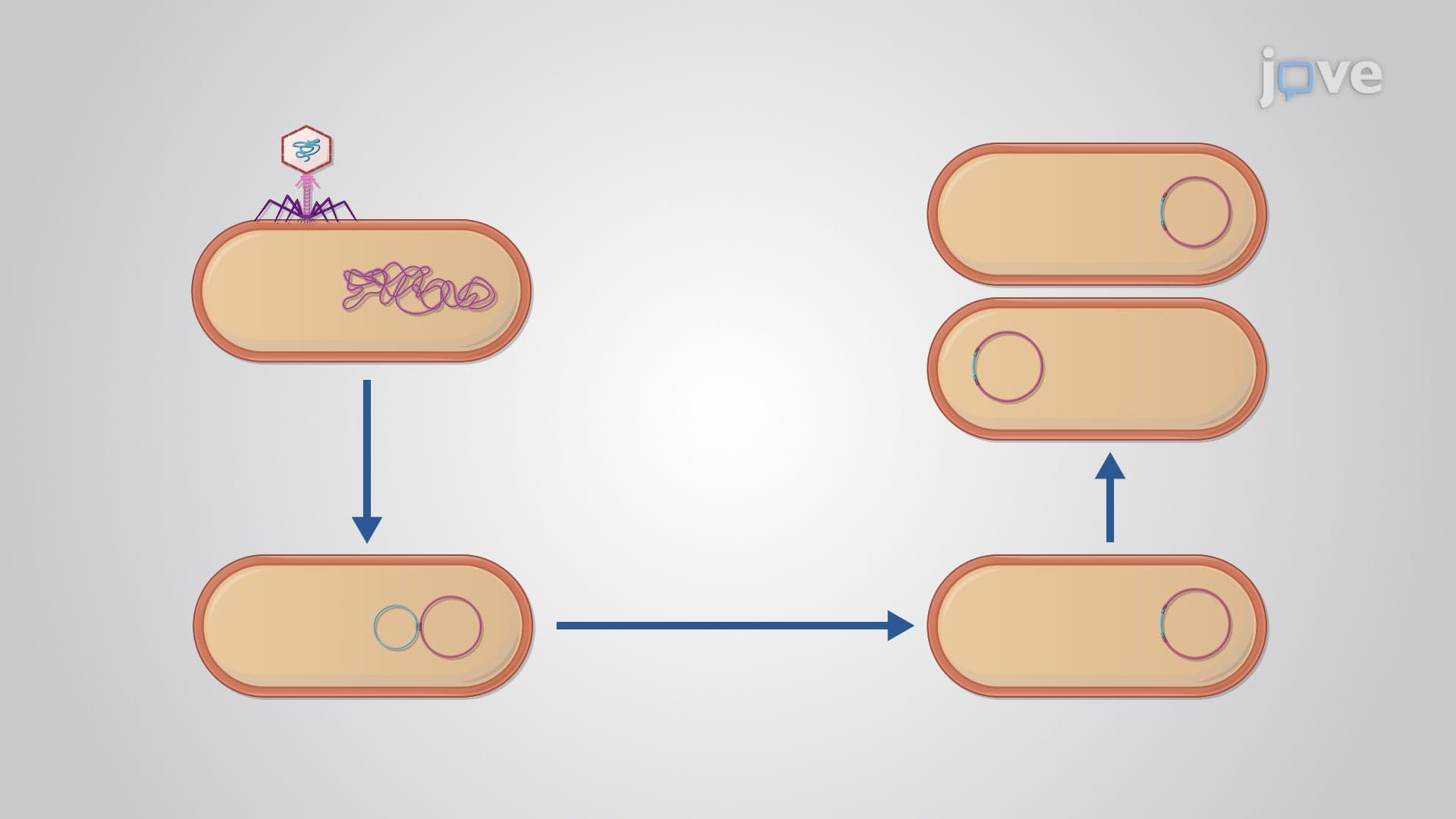
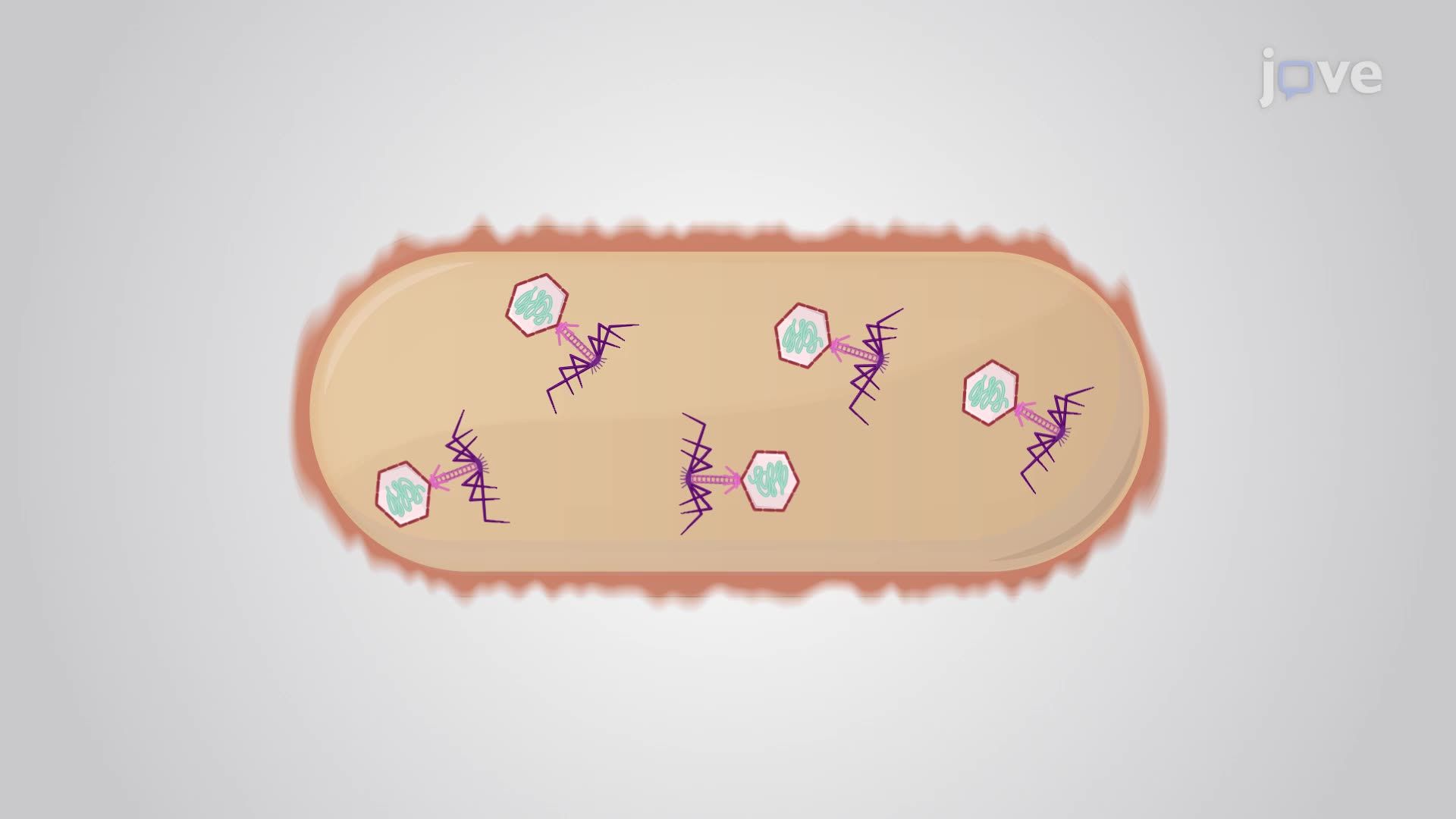
The lytic cycle unfolds through five distinct phases, each precisely timed for maximum efficiency. Attachment begins when viral tail fibers recognize specific receptor proteins on bacterial cell walls-a process analogous to a key fitting a lock. Penetration follows as the virus injects its genetic material while leaving its protein coat outside, similar to a syringe delivering medication. During biosynthesis, the virus essentially performs a hostile corporate takeover, shutting down normal bacterial functions and redirecting all cellular resources toward viral component production.
Maturation involves the assembly of new viral particles inside the doomed host cell, like an ammunition factory preparing for battle. Finally, lysis occurs when specialized viral proteins create pores in the bacterial membrane and dissolve the cell wall, causing explosive cell death that releases 100-200 new viruses within 20-40 minutes.
Understanding lytic cycles proves crucial for MCAT preparation, particularly in virology and microbiology sections. Medical students studying infectious diseases at institutions like Johns Hopkins or UCLA encounter lytic cycles when learning about phage therapy-an emerging treatment for antibiotic-resistant infections plaguing US hospitals. The CDC has reported increased interest in bacteriophage research as traditional antibiotics fail against superbugs.
Researchers at institutions like MIT and Stanford are developing phage-based therapies that harness lytic cycles to combat infections. These treatments show promise against MRSA infections common in US healthcare facilities, where traditional antibiotics prove ineffective.
Related Micro-courses