Loading subject page…

4,576 views

Video Summary: What Is Viral Replication Lysogenic Cycle
Did you know that some viruses can secretly hide inside bacterial cells for years without causing any damage? The viral replication lysogenic cycle is a fascinating process where bacteriophages integrate their DNA into host bacteria, remaining dormant until triggered to activate. This mechanism is crucial in understanding how antibiotic-resistant bacteria like MRSA acquire new traits in US hospitals. What is viral replication lysogenic cycle becomes clearer when you see how lambda phages infect E. coli in laboratory settings. Watch the full video on JoVE Coach to master this concept with expert-led visuals and step-by-step explanations.
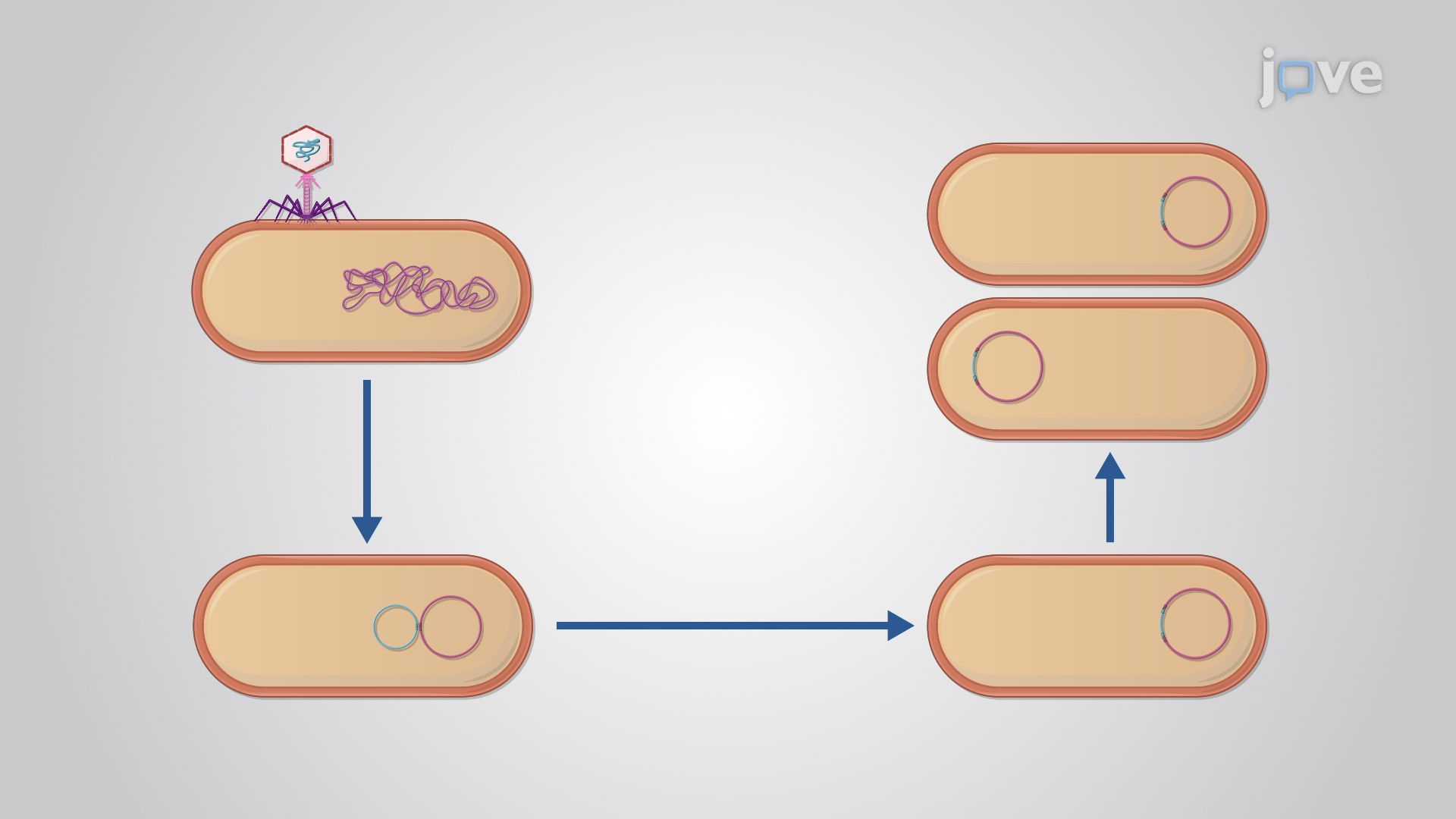
The viral replication lysogenic cycle represents one of nature's most sophisticated survival strategies, allowing viruses to persist indefinitely within host cells. Unlike the destructive lytic cycle, lysogeny enables temperate bacteriophages to coexist peacefully with their bacterial hosts while maintaining the ability to reactivate when conditions become favorable.
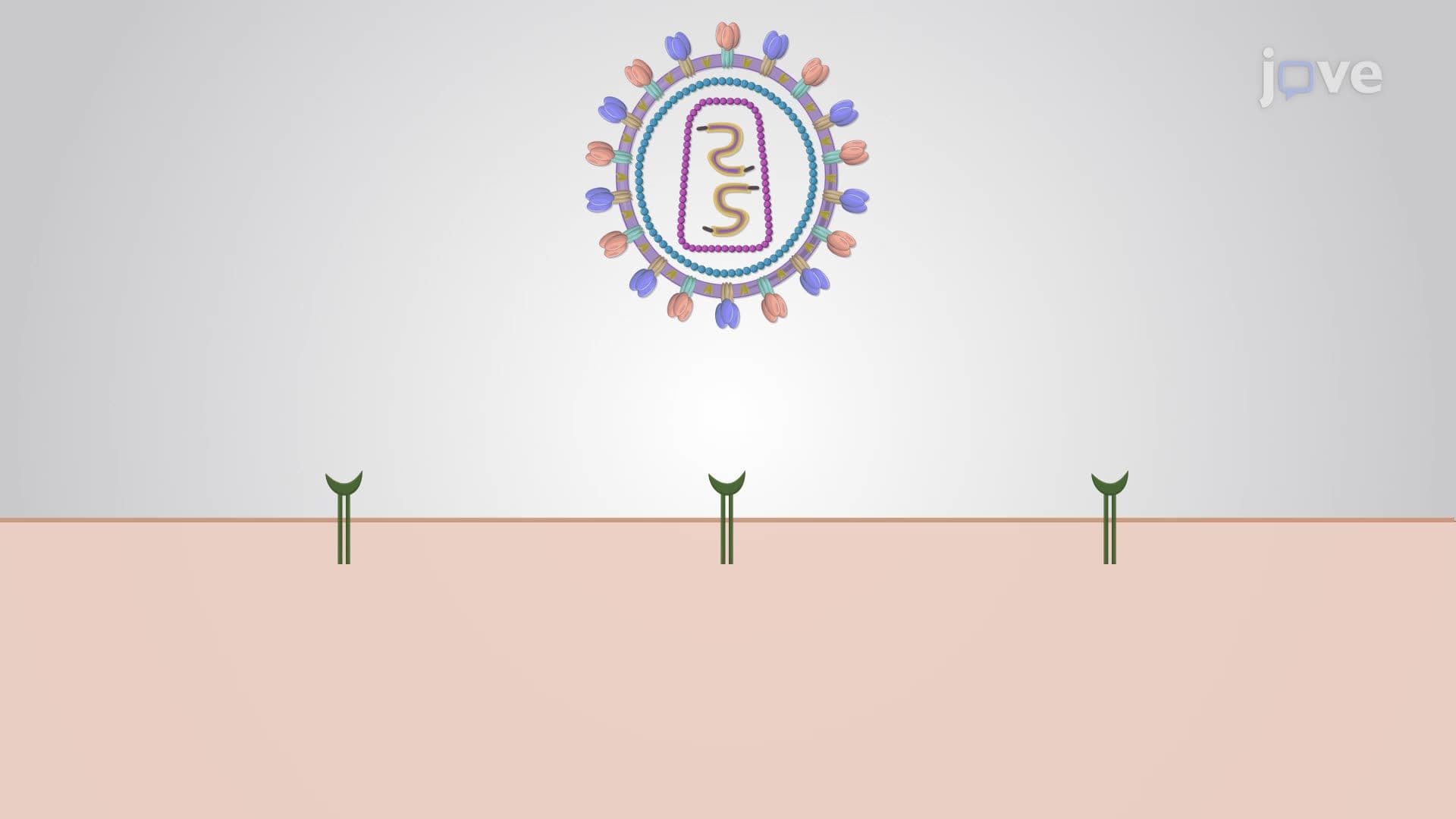
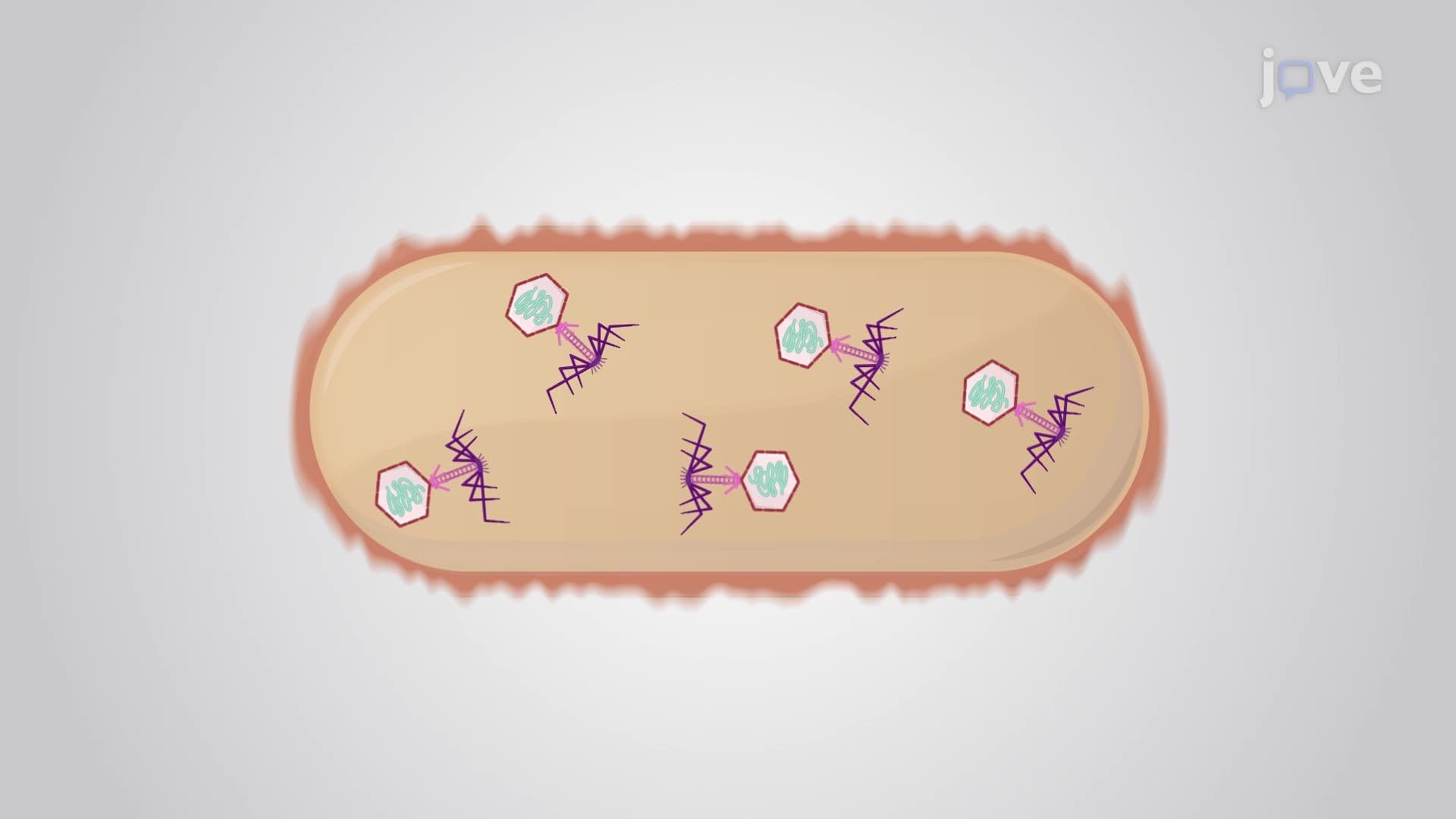
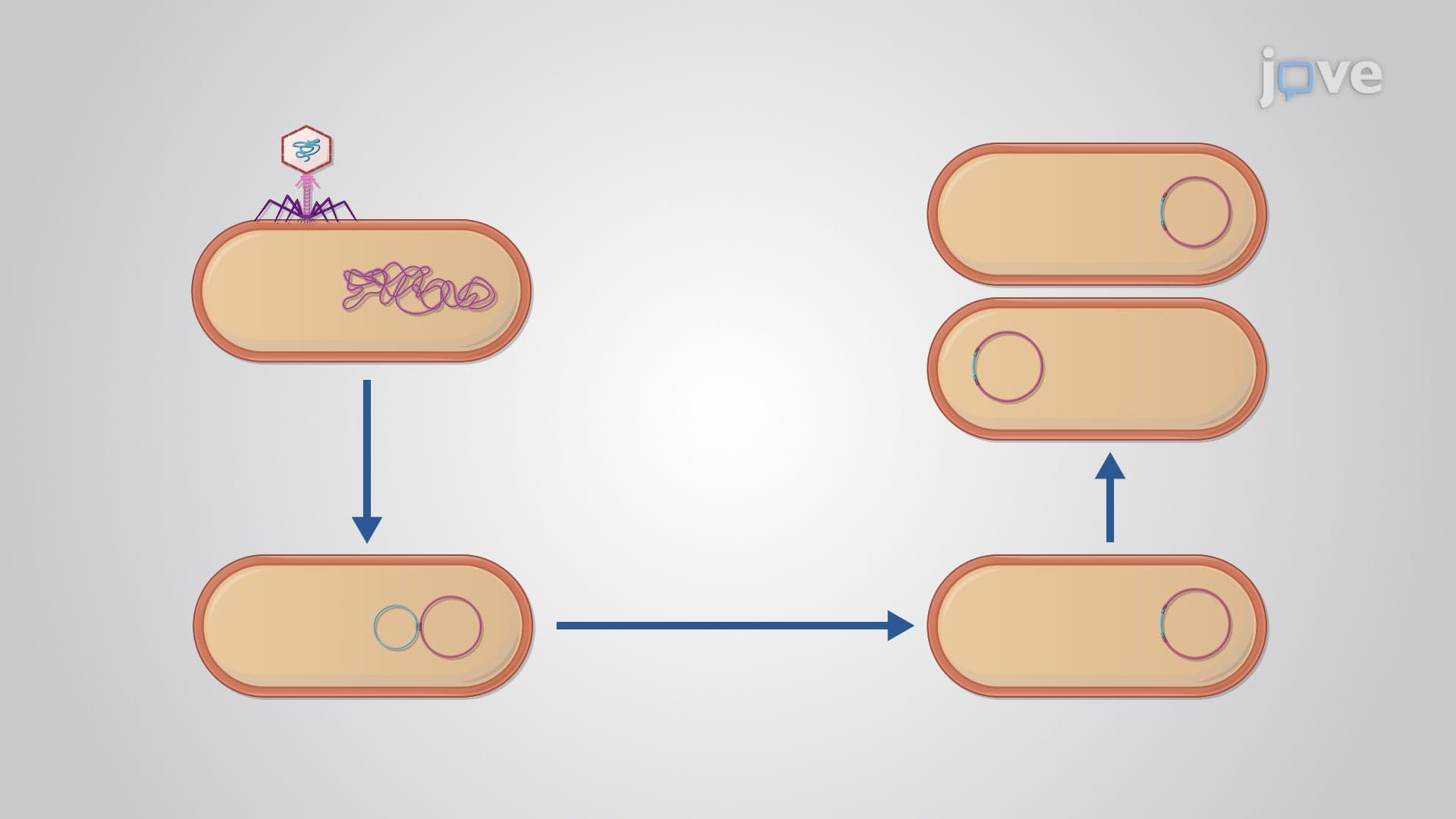
The lysogenic process begins with precise molecular recognition. When lambda phage encounters E. coli, specific tail fibers bind to maltose transport proteins on the bacterial surface. Following DNA injection, the linear viral genome undergoes circularization through complementary sticky ends. The critical integration step occurs via site-specific recombination between the phage's attP site and the bacterium's attB site, facilitated by integrase enzymes. This process mirrors concepts tested on the MCAT Biology section, where students must understand enzyme-mediated DNA recombination.
Once integrated, the prophage establishes a sophisticated regulatory network. The CI repressor protein, produced by the prophage, binds to operator sequences and blocks transcription of lytic genes. This creates a stable lysogenic state that can persist through thousands of bacterial generations. Simultaneously, the prophage confers immunity against superinfection by the same phage type-a phenomenon observable in clinical microbiology laboratories across US medical centers when studying bacterial cultures.
The lysogenic cycle profoundly impacts bacterial phenotypes through lysogenic conversion. Prophages often carry genes encoding virulence factors, antibiotic resistance mechanisms, or metabolic capabilities that benefit the host bacterium. For example, Corynebacterium diphtheriae produces diphtheria toxin only when lysogenized by beta-phage. This concept frequently appears in AP Biology exams when discussing bacterial pathogenesis and explains why certain Streptococcus pyogenes strains cause more severe infections in US hospitals.
Understanding lysogenic cycling helps explain the rapid spread of antibiotic resistance genes among bacterial populations-a critical issue in American healthcare settings where MRSA and other resistant pathogens pose significant challenges.
Related Micro-courses