Loading video…

 10 Concepts
 4.6K views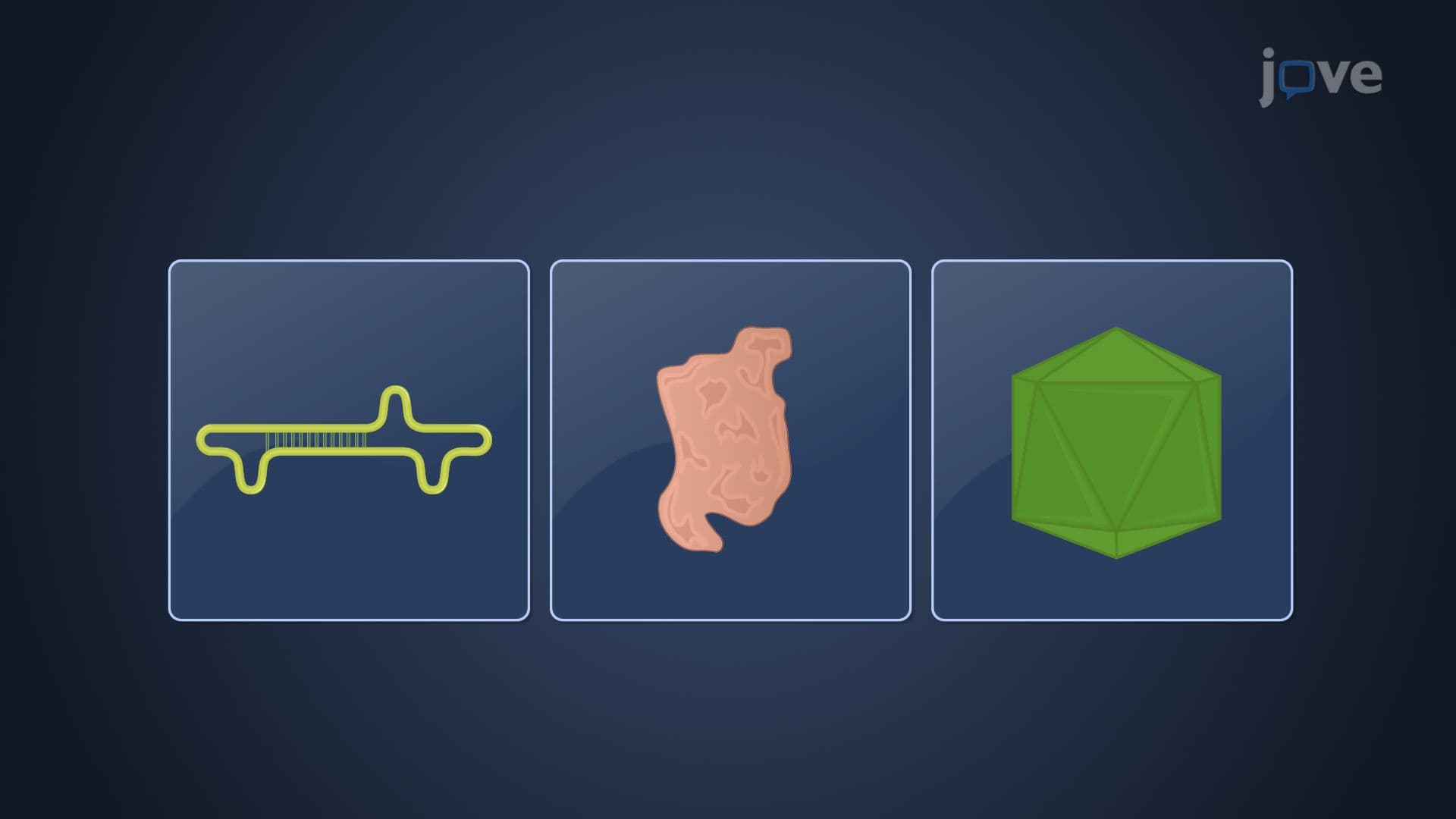

Video Summary: What are Subviral Agents
Ever wonder what causes mad cow disease or why certain plant infections can't be cured with traditional antiviral drugs? Subviral agents are mysterious infectious entities that challenge our understanding of life itself, lacking the complete structure of viruses yet still capable of causing devastating diseases. From the prion-caused Creutzfeldt-Jakob disease documented in US hospitals to plant viroids destroying American crop yields, what are subviral agents reveals nature's most minimalist approach to infection. Watch the full video on JoVE Coach to master this concept with expert-led visuals and step-by-step explanations.
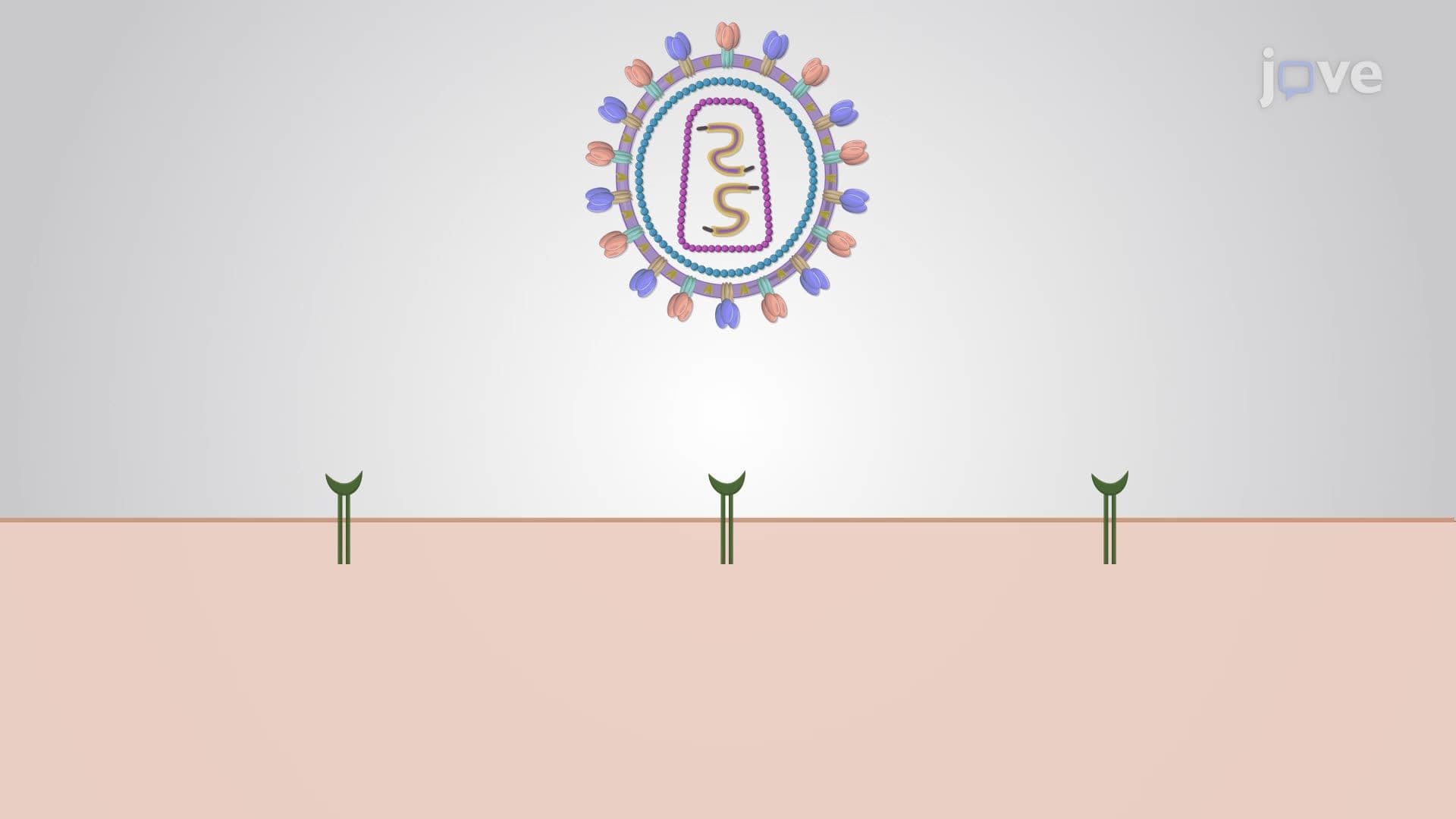
Subviral agents represent nature's most streamlined infectious entities, possessing fewer components than complete viruses while retaining the ability to cause disease. Unlike viruses that contain both genetic material and protective protein coats, subviral agents demonstrate that infection can occur with remarkably simple structures. This concept frequently appears on AP Biology exams and MCAT questions, where students must distinguish between different types of infectious agents.
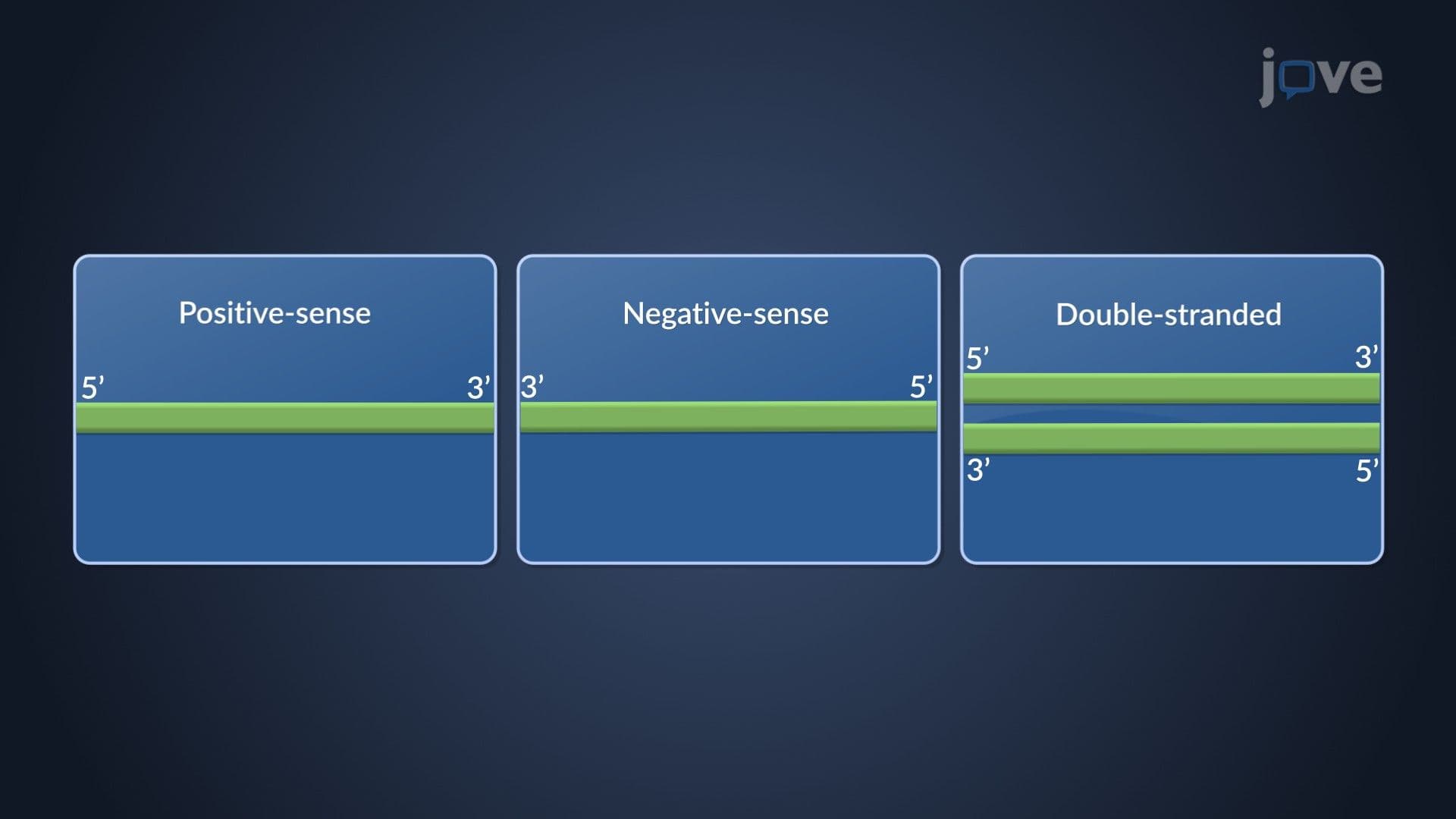
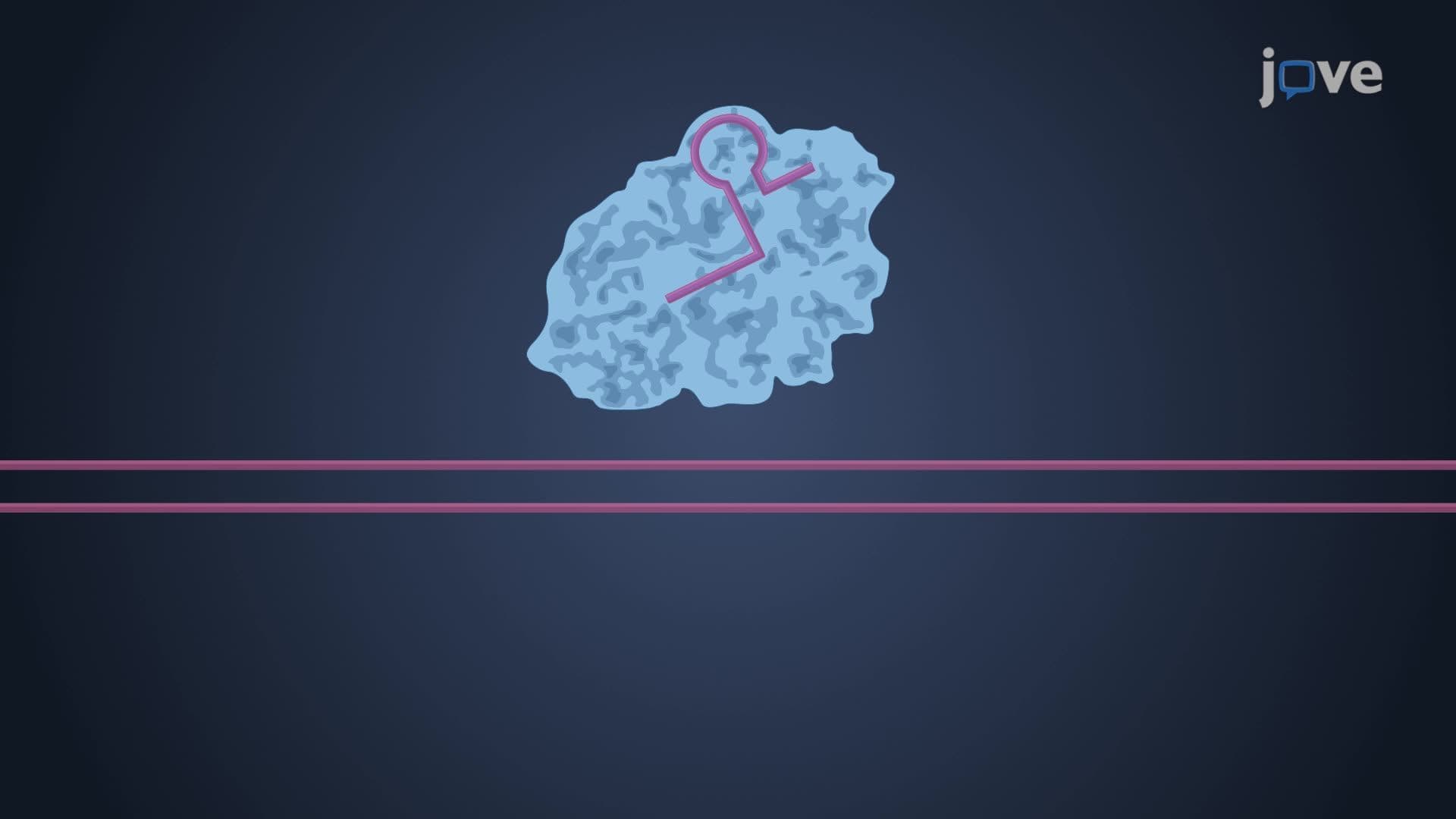
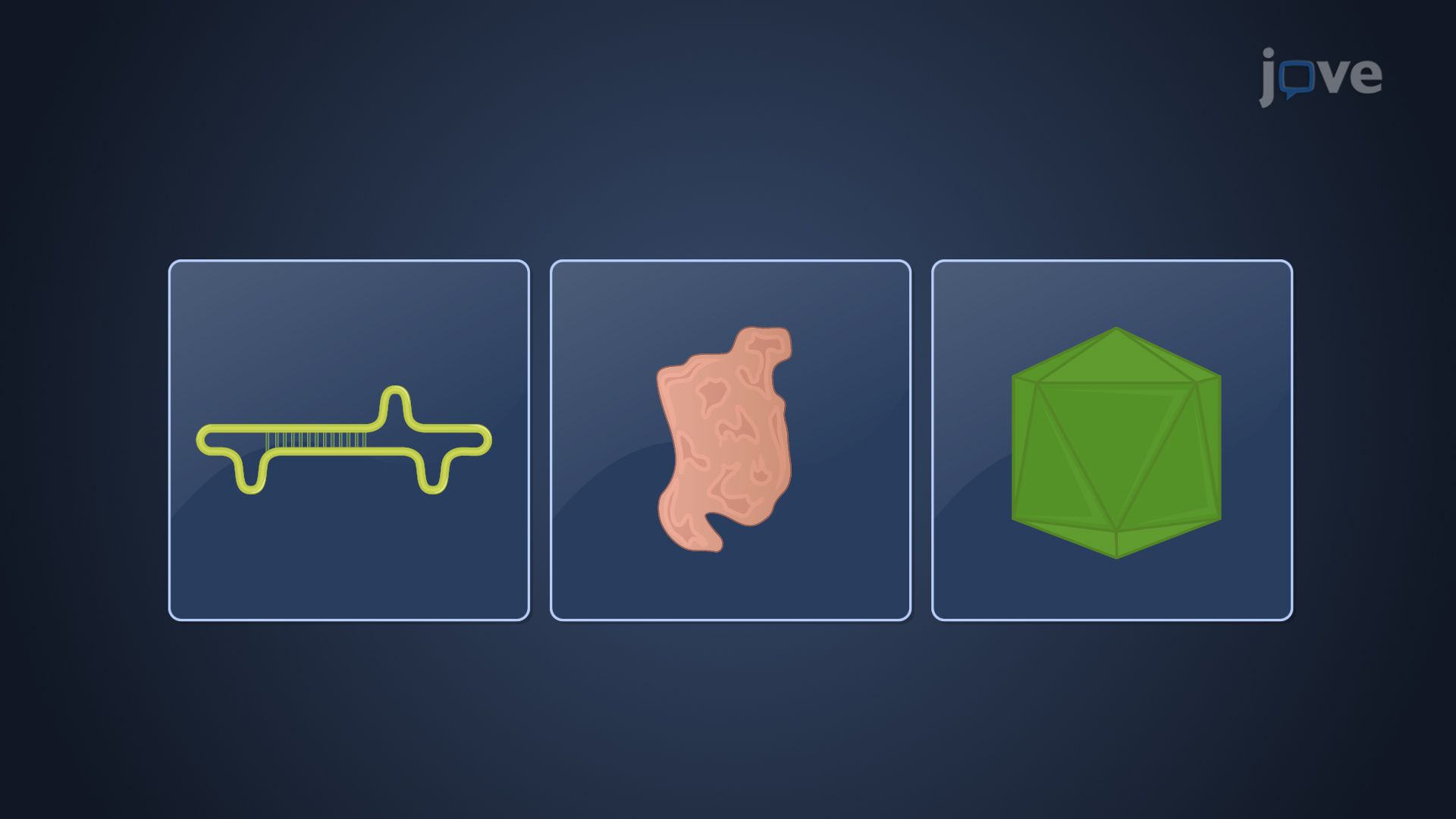
Viroids consist solely of circular, single-stranded RNA molecules, typically 200-400 nucleotides long, making them the smallest known infectious agents. These fascinating entities lack protein coats entirely, yet successfully infect plants by hijacking cellular RNA polymerase II. The potato spindle tuber viroid, first discovered in American potato farms, exemplifies how these agents cause millions of dollars in agricultural losses annually.
Viroids replicate through a rolling-circle mechanism, creating long RNA strands that self-cleave into individual units. Their secondary structures form hairpin loops that interfere with normal gene expression, essentially acting as natural small interfering RNAs (siRNAs). This mechanism helps explain plant symptoms like stunted growth and leaf distortions observed in infected crops across US agricultural regions.
Prions challenge the central dogma of molecular biology by demonstrating that proteins alone can be infectious. The normal cellular prion protein (PrPC) exists in all mammals, but when the misfolded variant (PrPSc) enters cells, it converts healthy proteins into the pathogenic form through direct contact. This process creates amyloid aggregates that accumulate in brain tissue, causing the characteristic "spongiform" appearance seen in affected neurons.
Creutzfeldt-Jakob disease affects approximately 1 in 1 million Americans annually, while variant CJD linked to mad cow disease remains extremely rare in the US due to strict agricultural monitoring. The 2003 discovery of BSE in Washington State prompted enhanced surveillance protocols that continue protecting American food supplies today.
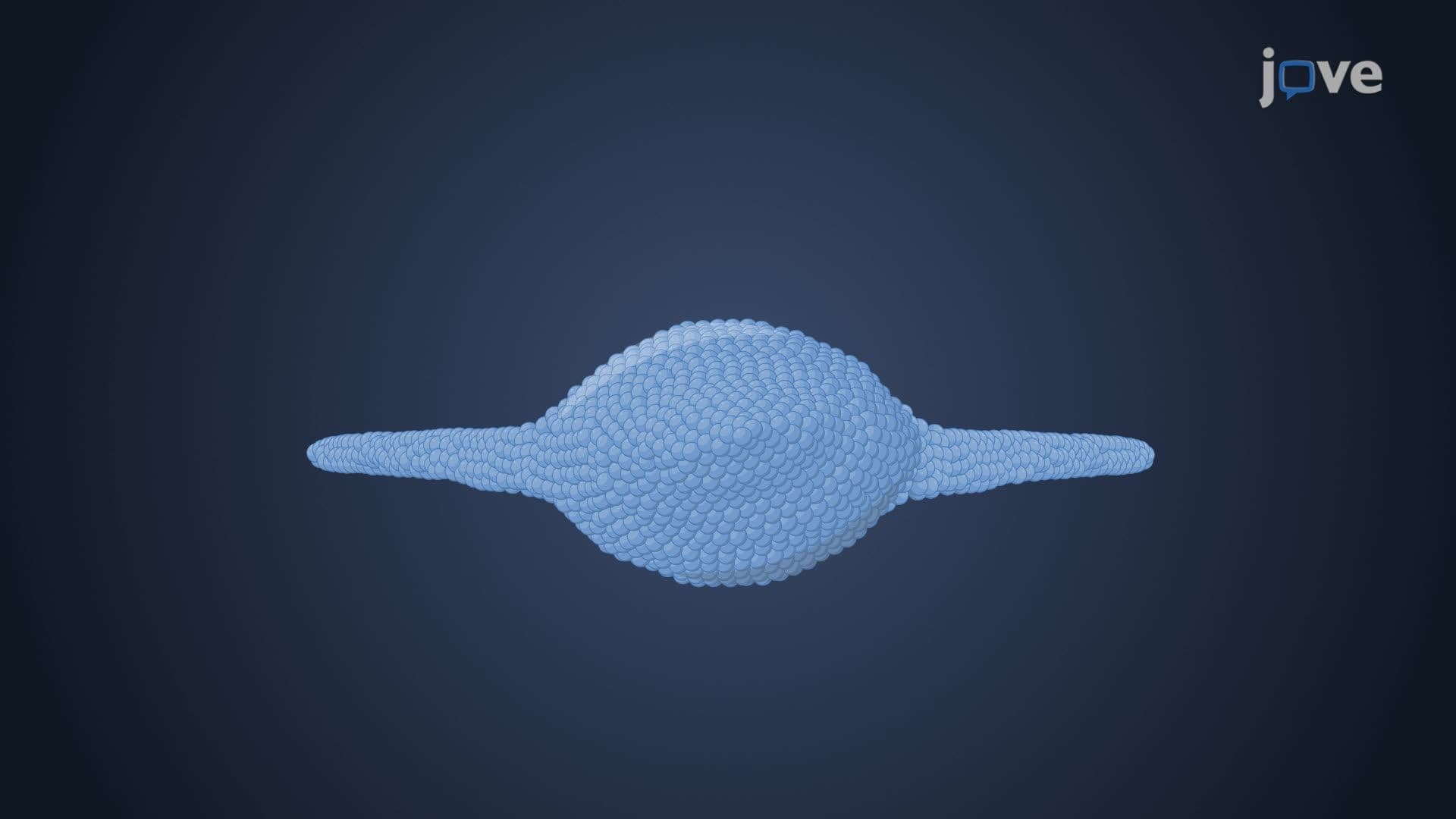
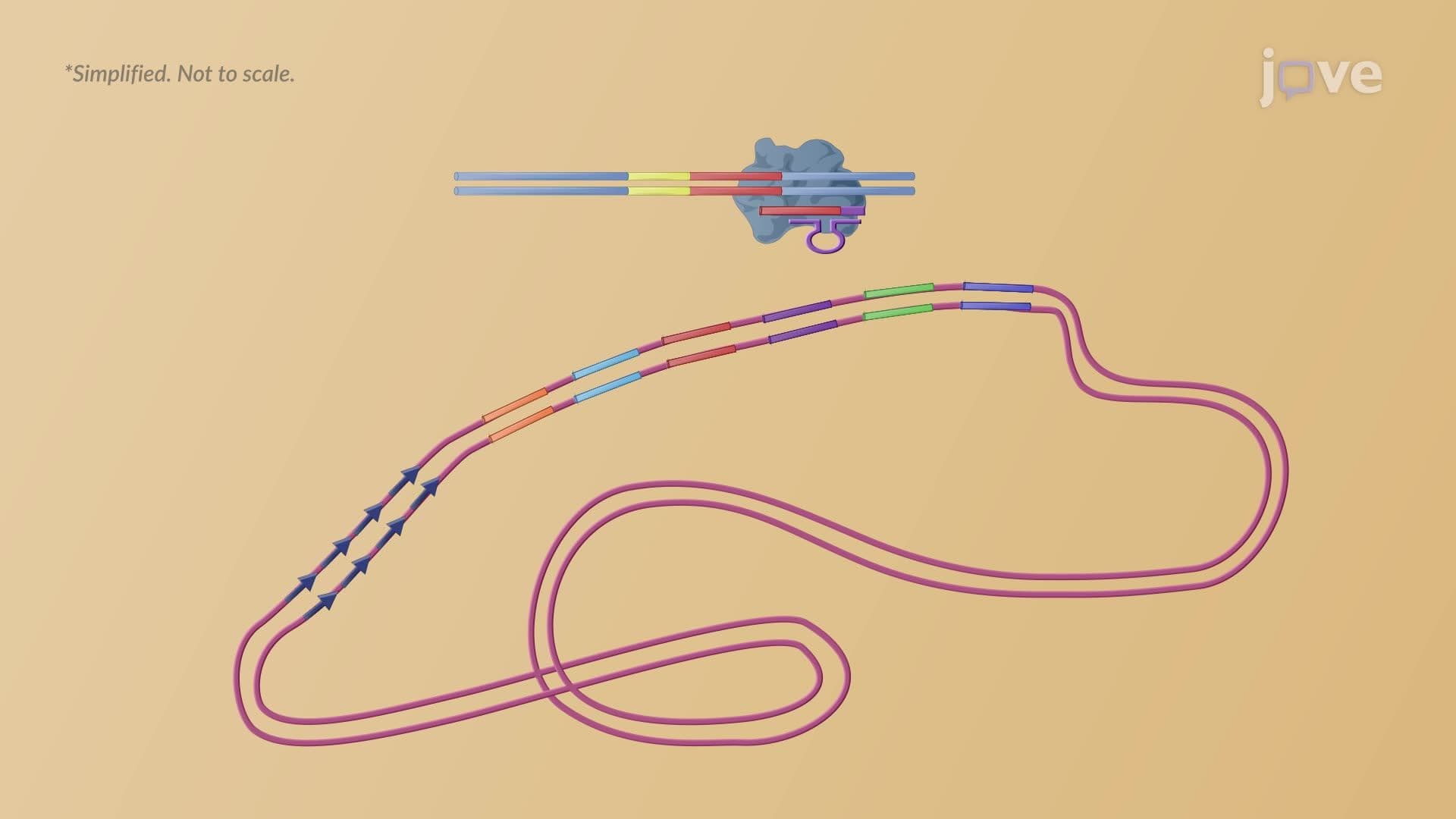
Satellite particles represent a middle ground between viruses and other subviral agents, possessing capsids but requiring helper viruses for replication. Hepatitis D virus, technically a satellite, can only replicate in cells co-infected with hepatitis B virus, demonstrating the complex interdependencies possible in viral ecology.
Related Micro-courses