Loading subject page…
- Microbiology
- Viruses
- Size and Structure of Viral Genomes
Micro-course: Viruses
4,576 views
Learn key concepts and earn your certificate.
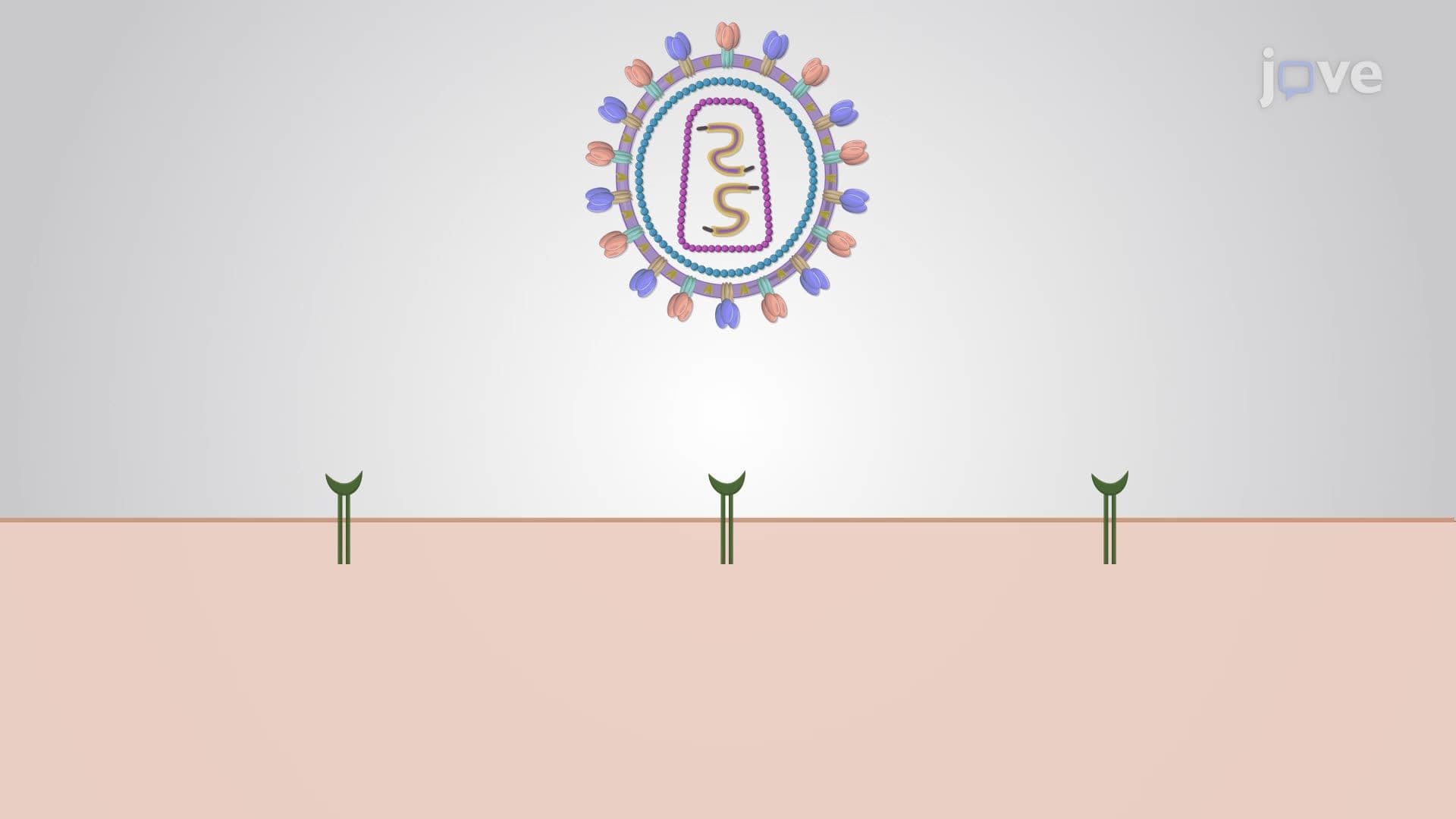

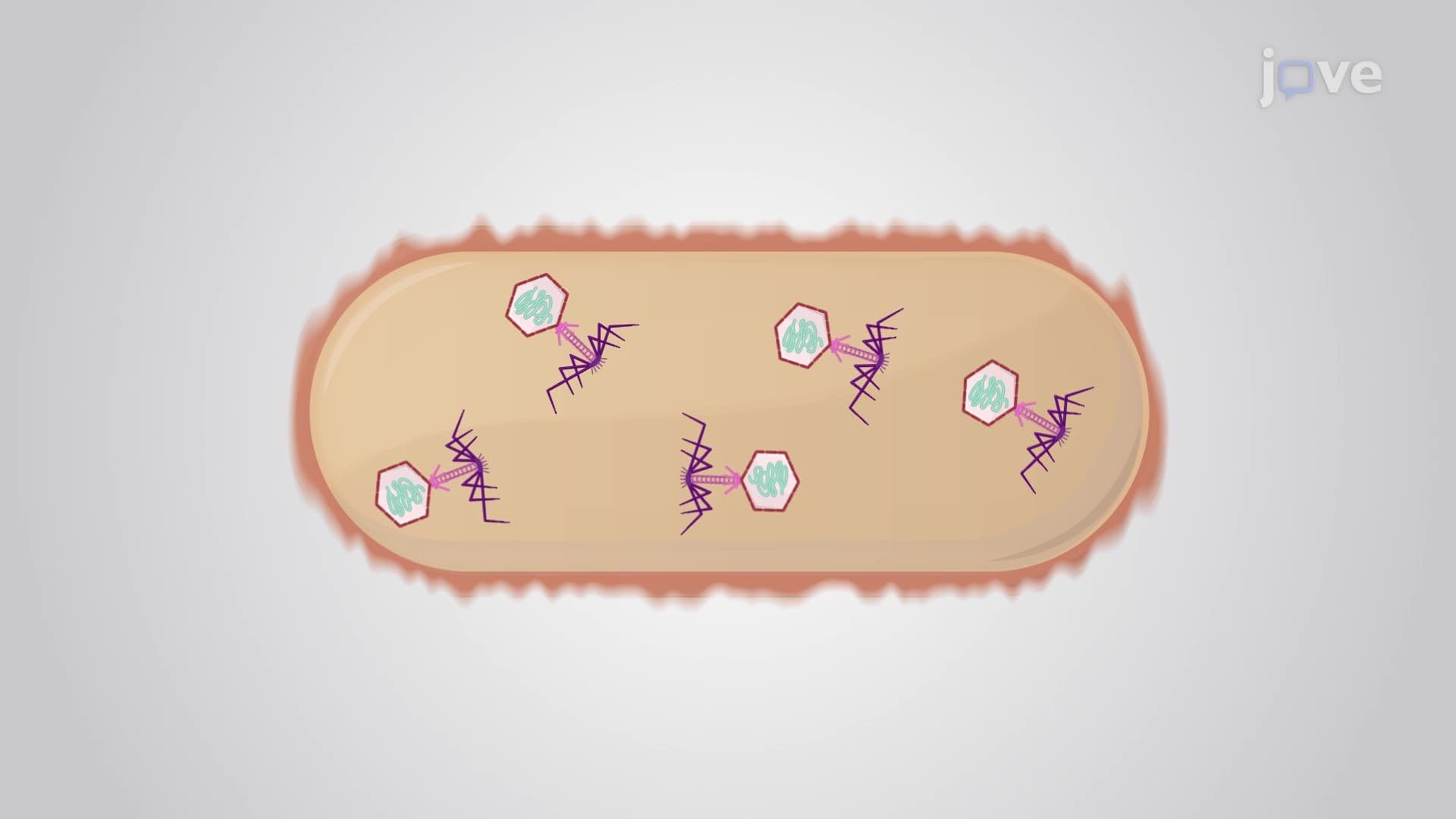
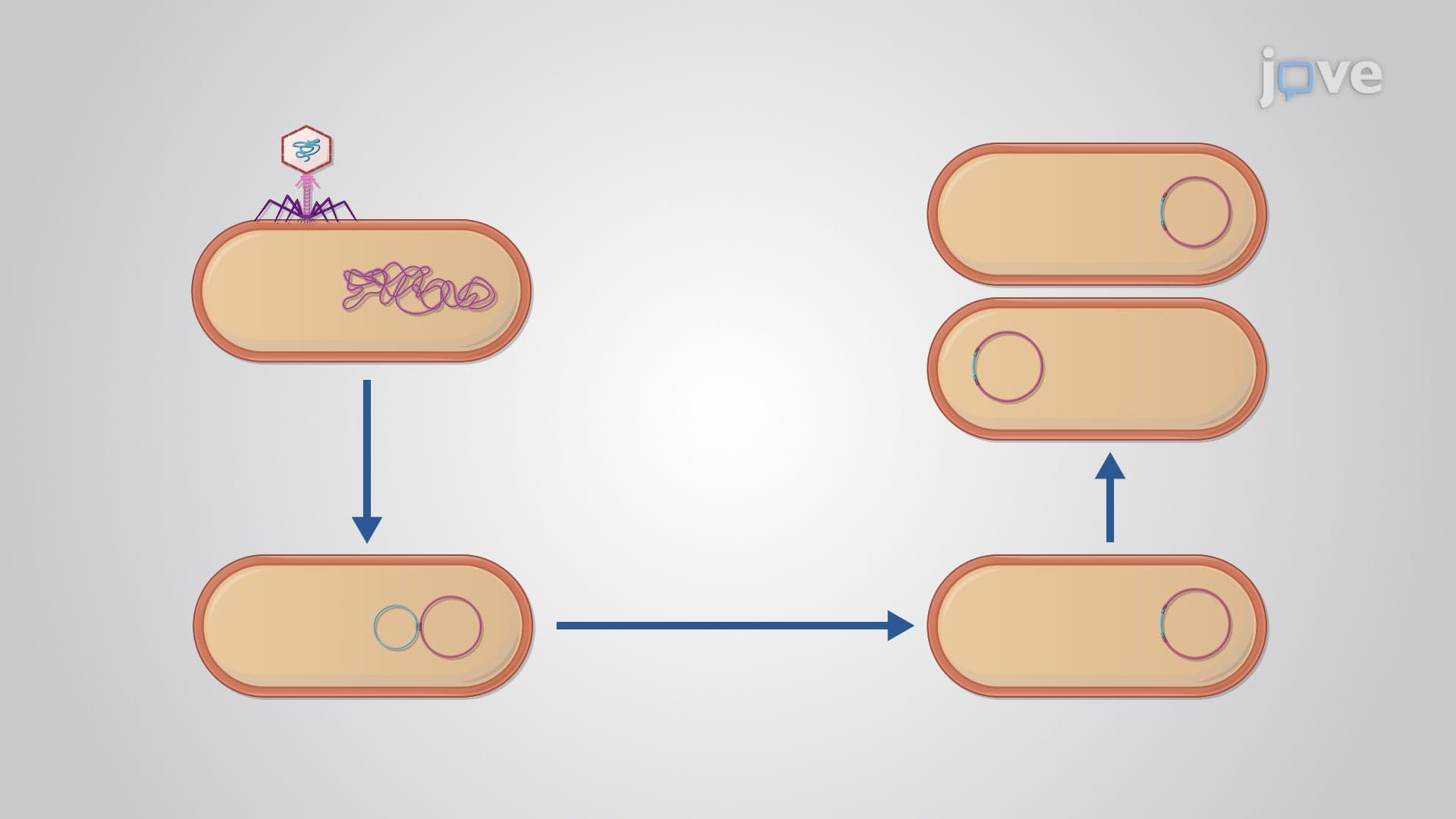
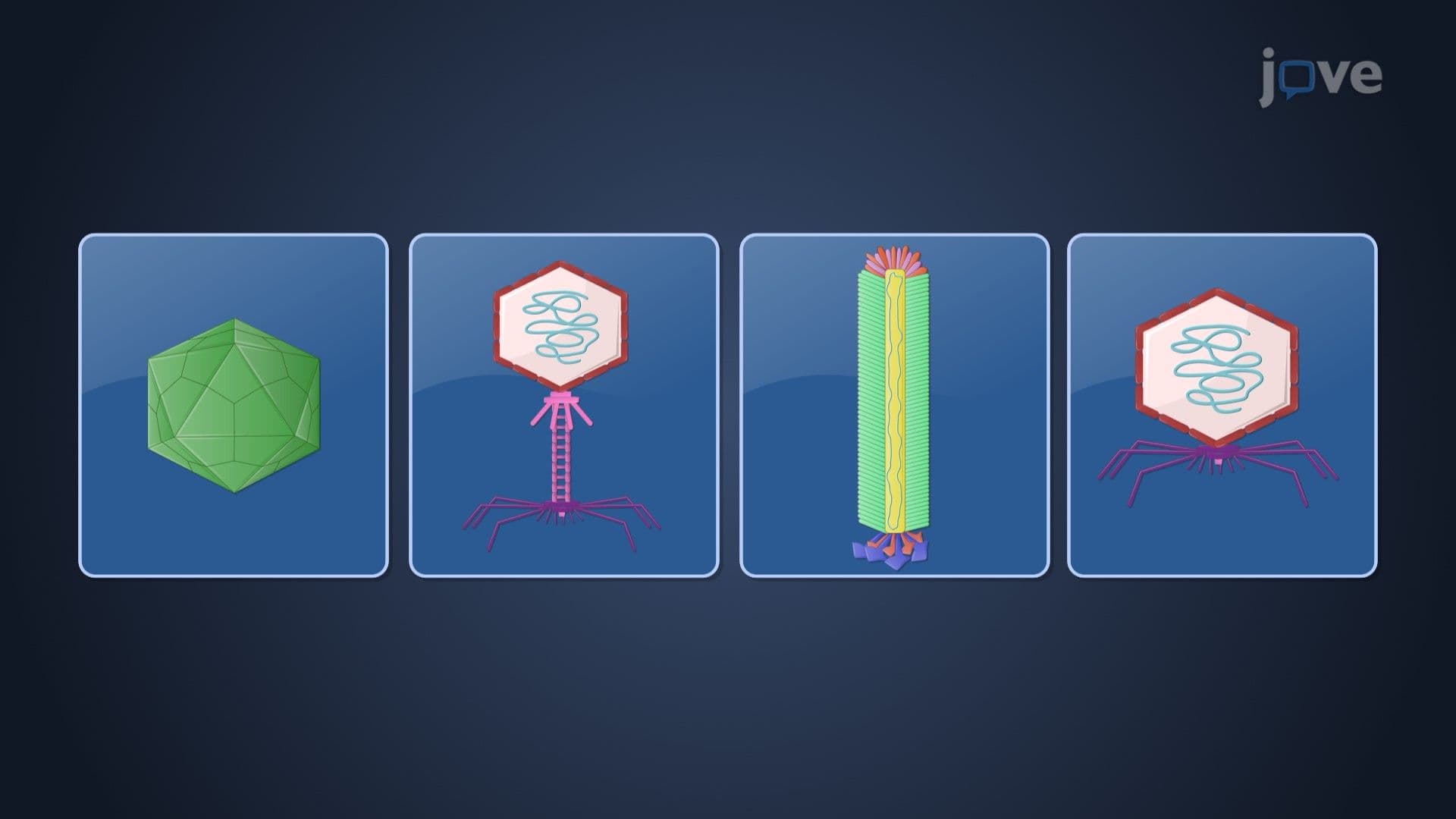



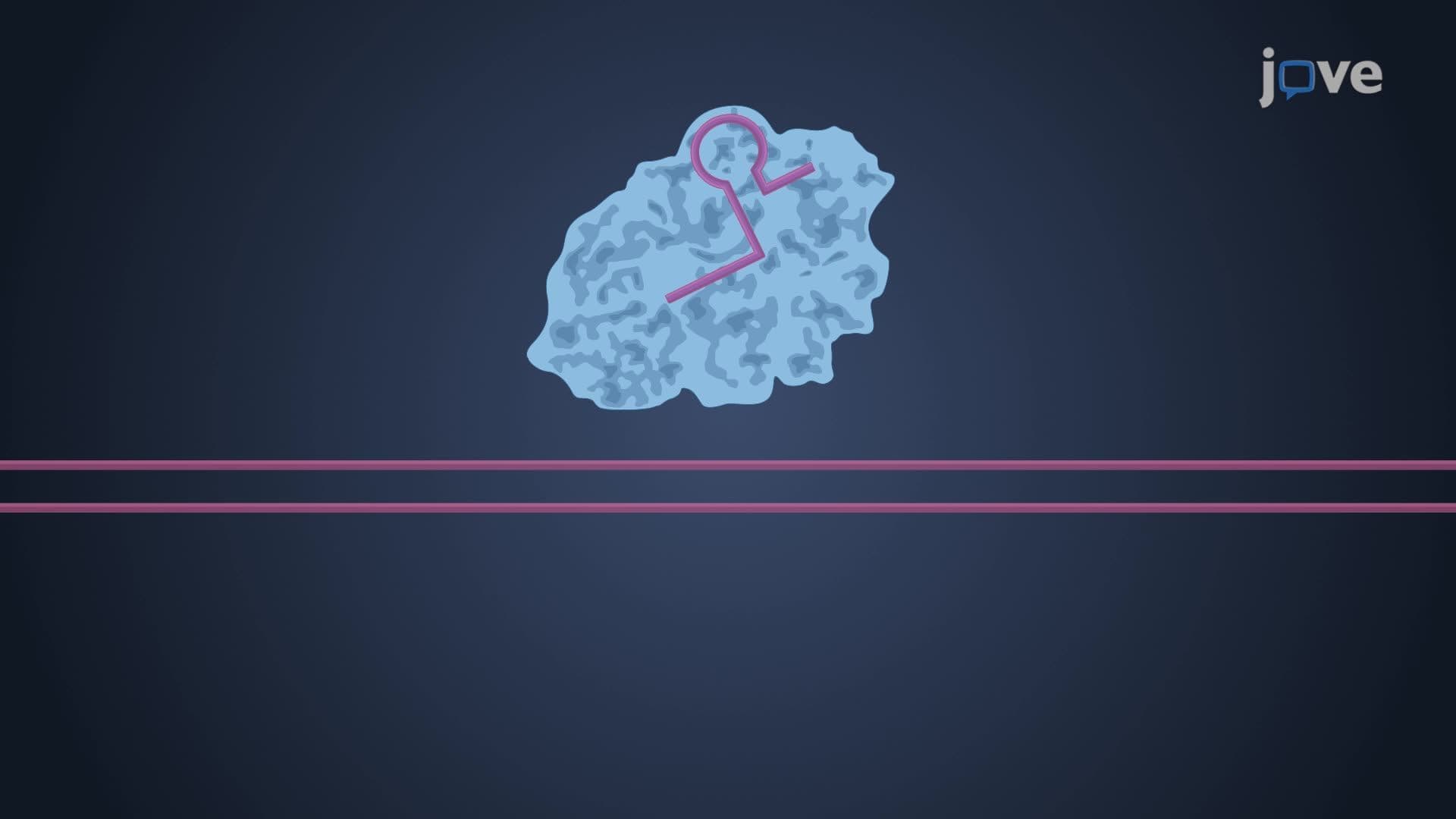
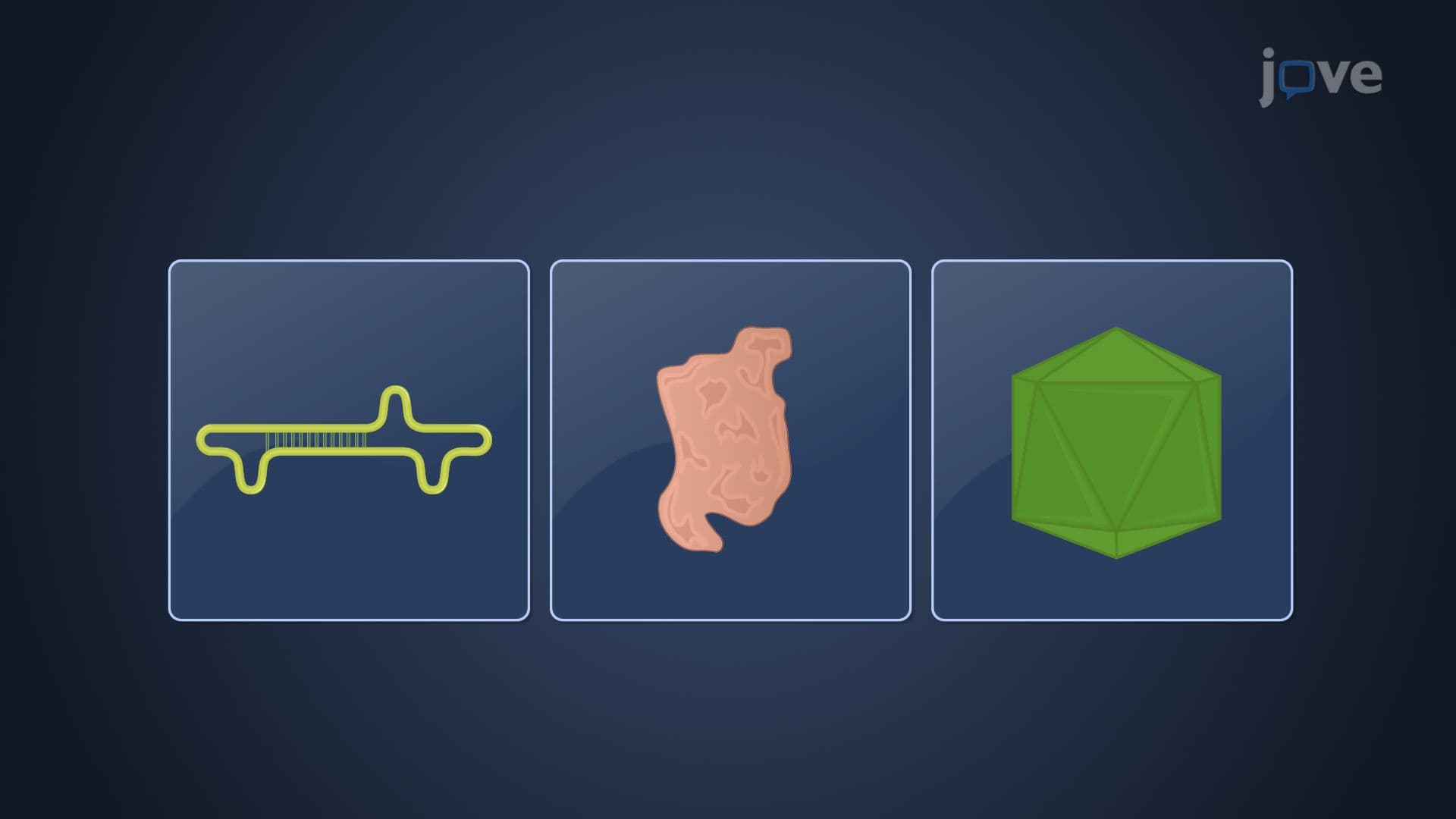
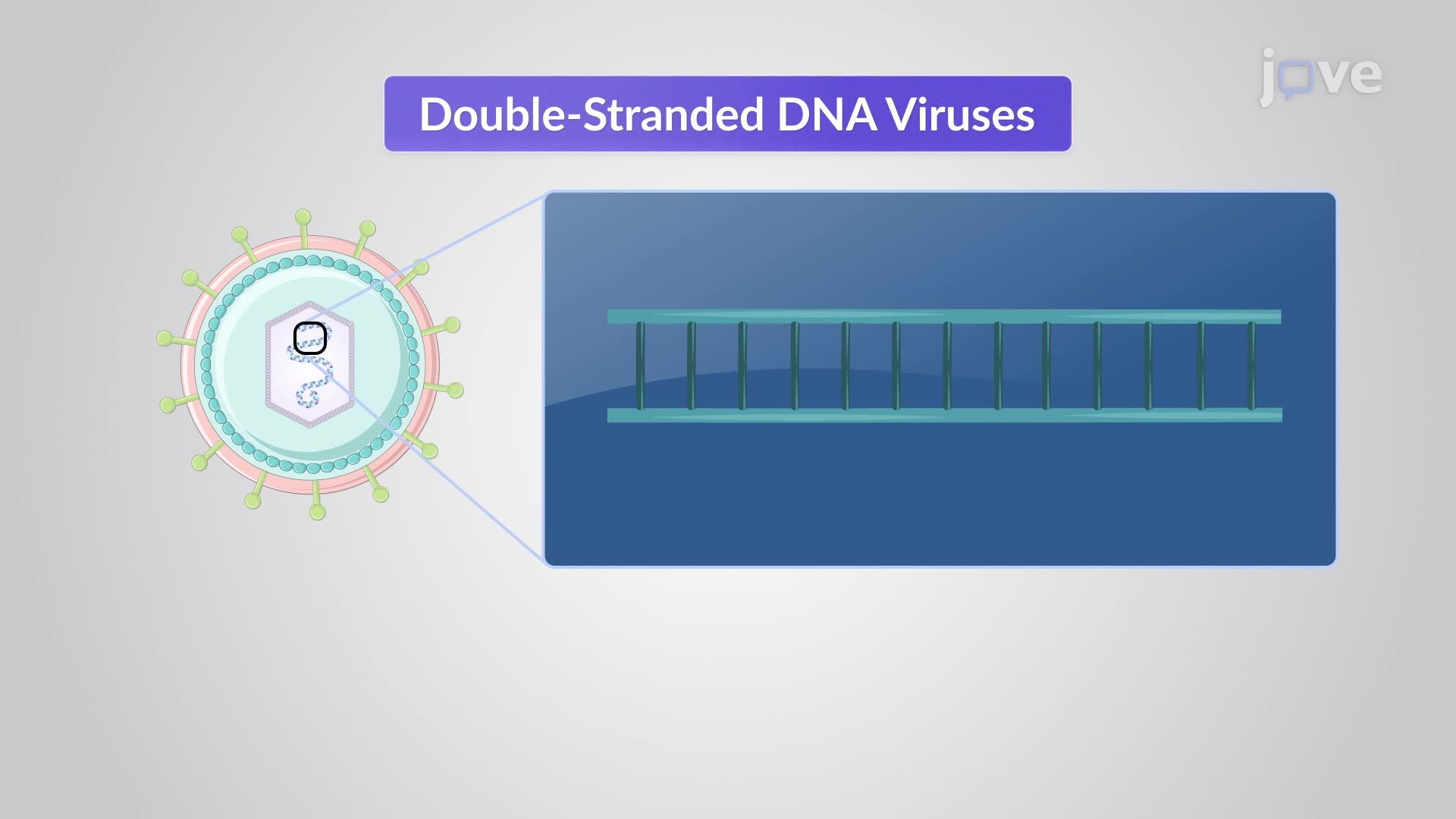
Size and Structure of Viral Genomes

00:00
01:26
Video Summary: Size and Structure of Viral Genomes Explained
Did you know that some viruses have genomes smaller than a typical bacterial gene, while others exceed the size of small bacterial genomes? The size structure viral genomes determines how these microscopic invaders replicate and cause disease in humans. From the tiny Parvovirus that causes fifth disease in children to the massive Herpesvirus responsible for cold sores, understanding viral genome architecture is crucial for developing treatments. Size And Structure of Viral Genomes Explained reveals how DNA and RNA viruses use different strategies to hijack cellular machinery. Watch the full video on JoVE Coach to master this concept with expert-led visuals and step-by-step explanations.
- Understand how Size And Structure of Viral Genomes Explained concepts differentiate between DNA and RNA viral architectures
- Identify the relationship between genome size and viral complexity in human pathogens
- Compare single-stranded versus double-stranded nucleic acid structures in viral replication
- Analyze how positive-sense and negative-sense RNA viruses utilize different transcription mechanisms
- Evaluate the role of reverse transcription in retroviral genome integration strategies
- Apply knowledge of viral genome structure to predict replication requirements and host dependencies
- Recognize how circular versus linear genome organization affects viral life cycle progression
- Explore the connection between genome size constraints and viral transmission efficiency
Understanding Size And Structure of Viral Genomes Explained Fundamentals
Viral genomes represent remarkable examples of biological efficiency, packing essential genetic information into incredibly compact structures. Unlike cellular organisms that maintain consistent DNA-based genomes, viruses exhibit extraordinary diversity in their genetic architecture. This diversity directly impacts how viruses infect cells, replicate, and cause disease in human hosts.
The size structure viral genomes ranges from approximately 3,000 nucleotides in small RNA viruses like Hepatitis D to over 1.2 million base pairs in giant DNA viruses like Mimiviruses. This 400-fold difference reflects fundamental evolutionary trade-offs between genome complexity and transmission efficiency. Smaller genomes replicate faster and require fewer resources, making them ideal for rapid transmission, while larger genomes can encode more sophisticated mechanisms for immune evasion and host manipulation.
RNA Versus DNA Viral Genome Organization
RNA viruses typically maintain smaller genomes due to the inherent instability of RNA and higher mutation rates during replication. The influenza virus, responsible for seasonal flu outbreaks across the United States, exemplifies this constraint with its segmented RNA genome totaling only about 13,500 nucleotides. This compact size necessitates overlapping genes and multifunctional proteins to maximize coding capacity.
DNA viruses can support larger genomes because DNA polymerases possess proofreading capabilities that reduce mutation rates. Human papillomavirus (HPV), which causes cervical cancer, demonstrates how even relatively small DNA viruses (8,000 base pairs) can maintain stable genomes that persist in host cells for decades. Larger DNA viruses like cytomegalovirus (230,000 base pairs) encode numerous accessory proteins that enhance immune evasion and tissue tropism.
Strand Configuration and Replication Strategies
The single-stranded versus double-stranded nature of viral genomes fundamentally determines replication mechanisms. Single-stranded RNA viruses like poliovirus must synthesize complementary strands using RNA-dependent RNA polymerase, an enzyme absent in human cells. This requirement makes RNA viruses excellent targets for antiviral drugs that specifically inhibit viral polymerases.
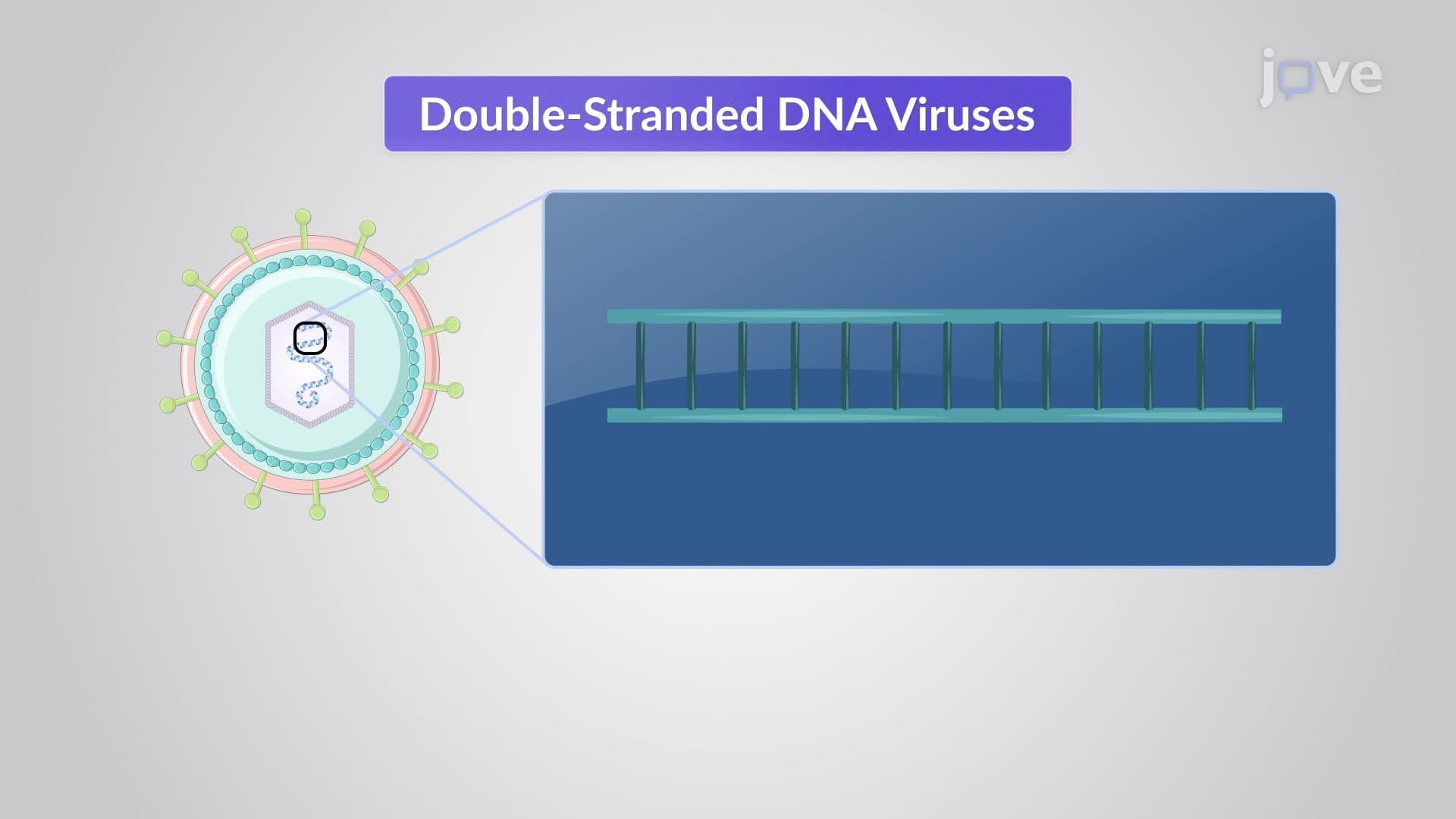
Double-stranded DNA viruses often exploit existing cellular DNA replication machinery, though many encode their own specialized enzymes. Herpes simplex virus, which causes cold sores affecting millions of Americans, utilizes both viral and cellular polymerases during different phases of infection. This dual strategy allows efficient replication while maintaining the ability to establish latent infections in nerve cells.
Clinical and Academic Applications
Understanding viral genome architecture proves essential for students preparing for MCAT, AP Biology, and college microbiology courses. These concepts frequently appear in questions about viral pathogenesis, antiviral drug mechanisms, and evolutionary biology. Medical students studying for USMLE examinations must understand how genome structure influences viral tropism and disease progression, particularly when analyzing case studies involving HIV, hepatitis viruses, or emerging pathogens like SARS-CoV-2.
Frequently Asked Questions
Viral genome size and structure determine how viruses replicate, evolve, and cause disease in humans. Smaller genomes like those in rhinoviruses (common cold) allow rapid mutation and immune evasion, while larger genomes like cytomegalovirus enable sophisticated host manipulation and persistent infections that can cause serious complications in immunocompromised patients.
MCAT questions frequently test viral replication mechanisms, requiring knowledge of DNA versus RNA genomes, strand polarity, and enzyme requirements. Understanding these concepts helps answer passage-based questions about antiviral drugs, viral evolution, and host-pathogen interactions. Focus on connecting genome structure to functional outcomes like tropism and pathogenesis.
AP Biology emphasizes viral replication strategies, particularly the central dogma variations in RNA viruses and retroviruses. Students should understand how positive-sense RNA functions directly as mRNA, why negative-sense RNA requires viral polymerase, and how reverse transcription enables retroviral integration. Practice connecting these mechanisms to specific examples like HIV and influenza.
Double-stranded DNA viruses like herpes viruses cause lifelong latent infections, while retroviruses like HIV integrate into host genomes causing chronic disease. Large DNA viruses such as cytomegalovirus pose particular risks to immunocompromised patients and pregnant women. RNA viruses like influenza and coronaviruses cause epidemic respiratory diseases due to their high mutation rates.
Viral genome concepts build naturally on basic molecular biology principles taught in introductory courses. Start with understanding DNA versus RNA, then progress to single versus double-stranded structures. Focus on functional relationships rather than memorizing details - why do RNA viruses mutate faster, and how does this affect disease patterns?
Create comparison charts organizing viruses by genome type (DNA/RNA, single/double-stranded, linear/circular) with specific examples and replication requirements. Practice drawing replication cycles for different viral types. Connect structural features to clinical outcomes - this approach helps with both multiple-choice questions and essay responses on university exams.
Smaller viral genomes with high mutation rates like influenza require annual vaccine updates due to antigenic drift, while larger, more stable genomes like those in DNA viruses allow for longer-lasting immunity. Understanding these relationships helps explain why we have effective vaccines against some viruses but struggle with others like HIV and hepatitis C.
Progress to viral evolution and phylogenetics, focusing on how genome constraints drive viral adaptation. Study emerging virus surveillance and pandemic preparedness, particularly how genome sequencing helps track viral spread. Advanced students should explore viral metagenomics and its applications in environmental monitoring and disease outbreak investigation.
Related Micro-courses

11 Concepts

13 Concepts

26 Concepts