- Microbiology
- Microbial Cell Structure and Function
Micro-courses:19

Microbial Cell Structure and Function
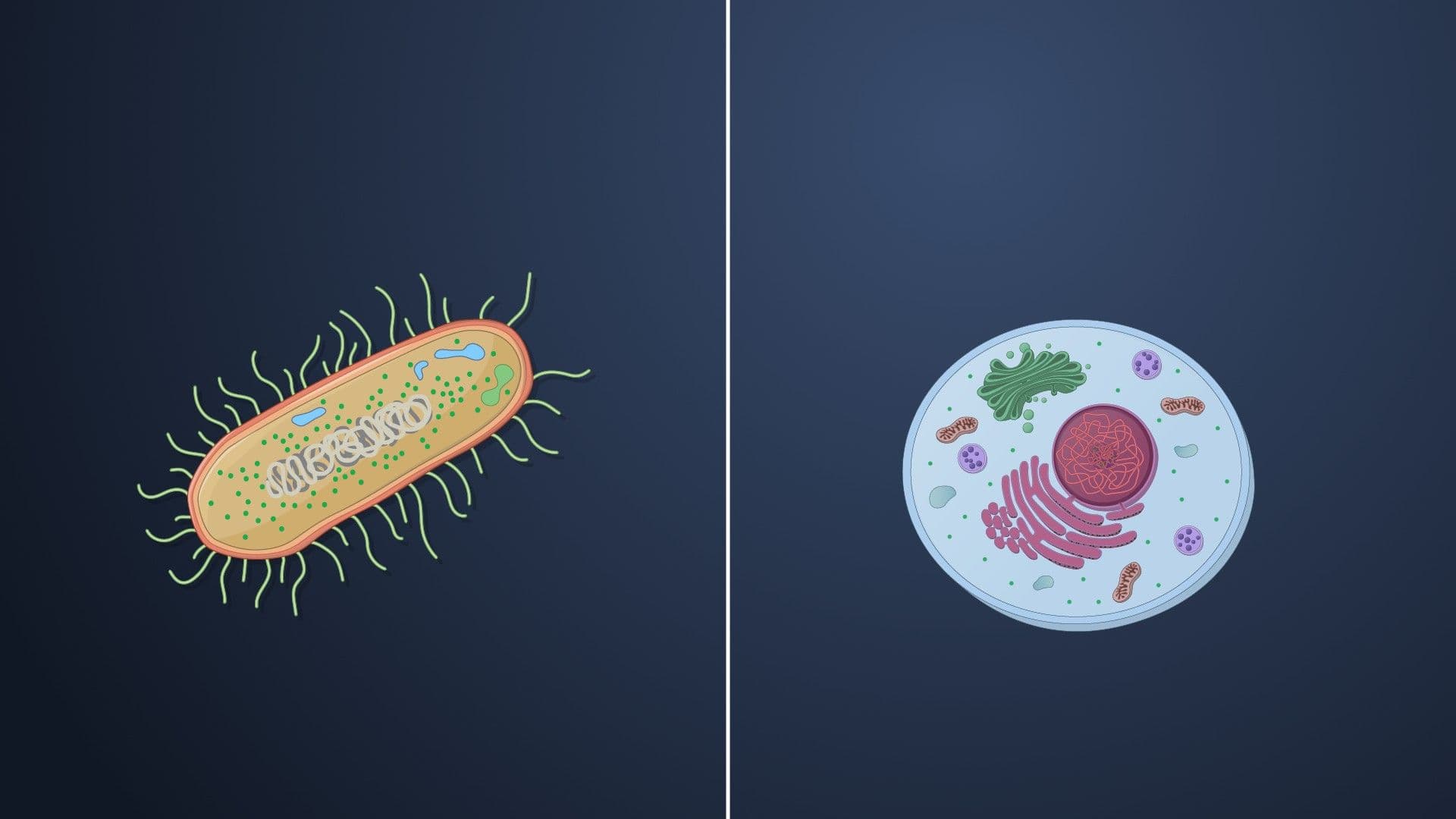
1. Prokaryotic vs. Eukaryotic Cells
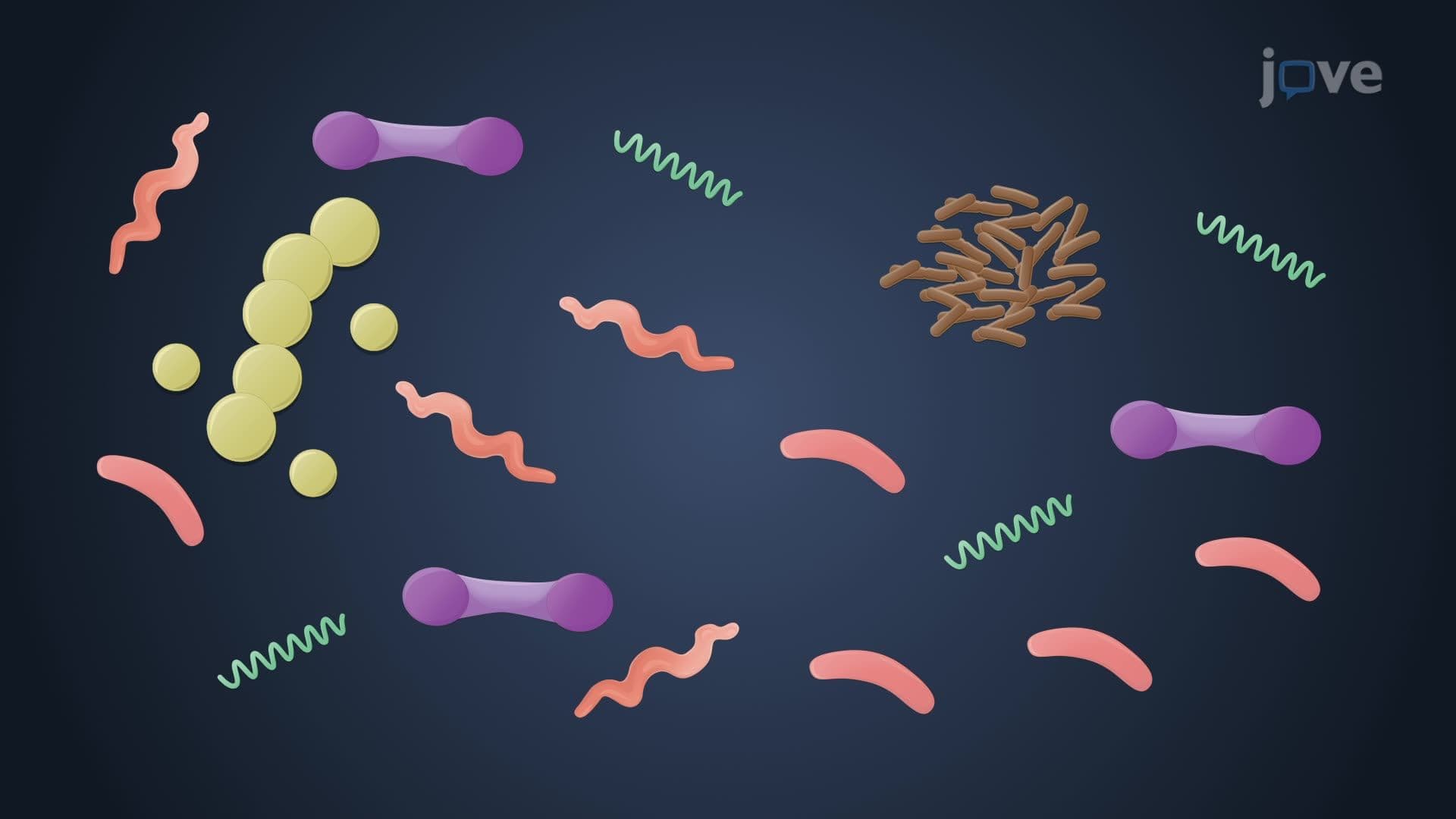
2. Microbial Morphologies
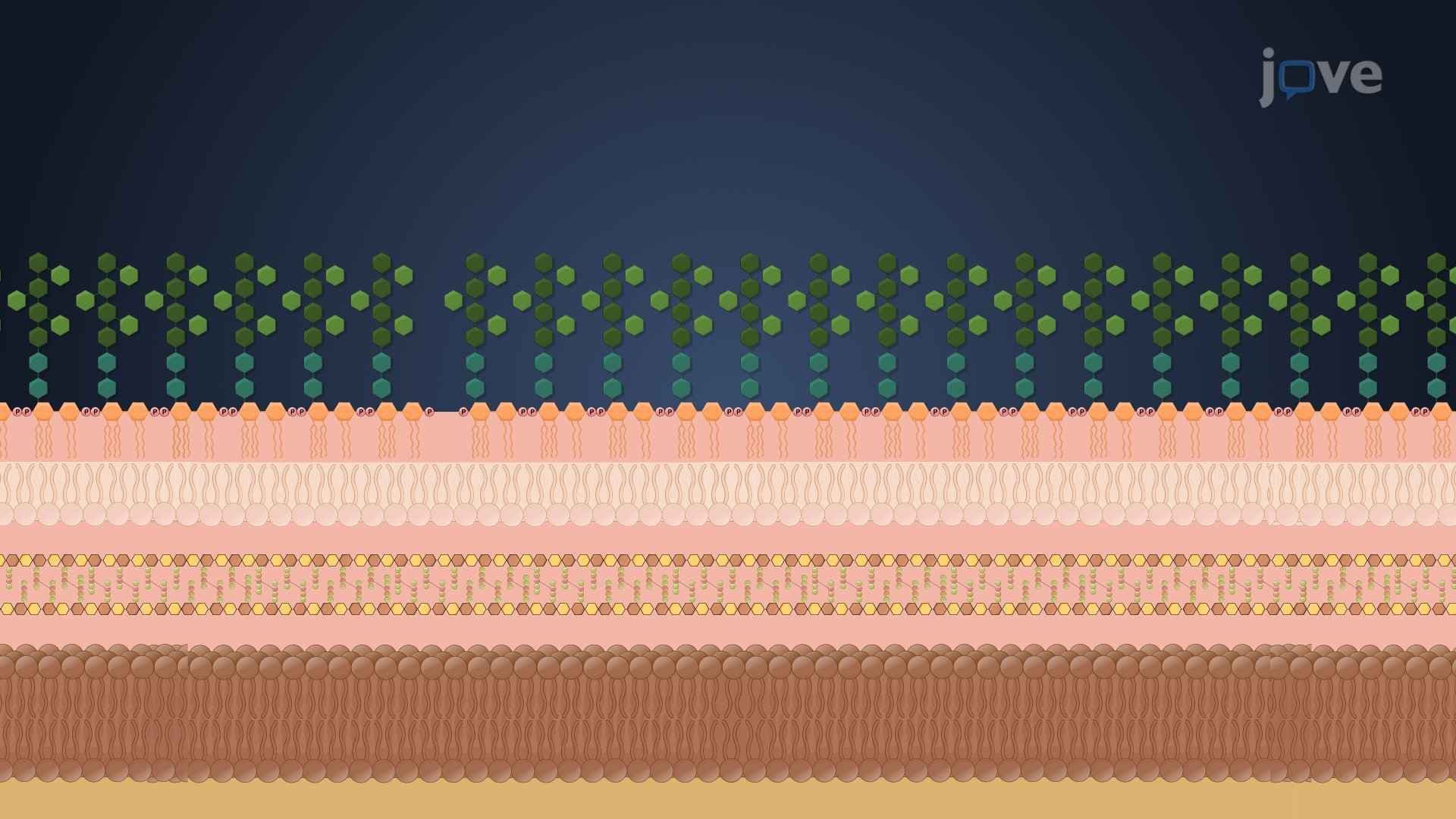
3. Bacterial Cell Wall
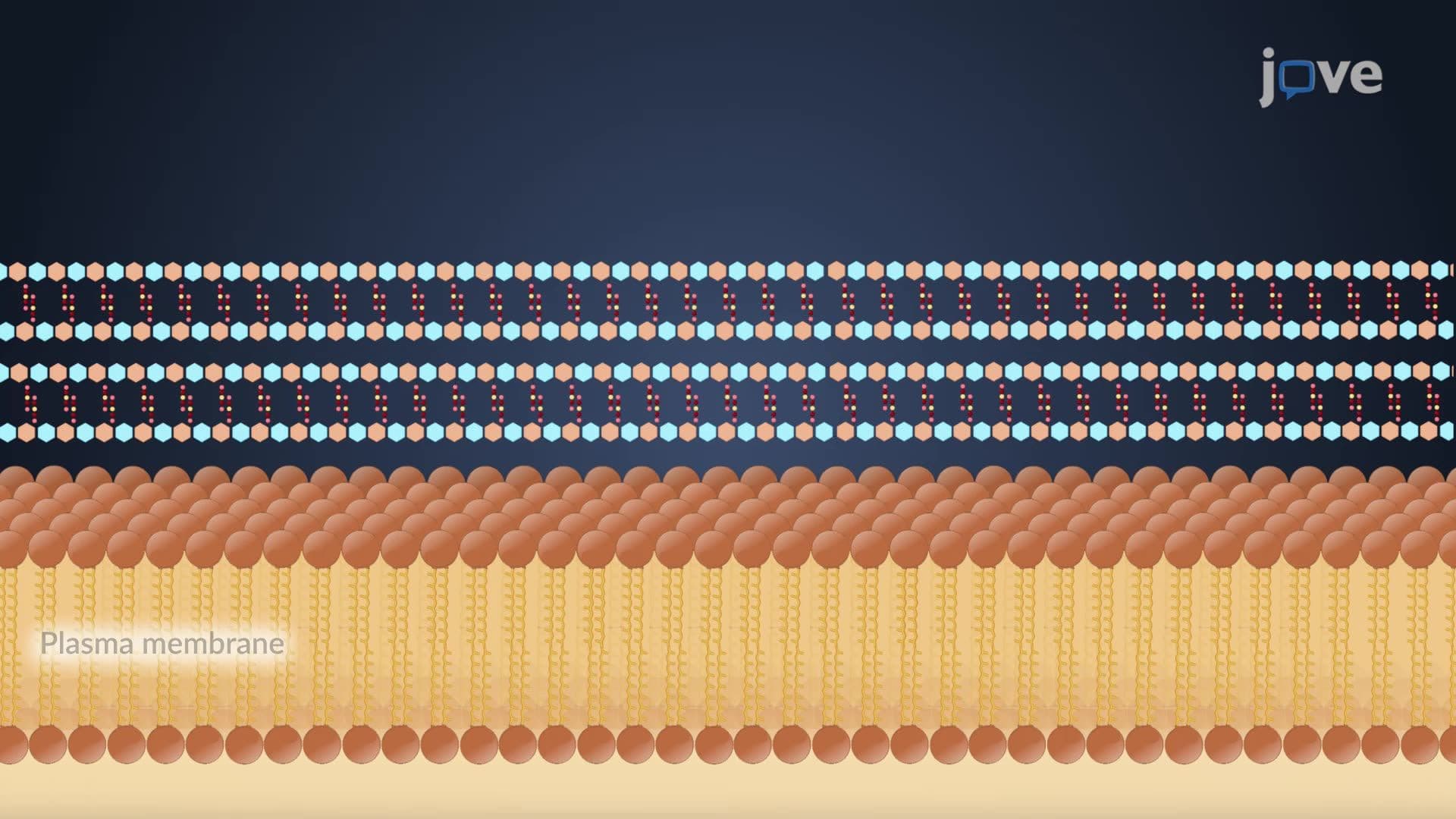
4. Archaeal Cell Wall
5. Peptidoglycan Synthesis
6. Plasma Membrane in Bacteria and Archaea
7. Outer Layers of the Cell Envelope
8. Flagella and Motility in Bacteria
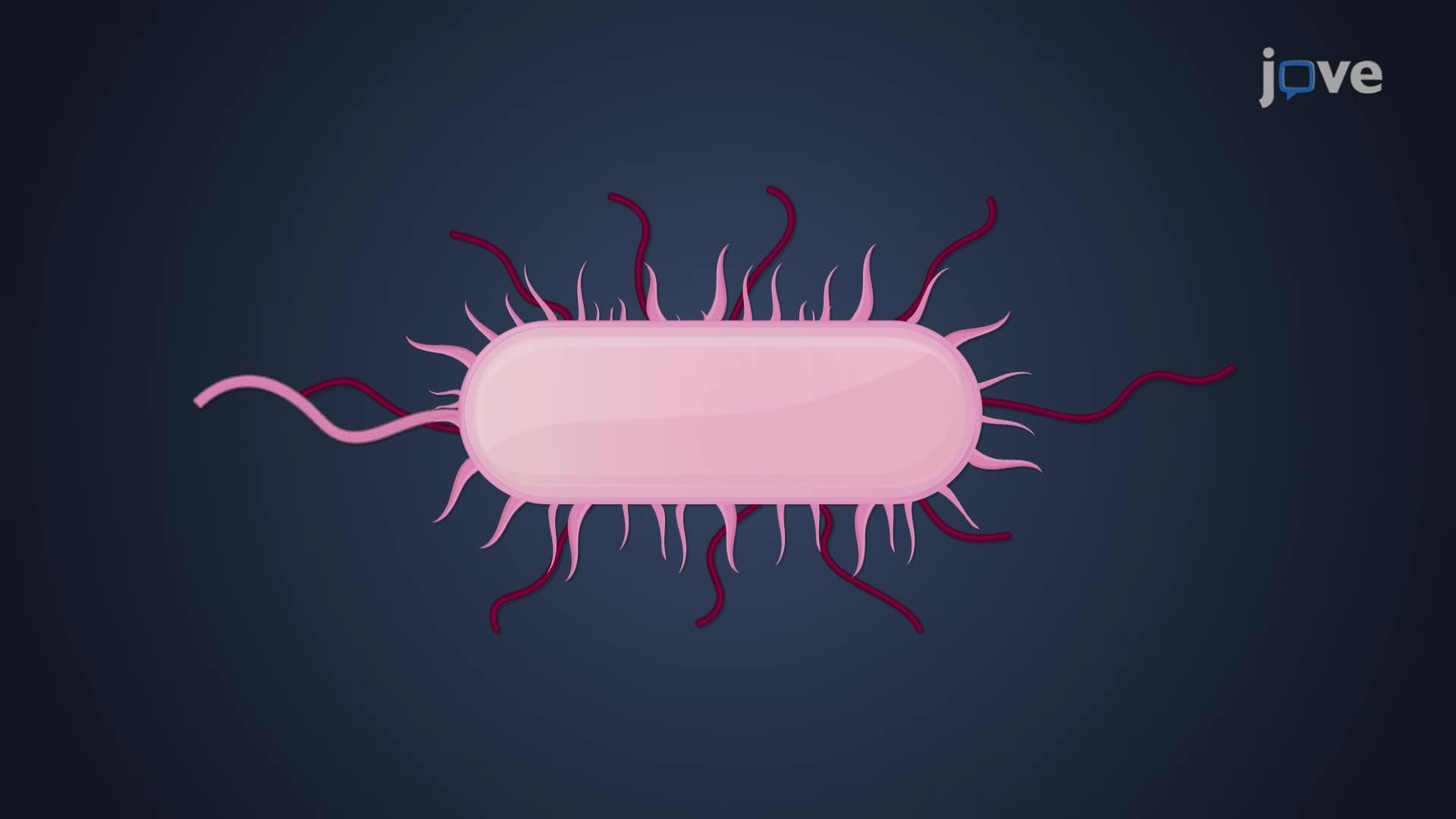
9. Fimbriae, Pili, and Axial Filaments
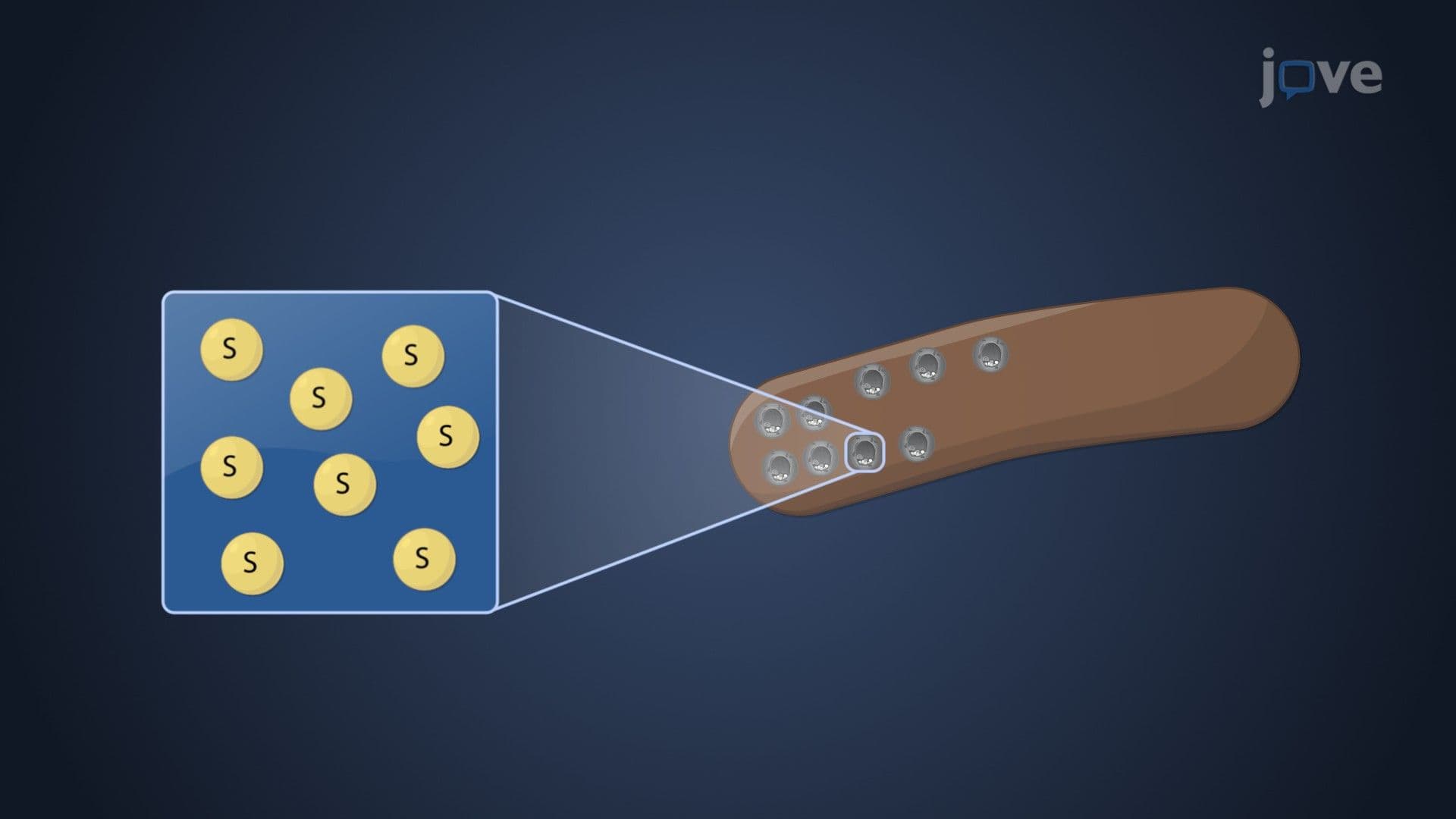
10. Cell Inclusions
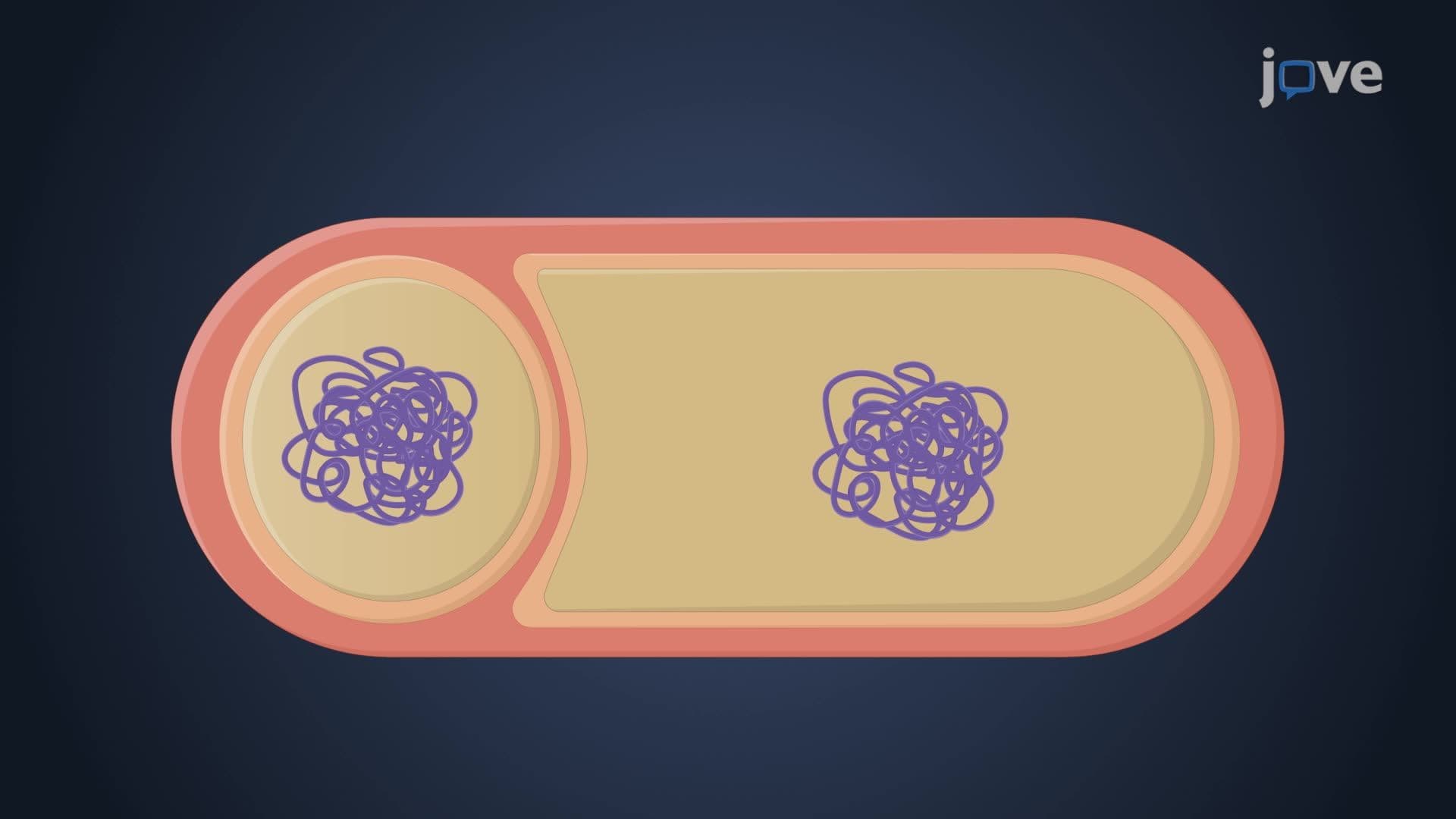
11. Endospores and Sporulation
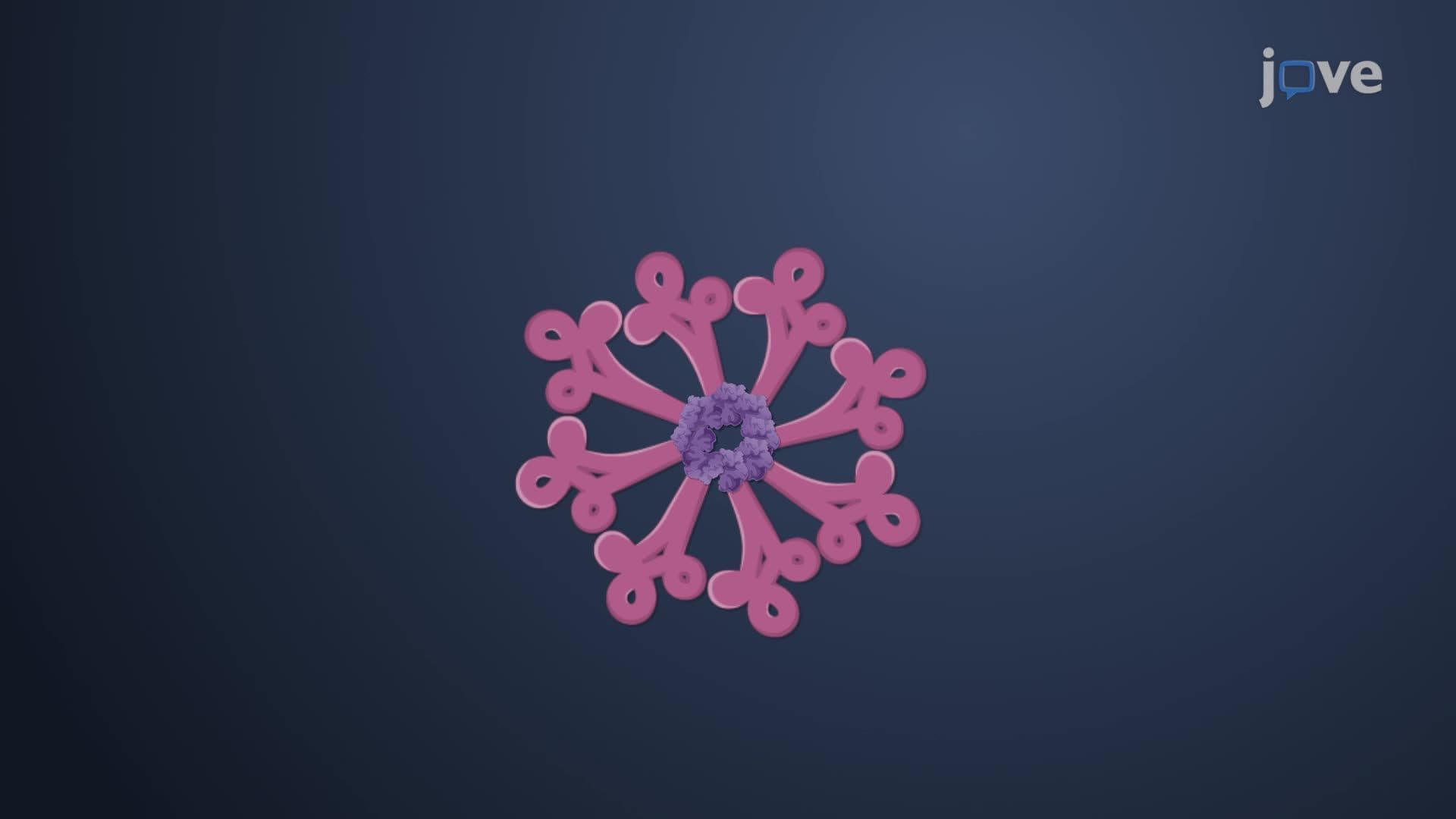
12. Nucleoid
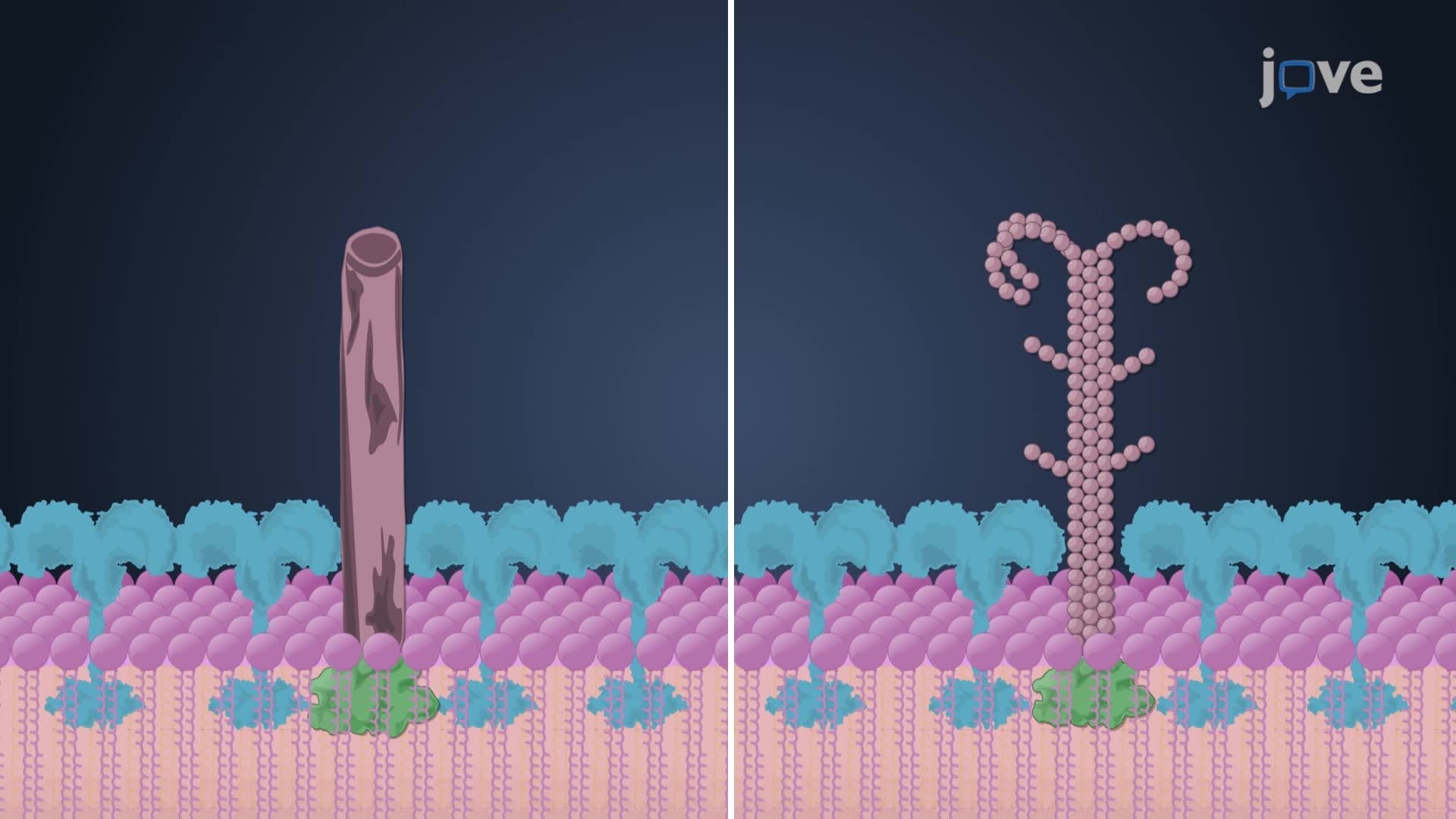
13. Surface Appendages of Archaea
Microbial cell structure forms the foundation for understanding how bacteria and archaea survive in diverse environments. From the protective peptidoglycan layers in *Streptococcus* causing strep throat to the specialized flagella enabling *E. coli* motility in your intestines, prokaryotic cellular components directly impact human health and disease. JoVE Coach's comprehensive exploration reveals how these microscopic structures enable essential functions like antibiotic resistance, pathogen virulence, and environmental adaptation across American healthcare and research settings.
- Understand the fundamental differences between prokaryotic and eukaryotic cell organization and complexity
- Identify key components of bacterial cell anatomy including cell walls, membranes, and surface appendages
- Explore how peptidoglycan synthesis creates structural integrity in bacterial pathogens like *Staphylococcus aureus*
- Analyze the unique features of archaeal cell walls and their adaptation to extreme environments
- Learn the mechanisms behind bacterial motility through flagella, pili, and specialized movement structures
- Apply knowledge of structure and function of microbial cells to understand antibiotic targets and resistance
- Examine cellular inclusions and storage mechanisms that support microbial survival strategies
- Investigate endospore formation in medically important bacteria like *Clostridium difficile*
1. Prokaryotic vs. Eukaryotic Cell Architecture The fundamental distinction between prokaryotic and eukaryotic cells lies in organizational complexity and size. Prokaryotic cells like *E. coli* measure 0.1-5.0 micrometers and lack membrane-bound organelles, storing their circular DNA in the nucleoid region. Their 70S ribosomes enable rapid protein synthesis supporting quick reproduction through binary fission. This simplified structure allows pathogenic bacteria to rapidly colonize human hosts, as seen in urinary tract infections where *E. coli* can double every 20 minutes under optimal conditions.
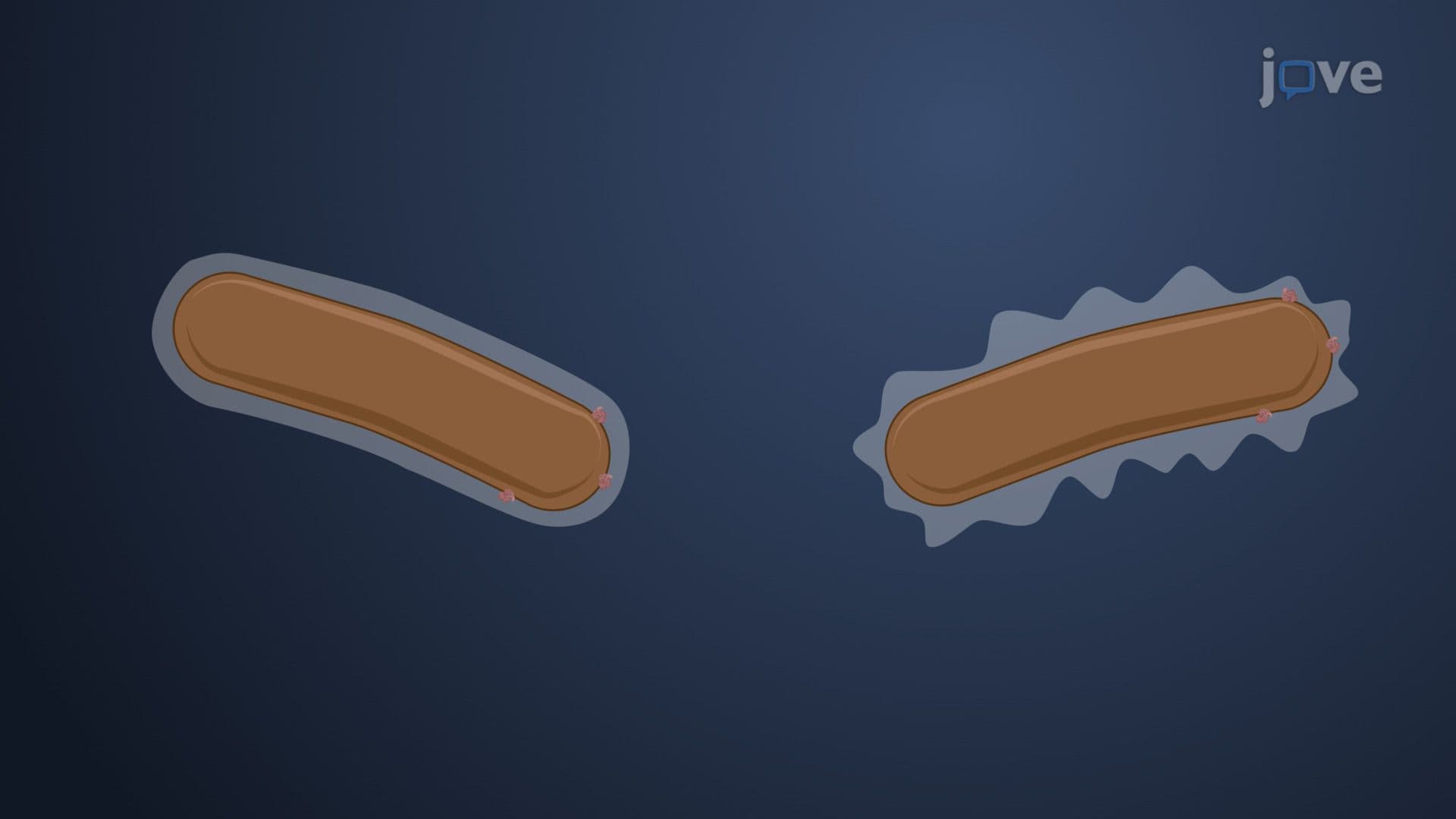
2. Bacterial Cell Wall Structure and Gram Staining The bacterial cell anatomy centers around peptidoglycan, a mesh-like polymer of N-acetylglucosamine and N-acetylmuramic acid cross-linked by amino acids. Gram-positive bacteria like *Staphylococcus epidermidis* possess thick peptidoglycan layers with embedded teichoic acids, retaining crystal violet in Gram staining and appearing purple. Gram-negative pathogens such as *Pseudomonas aeruginosa* have thinner peptidoglycan surrounded by lipopolysaccharide-containing outer membranes, appearing pink after counterstaining. This structural difference determines antibiotic susceptibility patterns crucial for clinical treatment decisions.
3. Archaeal Cell Wall Diversity and Extremophile Adaptations Archaeal cell walls completely lack peptidoglycan, instead featuring S-layer proteins that self-assemble into crystalline lattices. Species like *Methanosarcina* add polysaccharide layers of methanochondroitin for extra protection. Methanogens utilize pseudomurein containing N-acetyltalosaminuronic acid linked by β-1,3 bonds, making them resistant to lysozyme and penicillin. Some extreme thermophiles like *Ignicoccus* lack cell walls entirely, relying on specialized outer membranes for structural integrity in hydrothermal vents.
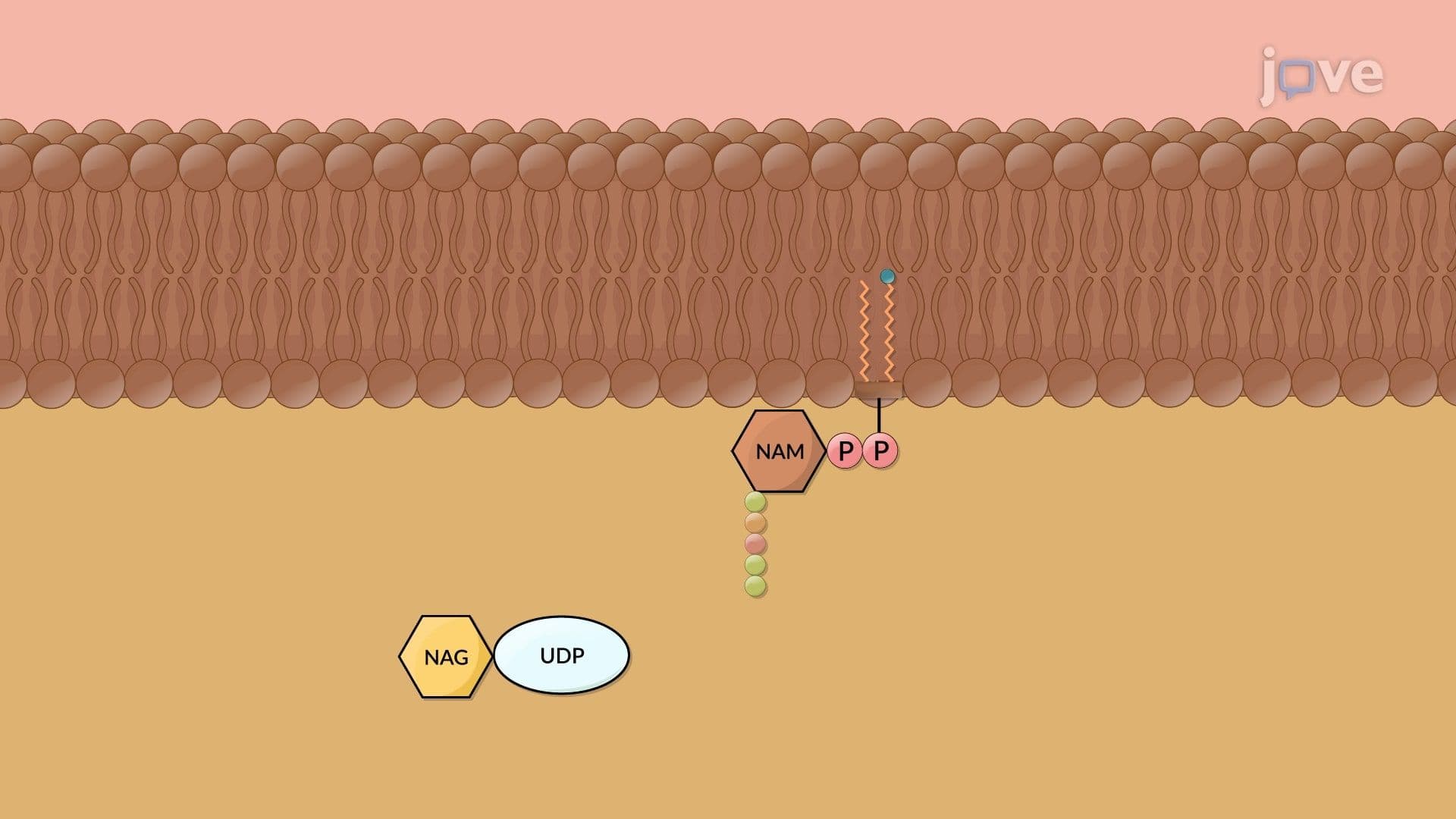
4. Peptidoglycan Synthesis Pathway and Antibiotic Targets Peptidoglycan synthesis occurs through three coordinated phases beginning in the cytoplasm where UDP-NAG converts to UDP-NAM-pentapeptide. The membrane phase creates Lipid II complexes that flip across to the periplasm via flippase enzymes. Periplasmic transpeptidases form final cross-links between glycan chains. This pathway provides multiple antibiotic targets: penicillin inhibits transpeptidases, vancomycin blocks pentapeptide binding, and bacitracin prevents bactoprenol recycling, explaining why understanding microbial cell structure is essential for antimicrobial therapy development.
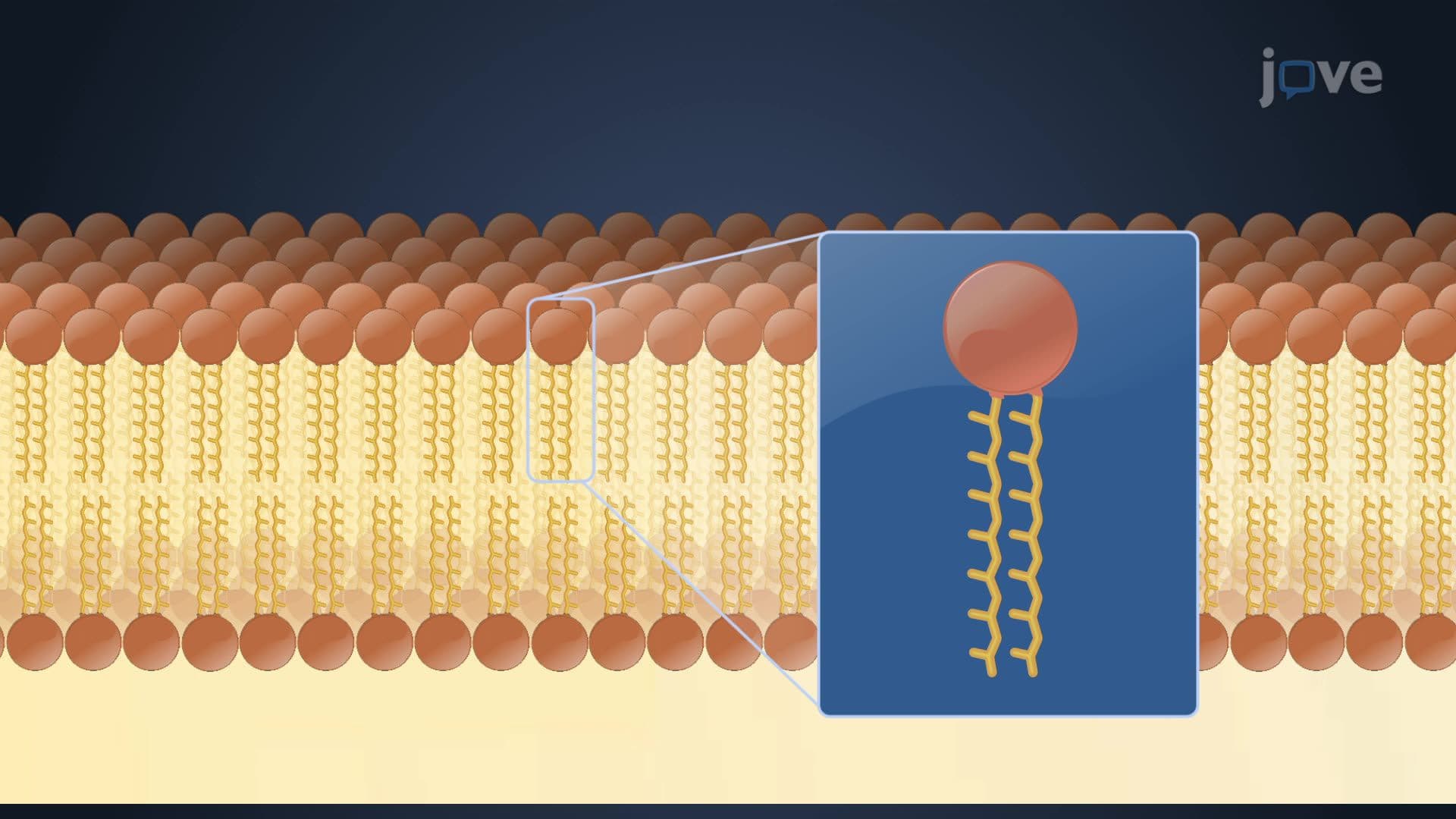
5. Plasma Membrane Composition and Transport Systems Bacterial membrane structures consist of phospholipid bilayers with fatty acids attached to glycerol through ester bonds, while archaeal membranes contain unique ether-linked isoprene derivatives. Archaeal glycerol diethers form bilayers, but diglycerol tetraethers create monolayers providing exceptional stability for hyperthermophiles. Both membrane types contain integral and peripheral proteins facilitating nutrient transport through passive diffusion and active transport systems, essential for maintaining cellular homeostasis in pathogens colonizing human hosts.
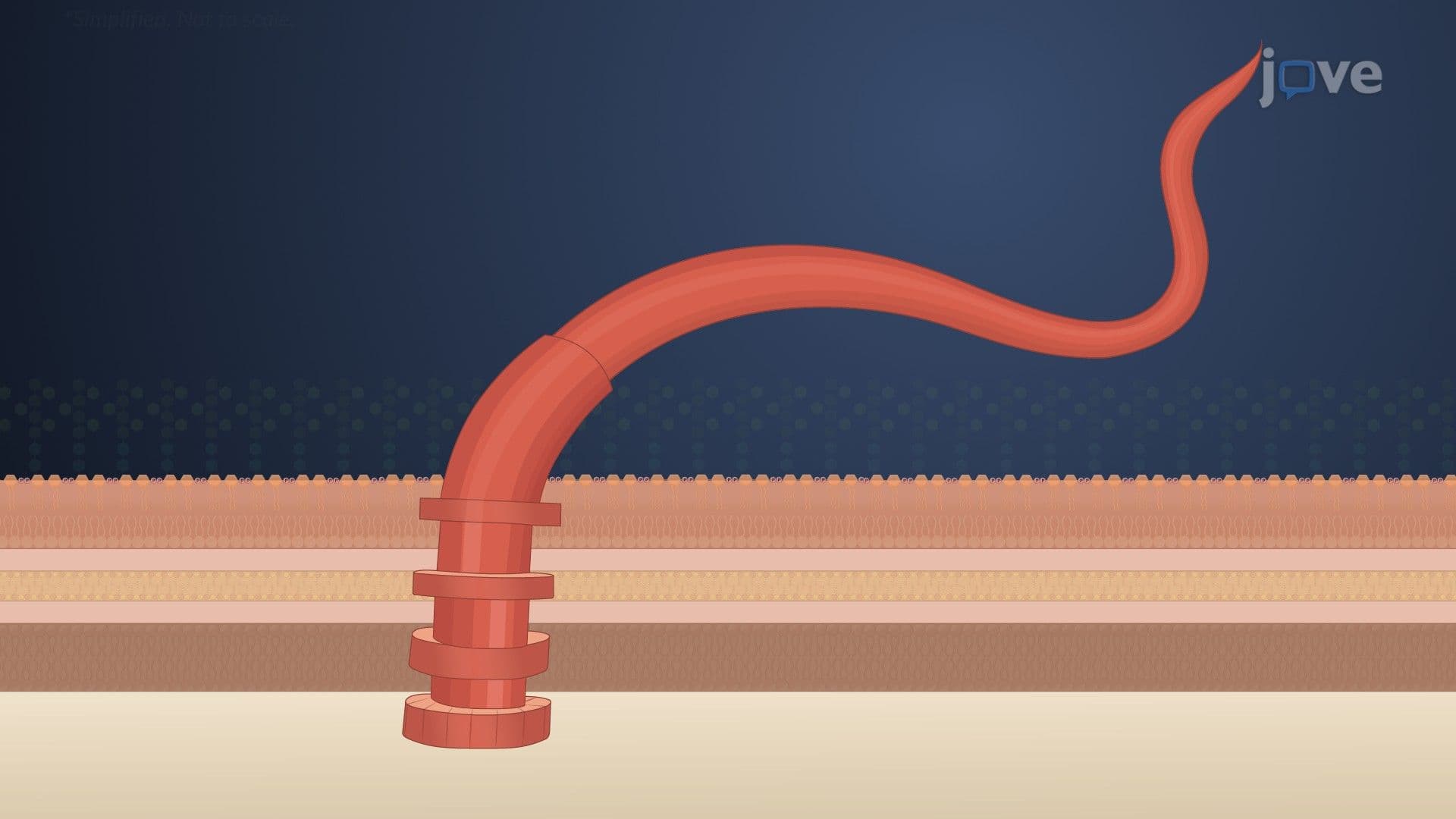
6. Surface Appendages and Bacterial Motility Flagella enable directional movement through rotating helical filaments powered by proton motive force. The basal body contains four rings in Gram-negative bacteria (*E. coli*) but only two in Gram-positive species (*Bacillus subtilis*). Fimbriae and pili facilitate surface adhesion and genetic exchange, with type IV pili enabling twitching motility in *Pseudomonas*. Sex pili transfer plasmids carrying antibiotic resistance genes between bacteria. Spirochetes like *Treponema pallidum* use axial filaments for corkscrew motion through viscous tissues, enabling syphilis transmission.
7. Cellular Inclusions and Storage Mechanisms Microbial organelles include specialized inclusion bodies storing carbon as poly-β-hydroxybutyric acid granules or glycogen. Metachromatic granules in *Corynebacterium diphtheriae* store polyphosphate for nucleic acid synthesis. Sulfur globules provide energy reserves for chemolithotrophic bacteria. Carboxysomes contain RuBisCO enzymes for CO₂ fixation in cyanobacteria. Gas vacuoles maintain buoyancy in aquatic microbes, while magnetosomes containing magnetite crystals help magnetotactic bacteria navigate toward optimal oxygen concentrations using Earth's magnetic field.
8. Endospore Formation and Clinical Significance Endospore formation represents the ultimate survival strategy for Gram-positive bacteria facing environmental stress. *Bacillus anthracis* spores can survive decades in soil, while *Clostridium difficile* spores resist alcohol-based sanitizers, contributing to healthcare-associated infections. The sporulation process involves asymmetric division, forespore engulfment, cortex formation, and coat protein deposition. Calcium-dipicolinic acid complexes dehydrate spores and protect DNA from heat damage. Understanding spore resistance mechanisms is crucial for hospital sterilization protocols and biodefense preparedness.
Frequently Asked Questions
Prokaryotic cells lack membrane-bound organelles and have their genetic material freely floating in the nucleoid region, while eukaryotic cells compartmentalize functions within membrane-bound organelles like the nucleus and mitochondria. This structural simplicity allows prokaryotes to reproduce rapidly but limits their metabolic complexity compared to eukaryotic cells.
MCAT frequently tests peptidoglycan structure, Gram staining mechanisms, and antibiotic targets. Knowing that penicillin inhibits transpeptidase enzymes in peptidoglycan synthesis, or that Gram-positive bacteria have thicker peptidoglycan layers, helps answer questions about bacterial classification and antimicrobial mechanisms that appear regularly on the exam.
The structural differences in their cell walls determine antibiotic susceptibility. Gram-positive bacteria with thick peptidoglycan layers are more susceptible to penicillin, while Gram-negative bacteria's outer membrane containing lipopolysaccharides acts as a barrier, making them more resistant to many antibiotics but susceptible to others that can penetrate this outer layer.
AP Biology emphasizes prokaryotic cell organization, peptidoglycan structure, flagella function, and the comparison between prokaryotic and eukaryotic cells. Focus on understanding how structure relates to function, such as how flagella enable motility or how capsules help bacteria evade immune responses, as these structure-function relationships are commonly tested.
E. coli uses fimbriae to adhere to urinary tract epithelial cells, preventing washout during urination. Their flagella enable movement up the urinary tract, while their outer membrane lipopolysaccharides trigger inflammatory responses. Some strains produce capsules that help evade immune system recognition, demonstrating how microbial cell structure directly impacts pathogenesis.
While bacteria receive more emphasis in introductory courses due to their medical relevance, understanding archaeal structures like S-layers and ether-linked lipids provides important context for extremophile biology and evolutionary relationships. Many instructors include archaeal examples to illustrate the diversity of prokaryotic cell wall structures beyond peptidoglycan.
Create visual diagrams comparing Gram-positive and Gram-negative cell wall structures, focusing on peptidoglycan thickness and the presence/absence of outer membranes. Use medical examples like Streptococcus (Gram-positive) causing strep throat versus E. coli (Gram-negative) causing UTIs to connect structures with clinically relevant organisms you'll encounter in healthcare settings.
Endospore-forming bacteria create significant public health challenges because spores resist standard disinfection methods. Clostridium difficile spores survive alcohol-based hand sanitizers, requiring bleach-based disinfectants in healthcare facilities. Bacillus anthracis spores can be weaponized for bioterrorism, while Clostridium botulinum spores in improperly canned foods cause botulism, making spore biology crucial for food safety and infection control.
This microcourse includes 13 concept videos that walk you through the building blocks of Microbiology. Each video is short, about 1 minute, so you can cover a full topic during a coffee break or between classes. The full sequence starts with Prokaryotic vs. Eukaryotic Cells and ends with Surface Appendages of Archaea.
The playlist moves from big-picture ideas to the precise vocabulary used in Microbiology. Early videos introduce Prokaryotic vs. Eukaryotic Cells, Microbial Morphologies, and Bacterial Cell Wall. The middle of the series focuses on Peptidoglycan Synthesis, Plasma Membrane in Bacteria and Archaea, and Outer Layers of the Cell Envelope. The final stretch covers Flagella and Motility in Bacteria, Fimbriae, Pili, and Axial Filaments, Cell Inclusions, Endospores and Sporulation, Nucleoid, and Surface Appendages of Archaea.
The natural next step is Microbial Metabolism. From there, you can move to Microbial Growth, Control of Microbial Growth, and Bacterial Genetics and Gene Regulation. Once you finish those, the full Microbiology curriculum of 8 microcourses on JoVE Coach opens up, taking you from foundational concepts to advanced systems.
Related Subjects


