Loading subject page…
- Microbiology
- Microbial Cell Structure and Function
- Peptidoglycan Synthesis
Micro-course: Microbial Cell Structure and Function
14,632 views
Learn key concepts and earn your certificate.

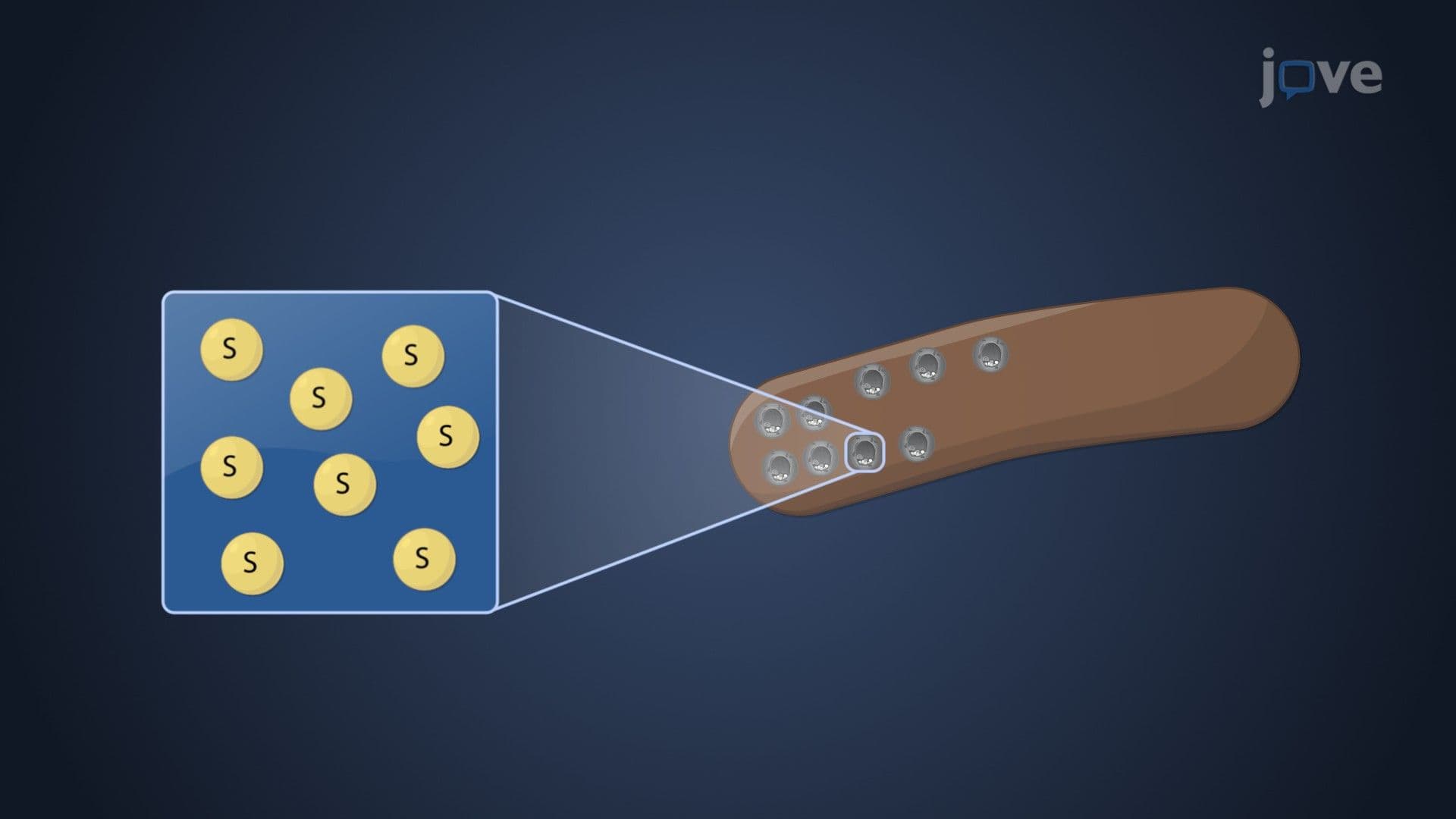
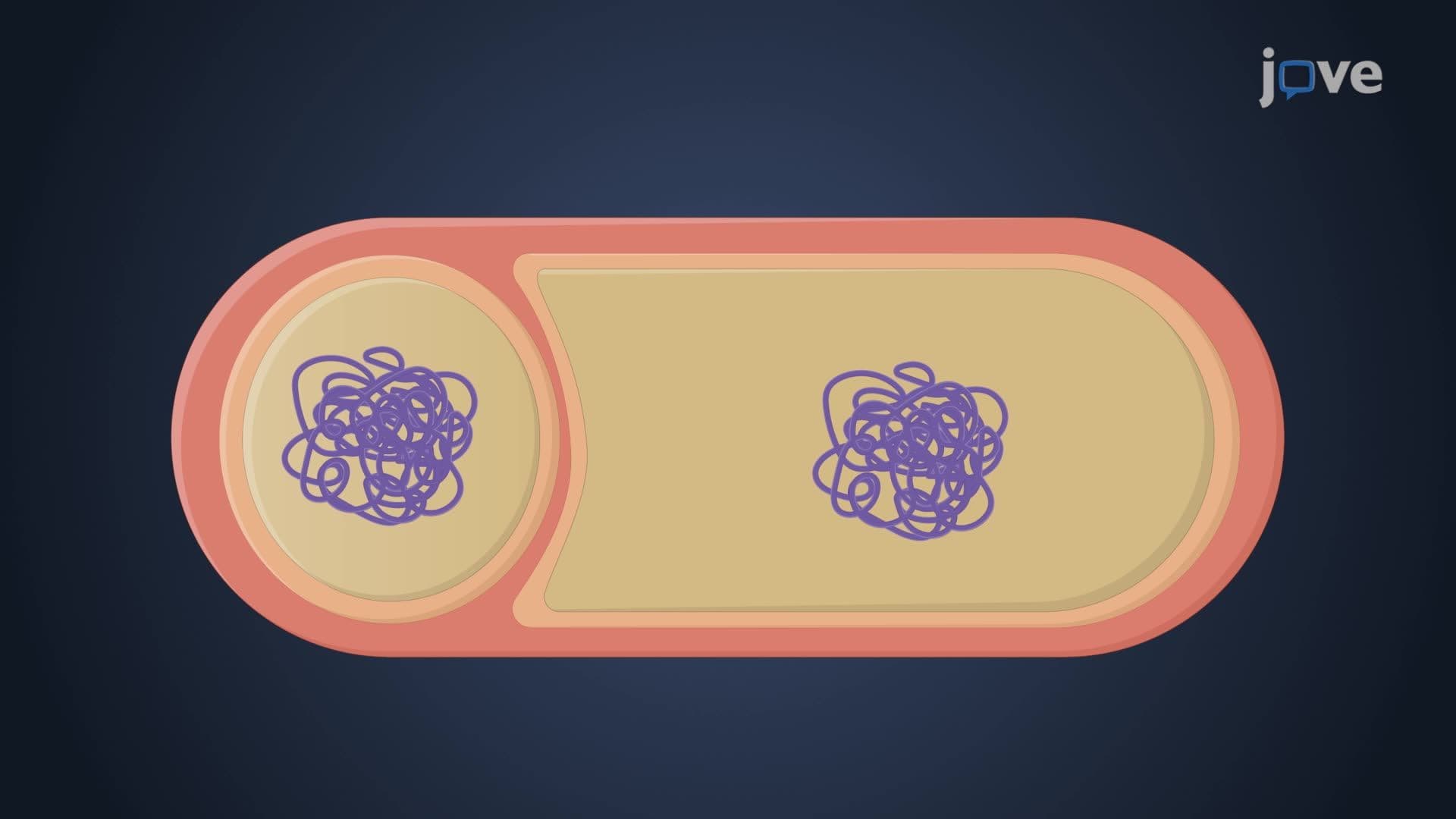
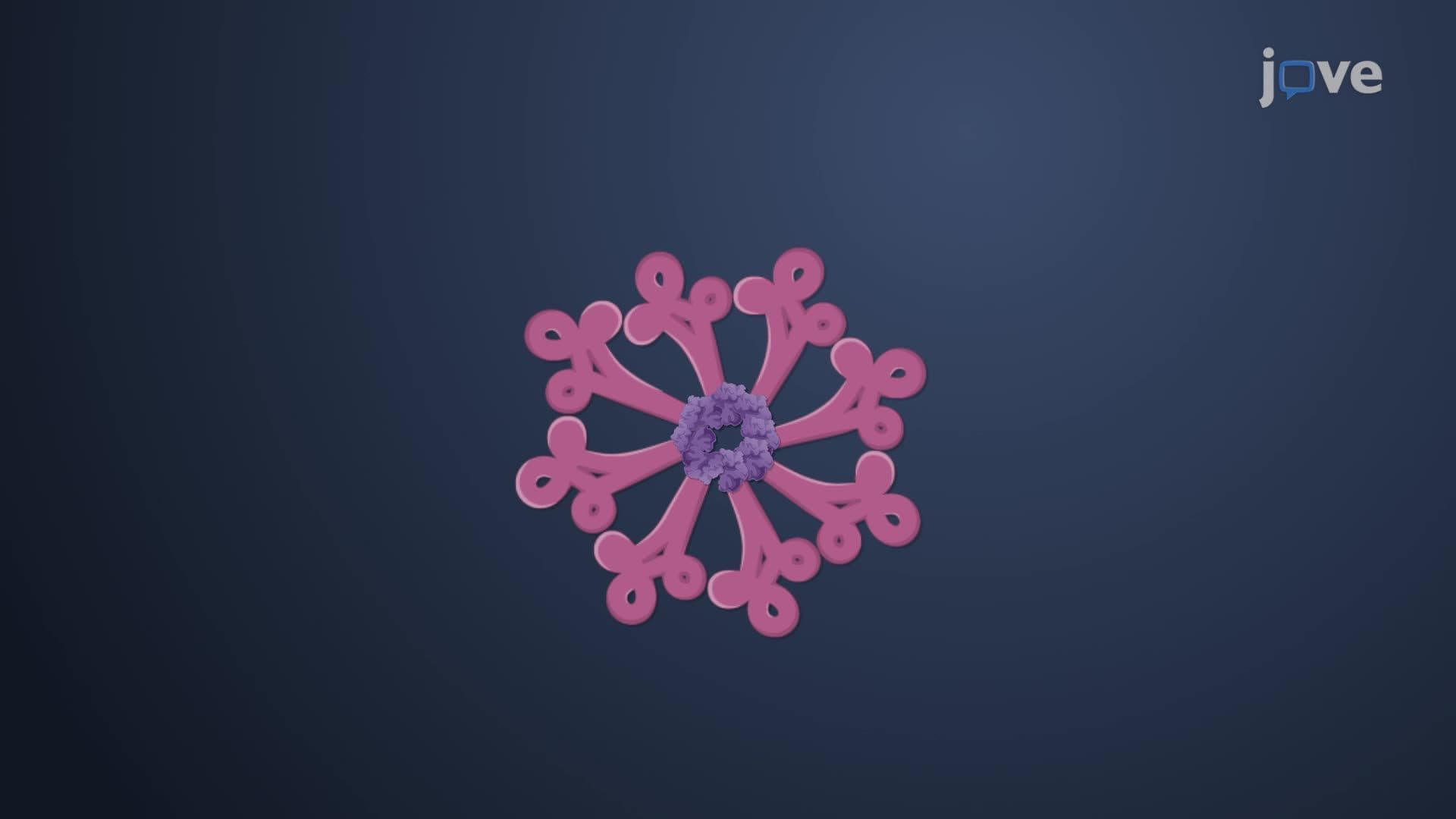
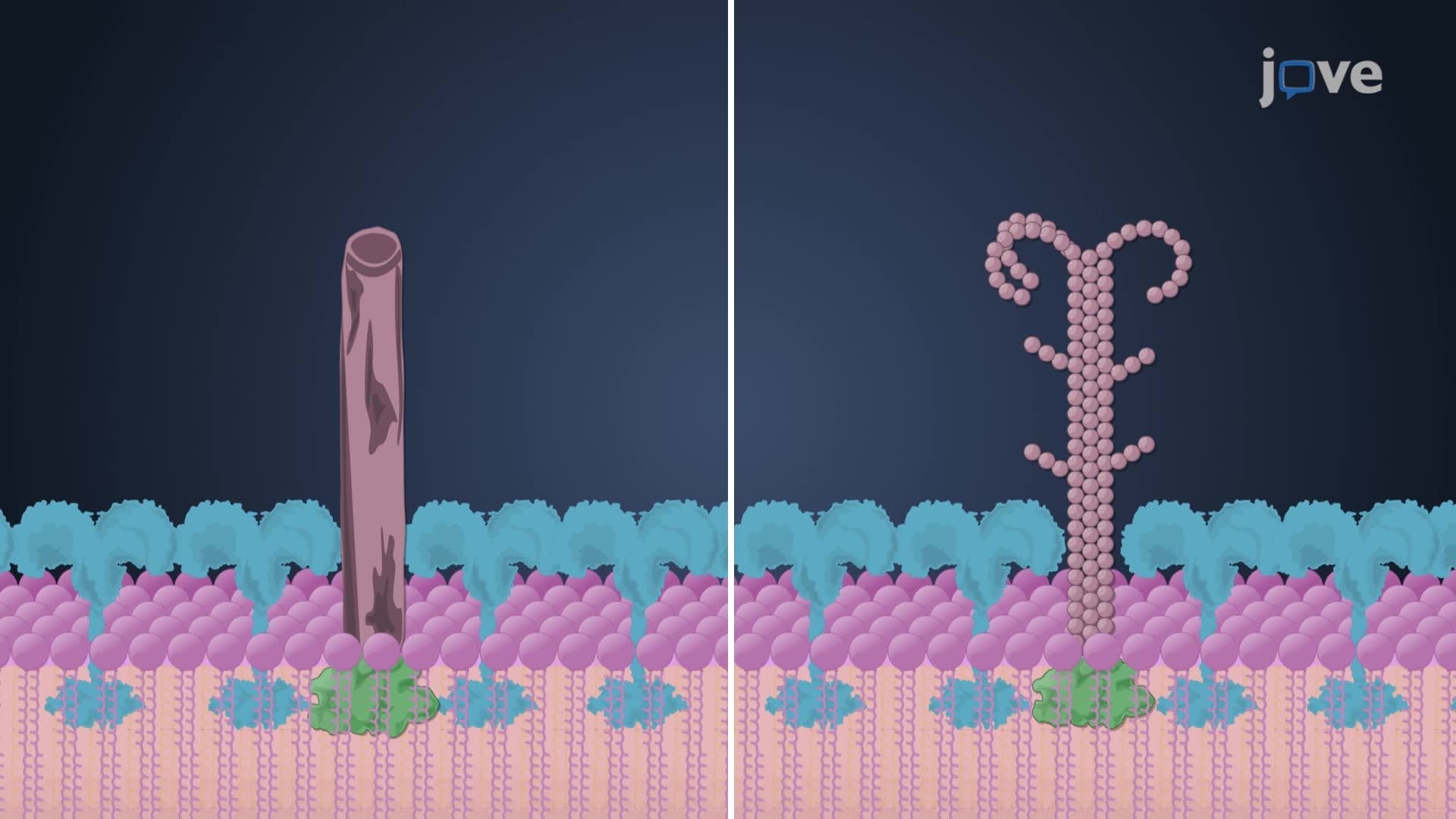
Peptidoglycan Synthesis

00:00
01:28
Video Summary: What Is Peptidoglycan Synthesis
Did you know that the antibiotics prescribed at your local CVS pharmacy specifically target the very process that builds bacterial cell walls? Peptidoglycan synthesis is the complex three-phase cellular process where bacteria construct their protective cell wall using sugar molecules and protein chains. Understanding this mechanism explains why penicillin effectively treats strep throat infections at American hospitals. Watch the full video on JoVE Coach to master this concept with expert-led visuals and step-by-step explanations.
- Understand what is peptidoglycan synthesis and its three distinct phases: cytoplasmic, membrane-associated, and periplasmic
- Identify the key building blocks NAG (N-acetylglucosamine) and NAM (N-acetylmuramic acid) and their glycosidic bond connections
- Analyze the role of UDP molecules and pentapeptide chains in the cytoplasmic phase of cell wall construction
- Recognize how Lipid I and Lipid II intermediates facilitate transport across bacterial membranes via flippase enzymes
- Evaluate the function of glycosyltransferases in forming the growing peptidoglycan chains during periplasmic synthesis
- Apply knowledge of transpeptidase activity in creating peptide cross-links between glycan chains
- Explore how bactoprenol phosphate serves as the lipid carrier throughout the synthesis process
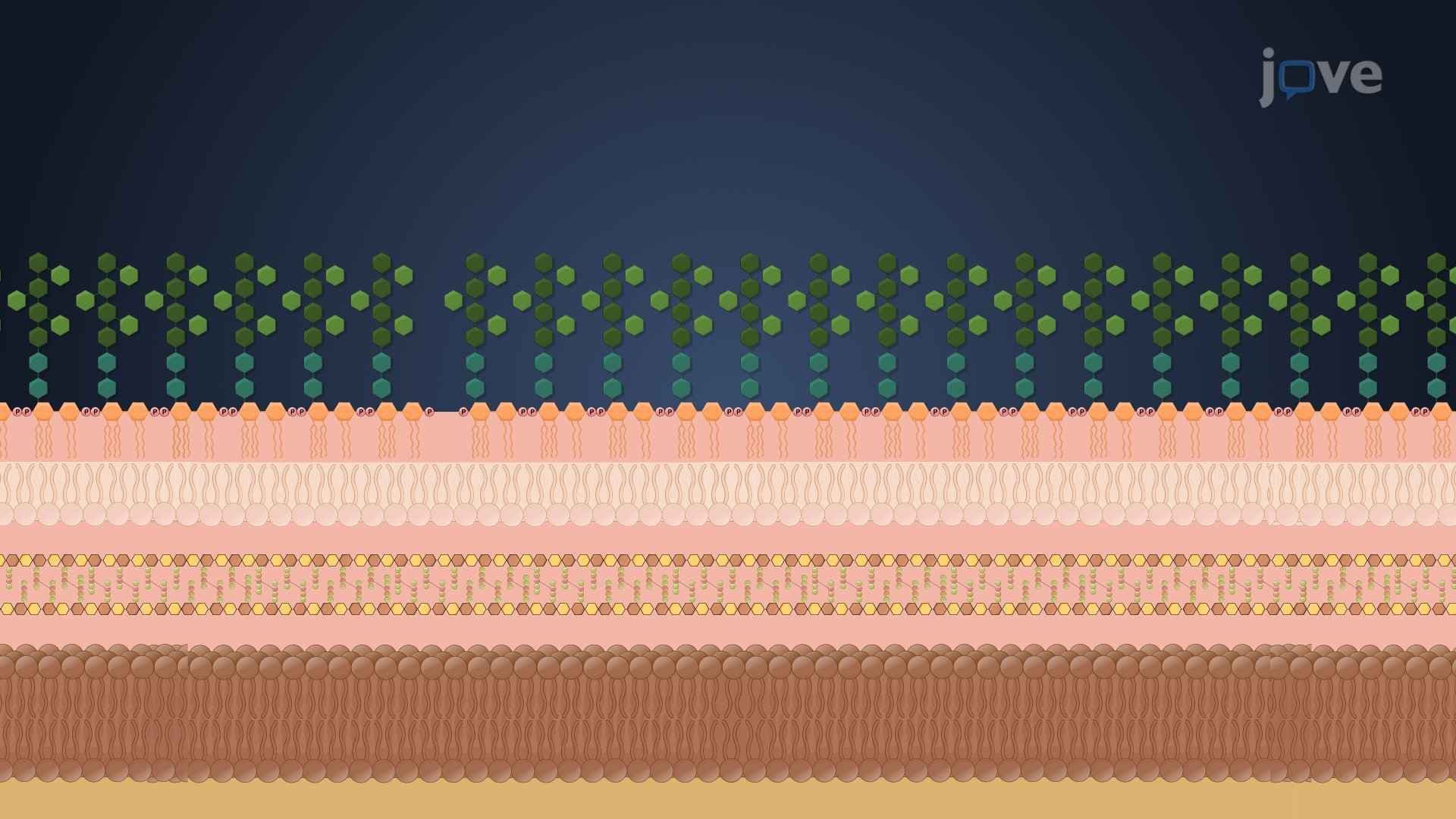
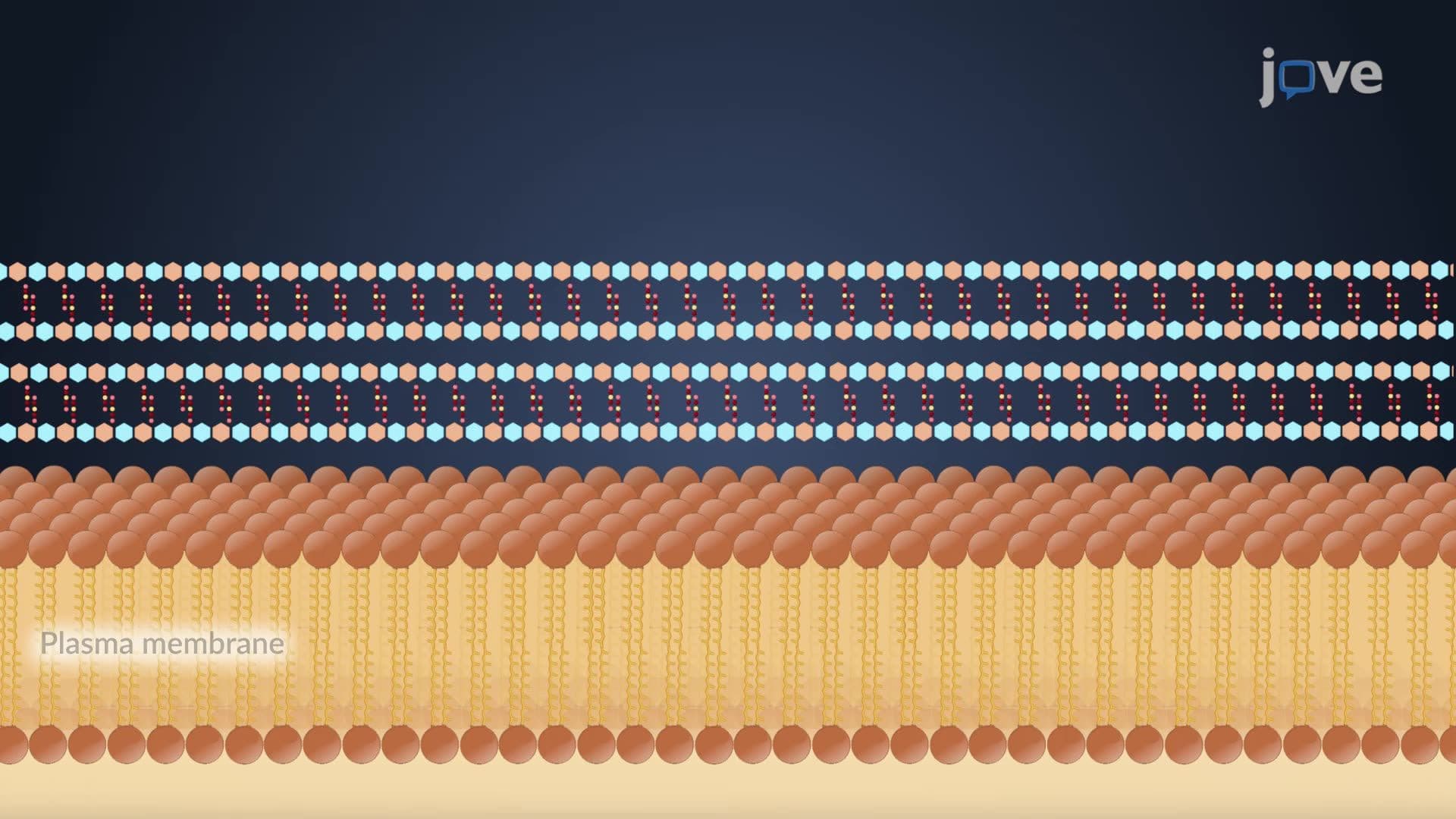
- Compare the structural organization of peptidoglycan layers in different bacterial cell wall types
Understanding Peptidoglycan Synthesis: The Foundation of Bacterial Cell Walls
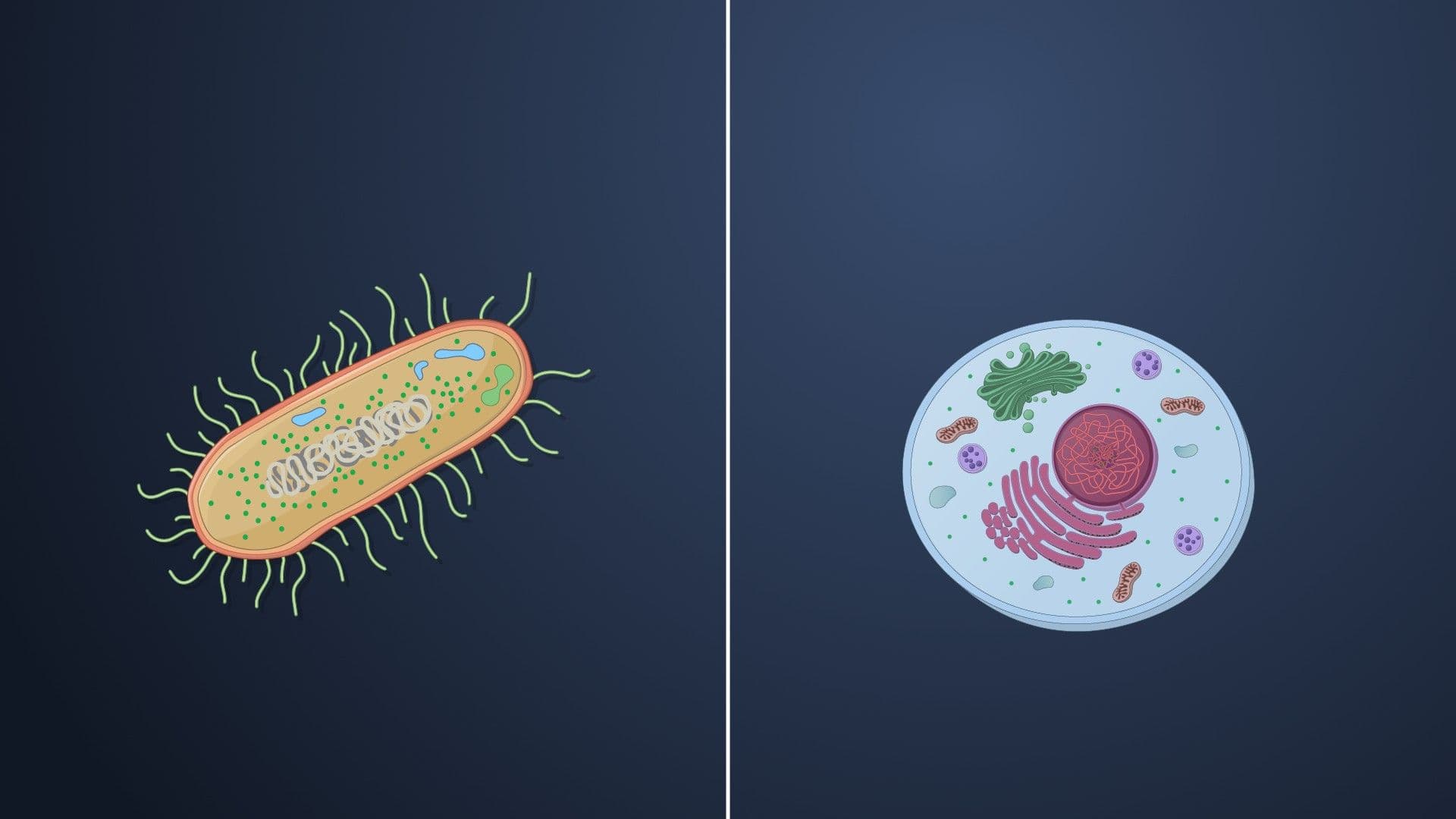
Peptidoglycan synthesis represents one of the most critical biosynthetic pathways in bacterial cells, serving as the primary mechanism for constructing the rigid cell wall that protects bacteria from environmental pressures. This process is particularly relevant for students preparing for the MCAT or AP Biology exams, where understanding bacterial cell structure and antibiotic mechanisms frequently appears in test questions.
Phase One: Cytoplasmic Assembly and Precursor Formation
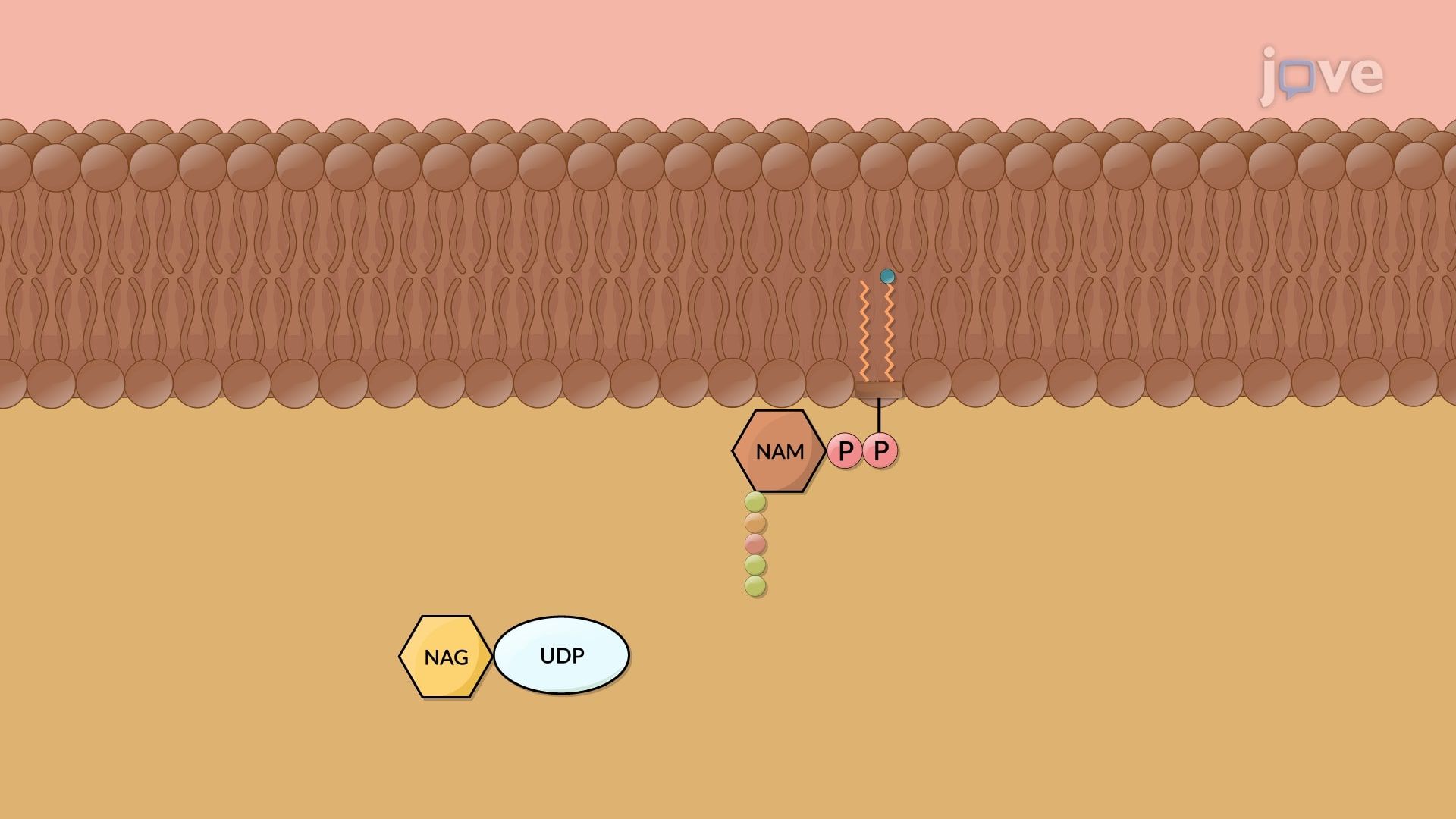
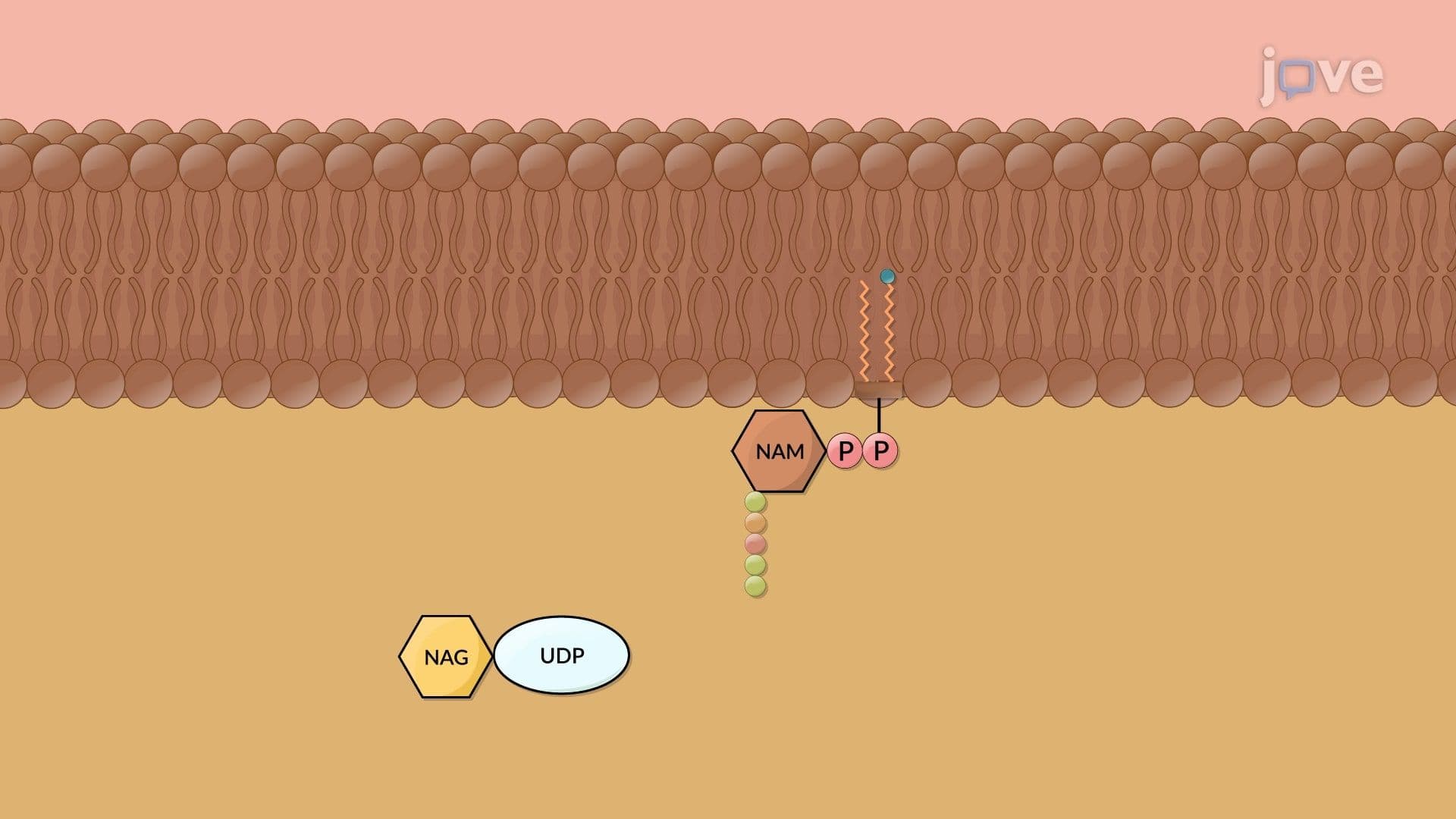
The cytoplasmic phase begins with the formation of nucleotide sugar precursors. UDP-NAG (uridine diphosphate-N-acetylglucosamine) serves as the starting material, which enzymatic processes convert to UDP-NAM (uridine diphosphate-N-acetylmuramic acid). The addition of a pentapeptide chain to UDP-NAM creates the UDP-NAM-pentapeptide complex, establishing the basic building block for cell wall construction. This phase occurs entirely within the bacterial cytoplasm and requires significant energy investment through ATP hydrolysis.
Phase Two: Membrane-Associated Transport and Lipid Intermediate Formation
The membrane-associated phase involves the crucial step of linking the NAM-pentapeptide to bactoprenol phosphate, creating Lipid I on the cytoplasmic side of the plasma membrane. The subsequent addition of NAG to Lipid I produces Lipid II, a complete peptidoglycan subunit attached to the lipid carrier. Flippase enzymes then transport Lipid II across the membrane to the periplasmic space, a process essential for delivering building materials to the site of cell wall assembly.
Phase Three: Periplasmic Cross-Linking and Final Assembly
In the periplasmic phase, glycosyltransferases catalyze the formation of glycosidic bonds, incorporating new NAG-NAM-pentapeptide units into the expanding peptidoglycan matrix. The final critical step involves transpeptidase enzymes, which create peptide cross-links between adjacent glycan chains while simultaneously releasing the completed chain from its bactoprenol carrier. This cross-linking process determines the final strength and integrity of the bacterial cell wall.
Students studying for college microbiology courses or preparing for healthcare professional exams like the NCLEX should recognize that this synthesis pathway represents the primary target for beta-lactam antibiotics like penicillin and cephalexin, commonly prescribed at American medical facilities for treating bacterial infections.
Frequently Asked Questions
Peptidoglycan synthesis is the three-phase process bacteria use to build their protective cell walls from sugar and protein components. This process is essential because it creates the rigid structure that prevents bacterial cells from bursting due to osmotic pressure. Without functional peptidoglycan synthesis, bacteria cannot survive in most environments, which explains why antibiotics targeting this pathway are so effective in treating infections.
MCAT questions frequently test peptidoglycan synthesis in the context of antibiotic mechanisms, bacterial resistance, and cellular processes. AP Biology exams often include this topic when covering prokaryotic cell structure and metabolism. Students should focus on understanding the three phases, key enzymes like transpeptidase, and how antibiotics like penicillin disrupt the synthesis process.
Transpeptidase represents the final and most critical step because it creates the cross-links that give peptidoglycan its strength. College microbiology exams emphasize this enzyme because it's the primary target of beta-lactam antibiotics. Understanding transpeptidase function helps explain antibiotic resistance mechanisms and bacterial cell wall integrity, topics frequently tested in upper-level coursework.
Knowledge of peptidoglycan synthesis directly explains how common antibiotics work in American healthcare settings. For example, when doctors prescribe amoxicillin for strep throat, the antibiotic specifically inhibits transpeptidase enzymes, preventing bacteria from completing cell wall synthesis. This understanding bridges classroom learning with real-world medical applications students encounter in clinical rotations or healthcare careers.
Not at all - while peptidoglycan synthesis involves multiple steps, breaking it into three clear phases makes it highly manageable for high school students. The key is focusing on the big picture: bacteria build cell walls in stages, moving materials from inside the cell to outside where final assembly occurs. Students who understand basic enzyme function and cellular transport can successfully master this concept.
Create a flowchart showing all three phases with key molecules and enzymes at each step, then practice explaining how antibiotics disrupt specific stages. Focus on memorizing the names and functions of major components like UDP-NAG, Lipid II, and transpeptidase. Most importantly, connect each step to its cellular location (cytoplasm, membrane, or periplasm) to understand the spatial organization of the process.
Students should next study bacterial cell wall variations between Gram-positive and Gram-negative bacteria, antibiotic resistance mechanisms, and other bacterial biosynthetic pathways. Understanding how different bacterial species modify their peptidoglycan structures provides deeper insight into microbial diversity and targeted antimicrobial therapy approaches used in American medical practice.
Related Micro-courses