Loading subject page…
- Microbiology
- Microbial Cell Structure and Function
- Fimbriae, Pili, and Axial Filaments
Micro-course: Microbial Cell Structure and Function
14,632 views
Learn key concepts and earn your certificate.

Fimbriae, Pili, and Axial Filaments

00:00
01:28
Video Summary: Fimbriae Pili and Axial Filaments Explained
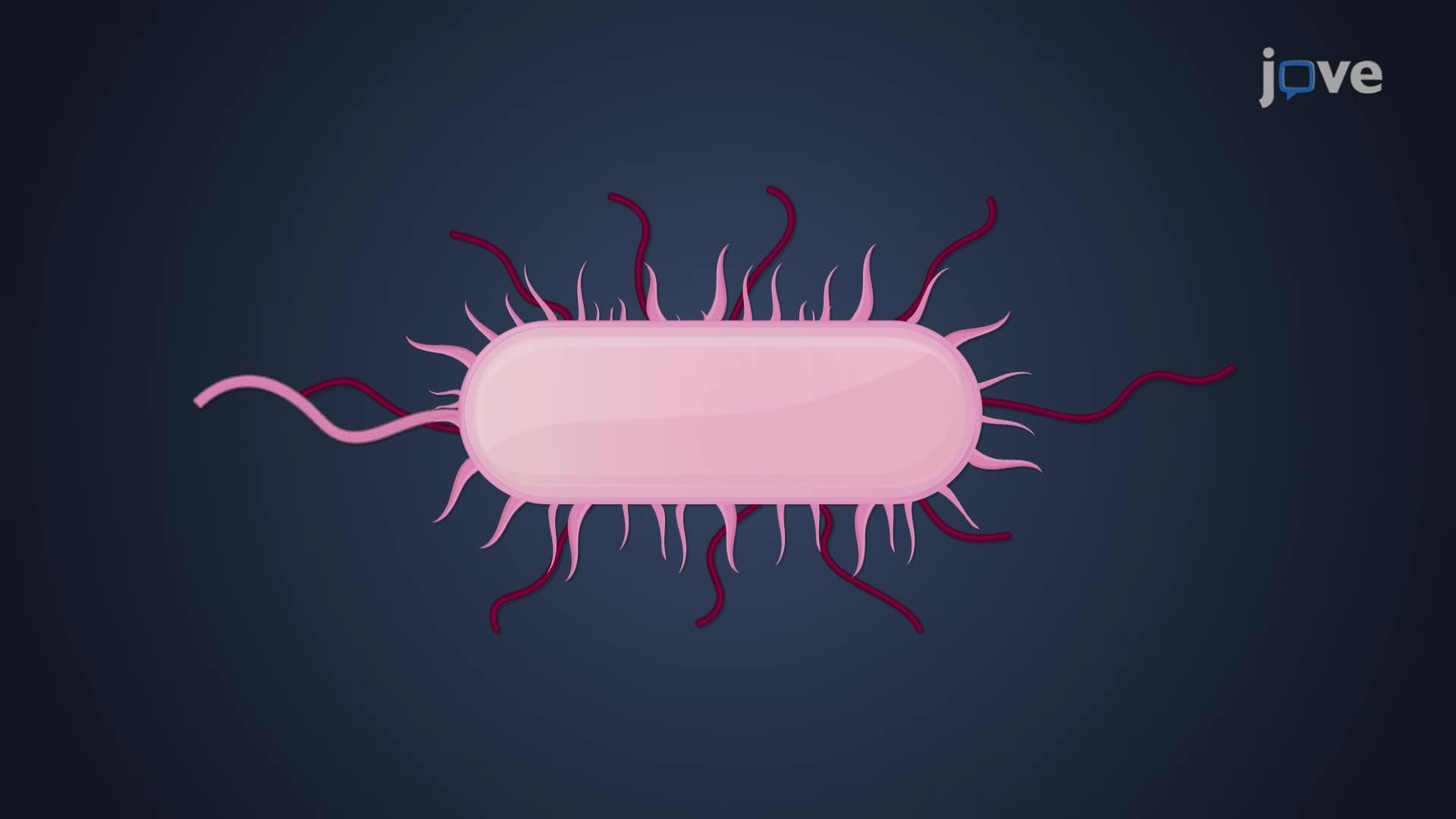
Ever wondered how bacteria stick to your teeth or cause urinary tract infections? Fimbriae pili and axial filaments are microscopic protein structures that help bacteria survive in the human body. For example, E. coli uses these hairlike appendages to attach to urinary tract walls, leading to painful infections. These bacterial structures enable adhesion, genetic transfer, and unique movement patterns that make pathogens remarkably successful. Watch the full video on JoVE Coach to master this concept with expert-led visuals and step-by-step explanations.
- Understand the structural differences and functions of fimbriae pili and axial filaments in bacterial cell biology
- Identify how fimbriae enable bacterial adhesion and biofilm formation on host tissues
- Analyze the role of conjugative pili in horizontal gene transfer between bacterial cells
- Compare Type IV pili's twitching motility to conventional flagellar movement
- Evaluate how axial filaments allow spirochetes to move through viscous environments
- Apply knowledge of bacterial adhesion structures to understand pathogenesis mechanisms
- Recognize the clinical significance of these structures in infectious diseases
- Explore how understanding these appendages aids in developing antimicrobial strategies
Understanding Fimbriae Pili And Axial Filaments Structure
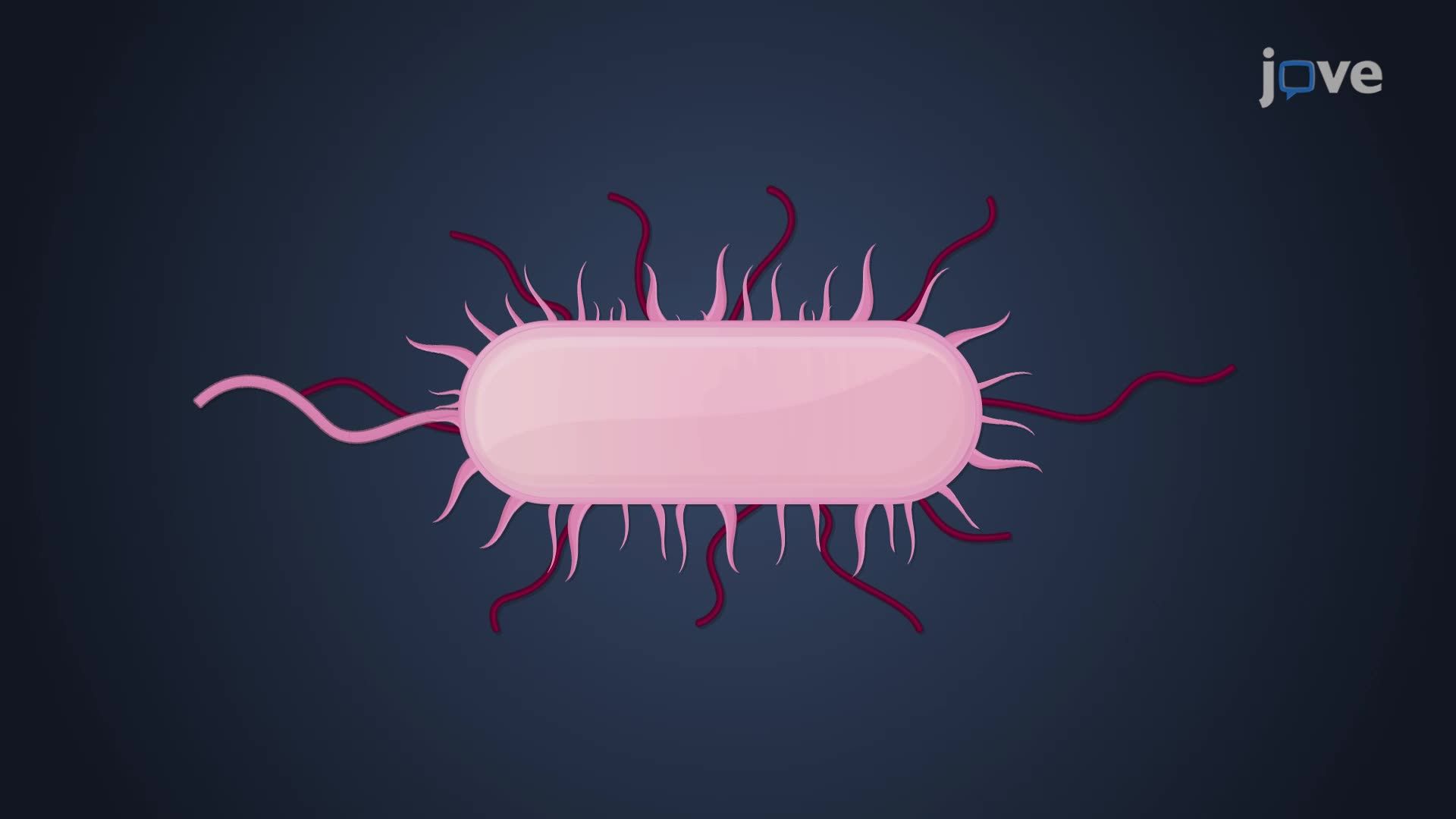
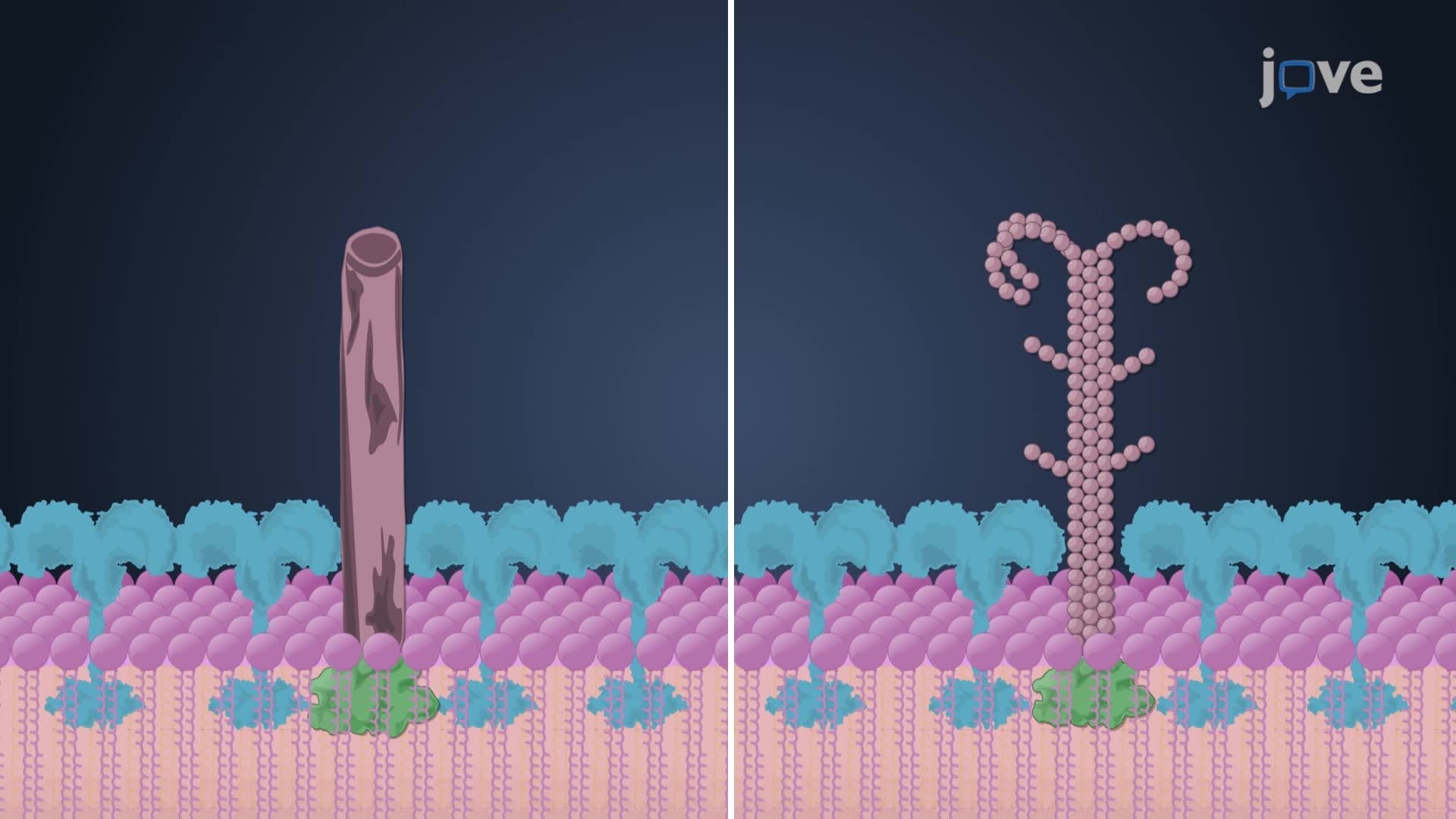
Bacterial cells possess sophisticated appendages that extend beyond their cell walls, serving critical functions in survival and pathogenesis. Fimbriae and pili are thin, proteinaceous structures composed primarily of pilin subunits, measuring 2-10 nanometers in diameter. These hairlike projections differ significantly from flagella in both structure and function, representing specialized adaptations for bacterial success in diverse environments.
Fimbriae: The Adhesion Specialists
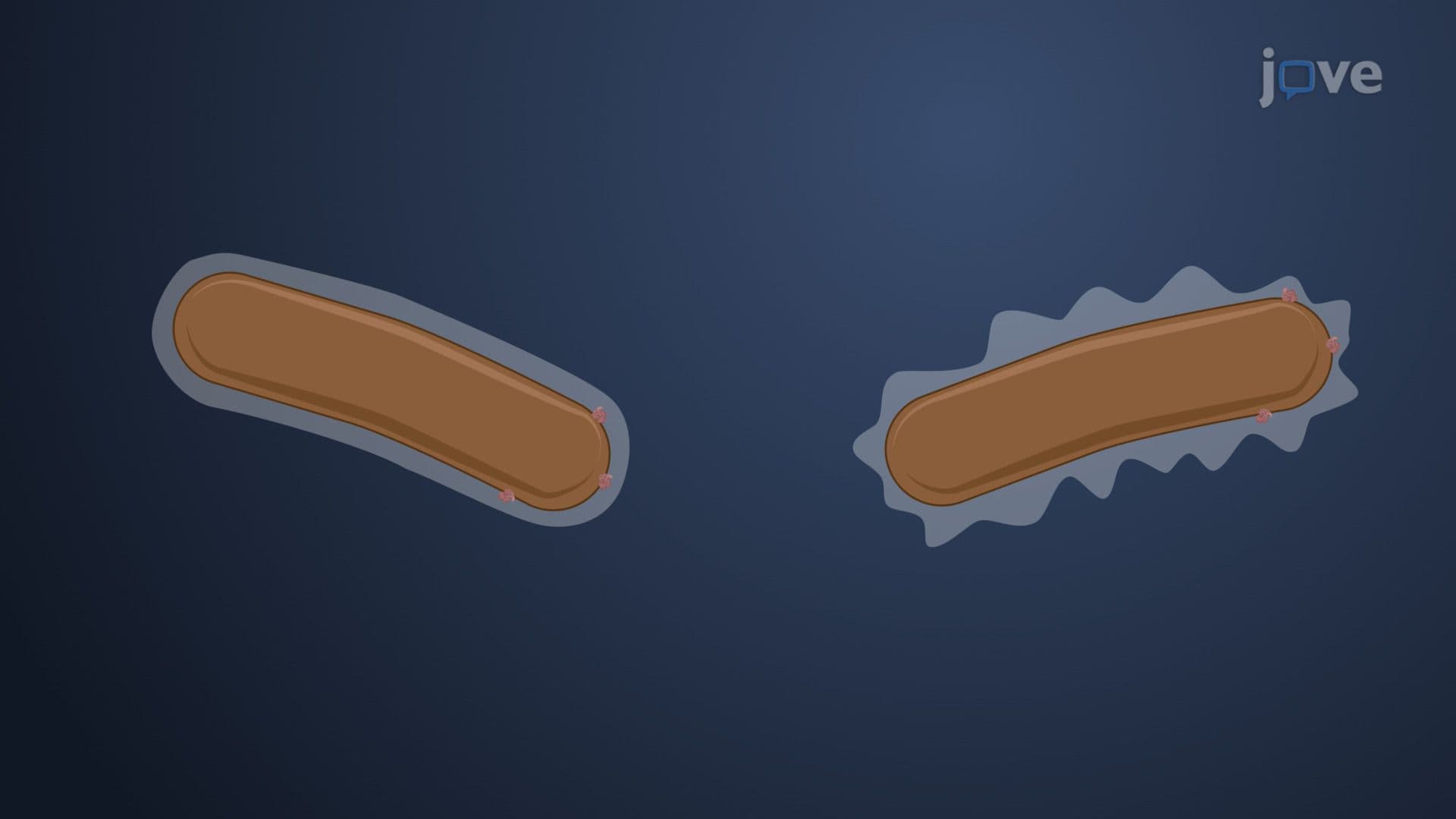
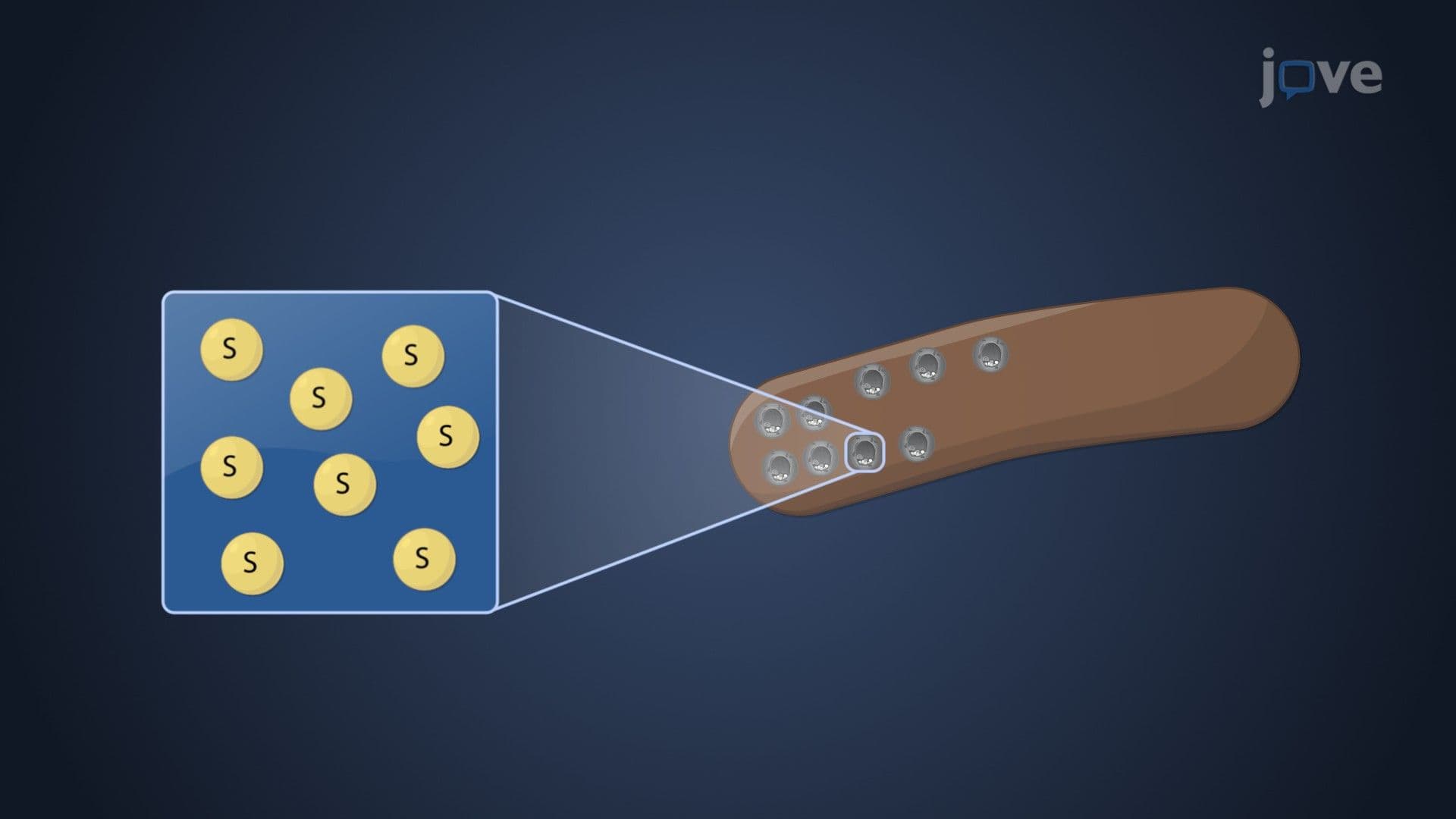
Fimbriae are numerous, short appendages that cover bacterial surfaces like microscopic velcro. These structures excel at mediating bacterial adhesion to both biotic and abiotic surfaces. In clinical settings, fimbriae play crucial roles in hospital-acquired infections when bacteria like Pseudomonas aeruginosa attach to medical devices such as catheters and ventilators. The adhesive properties of fimbriae also enable biofilm formation, creating protective bacterial communities that resist antibiotic treatment-a major concern in US healthcare facilities where biofilm-associated infections cost billions annually.
Pili: Multifunctional Bacterial Tools
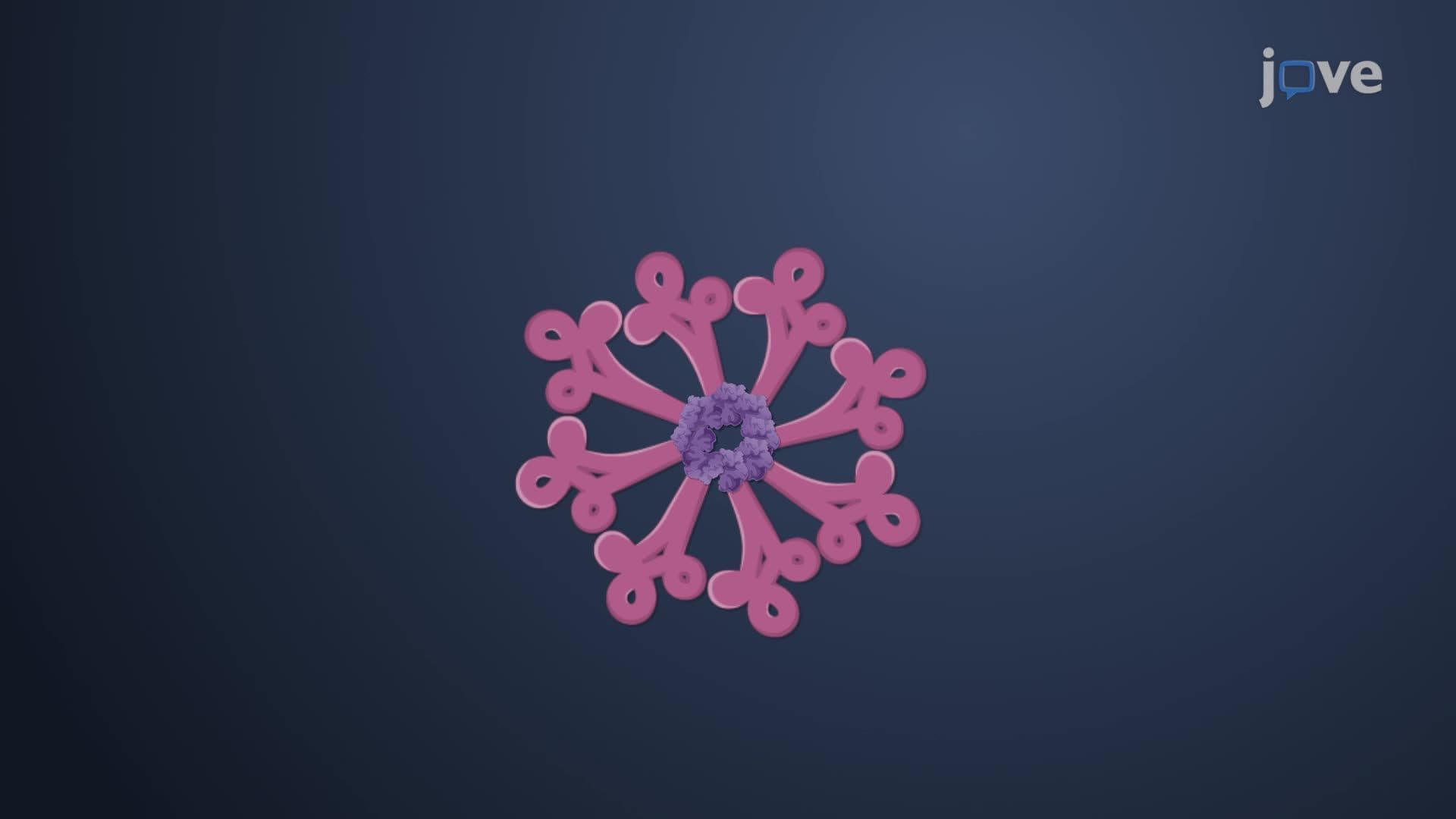
Pili are typically longer and less numerous than fimbriae but serve multiple specialized functions. Sex pili facilitate bacterial conjugation, allowing horizontal gene transfer that can spread antibiotic resistance genes throughout bacterial populations. This process has contributed significantly to the emergence of multidrug-resistant pathogens in US hospitals. Type IV pili enable twitching motility, allowing bacteria to crawl across surfaces through extension and retraction cycles. This movement mechanism helps pathogens like Neisseria gonorrhoeae navigate mucosal surfaces during infection establishment.
Axial Filaments: Spirochete Locomotion
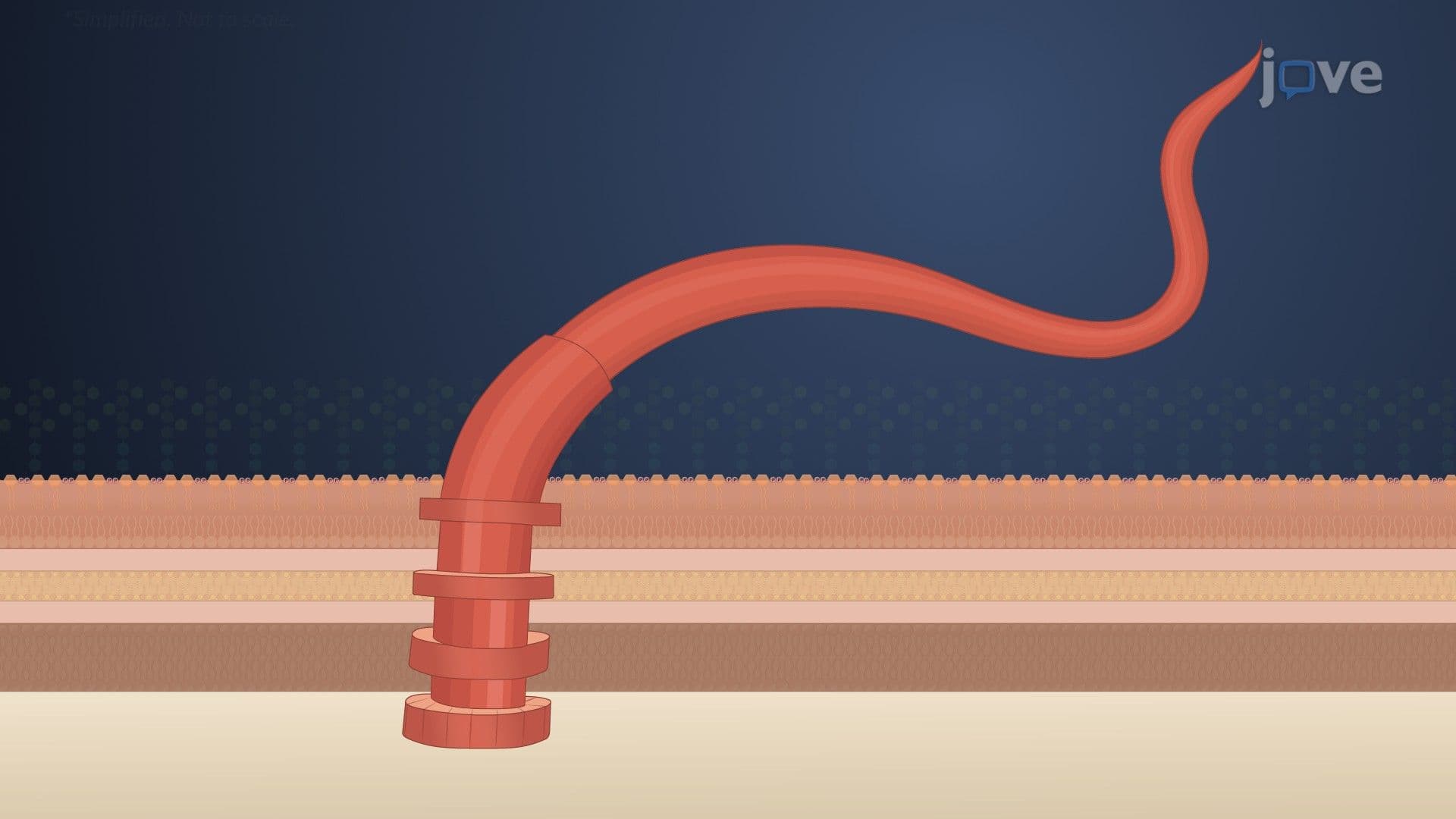
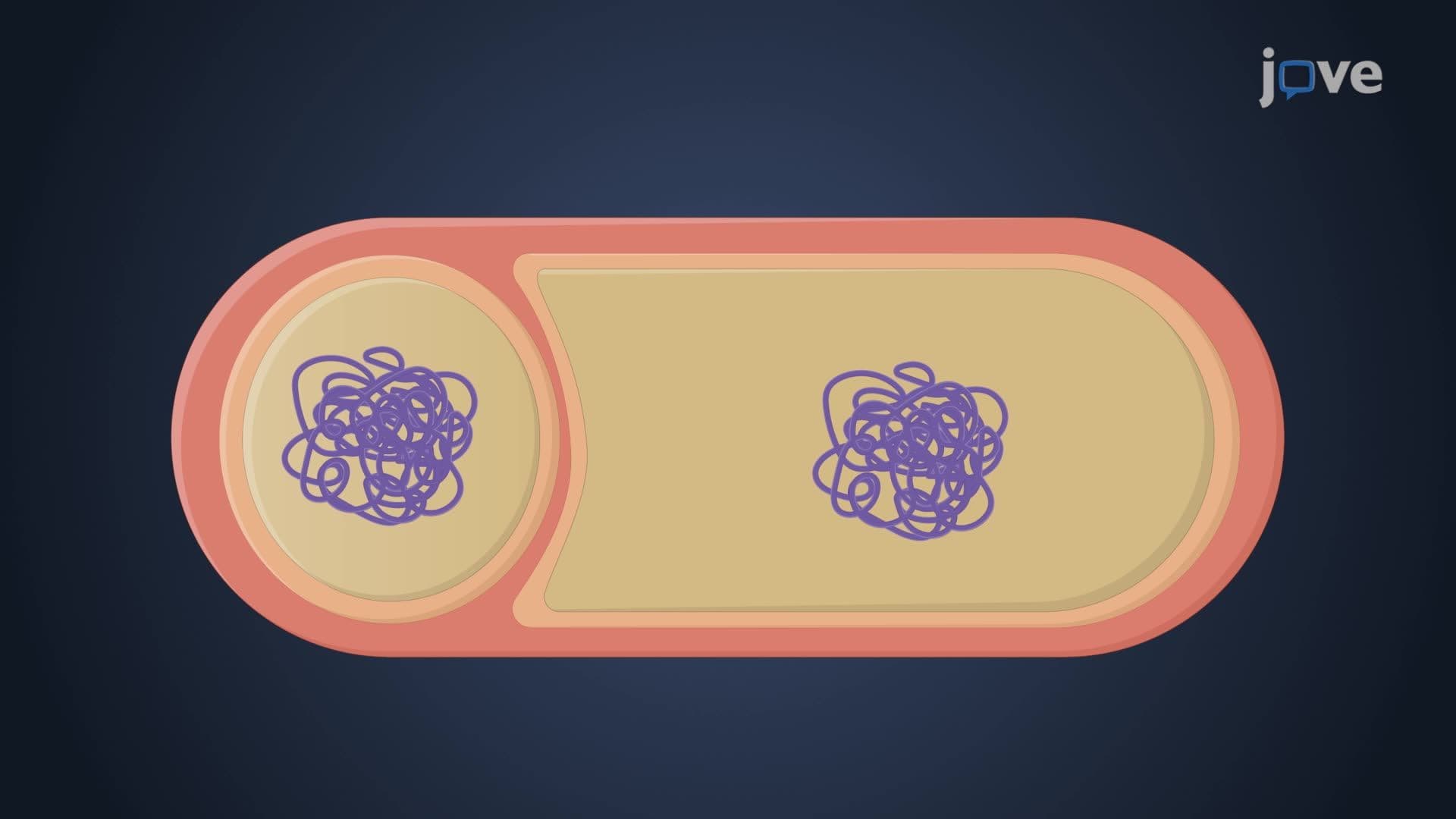
Axial filaments represent a unique locomotory system found exclusively in spirochetes like Treponema pallidum, the causative agent of syphilis. Located within the periplasmic space between the inner and outer membranes, these endoflagella create the characteristic corkscrew motion that allows spirochetes to penetrate viscous environments. This adaptation proves particularly effective in biological fluids, enabling these pathogens to cross tissue barriers and establish systemic infections.
Students preparing for the MCAT or AP Biology exams should focus on understanding how these structures contribute to bacterial pathogenesis and antibiotic resistance-topics frequently tested in microbiology sections.
Frequently Asked Questions
These are protein-based appendages extending from bacterial surfaces that enable adhesion, genetic transfer, and specialized movement. Fimbriae and pili are external hairlike structures made of pilin protein, while axial filaments are internal locomotory structures found in spirochetes. Together, they represent key virulence factors in many pathogenic bacteria.
MCAT questions often test understanding of how fimbriae enable bacterial adhesion and biofilm formation in clinical scenarios. You'll likely see passages about antibiotic resistance spread through pili-mediated conjugation. Focus on connecting structure to function and understanding their roles in pathogenesis for infectious disease questions.
AP Biology emphasizes distinguishing fimbriae (numerous, short, adhesive) from pili (fewer, longer, multiple functions including genetic transfer). Axial filaments are tested as specialized locomotory structures in spirochetes. Practice identifying these structures in electron microscopy images and explaining their adaptive significance.
Fimbriae allow bacteria to attach to medical devices like catheters and ventilators, leading to biofilm formation that resists antibiotic treatment. Pili facilitate the spread of antibiotic resistance genes between bacteria in hospital environments. Understanding these mechanisms helps explain why device-associated infections are so persistent in healthcare settings.
Not at all-these structures represent fundamental bacterial biology concepts taught in high school microbiology and AP Biology courses. Start by understanding basic structure-function relationships, then build toward clinical applications. The key is connecting molecular structure to observable bacterial behaviors like adhesion and movement.
Create comparison charts highlighting structure, location, and function differences between fimbriae, pili, and axial filaments. Use clinical examples like UTI-causing E. coli (fimbriae), antibiotic resistance spread (pili), and syphilis infection (axial filaments) to anchor abstract concepts in memorable scenarios.
Explore bacterial biofilm formation, horizontal gene transfer mechanisms, and antibiotic resistance development. Understanding flagellar structure and chemotaxis also complements knowledge of axial filaments. These topics frequently connect in advanced microbiology and medical school coursework.
Related Micro-courses