Loading subject page…

14,633 views

Video Summary: What Is Endospores and Sporulation
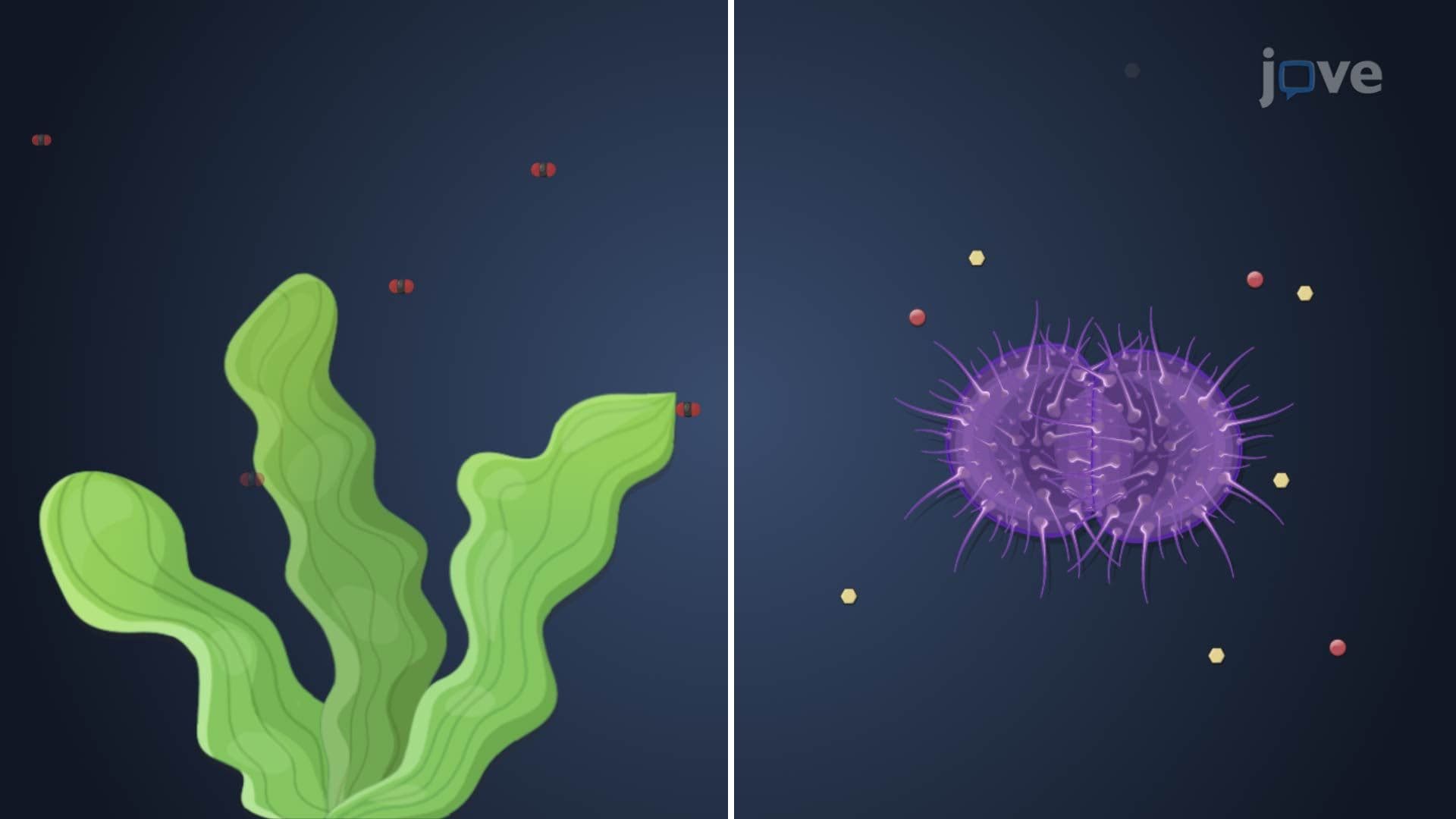
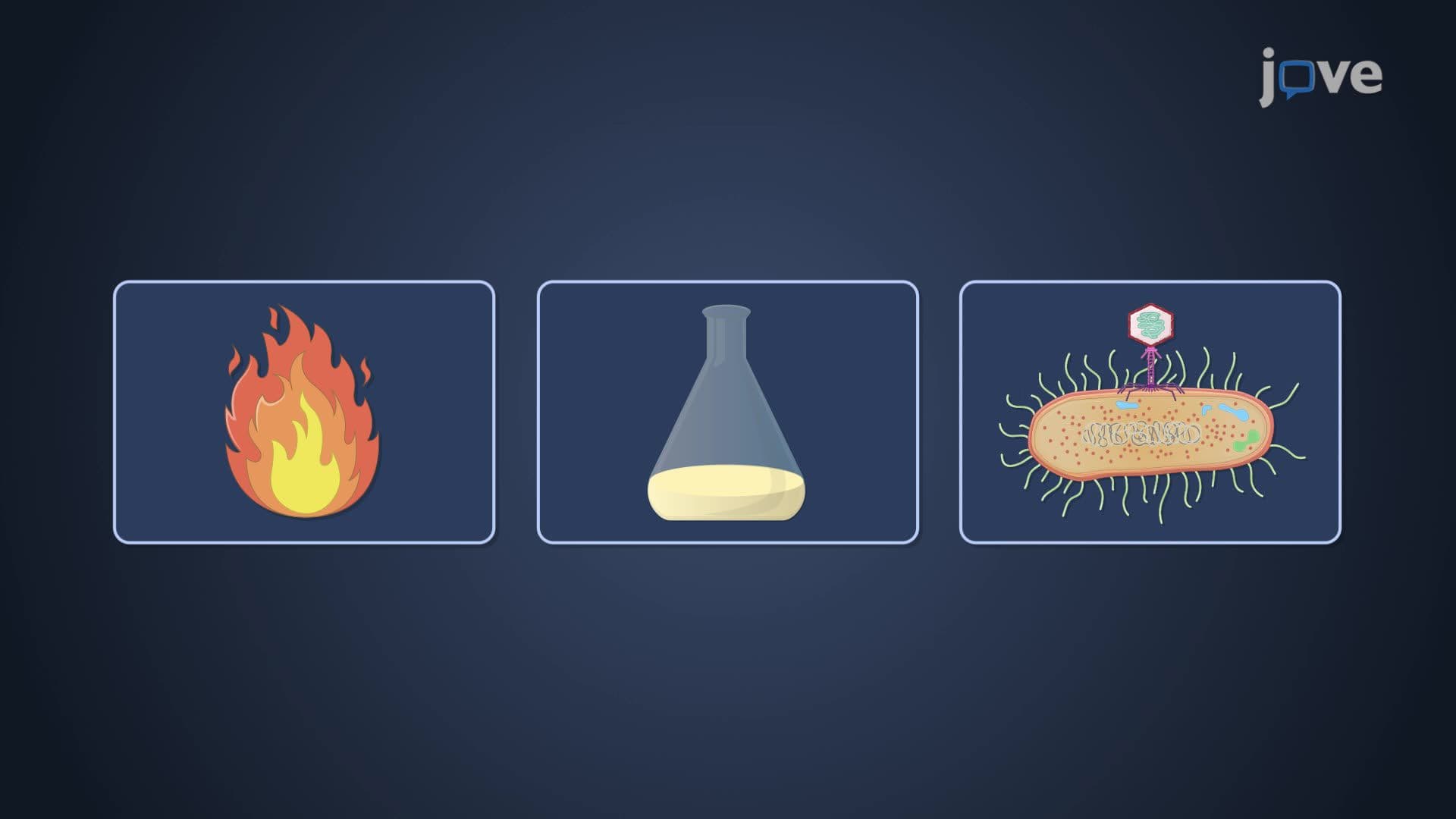
Ever wonder how some bacteria can survive being boiled for hours or exposed to deadly radiation? Endospores sporulation is the remarkable survival mechanism that allows certain bacteria to endure extreme conditions that would kill virtually any other living organism. For instance, Bacillus anthracis endospores can survive in soil for decades, which is why anthrax remains a concern in biodefense. Understanding what is endospores and sporulation reveals one of nature's most sophisticated cellular protection systems. Watch the full video on JoVE Coach to master this concept with expert-led visuals and step-by-step explanations.
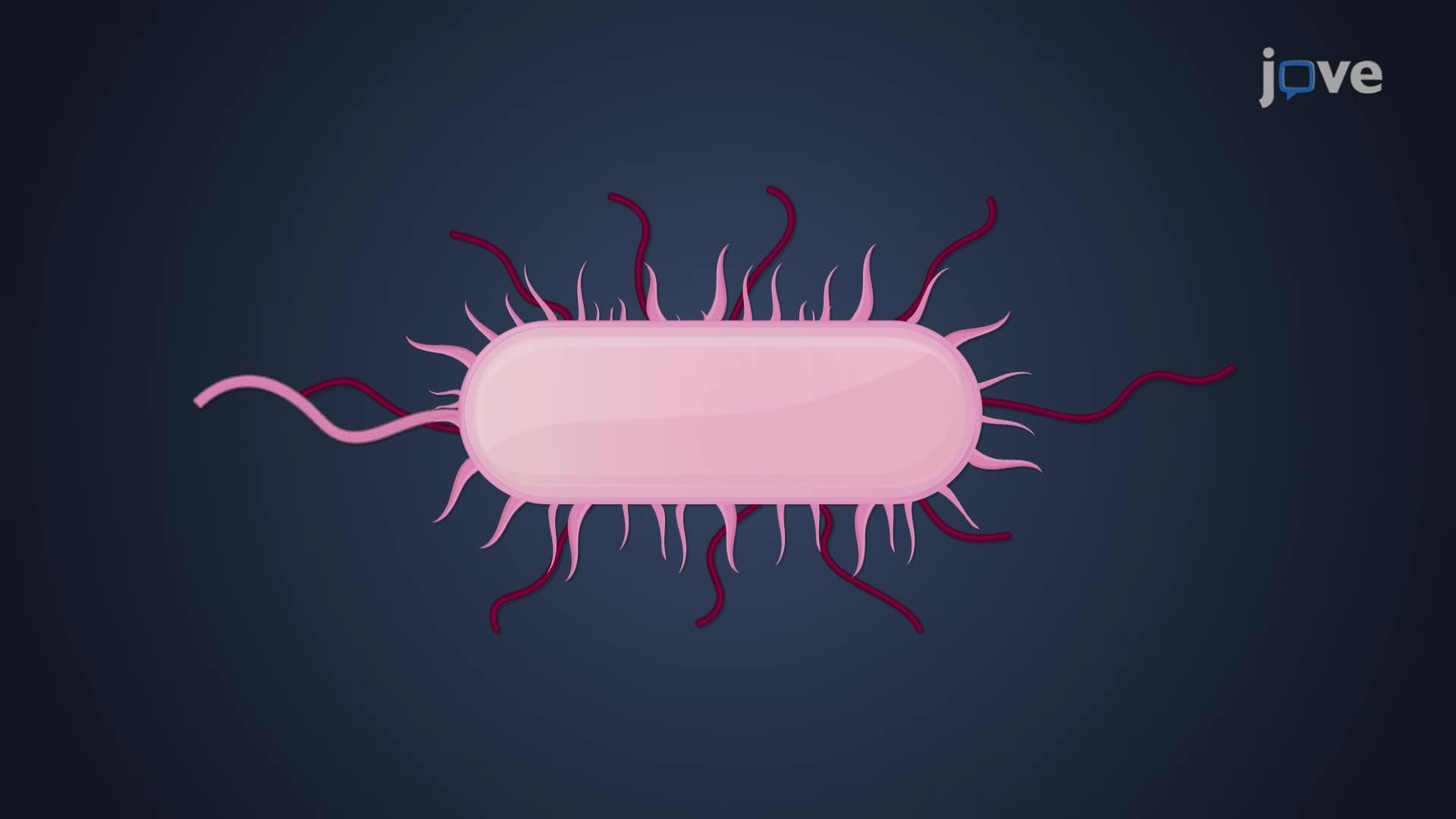
Endospores represent one of the most remarkable survival strategies in the biological world. These highly specialized, dormant cellular structures allow certain bacteria-primarily gram-positive species like Bacillus and Clostridium-to withstand conditions that would instantly destroy most living organisms. The endospores sporulation process transforms actively growing bacteria into nearly indestructible survival capsules that can remain viable for decades or even centuries.
The extraordinary resilience of endospores stems from their unique molecular composition and structural organization. At the core lies the calcium-dipicolinic acid (CaDPA) complex, which can comprise up to 15% of the endospore's dry weight. This compound serves dual critical functions: it dramatically reduces the water content within the spore core to as low as 10-30% of normal cellular levels, and it stabilizes DNA by replacing water molecules that would normally surround the genetic material. This dehydration is so extreme that it essentially freezes all metabolic processes, creating a state of suspended animation.
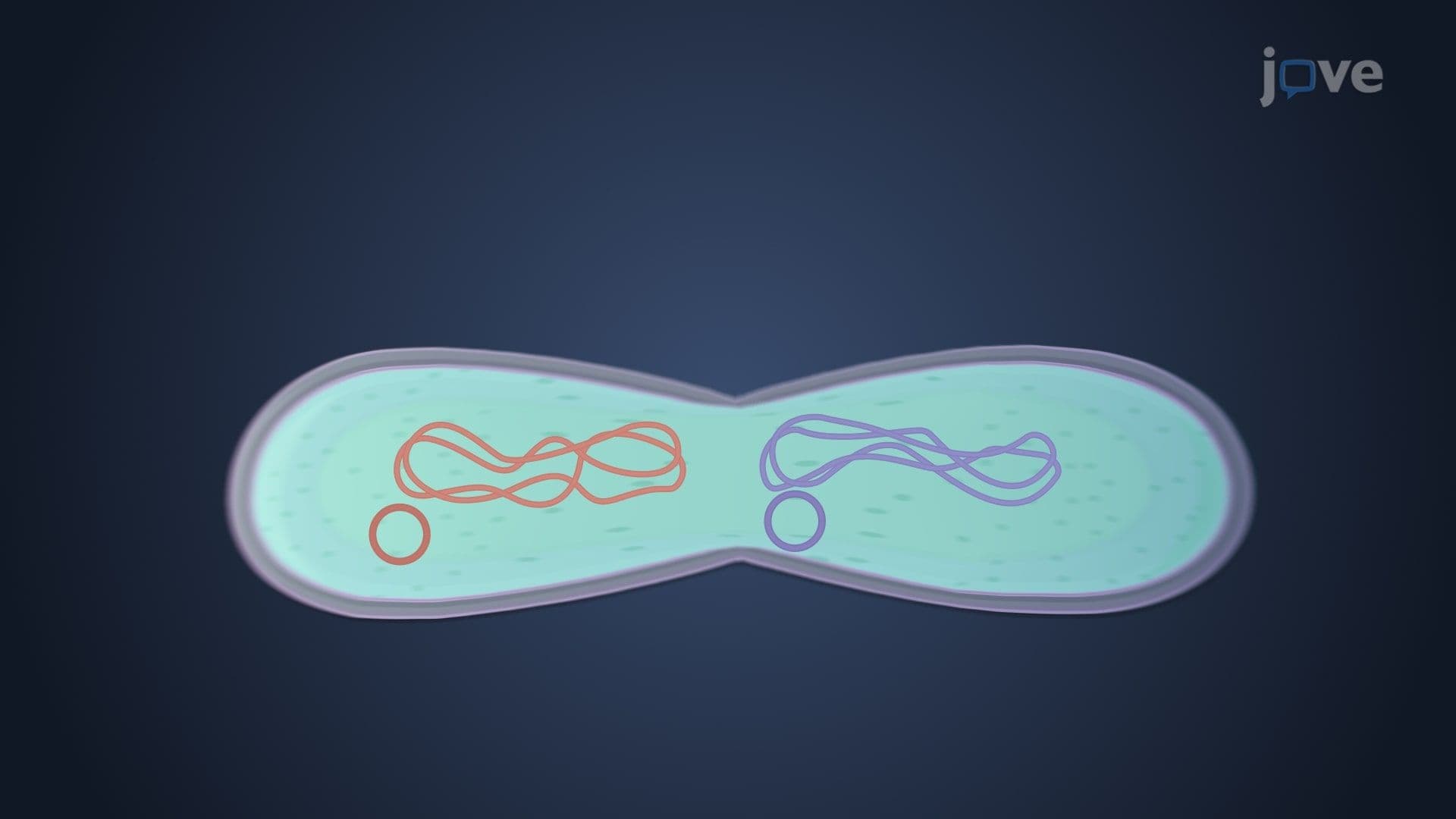
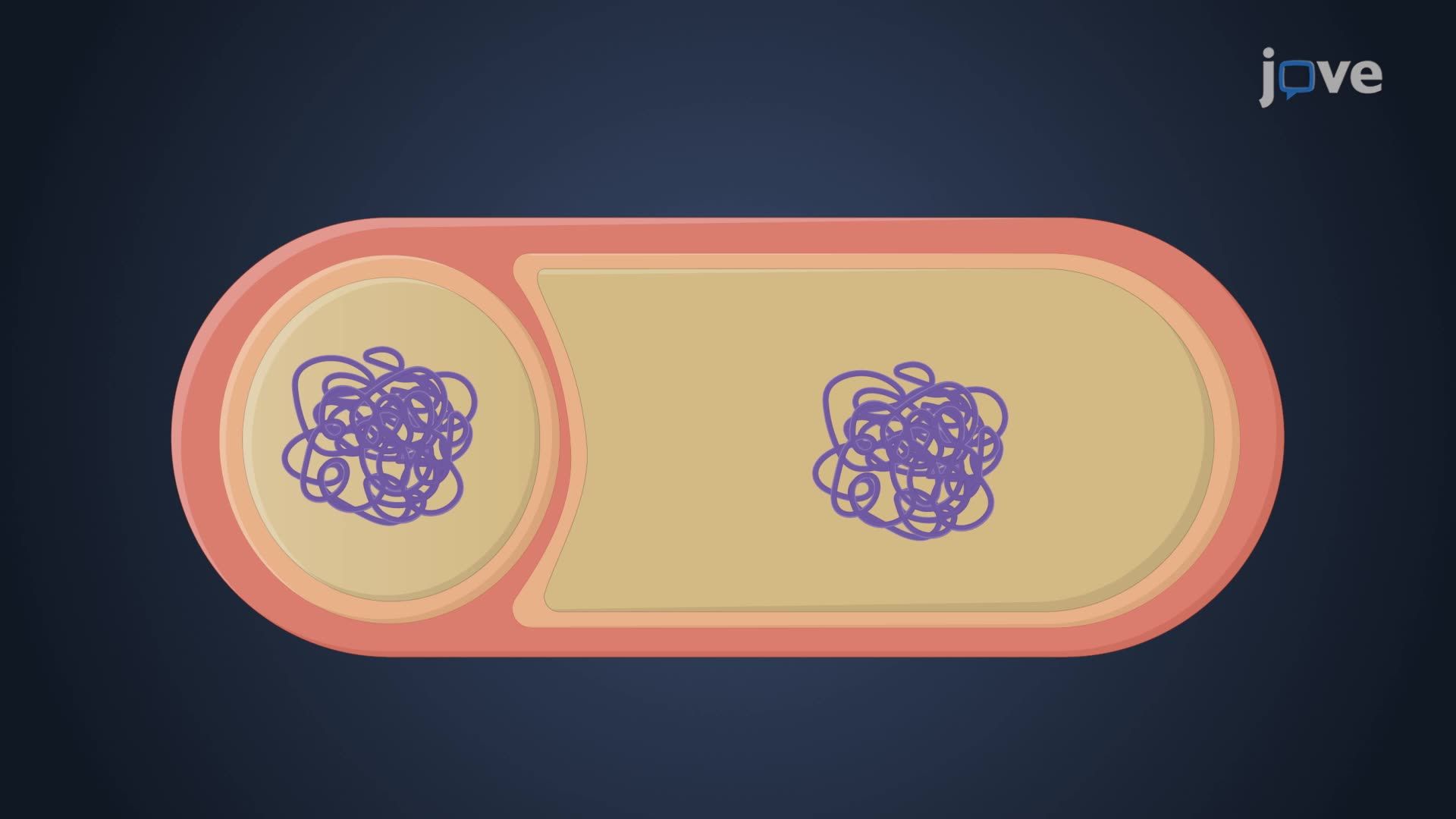
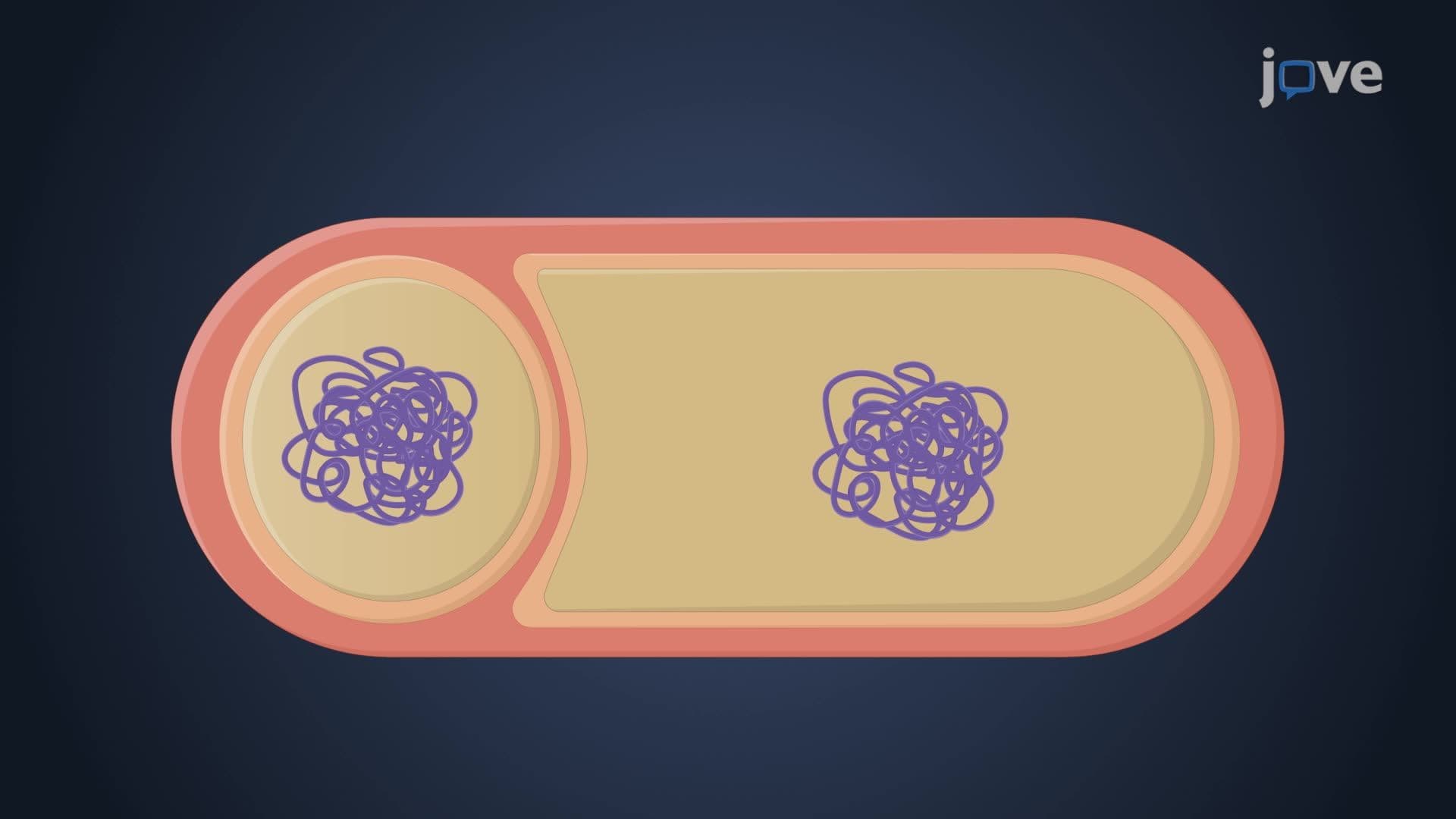
Sporulation begins when bacteria encounter environmental stress signals such as nutrient depletion, extreme temperatures, or chemical toxins. The process involves a carefully orchestrated sequence of events spanning approximately 8 hours in laboratory conditions. Following DNA replication, the cell undergoes asymmetric division, creating two unequal compartments: the larger mother cell and the smaller forespore. The forespore becomes encased within the mother cell through a process called engulfment, resulting in a unique "cell within a cell" structure surrounded by two membranes.
Understanding endospores and sporulation carries significant implications for healthcare, food safety, and biodefense in the United States. Clostridium difficile endospores contribute to hospital-acquired infections because they resist standard alcohol-based sanitizers, requiring specific sporicidal disinfectants. In food science, Bacillus cereus endospores can survive cooking temperatures, leading to foodborne illness outbreaks. Students preparing for the MCAT or AP Biology exams should recognize that endospore-forming bacteria require specialized sterilization methods like autoclaving (121°C for 15 minutes) rather than simple boiling. This concept frequently appears in microbiology coursework and standardized exams, particularly in questions about bacterial classification, survival mechanisms, and infection control protocols.
Related Micro-courses