Loading subject page…

- Microbiology
- Microbial Cell Structure and Function
- Outer Layers of the Cell Envelope
Micro-course: Microbial Cell Structure and Function
14,631 views
Learn key concepts and earn your certificate.


Outer Layers of the Cell Envelope


00:00
01:18
Video Summary: What Is Outer Layers Cell Envelope
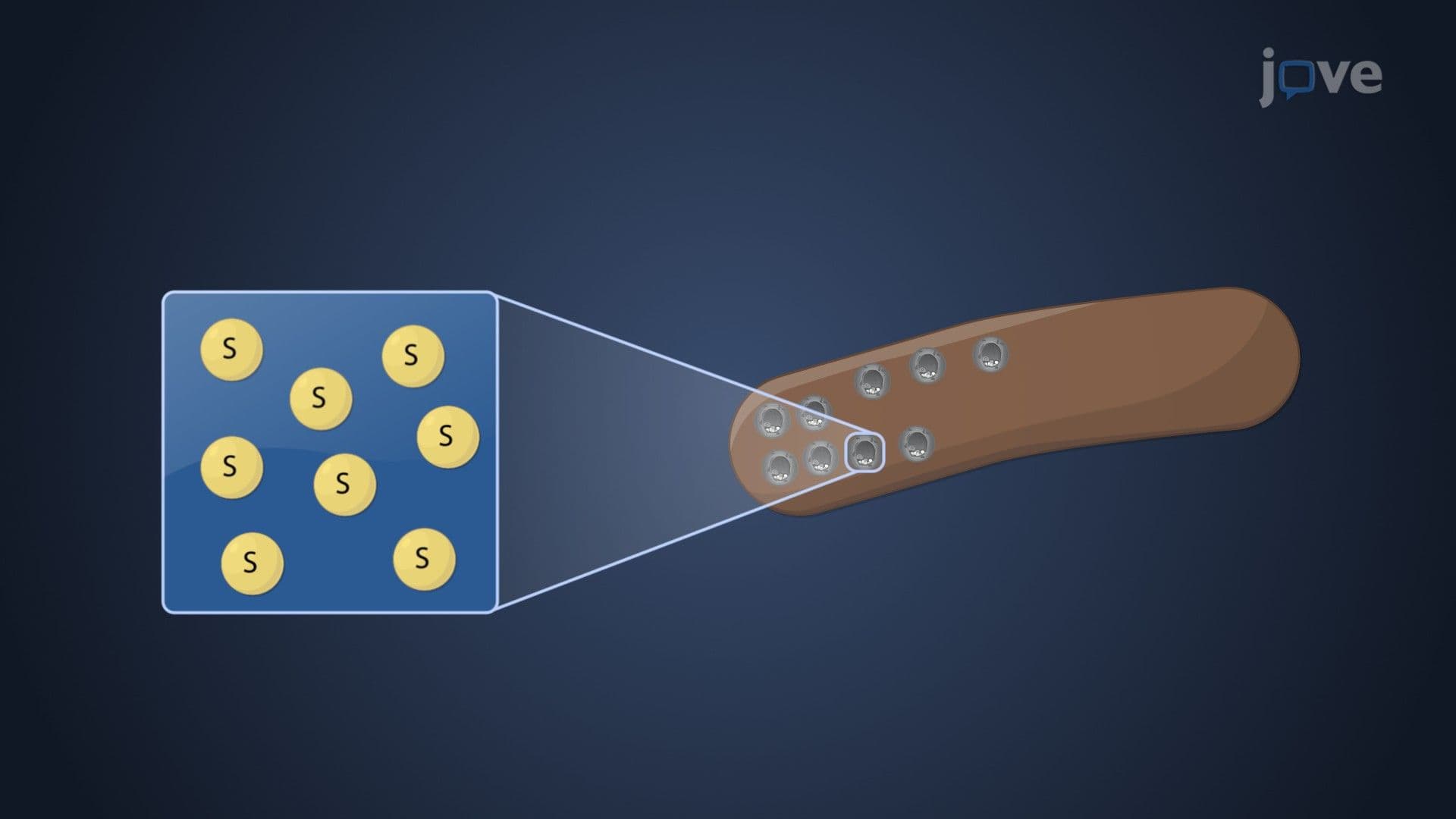
Did you know that some of the deadliest bacterial infections, like anthrax outbreaks that have threatened US public health, succeed because bacteria wear protective "armor" outside their cell walls? The outer layers cell envelope consists of capsules and slime layers that shield prokaryotes from immune system attacks and environmental threats. These polysaccharide structures, along with crystalline S-layers, determine whether bacteria like *Streptococcus mutans* can stick to your teeth and cause cavities. Watch the full video on JoVE Coach to master this concept with expert-led visuals and step-by-step explanations.
- Understand what is outer layers cell envelope and distinguish between capsules, slime layers, and S-layers in prokaryotic cells
- Identify the structural differences between highly organized capsules and loosely arranged slime layers in bacterial cell envelopes
- Compare the protective functions of outer layers in bacteria versus archaea, including osmotic protection and immune evasion
- Analyze how capsules enhance bacterial virulence by preventing phagocytosis and protecting against host immune responses
- Evaluate the role of outer cell envelope layers in biofilm formation and bacterial adhesion to surfaces
- Apply knowledge of outer layer functions to explain real-world infections like dental caries and anthrax pathogenesis
- Recognize the clinical significance of encapsulated bacteria in medical diagnosis and treatment strategies
- Explore how S-layer proteins provide structural support and environmental protection in different prokaryotic species
Understanding the Outer Layers Cell Envelope Structure
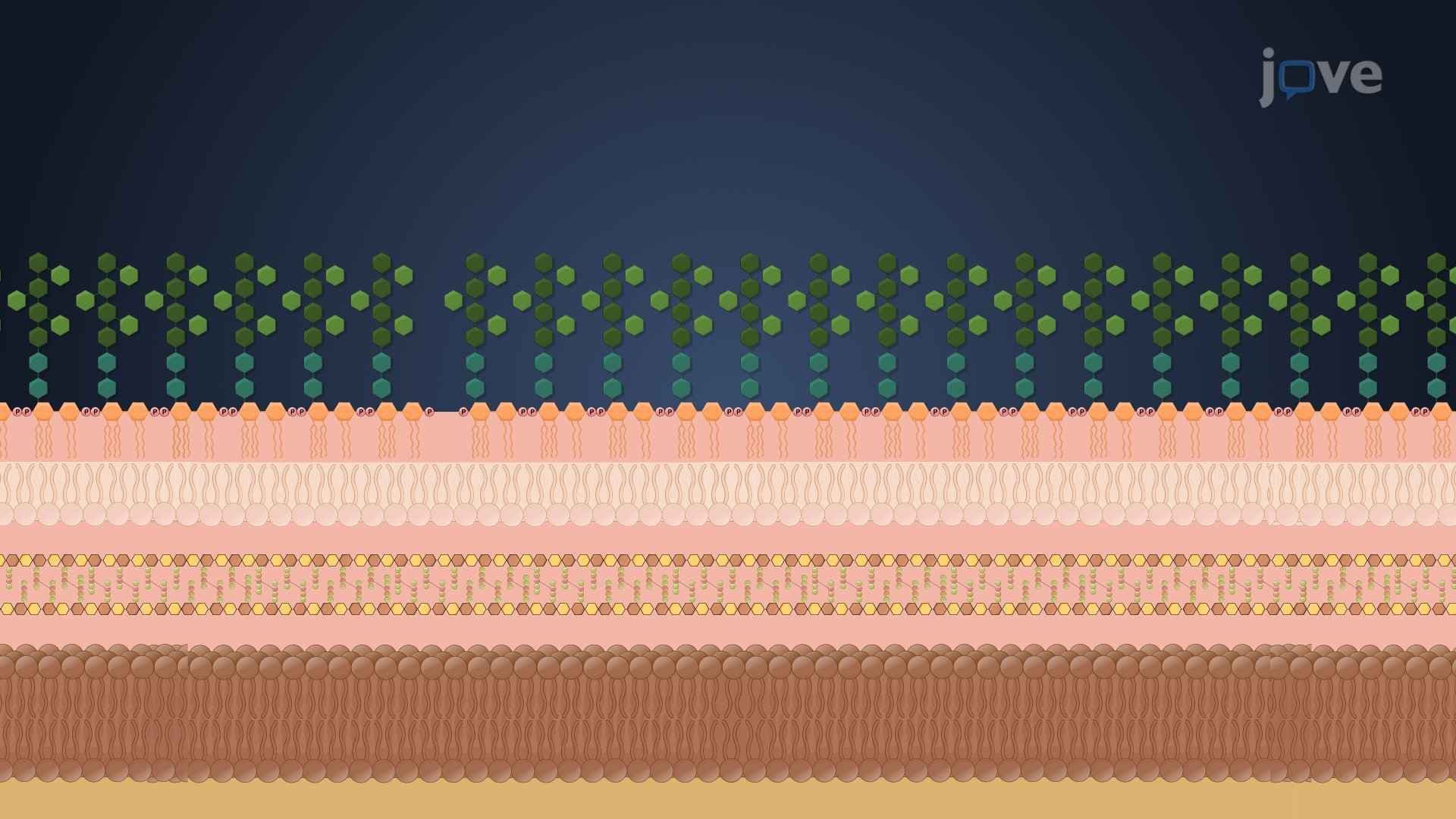
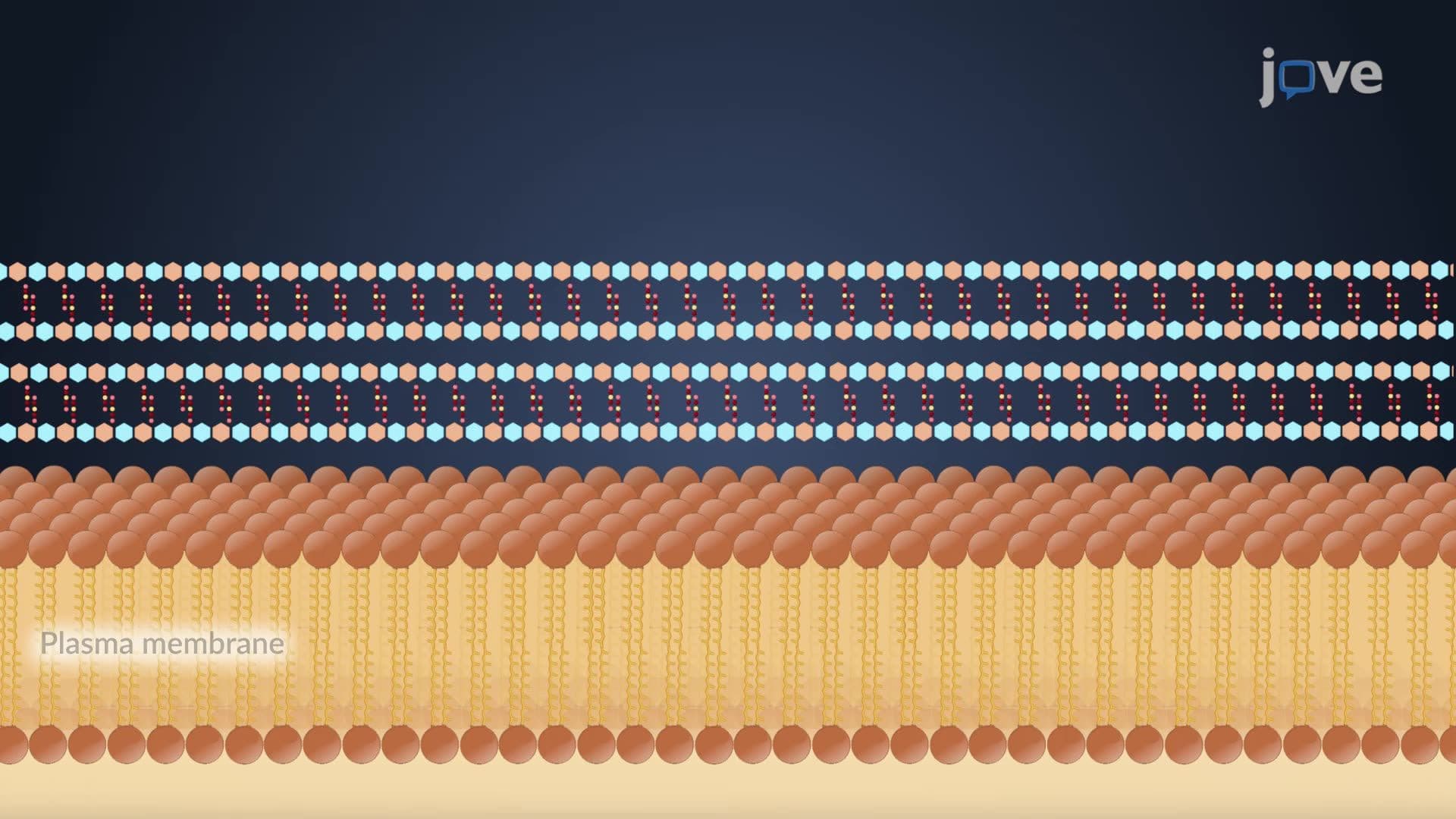
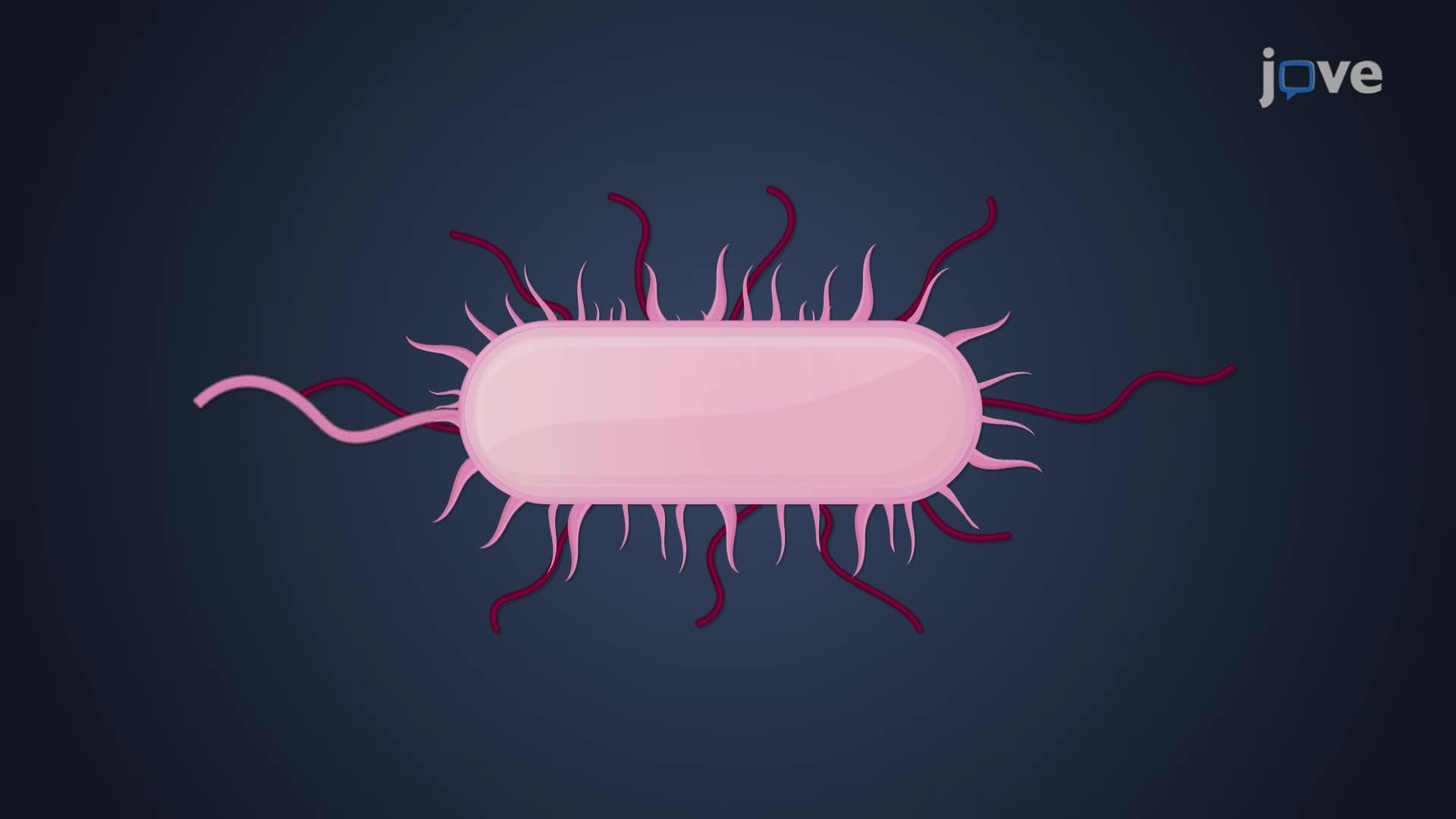
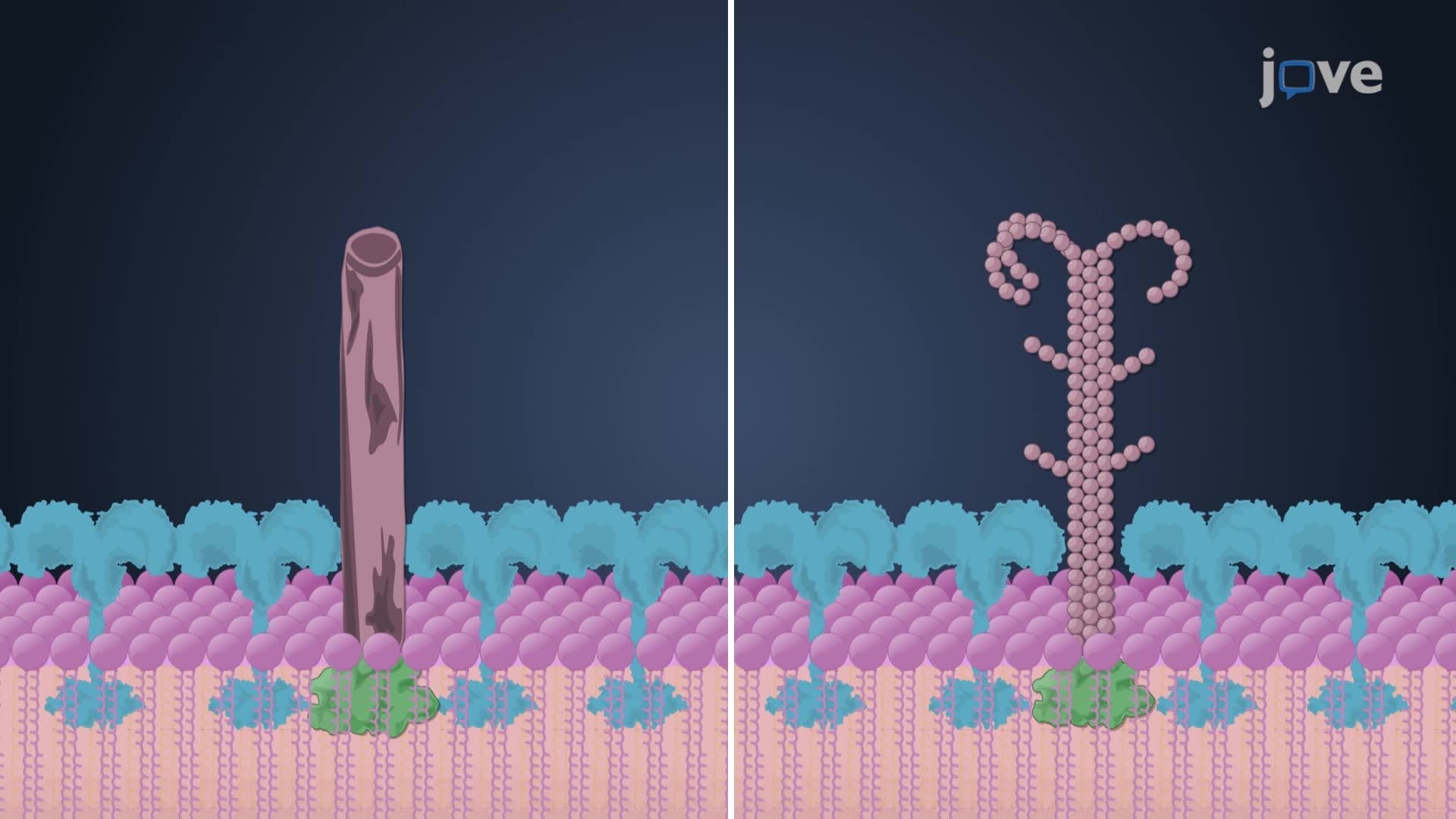
The outer layers cell envelope represents a sophisticated defense system that many prokaryotes deploy beyond their basic cell wall architecture. These extracellular structures consist of three main components: capsules, slime layers, and S-layers, each serving distinct protective and functional roles. Unlike the rigid peptidoglycan cell wall, these outer layers provide dynamic, adaptive protection that can mean the difference between bacterial survival and death in hostile environments.
Capsules vs. Slime Layers: Organization and Function
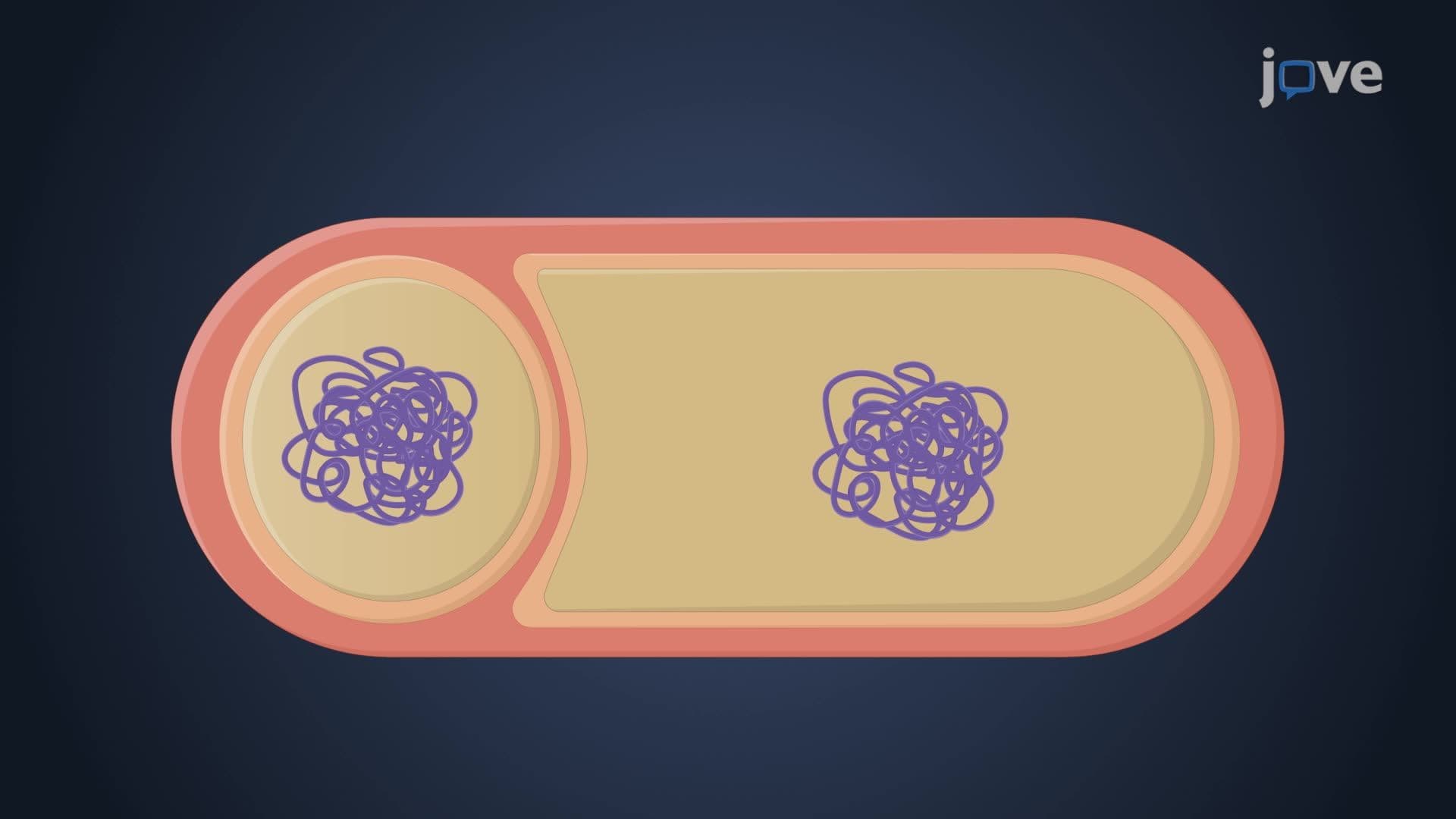
Capsules represent the most organized form of outer cell envelope protection, consisting of tightly bound polysaccharides that form a distinct, visible layer around the bacterial cell. These structures attach firmly to the cell wall and maintain their integrity even under stress. The classic example of capsular protection appears in *Bacillus anthracis*, the causative agent of anthrax that has prompted bioterrorism concerns in the US since the 2001 postal attacks. The anthrax capsule, composed of poly-D-glutamic acid, allows the bacteria to evade macrophage destruction in the human body.
In contrast, slime layers consist of loosely organized polysaccharides that create a more diffuse, less structured envelope. While individual bacterial species can produce both types, they typically appear separately on different cells within a population. This variation allows bacterial communities to adapt to diverse environmental challenges while maintaining population diversity.
S-Layers: Crystalline Protection Systems
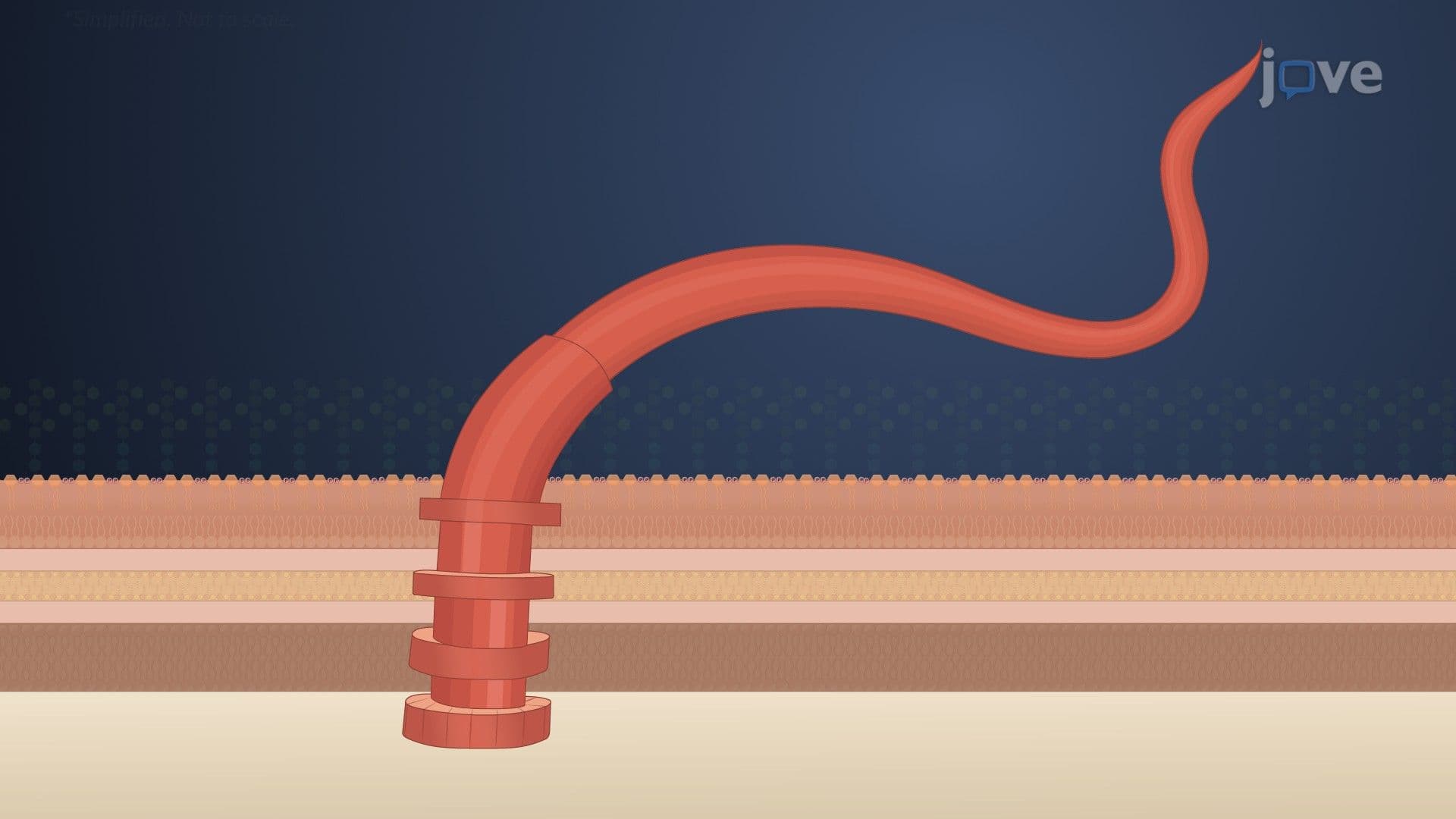
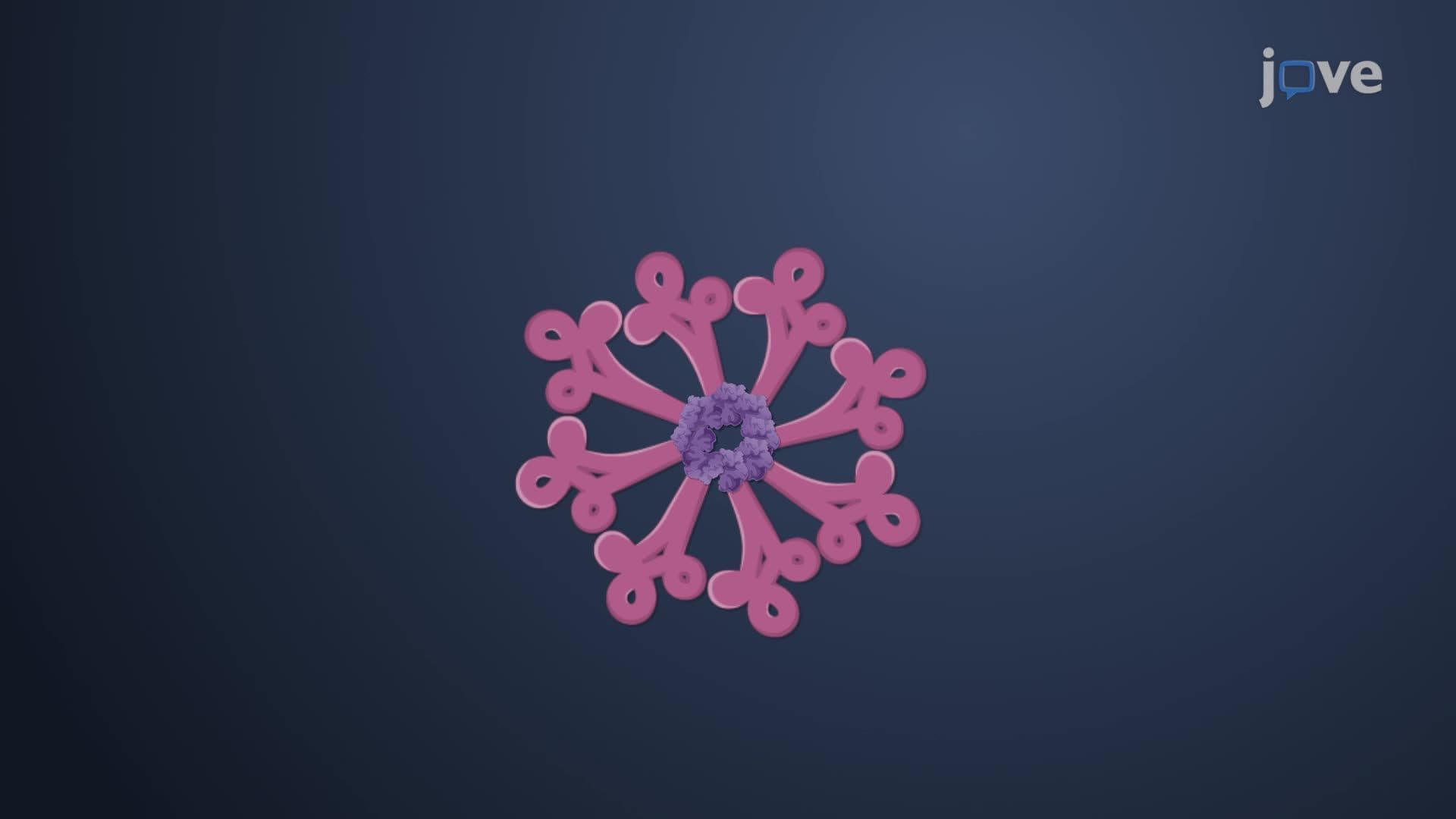
S-layers represent a unique category of outer envelope structures composed of proteins or glycoproteins arranged in crystalline arrays. In archaea, which often inhabit extreme environments like Yellowstone National Park's hot springs, S-layers serve as the primary protective barrier against osmotic lysis and environmental stress. For bacteria, S-layers enhance adhesion capabilities and provide additional protection against harsh conditions, making them particularly important for pathogenic species.
Clinical and Academic Relevance
Understanding outer layers cell envelope concepts proves essential for success in advanced placement biology, MCAT preparation, and undergraduate microbiology courses. These structures frequently appear in exam questions about bacterial virulence factors, biofilm formation, and antibiotic resistance mechanisms. The medical significance becomes evident when considering that encapsulated bacteria like *Streptococcus pneumoniae* cause more severe infections than their non-encapsulated counterparts, directly impacting treatment protocols in US healthcare systems.
Frequently Asked Questions
The outer layers cell envelope consists of capsules, slime layers, and S-layers that exist outside the bacterial cell wall, providing additional protection and functionality. Unlike the rigid cell wall structure, these layers offer dynamic protection against immune responses, dehydration, and environmental stress while enabling surface adhesion and biofilm formation.
Capsules are highly organized, firmly attached polysaccharide layers that maintain distinct boundaries around bacterial cells. Slime layers consist of loosely organized polysaccharides that form diffuse, less structured envelopes with weaker attachment to the cell wall.
MCAT questions often focus on how capsules enhance bacterial virulence and evade immune responses, while AP Biology exams emphasize structural differences and protective functions. Expect questions linking capsule presence to pathogenicity, biofilm formation, and bacterial survival strategies in clinical scenarios.
Study these layers alongside immune system evasion, complement activation, opsonization, and phagocytosis mechanisms. Connect capsular polysaccharides to carbohydrate chemistry and biofilm formation to microbial ecology for comprehensive MCAT preparation covering multiple biological systems.
Midterm exams typically include identification questions using electron micrographs, comparison charts between capsules and slime layers, and case studies linking specific bacterial species to their envelope structures. Lab practicals may involve capsule staining techniques and biofilm observation.
Encapsulated bacteria like Streptococcus pneumoniae require specific vaccine strategies targeting capsular antigens, as seen in pneumococcal vaccines used in US immunization programs. Biofilm-forming bacteria with robust outer layers contribute to chronic infections and medical device contamination in American hospitals.
Basic high school chemistry knowledge suffices for understanding polysaccharide structure and protein organization in these layers. Focus on polymer concepts and molecular interactions rather than complex biochemical pathways to grasp the fundamental protective mechanisms.
Create comparison charts highlighting structure-function relationships for each layer type, use clinical examples like anthrax capsules for memorable associations, and practice drawing simple diagrams showing spatial relationships between cell walls and outer envelope structures.
Progress to studying bacterial pathogenesis mechanisms, biofilm antibiotic resistance, and immune system interactions with encapsulated pathogens. Explore how outer layers influence bacterial communication systems and horizontal gene transfer processes in microbial communities.
Related Micro-courses